



by Redazione 02/03/2026



Categories: Ancient art / Disclaimer
After two years of study using advanced techniques, the Rijksmuseum proves that the 1633 Vision of Zechariah in the Temple is an authentic Rembrandt painting. The work, on loan from a private collector, will be on display from March 4.

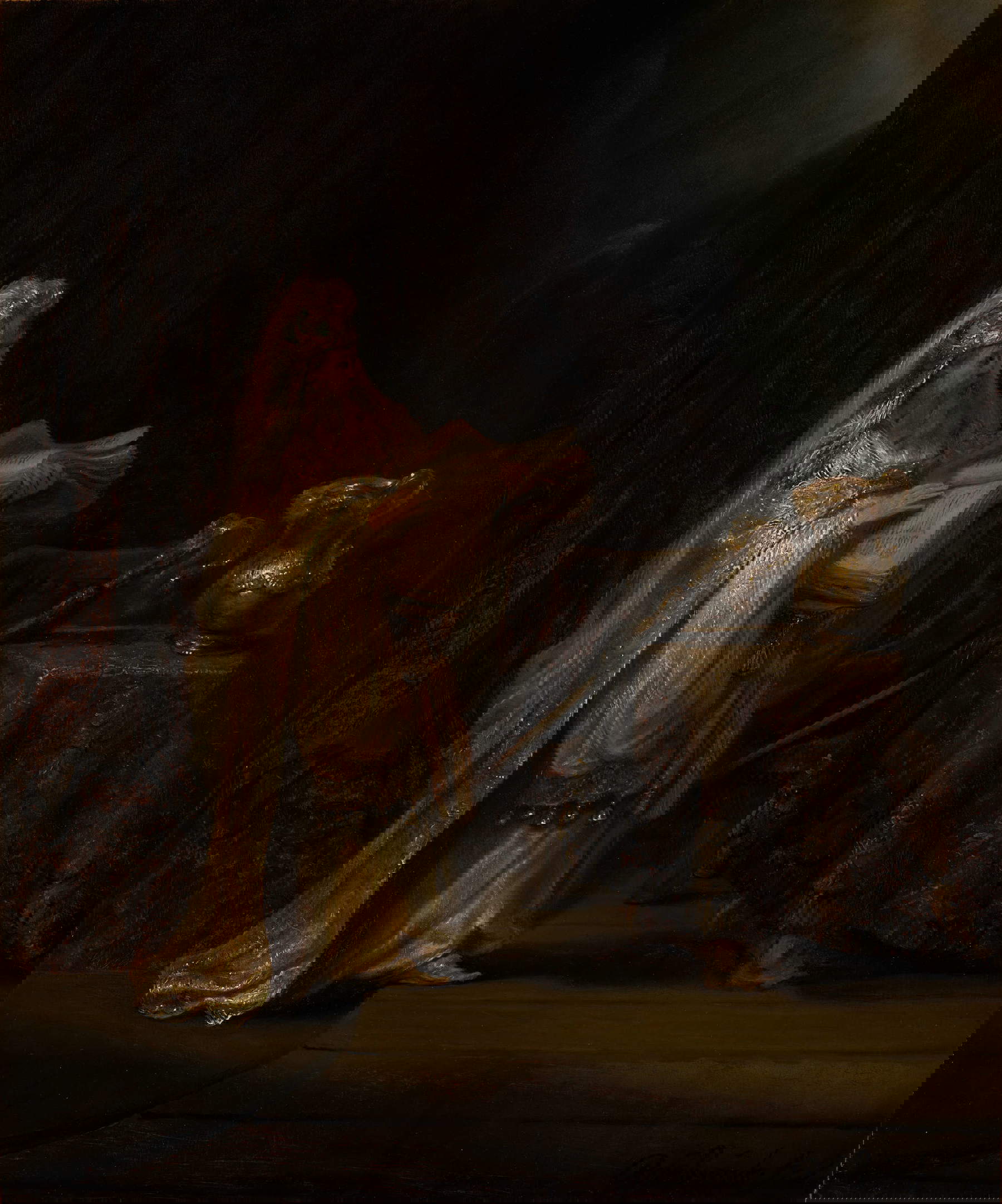
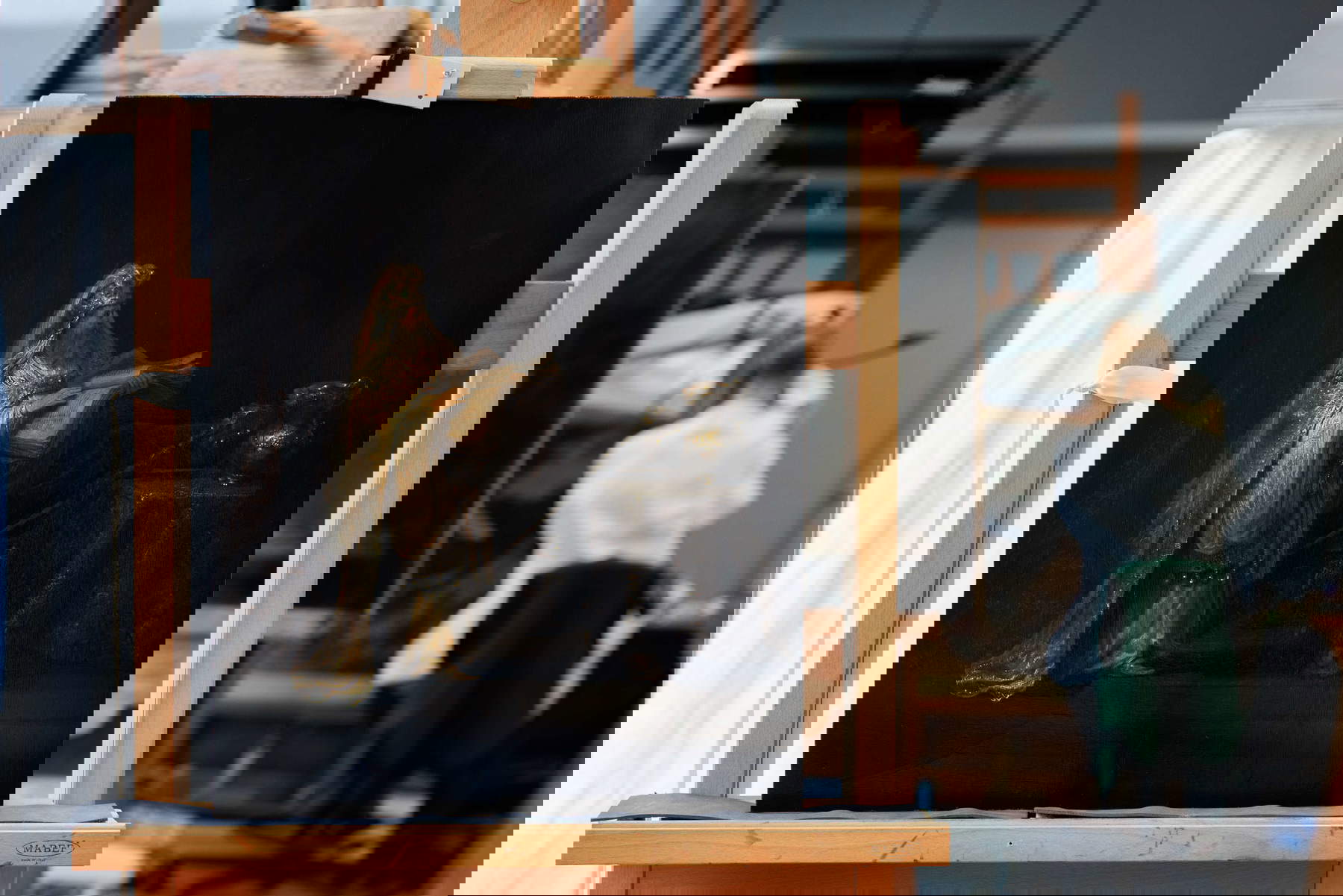
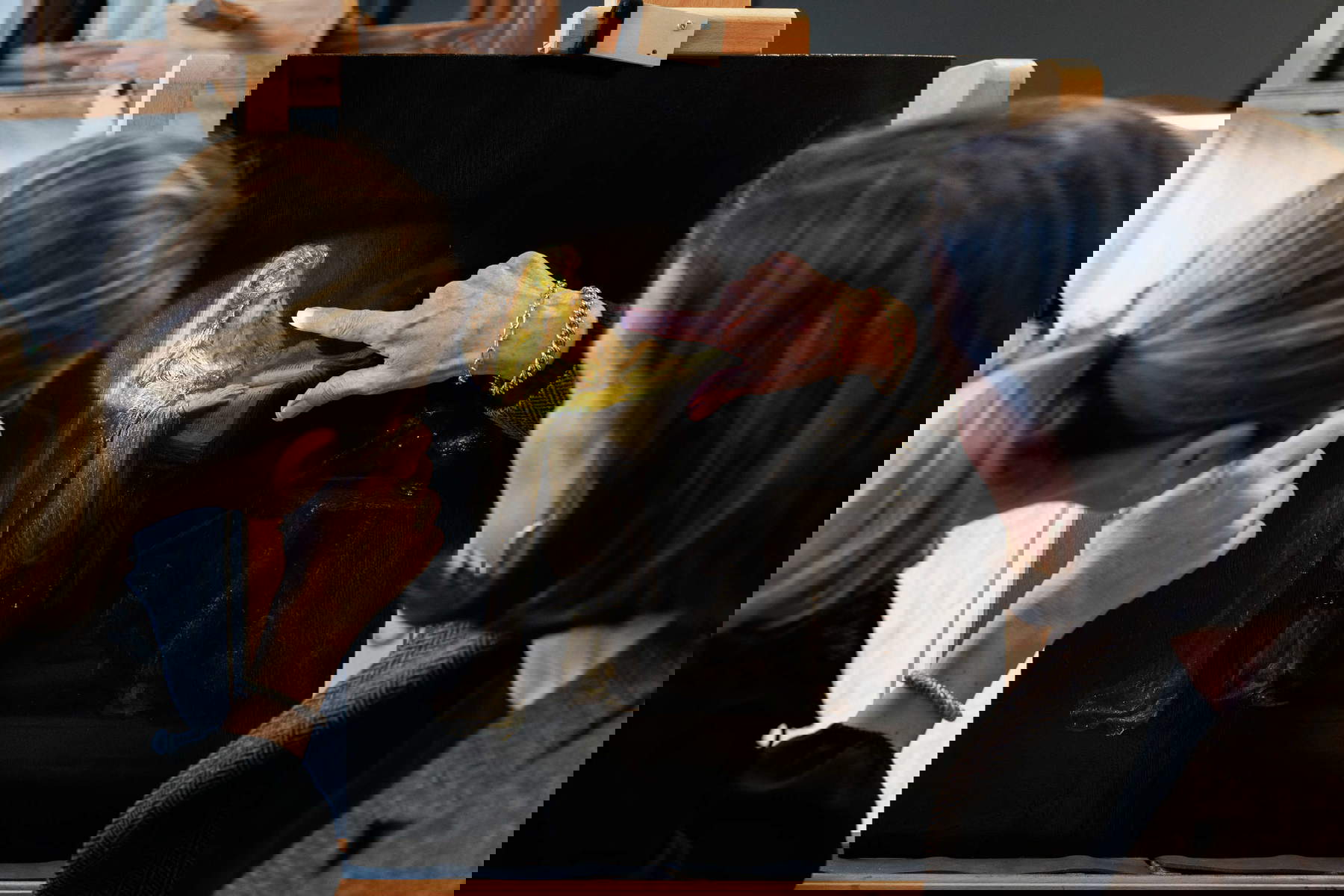
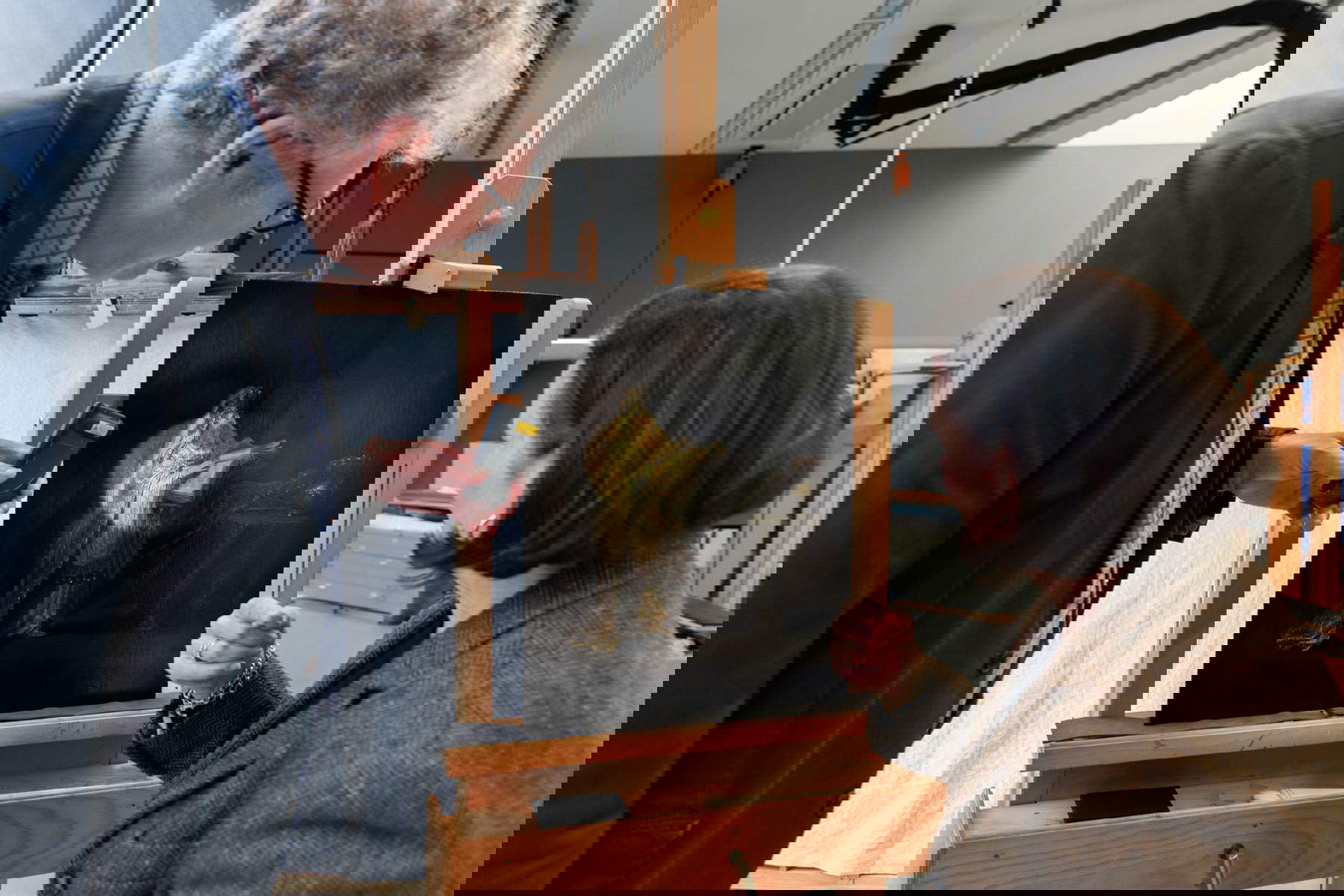
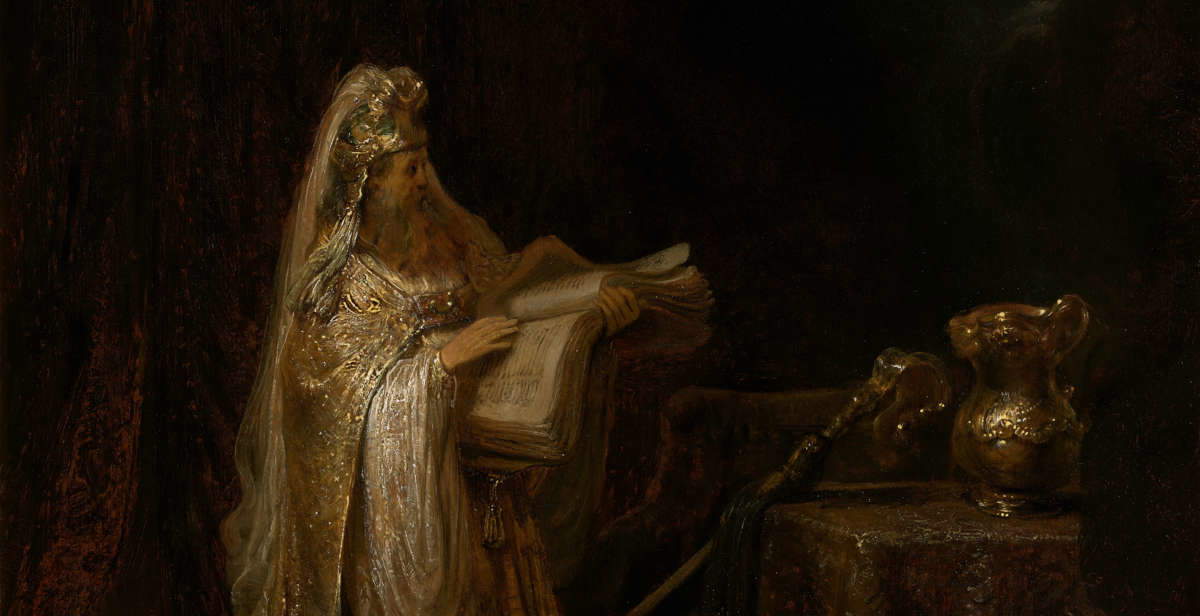
A new work officially enters the catalog of Rembrandt van Rijn (Leiden, 1606 - Amsterdam, 1669). In fact, researchers at the Rijksmuseum in Amsterdam have shown that a painting, the Vision of Zechariah in the Temple, dated 1633, can be assigned to the Dutch master. The result comes at the end of a two-year investigation conducted with the same advanced technologies used in Operation Night Watch, the major study and restoration project devoted to the famous Night Watch. The Vision of Zechariah in the Temple, granted on long-term loan to the museum by a private collector, will be on public display starting Wednesday, March 4.

The announcement, made by the museum this morning, represents a significant step for Rembrandtian studies. The painting, in fact, had been excluded from the artist’s general oeuvre in 1960 and, after being purchased by a private individual in 1961, had disappeared from public view. For more than six decades, scholars were unable to examine it or directly verify its material and stylistic characteristics. Only recently did the current owner contact the Rijksmuseum, allowing the work to be analyzed for the first time in 65 years.


According to the museum’s statement, the body of evidence collected consistently supports the attribution to Rembrandt. Analyses of the materials showed that all the pigments used in the Vision of Zechariah in the Temple also recur in other paintings by the artist made during the same period. The painting technique and stratigraphic construction of the layers are comparable to those of the master’s early works. Investigations conducted with macro-XRF, coupled with careful visual inspection, also revealed compositional changes compatible with Rembrandt’s creative process, elements that strengthen the work’s authenticity.
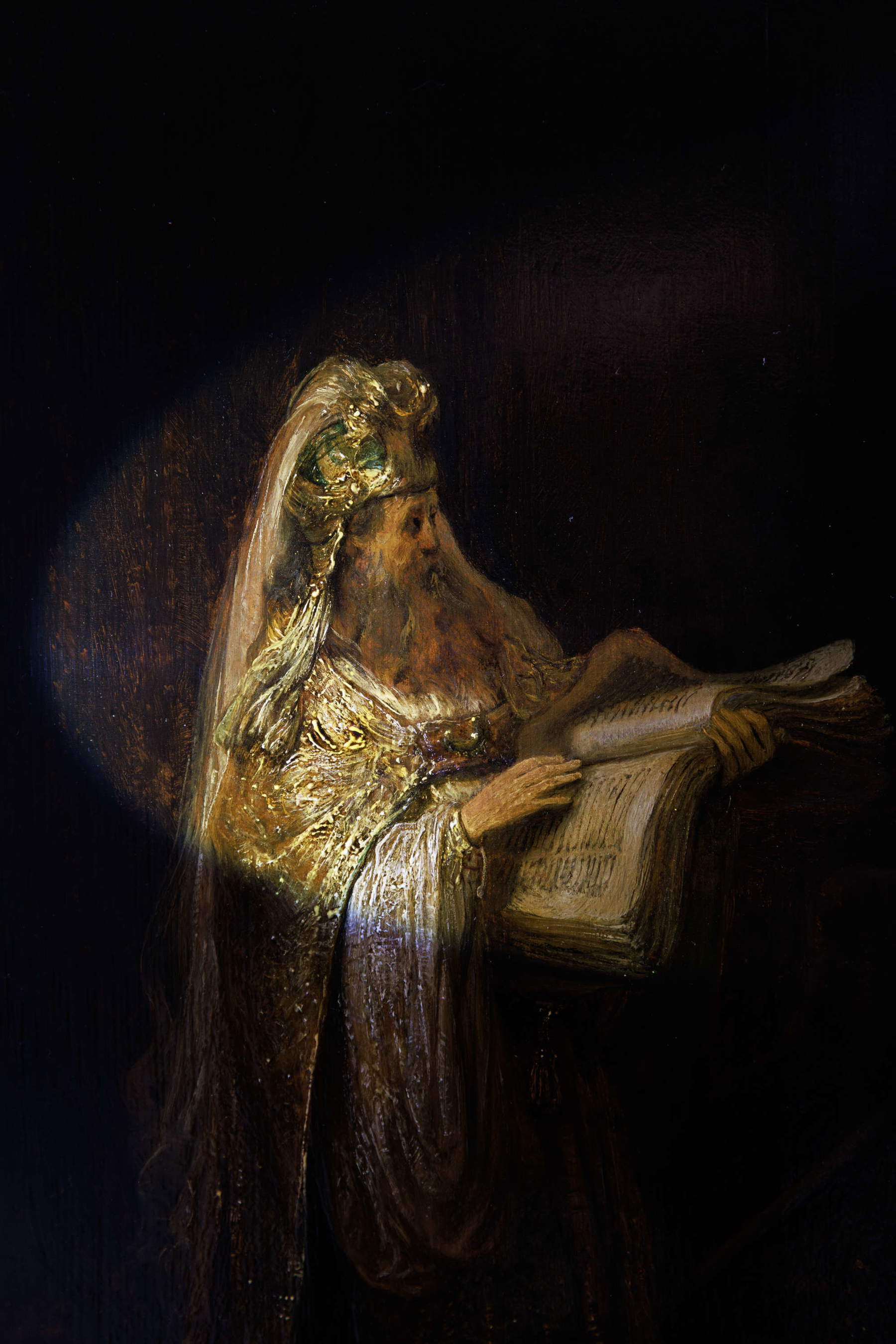
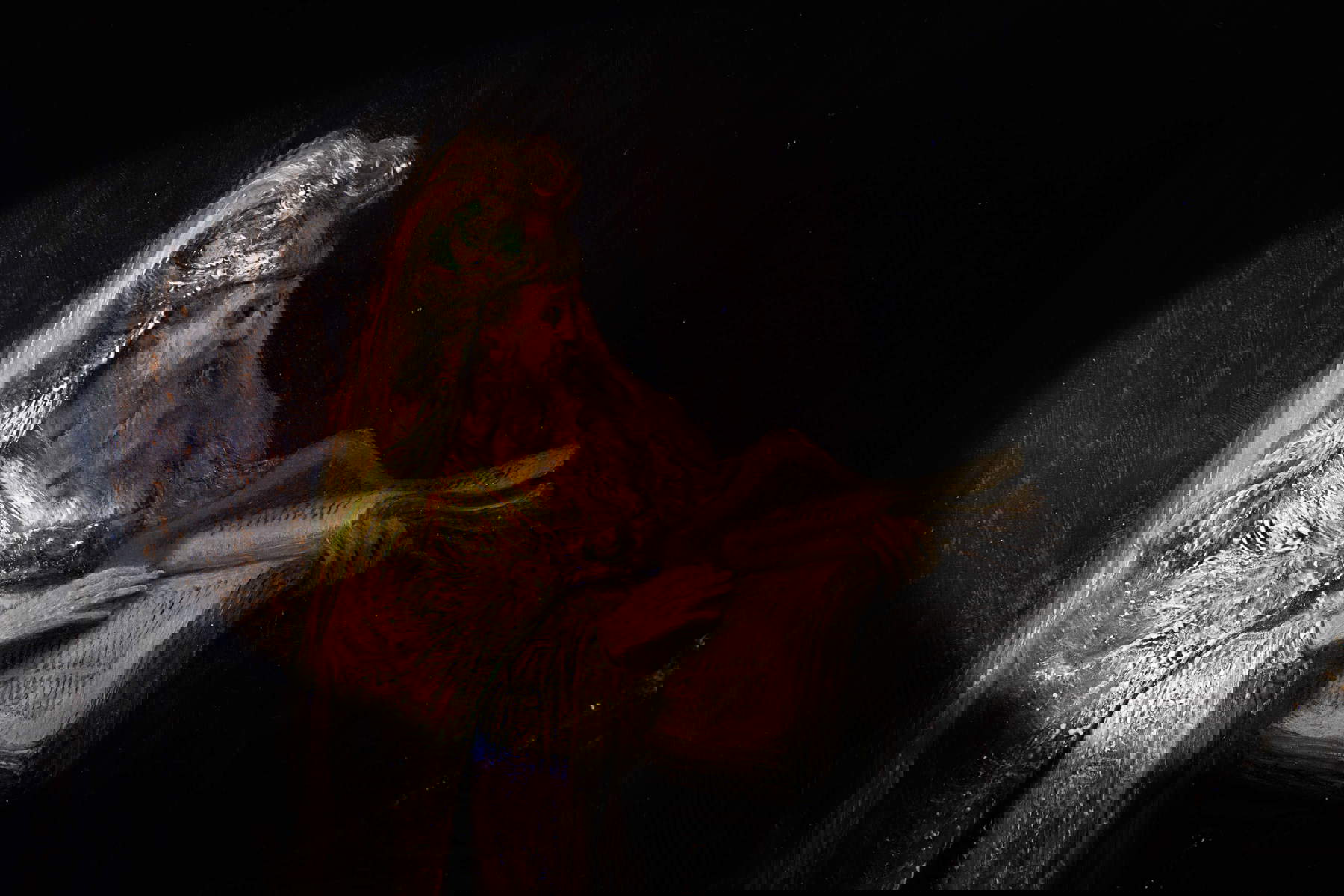
Further confirmation came from the study of the signature, which was found to be original, and from thedendrochronological analysis of the wooden support. The latter attested the chronological consistency of the panel with the date given on the painting, 1633, confirming the historical plausibility of the work. The combination of these technical data, combined with stylistic and qualitative considerations, led the researchers to the conclusion that the painting should be considered a work by Rembrandt van Rijn in its own right.
Taco Dibbits, director general of the Rijksmuseum, emphasized the importance of the discovery also from the point of view of knowing the artist. “It is wonderful,” he said, “that we can now find out more about the young Rembrandt: he created this very moving work shortly after moving from Leiden to Amsterdam. It is a beautiful example of Rembrandt’s unique way of telling stories.”
The subject depicts an episode from the biblical narrative of the high priest Zechariah. The scene depicts the moment when Zechariah is visited in the temple by the archangel Gabriel. The angel announces that, despite his and his wife’s advanced age, the couple will have a son, John the Baptist. The archangel is not directly visible in the painting, but his presence is evoked by the light bursting from the upper right corner of the composition. Zechariah’s expression of surprise and disbelief visually translates his upset at an unexpected and miraculous announcement.
Thematically, the work fits consistently into the activities of the 27-year-old Rembrandt. Researchers point out how the Vision of Zechariah in the Temple stands alongside paintings such as Daniel and Cyrus before the idol Bel of 1633, now in the J. Paul Getty Museum in Los Angeles, the Song of Simeon of 1631 kept at the Mauritshuis in The Hague, and Jeremiah Lamenting the Destruction of Jerusalem of 1630 kept at the Rijksmuseum in Amsterdam itself. Emerging in these works is the same attention to the narrative dimension, the rendering of emotions, and the dramatic use of light as a tool for constructing meaning.
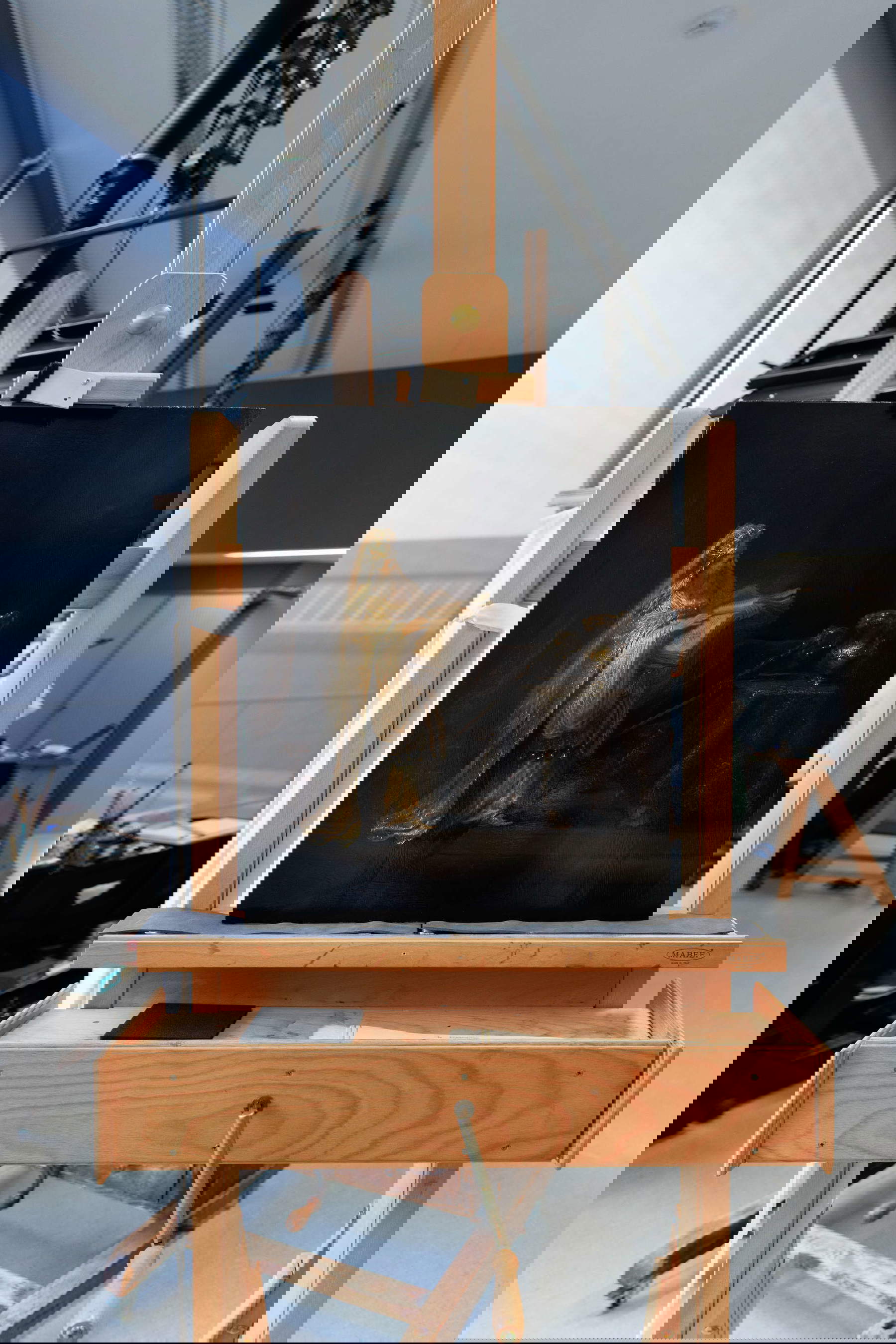
The use of light as a revelatory element, in the case of the Vision of Zechariah, assumes a central function. The physical absence of the angel and its evocation through the glow that crosses the pictorial space are consistent with the Rembrandtian poetics, capable of suggesting the spiritual dimension through formal and luministic solutions. The reaction of the protagonist, caught in a moment of suspension between doubt and astonishment, reflects that capacity for psychological introspection that characterizes the master’s early trials.
With the public exhibition starting March 4, the museum now offers visitors the chance to directly observe a work that expands our knowledge of a crucial phase in the painter’s career. The Vision of Zachariah in the Temple provides insight into the moment when Rembrandt, having moved from Leiden to Amsterdam, was beginning to confront a new artistic context and larger commissions. The painting testifies to a phase of linguistic experimentation and consolidation, in which narrative rendering and emotional tension became hallmarks of Rembrandt’s poetics.
 |
| New Rembrandt work discovered: announcement from Rijksmuseum |
Warning: the translation into English of the original Italian article was created using automatic tools. We undertake to review all articles, but we do not guarantee the total absence of inaccuracies in the translation due to the program. You can find the original by clicking on the ITA button. If you find any mistake,please contact us.