




The Monumental Complex of the Pilotta in Parma has announced the acquisition of the Collection of Branches Engraved on Various Occasions by the Regio-Ducal Court of Parma, an album made in 1791 by Ennemond Alexandre Petitot (Lyon, 1727 - Parma, 1801), from the Libreria Antiquaria Pregliasco inTurin. The operation, supported by the Ministry of Culture, enriches the collection of the Palatine Library, with a potential reflection on the holdings of the Bodoni Museum as well. This is an extremely rare volume containing nearly one hundred copper-engraved plates of the drawings that Petitot made for prints by Giambattista Bodoni (Saluzzo, 1740 - Parma, 1813), commissioned by the Court of Parma between 1769 and 1791 under the reign of Ferdinand I of Bourbon. The only other known specimen preserved in a public library is in the Braidense National Library in Milan; there is also a copy sold in 1845, before the volume disappeared from the antiquarian market.
“To have participated in the recovery of this Bodonian relic, a piece of absolute rarity, fills me with joy and pride,” says Stefano L’Occaso, director of the Pilotta Monumental Complex. “It is the second extant copy of this printed work, presumably the subject of a very limited print run, and it is sacrosanct that it should come to enrich the holdings of the Palatine Library. If the operation has been successful, we owe it to our scientific committee, the Ministry’s technical-scientific committee and the General Directorate of Museums, which bore the costs.”
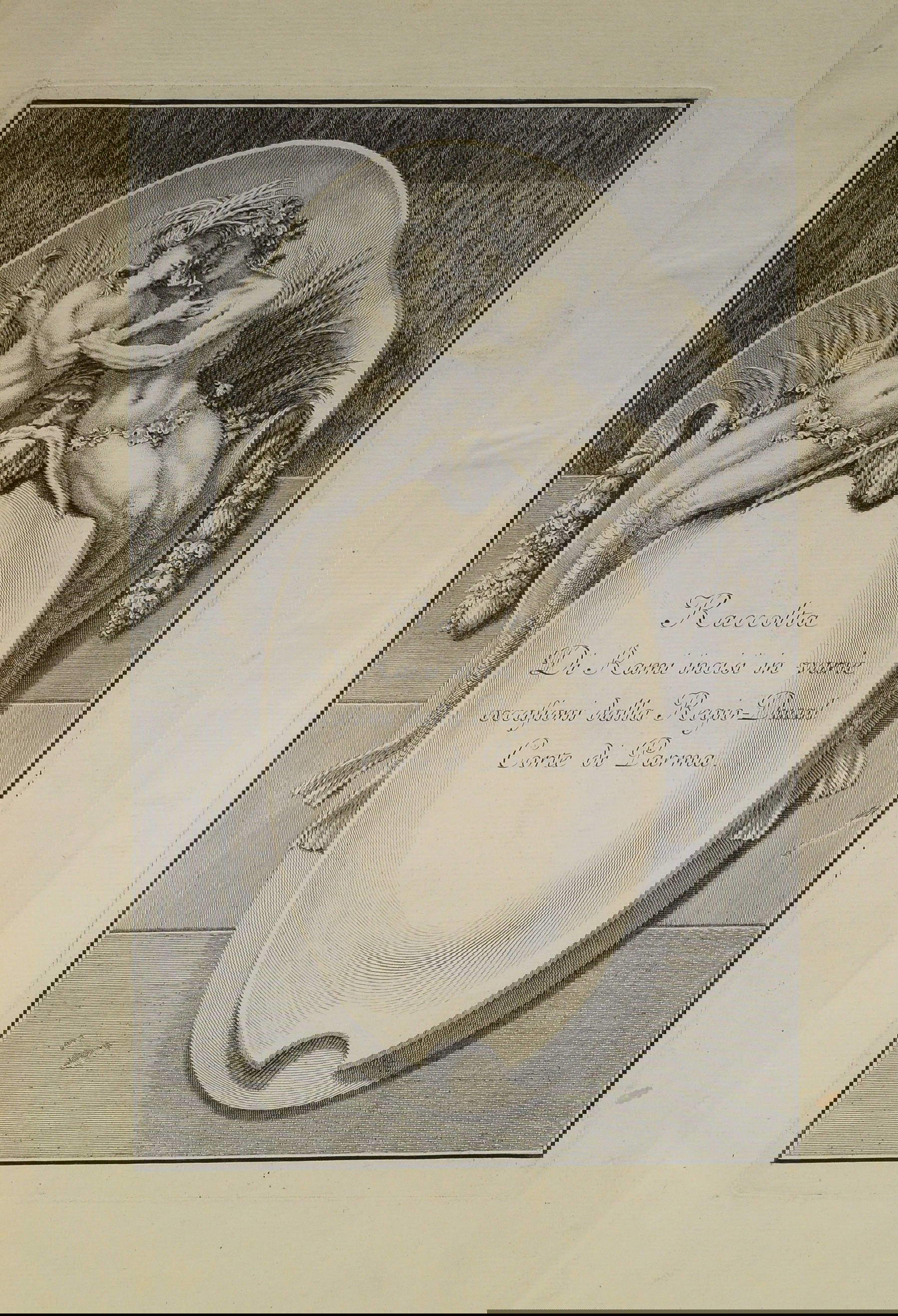
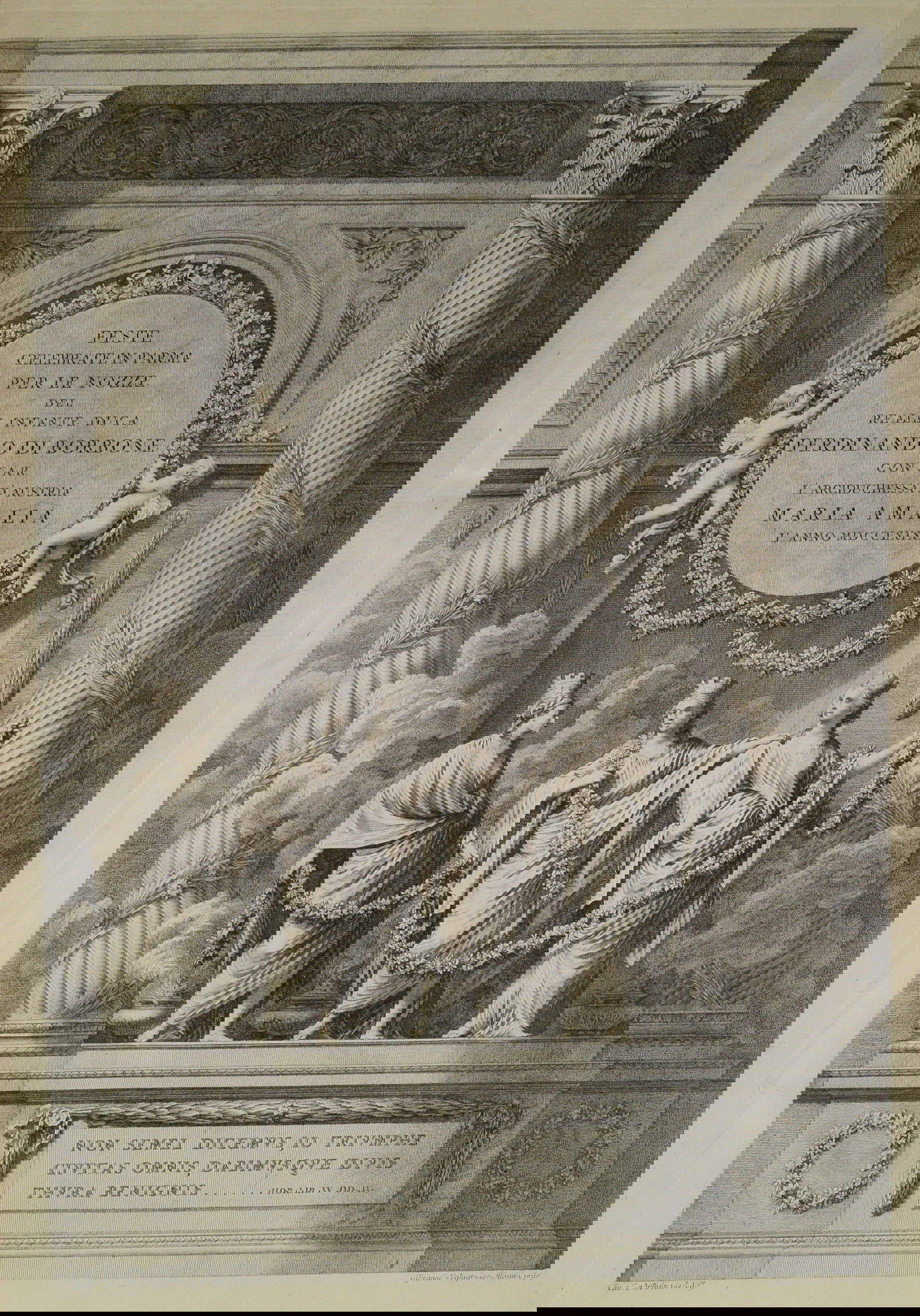 Printed text (antique) Bodoni, Giambattista 1769 Parma. Etching/Bulino technique. Inv. Dis. Cav. E. A. Petitot (1727/1801) inc. GiovannI Volpato (1733/1803)" />
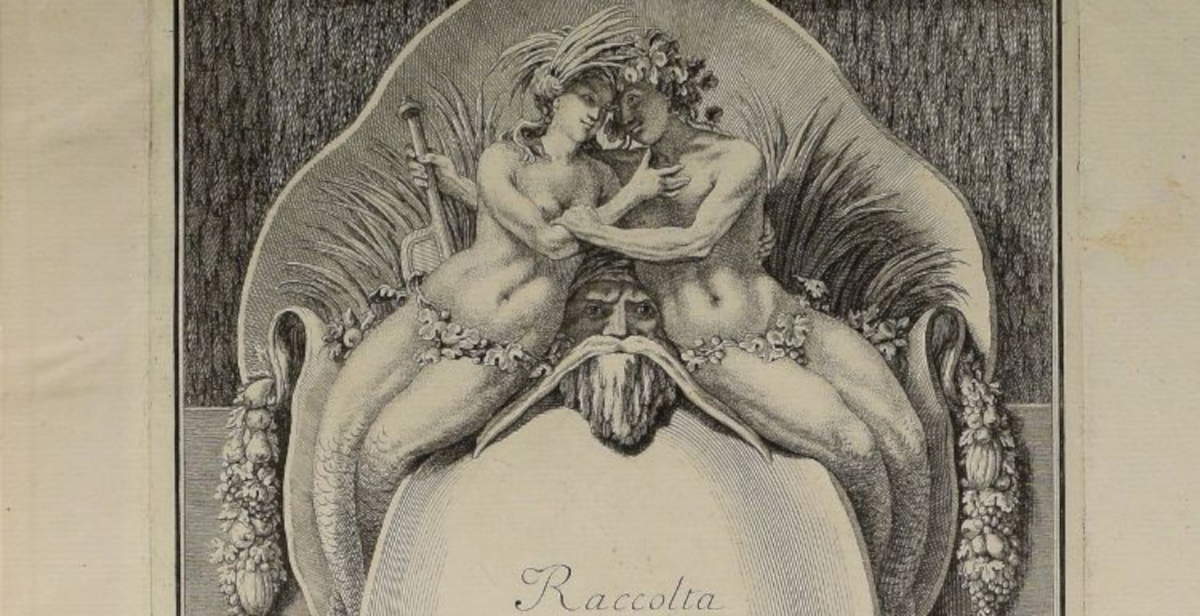
The genesis of the Collection of Engraved Branches dates back to Petitot’s arrival in Parma in 1753, appointed first architect to Philip I of Bourbon. In the city he worked on emblematic interventions, including theAra dell’Amicizia, and helped redefine urban planning through the renovation of the Reggia di Colorno and the Giardino Ducale. At the height of his career he met the young Bodoni, who had just been appointed director of the Royal Printworks, beginning a collaboration that was destined to leave its mark on the history of Parma typography. The album, in large folio (520×355 mm), consists of 119 sheets and six folded plates, some more than a meter wide, including those of the Teatro Farnese and Veleia. It contains 202 engraved plates, including ten signed by Benigno Bossi, six by Biagio Martini, four by Antonio Bresciani, and seven by other artists, all preserved in excellent condition. In terms of content, the work reflects the cultural fervor of Parma in the late 18th century, placing the city among the European capitals of typographic art. The frontispiece, designed by Petitot, depicts an allegory of the Po and the Parma stream enclosed in a shell valve. The album collects engravings used in various Bodoni publications, from famous editions to lesser-known works, including the 1769 Descrizione delle feste feste celebrate in Parma andAra amicitiae, as well as allegorical prints of the visit of Emperor Joseph II and Don Ferdinand to the Academy of Fine Arts.
Other engravings date from the same year and document the wedding celebrations between Ferdinand of Bourbon and Archduchess Maria Amalia of Austria, plans for the Royal Chapel of San Liborio and the Hall of Colorno, as well as plans of the Garden of Parma and the excavations at Veleia. The album also includes scientific, technical and religious plates, as well as great representations of the Teatro Farnese. Technically, the binding is in coeval mottled calfskin, with a wide border of gilt bellflowers on the covers and an eight-compartment spine decorated with friezes and gourd flowers. The ex-libris on the inside front cover reveals the album’s previous belonging to the library of Viennese collector Karl Koch (1864-1905). The acquisition represents an important enrichment for the Palatine Library, consolidating Parma’s historical and artistic memory and confirming the city’s importance in the field of typographic arts and engraving in the 18th century.
 |
| The Complex of the Pilotta in Parma acquires an album of engravings by Petitot and Bodoni |

Warning: the translation into English of the original Italian article was created using automatic tools. We undertake to review all articles, but we do not guarantee the total absence of inaccuracies in the translation due to the program. You can find the original by clicking on the ITA button. If you find any mistake,please contact us.




















 IT
IT FR
FR DE
DE ES
ES CN
CN


