





A new exhibit dedicated to the casts of the victims of the eruption of Mount Vesuvius in 79 A.D. recounts for the first time in an organic way the origin, history and technique of one of Pompeii’s most famous and poignant testimonies. The exhibit, which can be visited from March 12, 2026 at the Palestra Grande in the Pompeii Archaeological Park, is presented as a kind of memorial that traces the catastrophe that erased the ancient city, while at the same time restoring the human face of the tragedy through casts of people swept away by the eruption.
The exhibition brings together twenty-two casts of victims, selected from the best preserved and most legible ones, presented in relation to their contexts of origin. The testimonies come from different places in the ancient city, from the domus in the inner areas to the gates and roads that led out of the built-up area, along which the inhabitants tried to escape in vain. For the first time, a permanent exhibit brings together such a large number of these testimonies, offering a comprehensive account of the tragedy and the technique that made it possible to restore the shapes of the bodies trapped in the ashes.
“I was struck by the display done with great scientific rigor, the ability to restore the raw truth of the eruption of Pompeii and the expressiveness of the casts,” said Culture Minister Alessandro Giuli during his visit to the newly inaugurated display. “And at the same time the respectful attitude towards the victims, through a gallery of pain that gives us back the truth as in a contemporary shrine, because all the tragedies that occur due to natural disasters are condensed in this magnificent, terrifying and explanatory representation that the director and all the magnificent staff of the Archaeological Park have offered us. It is a courageous exhibition because it is also extremely contemporary. The representation of death is not easy, it is not easy to put on display the nakedness of casts of bodies swept away by ash, lapilli and lava. You have to know how to do it and how to tell it with a scientific but at the same time empathetic look at the pain. And the mission has succeeded.”
The exhibition project was born from the dialogue between a museum language geared toward restoring dignity to the victims and the need to tell the story of the eruption and the people who lived through it with scientific rigor. The result is an objective narrative of an event that profoundly marked the history of the Mediterranean and continues to speak to contemporary audiences today. The visitor’s experience is directly confronted with what writer Luigi Settembrini, in the nineteenth century, called the “pain of death regaining body and figure,” describing the casts of Pompeii not as works of art or imitations, but as “their bones, the relics of their flesh and of their cloths mixed with plaster.” Primo Levi, too, in the poem The Child of Pompeii, evoked these testimonies as an “endless agony, terrible testimony.”
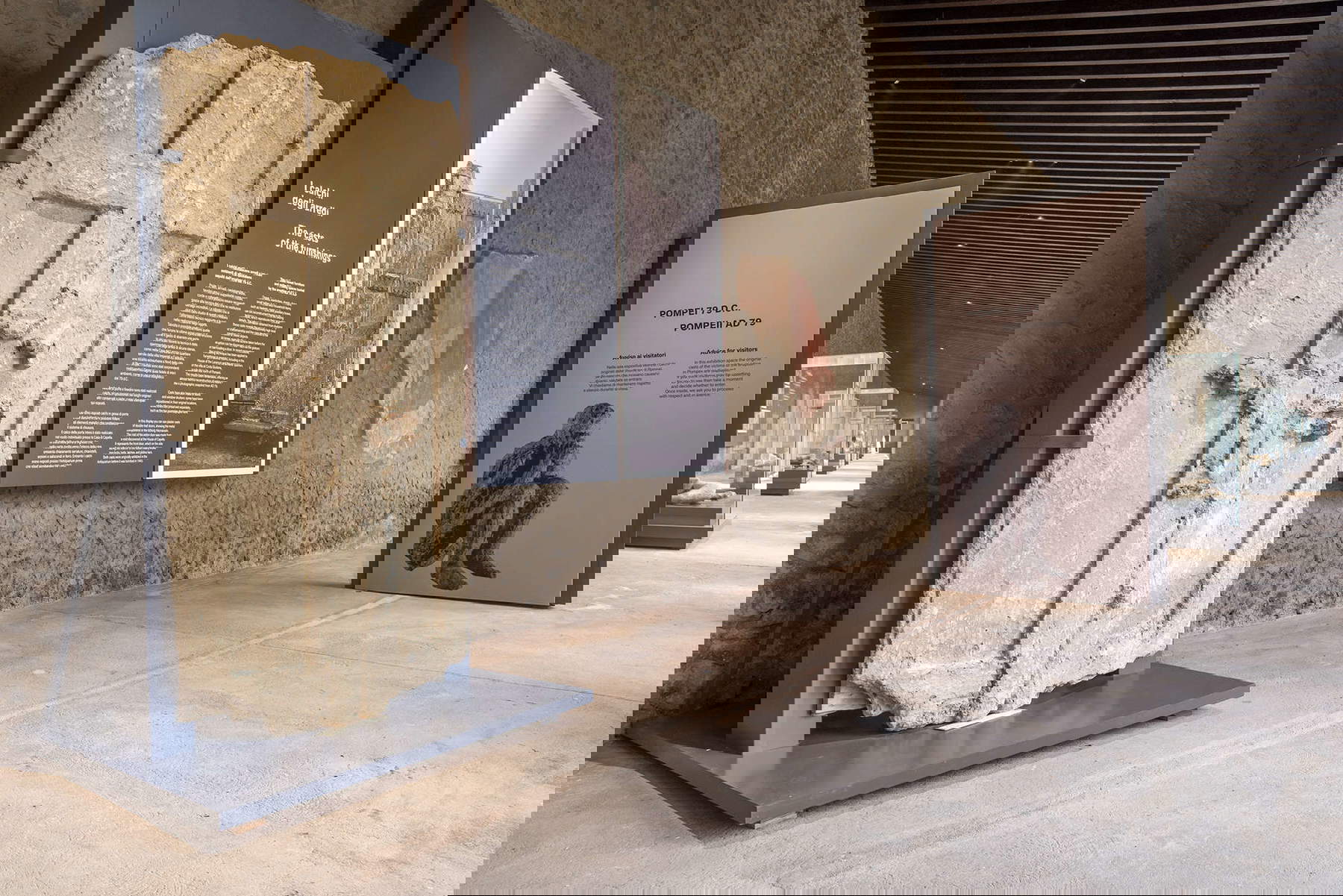
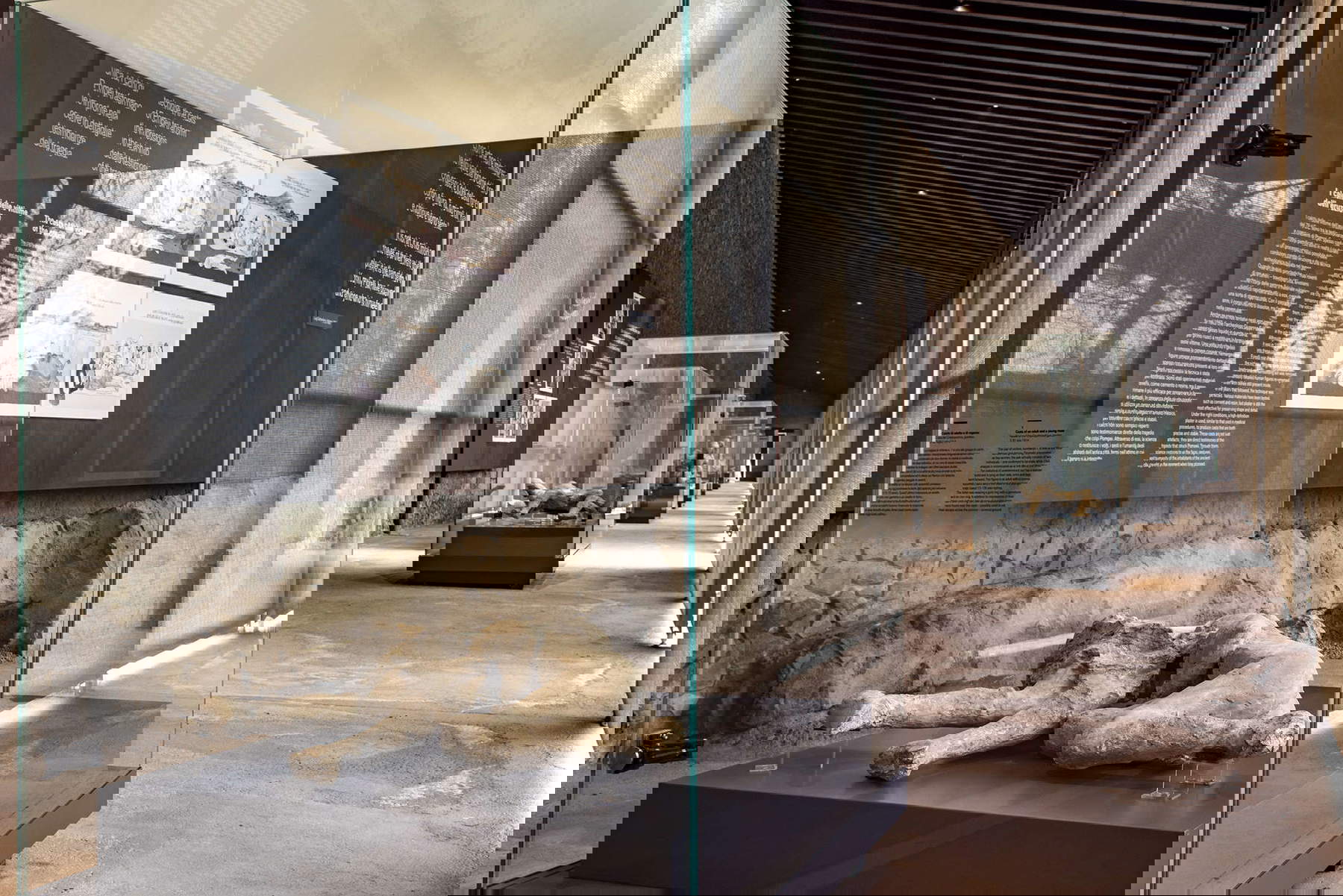
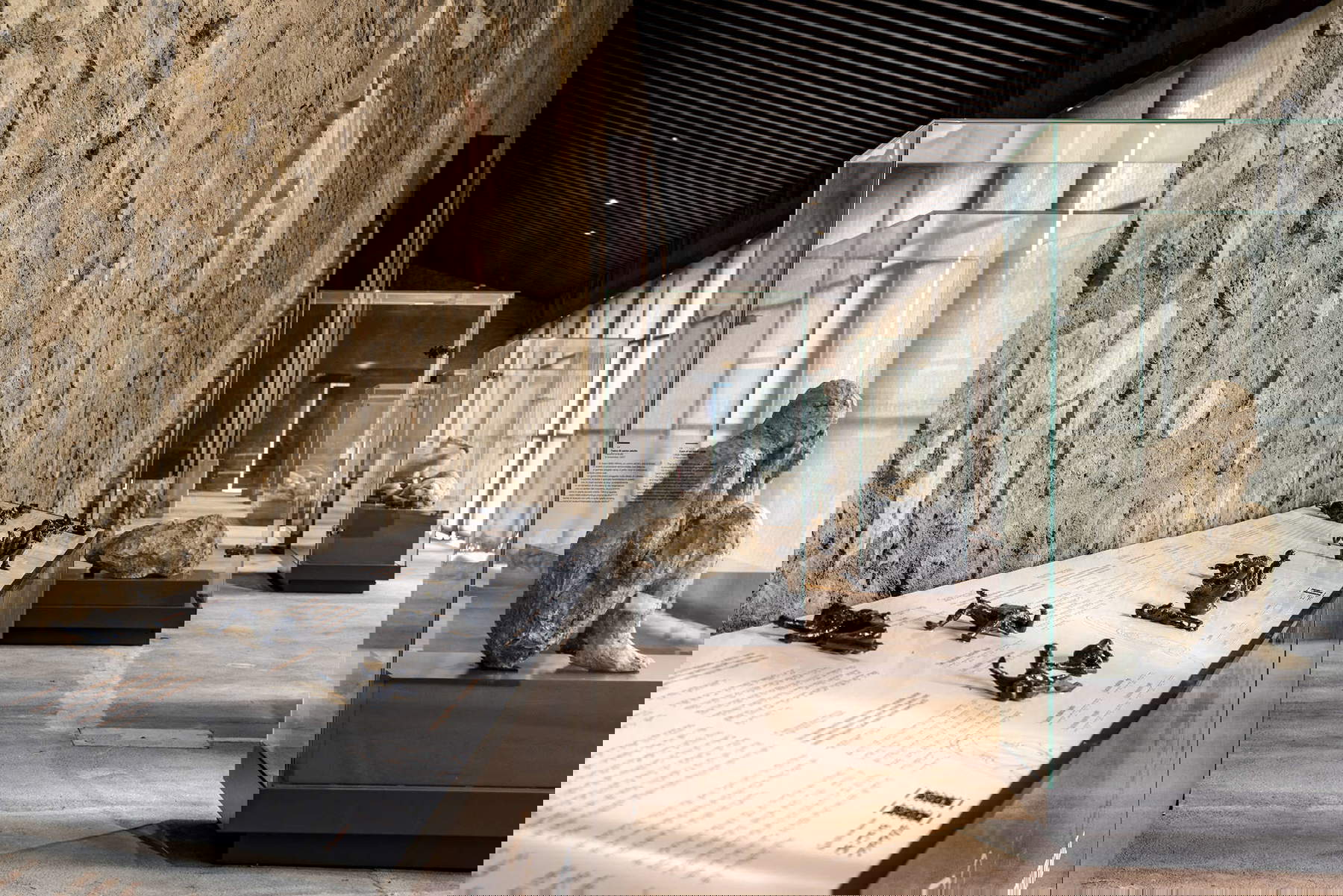
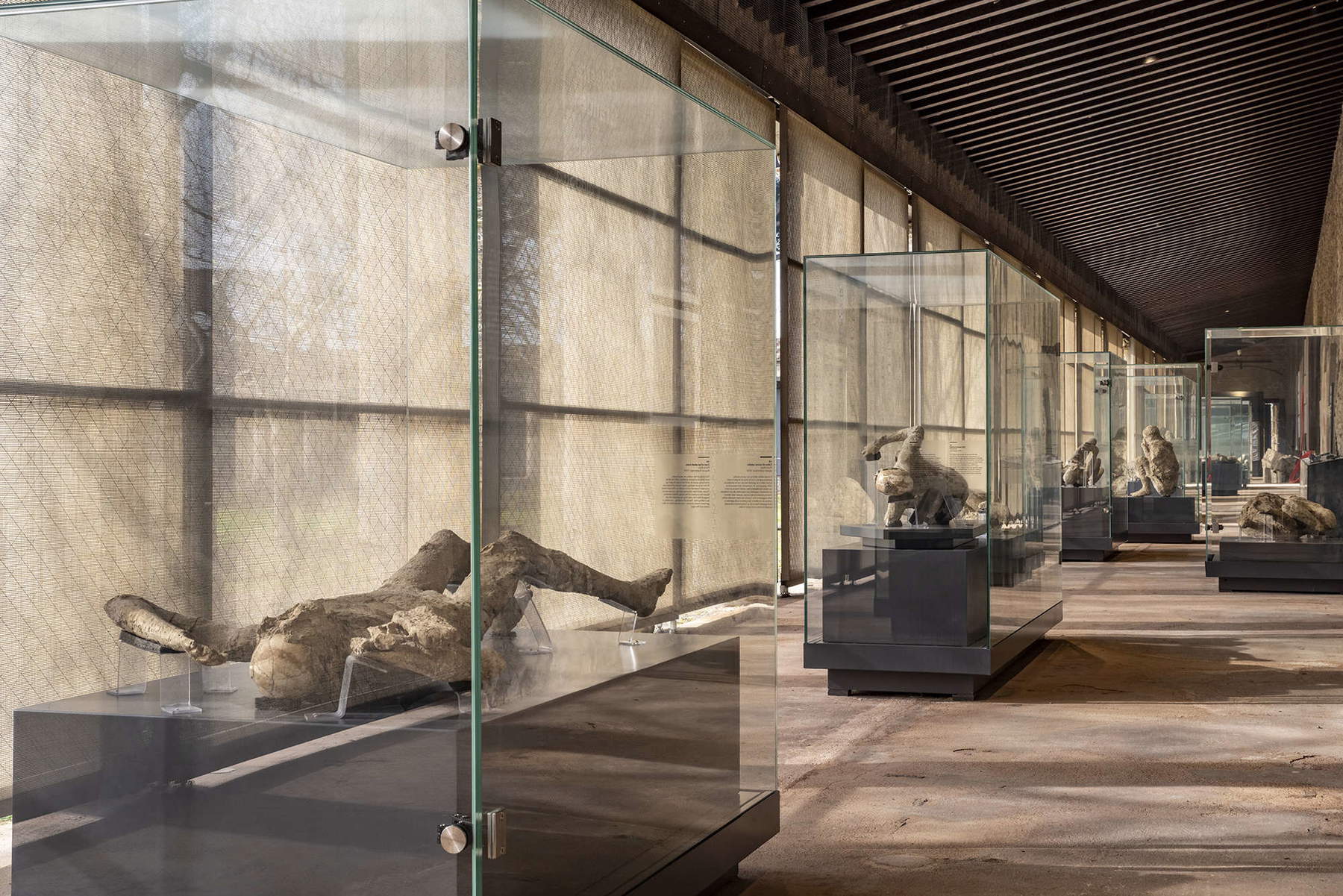
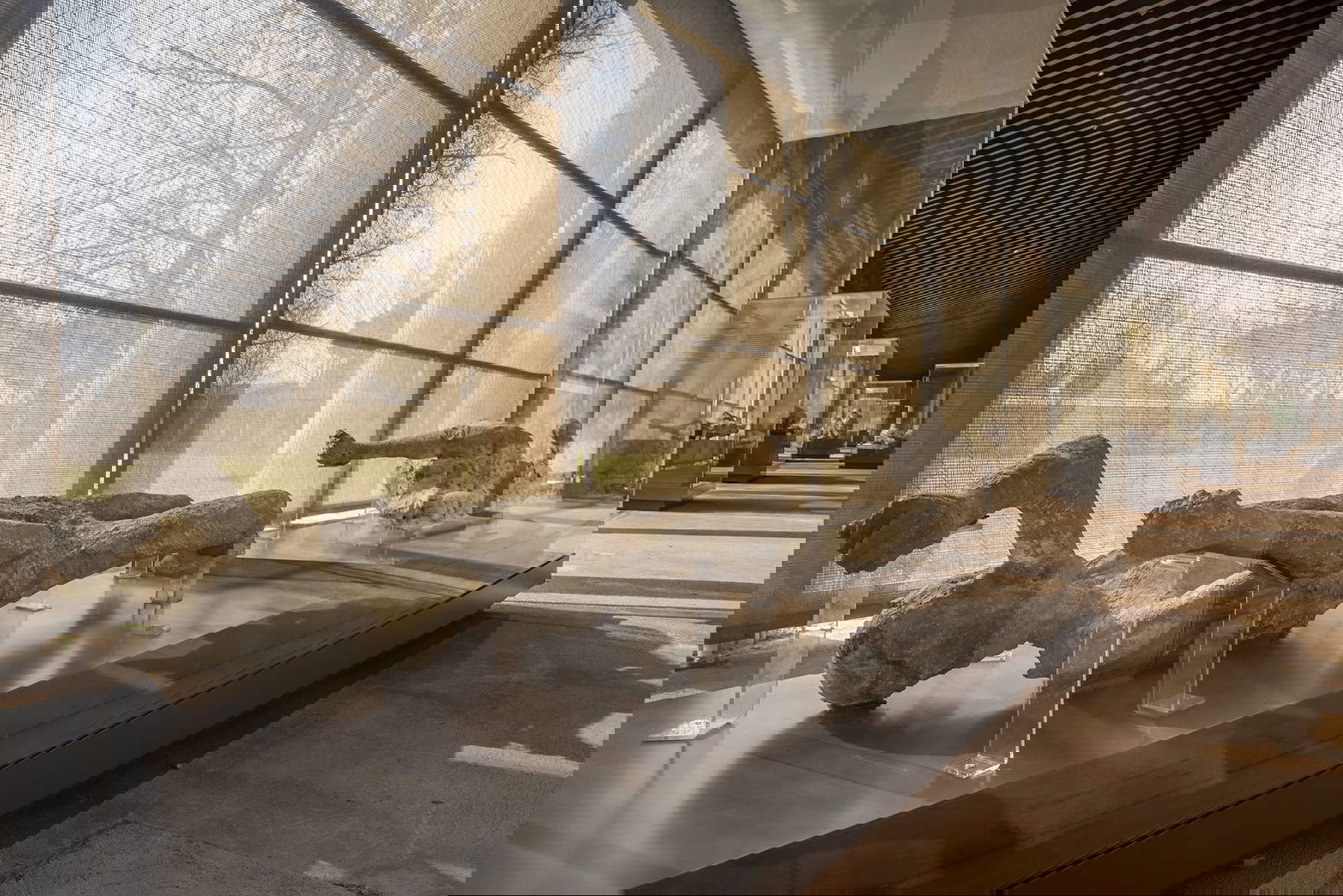
The exhibition route is developed in the south and north porticos of the Palestra Grande, the large square building located in front of the Amphitheater and originally intended for the education of citizens. It houses two main sections: one dedicated to volcanology and organic finds, with plant and animal evidence, and a second dedicated to human remains and casts of victims of the eruption.
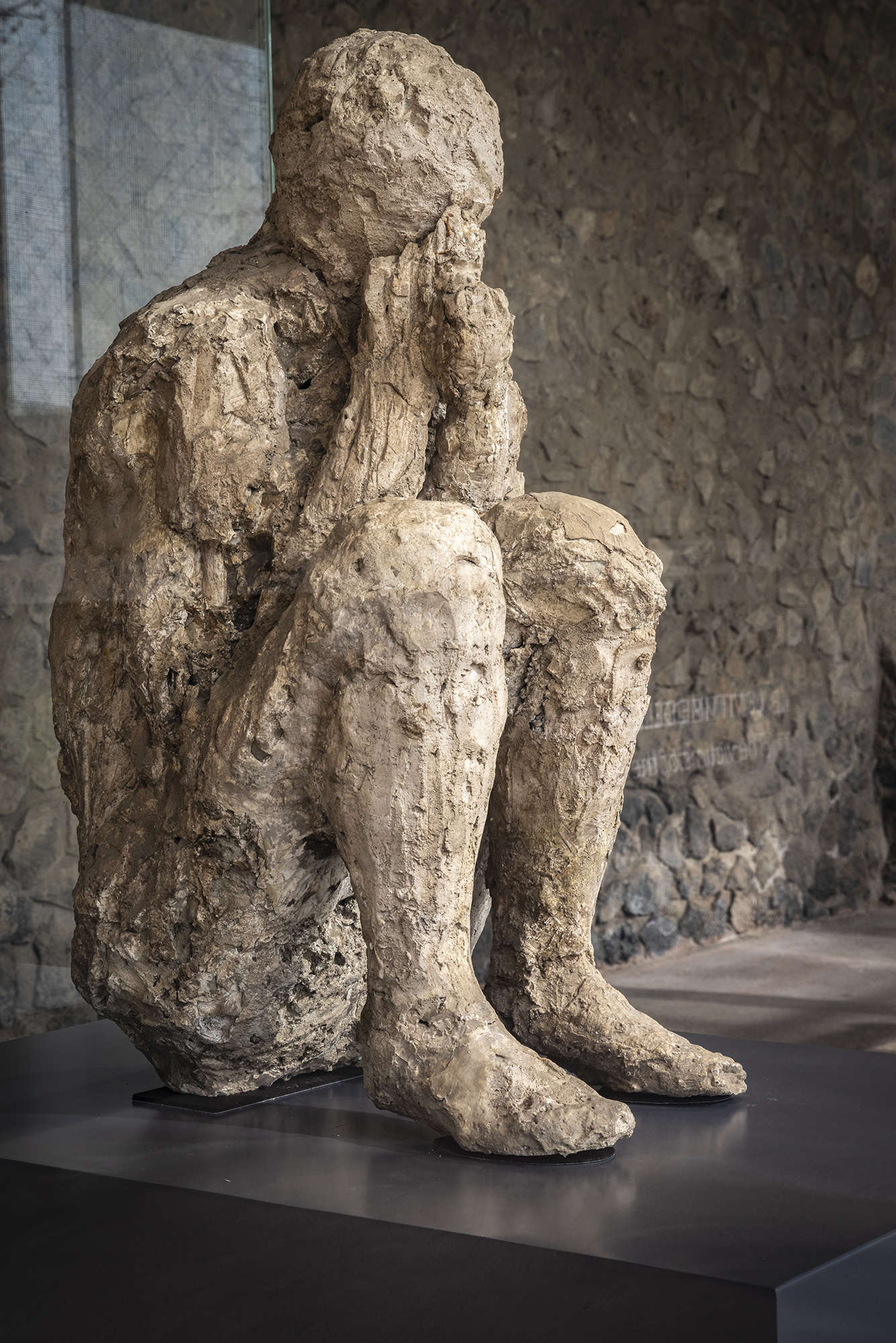
“Personally,” says Gabriel Zuchtriegel, director general of the Pompeii Archaeological Park, “I consider this the greatest museological challenge we have ever faced, and I thank the entire working group, especially Silvia Bertesago and Tiziana Rocco, who have followed the set-up from the first steps. We sought a museographic language that combines the touching simplicity of a memorial, because we did not want in any way to give up the human and ethical aspect, with the joy of discovery through inclusive and easily understandable didactic apparatus. The casts of the victims are not artifacts, they are not statues, and they are not works of art, either ancient or contemporary art. To say what they are, perhaps one sentence, once uttered by a colleague on an excavation where we discovered a victim, is enough: this is us. We can see in the casts of children, women and men who died in 79 A.D. our fragility, our humanity and vulnerability: therefore, from a respectful encounter with these testimonies, which we have tried to make possible with the new display, a profound message can flow: life is precarious, precious, life is beautiful.”
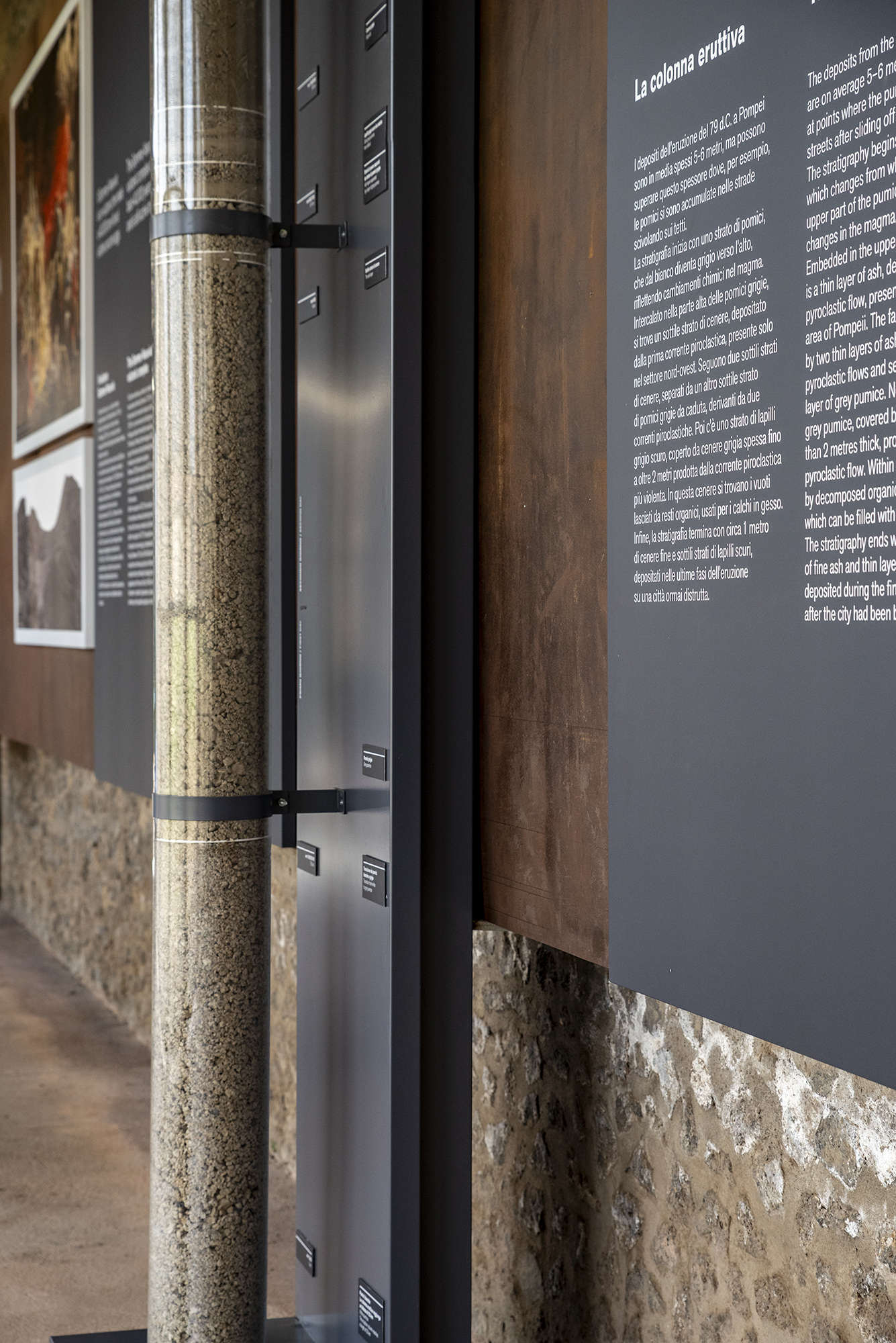
The path in the south portico introduces visitors to the history of the eruption of Vesuvius in 79 AD, an event that destroyed the city but at the same time exceptionally preserved its buildings, furnishings, decorations and traces of daily life. A new video reconstructs the dynamics of the eruption, and a column of about four meters of ash and lapilli reproduces the eruptive material that completely buried Pompeii. The scientific account reconstructs the different phases of the eruption, which began around noon and developed for about thirty-two hours. After an initial phase characterized by a shower of pumice, a series of pyroclastic currents (searing clouds of gas and volcanic fragments) swept over the city. The most violent reached Pompeii about nineteen to twenty hours after the eruption began and marked the final end of the city, resulting in the deaths of thousands of people. The eruption produced a layer of volcanic material averaging five to six meters high, consisting of ash, pumice, and lapilli. Within these deposits, particularly in the layer of ash produced by the most violent pyroclastic current, formed the voids left by the decomposition of bodies and other organic materials, which in later centuries would allow the making of casts.
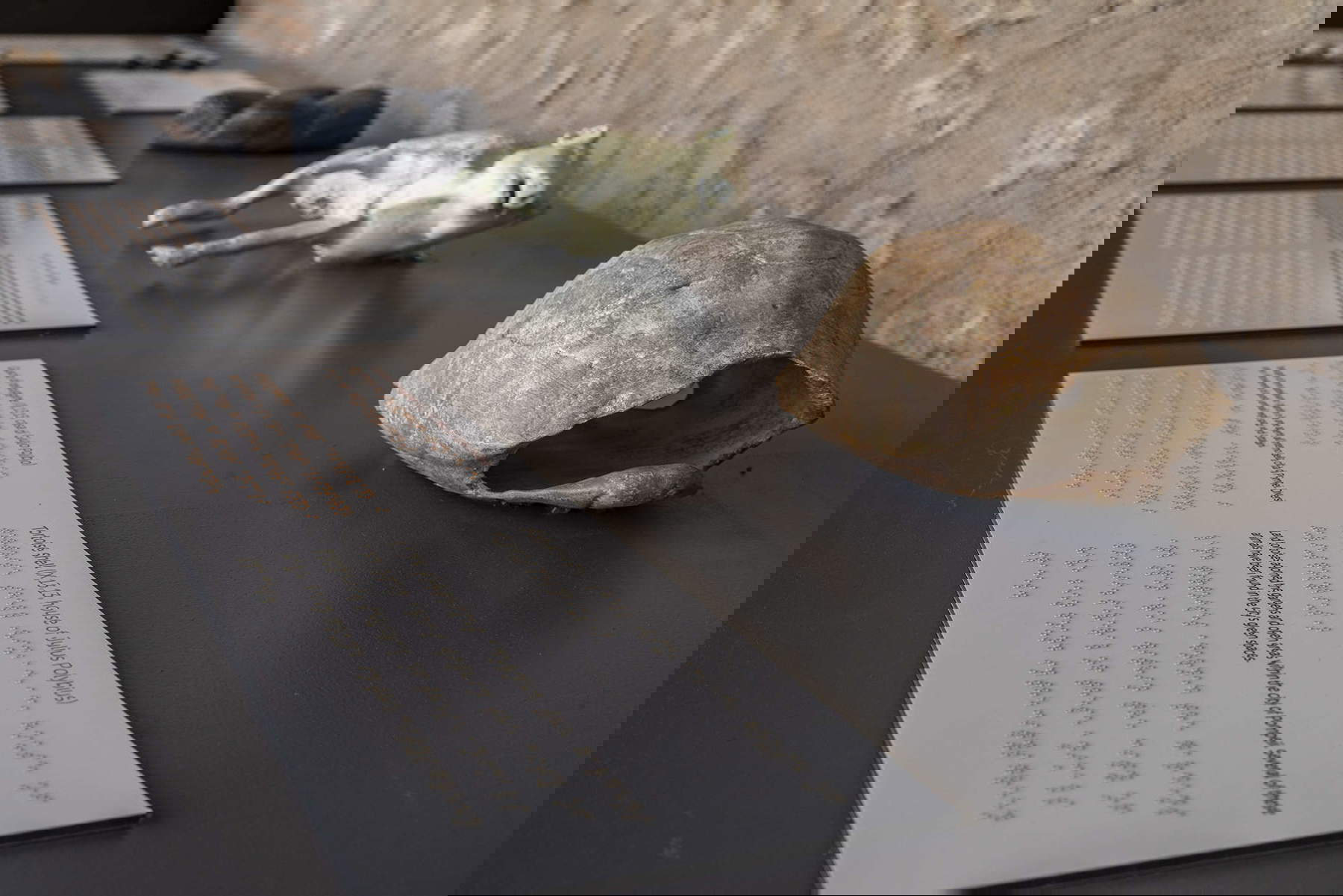
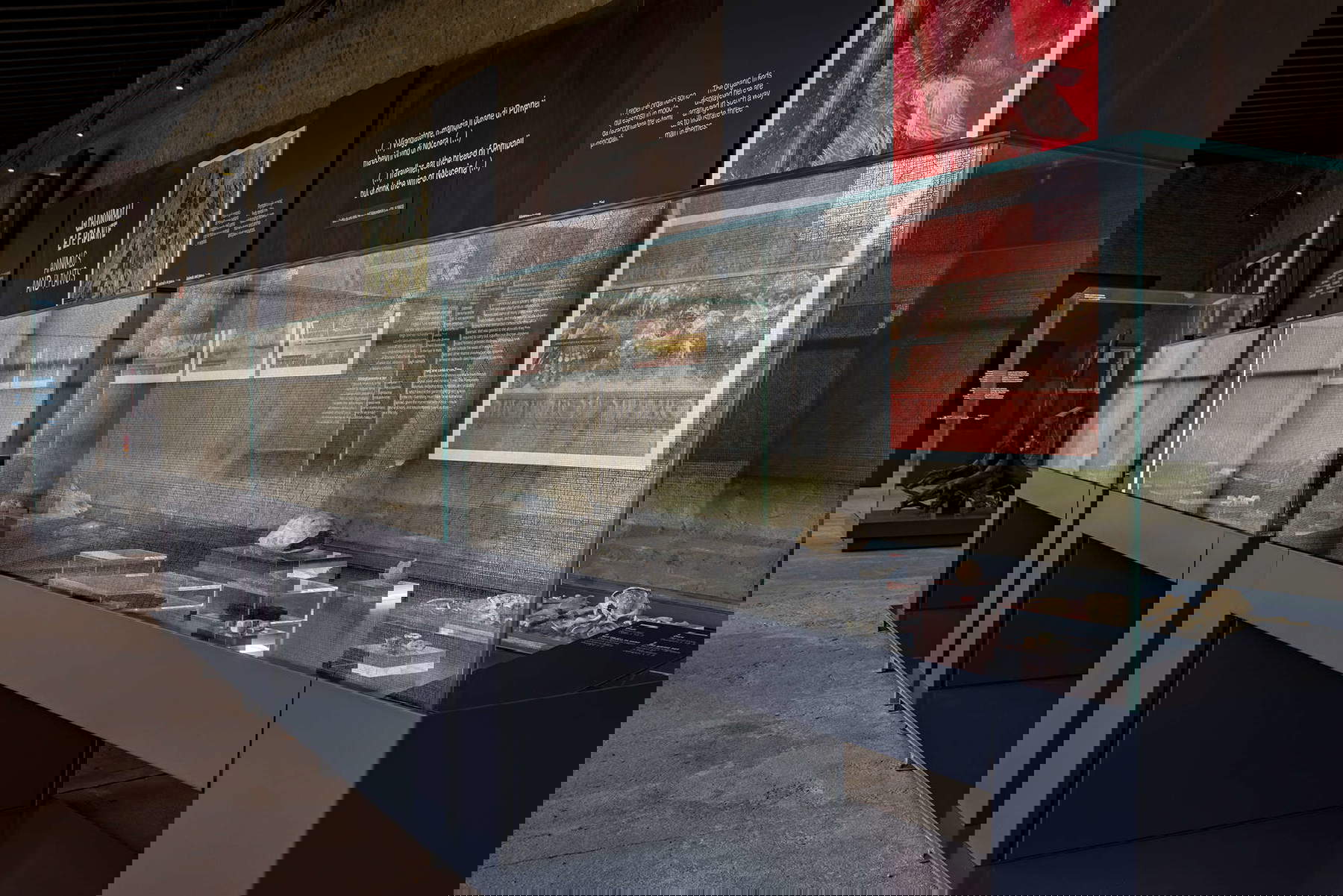
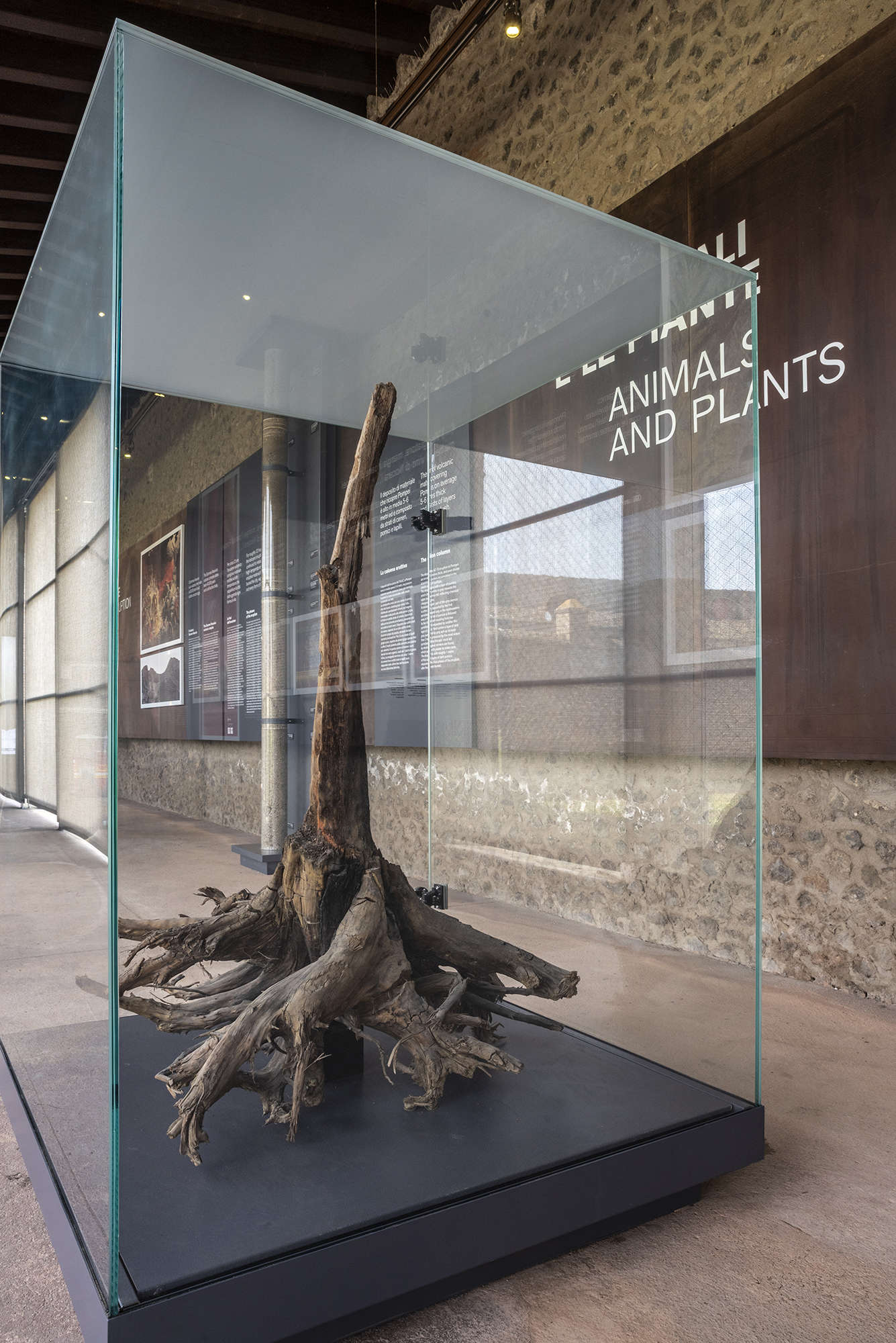
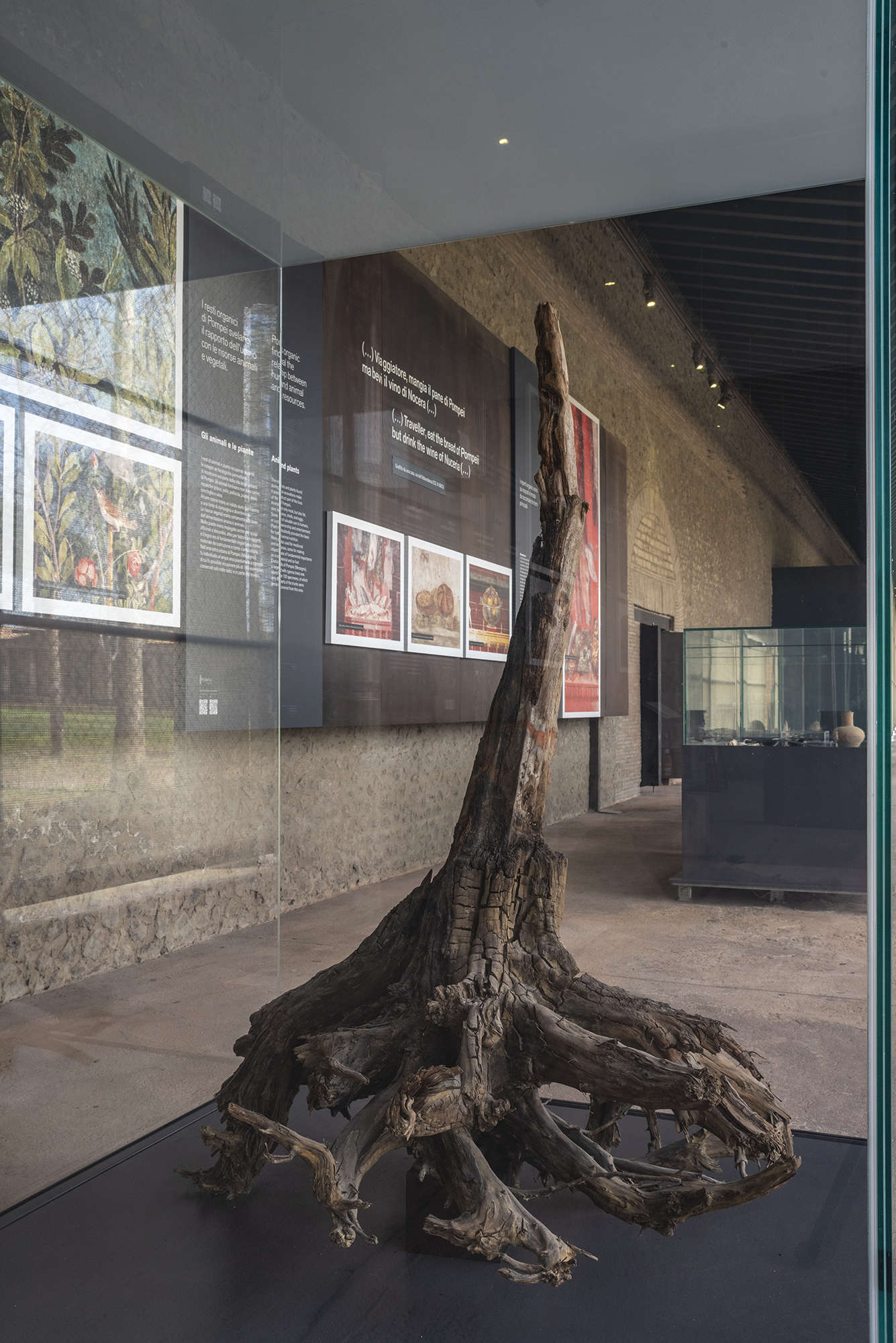
The southern section is also enriched by a collection of extraordinarily preserved organic remains that tell the story of the relationship between Pompeii’s inhabitants and natural resources. Remains of animals and plants make it possible to reconstruct aspects of daily life, from food and production activities to clothing and leisure. Animals provided meat but also fat, skin, feathers, bones and shells, while plant resources formed the basis of the diet and were also used for medicinal, decorative and craft purposes. Wood represented a key material both for construction and as fuel.
The north portico, on the other hand, houses the section devoted to casts of furnishings and victims. The cast technique not only made it possible to restore the shapes of the bodies, but also to recover elements of daily life such as doors, beds, closets, chests, chairs, tables, and household items such as baskets, ropes, and caskets. In some cases, the casts restore entire domestic environments, making it possible to precisely observe the details of objects and reconstruct the last actions performed before the eruption, such as the gesture of baring a door. The exhibits also include two casts of two-leaf doors, in which the metal elements of the locking system are still visible, including iron locks, latches and up-and-downs. One of the casts comes from the House of Capella and reproduces the front door of the dwelling.
The heart of the exhibit is the casts of the victims of the eruption. Often mistaken for petrified bodies, they are actually the result of a natural process and an archaeological technique developed in the 19th century. When pyroclastic currents enveloped the city, volcanic material solidified around the bodies of people. Over time, the bodies decomposed, leaving cavities in the hardened ash. In 1863 archaeologist Giuseppe Fiorelli sensed the possibility of filling these cavities with liquid plaster. Once hardened and the surrounding ash removed, extraordinarily detailed human figures emerged, often with bones still present within them. Over the years, the technique has been refined and, in some cases, different materials such as cement or resin have been used, but plaster remains the most effective material for preserving form and detail.
The casts on display tell individual stories within a collective tragedy. Some come from the Cryptoporticus House, where in the early 1900s ten victims were found in the ash layer of the last eruptive phase. These were people who, taking advantage of a momentary drop in the fall of pumice, tried to climb out of the windows to reach the street, but were swept away by the burning clouds as they crossed the garden. Next to the bodies were found tiles probably used to protect themselves from falling lapilli.
Other casts came from the House of the Golden Bracelet, where several skeletons of people swept away by the collapse of a landing as they descended the stairs were discovered in 1974. Three more victims, two adults and a child, were identified not far away, while a fourth child was found alone in a nearby room. Genetic analysis revealed that this was not a family group. A substantial core of jewelry and coins, probably collected in a container during the escape attempt, was also discovered near the bodies.
Another group of evidence came from the Palestra Grande area, where seventy-five victims were identified between 1935 and 1939. Seven died during the pumice fall, while the other sixty-eight were killed by the turbulent cloud of gas, ash, and lapilli that swept over the city. One of the casts on display is from the latrine of the southern portico, where eighteen fugitives had gathered. The skeletons of a horse and its driver were also found in the same place. Other casts came from the streets and city gates of Pompeii, where many of the inhabitants tried to get to safety. Near Porta Nola, during excavations conducted between 1975 and 1978, about fifteen bodies were found near monumental tombs along the road. Other remains were found along Via Stabiana and near Porta Stabia, along the streets that led toward the port.
The museum itinerary also takes into account the strong emotional impact that these finds can arouse. For this reason, the section devoted to the victims is not immediately visible, but is preceded by dividing elements that mark the entrance to a particular area, leaving the visitor with the choice of whether or not to tackle the visit.
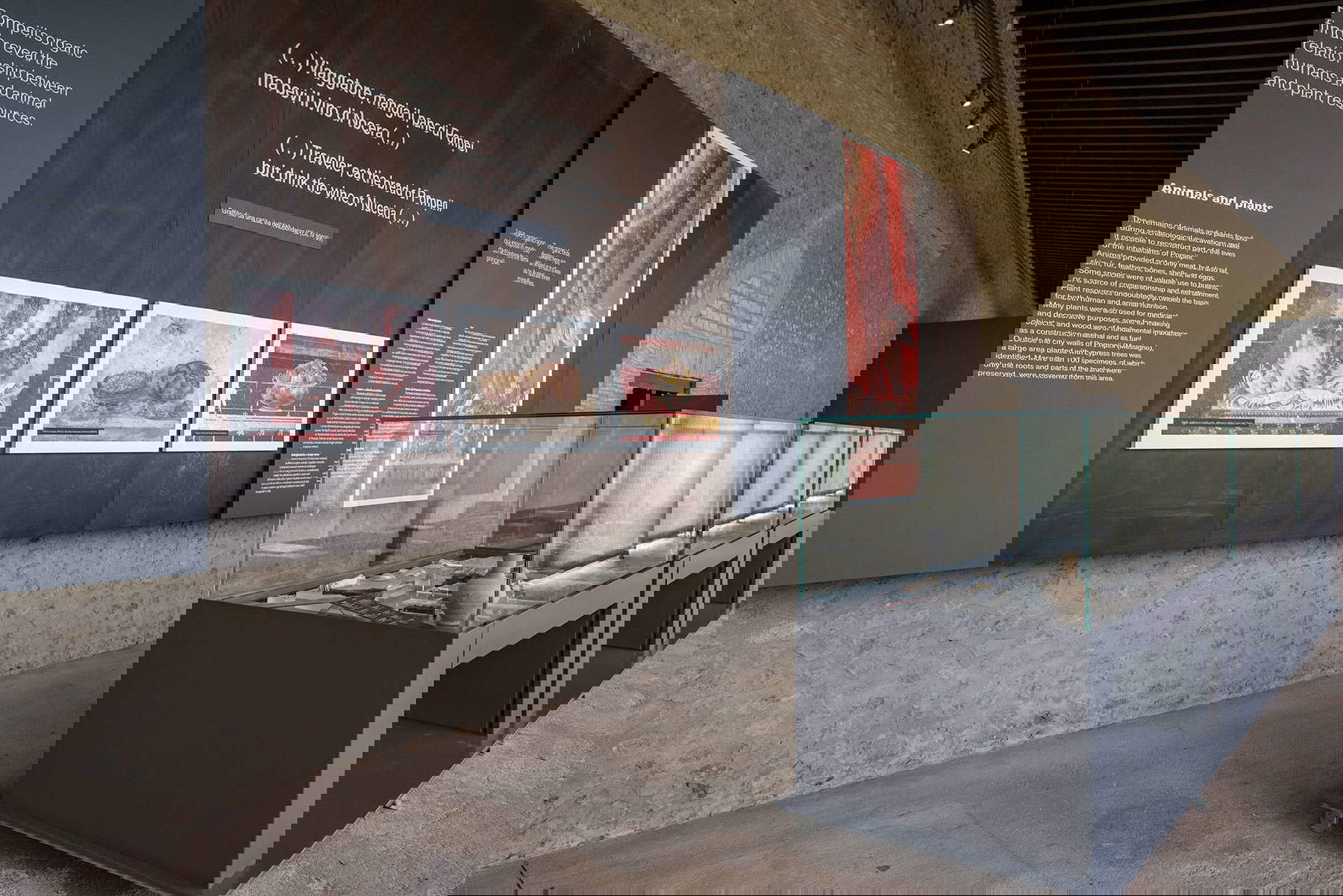
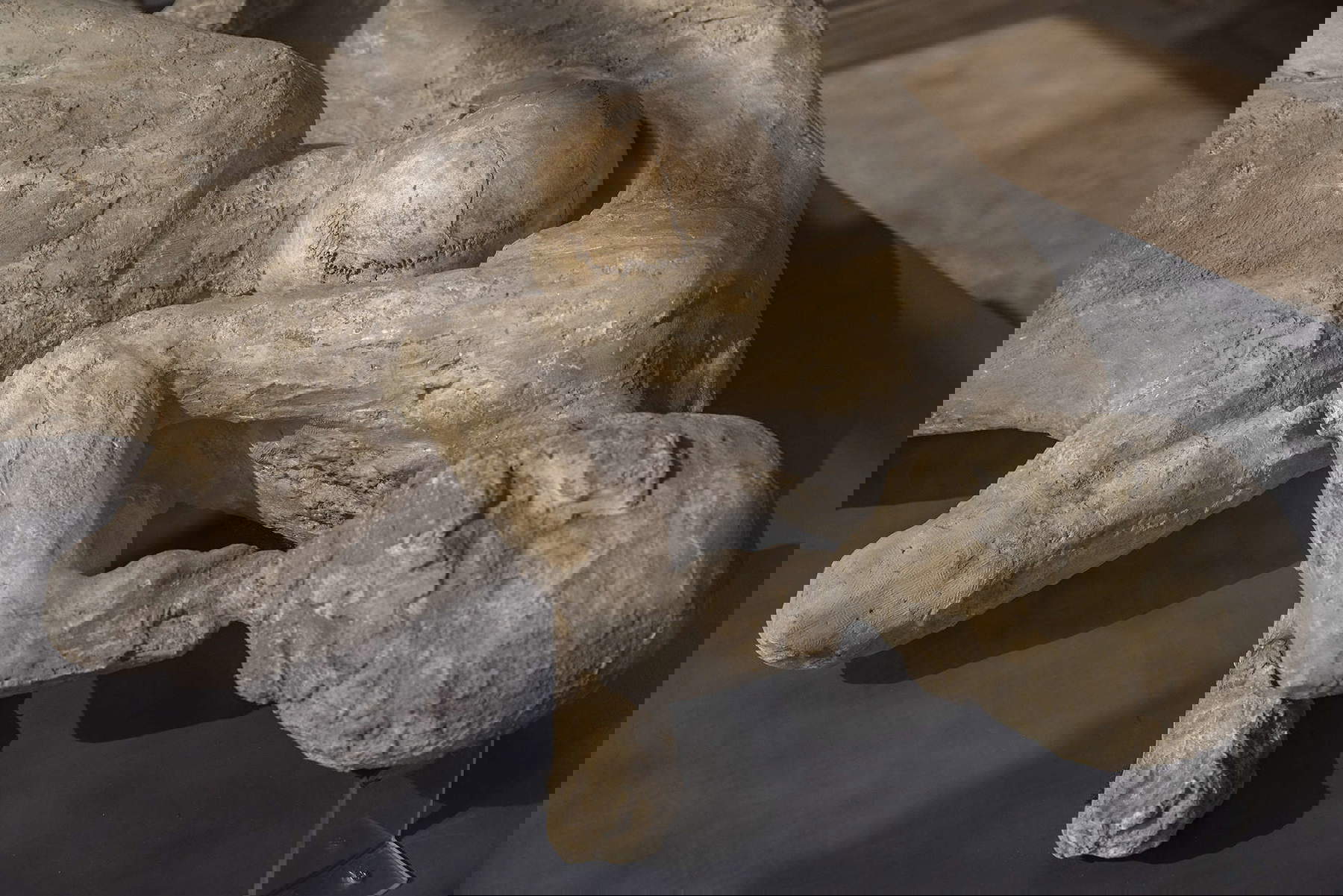
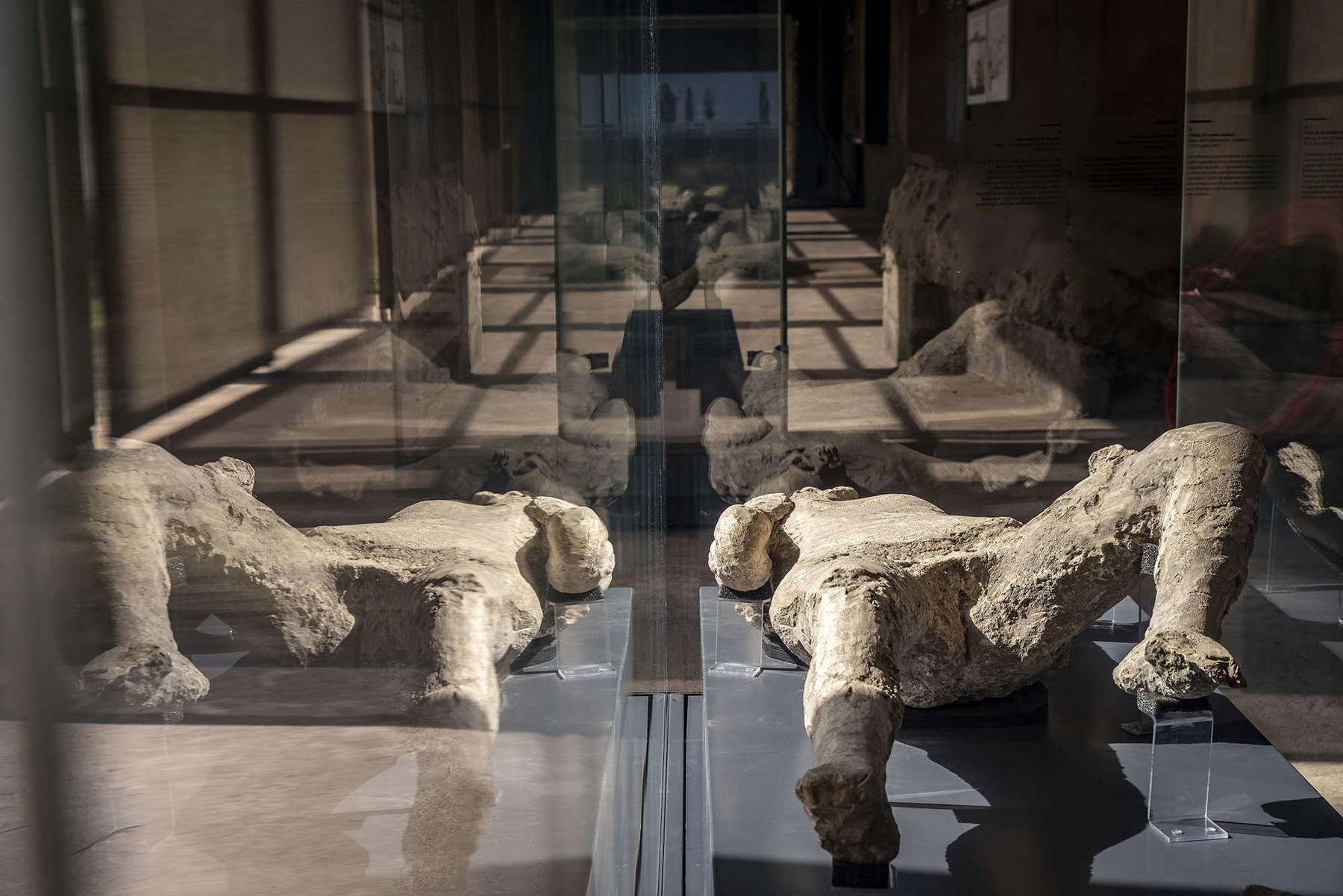
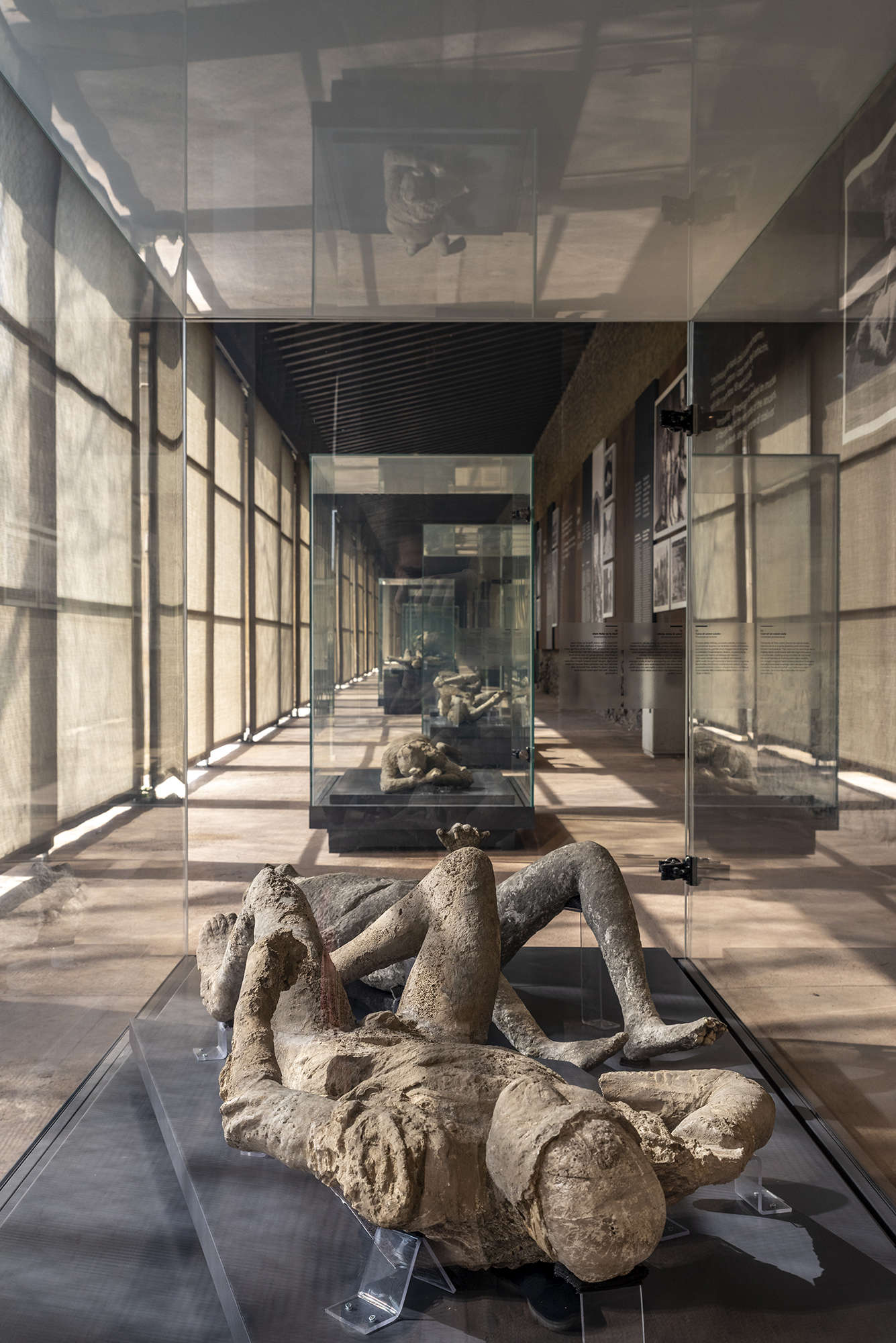
The layout uses an essential graphic apparatus, with minimal use of color and decorative elements. Linear texts and archival photographs document the contexts of discovery and the excavation and restoration phases of the casts. The itinerary is enriched by multimedia content that illustrates the technique of making the casts, their internal structure through images obtained with CT scans and historical evidence such as an interview with archaeologist Amedeo Maiuri on the casts of the Orto dei Fuggiaschi. Audiovisual materials also include a fragment of Roberto Rossellini’s film Viaggio in Italia, which restores the emotional dimension of the discovery.
Particular attention has been paid toaccessibility. The route is designed to be visited in both directions, adapting to the different flows of visitors to the archaeological area. There is audio content, videos in Italian and international sign language, alternative augmented communication tools, and two tactile sections with three-dimensional models of the finds accompanied by Braille texts. Through graphic apparatuses, videos and in-depth information, the new layout aims to ensure the widest possible access to these unique materials, enhancing their peculiarities and restoring their significance as extraordinary testimonies to the history of Pompeii and its inhabitants. The casts, often referred to as the “imprint of pain,” are in fact not simply archaeological finds: they represent the result of an extraordinary combination of geological phenomena, biological processes and archaeological technique, and they continue to recount, with precision and emotional force, the moment when life in the Roman city came to a halt.
|
| Pompeii, a new permanent path for casts of victims of the Vesuvius eruption |

Warning: the translation into English of the original Italian article was created using automatic tools. We undertake to review all articles, but we do not guarantee the total absence of inaccuracies in the translation due to the program. You can find the original by clicking on the ITA button. If you find any mistake,please contact us.


















 IT
IT FR
FR DE
DE ES
ES CN
CN


