





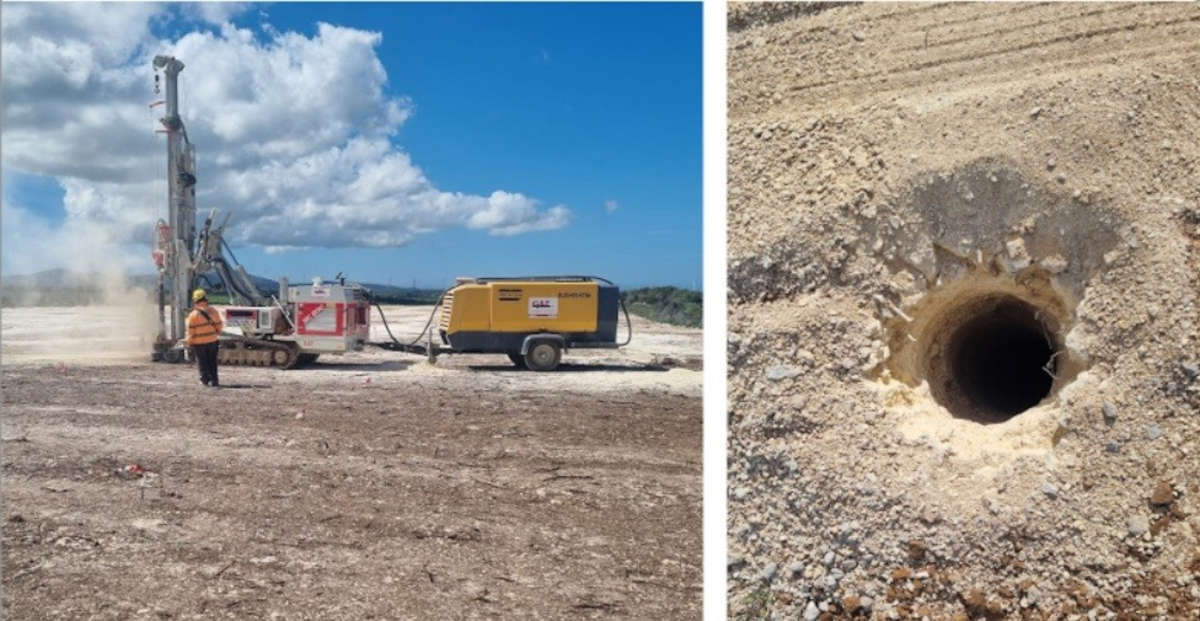
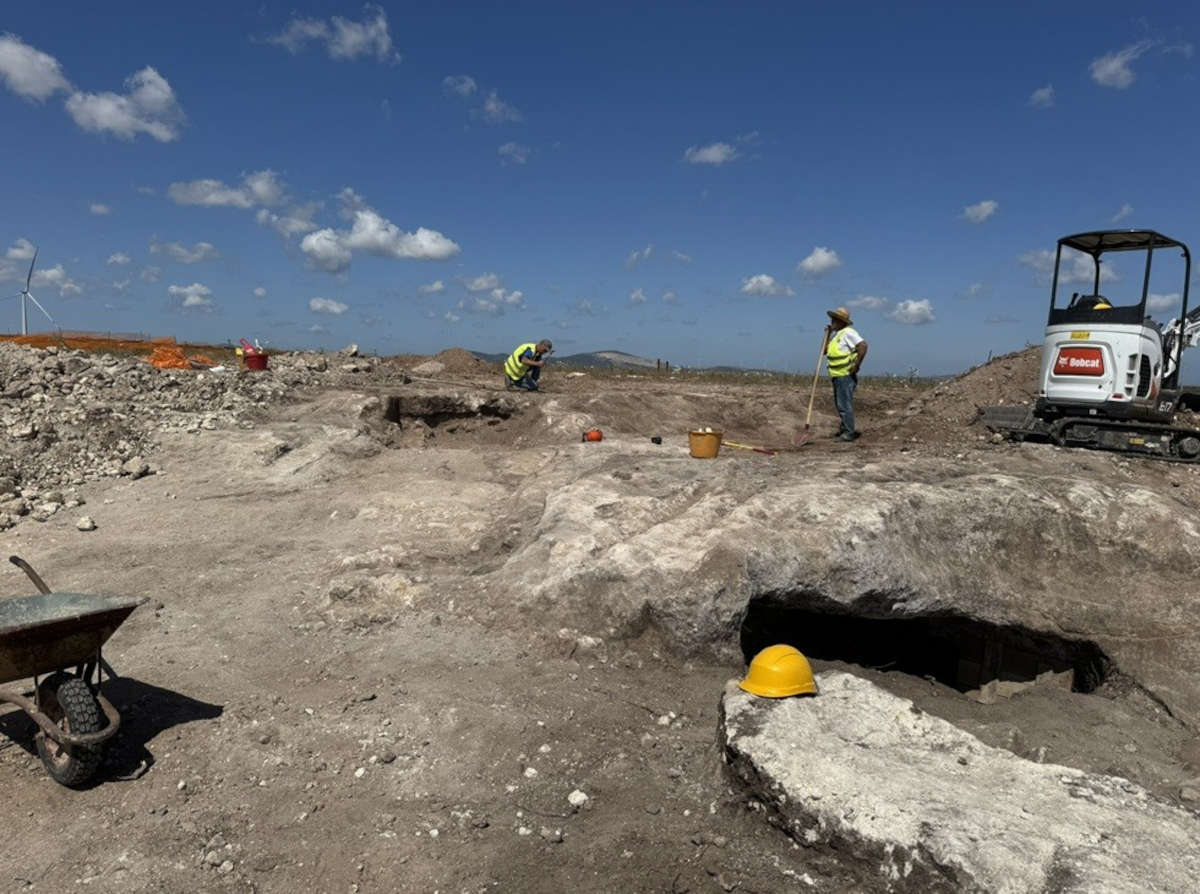
Sardinia continues to return precious fragments of its prehistoric past. In March 2024, an archaeological discovery of extraordinary significance occurred in the Truncu Reale-Sant’Agostino area, an area belonging to the Sassari Industrial Development Area Consortium. The discovery was not the result of a planned search, but rather the outcome of a preventive archaeological surveillance carried out during work for the construction of a modern photovoltaic plant. Precisely during excavation operations for the energy infrastructure, archaeologists identified a new necropolis that stands out for the architectural complexity and richness of the decorative apparatus of its burials. It was just a few hours ago that the Superintendence of Archaeology, Fine Arts and Landscape for the provinces of Sassari and Nuoro initiated interlocutions with the Sassari Industrial Development Area Consortium, the owner of the area, and the Municipality of Sassari, in order to plan an initial opening of the site to the public by 2026.
The hypogeic complex features three monumental tombs that show artistic and symbolic details of very rare attestation. Scholars’ attention has focused in particular on two specific structures, conventionally named B1 and B2, which present unique features in the landscape of island archaeology. Tomb B1, renamed the Tomb of the Decorated Hatches, has aroused great amazement among insiders due to the presence of as many as five hatches located in the main cell, all embellished with carved decorations. Some of these ornamental motifs represent an absolute novelty, as they are not yet attested in other similar contexts already known in Sardinia. Equally fascinating is Tomb B2, known as the Golden Tomb, which owes its name to a visually striking chromatic feature. In fact, the main cell of this hypogeum is characterized by a very vivid yellow ochre field, an aesthetic and symbolic choice that testifies to the care and importance given to these sacred spaces by the original builders.
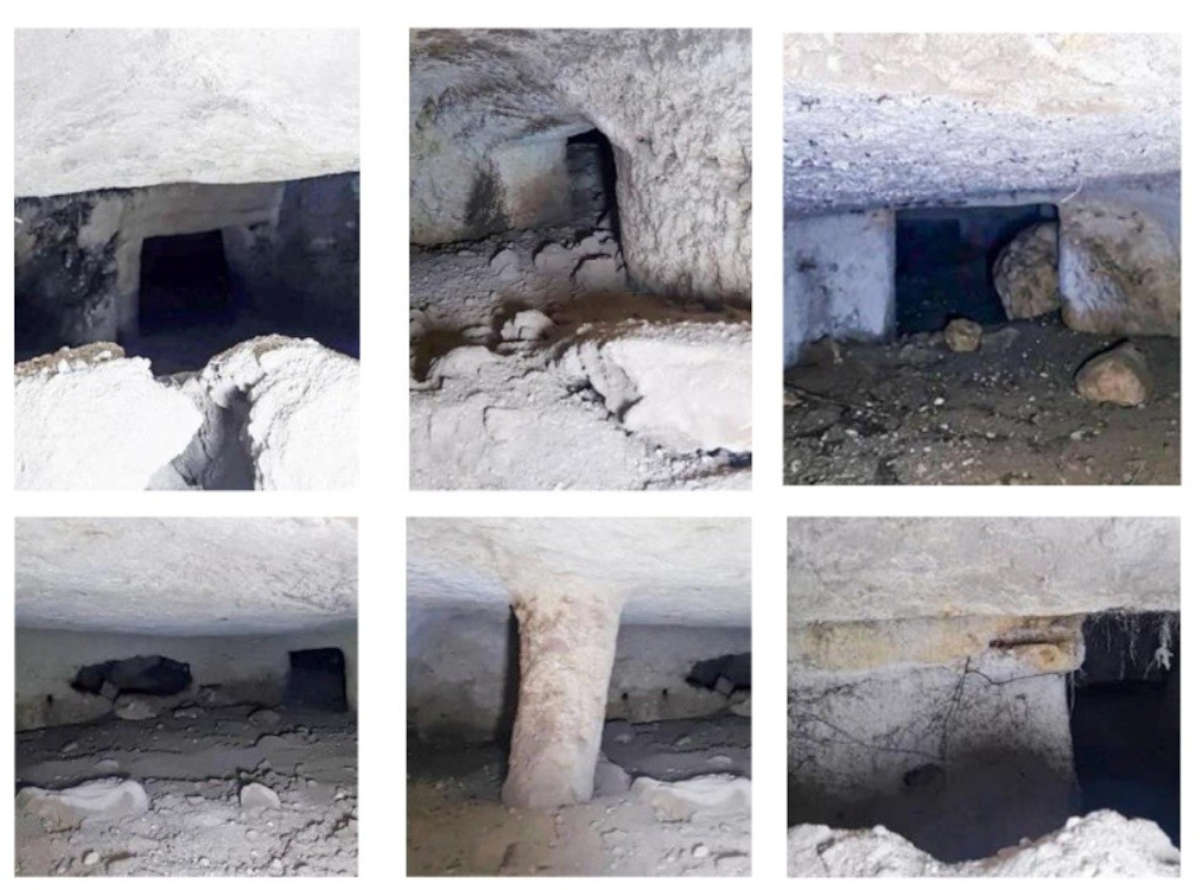
The first public presentation took place on March 14, 2024, on National Landscape Day. During the event, titled New Energies in Vulnerable Contexts and held at the Department of Architecture in Alghero, the delicate coexistence between the needs of contemporary technological development, such as the production of renewable energy, and the protection of the submerged cultural heritage was emphasized. The excavation of the two monumental tombs was made possible thanks to resources readily made available by the company performing the work, in a virtuous example of collaboration between private initiative and public protection.
Archaeological investigations continued with intensity throughout the year, leading to new insights that have been the subject of international scientific debate. Preliminary results of the excavations, which are still in progress, were presented at the international conference Hypogeism and Megalithism in Europe and the Mediterranean between the fifth and third millennia B.C., held in Sassari between October 3 and 6, 2024. There, Sardinia was again celebrated as a key meeting point for ancient peoples and cultures, and data from Truncu Reale provided new insights into Neolithic and Metal Age funerary architecture and religious symbolism. The relevance of the data collected is such that the proceedings of the conference are currently being printed, destined to become a benchmark for future archaeological literature.
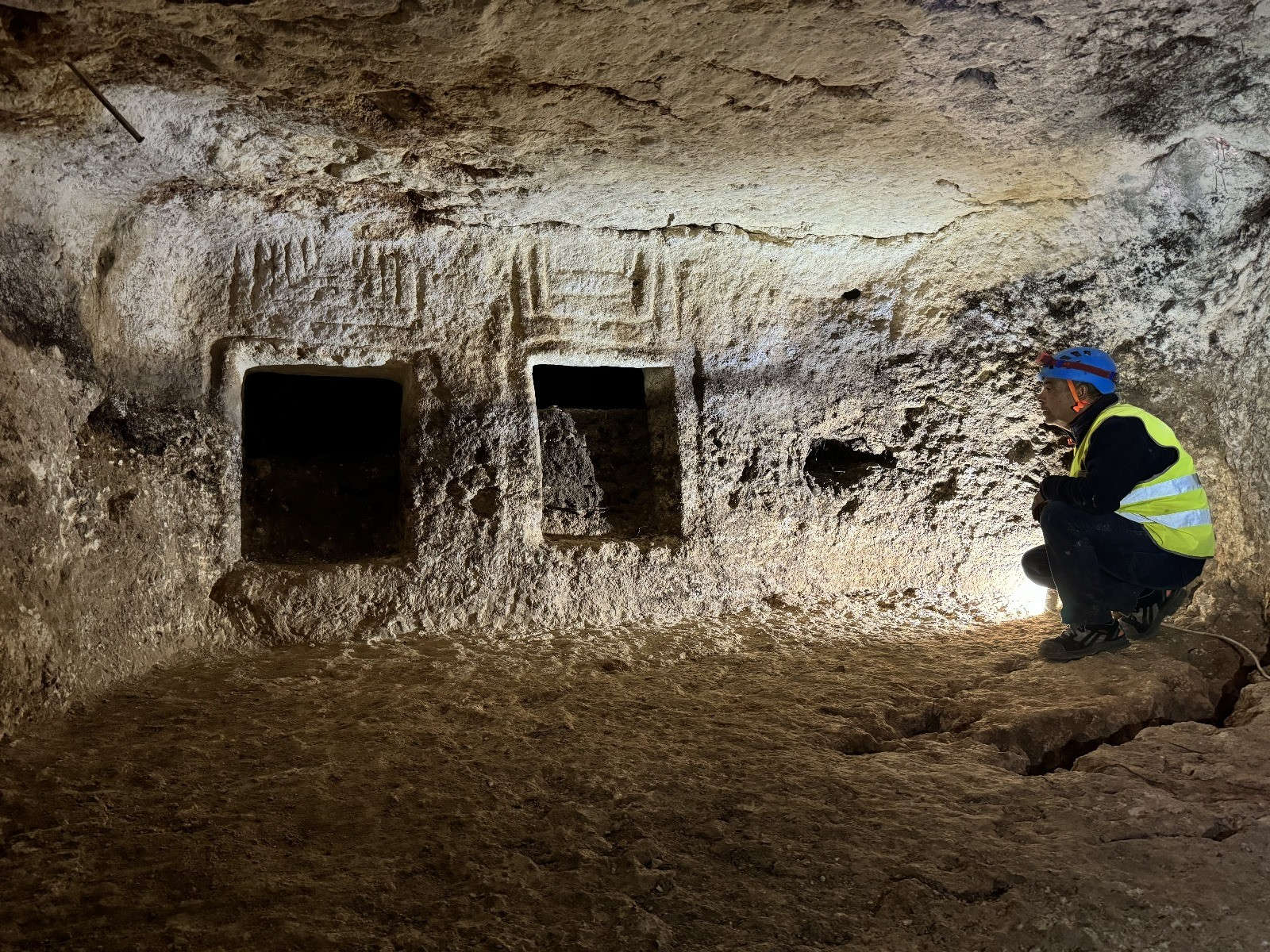
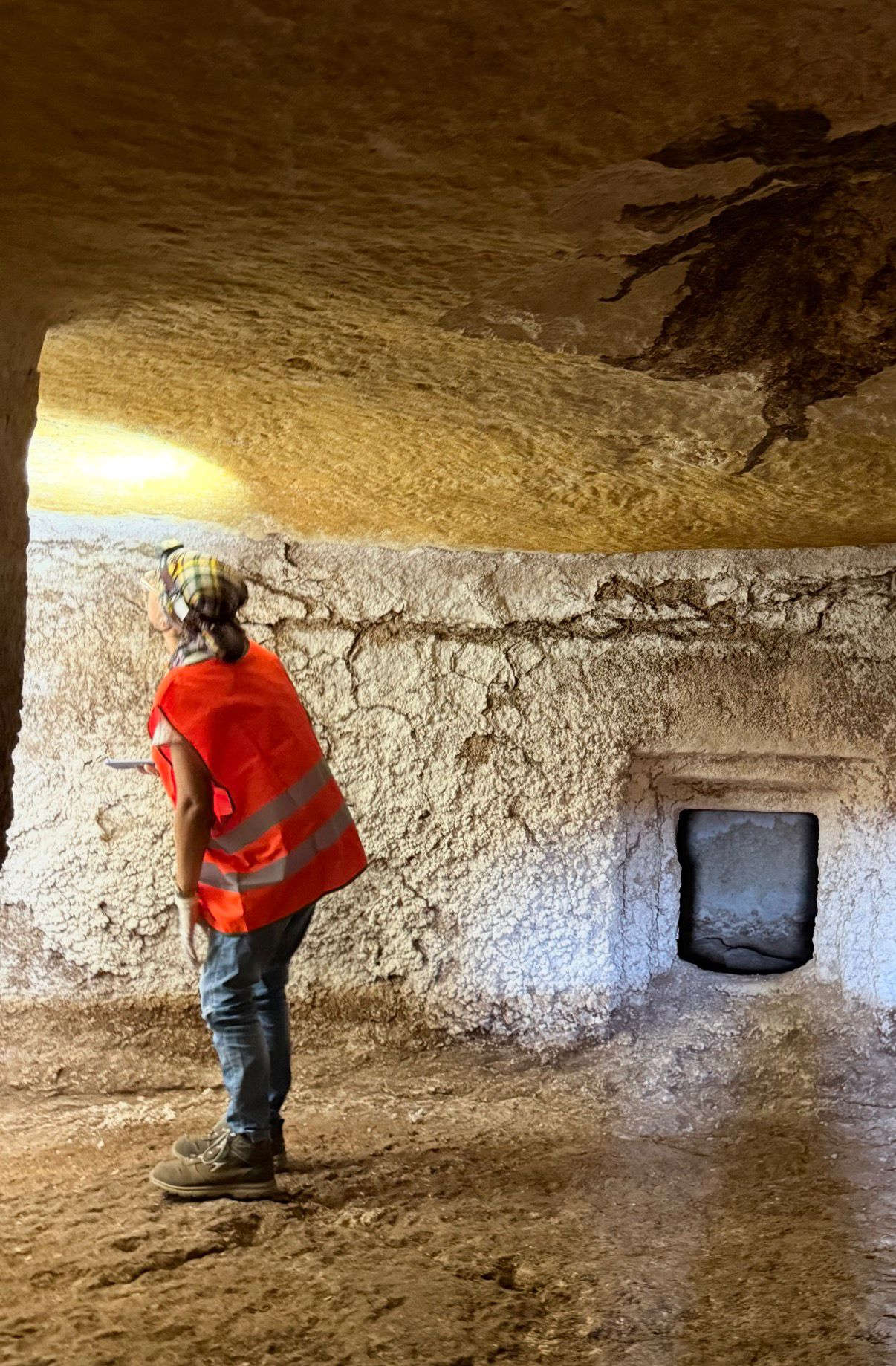
In addition to academic gatherings, the Soprintendenza wanted to maintain a direct line with the citizens and the territory, including the Truncu Reale findings in various dissemination initiatives. A milestone in this path was the conference on December 13, 2024, dedicated specifically to the new archaeological findings in the Sassari area, where the progress of the excavation and the first interpretative hypotheses on the symbols found were illustrated. The scientific importance and exceptional state of preservation of the site quickly led to formal recognition of its value. With Decree Number 21 of October 13, 2025, issued by the Regional Cultural Heritage Commission of Sardinia, the site was officially declared of historic-artistic cultural interest. This legislative measure now guarantees maximum legal protection to the area, permanently including it in the catalog of national heritage protected by the Ministry of Culture.
The success of the recovery and study operations is the result of teamwork coordinated by highly professional technical and scientific figures. The activities were conducted under the leadership of Superintendent Monica Stochino, with scientific direction entrusted to archaeological officer Nadia Canu. In the field, the coordination of operations was handled by archaeologist Luca Doro, who worked with the constant support of Bastiano Falchi and Giuseppina Palmas. The architectural part and the direction of the works were followed by architect Valerio Oppo, while the material execution of the excavations was entrusted to the Luciano Sini company of Sassari. Of paramount importance were the restoration operations, which began in recent months to preserve the delicate ochre decorations and carved surfaces of the doors. These very delicate interventions are being carried out by restorer Giuseppina Ianiri, under the scientific supervision of restoration official Sofia Bertolini.
Now, the eventual opening scheduled for this year would represent an extraordinary opportunity for the tourist and cultural development of the area, transforming an industrial area into a historical attraction capable of telling millennia of human events.
|
| Sassari, work is underway to open the hypogeic necropolis discovered two years ago to the public |

Warning: the translation into English of the original Italian article was created using automatic tools. We undertake to review all articles, but we do not guarantee the total absence of inaccuracies in the translation due to the program. You can find the original by clicking on the ITA button. If you find any mistake,please contact us.




















 IT
IT FR
FR DE
DE ES
ES CN
CN


