








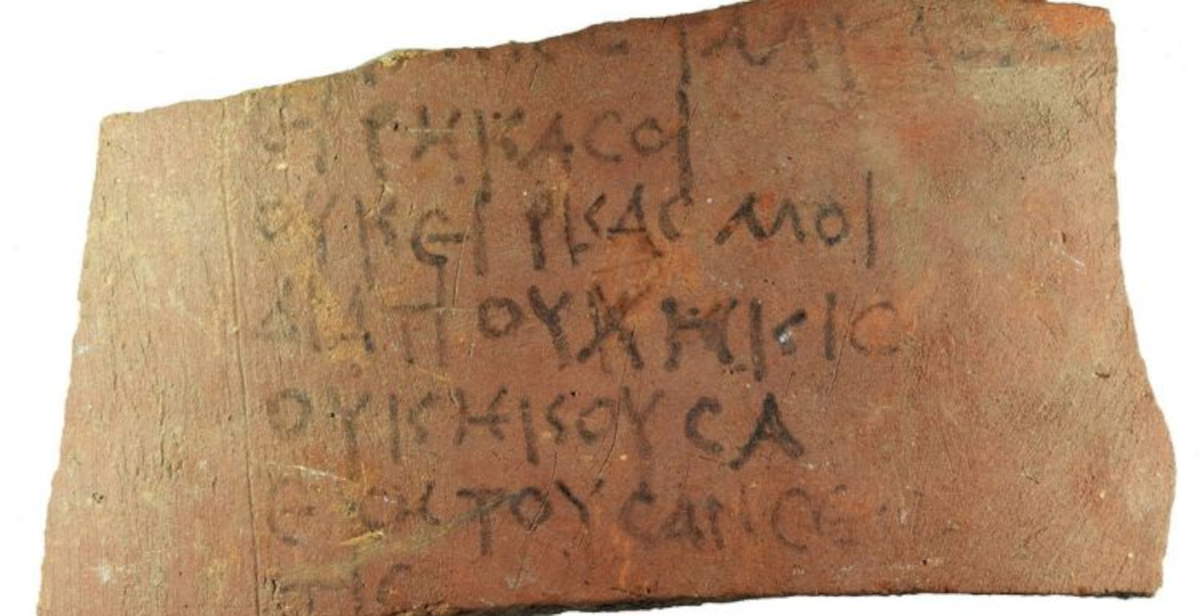
A new archaeological discovery at the site of Athribis, Egypt, brings to light some thirteen thousand ostrakas, ceramic fragments used in antiquity as writing media. The discovery came during the current season of excavations conducted by an Egyptian-German mission composed of the Egyptian Supreme Council of Antiquities and theUniversity of Tübingen.
According to a statement by the Egyptian Ministry of Tourism and Antiquities, the discovery contributes to expanding knowledge about the social and economic history of ancient Egypt. Minister of Tourism and Antiquities Sherif Fathy stressed that the findings in recent years at Egyptian archaeological sites highlight the richness of the country’s historical heritage and strengthen Egypt’s role as an international center for archaeological research.
The secretary general of the Supreme Council of Antiquities, Hisham El-Leithy, also called the find of particular significance because of the total number of ostrakas unearthed at Athribis since the mission’s activities began in 2005. The total reached about forty-three thousand fragments, a figure that archaeologists say represents a record for a single archaeological site. In fact, the amount of material recovered exceeds the number of ostrakas found in the artisans’ village of Deir el-Medina, on Luxor’s western shore, and also exceeds what has been discovered at any other Egyptian site during more than two centuries of archaeological research.
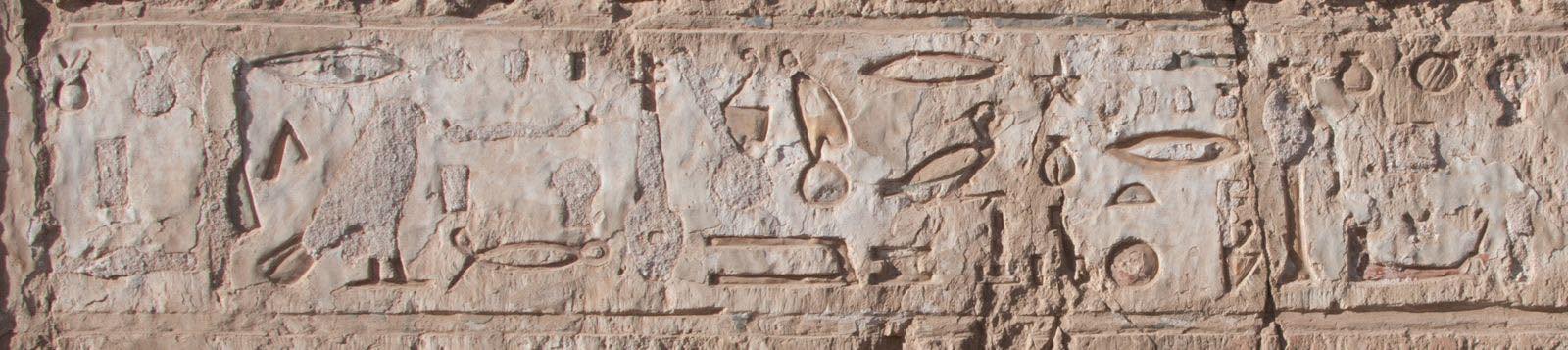
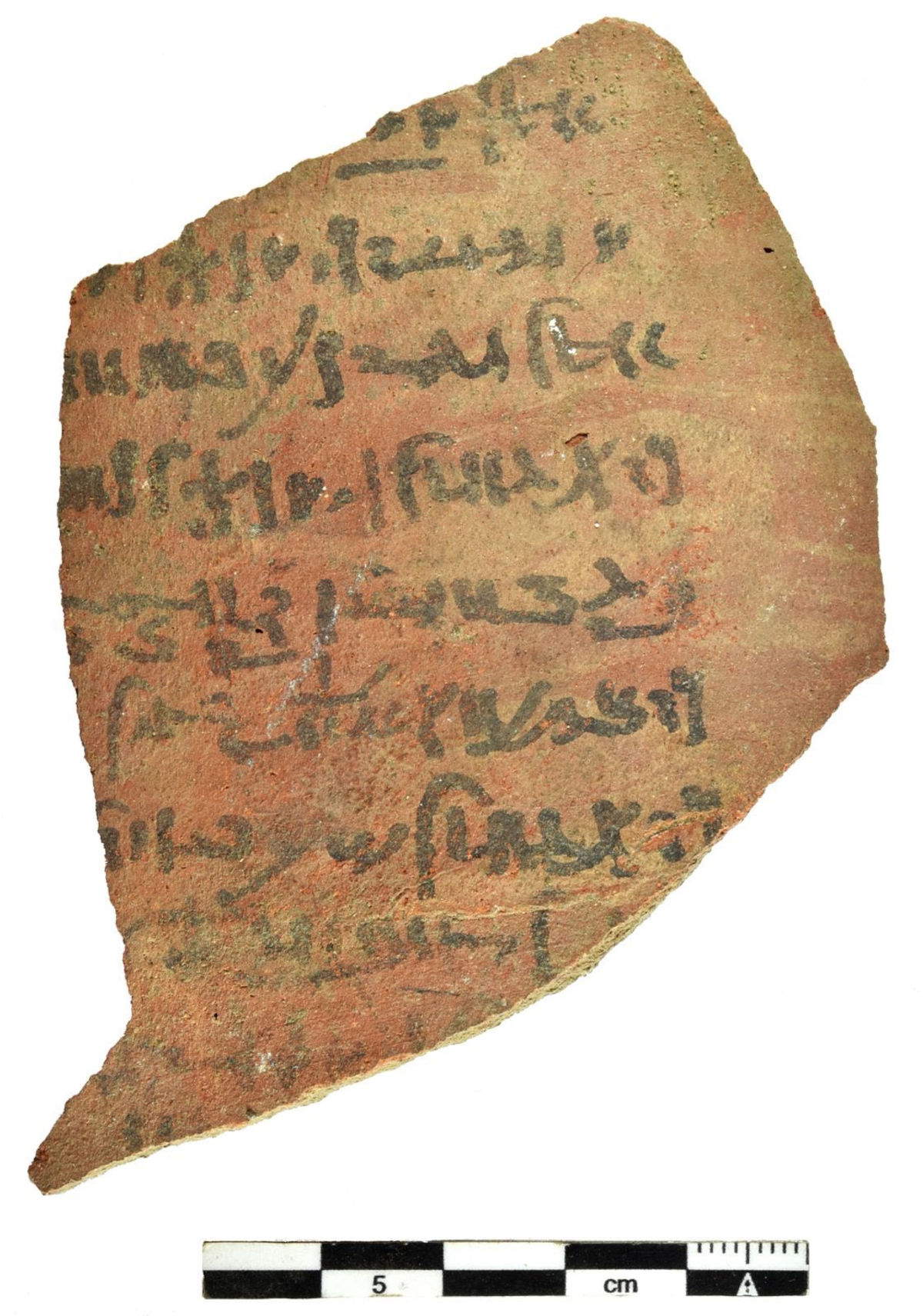
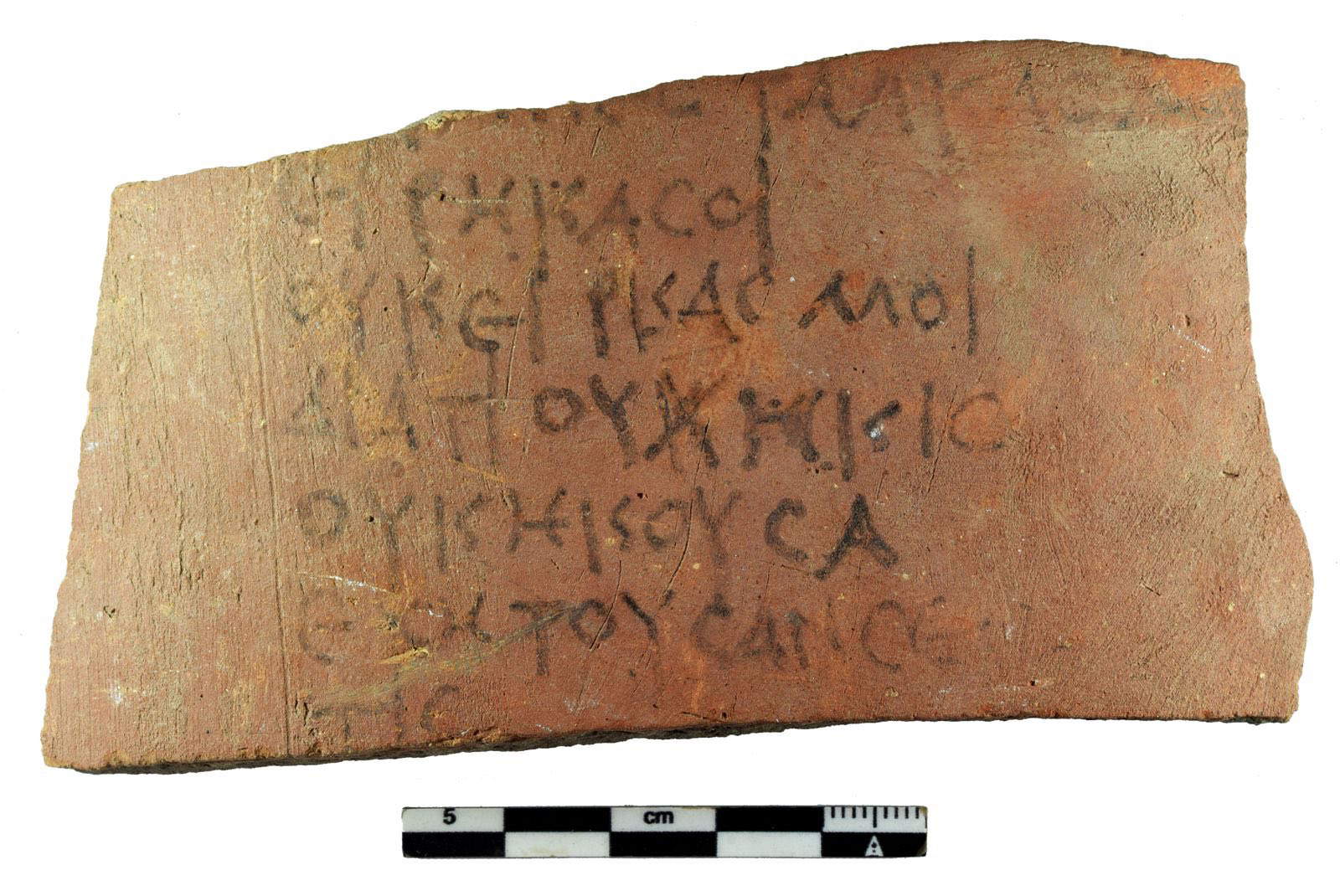
Mohamed Abdel-Badie, head of the Egyptian Antiquities sector of the Supreme Council of Antiquities and director of the mission for the Egyptian side, explained that over the past eight years, as of 2018, archaeologists have unearthed more than forty-two thousand ostrakas at the site. Athribis is also distinguished by the presence of a particularly large number of ostrakas related to astrological themes: more than one hundred and thirty fragments contain texts dedicated to constellations and horoscopes. Most of these inscriptions were written in Demotic and Hieratic.
The mission director for the German side, Christian Leitz, pointed out that the texts on the ostraka cover a chronological span of more than a thousand years and are written in different languages and writing systems. The oldest documents identified so far are tax receipts written in Demotic dating back to the 3rd century BCE. The most recent, on the other hand, are container labels written in Arabic, dated between the 9th and 11th centuries AD. Preliminary analysis of the material indicates that between 60 and 75 percent of the ostrakas have inscriptions in Demotic script, while between 15 and 30 percent contain texts in Greek. Between 4 and 5 percent bear figurative or geometric designs. Smaller percentages concern other scripts: about 1.5 percent of the fragments have texts in Hieratic, 0.25 percent in hieroglyphic, 0.2 percent in Coptic, and 0.1 percent in Arabic.
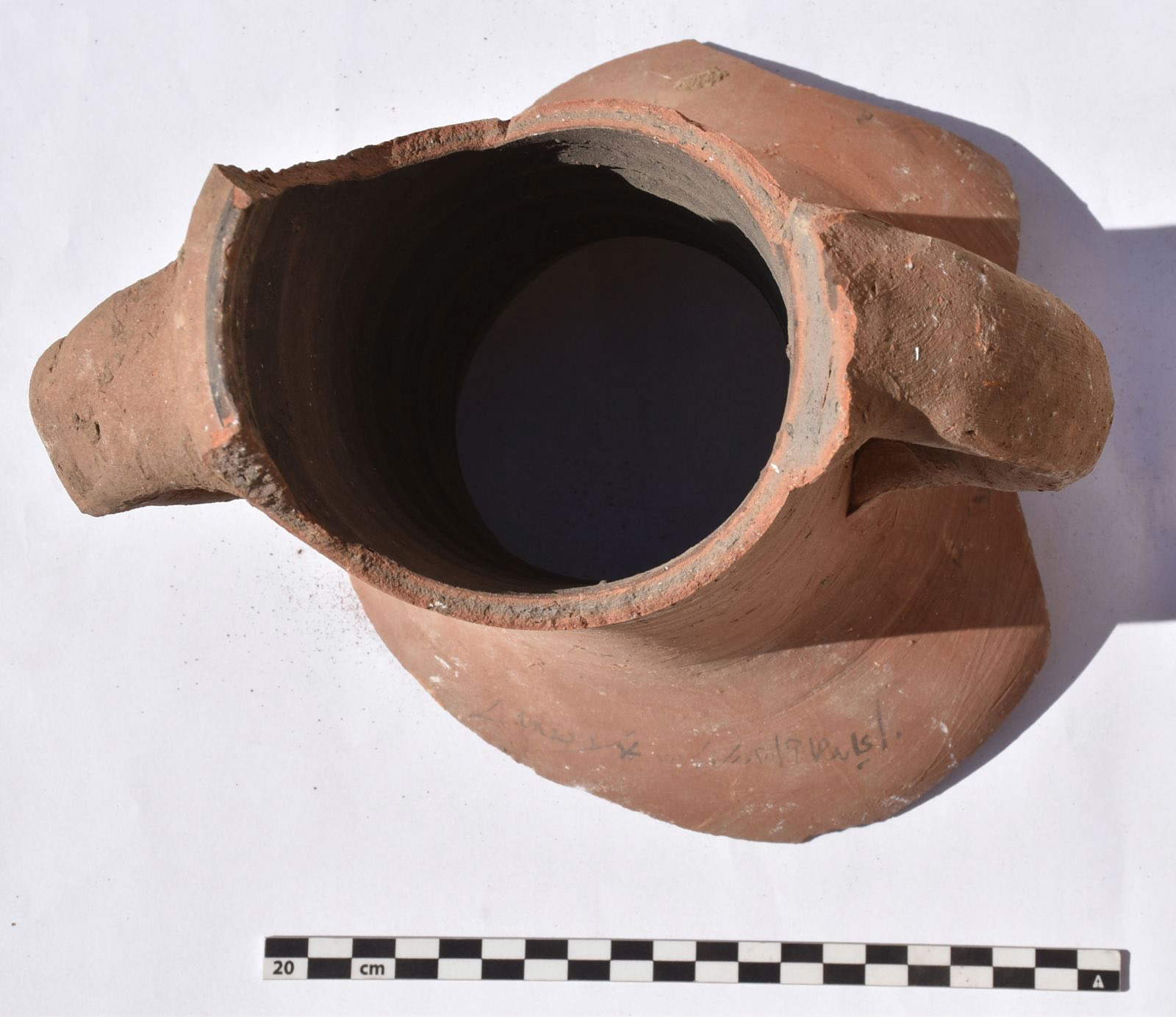
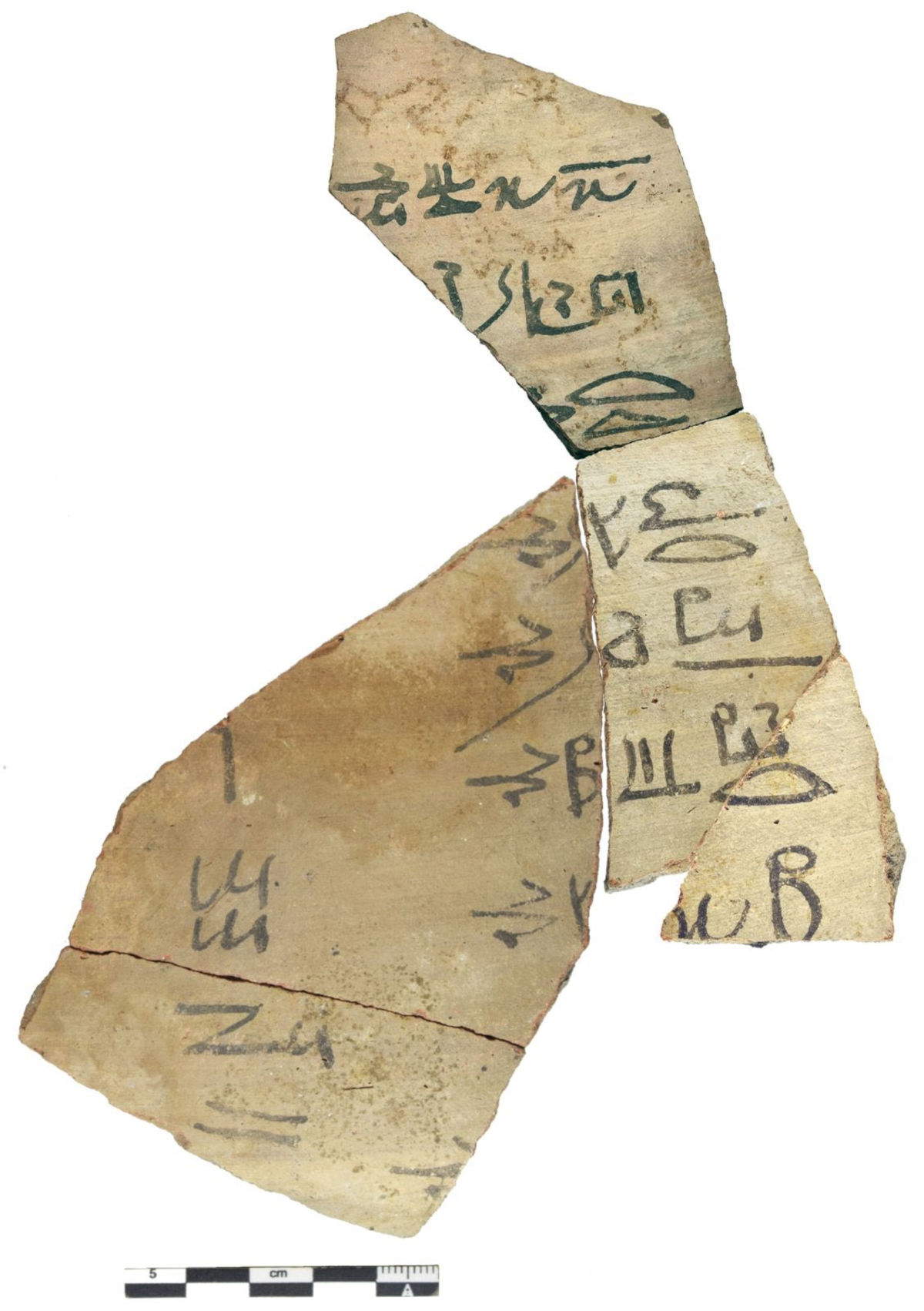
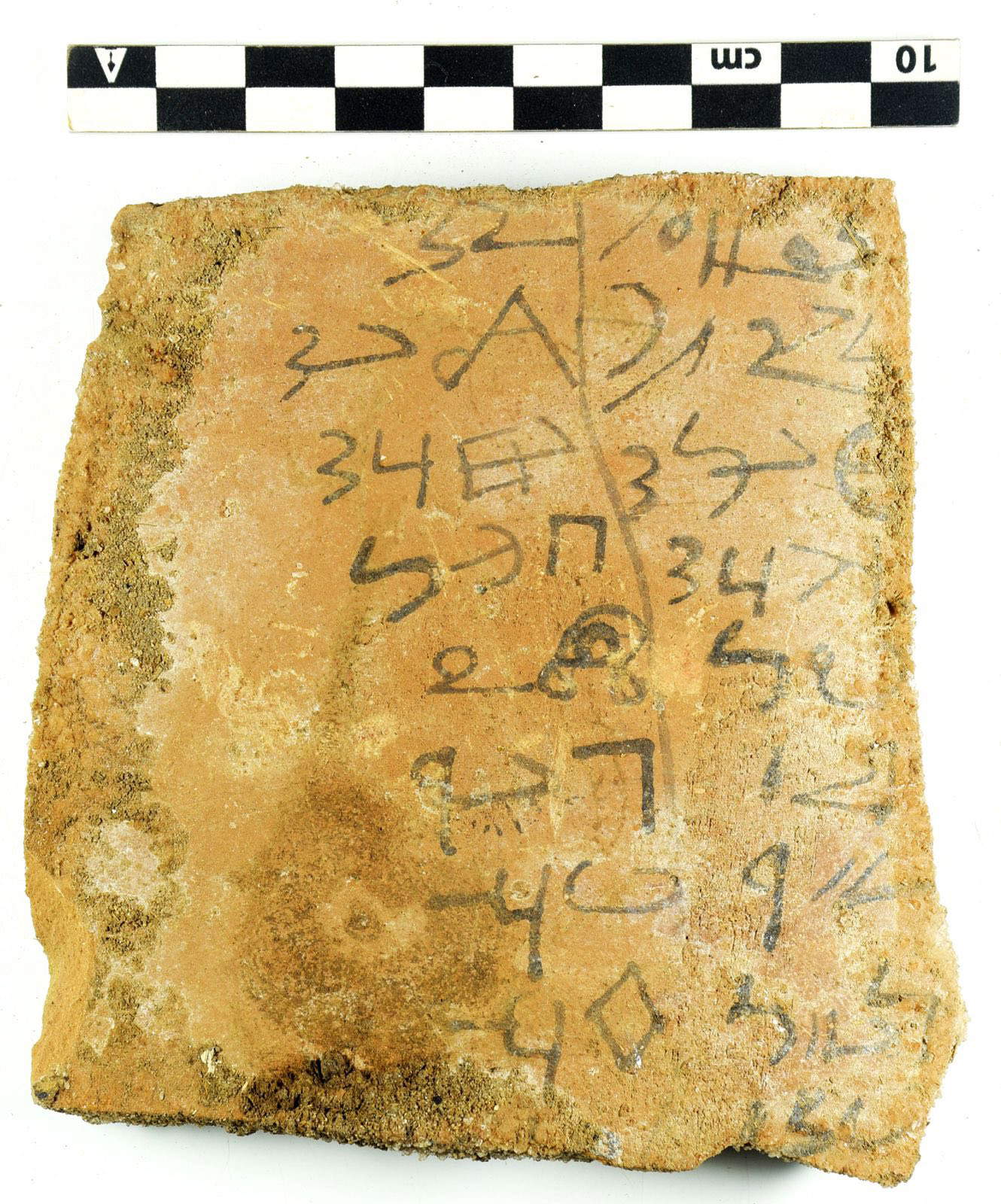
The director of the archaeological site, Markus Müller, noted that much of the texts are documentary in nature. Indeed, the fragments contain accounting records, lists, tax receipts and delivery orders. In some cases they are also writing exercises carried out by students. Other ostrakas, on the other hand, present texts related to religious activities, such as hymns, prayers, consecration formulas or annotations related to the control of animals intended for sacrifices. Since 2018-2019, the systematic study of these materials has been entrusted to the interdisciplinary research group Ostraca d’Athribis, coordinated by Professor Sandra Libert and based in Paris. The team brings together more than a dozen specialists with expertise in the different languages, writing systems and text types found in ostraka, as well as a scholar specializing in the study of ceramics. The goal of the project is to systematically analyze the vast body of documentation that has emerged from the excavations and to reconstruct more precisely the social, economic and religious aspects of the site’s history.
Athribis is located in the Nag’ al-Sheikh Hamad area, about seven kilometers west of the city of Sohag. In ancient times it was part of the ninth district of Upper Egypt, whose capital was Akhmim, located on the eastern bank of the Nile about ten kilometers away. The city constituted one of the main centers of worship of the goddess Repit, depicted as a lioness and considered a manifestation of the eye of the Sun god. In the local religious context, Repit formed a triad with the god Min, Akhmim’s main deity, and the child god Kolanthes.
 |
| Thirteen thousand ostrakas discovered at Athribis site: new data on life in ancient Egypt |


The author of this article: Noemi Capoccia
Originaria di Lecce, classe 1995, ha conseguito la laurea presso l'Accademia di Belle Arti di Carrara nel 2021. Le sue passioni sono l'arte antica e l'archeologia. Dal 2024 lavora in Finestre sull'Arte.Warning: the translation into English of the original Italian article was created using automatic tools. We undertake to review all articles, but we do not guarantee the total absence of inaccuracies in the translation due to the program. You can find the original by clicking on the ITA button. If you find any mistake,please contact us.















 IT
IT FR
FR DE
DE ES
ES CN
CN