





More than 30 years after the last season of systematic research, Villa Sora in Torre del Greco is returning to the center of attention of the scientific community thanks to a new archaeological intervention that is returning data of great significance on the history and organization of one of the most important maritime villas in the Gulf of Naples. The investigations, which began in November 2025 in the municipal territory of Torre del Greco, are significantly expanding knowledge about a complex of exceptional richness, the extent and articulation of which still remain partly to be explored.
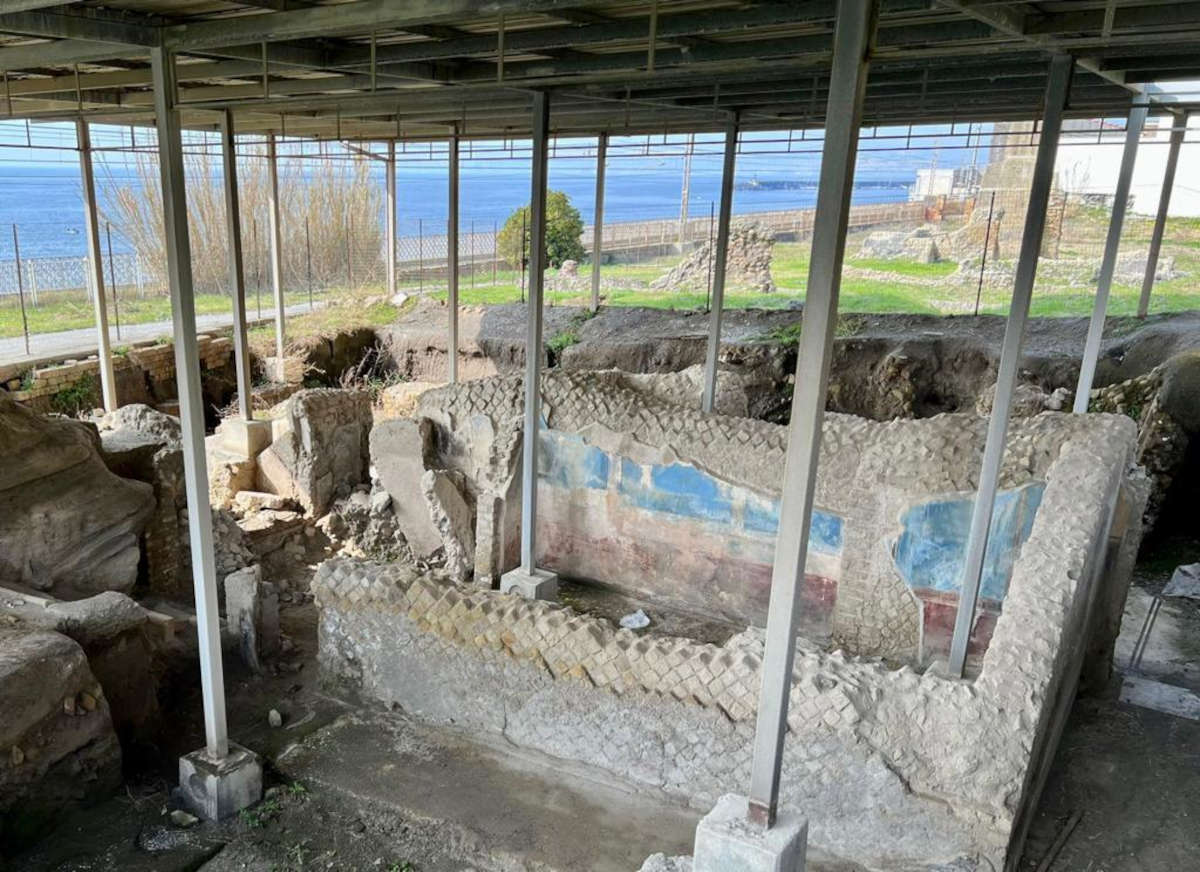
The new excavation project, led by the Archaeological Park of Herculaneum, is part of a broader framework of revitalization of archaeological research in the national territory. The intervention has made it possible to identify hitherto uninvestigated contexts and to reconstruct more accurately the different phases of the villa’s life, abruptly interrupted by the eruption of Vesuvius in 79 AD. In particular, the research focused on the northeastern front of the complex, where a room of limited size, about ten square meters, emerged, but characterized by a decorative quality and a wealth of data that offer new keys to understanding the use of space and the transformations taking place shortly before the destruction.
“The results of the Villa Sora excavation confirm the importance of archaeological research as an essential tool for knowledge,” comments Massimo Osanna, director general museums of the Ministry of Culture. “The new evidence makes it possible not only to acquire unpublished data, but to restore concrete aspects of the daily life of a great maritime villa, suddenly interrupted by the eruption of 79 AD. This advancement of knowledge provides a more solid basis for strengthening the site’s paths of enhancement and for making its narrative more aware and articulate to the public.”
The financial and programmatic context for the intervention is that of the National Campaign of Archaeological Excavations promoted by the Directorate General for Museums, launched in 2024 with the aim of supporting structured, planned and continuous research throughout Italy. In 2025, the campaign was strengthened by a total allocation of 4.8 million euros, intended to ensure the continuation of the interventions already initiated and the extension of excavation and study activities. At Villa Sora, a 150,000-euro grant made possible the reactivation of a research path that had been interrupted for decades, laying the groundwork for a broader program of study, protection, and enhancement of the archaeological area.
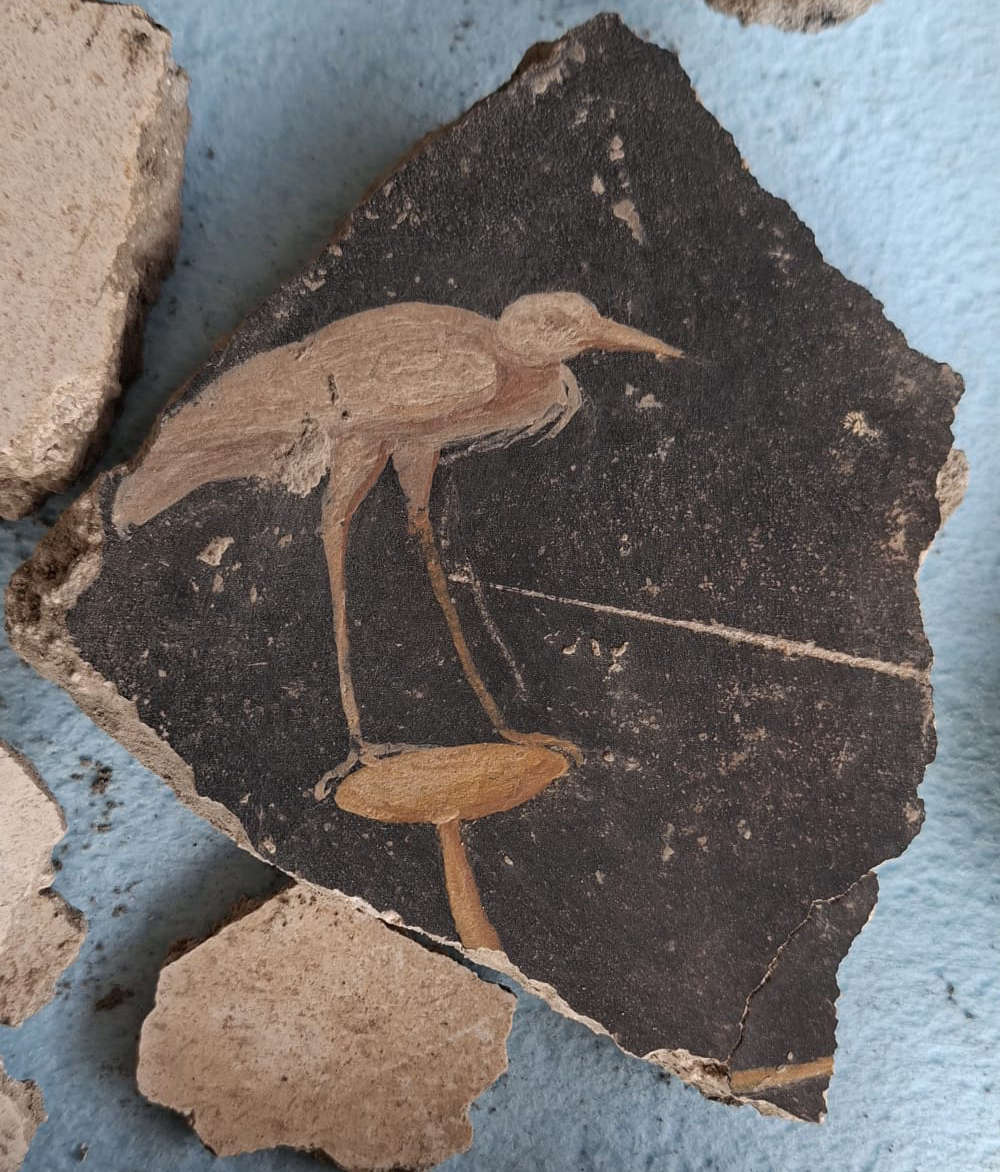
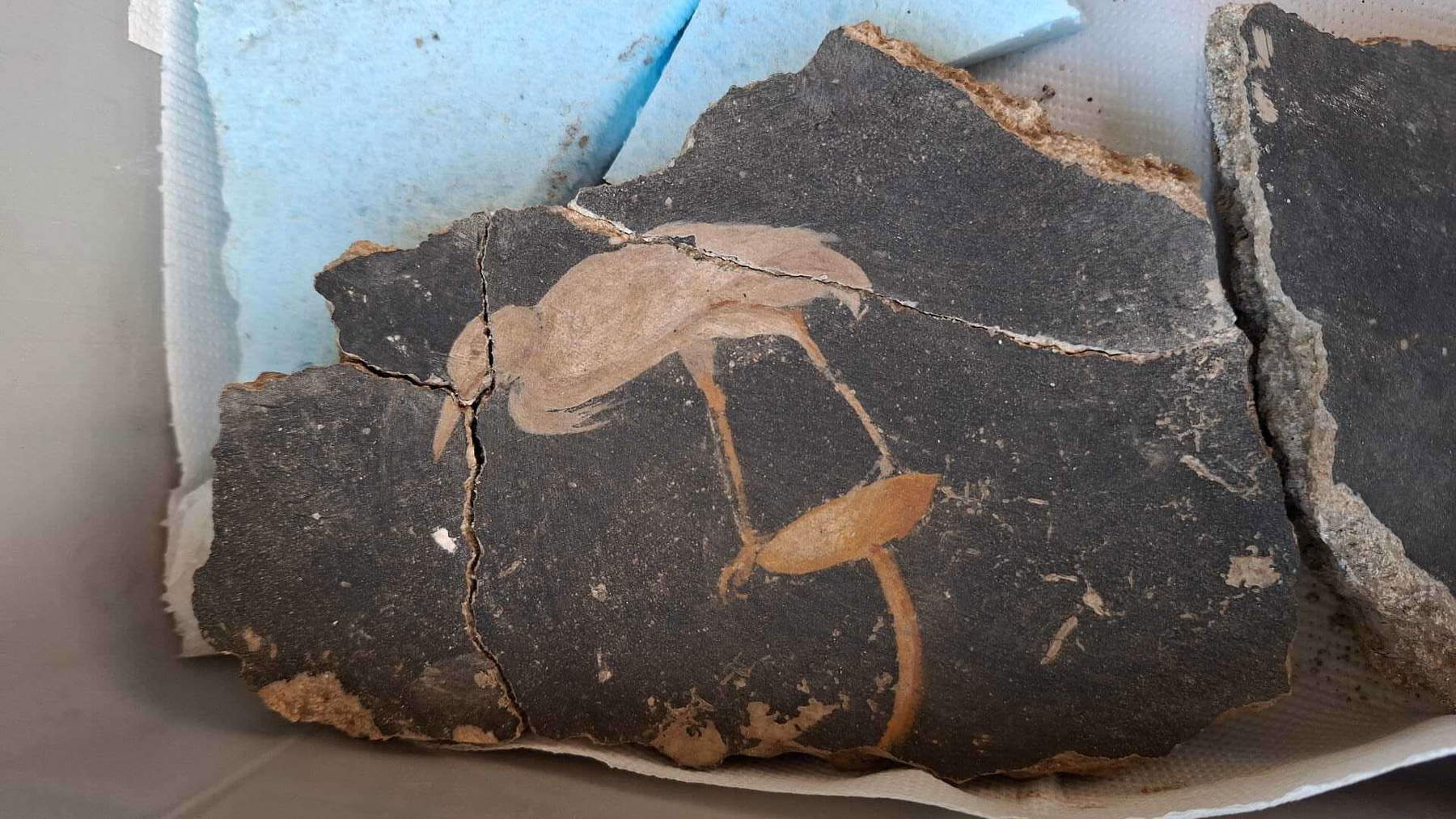
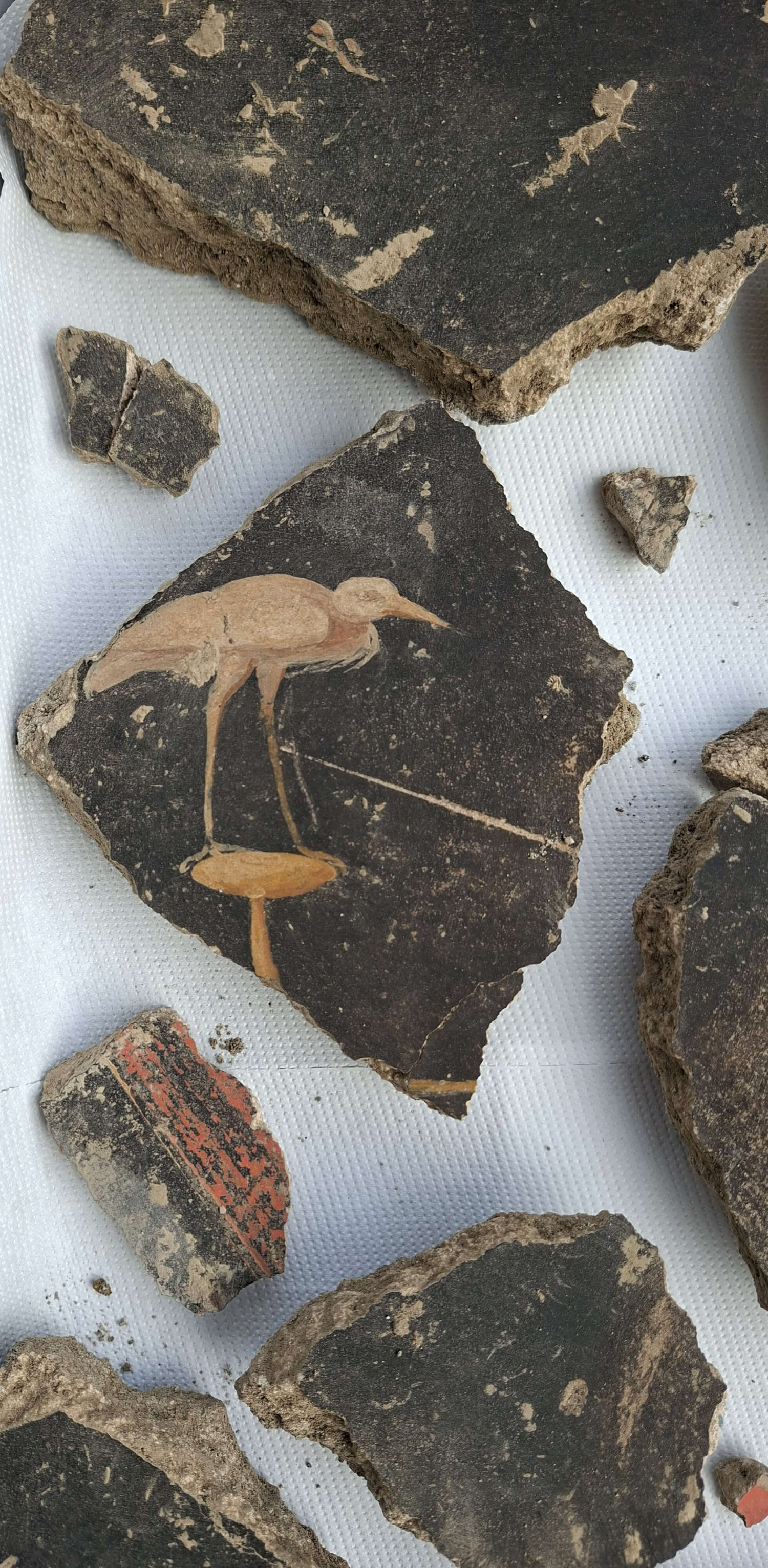
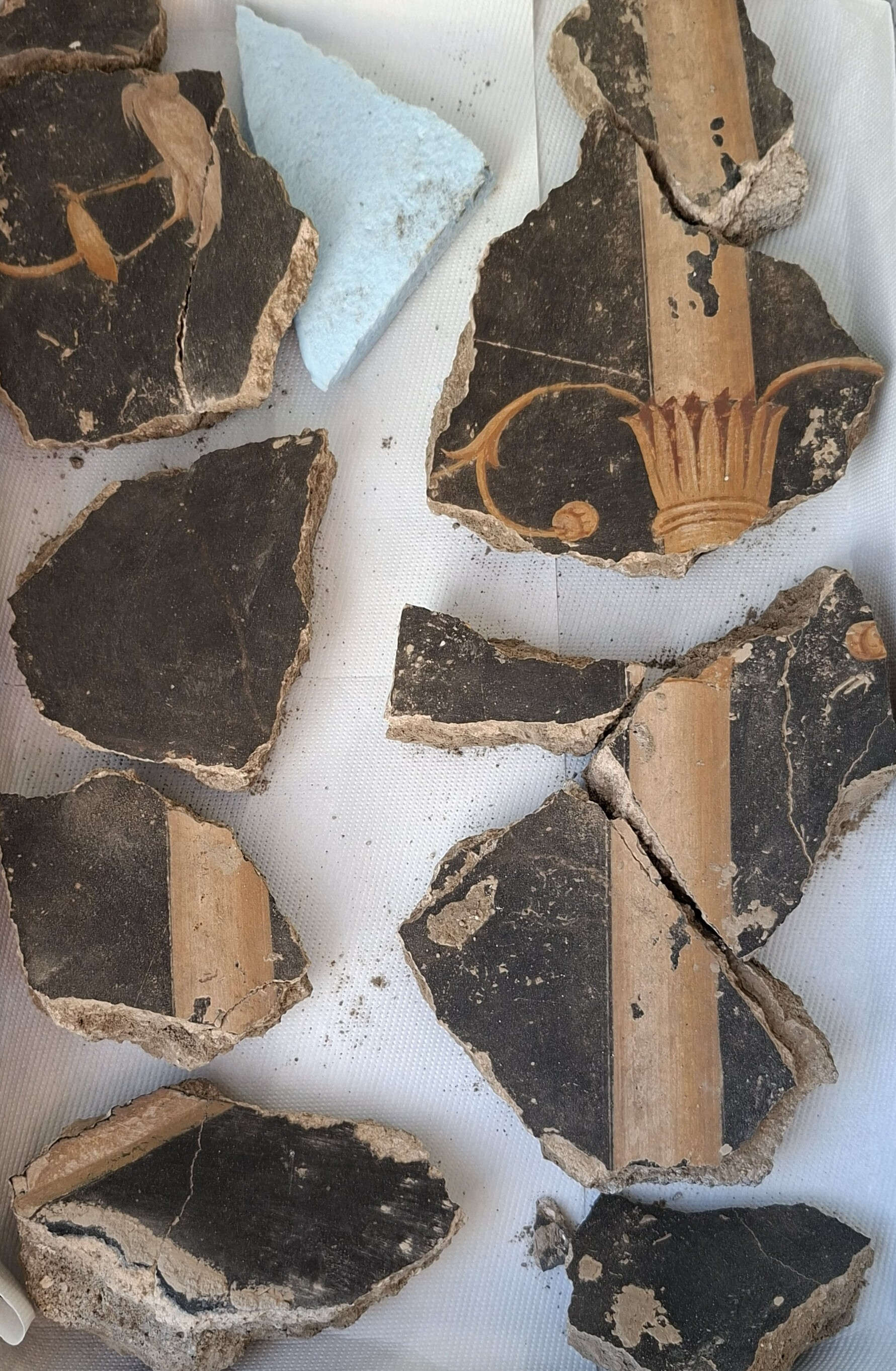
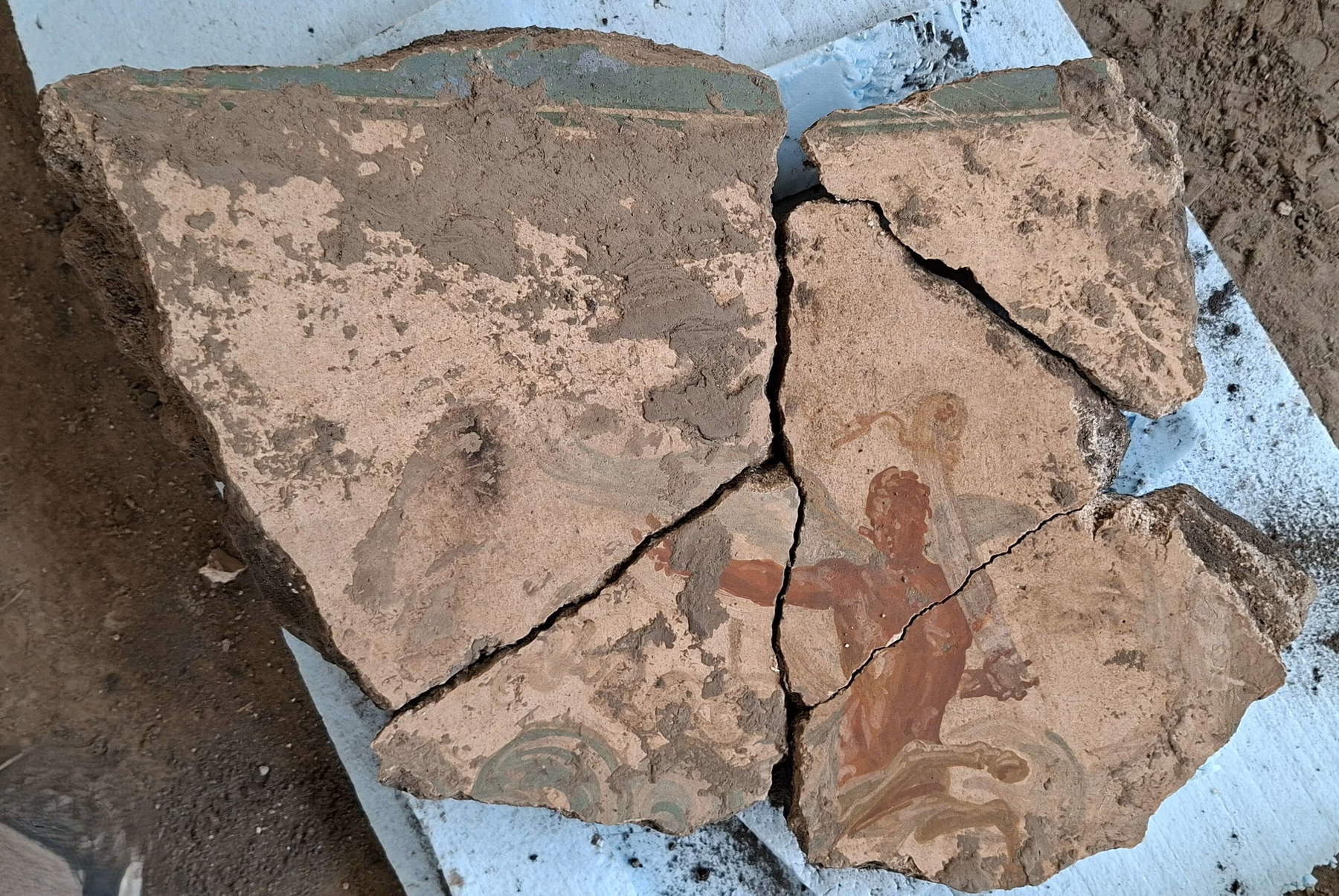
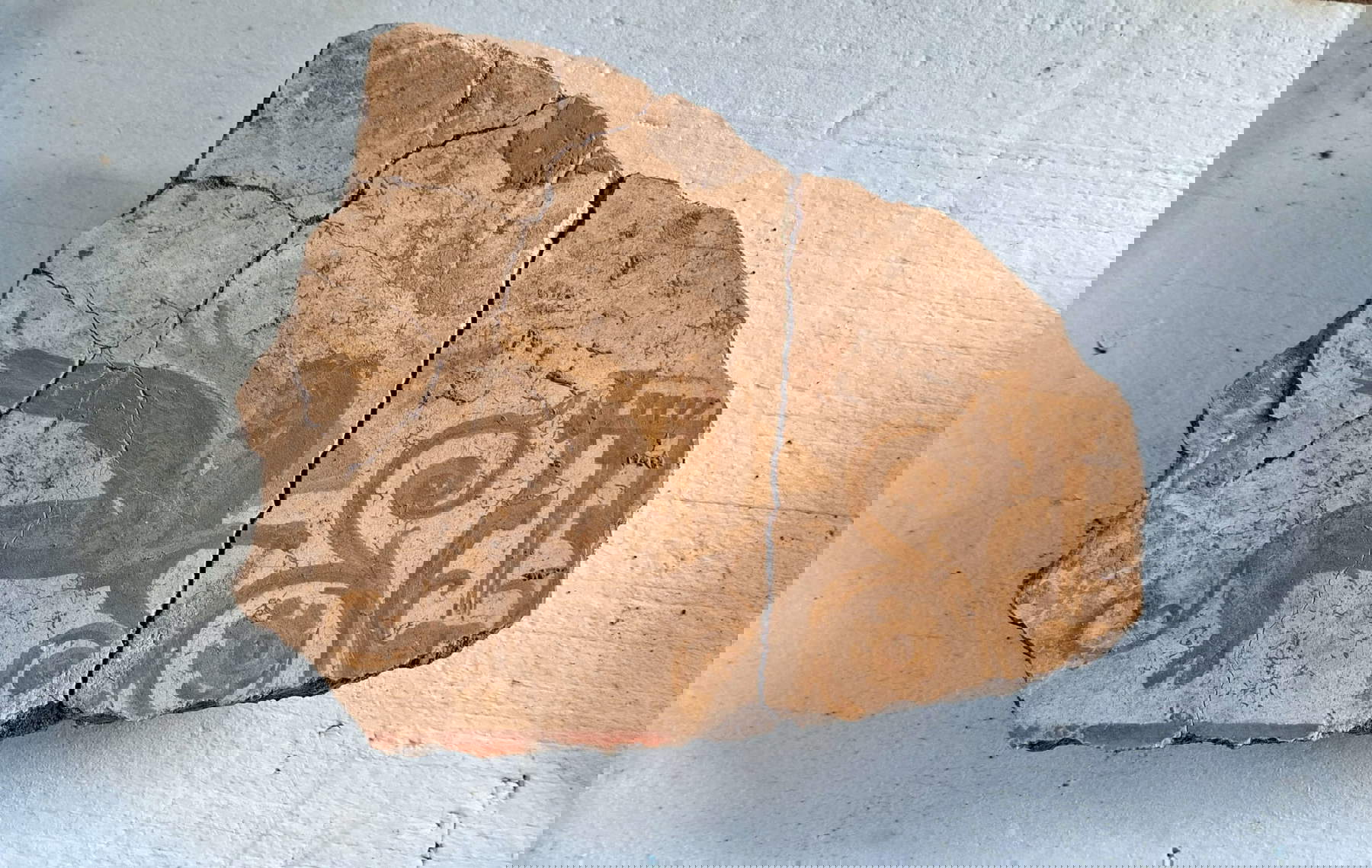
The first results that emerged from the investigations are returning a picture of great interest, particularly with regard to the decorative apparatus of the identified environment. The pictorial fragments found, referable to both walls and ceiling, testify to a decorative program of the highest refinement. The walls were set against a dark background, punctuated by bands of cinnabar red, and animated by figurative elements of remarkable elegance. Prominent among these were figures of herons arranged around a gilded candelabra, set in a composition revealing special attention to detail and color balance.
The ceiling, characterized by a light background, was decorated with an articulate ornamental repertoire that included garlands, friezes and mythological figures. Recognizable subjects include griffins inserted in a rich decorative system and the figure of a centaur in motion, rendered with a pictorial quality that confirms the high level of the workers engaged in the decoration of the villa’s rooms. The combination of these elements helps to delineate the image of a space that, despite its small size, played a significant role within the residential complex.
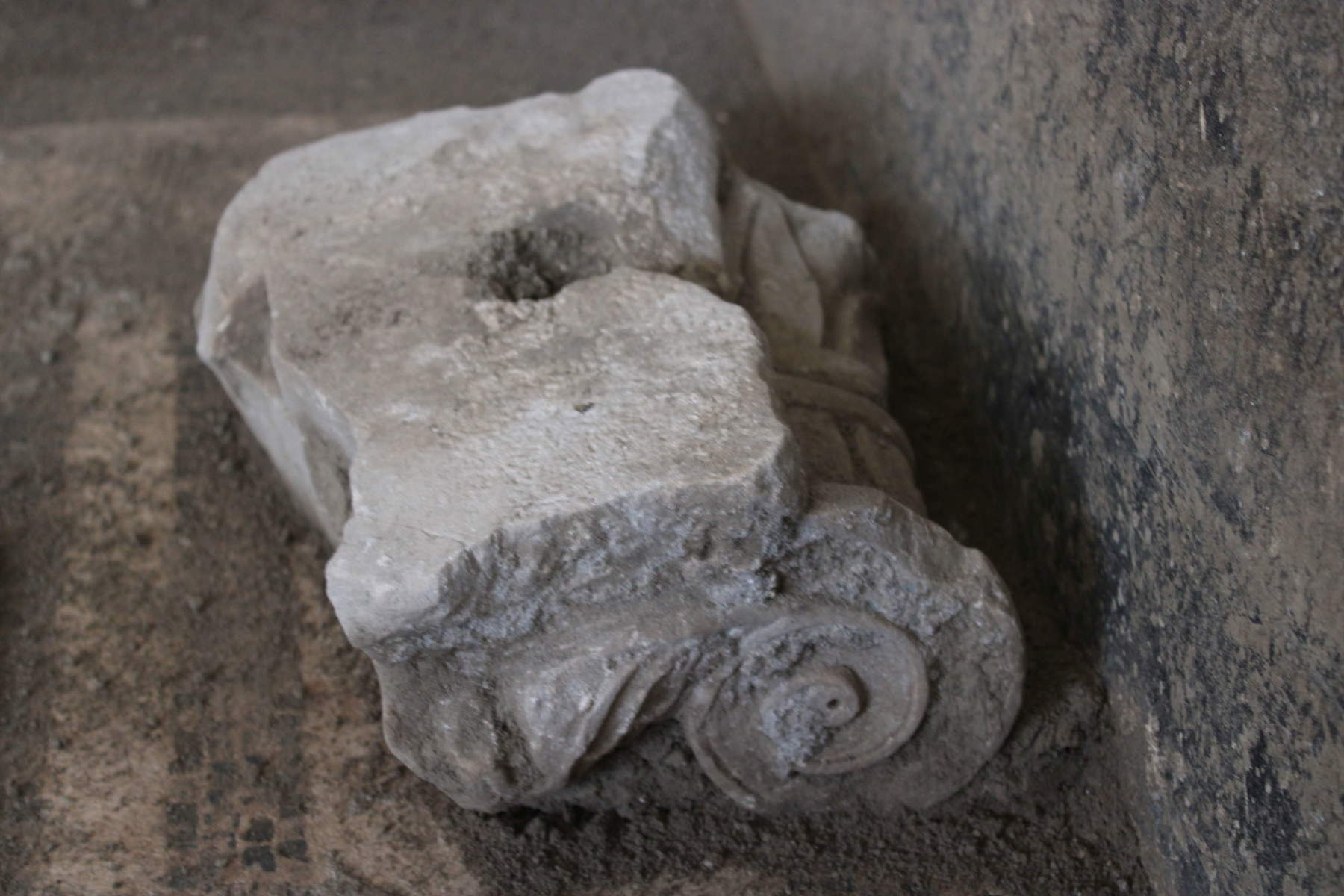
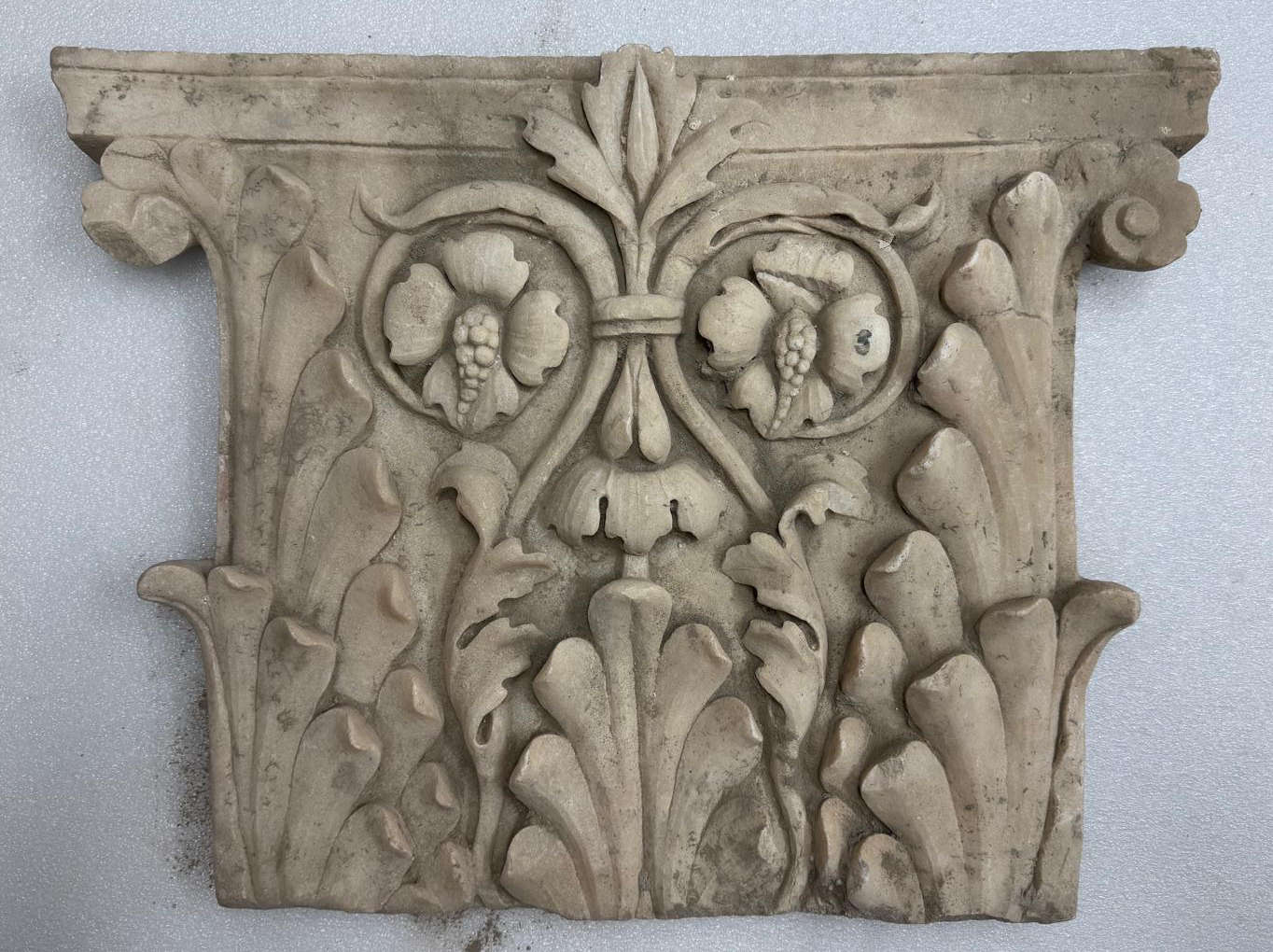
Of particular note is the context of the discovery of these decorative apparatuses, which offers valuable insights into the function of the space at the time of the eruption. Indeed, three finely decorated lead cysts, traceable to the same workshop, have been identified within the space, along with numerous architectural elements in white marble of the highest quality. Prominent among them is a capital preserved in excellent condition, worked exclusively by chisel, a technique requiring great craftsmanship. The presence of additional marble fragments, including a second capital fragment, clearly suggests an intentional storage of materials intended for an ongoing architectural intervention.
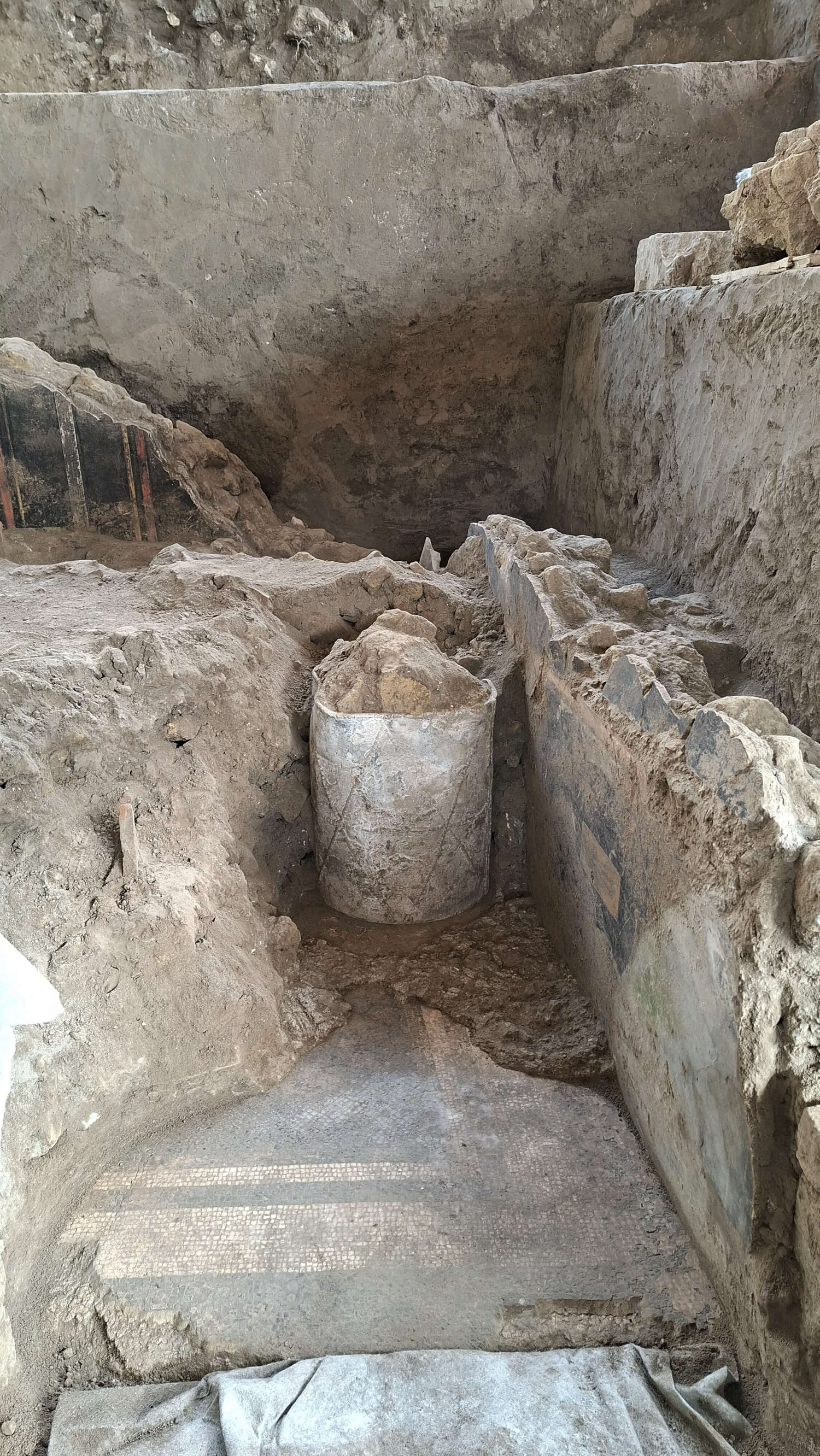
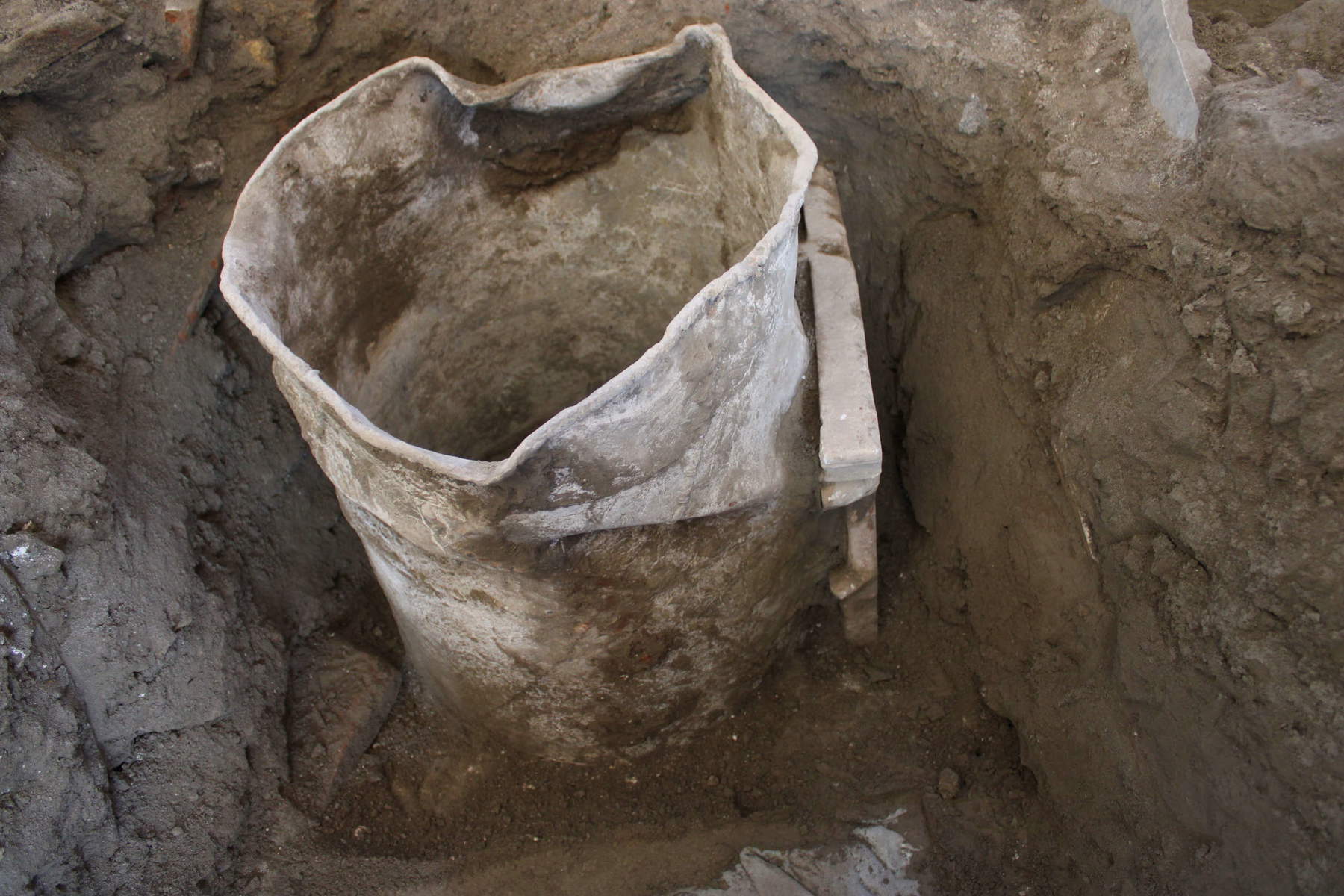
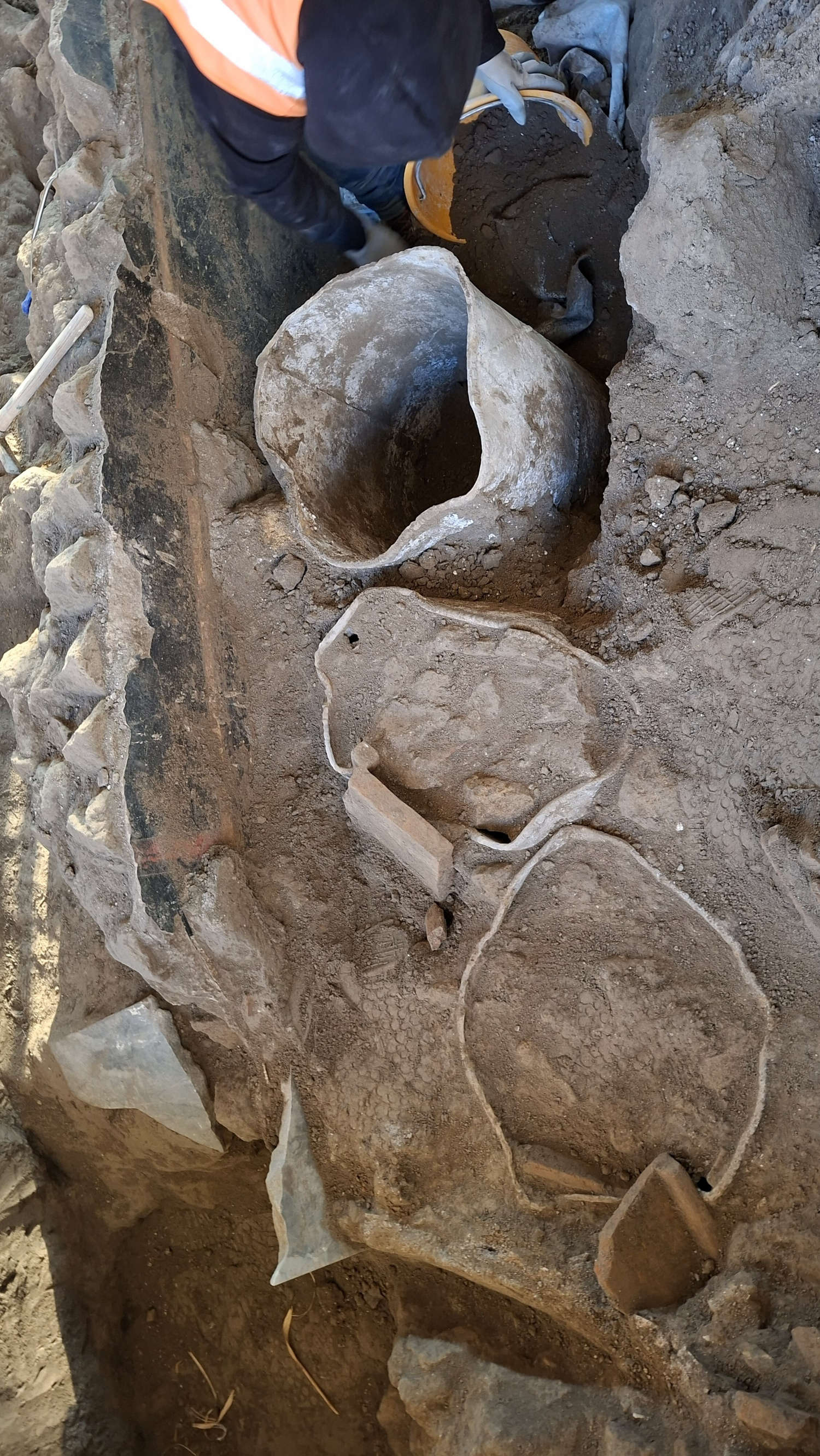
The totality of the data collected returns the image of an environment used as a storage or construction site space, confirming the hypothesis that Villa Sora was involved in construction work at the time of the eruption of 79 AD. This aspect adds an additional layer of complexity to the reading of the site, showing how the life of the villa was still dynamic and transforming in the last moments before the catastrophe. The simultaneous presence of fine decorations and building materials suggests a moment of renewal or renovation, suddenly interrupted by the violence of the volcanic event.
The stratigraphic reading conducted by archaeologists has made it possible to clearly reconstruct the sequence of destructive events that affected the complex. The analyses have highlighted the impact of the pyroclastic flows that hit the building structures, causing the collapse of the roofs, the fall of the ceiling and the subsequent collapse of the walls. The levels of destruction paint a particularly telling picture of the violence of the catastrophe, while at the same time offering fundamental data for understanding how archaeological contexts were buried and preserved.
Villa Sora, built around the middle of the first century B.C., was the subject of numerous reconstructions and building interventions over time, up to the time of its destruction. The complex was developed along the coastline with a scenic layout, articulated on terraces sloping toward the sea, following a model typical of the great maritime villas of the Roman elite. The estimated extension of the villa, amounting to about 150 meters along the coastline, returns the image of a residence of the highest level, equipped with residential and representative rooms designed to combine luxury, functionality and a direct relationship with the coastal landscape.
The new investigations confirm Villa Sora’s leading role in the panorama of aristocratic residences in the Gulf of Naples and open new perspectives for the reconstruction of its history and transformations. The data that have emerged suggest that large portions of the complex still remain to be explored and that further discoveries may help to clarify not only the organization of the spaces, but also the economic, social and cultural dynamics that revolved around such a prestigious residence.
|
| Villa Sora, new excavations unearth decorations and a construction site active in 79 AD. |

Warning: the translation into English of the original Italian article was created using automatic tools. We undertake to review all articles, but we do not guarantee the total absence of inaccuracies in the translation due to the program. You can find the original by clicking on the ITA button. If you find any mistake,please contact us.




























 IT
IT FR
FR DE
DE ES
ES CN
CN


