





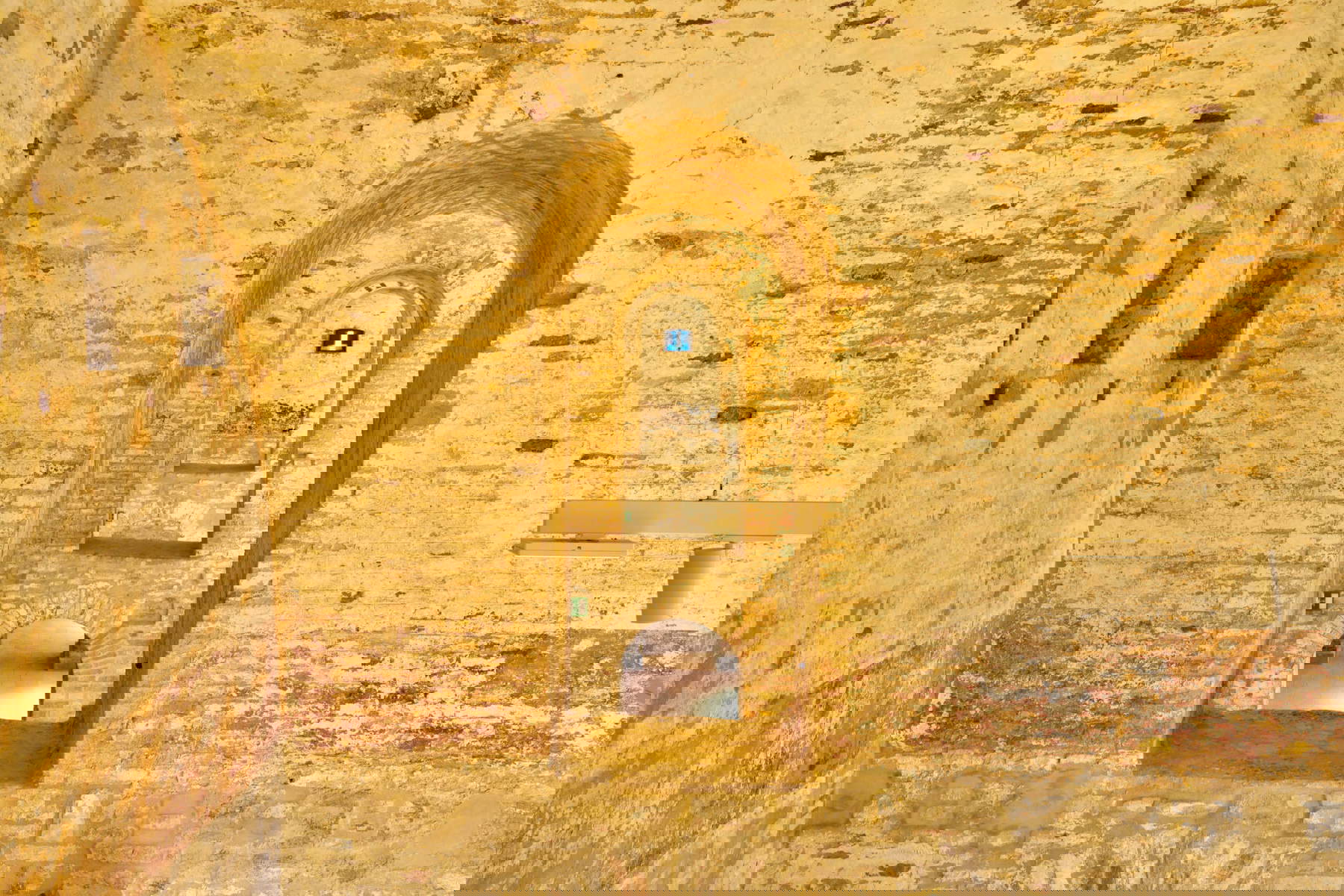
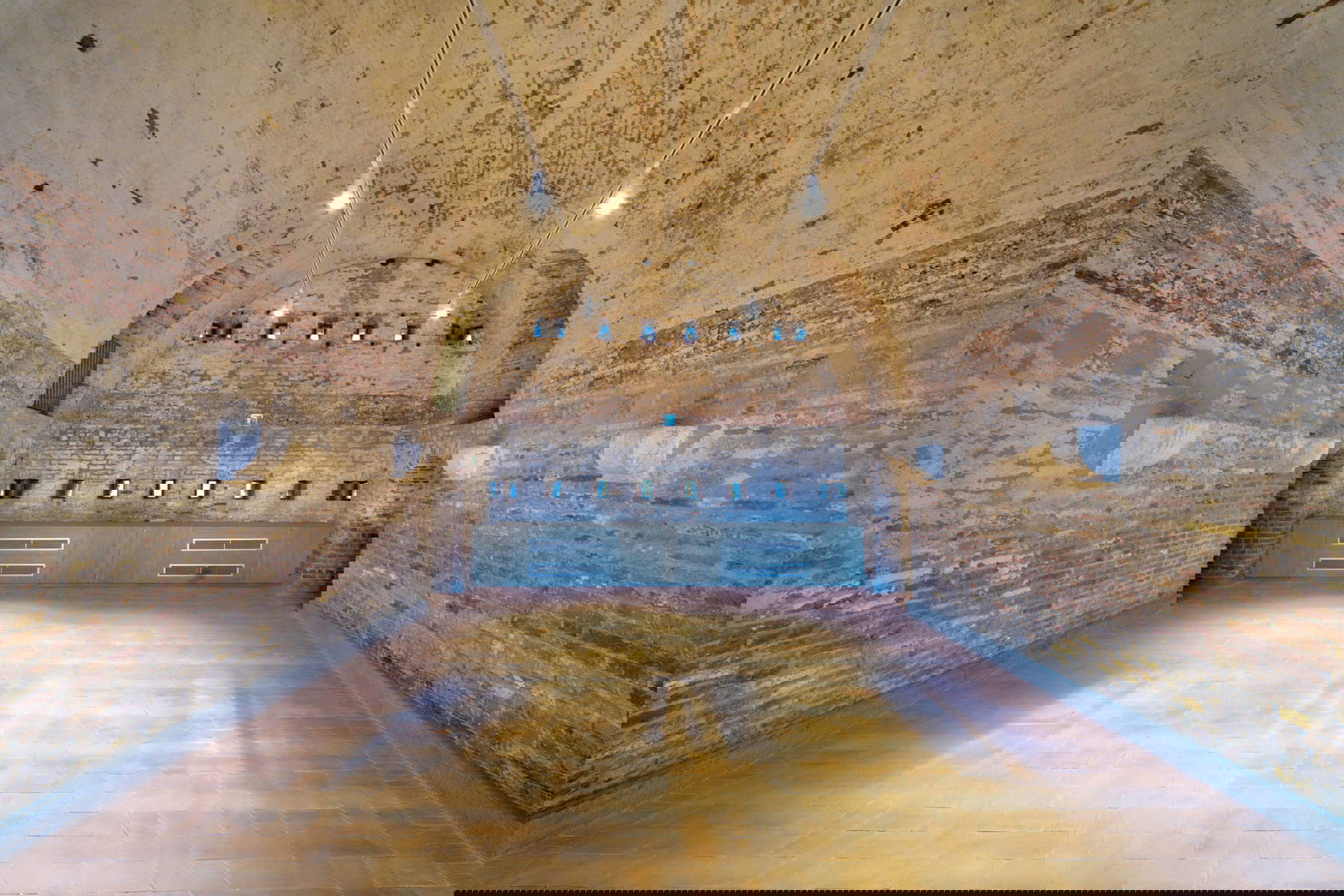
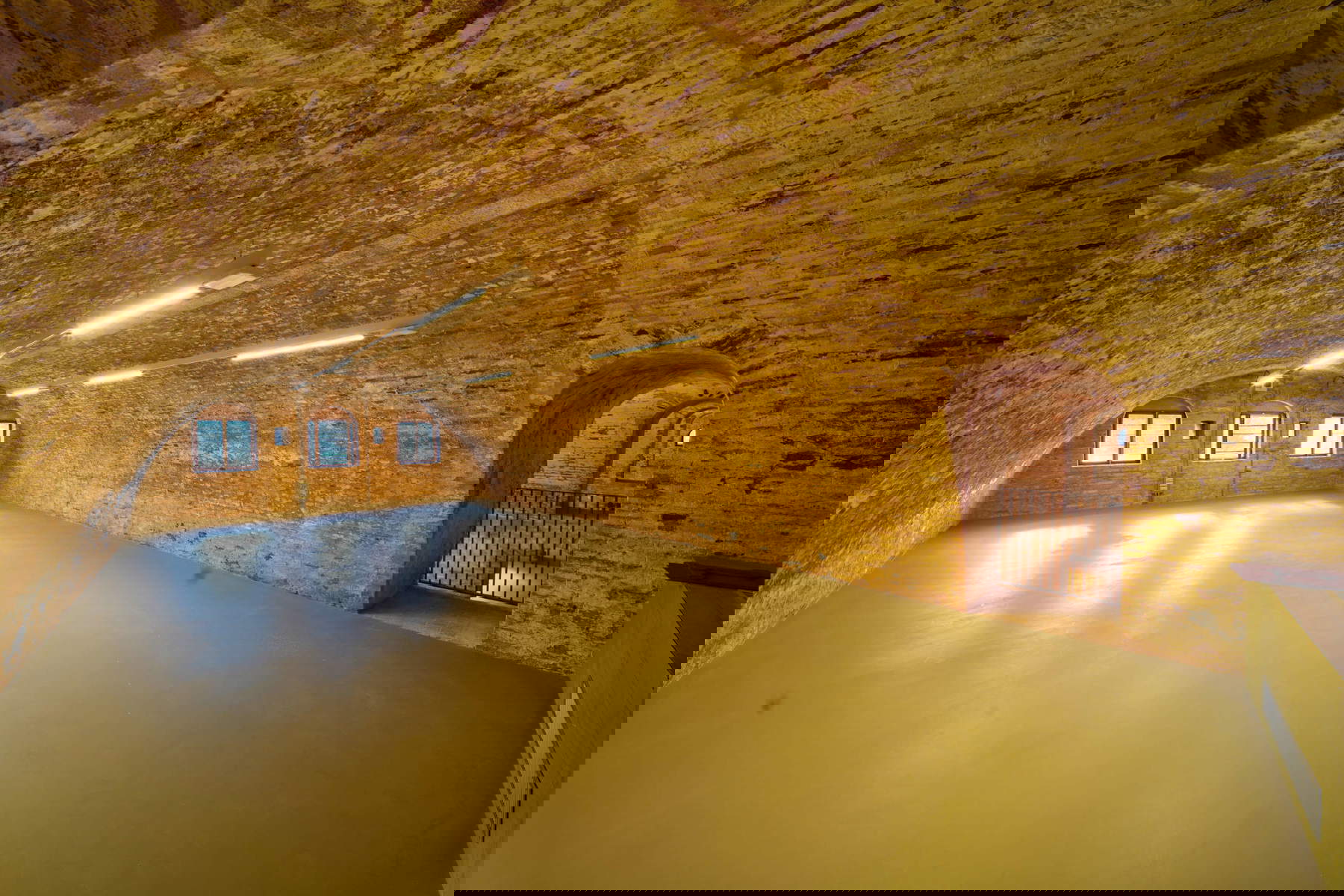
There is a new cultural space opening in Venice, in Forte Marghera to be exact: it is the Casermetta Est, whose opening to the public marks the start of a new chapter in the regeneration of urban spaces between Venice and Mestre. The building, one of the twin 19th-century bodies facing the dock and located on the island of Ridotto, is considered one of the most striking areas of the fortified complex. For the first time in its long history, it becomes accessible to the public after an articulated conservative restoration project promoted by the City of Venice, which has entrusted its management to Fondazione Musei Civici. The structure, known as the Napoleonic Casermetta, now takes on a new role as a cultural gathering place dedicated to contemporary artistic production and the enhancement of young authors.
The initiative represents an important part of the strategy of the Municipality and the MUVE Foundation, geared toward the reactivation of historic buildings through cultural functions capable of generating new forms of participation. The opening of the Casermetta Est is thus part of the broader process of recovery of the Forte Marghera system, a vast compendium of military architecture that in recent years has seen a gradual return to citizenship. Thanks to the recent restoration, the nineteenth-century building is coming back to life as a public space, continuing the transformation of the fort into a place dedicated to creativity, research and experimentation.
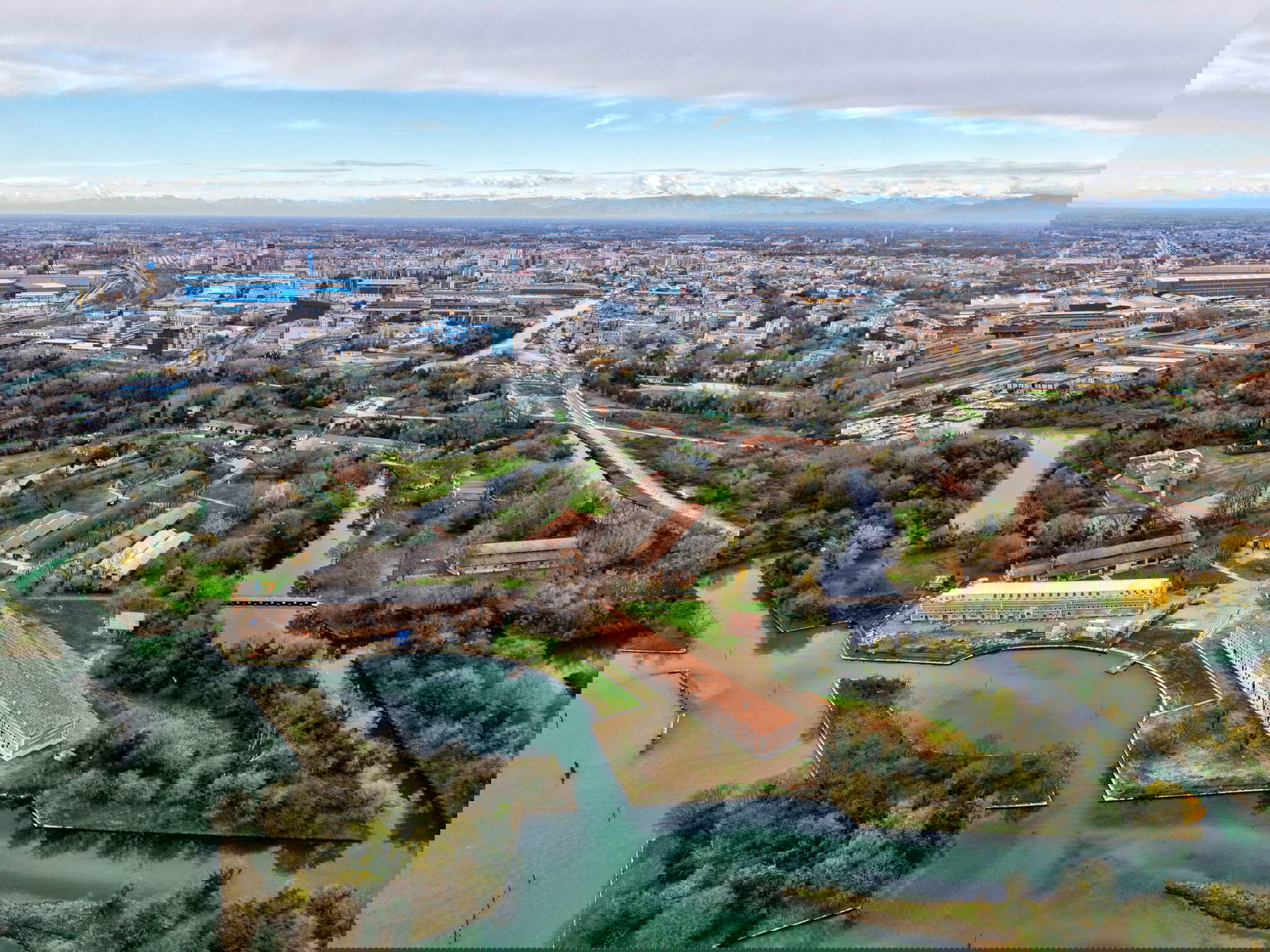
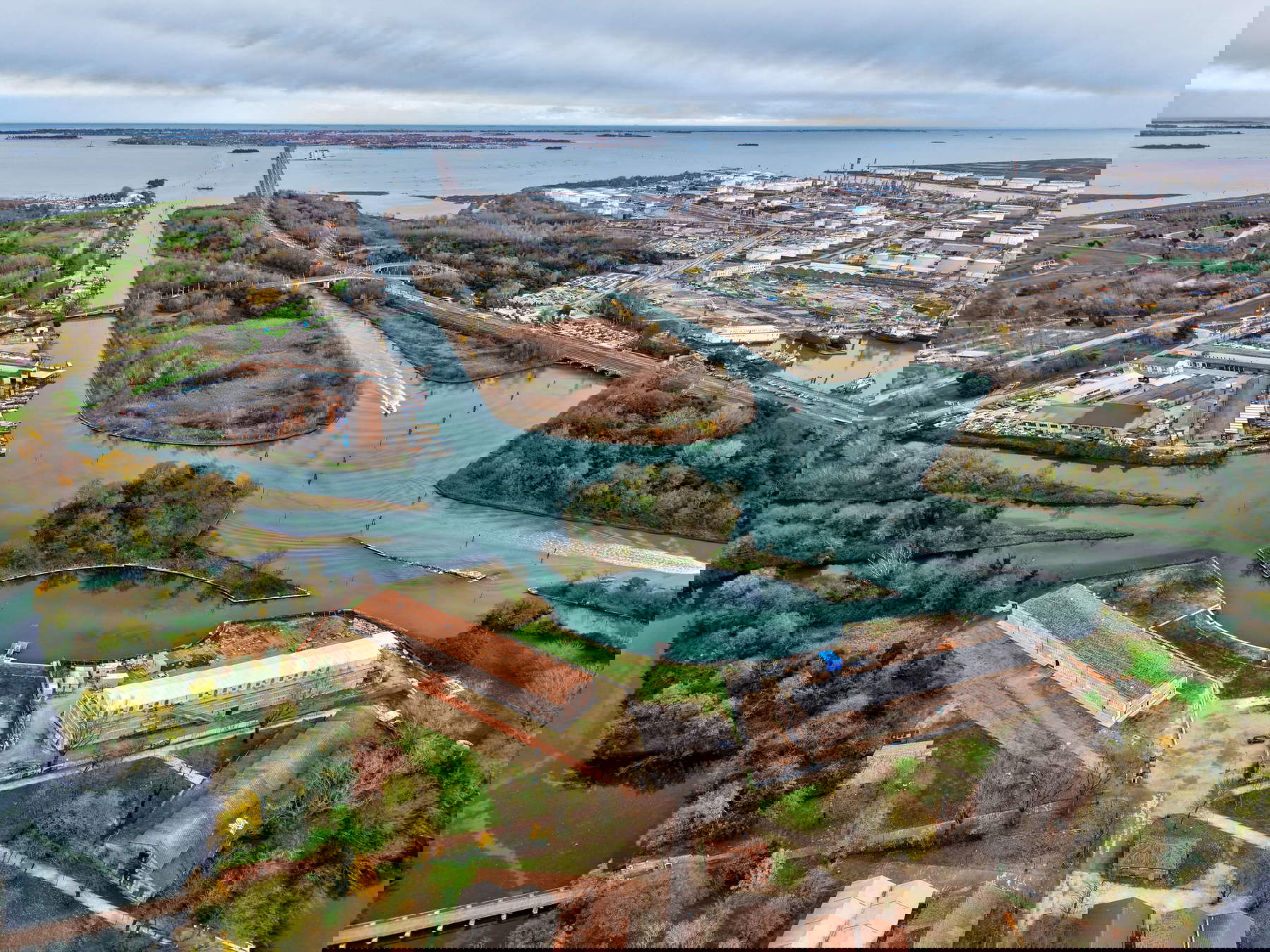
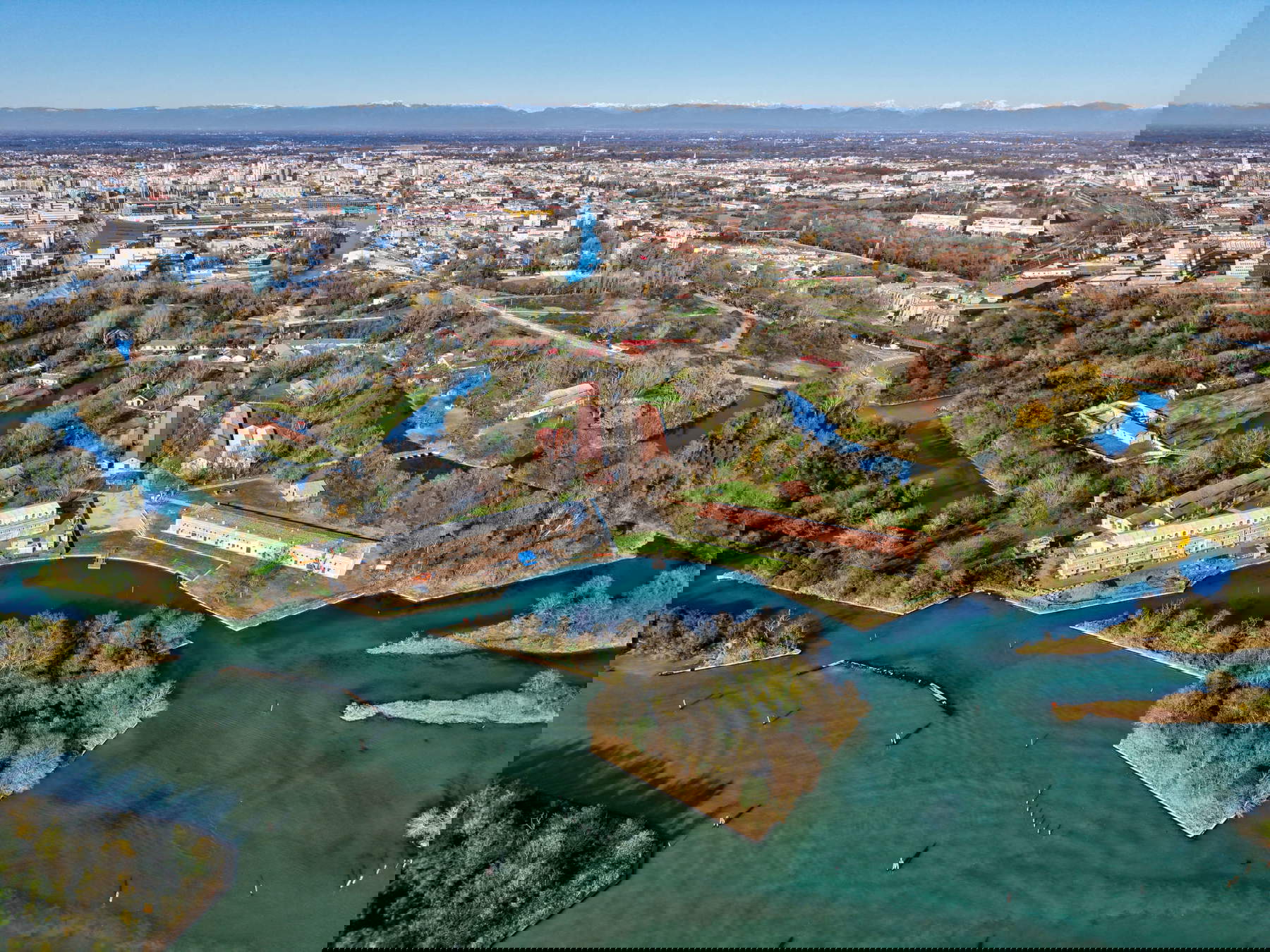
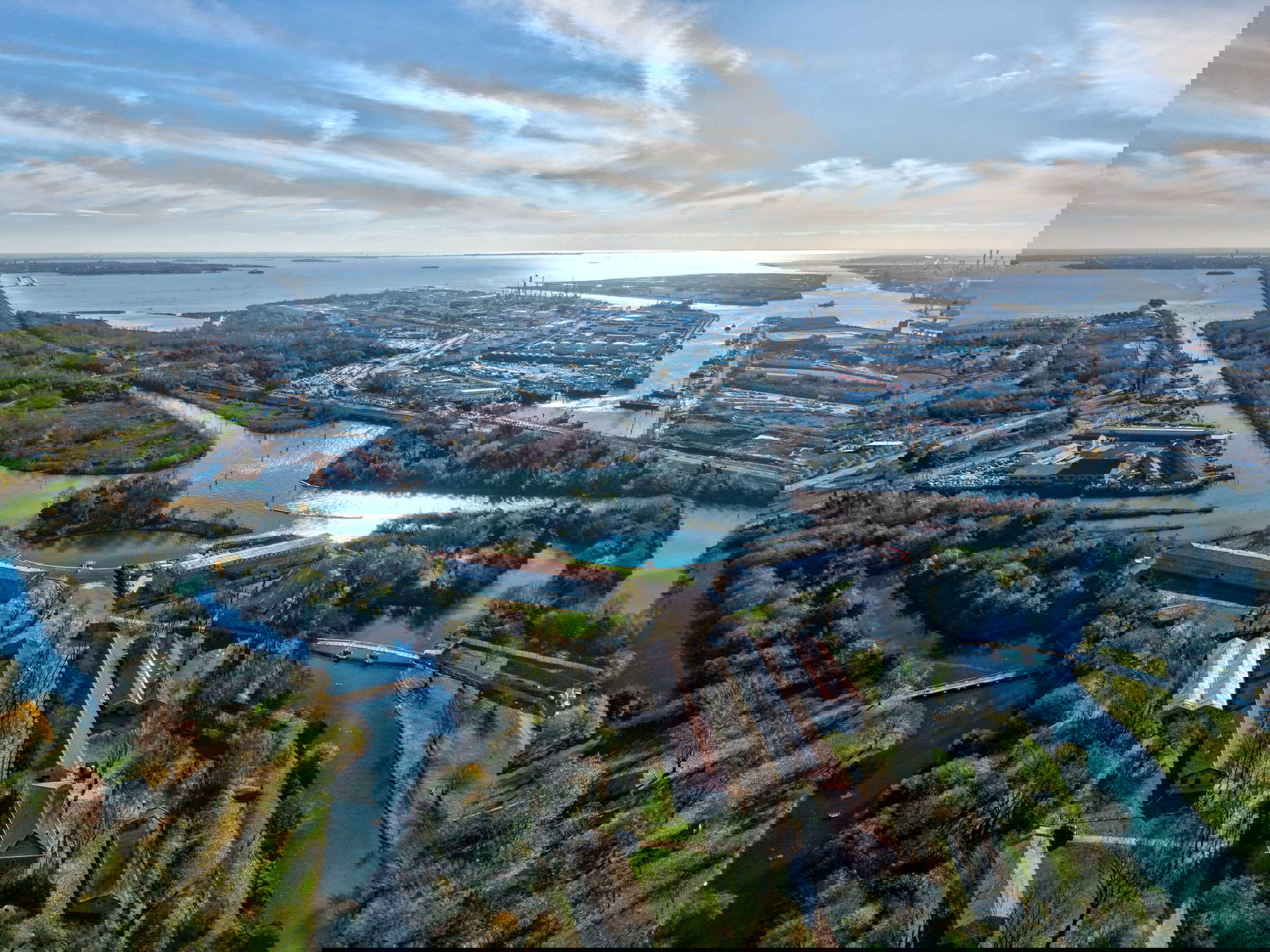
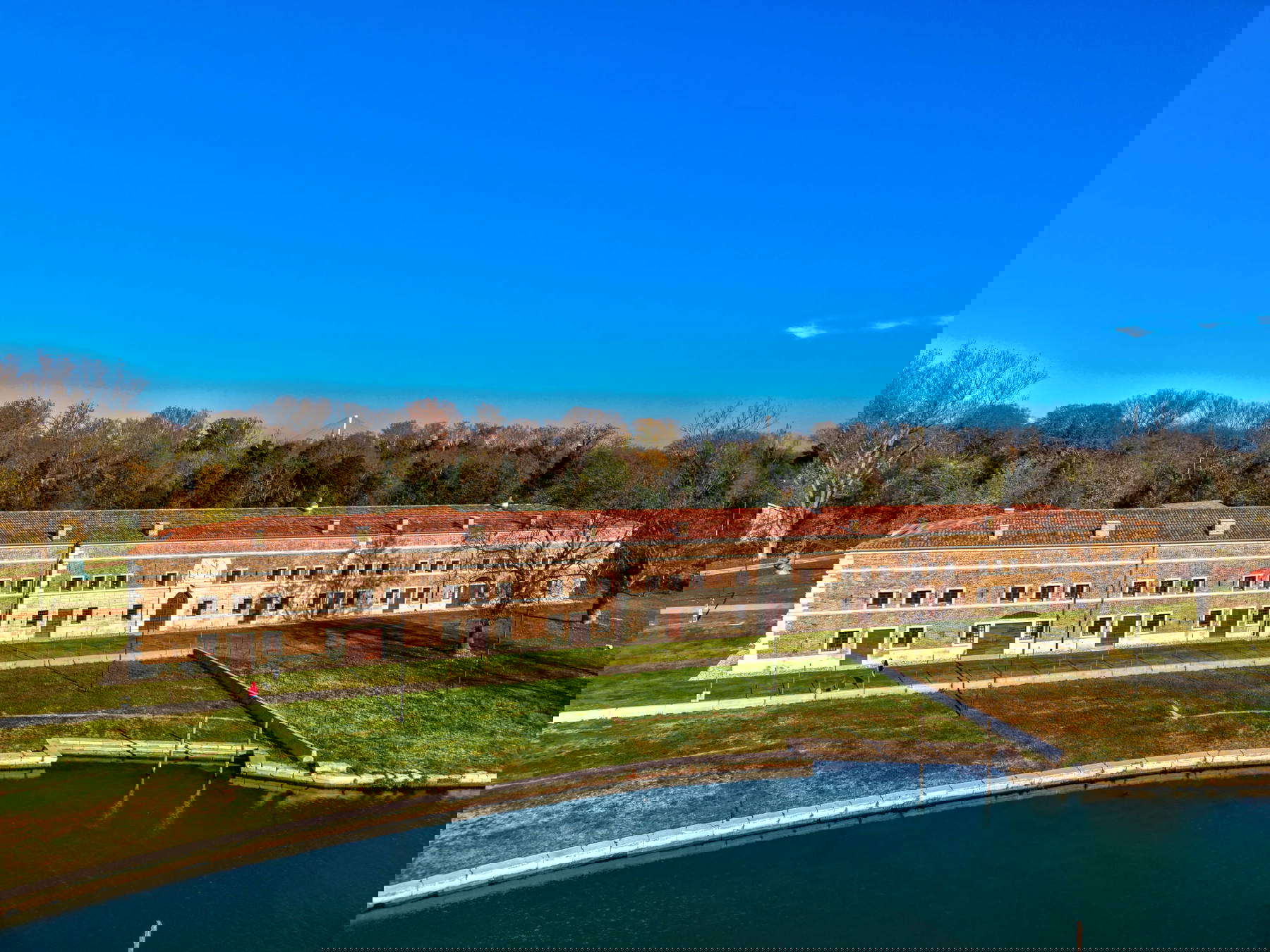
With the reopening of the Casermetta, a new cultural hub aimed in particular at young artists and emerging authors takes shape. Fondazione Musei Civici intends to expand through this space the network dedicated to contemporary languages, linking it to the activities of the museums of Modern and Contemporary in Venice and, above all, to the Emeroteca dell’Arte in the center of Mestre, active as a place of artistic production and creative residency. The Casermetta will host the end-of-residency group shows of the artists participating each year in the program launched in 2024 and renewed for the following two-year period. It will also be the venue for the annual exhibitions of the Artefici del nostro Tempo competition, which the City of Venice promotes through an international call for entries designed to gather the works of young creative artists. In this way, the structure becomes a reference point for the new Venetian art scene, conceived as a dynamic and accessible space capable of hosting exhibitions, meetings, workshops and moments of confrontation between artists, the public and the community.
The location of the Casermetta Est on the bay of Forte Marghera contributes to redefining the relationship between the city and its historical heritage. The building returns to a public and cultural function that simultaneously enhances the lagoon landscape and the role of fortified spaces in urban memory. Thanks to the restoration work and its new use, the Casermetta is part of the fort’s rebirth process, becoming a place where architectural tradition and contemporary production dialogue through exhibition, design and training activities.
The history of the structure, designed under French rule as a “bomb-proof” military building, helps underscore the value of its recovery. Indeed, the East Casermetta and its twin constitute some of the most emblematic testimonies of the fort’s 19th-century monumental heritage and were therefore the subject of preliminary study and investigation. The intervention made it possible not only to restore the building to legibility, but also to deepen our knowledge of the Napoleonic project, its construction systems and the strategic functions it held in the past.
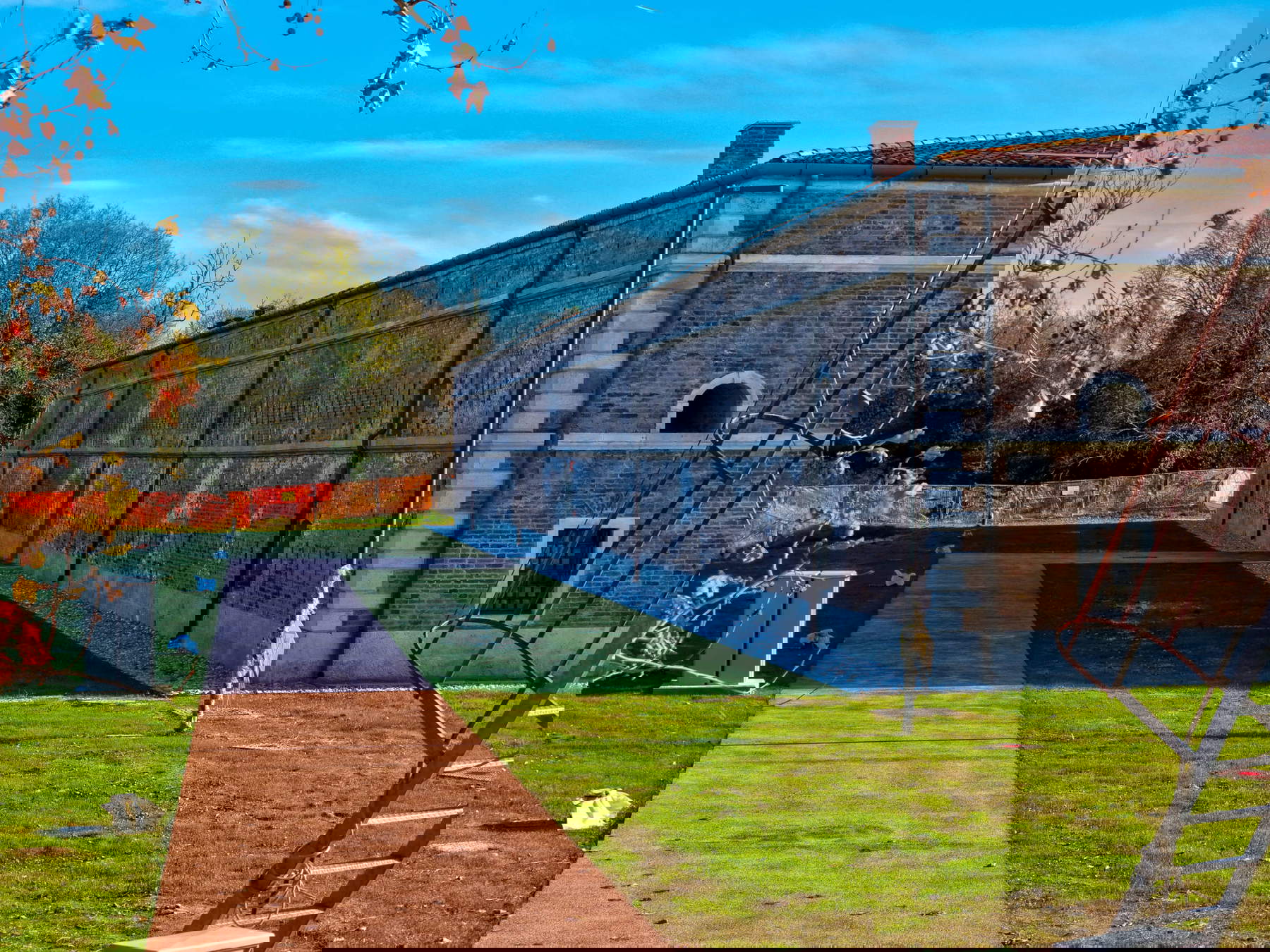
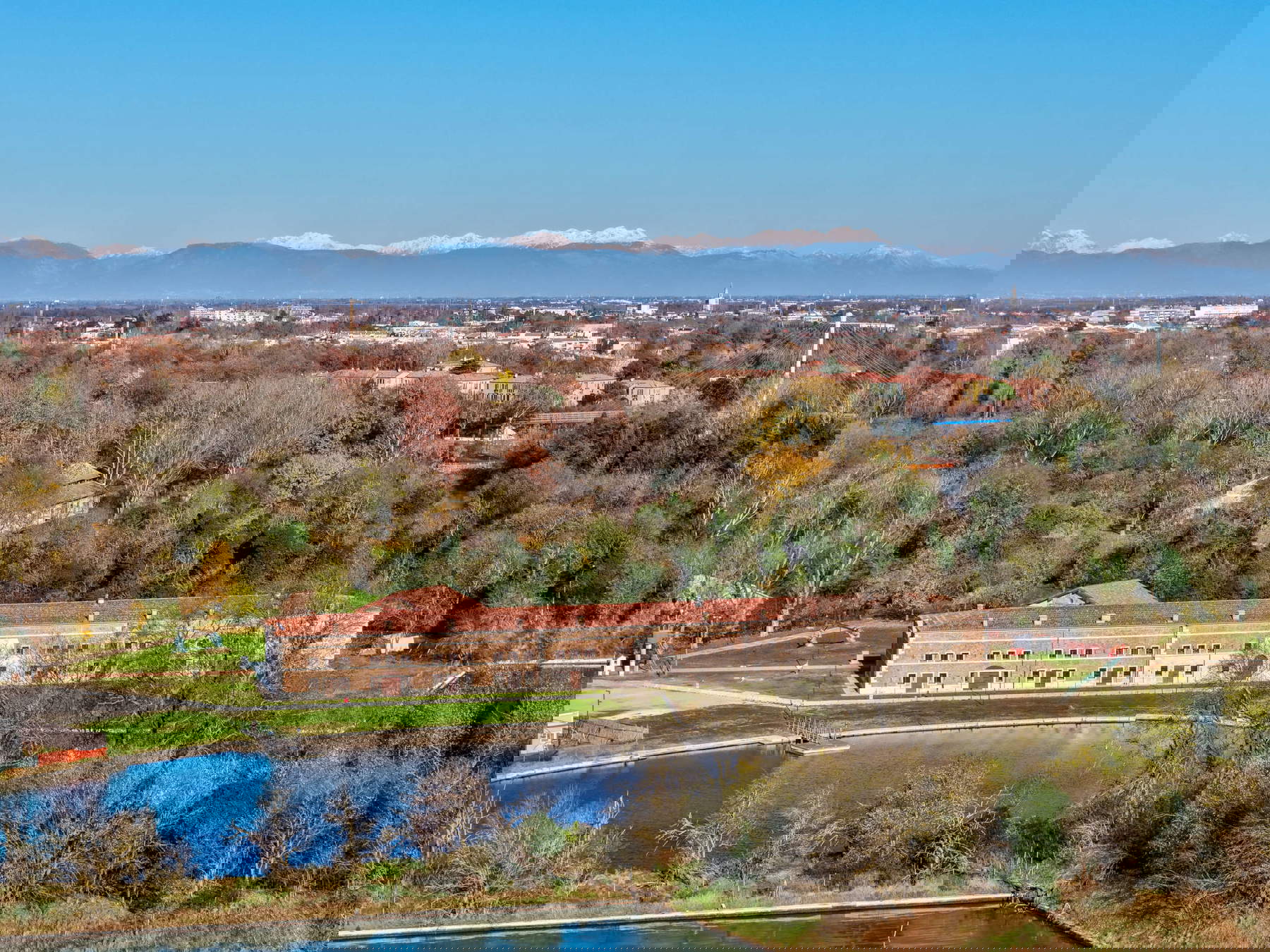
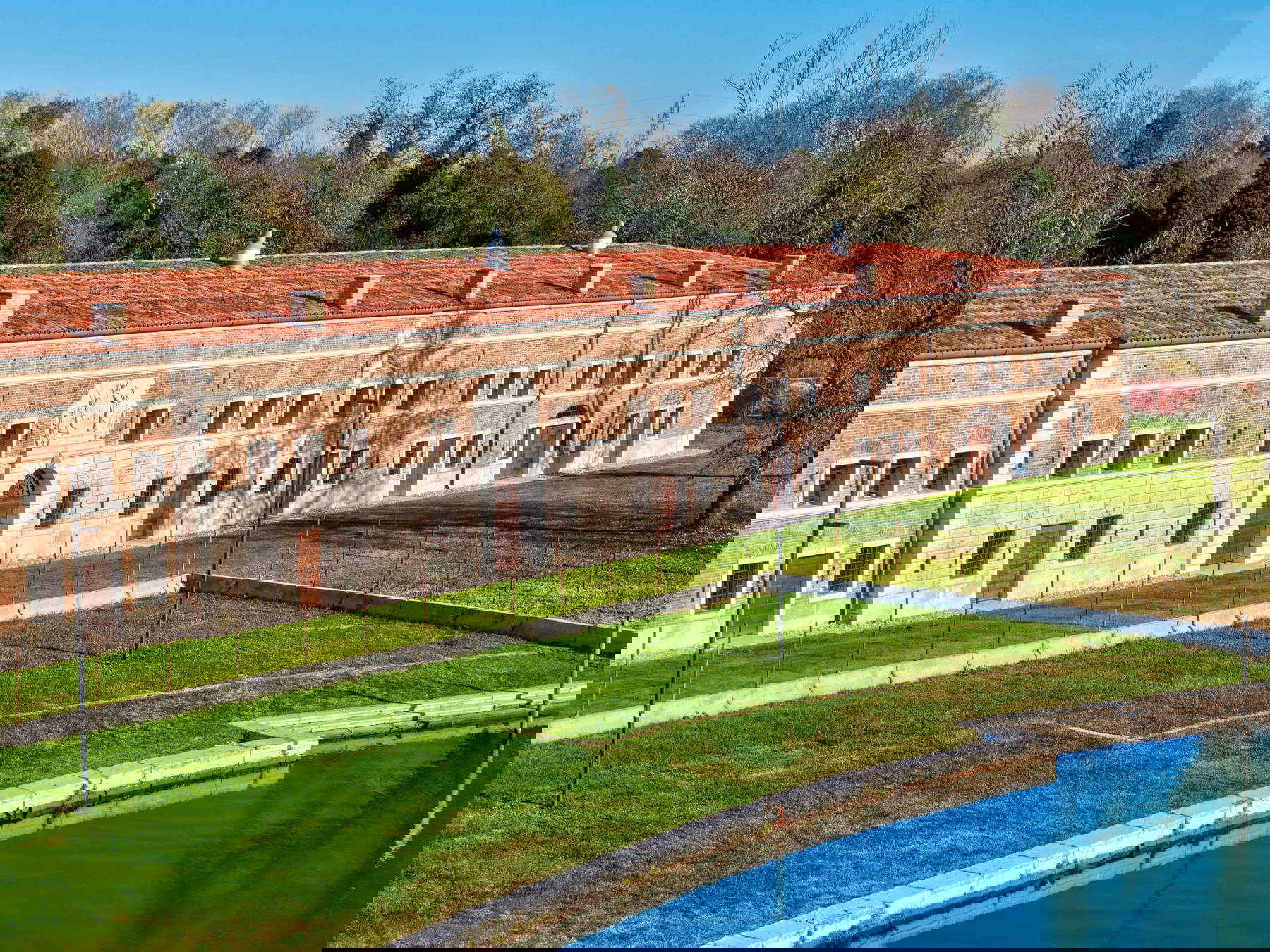
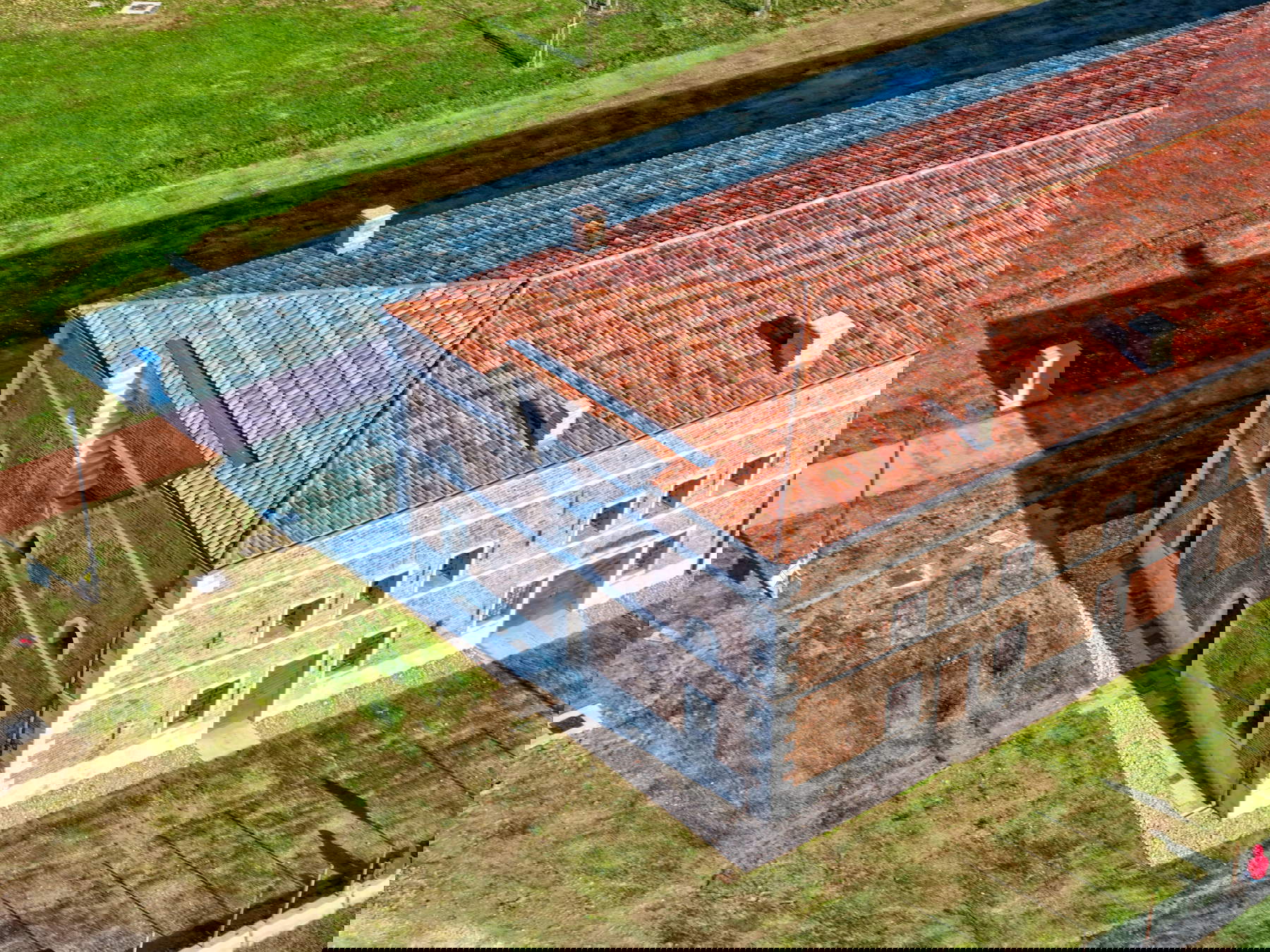
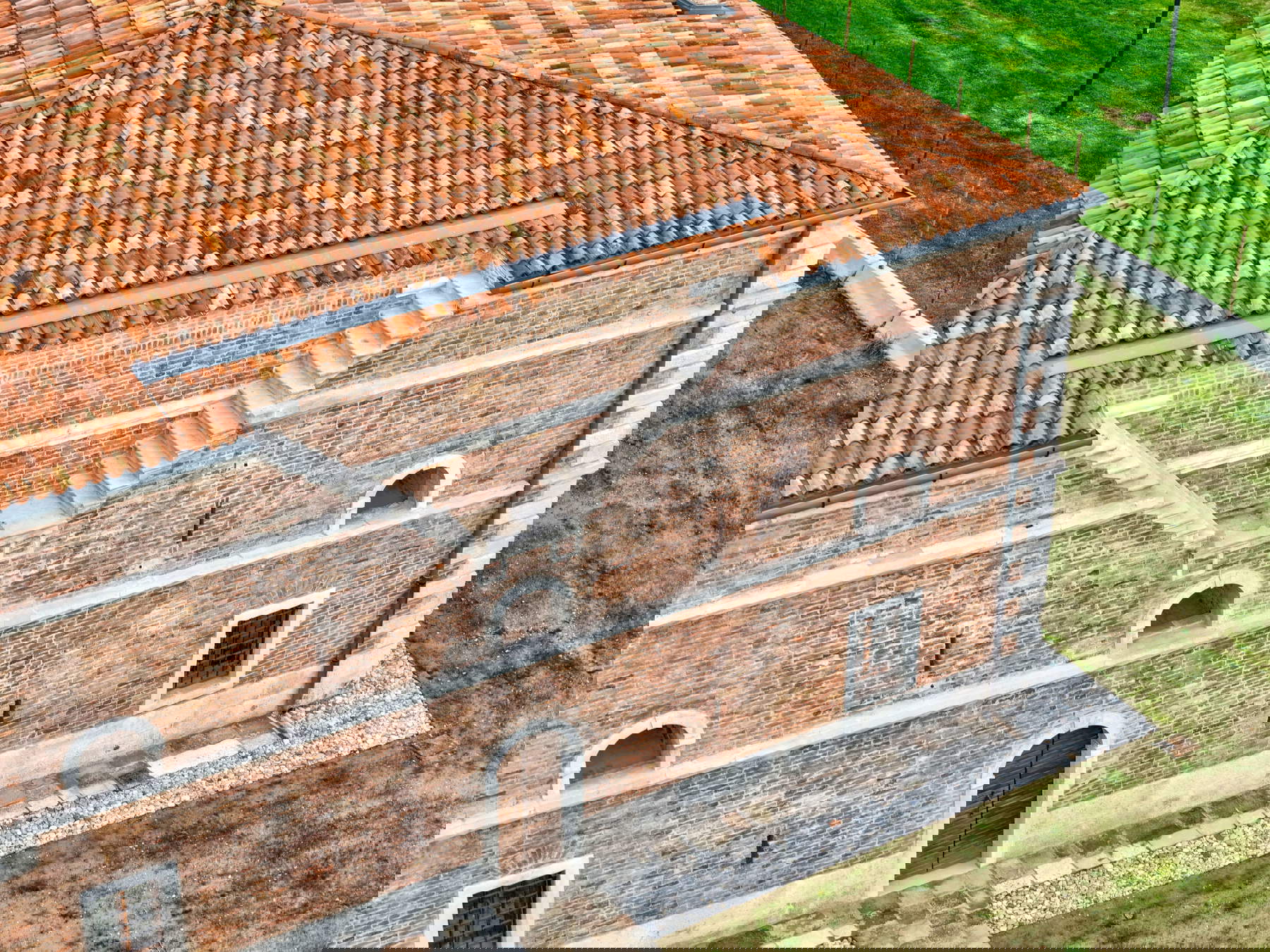
The restoration of the Casermetta Est represents the most recent step within the vast redevelopment program that has involved numerous buildings in the Forte Marghera compendium in recent years. The two Napoleonic casermettes together exceed a total of two thousand five hundred square meters of space for cultural and exhibition activities. The intervention on the Casermetta Est required an investment of 4.7 million euros and followed an articulated technical path. The direction of the works was entrusted to architect Riccardo Cianchetti, while the role of single person in charge of the procedure was carried out by engineer Andrea Ruggero, in constant coordination with the Public Works Department of the City of Venice and the management of Fondazione MUVE. The joint work made it possible to return the building to its original structure, recovering the surfaces, consolidating the masonry and adapting the spaces to the new needs of use.
The opening of the Casermetta coincides with the arrival in the new exhibition space of the GRANDA exhibition, which brings together the twenty-seven artists from the residencies of Bevilacqua La Masa and Fondazione MUVE for the year 2024-2025. The exhibition project has been rethought for the particular historical environments of the fort, offering a unified reading of the experiences and research developed during the residency. The collective enhances the plurality of languages of contemporary art by crossing different practices, generations and sensibilities, and represents an opportunity to put the production of the historical Venetian ateliers in dialogue with that of the thirteen studios of the Emeroteca dell’Arte in Mestre. The exhibition project also offers the opportunity to restore the richness of the research conducted in the residence spaces through works that dialogue with the regenerated context of Forte Marghera.
Accompanying the exhibition is a catalog that collects images of the first Venetian installation, created in the venues of Fondazione Bevilacqua La Masa in collaboration with Fondazione Musei Civici, between the Galleria di San Marco, Palazzetto Tito and the ateliers. The photographs, signed by Giacomo Bianco and Nico Covre, are flanked by the graphic design of Venice-based studio b.r.u.n.o, shaping a volume that reflects the visual identity of the residency and offers in-depth documentation of the works, spaces and critical path that accompanied the artistic production.
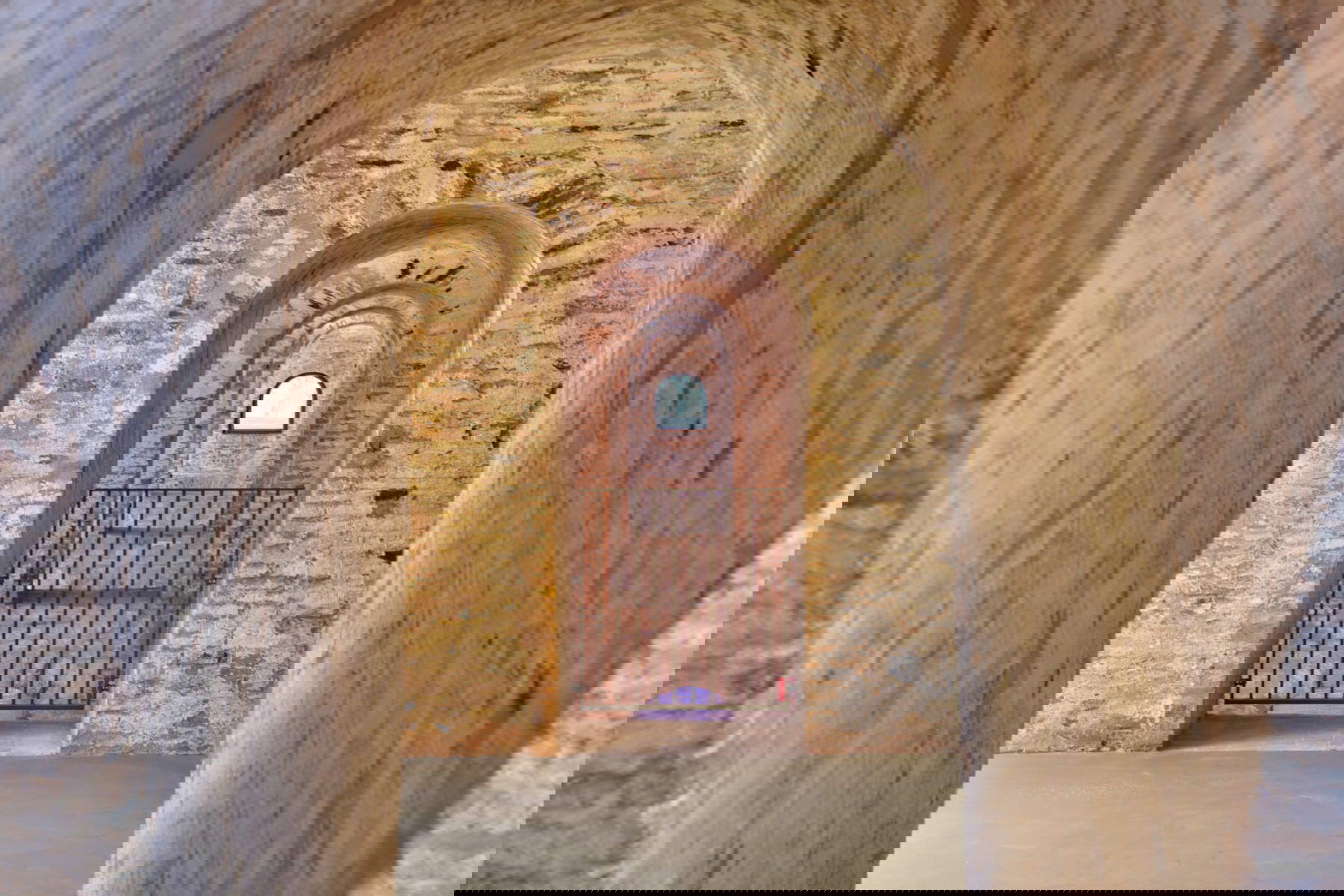
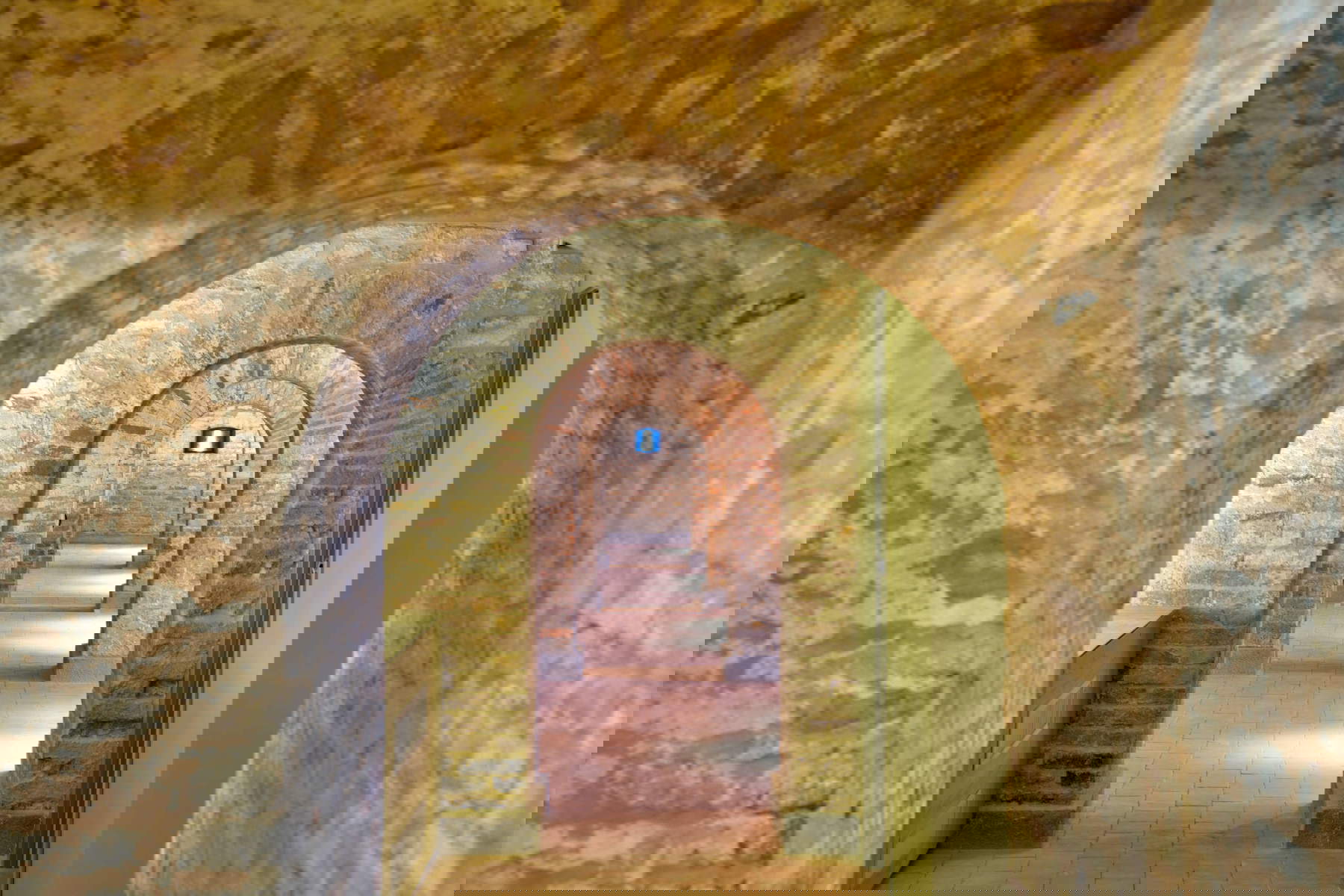
“The opening to the public of the Eastern Casermetta of Forte Marghera,” says the mayor of Venice, Luigi Brugnaro, “represents another significant step in the great work that the Administration is carrying out to return quality spaces between Venice and Mestre to the citizenship. In recent years we have strongly believed in the possibility of regenerating places that were abandoned, closed or unused, transforming them into living points of the city, capable of welcoming people, ideas and new opportunities. For this I would like to thank all the workers, construction management, laborers, technicians and managers who have worked to achieve this important result. Forte Marghera is one of the clearest examples of this commitment: many of its structures were in a state of disrepair and today are restored, frequented, lived-in spaces. The Art Emeroteca, which has already completed a first year full of activities, events and exhibitions with the participation of young resident artists, is a concrete demonstration of this, visible to all. And we are not stopping there: the Palaplip will be further places returned to the community, in a continuous path of urban enhancement and innovation. The Candiani Center will soon open as the future home of contemporaneity, with exhibitions and a permanent contemporary art collection of the highest prestige. The goal is clear: to create a more livable, attractive and dynamic city where culture, creativity and sociality can grow together. The reopening of the East Casermetta is not just a restoration project, but an investment in the life of the city, a sign of confidence in the future and an invitation to all citizens to return to spaces that belong to our history. In the more than 30 million euros invested in Fort Marghera, work is already underway on the West Casermetta and to complete the reclamation of the soils. Rich will also be the program of activities in 2026.”
“The opening of a new space,” says Mariacristina Gribaudi, President of the Fondazione Musei Civici di Venezia, “marks a new milestone in the path that the Fondazione Musei Civici is pursuing to enhance contemporary art and support the work of young artists. Thanks to the collaboration with the Municipality of Venice, this nineteenth-century building, extraordinary in terms of history and architecture, now becomes a space open to creativity, research and cultural production. The Casermetta will host the collective exhibitions of the artists in residence and the exhibitions of the Artefici del nostro Tempo competition, offering new generations a dedicated place where they can experiment, compare and grow. It thus joins an expanding network that includes the Emeroteca dell’Arte in Mestre and the Museums of Modern and Contemporary Art in Venice, strengthening MUVE’s role as an active platform for dialogue between artistic languages, territory and community. This new space tells an important story: that of a heritage that is reborn through care, vision and synergy between institutions. And it is also an act of trust in the creative potential of young people, who will be the protagonists of the activities and projects that will come to life here. The Casermetta will be an open, accessible, dynamic place: an invitation to discover, participate and share the energy of contemporary culture.”
“The intervention on the Casermetta Est, with an investment of 4.7 million euros,” says Francesca Zaccariotto, Councillor for Public Works of the Municipality of Venice, “has made it possible to restore the building to its original beauty thanks to a careful and respectful restoration. The building combines memory, protection and new functions, finally becoming a living space accessible to all. The continuation of the restoration of the buildings inside the Fort represents a fundamental step in the regeneration of Forte Marghera. With this opening, the city gains new spaces for creativity, sociality and participation, confirming the commitment of the municipal administration to enhancing historic places and building their future.”
|
| Venice, a new cultural hub opens: the Casermetta Est in Forte Marghera |

Warning: the translation into English of the original Italian article was created using automatic tools. We undertake to review all articles, but we do not guarantee the total absence of inaccuracies in the translation due to the program. You can find the original by clicking on the ITA button. If you find any mistake,please contact us.




















 IT
IT FR
FR DE
DE ES
ES CN
CN


