




by Redazione 01/03/2026



Categories: Contemporary art / Disclaimer
The Pier Luigi Nervi Foundation opens a video exhibition at Palazzo Nervi Scattolin featuring Kandis Williams, Meriem Bennani & Orian Barki and Tai Shani, a collateral event of the 61st. Art Biennale: the three artists will transform the building's facade.
Entitled If All Time Is Eternally Present, the exhibition project with which the Pier Luigi Nervi Foundation aims to transform the facade of Venice ’s Palazzo Nervi Scattolin into a screen for the works of three international female artists, Kandis Williams, Meriem Bennani & Orian Barki and Tai Shani. The exhibition, curated by Chiara Carrera and Marta Barina and made possible thanks to the exclusive support of Bottega Veneta, is a collateral event of the 61st. International Art Exhibition - La Biennale di Venezia, offering a nocturnal encounter between moving image, architecture and public space, with daily projections from 8:30 p.m. until June 7, 2026. The public opening is set for May 6, while press days are scheduled for May 7 and 8.
The initiative is the first event in a cycle of exhibitions designed to stimulate dialogue between contemporary artistic practices and the built environment, in keeping with the Foundation’s commitment to the promotion, preservation and critical rethinking of the legacy of Pier Luigi Nervi (Sondrio, 1891 - Rome, 1979). An architect and engineer of international renown, Nervi was able to integrate art and building science, conceiving each structural element in relation to the internal forces running through it, making visible an otherwise invisible construction logic. Palazzo Nervi Scattolin, one of the rare examples of modernist architecture in Venice, was commissioned in the early 1960s as the new headquarters of the Cassa di Risparmio di Venezia and completed in 1972. For Nervi, the building represented a dialogue with Venetian modernity, critically reinterpreting radical solutions and languages. Today, the building recounts a historical moment when Venice was looking to the future and opening up to cultural, urban and social renewal, strengthening its transnational identity and connection with dynamic urban centers such as New York.


The title of the exhibition, taken from T. S. Eliot’s Four Quartets, is intended to reflect the cyclical nature of time and the concept of “presentness” as a collision of past and future. Similarly, the exhibition links the historical dimension of Nervi’s legacy to the contemporaneity of the video works. Each work serves as a “subjective reader” of the collective condition, offering critical tools to interpret and reformulate the present, just as Nervi’s architecture did in his time.
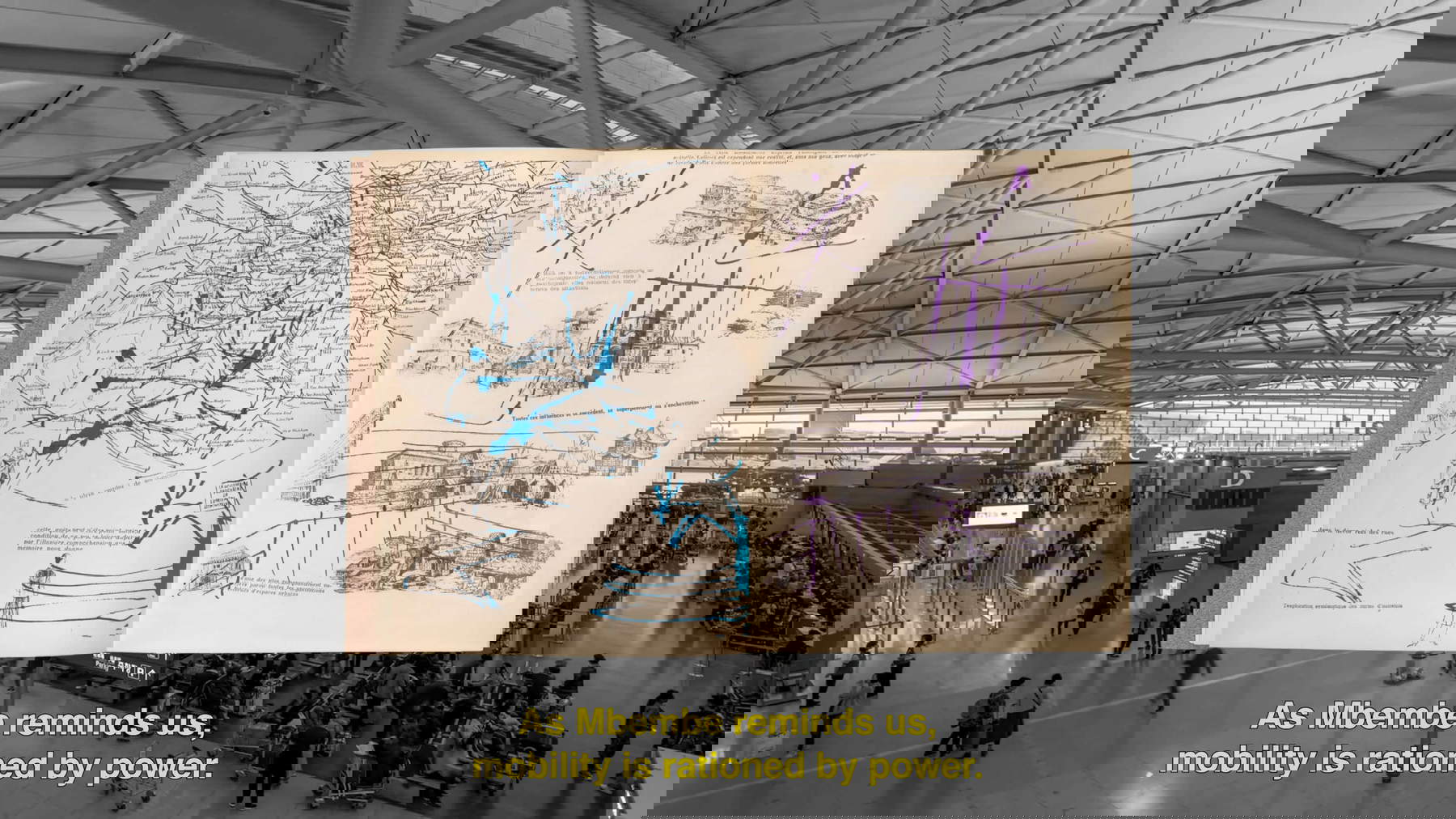
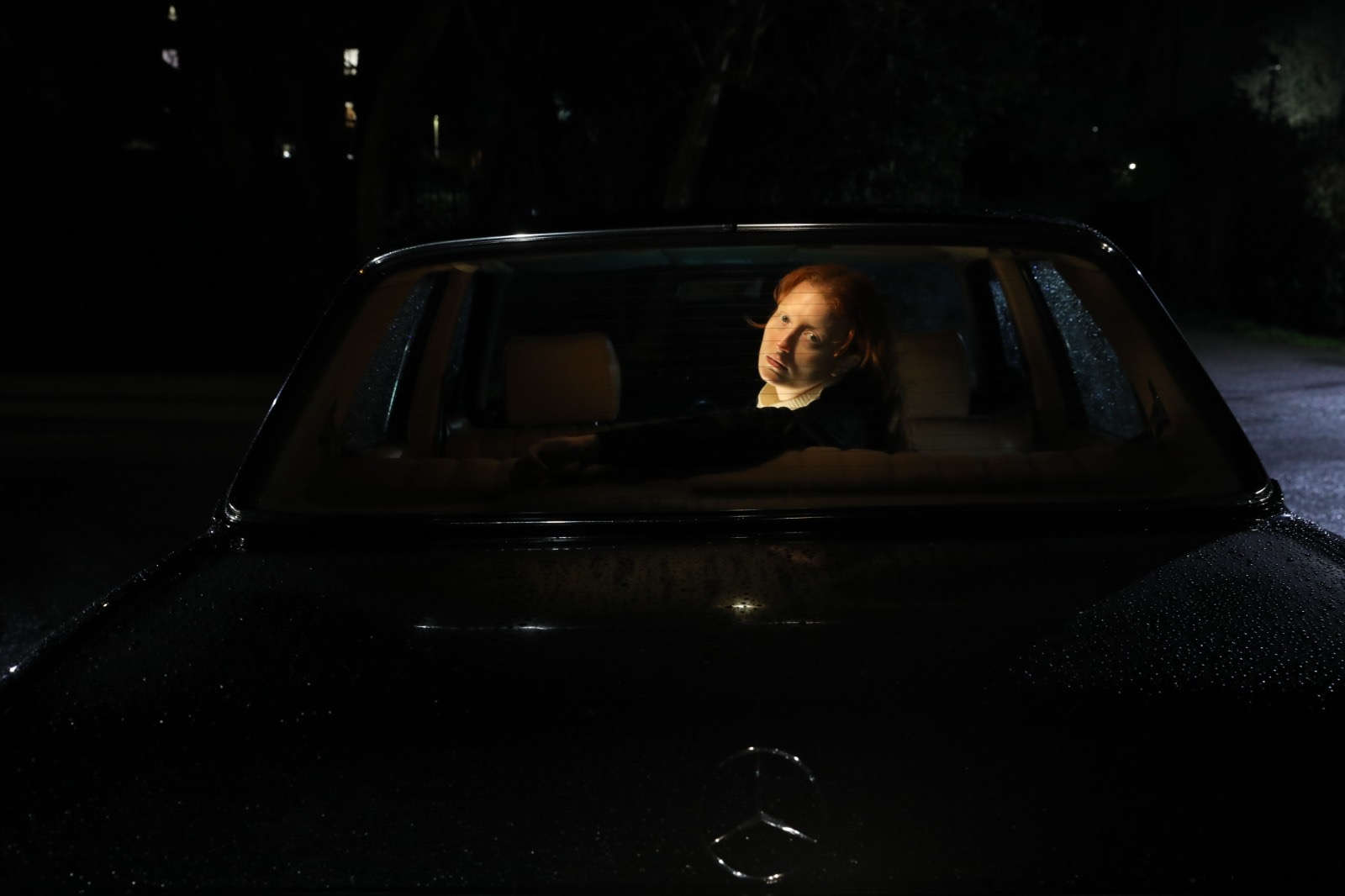
Kandis Williams (Baltimore, 1985), an American living in Berlin, presents A Travel Guide: Black Gothic in South Korean Horror (2025), a work that through a collage of sources explores regimes of power, surveillance, racialized governance and inherited violence. The film follows the artist in South Korea by interweaving African American and Korean musical genealogies, from jazz and hip-hop to K-pop, and relates black and South Korean collective memories. The work reflects on the politics of mobility and critiques the aestheticization of Black pain in visual and digital cultures, developing a complex narrative that connects history, culture, and current events.
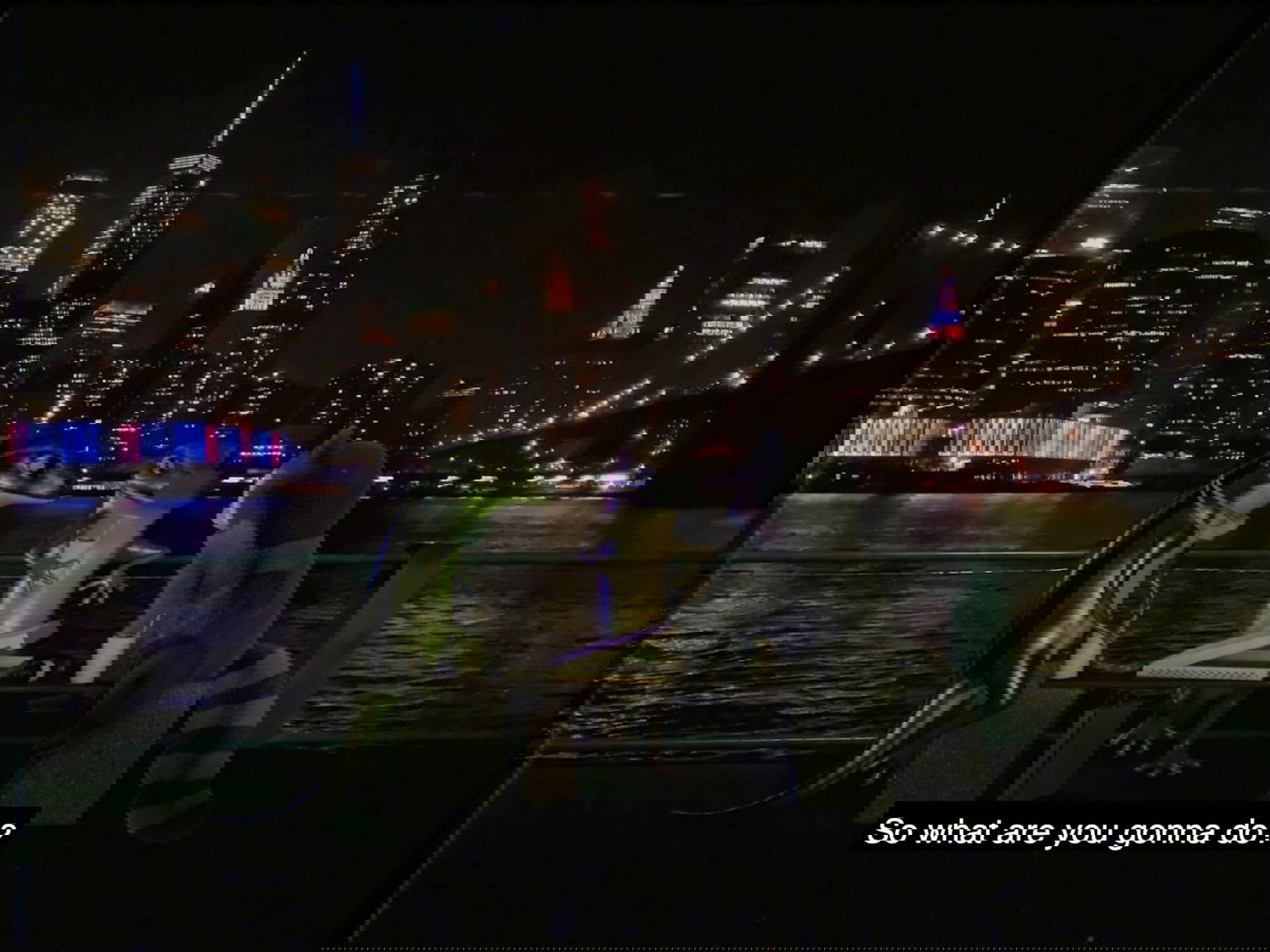
Meriem Bennani (Rabat, 1988), together with Orian Barki (Tel Aviv, 1985), offers 2 Lizards (2020), an eight-episode animated series made during the early months of the COVID-19 pandemic. The two anthropomorphic lizards voiced by the artists themselves observe life in New York City, transforming intimate, everyday experiences into shared narrative. Between irony, empathy and fantasy, the work interweaves global pop culture, digital technology and diasporic imagery, from documentary to science fiction, from music videos to reality shows, making emotional connection a common thread between liminal experiences and social isolation.
Finally, Tai Shani (London, 1976) arrives with My Bodily Remains, Your Bodily Remains and All the Bodily Remains that Ever Were and Ever Will Be (2023-2025), a production from the 2023 film of the same name. The work, with original score by Maxwell Sterling and Richard Fearless and digital animation by Adam Sinclair, combines underwater sequences, desert landscapes and key figures from the original film, such as the “Ghost of Revolution” and the “Book of Love.” The exhibition unfolds as a speculative dream in technicolor, between science fiction and video game aesthetics, addressing themes of nonsovereignty, collective corporeality and radical affectivity, in which love, mourning and political transformation become emancipatory tools.
Kandis Williams, active in Berlin, works between collage, dramaturgy and writing to investigate the biopolitical dynamics of the representation of black and female bodies, with works in collections such as MoMA in New York and the Hammer Museum in Los Angeles. Bennani & Barki collaborate on film productions and immersive installations, performing in international contexts such as the Toronto International Film Festival and MoMA PS1. Tai Shani, winner of the Turner Prize in 2019, develops performances, films, and installations with a utopian and visionary approach, featured in museums and festivals in London, Cincinnati, The Hague, and New York.
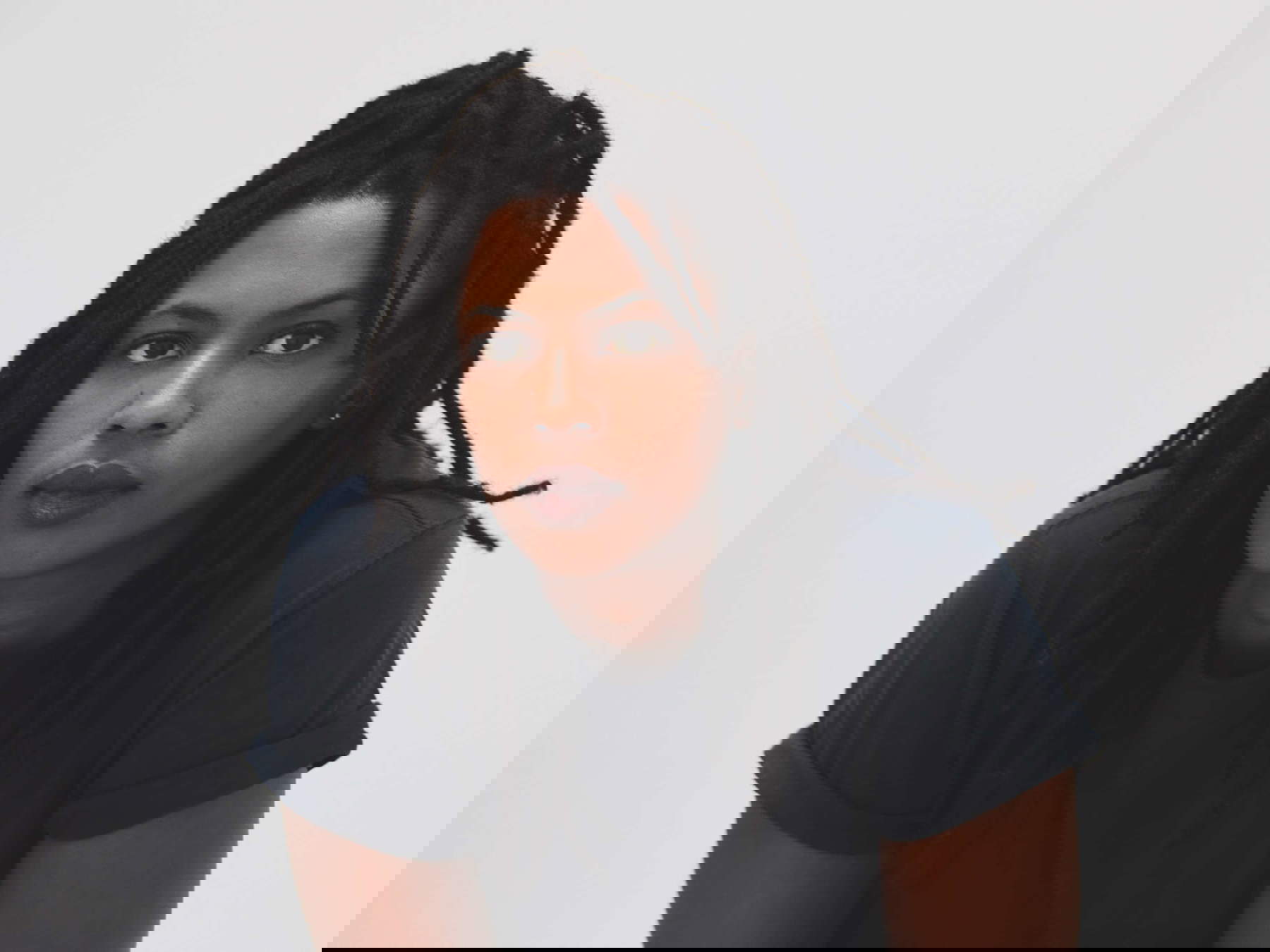
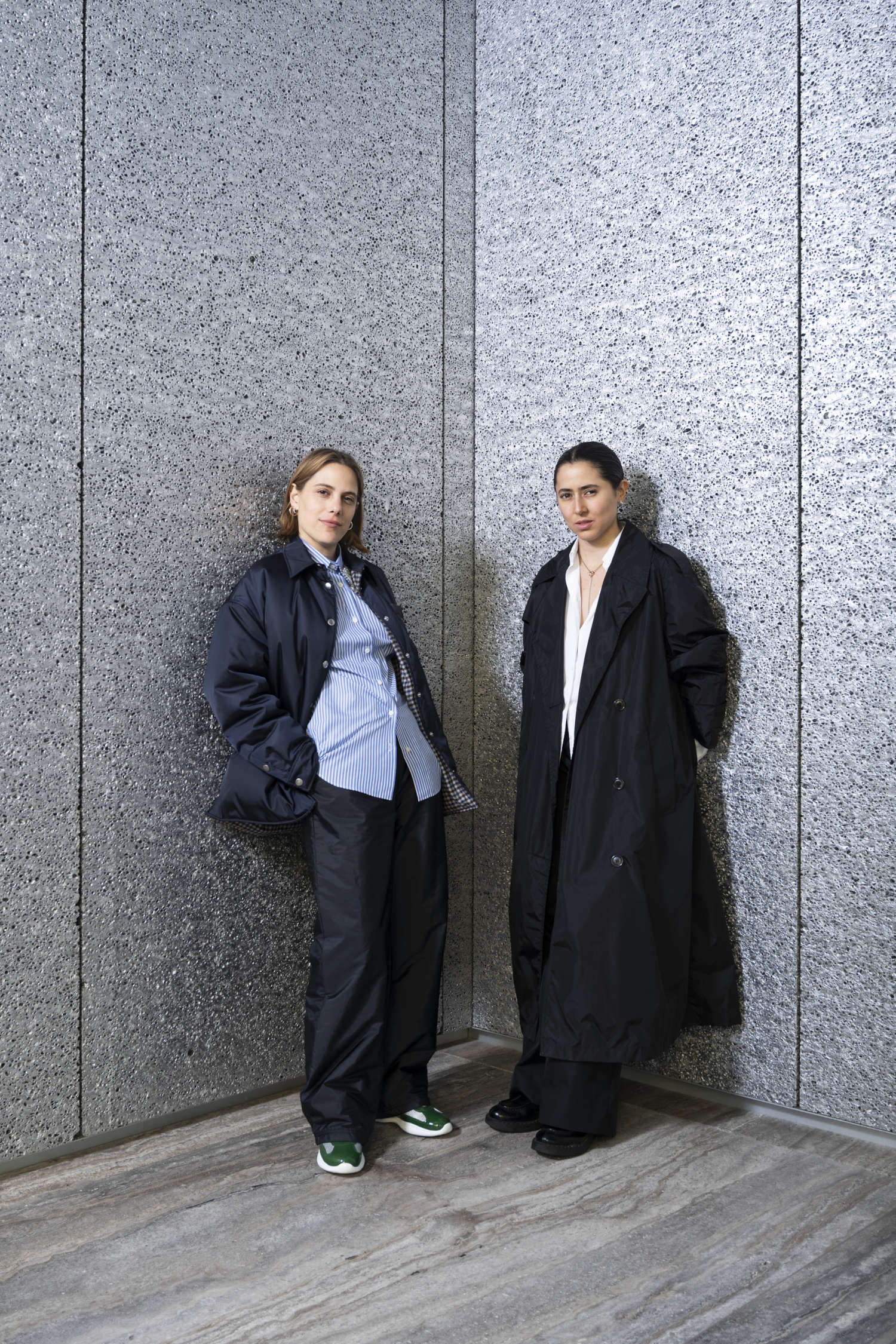
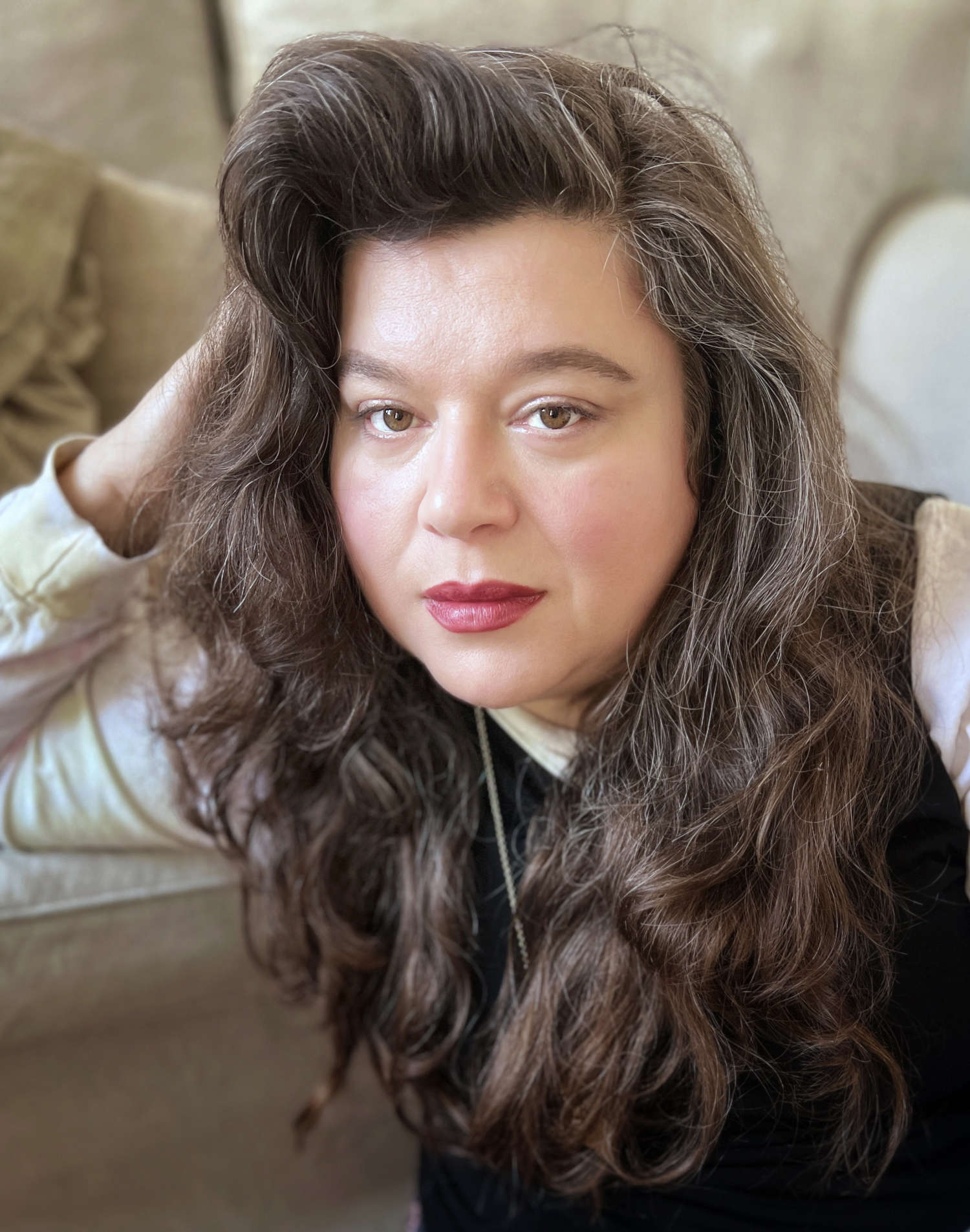
The choice of Palazzo Nervi Scattolin as the exhibition venue is not accidental: the modernist architecture resonates with the artists’ artistic practices, aiming to create a dialogue between historical space and contemporary works. The nocturnal dimension of the exhibition transforms the modes of viewing, shifting them from consumption to encounter and producing a discursive shift. The facade becomes a scenographic device that grafts the works into the urban fabric, generating interactions between image, space and body. Projections and works dialogue with the context, making visible the tensions between public and private, identity, power, globalization, migration and surveillance, with the idea of offering a situated and critical reading of contemporaneity.
Williams, Bennani & Barki and Shani thus pose as interpreters of our time, between sensoriality, emotionality and subjectivity, in keeping with the theme of the Biennale Arte 2026, In Minor Keys. The exhibition will be on view until June 7, 2026, with daily screenings from 8:30 p.m. and opening to the public on May 6, while press days will be held on May 7 and 8.
|
| Venice, three international artists transform the facade of Palazzo Nervi Scattolin |
Warning: the translation into English of the original Italian article was created using automatic tools. We undertake to review all articles, but we do not guarantee the total absence of inaccuracies in the translation due to the program. You can find the original by clicking on the ITA button. If you find any mistake,please contact us.