




by Redazione 21/01/2026



Categories: Exhibitions / Disclaimer
From Feb. 21 to June 28, 2026, the San Domenico Civic Museum in Forli will host a major exhibition dedicated to the Baroque and its modern legacy, with two hundred works that relate the seventeenth and twentieth centuries, from the protagonists of the Baroque season to 20th-century reinterpretations.
From February 21 to June 28, 2026, the San Domenico Civic Museum in Forli will host the exhibition Baroque. The Grand Theater of Ideas, a major exhibition dedicated to one of the central seasons of European culture and its long influence on modernity. Organized by the Fondazione Cassa dei Risparmi di Forlì, the exhibition will bring together two hundred masterpieces to build an itinerary that puts the seventeenth and twentieth centuries in dialogue, two eras distant in time but united by a profound formal and existential restlessness. Curated by Cristina Acidini, Daniele Benati, Enrico Colle and Fernando Mazzocca, the exhibition addresses the Baroque as a cultural system capable of investing painting, sculpture, architecture and urban planning.
The exhibition project stems from an articulated course of studies and aims to return an overall vision of Baroque culture, analyzing its historical and cultural assumptions, protagonists, centers of production and the role of patrons. The Baroque is presented as a complex phenomenon, marked by an alternating rhythm and a continuous tension between order and unruliness, between the exaltation of celebration and the representation of drama, in an era traversed by profound political, scientific and cultural transformations. It was in this context that new forms of consciousness emerged and an idea of modernity took hold that was destined to influence European artistic language for a long time. The itinerary dwells on the central role of Rome, cradle and fulcrum of this extraordinary season, and of the European courts, places of elaboration and diffusion of an artistic language closely linked to strategies of representation of power. Alongside the protagonists, the weight of patrons and collectors, who favored the variety of genres and formal experimentation, is analyzed.


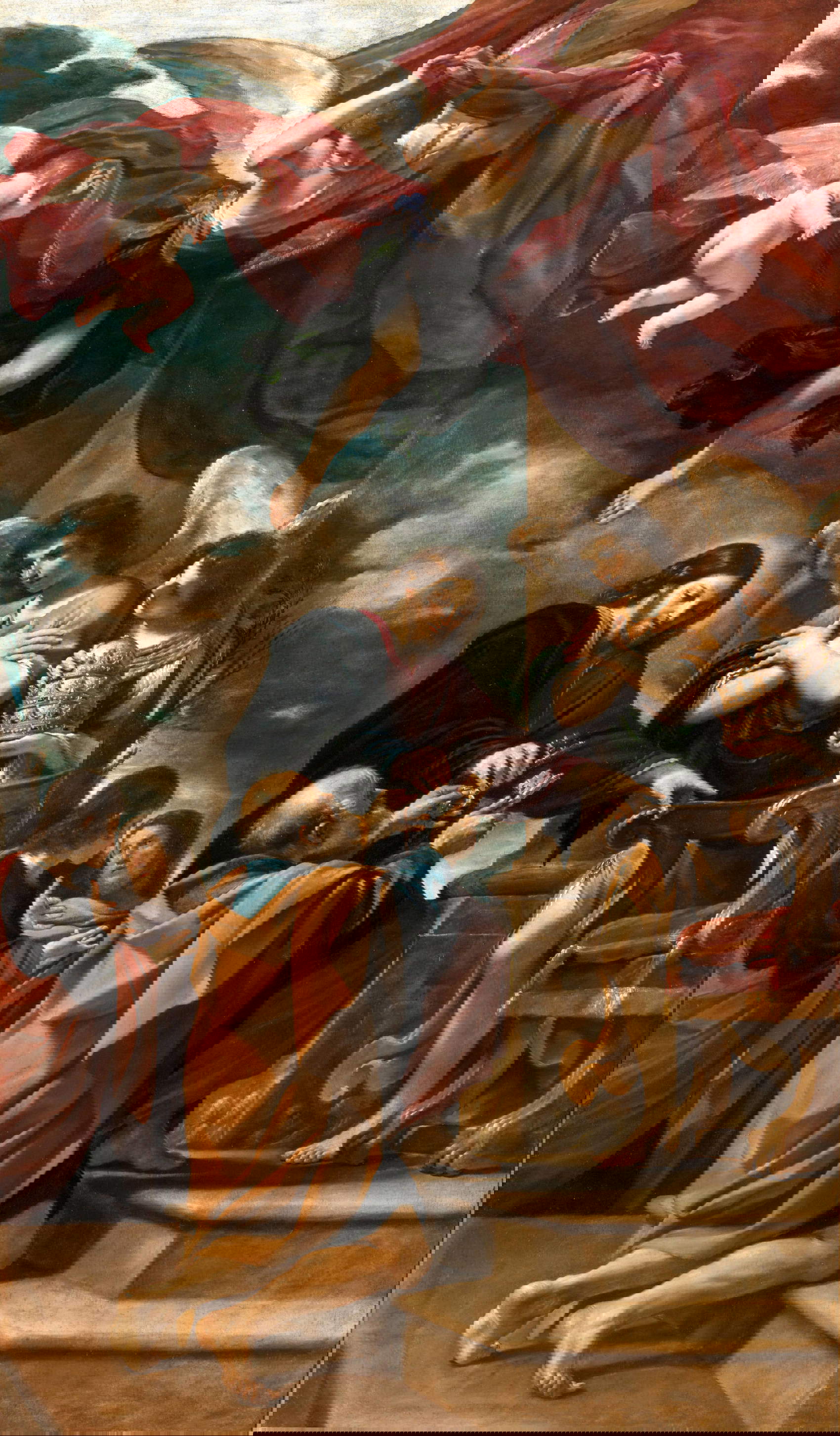
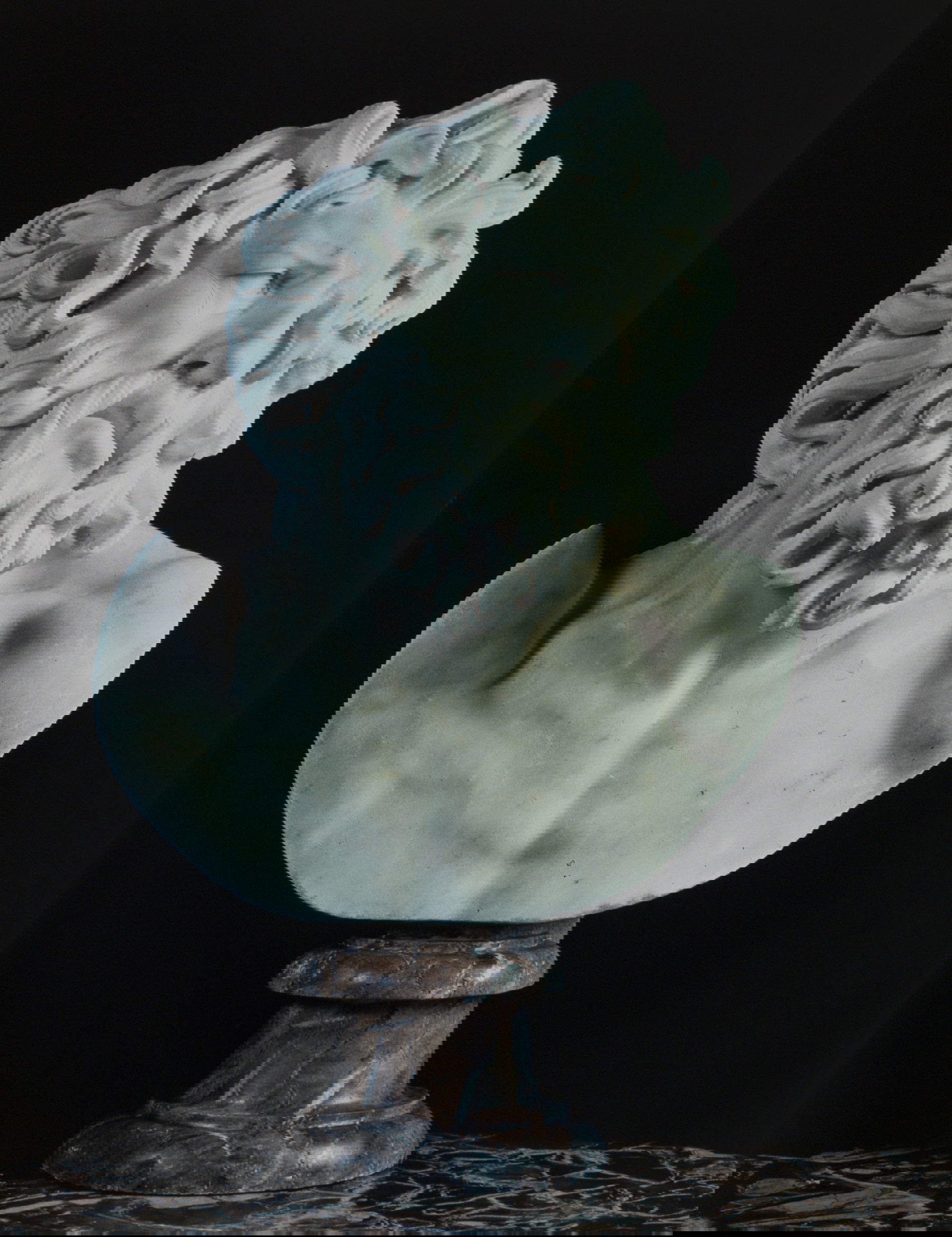
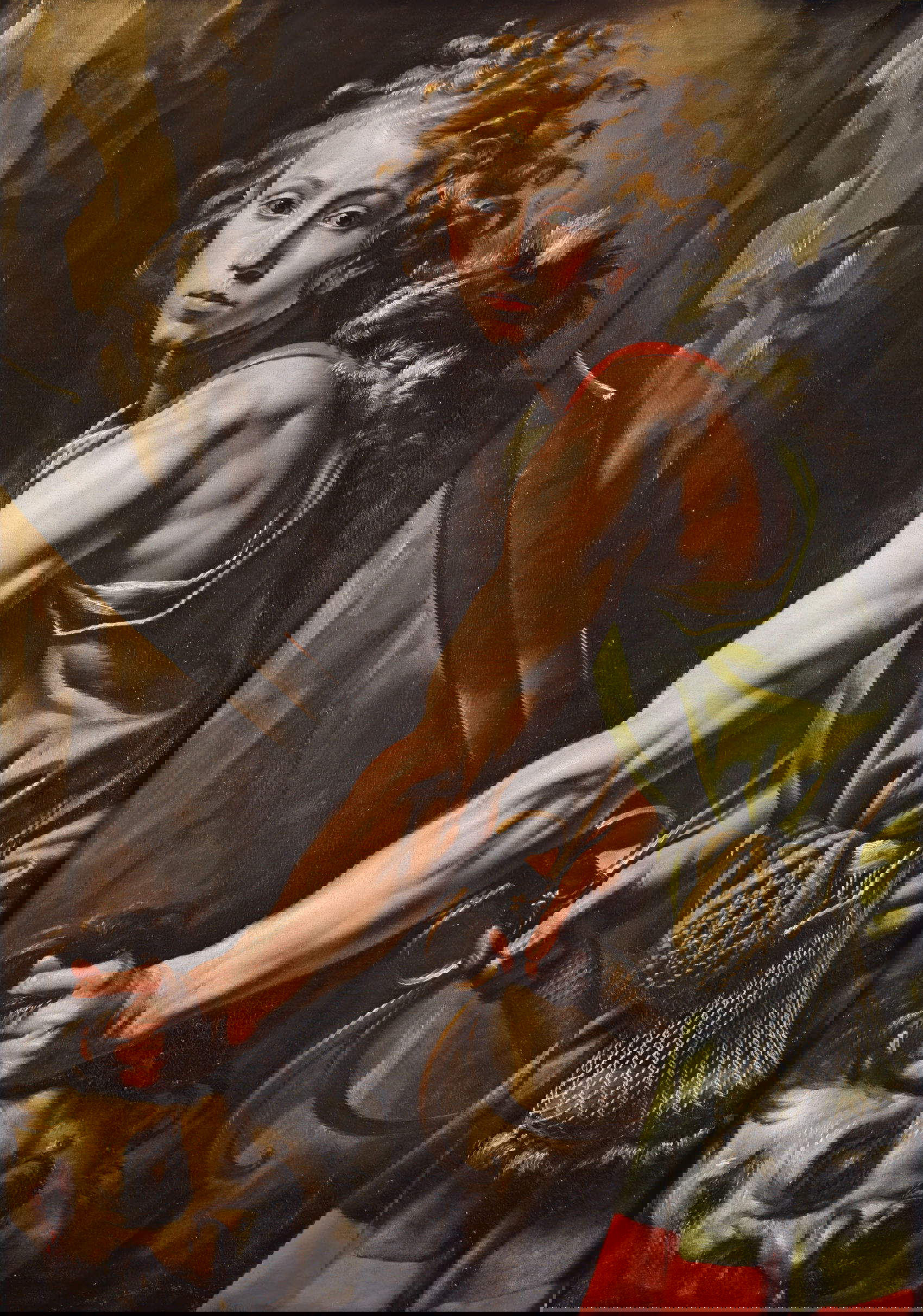
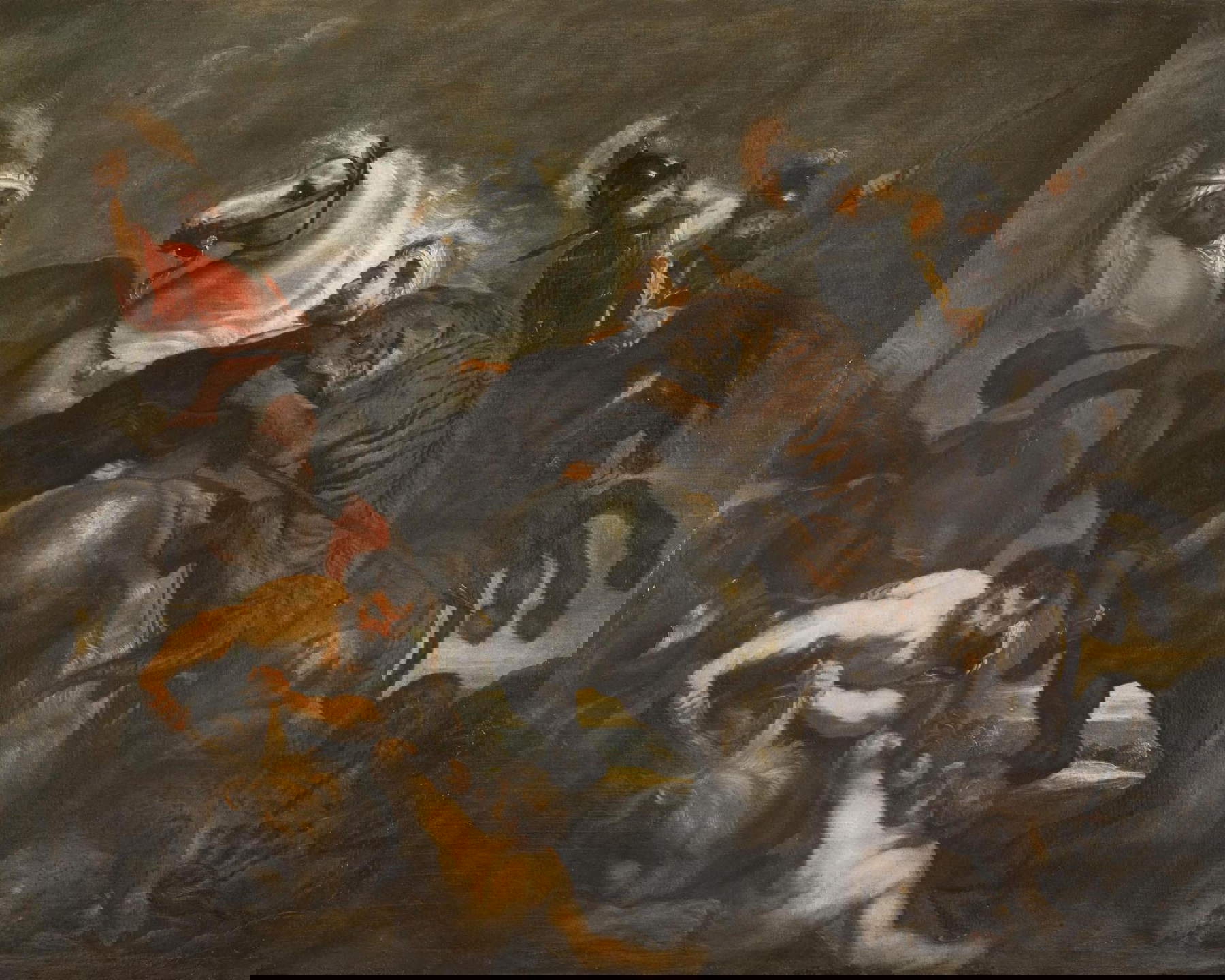
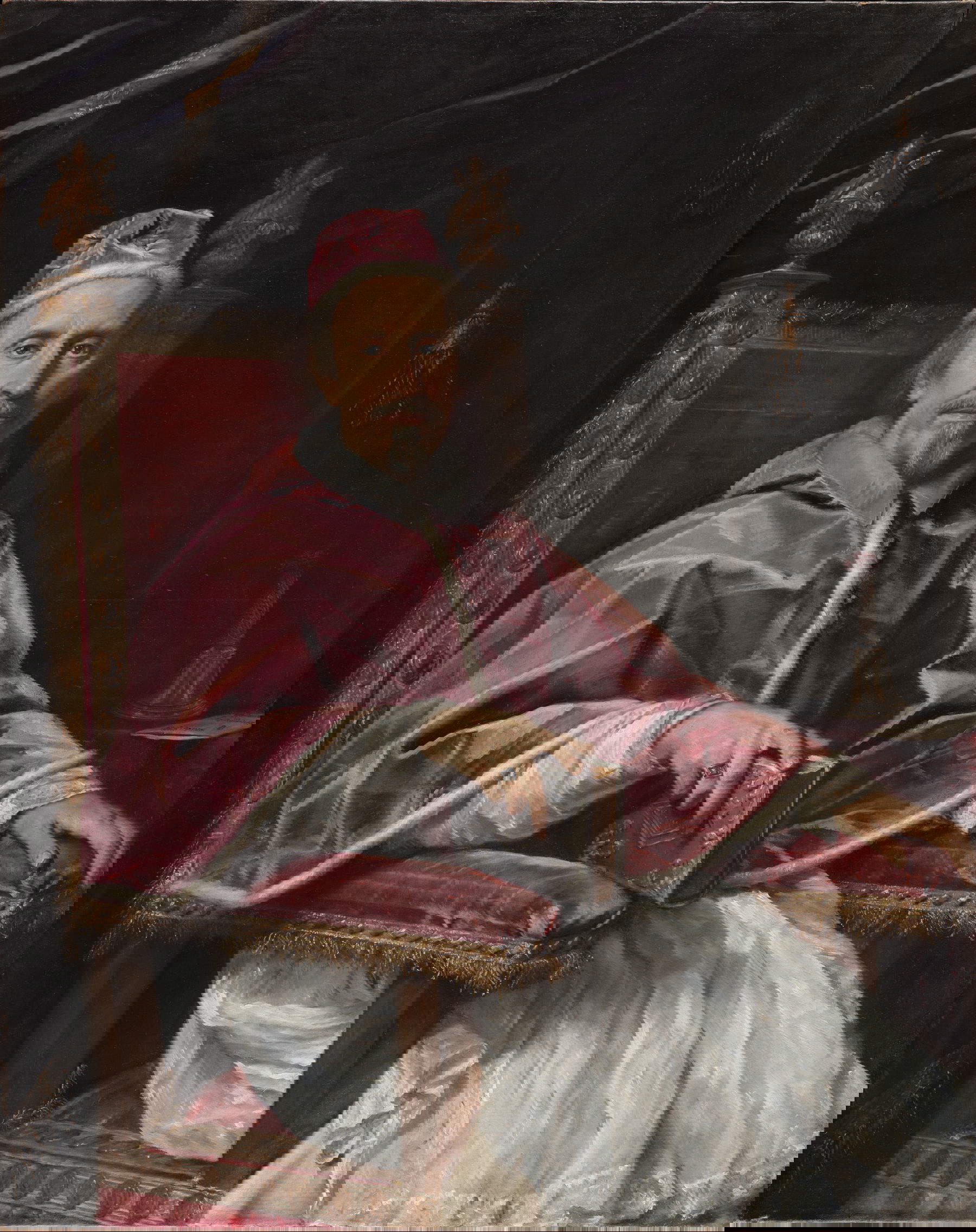
To understand the origins of the Baroque, the exhibition begins with a comparison with the representation of drama in the Hellenistic age and the spatial experiments of late Mannerism. From here the path is measured by the radical realism of Caravaggio, who introduces a new focus on the intimate and everyday dimension, marking a decisive turning point in the history of European art. Rome thus becomes the starting point of a narrative that gradually extends to Europe, following the spread of the Baroque language and the changing international political context, particularly in the second half of the 17th century.
Testifying to this creative fervor will be works by Gian Lorenzo Bernini, Francesco Borromini, Pietro da Cortona, Artemisia and Orazio Gentileschi, Luca Giordano, Guercino, Guido Reni, Anthony van Dyck, Andrea Pozzo, Nicolas Poussin, Peter Paul Rubens, Francisco de Zurbarán, and numerous other artists who helped define the face of the Baroque. The selected works will make it possible to follow the evolution of the Baroque language in its various forms, including painting, sculpture and architecture.
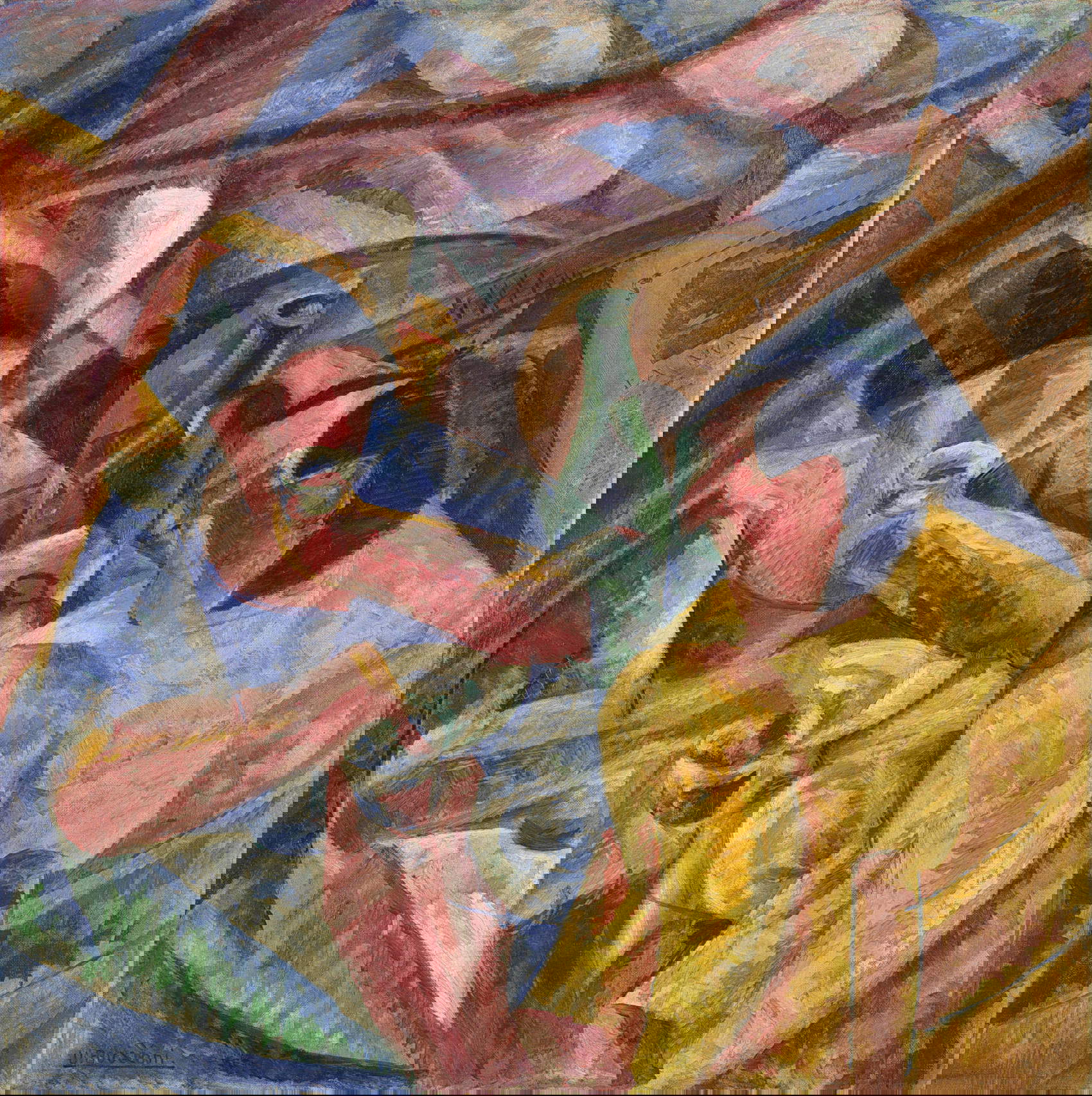
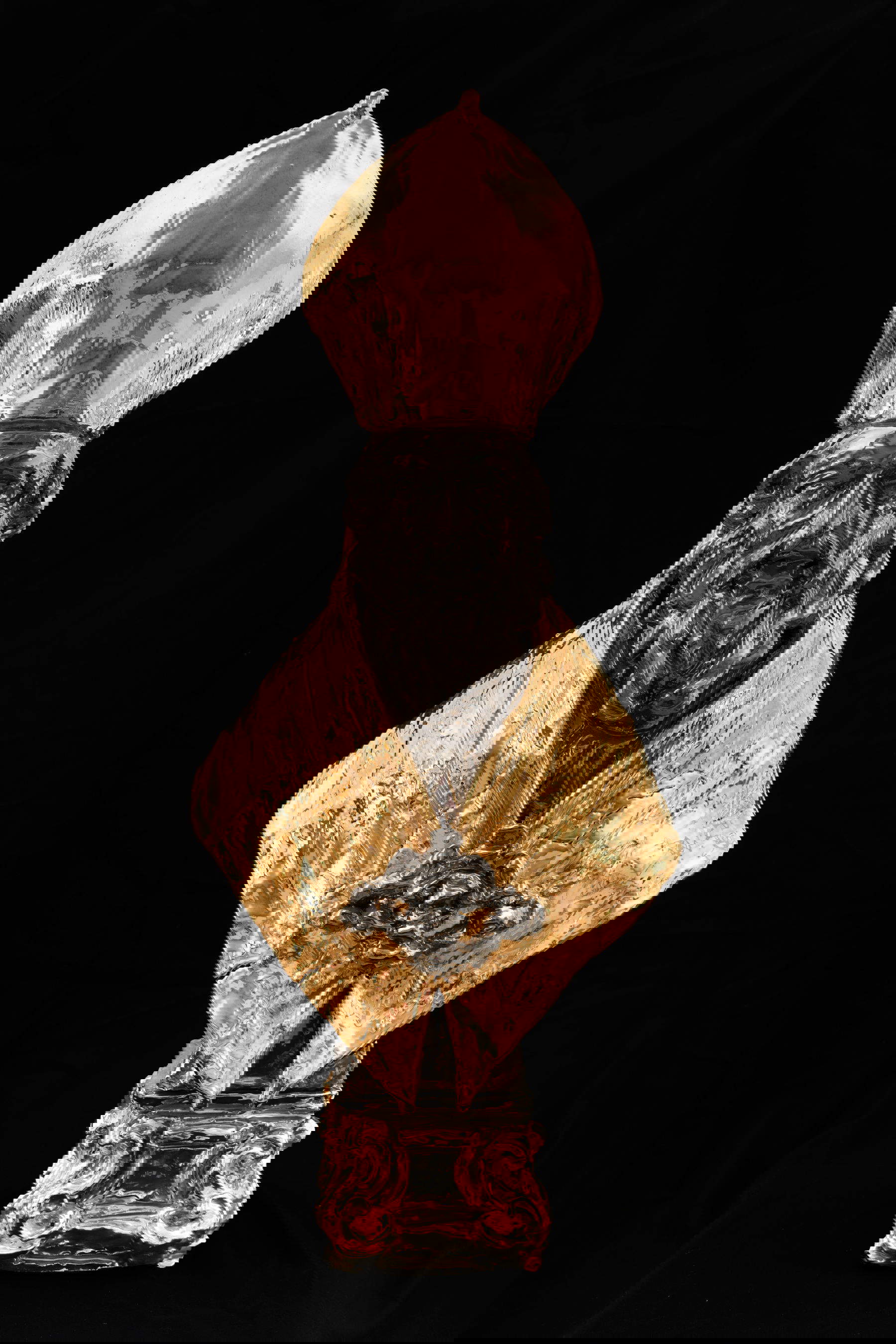
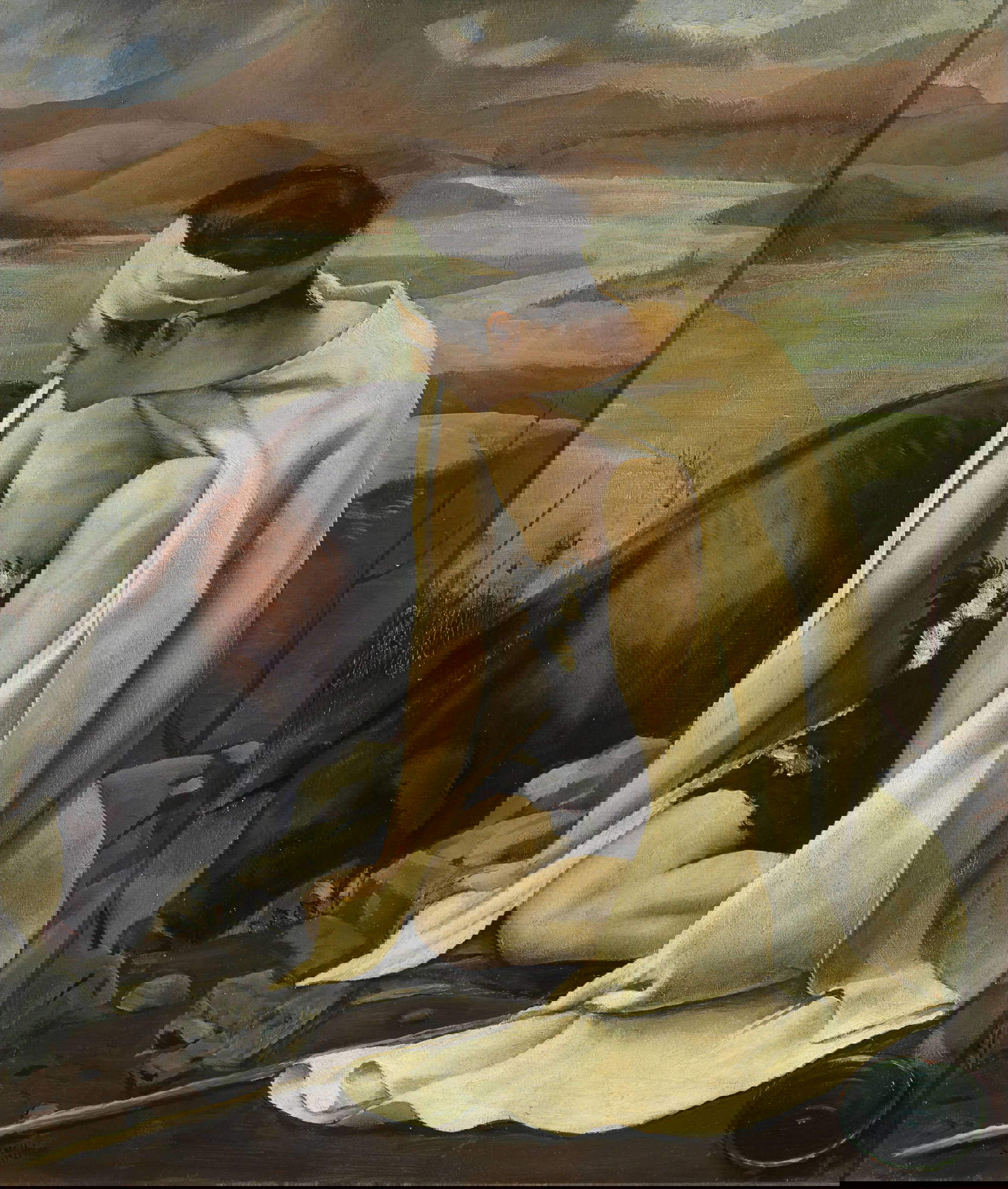
A major part of the exhibition will be devoted to the twentieth-century rediscovery of the Baroque, a decisive step in understanding some of the artistic transformations of the early twentieth century. From Vienna to Dresden to Italy in the 1930s, the Baroque is re-read as a season capable of speaking to the present, profoundly influencing modern artists and movements. In this context, the works of Lovis Corinth, Francis Bacon, Giovanni Boldini, Giorgio de Chirico, Lucio Fontana, Giuseppe Ducrot, Fausto Melotti and Umberto Boccioni are placed in dialogue with seventeenth-century masterpieces.
This comparison between different epochs allows us to grasp continuities and fractures, showing how themes such as restlessness, drama, theatricality and tension toward the absolute cross the centuries, taking different forms but maintaining a strong expressive charge. The two hundred masterpieces on display come from, among others, theAlbertina in Vienna, the Prado Museum in Madrid, the Vatican Museums, the National Galleries of Ancient Art in Rome, the Uffizi Galleries in Florence and the Museo e Real Bosco di Capodimonte in Naples. The exhibition will be divided into ten sections, set up in the spaces of the Museo Civico San Domenico.
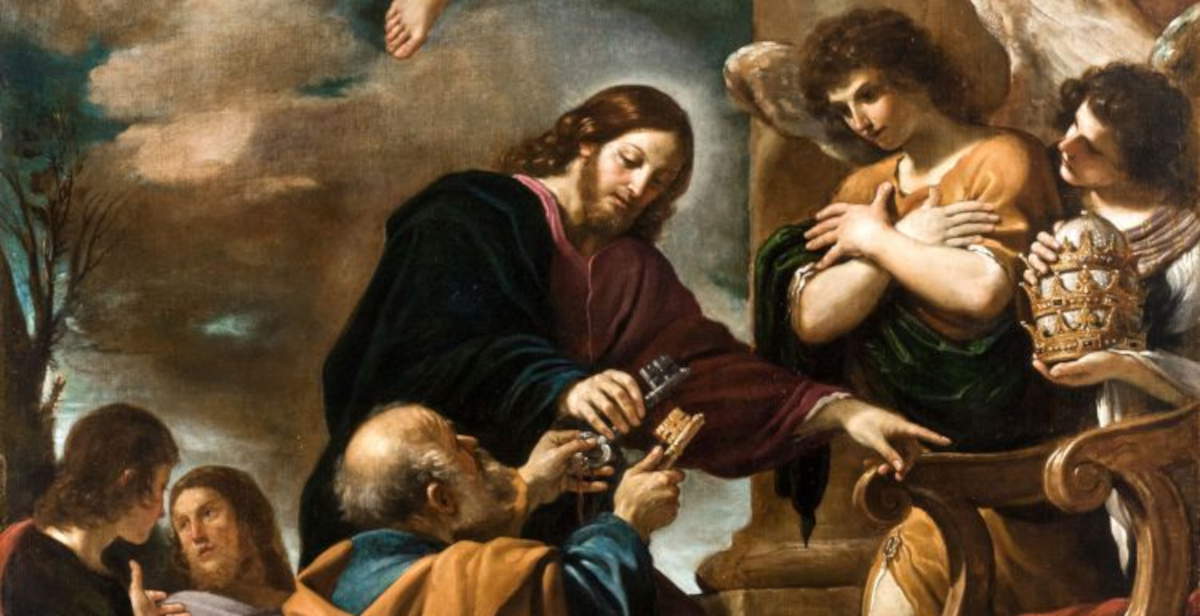 |
| 200 works to tell the story of the Baroque and the twentieth century: the great exhibition of 2026 in Forli |
Warning: the translation into English of the original Italian article was created using automatic tools. We undertake to review all articles, but we do not guarantee the total absence of inaccuracies in the translation due to the program. You can find the original by clicking on the ITA button. If you find any mistake,please contact us.