





For the first time in history, all portraits painted by Jan van Eyck (Maaseik, 1390 - Bruges, 1441) will be brought together in a single exhibition. It will happen at the National Gallery in London, which from Nov. 21, 2026 to April 11, 2027 will host the exhibition Van Eyck: The Portraits, set to mark a milestone in studies of the artist and the birth of modern portraiture. The exhibition, with paid admission (the National Gallery is free), is an event of exceptional magnitude on the international scene, both because of the rarity of the works involved and the breadth of the scholarly project that supports it.
Jan van Eyck, a painter active between 1422 and 1441 in Flanders, is considered one of the greatest protagonists of the Nordic Renaissance. Of the twenty or so autograph paintings that have come down to us, nine are portraits, and it is these nine works that will be presented together for the first time, thanks to loans from major European museums. Bringing together half of the entire surviving output of an artist of such stature is an extraordinary achievement, made possible by important international collaborations.
The exhibition aims to tell the story of how van Eyck did not merely perfect the portrait genre, but radically transformed it, even redefining who deserved to be portrayed. Indeed, in his work, portraiture is no longer reserved exclusively for sovereigns, nobles or high ecclesiastical hierarchies. The faces that emerge from his paintings also belong to wealthy merchants, successful artisans, and members of his own family, reflecting a historical moment in which access to art and the visual representation of the individual expanded to new social classes.
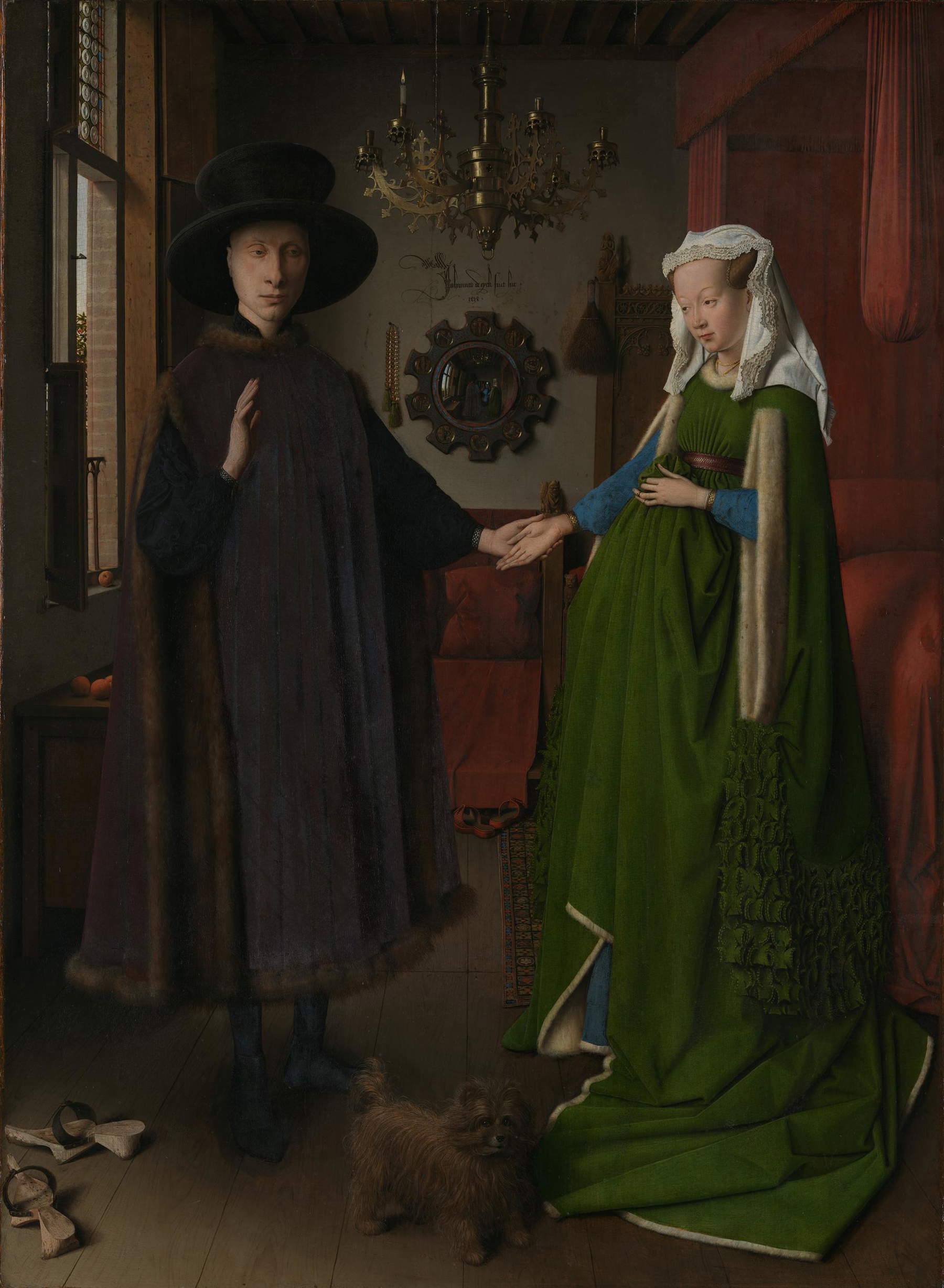
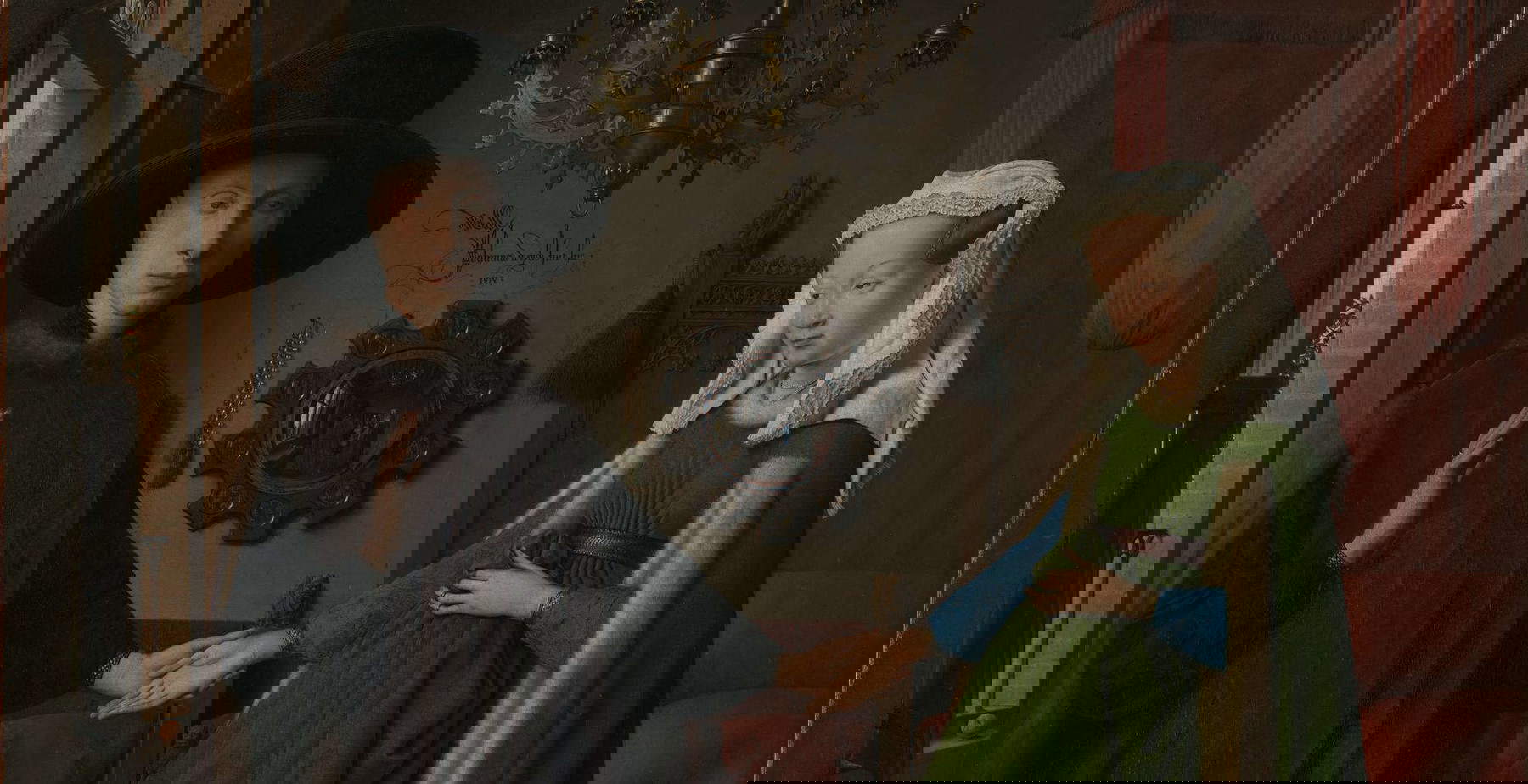
Highlights of the exhibition include an exceptional moment involving one of the National Gallery’s absolute masterpieces, the celebrated Portrait of Mr. and Mrs. Arnolfini from 1434. The work, which is also the most-visited page on the London museum’s website, will be juxtaposed for the first time with a panel depicting the same personage, the Portrait of a Man, possibly Giovanni Arnolfini, dated around 1440 and housed in the Gemäldegalerie in Berlin. The juxtaposition will allow us to delve into the identity of the protagonist and reflect on the construction of public and private image in the early 15th century.
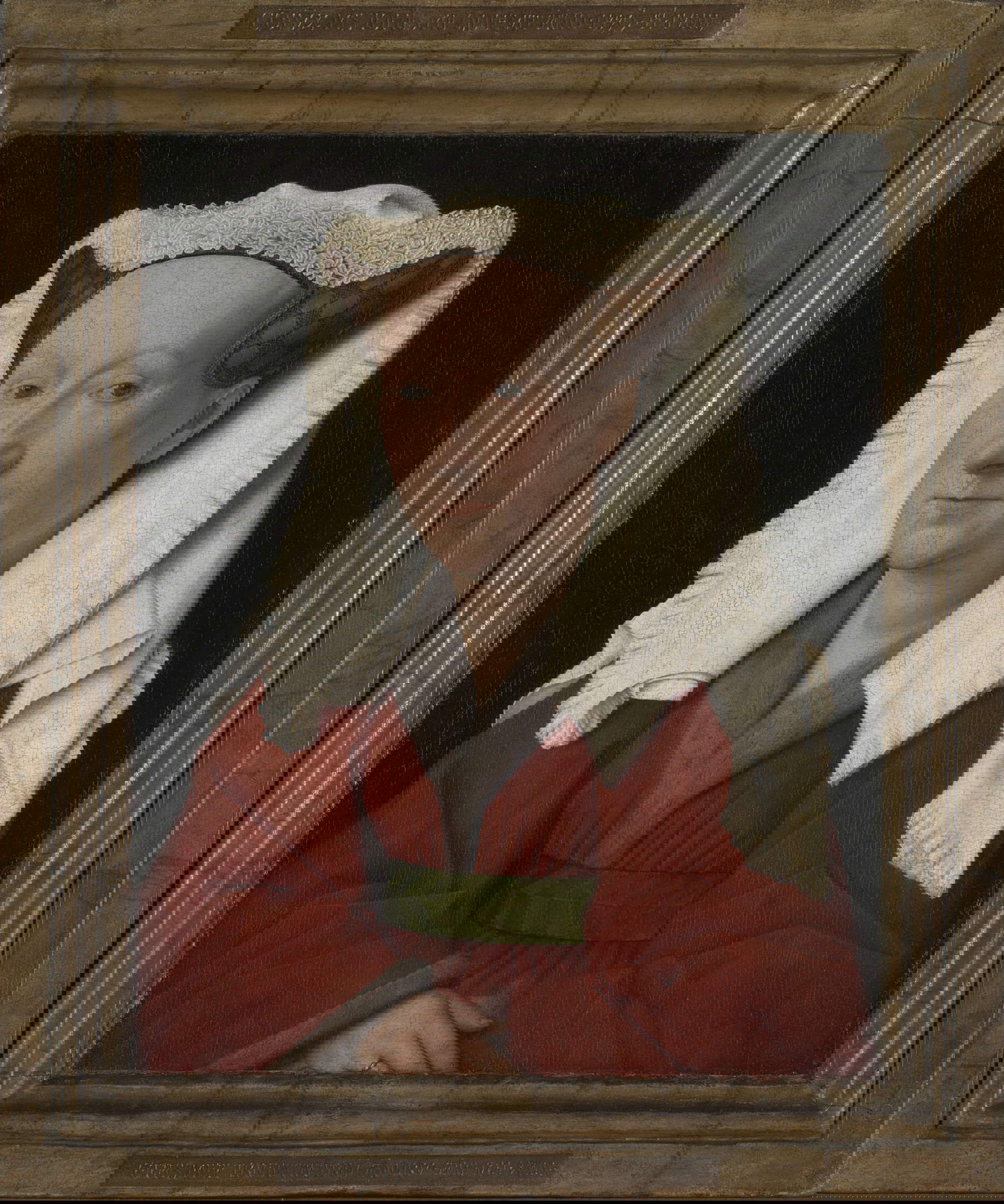
Another core of the exhibition will be devoted to a comparison between the famous Portrait of a Man, possibly a self-portrait, painted in 1433 and recently subjected to a major conservation intervention, and the portrait of Margaret van Eyck, the artist’s wife, painted in 1439 and now kept at the Groeningemuseum in Bruges. The latter is considered the first known portrait of a woman not belonging to the aristocracy, an element that further reinforces the innovative scope of van Eyck’s work. The two paintings will be exhibited side by side, offering the public a rare opportunity to observe the more intimate and familiar dimension of the artist’s production.
The exceptional nature of the event is also confirmed by the participation of the Kunsthistorisches Museum in Vienna, which for the first time in its history will simultaneously loan both Jan van Eyck paintings in its collections. A choice that underscores the scientific importance of the project and its unrepeatable character.
The exhibition will also place great emphasis on the results of the most recent research on van Eyck’s painting technique, his innovative use of oil paint, the original frames and the enigmatic inscriptions that accompany many of the portraits. There will also be an in-depth look at the still-open controversies surrounding the identity of some of the subjects depicted, a topic that continues to fuel debate among art historians.
A catalog destined to become a landmark in studies of the artist will be published in support of the exhibition. In fact, it will be the first monograph devoted entirely to the portraits of Jan van Eyck, a surprising fact considering the enormous amount of existing critical literature on his work. The volume will gather essays by international specialists and present new technical and interpretative analyses.
Emma Capron, curator of Flemish and German early Renaissance paintings at the National Gallery, comments, “Some stories have no beginning. The portrait is one of them. It bursts onto the scene already fully formed in the 1530s with the brush of Jan van Eyck. None of the stylized depictions that preceded his work would pass for a portrait today: you would not recognize their models if you passed by them on the street. With Van Eyck everything changes. Exploiting the possibilities of oil painting to convey a convincing illusion of reality, we are suddenly faced with individuals pulsing with life, with every single detail of their appearance captured, models looking at us and speaking to us through elaborate and often enigmatic inscriptions. The ability of these portraits to amaze with their precision and vividness is still intact today. Their impact belies their intimate dimension. We are truly proud and grateful to our lenders to be able to showcase van Eyck’s pioneering contribution to the rise of portraiture in this once-in-a-lifetime exhibition.”
Gabriele Finaldi, director of the National Gallery, says, “Van Eyck is one of the pillars of the National Gallery’s collection and a key figure in the history of European art. The portraits reflect an extraordinary sensitivity to his models and an extraordinary technical virtuosity in their execution.”
The realization of the exhibition was also made possible thanks to the support of institutions and foundations that supported the research work, including the Rick Mather David Scrase Foundation, whose contributions allowed us to investigate fundamental aspects related to the study and conservation of the works.
 |
| All the portraits of Jan van Eyck reunited for the first time: will happen in 2026 in London |

Warning: the translation into English of the original Italian article was created using automatic tools. We undertake to review all articles, but we do not guarantee the total absence of inaccuracies in the translation due to the program. You can find the original by clicking on the ITA button. If you find any mistake,please contact us.




















 IT
IT FR
FR DE
DE ES
ES CN
CN


