





From January 16 to February 28, 2026 THE POOL NYC presents at Palazzo Fagnani Ronzoni in Milan the second chapter of the project I tempi dello sguardo. 90 Years of Italian Photography in Two Acts. The format offers a broad path through the history of Italian photography, from Futurism to the season of Neorealism, from conceptual experimentation to the Viaggio in Italia experience, conceived by Luigi Ghirri.
This second stage entitled Il bianco e il nero delves further into the evolution of the language of photography in Italy, highlighting moments and research that have decisively marked the twentieth century, restoring the complexity and richness of a panorama that has also been able to impose itself internationally.
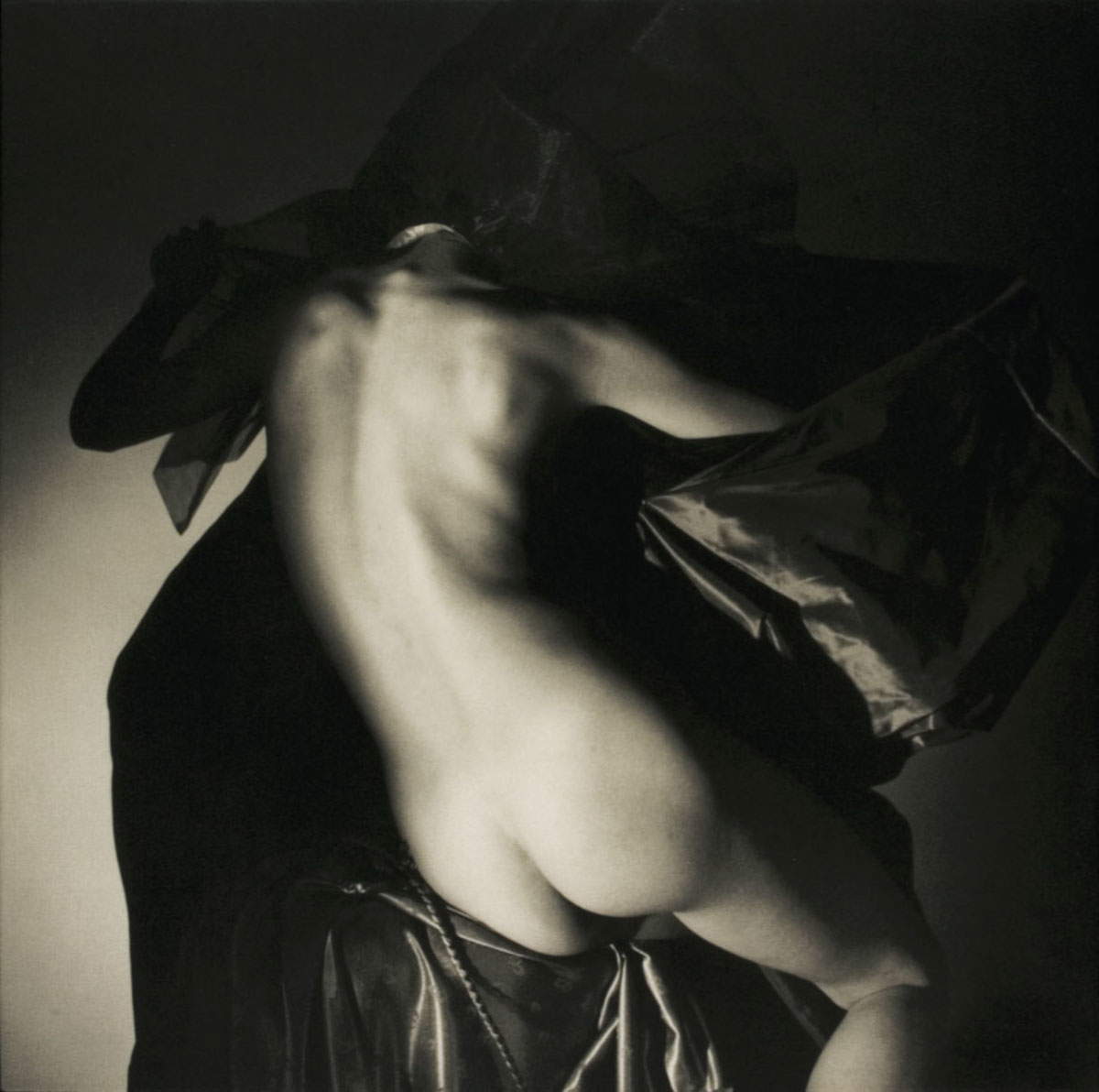
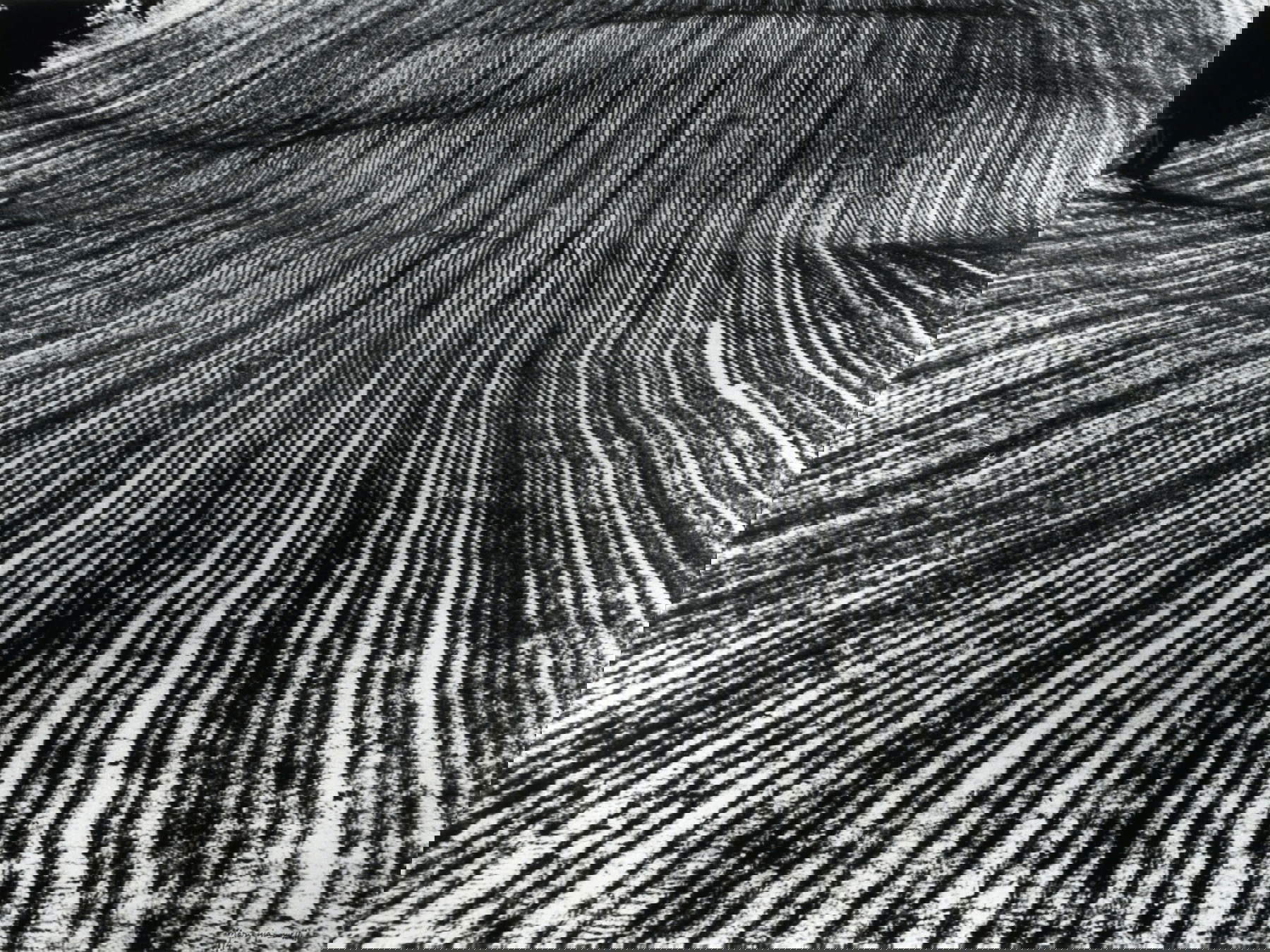
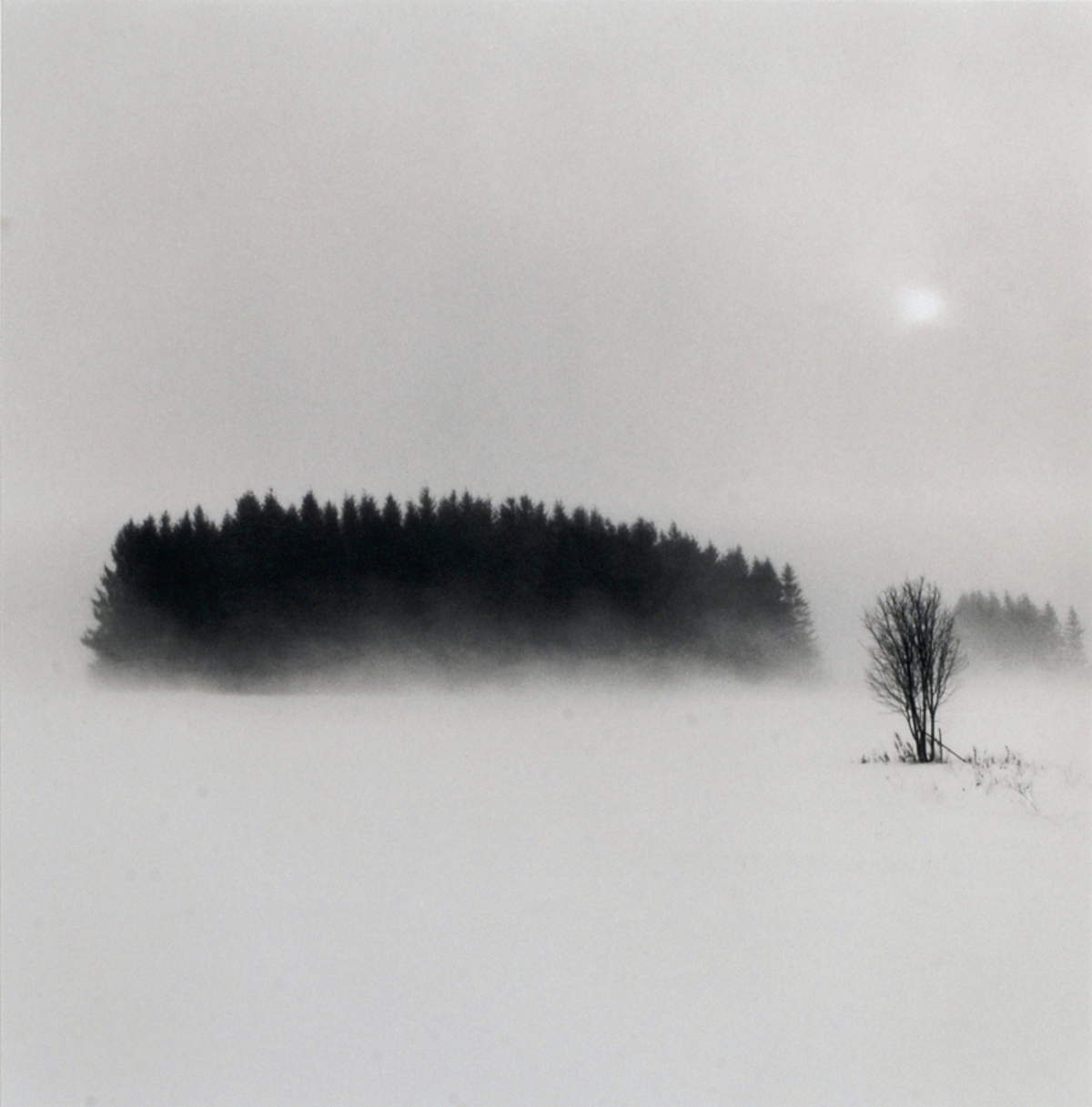
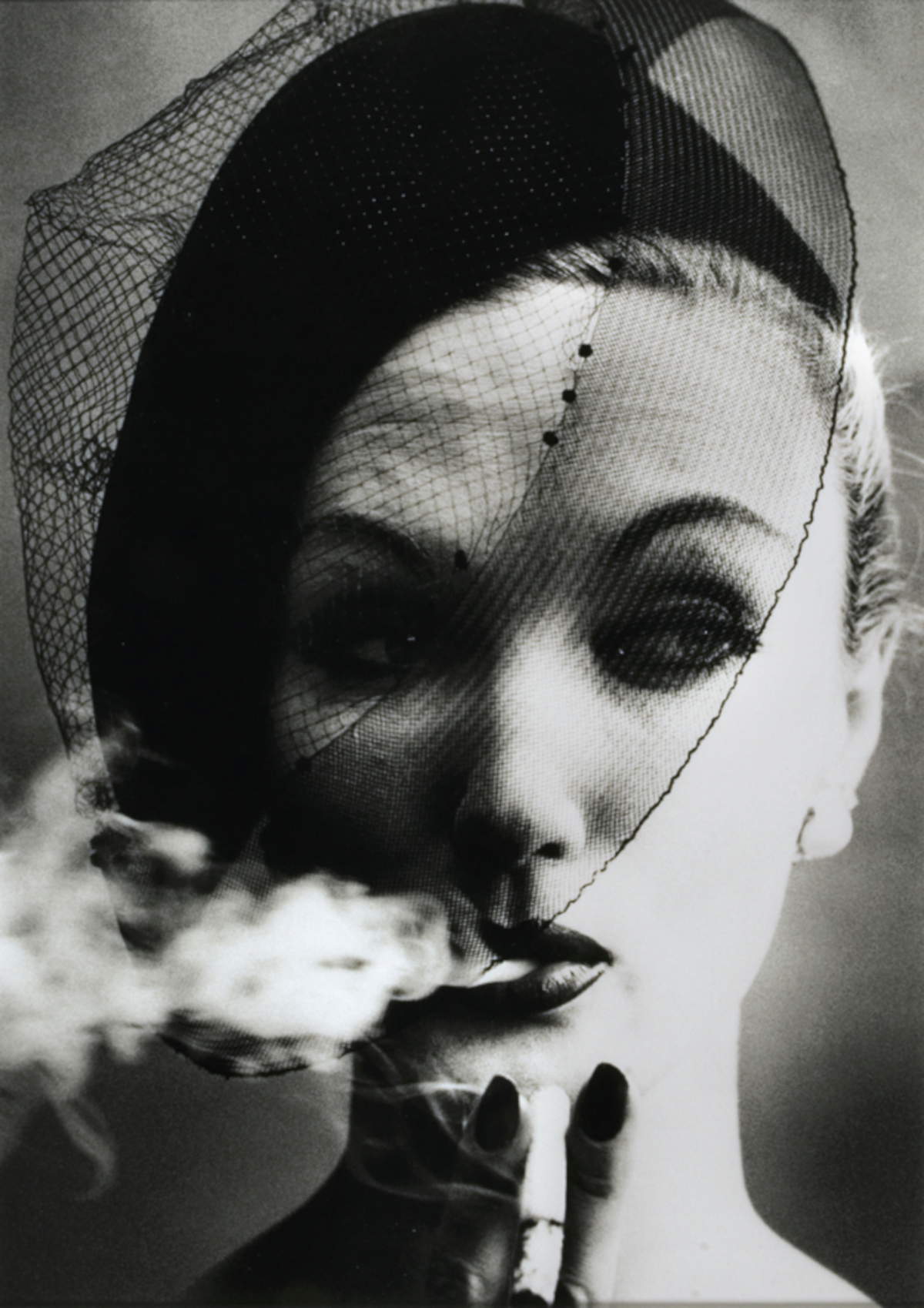
The exhibition brings together 80 photographs made by 28 Italian and international masters who have made black and white a distinctive feature of their artistic practice, using it as a privileged tool for formal and expressive research.
The title of the project refers to the authors’ ability to imprint, through their gaze, a lasting mark on an era. At the same time, the exhibition invites to rediscover a space of attention and slowness, away from the overproduction of contemporary images, to rediscover the artists who have contributed to making Italian photography unique and internationally recognized.
After the first appointment dedicated to authors for whom color represented a central element of visual language, this second phase of the project focuses attention on photographers who stood out for their conscious and expressive use of black and white. The exhibition path begins with the futurist experiences of Renato Di Bosso and continues with the Neorealism of Alfredo Camisa, passing through the formal experiments of early Mario De Biasi. It then arrives at the fundamental chapters of Mario Giacomelli’s abstract and magical realism, in which the hills and fields of the Marche region are transformed into essential graphic signs, as if engraved on the surface of the image, and the research of Antonio Biasiucci, who investigates the traces of the peasant culture of Southern Italy, transforming rituals and memories into matter for reflection, in an intense and spiritual confrontation with collective identity.
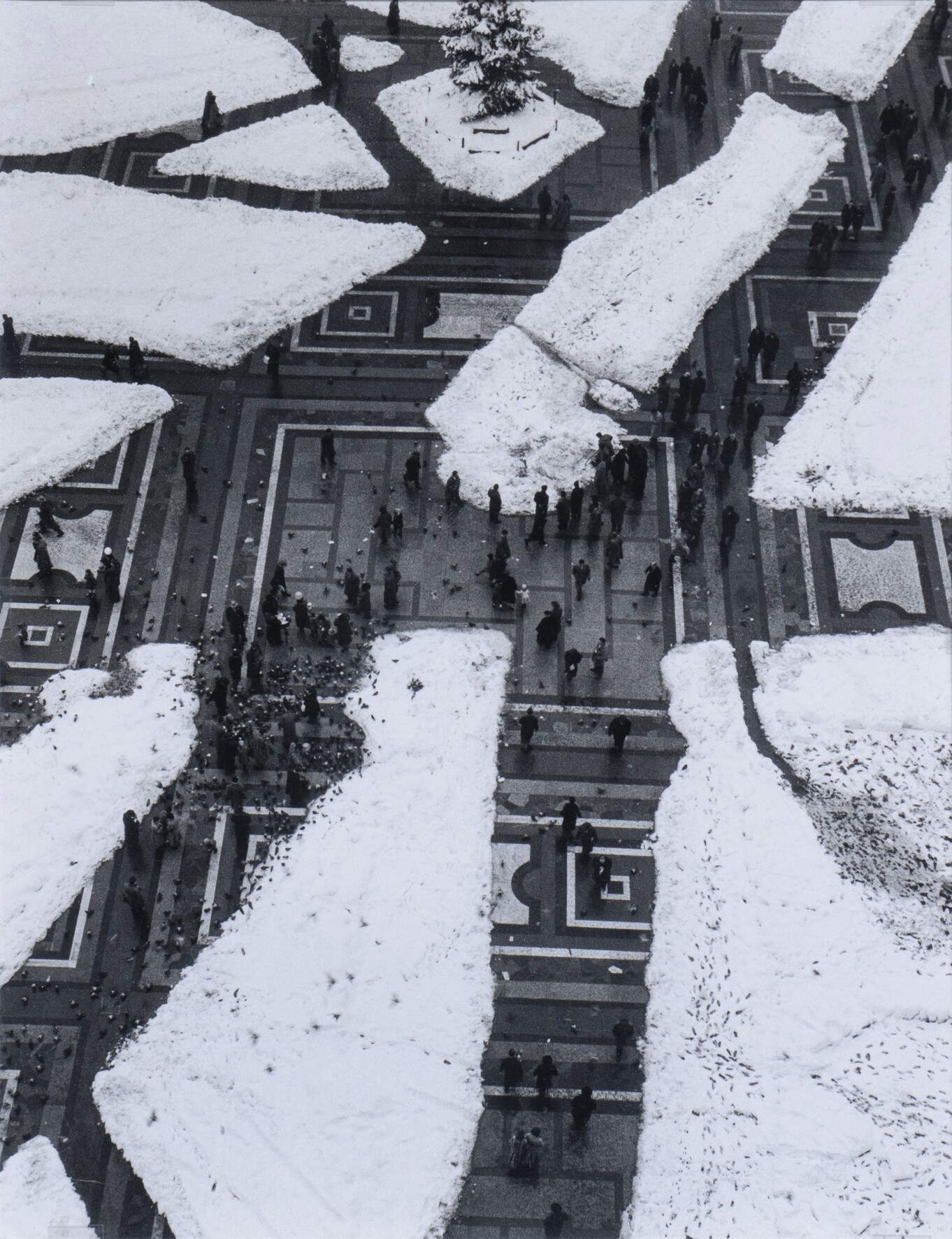
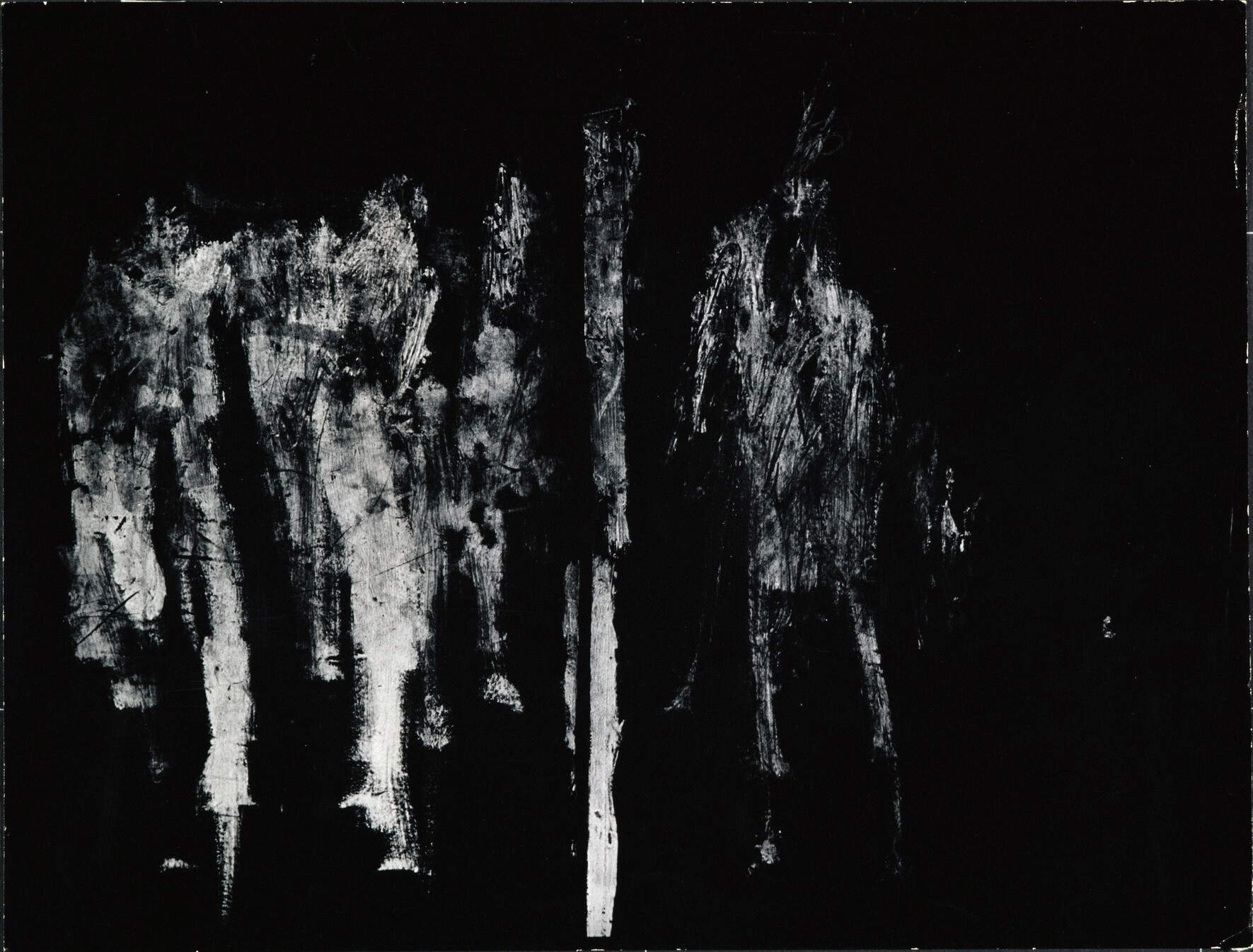
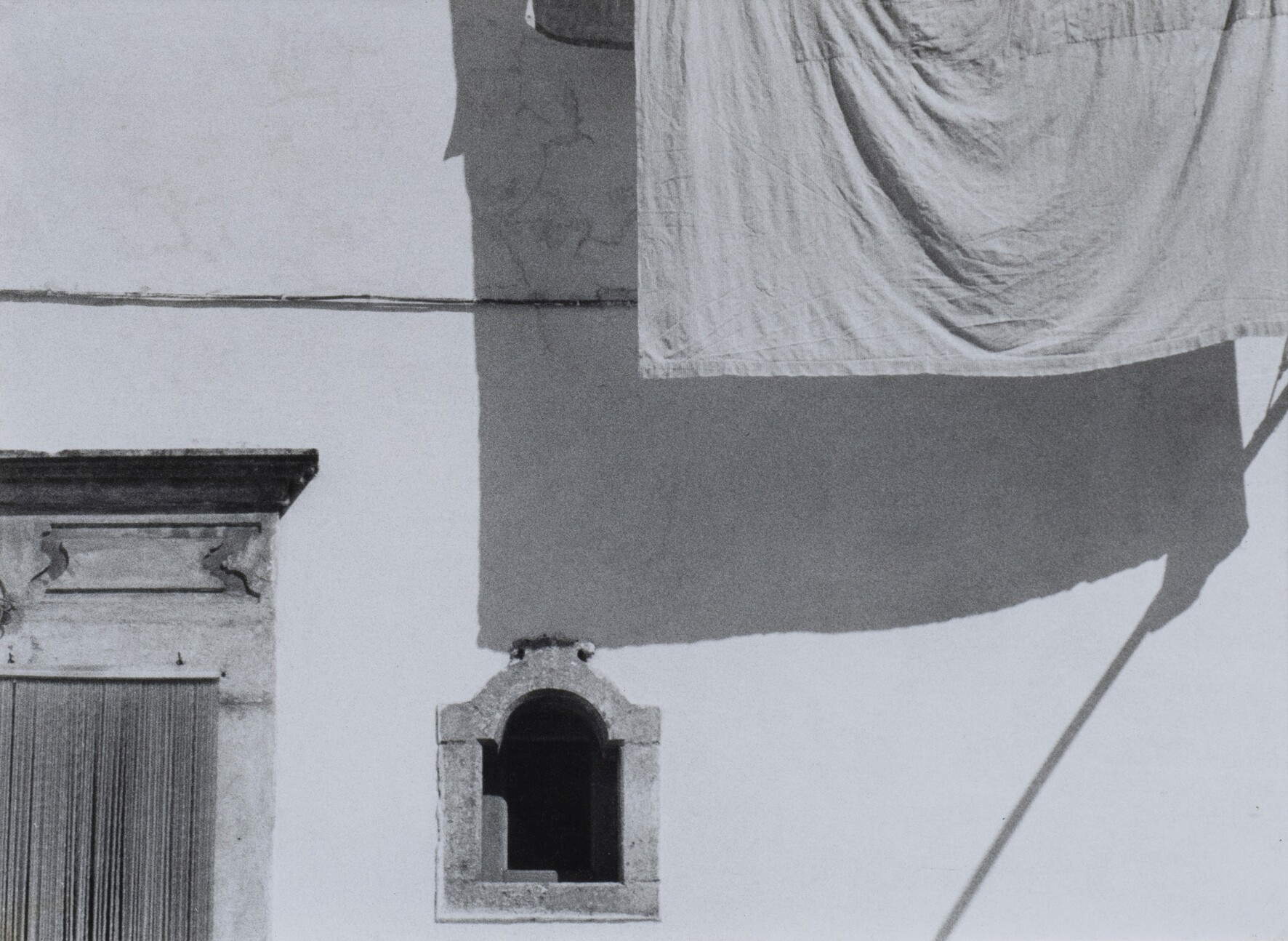
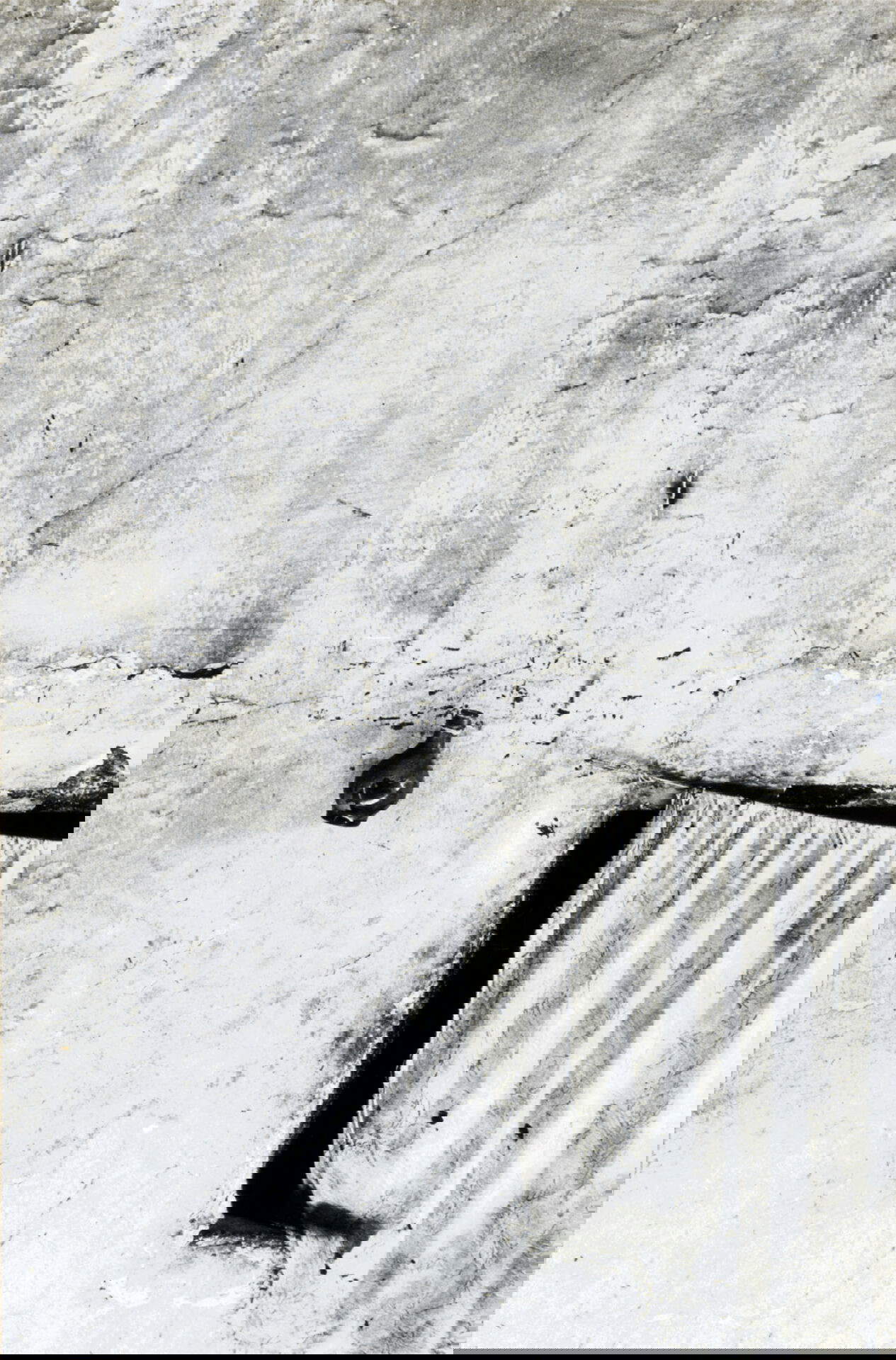
In Franco Vaccari’s work, the ordinary becomes significant, the marginal takes on a poetic dimension, and the everyday is elevated to an artistic language. His photography anticipates many of the contemporary reflections on participatory art, the documentary value of the image and the construction of shared identity.
Mario Cresci focuses his research on the themes of memory and identity, traversing landscapes and interiors of popular culture to return, in images, the traces of traditions suspended between tradition and transformation. Luigi Erba works instead by repetition and variation, elaborating rigorous visual structures in which space dissolves into minimal signs, allusive to a now distant reality.
Also in this second chapter, the project opens up to confrontation with international photography, including works by Elliott Erwitt, Jan Groover, Horst P. Horst, Michael Kenna, William Klein and Minor White.
During the exhibition period, Palazzo Fagnani Ronzoni will also host a program of collateral events, including meetings, conversations, book presentations and thematic evenings with artists, historians and critics of photography.
Artists: Antonio Biasiucci, Alfredo Camisa, Giuseppe Cavalli, Franco Chiavacci, Mario Cresci, Mario De Biasi, Patrizia Della Porta, Renato Di Bosso, Mario Dondero, Luigi Erba, Mario Giacomelli, Franco Grignani, Pio Monti, Enzo Obiso, Franco Vaccari, Luigi Veronesi, Egon Egone, Elliot Erwitt, Ralf Gibson, Arthur Gerlach, Jan Groover, Lucien Hervé, Horst P. Horst, Kennet Josephson, Michael Kenna, William Klein, Joost Schmidt, John Stewart, Minor White, Silvio Wolf, Willy Zielke.
|
| An exhibition in Milan on photographers who made black and white their research tool |

Warning: the translation into English of the original Italian article was created using automatic tools. We undertake to review all articles, but we do not guarantee the total absence of inaccuracies in the translation due to the program. You can find the original by clicking on the ITA button. If you find any mistake,please contact us.


















 IT
IT FR
FR DE
DE ES
ES CN
CN


