



by Redazione 19/12/2025



Categories: Exhibitions / Disclaimer
The Pinacoteca Civica "Francesco Podesti" will host from Dec. 2025 to March 15, 2026 an exhibition exploring the relationship between painting and engraving in the Marche artist's Baroque classicism, on the fourth centenary of his birth.
Ancona ’s Pinacoteca Civica “Francesco Podesti” opens its doors to a new exhibition season with the Carlo Maratti and Engraving exhibition, scheduled from Dec. 2025 to March 15, 2026. The opening will be held on Friday, December 19, at 5 p.m. The Doric city, a candidate for Italian Capital of Culture 2028, had just reopened the picture gallery to the public, registering hundreds of visitors in the first two weeks, marking a significant return of the institution to local cultural life. The exhibition is curated by Simonetta Prosperi Valenti Rodinò and Stefano Papetti, among the most authoritative scholars in the field of the Roman Baroque, and is part of the official program of the National Committee for the Celebrations of the Fourth Centenary of the Birth of Carlo Maratta, established by the Ministry of Culture and supported by the Marche Region, the municipalities of Ancona, Camerano and Ascoli Piceno, under the patronage of the National Academy of San Luca, of which the artist was a prince.
“With the exhibition dedicated to Carlo Maratti,” says Marta Paraventi Assessore alla Cultura of Ancona, “the Municipality of Ancona enters the heart of the Celebrations of the artist, and the Pinacoteca Civica takes on the role of art palace, a design and exhibition hub where research and study combine with the enjoyment of masterpieces, including Carlo Maratti’s grandiose altarpiece ”Madonna in Glory and Saints,“ from the destroyed church of San Nicola in Ancona.”


“Celebrating Carlo Maratti means celebrating not only an extraordinary artist, but a vision of Roman classicism that had European resonance. Engraving was an instrument of modernity for Maratti: he understood before others that the diffusion of images would be the key to consolidating the memory of his own style,” explains Claudio Strinati, president of the National Committee for the 4th Centennial Celebrations.
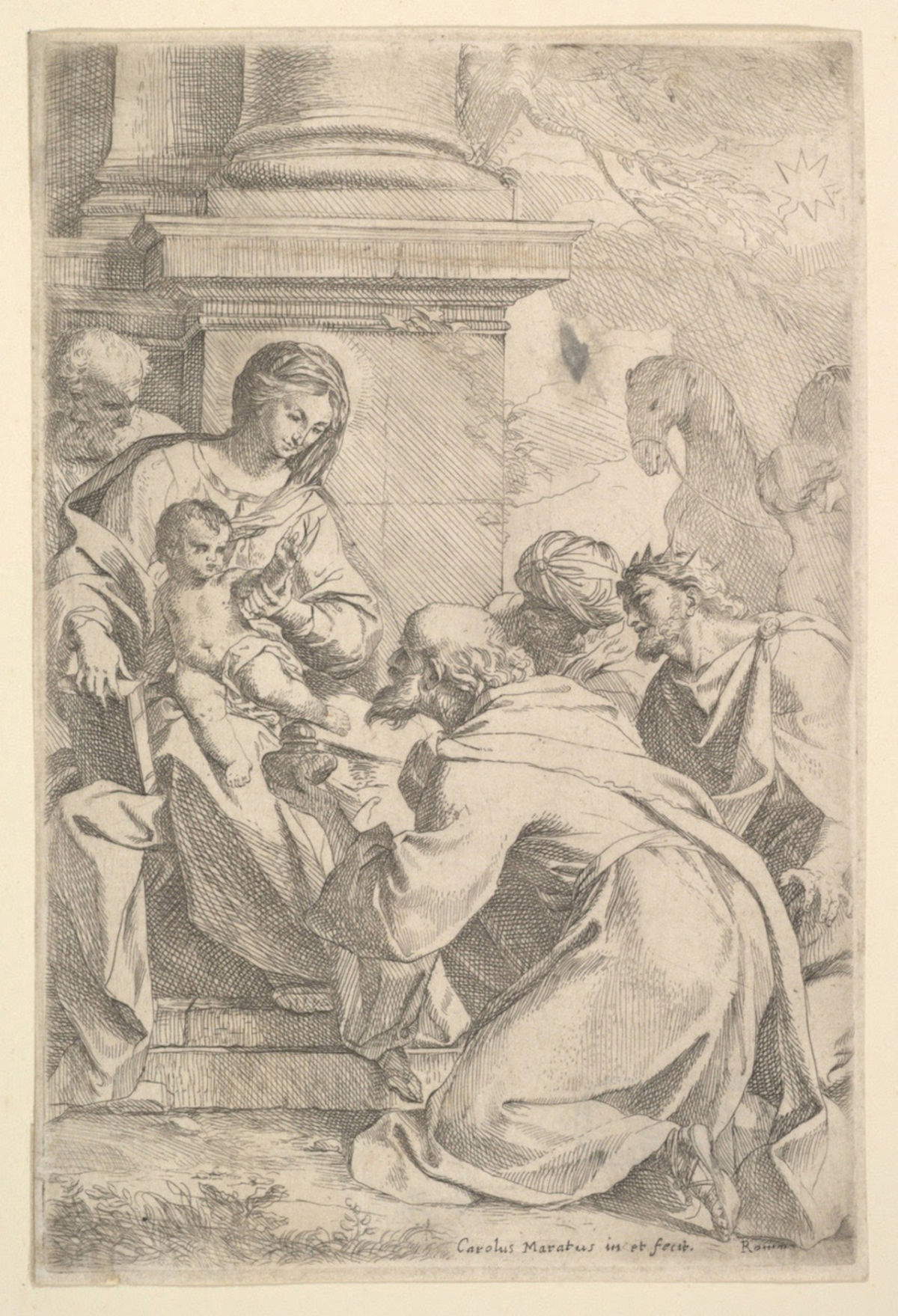
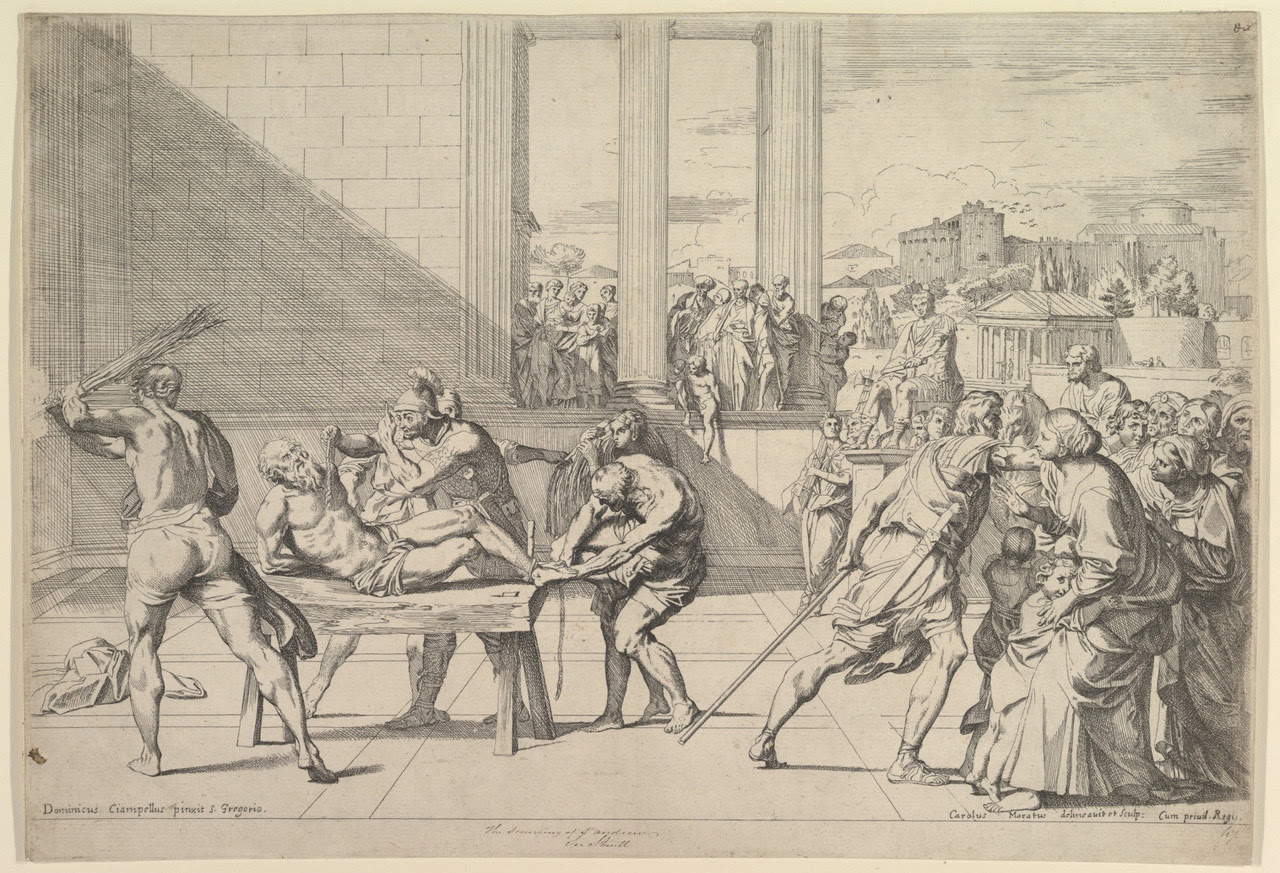
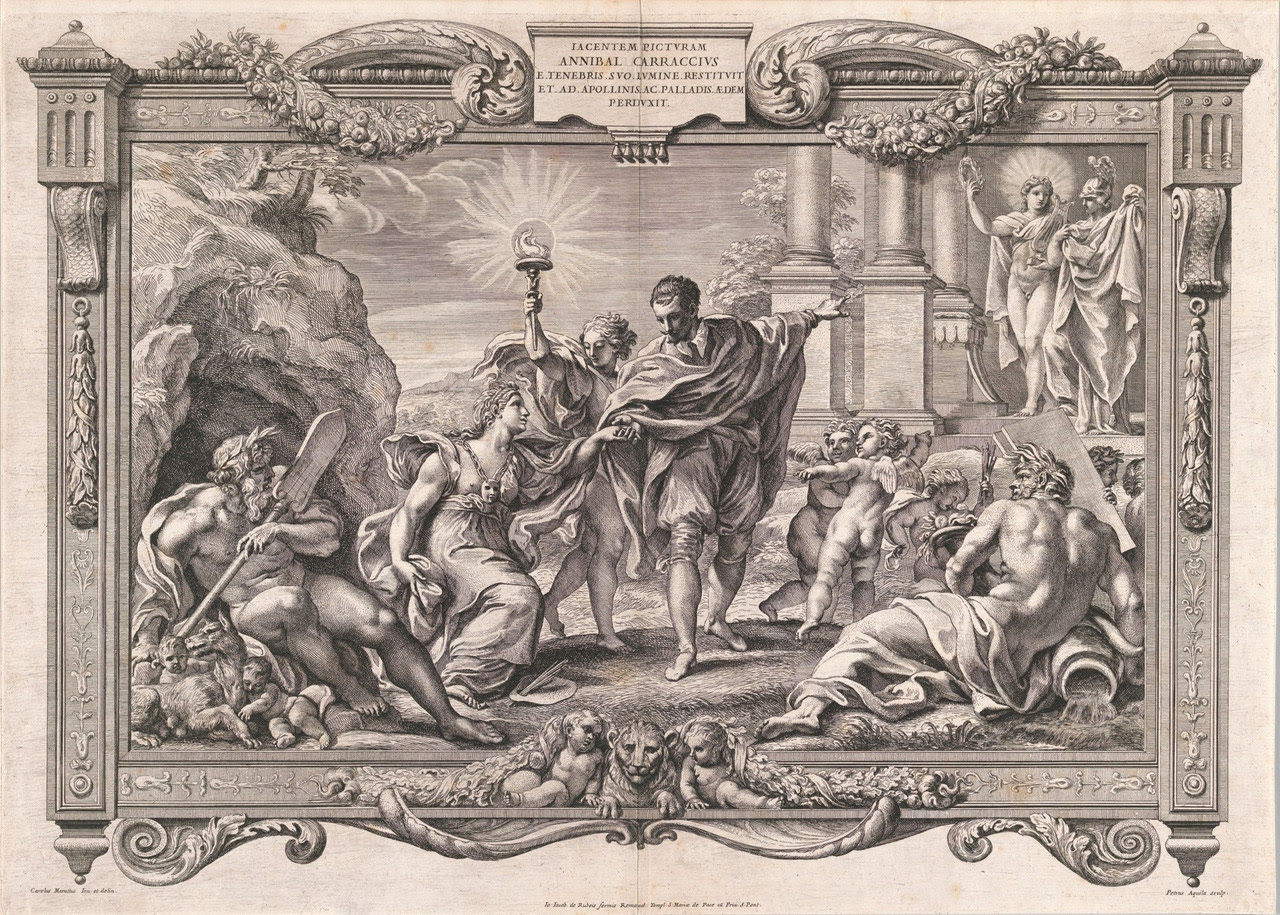
Carlo Maratta was born in Camerano in 1625 and manifested from a young age a talent that quickly led him to Rome, where he trained under Andrea Sacchi. He soon became one of the main interpreters of Baroque classicism in the second half of the 17th century, while maintaining constant ties with his homeland, where he returned several times and maintained relationships with local patrons. The exhibition in Ancona offers an extraordinary body of works, many of them unpublished or rarely exhibited, offering a reflection on the importance of image reproduction in building the artist’s fame and artistic identity. This is a rare example of a monographic exhibition dedicated to Maratta’s engraving work organized with philological and scientific rigor, capable of interweaving research and popularization. There are 44 engravings on display, articulated by type and function, which make up a complete itinerary: from autograph engravings to reproductions of masterpieces, to book illustrations and subjects related to the Arcadia Academy. The exhibition highlights the innovative use of engraving as a means of disseminating and consolidating artistic reputation. Maratta supervised the intaglio transposition of more than 400 engravings from his drawings and paintings and produced 13 original early engravings, all of which are featured in the exhibition. The works, entrusted to prominent European engravers, enabled widespread dissemination of Maratta’s language among courts, art academies and collecting circuits, long before the invention of photography. In several cases prints were commissioned even before the original painting was completed or placed, as was the case with works destined for Rome, Vienna, and Palermo.
While remaining faithful to an ideal of harmonious and measured beauty, Carlo Maratta stood out in the panorama of Baroque painting of the second half of the seventeenth century for his sobriety and measure. His updated classicism responded to the religious and ideological demands of the Counter-Reformation. The artist’s Roman career, following the demise of Pietro da Cortona and Gian Lorenzo Bernini, led him to become a leader of late Baroque painting. Coveted by popes, cardinals, ambassadors, collectors, and monarchs, he was the official portrait painter of popes and high prelates and produced altarpieces for some of Rome’s leading Baroque churches. Clients included noble families such as the Altieri family, and his fame spread to European courts, including Grand Tour travelers eager to be portrayed by the so-called “grand Maratti.”
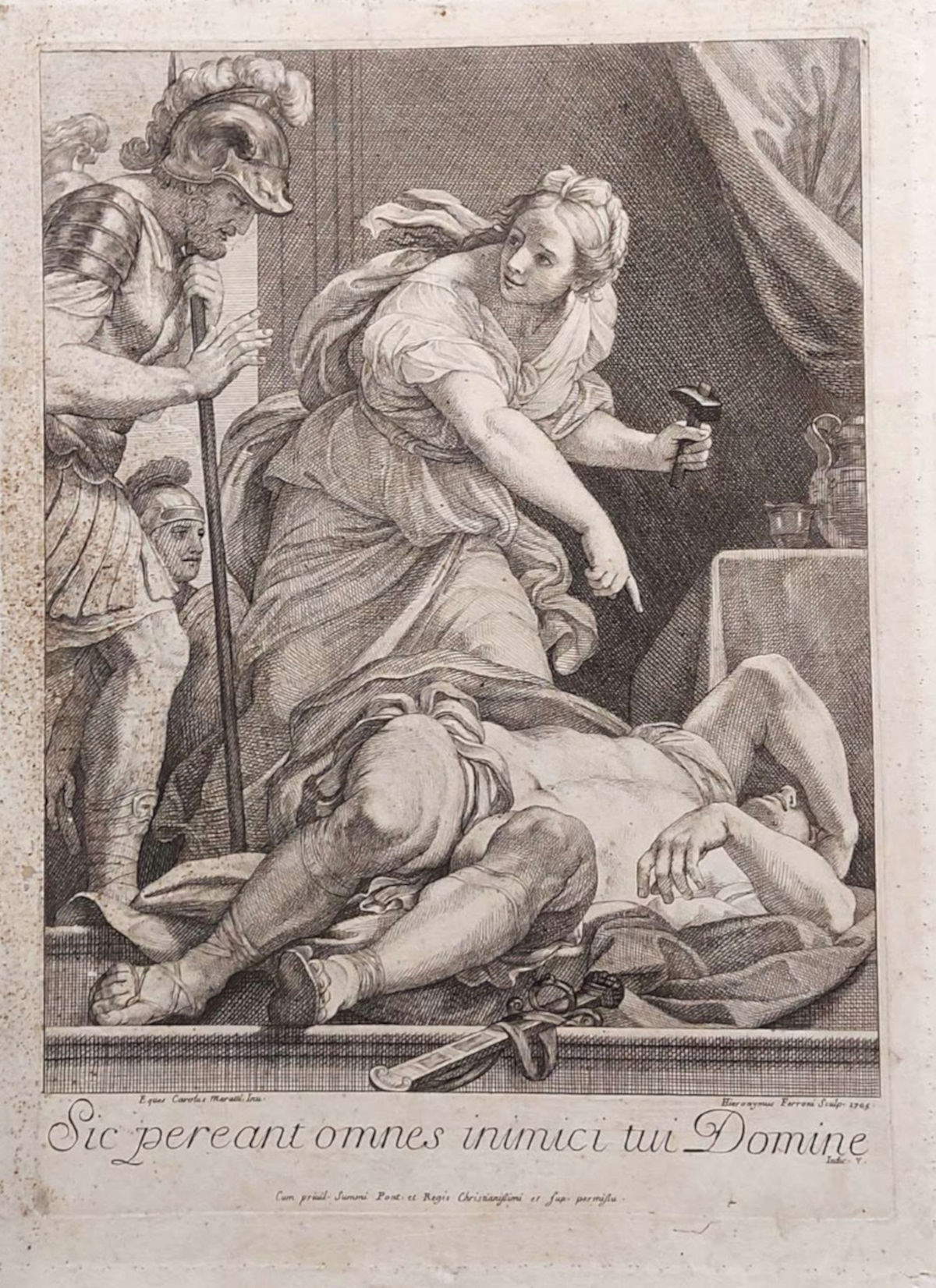
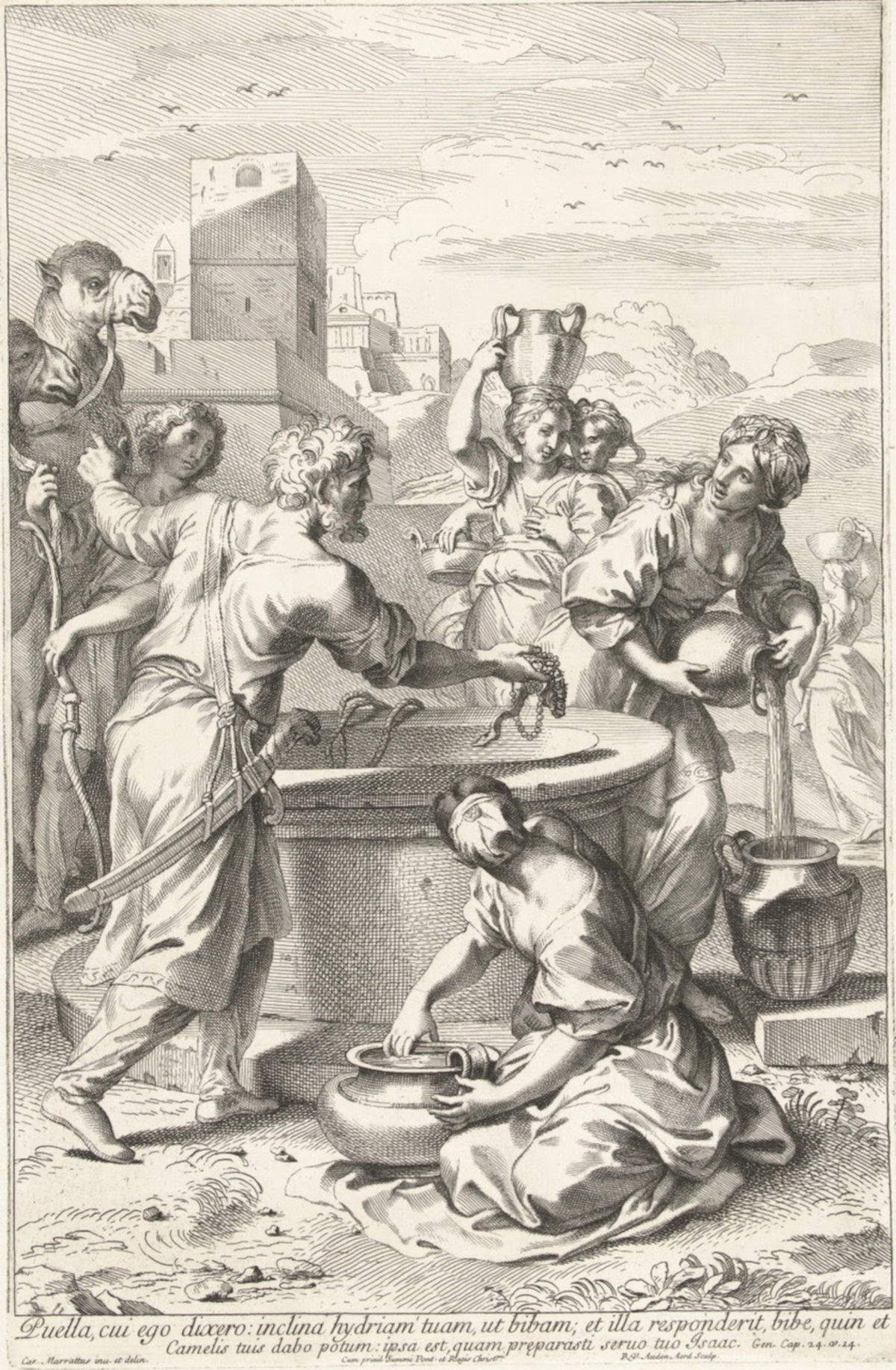
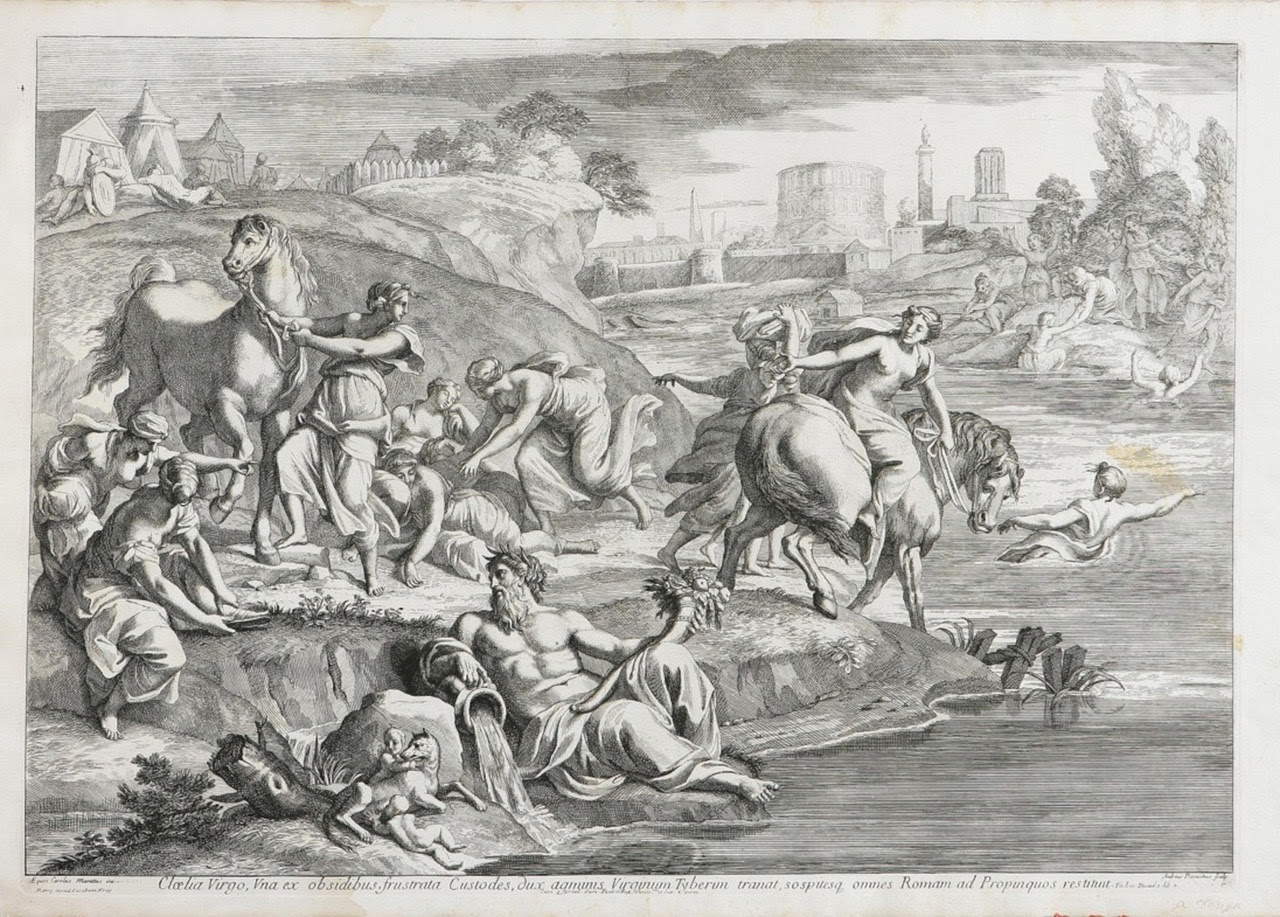
The exhibition at the Pinacoteca Civica “Francesco Podesti” is part of a broader cultural context. Completing the program are the exhibitionUmberto Grati - Spin Off, dedicated to the well-known illustrator and painter from Ancona who recently passed away, on view until May 4, 2025 with the artist’s best-known works, and Erratica, running at the Mole Vanvitelliana until Feb. 28, 2026. The latter exhibition is dedicated to the Marche Prize, which returns to Ancona after 20 years, and offers an excursus from its beginnings to the late 1990s, with a focus on the 25 years in which the prize was held away from its hometown, with a section reserved for contemporary artists.
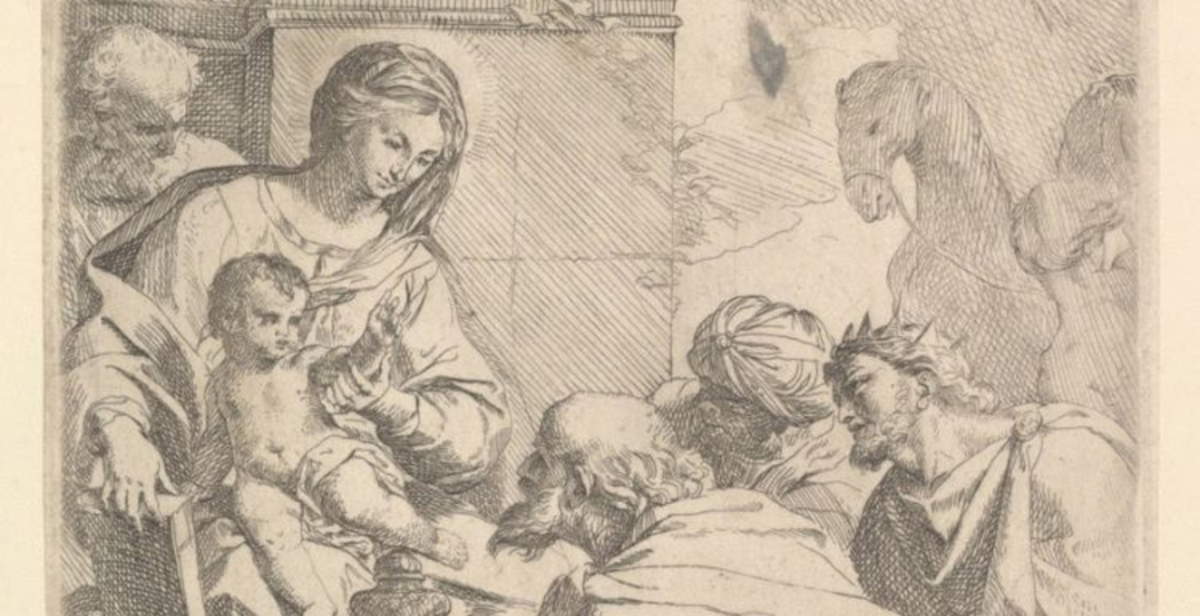 |
| Ancona celebrates Carlo Maratta with an exhibition dedicated to engraving |
Warning: the translation into English of the original Italian article was created using automatic tools. We undertake to review all articles, but we do not guarantee the total absence of inaccuracies in the translation due to the program. You can find the original by clicking on the ITA button. If you find any mistake,please contact us.