




by Redazione 16/01/2026



Categories: Exhibitions / Disclaimer
On the occasion of Milan Cortina 2026, the Museo del Novecento in Milan presents from January 22, in collaboration with Testa per Testa, a focus exhibition dedicated to the sports-themed graphic production of Armando Testa.

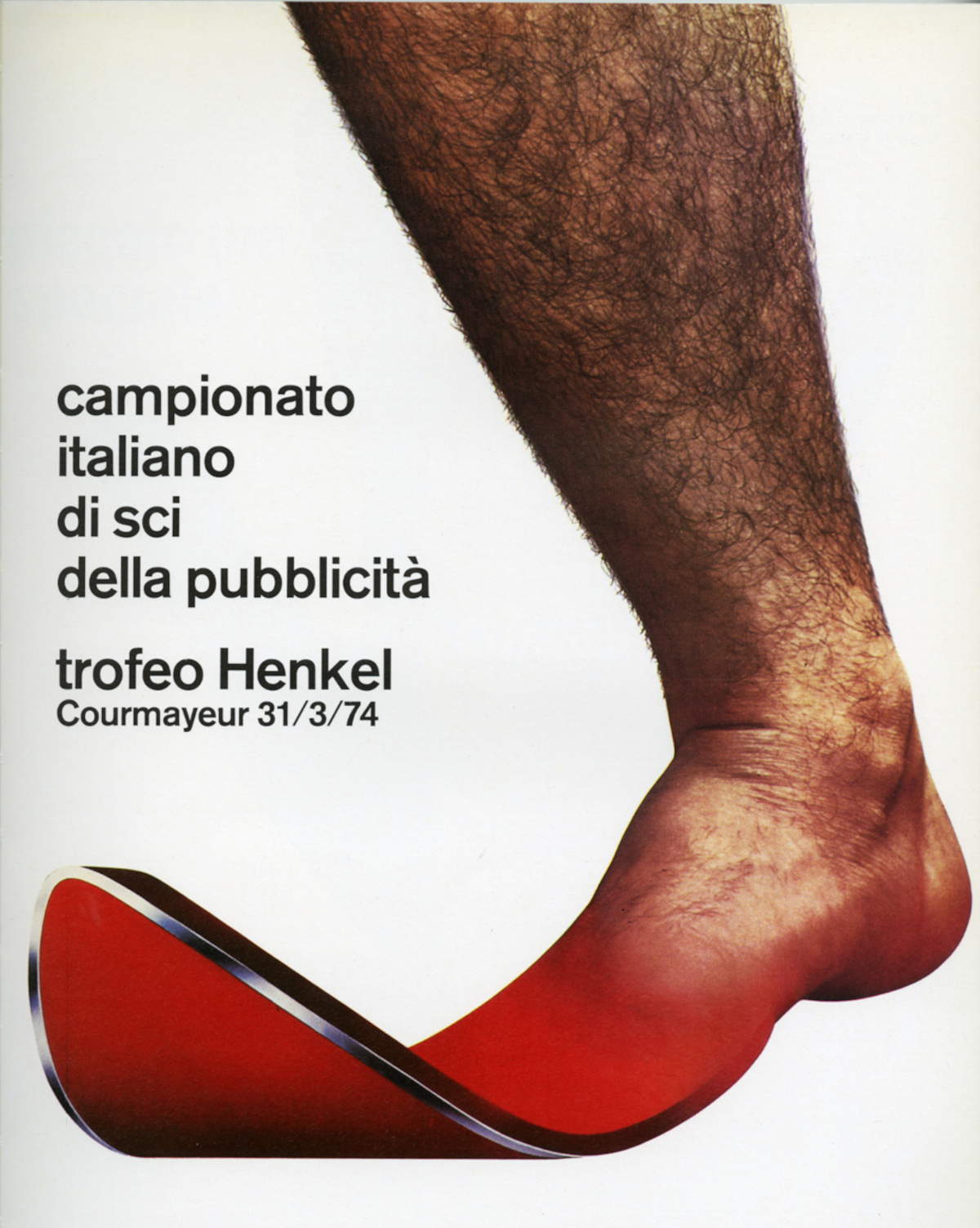
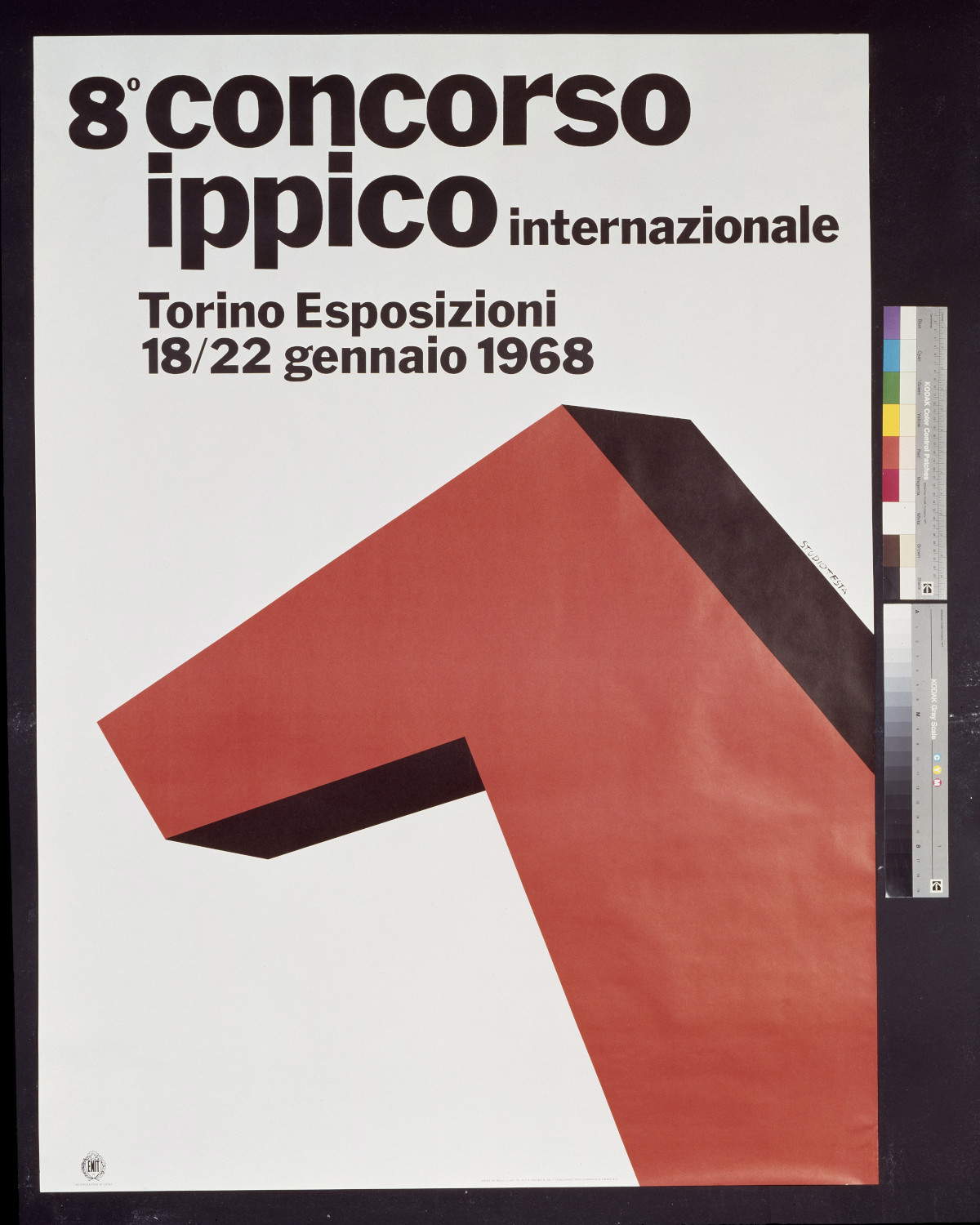
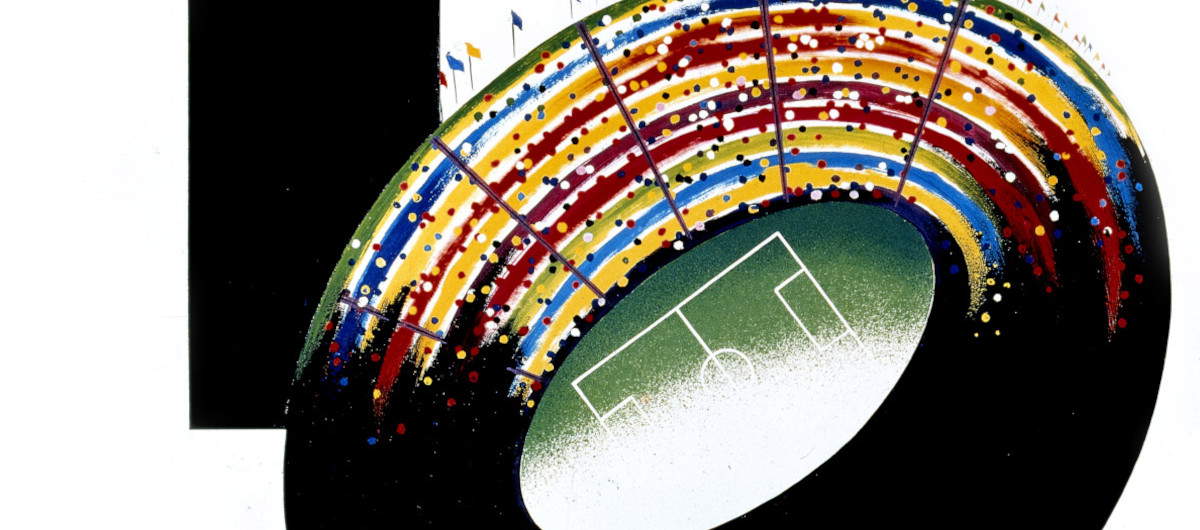
On the occasion of the Milan Cortina 2026 Olympic and Paralympic Games, the Museo del Novecento in Milan presents from January 22, in collaboration with Testa per Testa, the focus exhibition Urrà la neve! Armando Testa and sport, dedicated to the sports-themed graphic production of one of the absolute protagonists of Italian visual communication. The project, curated by Gemma De Angelis Testa and Gianfranco Maraniello, proposes a path through more than 30 years of the artist’s activity, with the aim of highlighting the richness and variety of a research in which sport becomes a privileged field of experimentation.
The exhibition brings together seven posters and an audiovisual contribution to recount the evolution of Armando Testa’s language, capable of translating gesture, speed and energy of movement into images of great immediacy and communicative force. Born in Turin in 1917 and died in 1992, Testa founded the agency that bears his name in 1946 and developed an unmistakable style, characterized by formal essentiality, irony and continuous innovative tension. His work spanned a variety of fields, from advertising to art, from design to film and television, often dialoguing in advance with the artistic avant-gardes of the 20th century.


Testa’s images are not limited to immediate impact, but invite a progressive reading, capable of restoring the complexity of gesture and movement through synthetic and highly evocative forms. In this sense, Hooray for Snow! Armando Testa and sport will highlight how the artist was able to transform sports practices into metaphors for the cultural and social changes of his time.
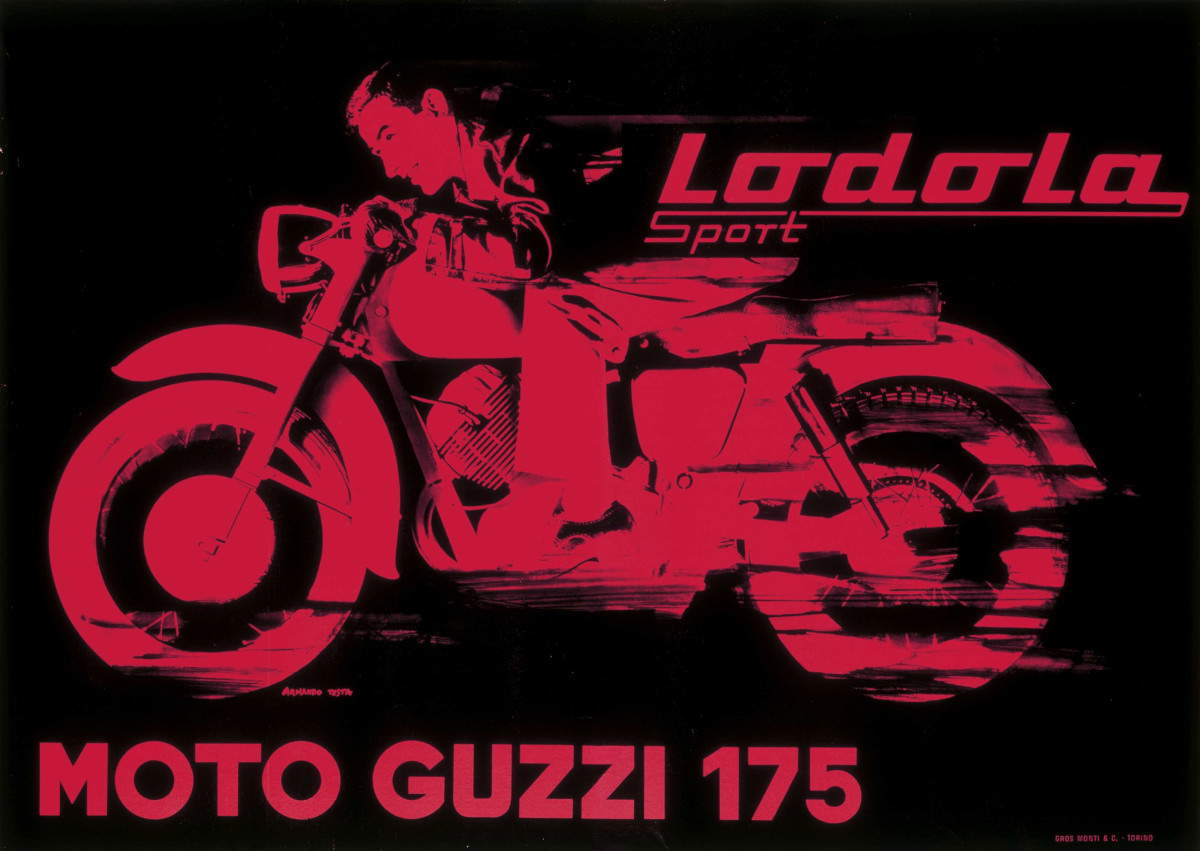
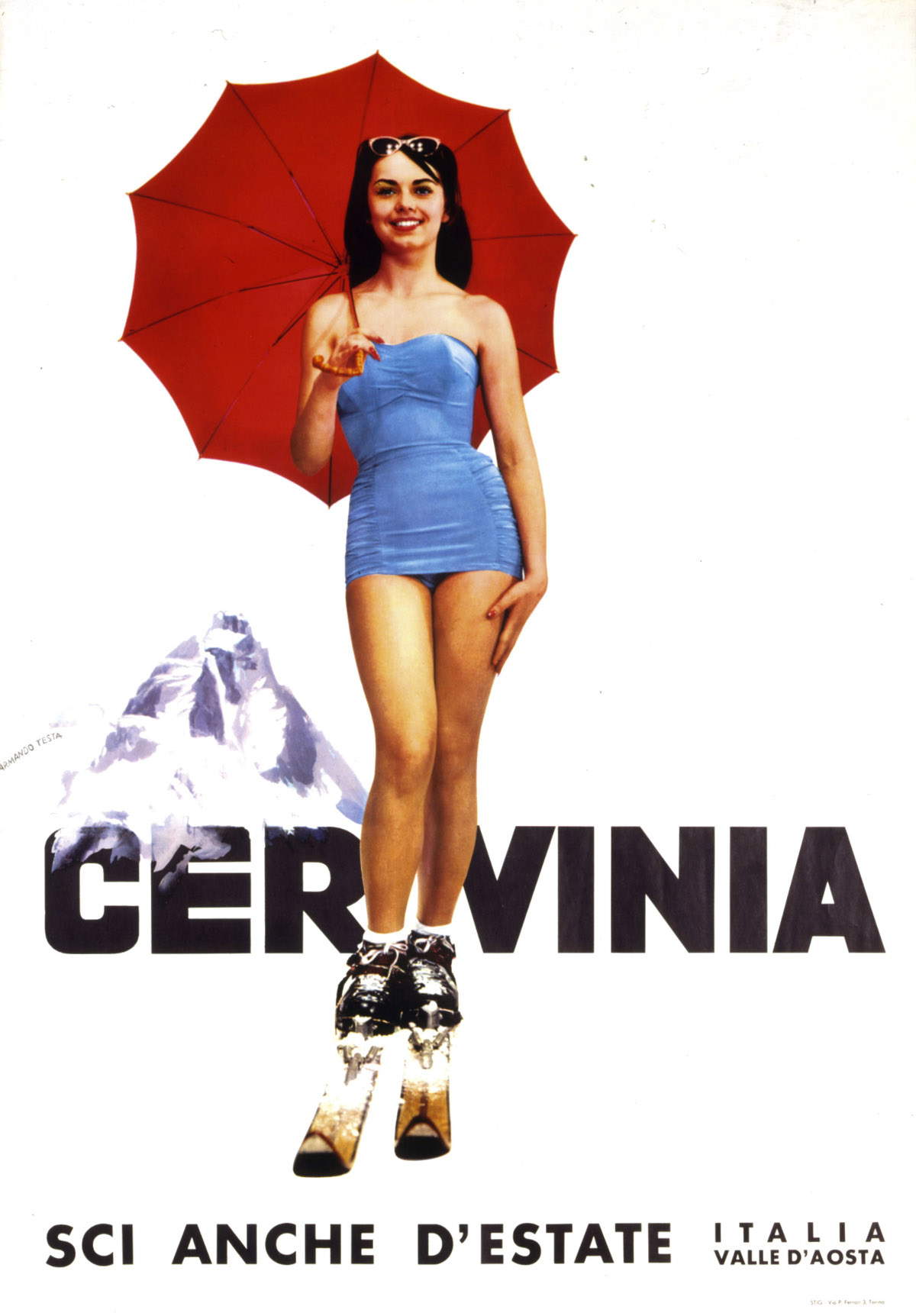
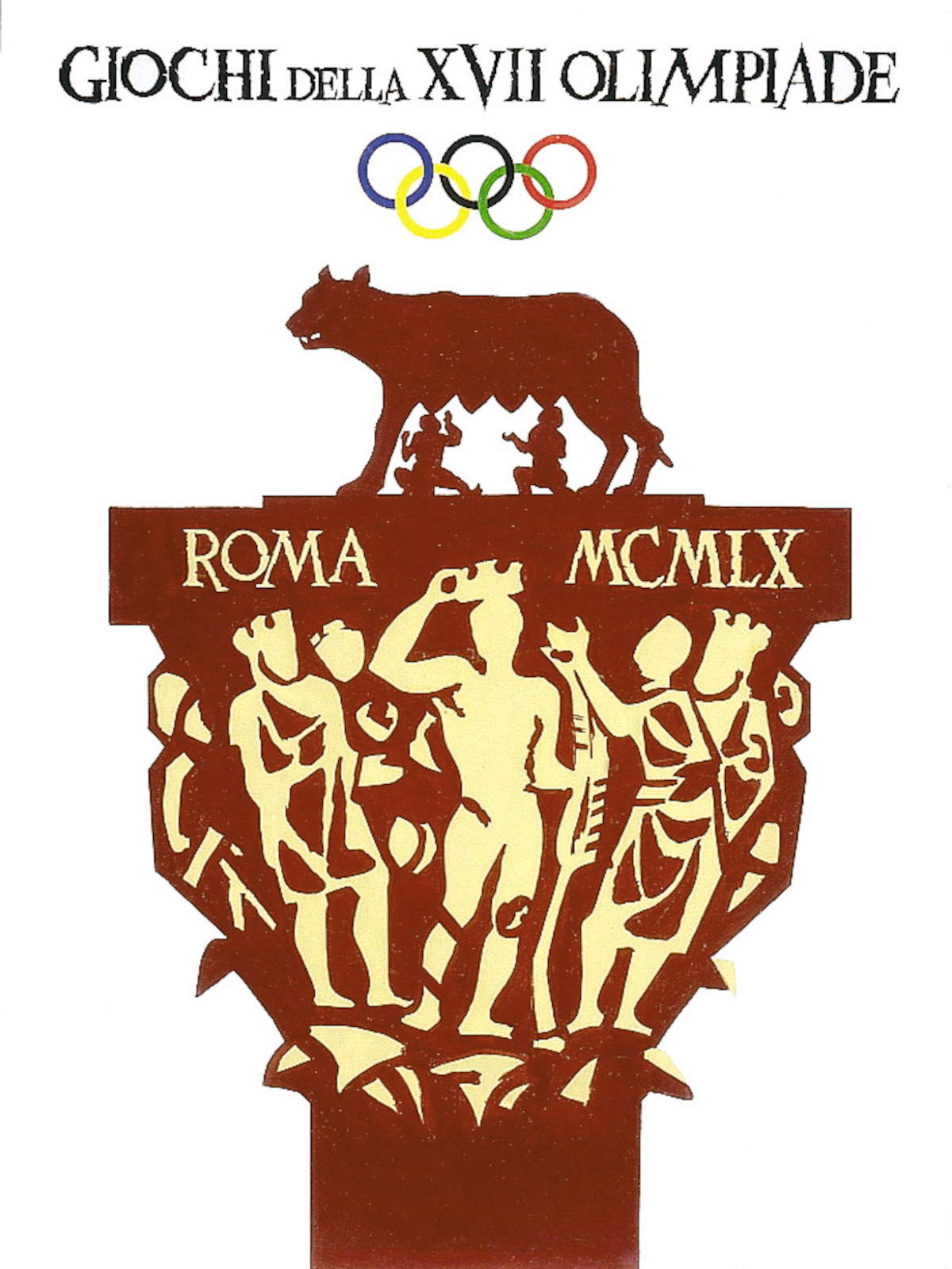
From the earliest posters of the 1950s, such as Moto Guzzi Lodola Sport 175 (1954), in which speed and chromatic synthesis build a modern image of movement, to the work for the Games of the 17th Olympiad in 1959, sport emerges as a symbol of progress and collective participation. In the 1960s and 1970s, works such as Cervinia, The Grand Prix of Advertising (1974/1990) and the8th International Horse Racing Competition (1968) show a gradual formal reduction and an increasing centrality of the image, which blends body, landscape and symbol into a powerful visual synthesis. With posters such as Azzurra (1987) and Torino ’90, Armando Testa creates emblematic images that elevate the sports imagery to a cultural icon. Alongside graphic production, the famous television carousel The Train to Saiwa (1966-1969) extends this research to filmic and performative language, staging bodies that become machine and movement, in tune with experiments akin to Fluxus practices and John Cage’s research.
In this continuous dialogue between project, image and action, sport is configured for Testa as an authentic laboratory of forms and ideas. The selected works, which differ in era, style and medium, restore the artist’s extraordinary versatility and his ability to transform sport into a universal language made of signs, colors and visual intuitions that still retain their communicative power intact today.

 |
| Armando Testa and sport: on the occasion of Milan Cortina 2026, a focus exhibition at Milan's Museo del Novecento |
Warning: the translation into English of the original Italian article was created using automatic tools. We undertake to review all articles, but we do not guarantee the total absence of inaccuracies in the translation due to the program. You can find the original by clicking on the ITA button. If you find any mistake,please contact us.