





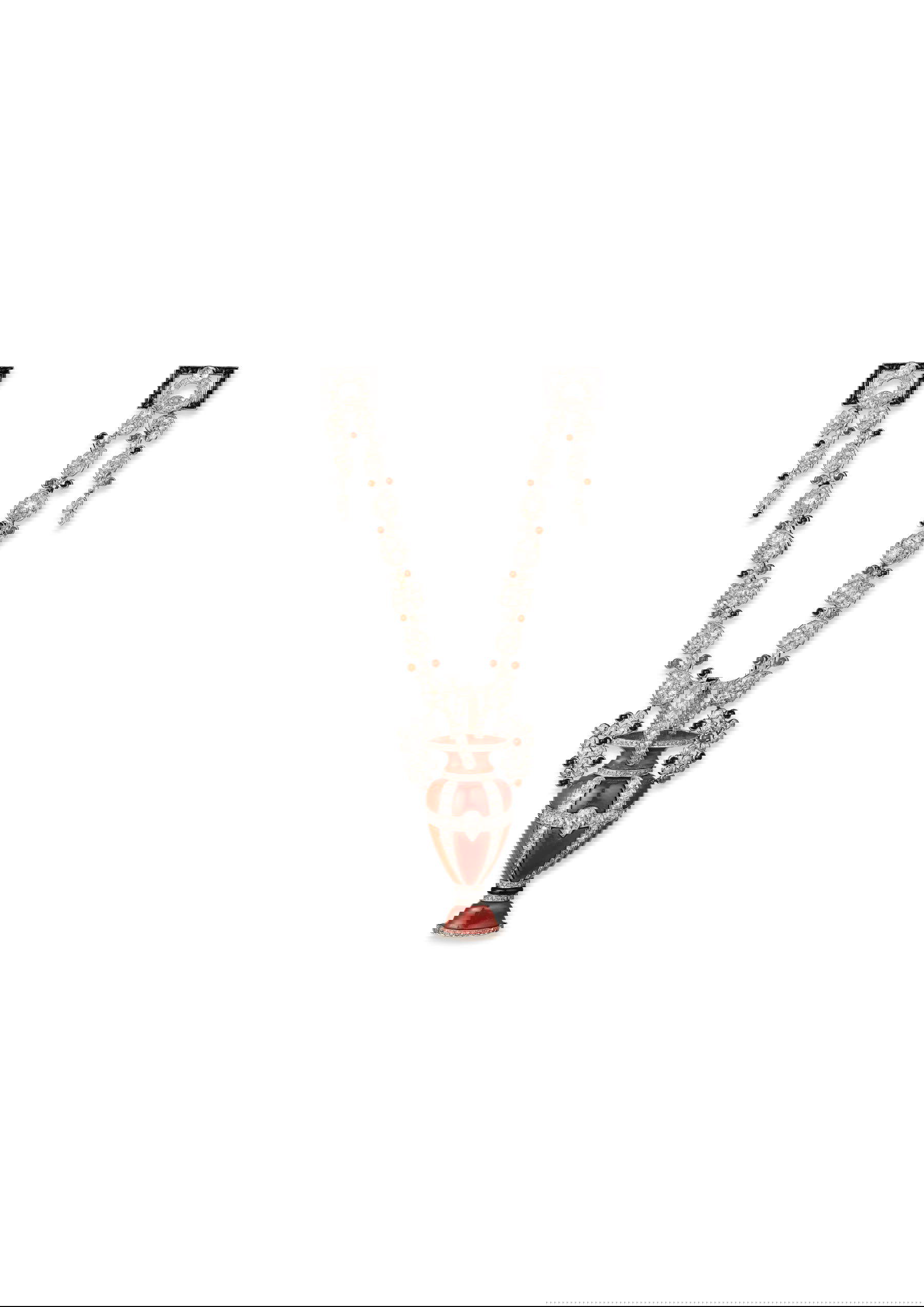
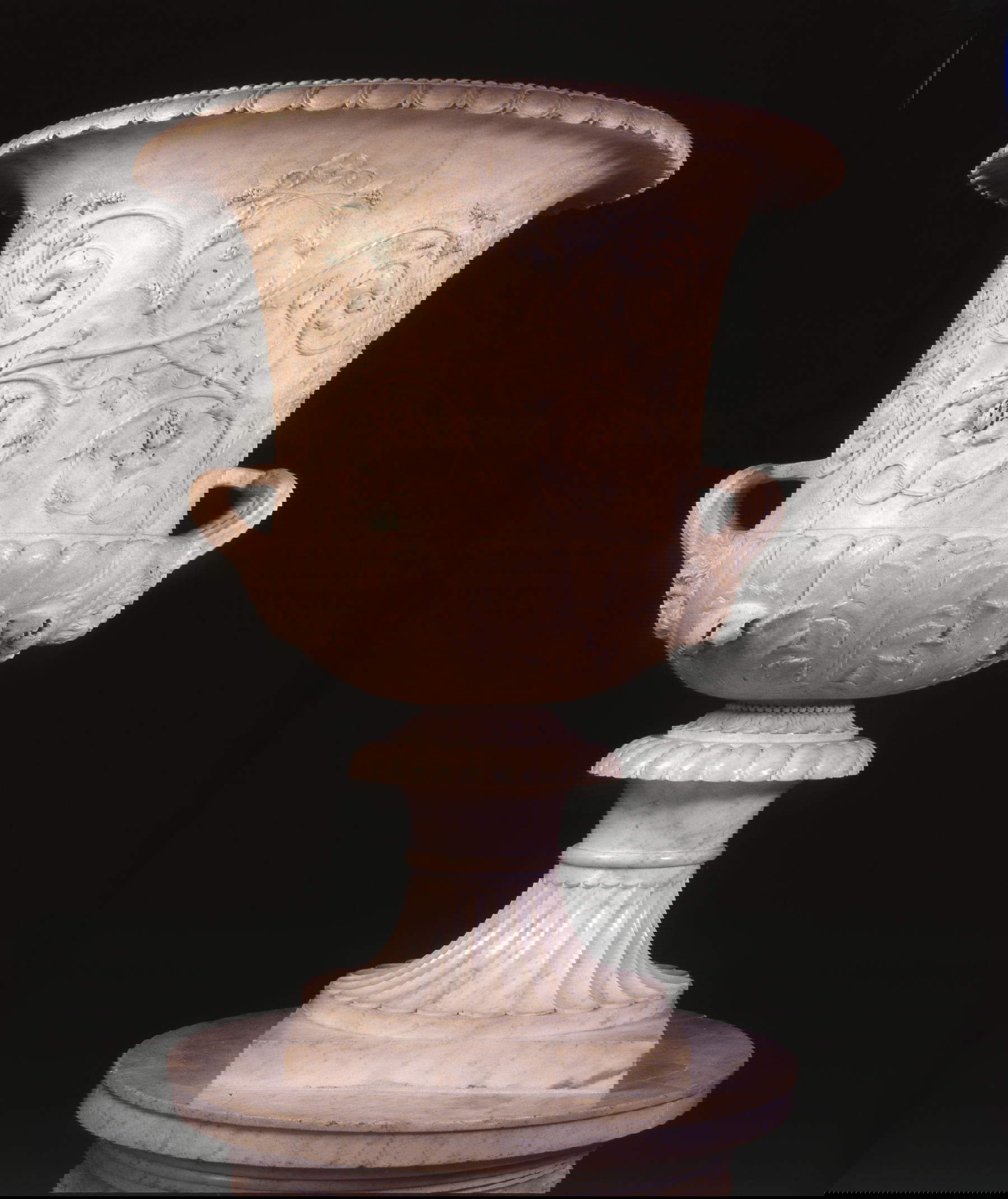
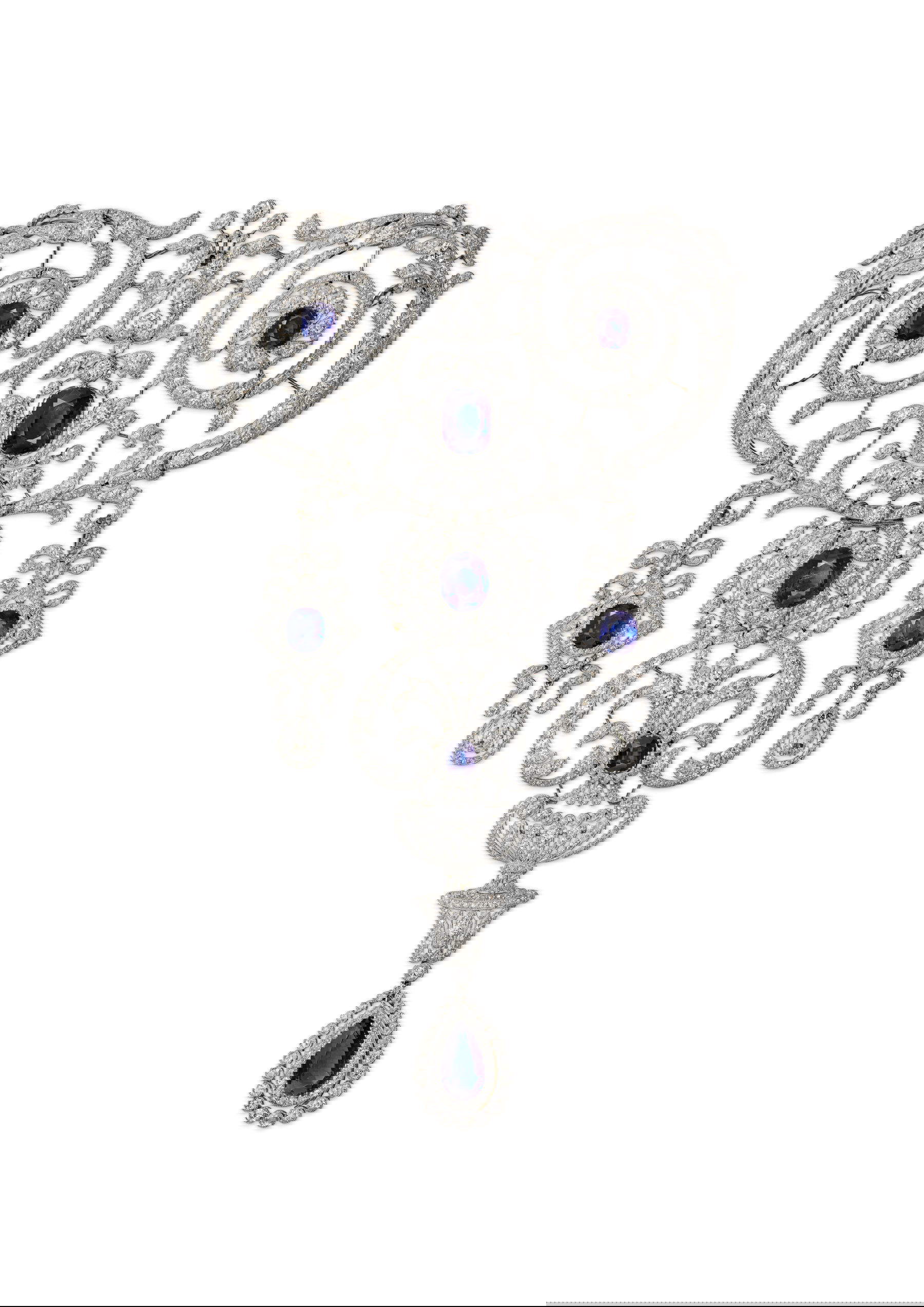
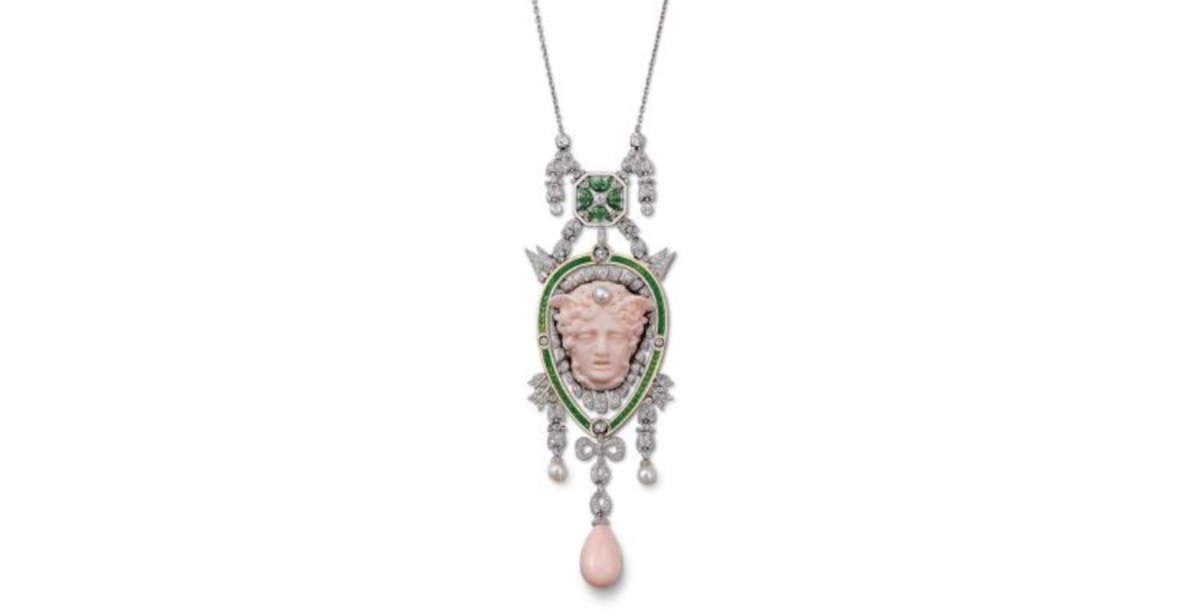
From November 14, 2025 to March 15, 2026, Palazzo Nuovo at the Capitoline Museums opens its halls for the first time to a temporary exhibition. The Cartier and Myth exhibition at the Capitoline Museum s brings together some of the most important creations of the Maison Cartier, largely from theCartier Heritage Collection, and places them in dialogue with classical sculptures from the collection of Cardinal Alessandro Albani, the founding core of the museum. Alongside them are ancient artifacts from the Capitoline Superintendence, important Italian and international institutions and private collections. The exhibition is curated by Bianca Cappello, jewelry historian, Stéphane Verger, archaeologist, and Claudio Parisi Presicce, Capitoline Superintendent of Cultural Heritage. It is promoted by Roma Capitale, Assessorato alla Cultura, Sovrintendenza Capitolina ai Beni Culturali, in collaboration with Maison Cartier and with the support of Zètema Progetto Cultura. The installation bears the signature of Sylvain Roca and includes a scenographic contribution by Dante Ferretti.
The exhibition path reconstructs Cartier’s relationship with the classical world, tracing the way the Maison has interpreted the aesthetic and symbolic legacy of Greek and Roman antiquity. Since the mid-19th century, Cartier has drawn inspiration from the figurative and decorative repertoires of antiquity, reinterpreting them in a modern key. The result is a dialogue between forms, materials and languages that spans the centuries, evoking the cultural and intellectual atmospheres in which the idea of the classical has been constantly transformed. The exhibition devotes special attention to the connection between Cartier and Italy, and Rome in particular. The collections of the Palazzo Nuovo in Campidoglio, inaugurated in 1733 at the behest of Clement XII, constitute the historical center of the Capitoline Museums. Most of the sculptures come from the Albani collection, which helped define the canons of European artistic culture. In this context, the exhibition proposes a reflection on the use of the antique repertoire in jewelry, from the 19th-century pastiches (works that deliberately imitate other works of art) of goldsmiths and collectors such as the Castellanis to the neoclassical taste of the Belle Époque, to Jean Cocteau-inspired creations after World War II and contemporary reinterpretations.
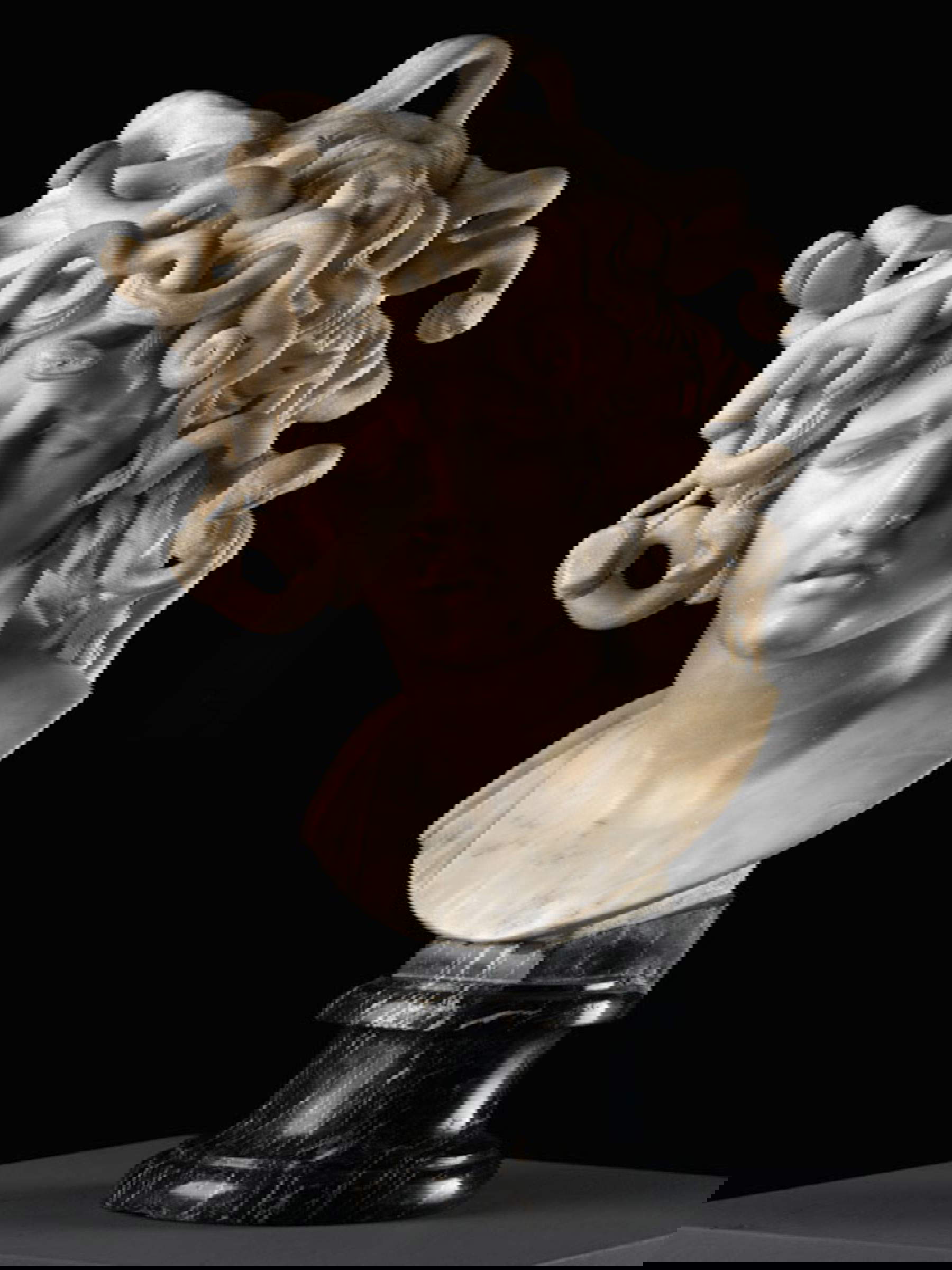
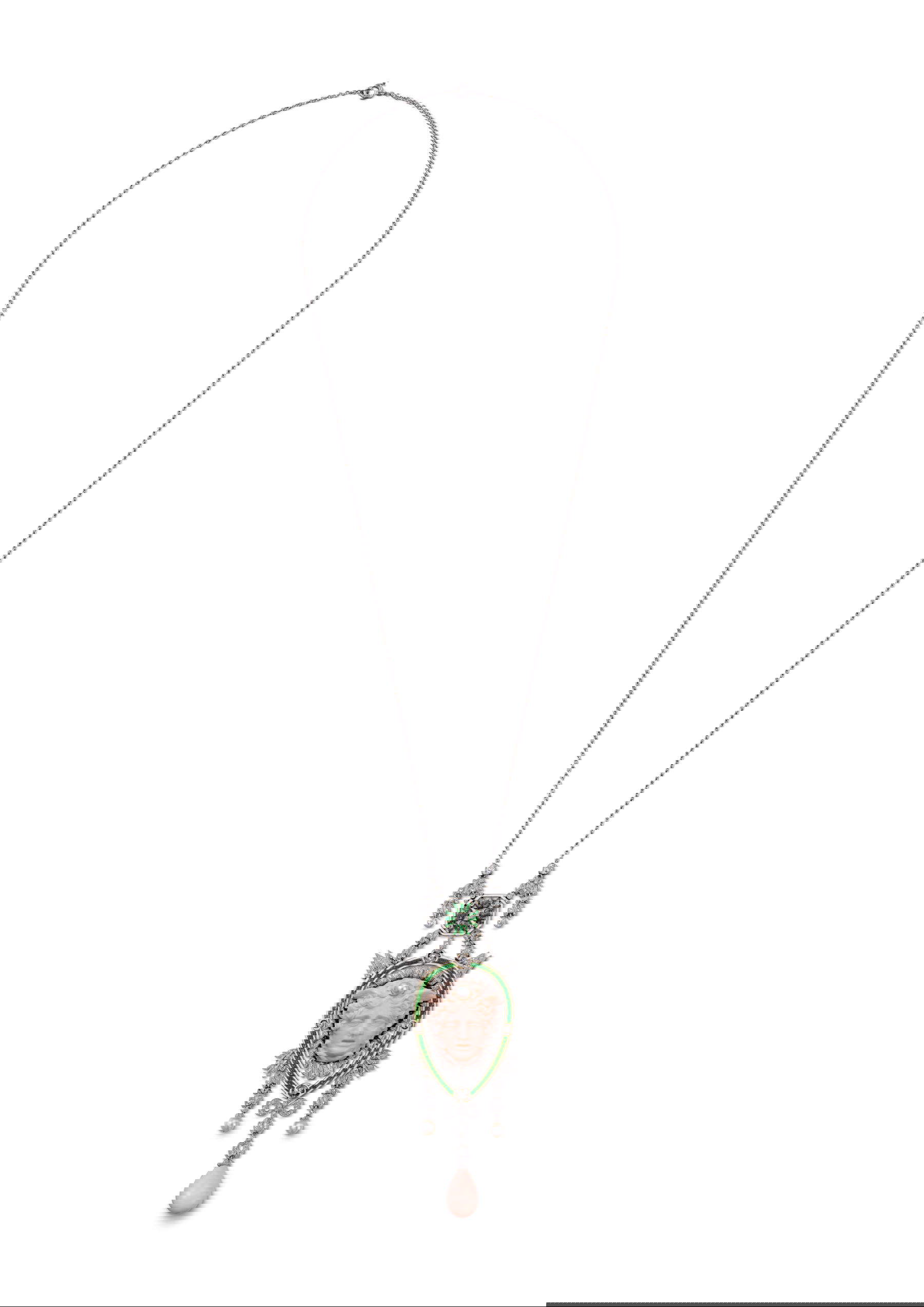
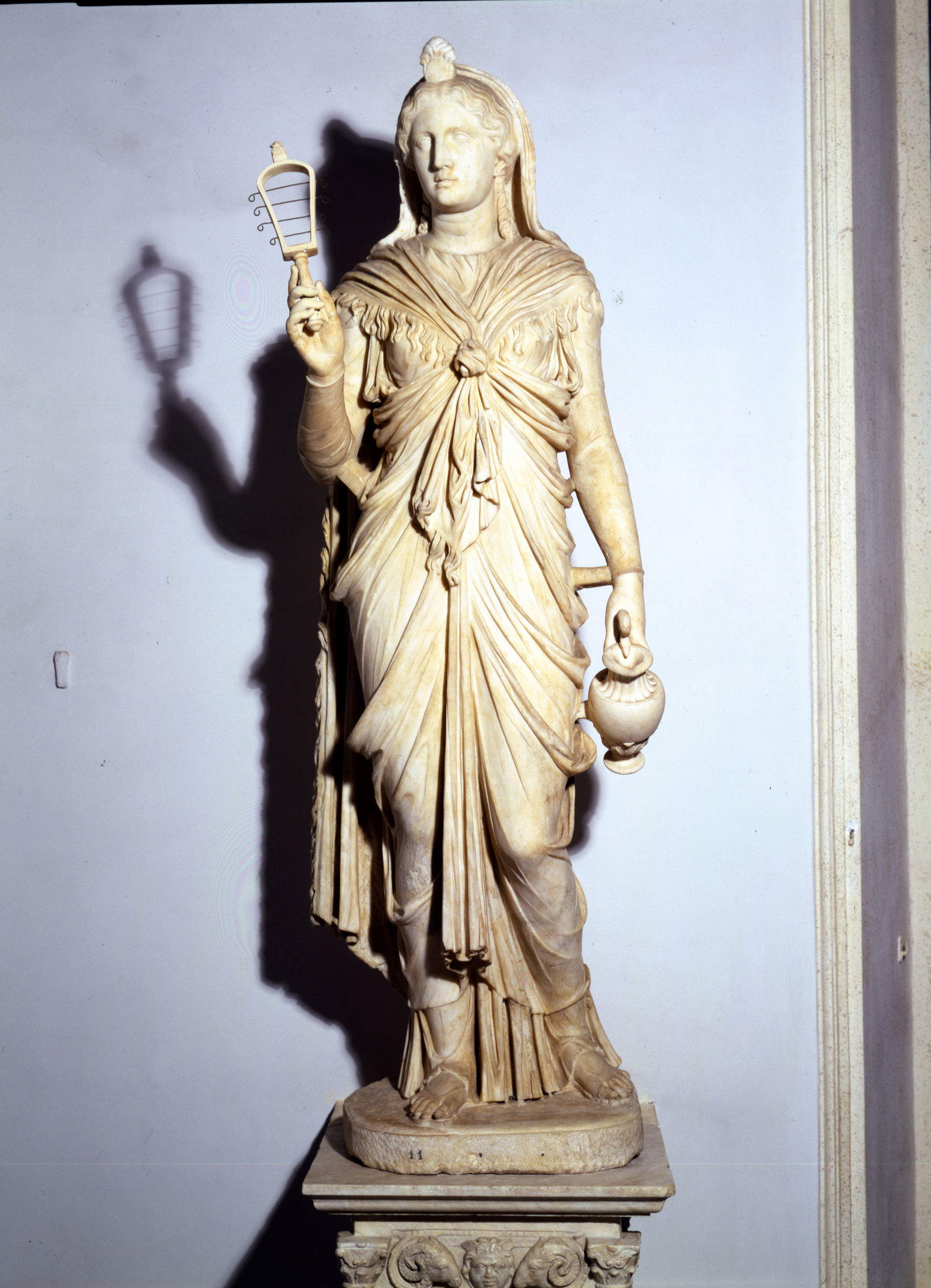

The intent of the exhibition is to show how the formal lexicon of antiquity has, over time, become a universal language capable of renewal. From the historicist revisitations of the late nineteenth century to the garland style of the Belle Époque, from the modernist experimentation of the early twentieth century to the return of yellow gold in the 1940s, each phase of Cartier’s production reflects a different actualization of classical myth. The continuity of this dialogue runs through the second half of the twentieth century as well, with a freer and more playful reinterpretation of the myths and a contemporary sensibility that looks to antiquity as an ever-living heritage. Welcoming visitors will be a set designed by Dante Ferretti, who has created for the occasion a cinematic staircase with a strong visual impact. Ferretti, an Academy Award winner for his set designs, has repeatedly reinterpreted the ancient world in his works: from the labyrinth of The Name of the Rose to the ruins of Cinderella’s Grand Tour and the mythical atmospheres of The Adventures of Baron Munchausen. His contribution, conceived as a symbolic threshold, introduces the audience to a universe populated by heroes and gods. The exhibition is also distinguished by its multisensory approach. In addition to audiovisual installations, it includes olfactory elements created by the Maison’s perfumer, Mathilde Laurent, and the presentation of semiprecious stones from Cartier’s glyptic ateliers that evoke the deities and myths represented.
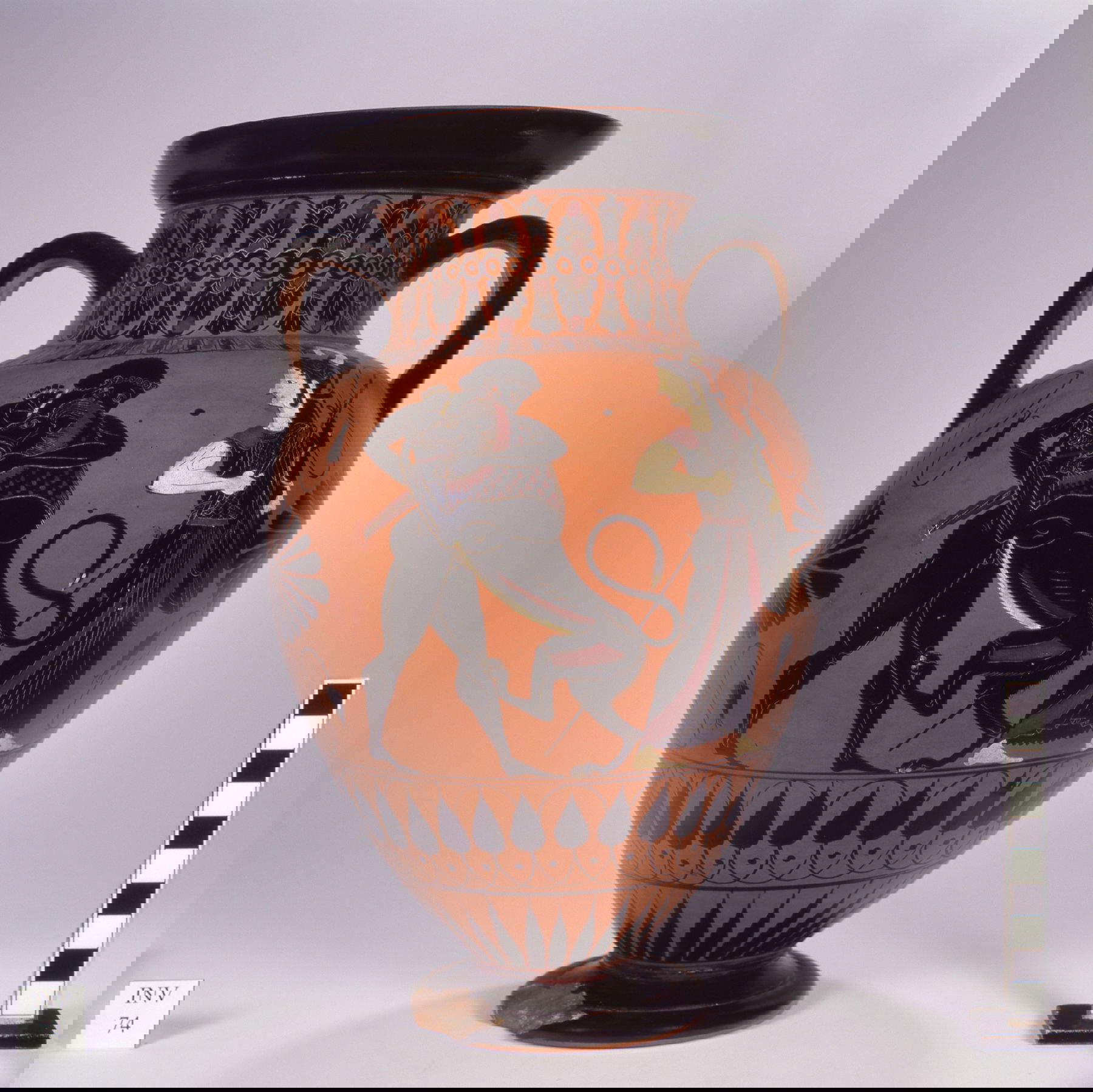
A section also delves into manufacturing processes and craftsmanship techniques, paralleling the mastery of today’s goldsmiths with that of Roman-era artisans. The Maison’s creations are related to figures from the classical pantheon such as Aphrodite, Dionysus, Apollo, Heracles, Zeus and Demeter, inviting visitors to rediscover in ancient statues the patterns that inspired the jewelry. The reflection also extends to the symbolic meaning of adornment. In Greek culture, the term kosmos denoted both the order of the universe and the harmonious arrangement of clothing and jewelry. Cartier has made this principle its own, translating the idea of jewelry as a microcosm into its creations. Gems thus become representations of the primordial forces, the earth, sea, sky and fire, brought together, as in the art of Hephaestus, in a synthesis of matter and spirit. Through a direct comparison with antiquity, the exhibition aims to propose an itinerary that interweaves art, history and philosophy. In Cartier and Myth at the Capitoline Museums, jewelry is presented as a form of visual thought, capable of transforming classical tradition into a language of the present.
 |
| Cartier and classical myth: a dialogue between jewelry and antiquity at the Capitoline Museums |

Warning: the translation into English of the original Italian article was created using automatic tools. We undertake to review all articles, but we do not guarantee the total absence of inaccuracies in the translation due to the program. You can find the original by clicking on the ITA button. If you find any mistake,please contact us.


























 IT
IT FR
FR DE
DE ES
ES CN
CN


