




Milan is preparing to host a major retrospective dedicated to the Macchiaioli, one of the most important movements in 19th-century European painting, in conjunction with the Milan-Cortina 2026 Winter Olympics and Paralympics. The exhibition I Macchiaioli, scheduled at the Palazzo Reale from Feb. 3 to June 14, 2026, will offer the international public the opportunity to discover or rediscover a fundamental chapter of Italian art, closely linked to the ideals of the Risorgimento and the construction of national identity.
Produced by Palazzo Reale in collaboration with 24 ORE Cultura - Gruppo Il Sole 24 ORE and Civita Mostre e Musei, the exhibition is conceived and curated by three of Italy’s most authoritative art historians and critics: Francesca Dini, Elisabetta Matteucci and Fernando Mazzocca. The exhibition project was created as a moment of reflection and appreciation of an essential page of Italian art history, often little considered locally, despite the fact that the Macchiaioli played a decisive role in defining the country’s common cultural roots. The exhibition brings together more than 100 works from major Italian museums and private collections, including the Accademia di Belle Arti and the Pinacoteca di Brera in Milan, the Uffizi Galleries and Palazzo Pitti in Florence, the Museo del Risorgimento and the Galleria d’Arte Moderna in Milan, the Galleria Civica di Arte Moderna e Contemporanea in Turin, the Museo Civico “Giovanni Fattori” in Livorno, and other smaller collections. The project has the partnership of the Matteucci Institute of Viareggio, with main sponsor Pirola Pennuto Zei & Associati and sponsor BPER Banca Private Cesare Ponti.
“This major exhibition offers the opportunity to emphasize a historical evidence: it is in Italy, with the Macchiaioli, that for the first time in Europe the most radical break with the rules of the academy is consummated,” , said Culture Councillor Tommaso Sacchi. “Well before the French Impressionists, these young painters had the courage to challenge official canons, to paint in the open air, to choose everyday life and true light as the new horizons of art. Their revolution - aesthetic, moral and civil - paved the way for pictorial modernity and is a deep part of our country’s cultural identity. With this retrospective Milan therefore celebrates not only an extraordinary movement, but a founding page of European art history.”
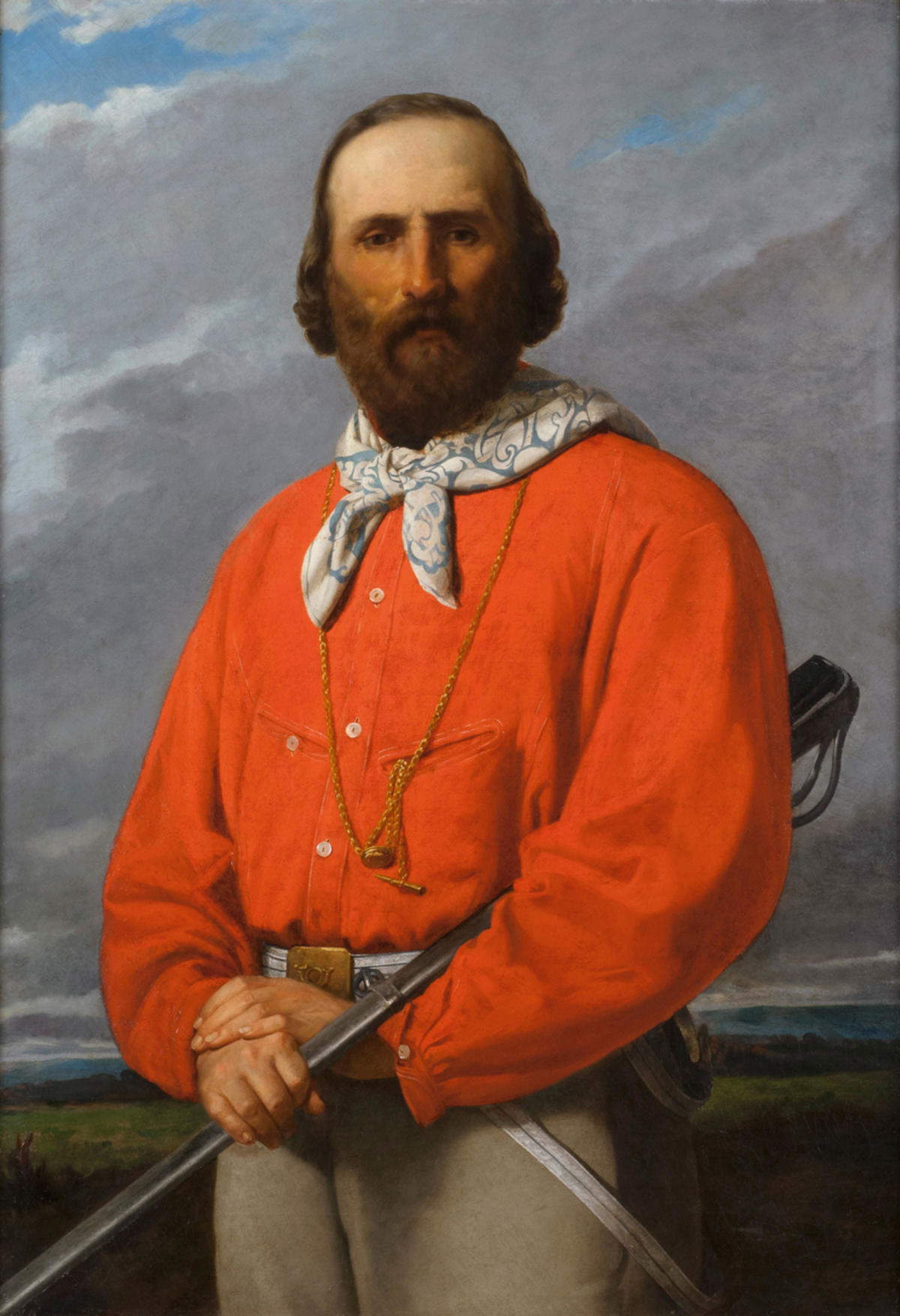
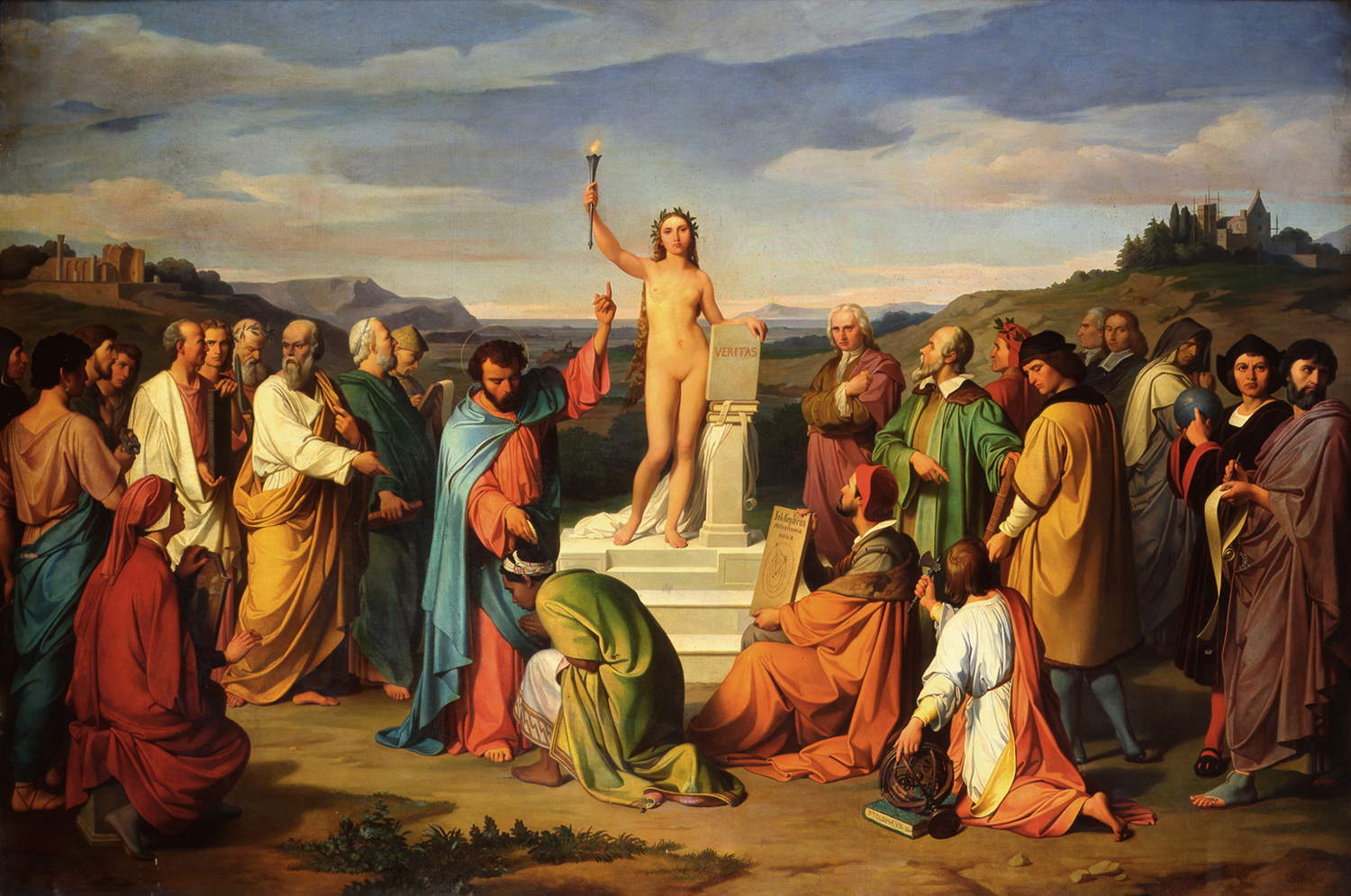
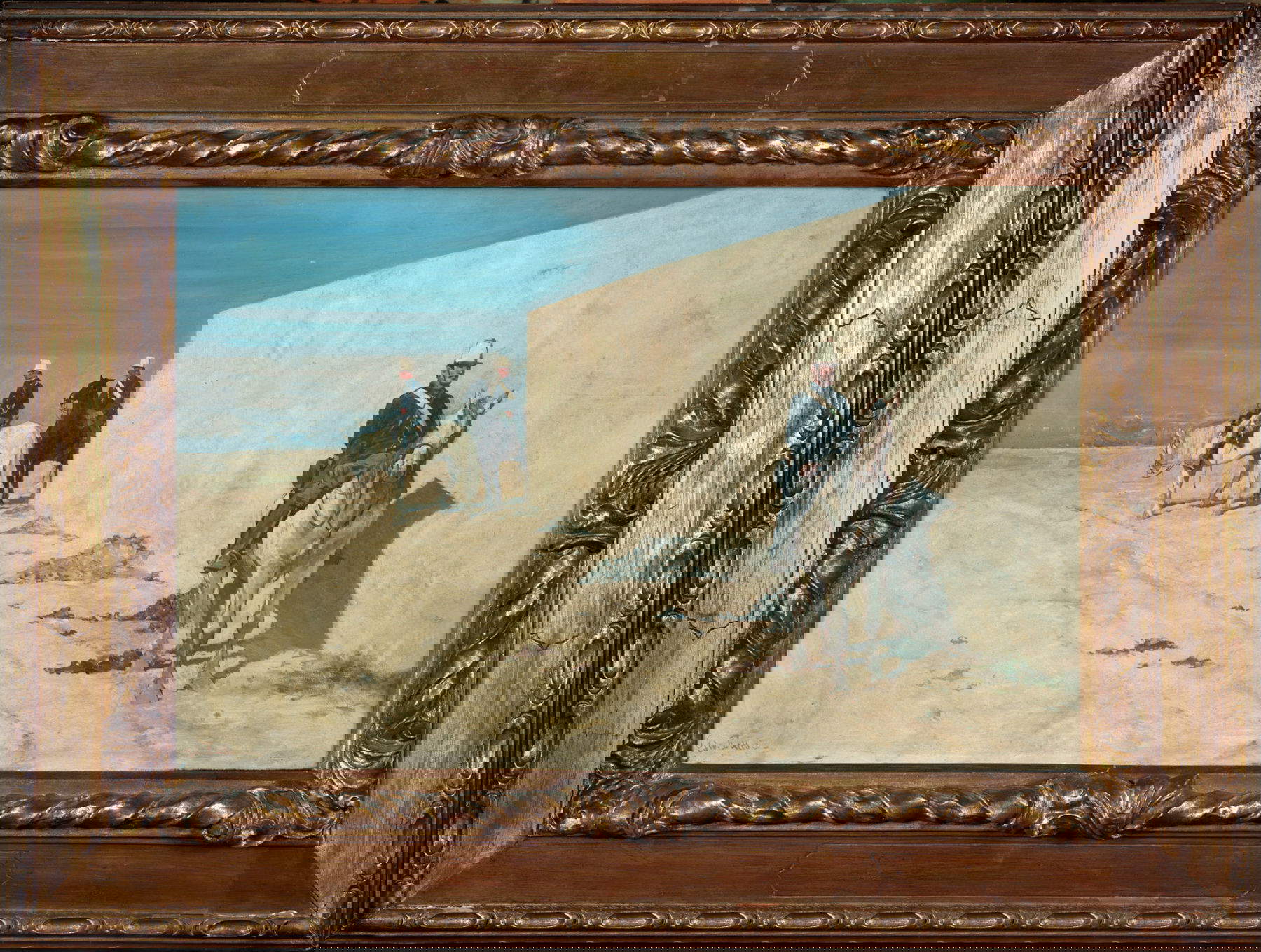
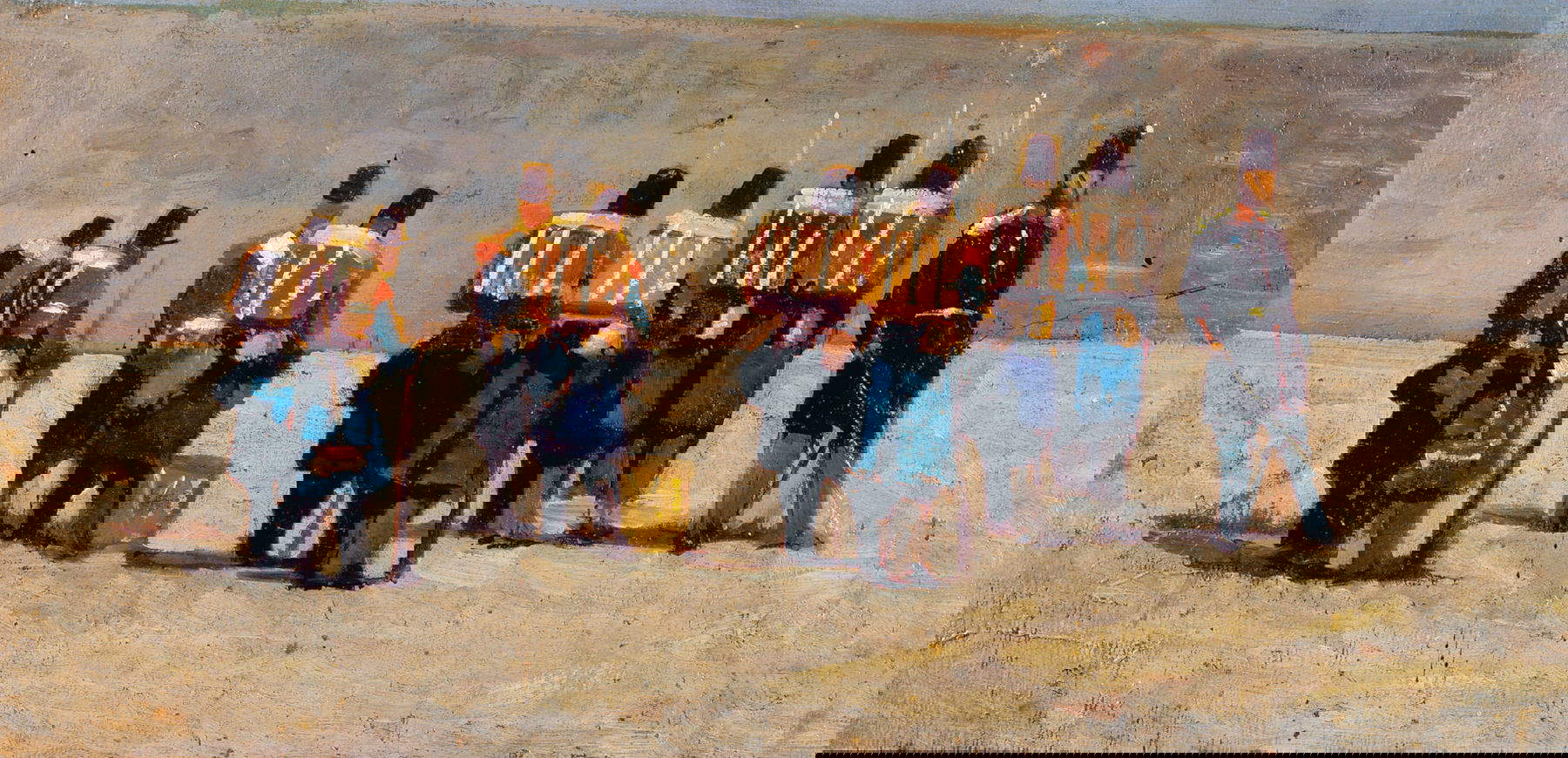
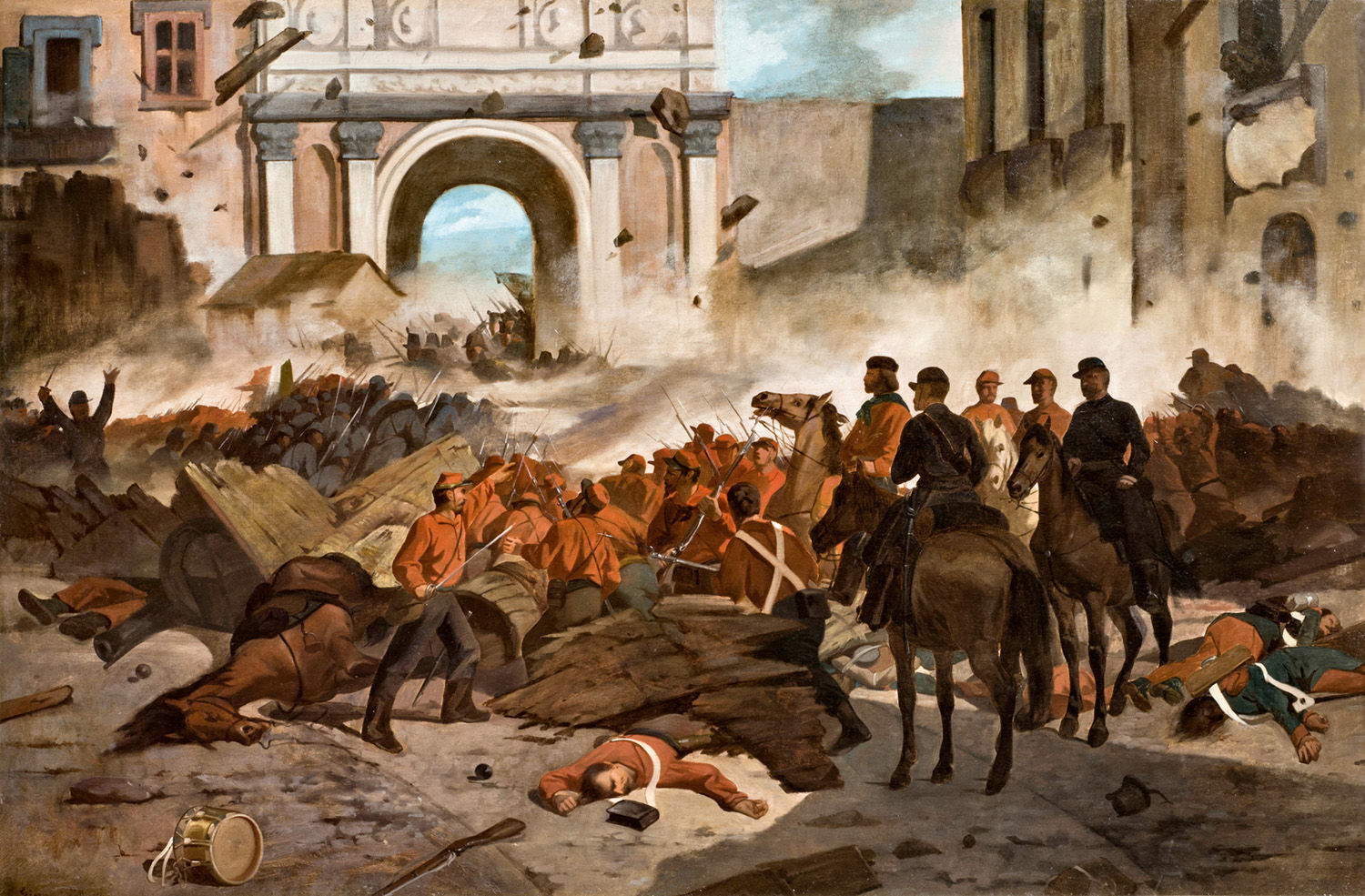
The Macchiaioli, initially misunderstood by their contemporaries, were reevaluated between the wars and today occupy a central place in public and private collections. The movement, led by figures such as Giovanni Fattori, Silvestro Lega and Telemaco Signorini, marked a radical turning point in the history of Italian art, with particular reference to open-air painting and the rejection of academic conventions. The exhibition covers a time span from 1848 to 1872, the year of Giuseppe Mazzini’s death. During this period, the Macchiaioli, staunch supporters of Mazzini’s ideas, contributed to a new conception of Italian painting, while preserving each one’s individuality. Among the main protagonists are Silvestro Lega, Giovanni Fattori, Vincenzo Cabianca, Odoardo Borrani, Telemaco Signorini, Giuseppe Abbati and Raffaello Sernesi, whose personal paths emerge through the works on display, highlighting a balance between the choral nature of the movement and the individual development of the individual artists.
The technical and stylistic core of the movement lies in the “macchia,” an innovative technique developed by the Macchiaioli and formalized theoretically in the periodical Il Gazzettino delle Arti del Disegno, founded by critic Diego Martelli. Unlike the French Impressionists, who exhibited outside official channels, the Macchiaioli presented their works in the public exhibitions of the promoting societies, facing the often hostile judgment of critics and the public. Their activity was supported by informal moments of confrontation such as those offered by the legendary Caffè Michelangiolo in Florence, where artistic and international ideas were discussed.
The exhibition’s itinerary, divided into nine sections, offers an in-depth view of the movement’s artistic production and historical context. The first sections reconstruct the context of the Risorgimento uprisings of 1848 and the role of Florence as a cultural laboratory, inspired by Italian art and literature, particularly Dante and Lorenzo the Magnificent. It then moves on to the Macchiaioli’s participation in the Second War of Independence and the first National Exhibition of 1861 in Florence, where their works caused scandal and discussion. The central sections of the exhibition are devoted to an analysis of the paths of the Macchiaioli and the variety of genres they tackled: from landscapes and portraits to scenes of everyday life, where the labor and sacrifice of the people become the protagonists of a new visual narrative. The Macchiaioli combined technical rigor and attention to reality, translating rational and Enlightenment ideals into an art linked to real life. The section devoted to Mazzini’s death highlights the sense of disappointment with respect to the failure to fulfill Risorgimento ideals, while the last section traces the critical reappraisal of the Macchiaioli in Milan, their collecting fortunes and connection with cinema, as in the case of Luchino Visconti’s film Senso.
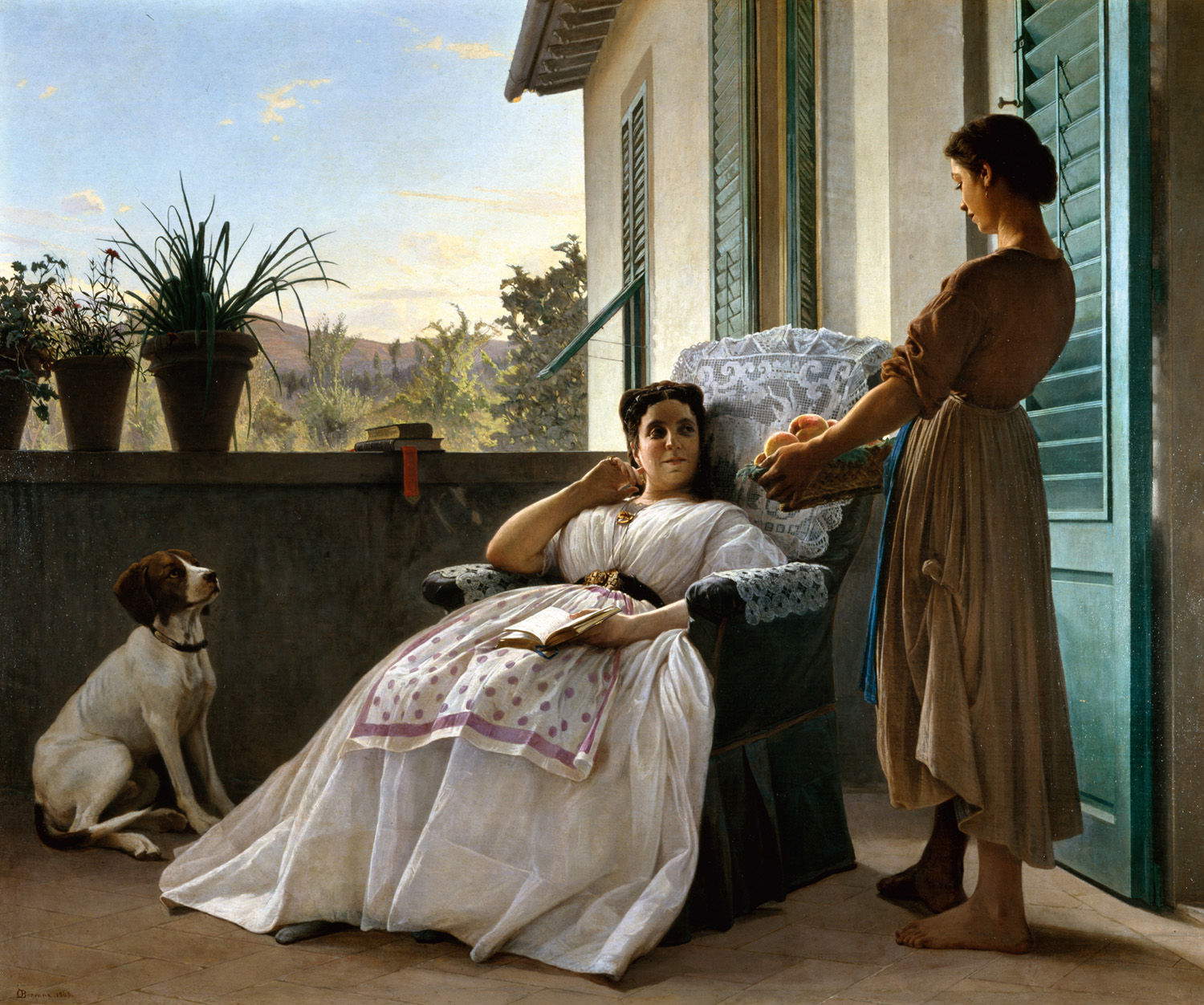
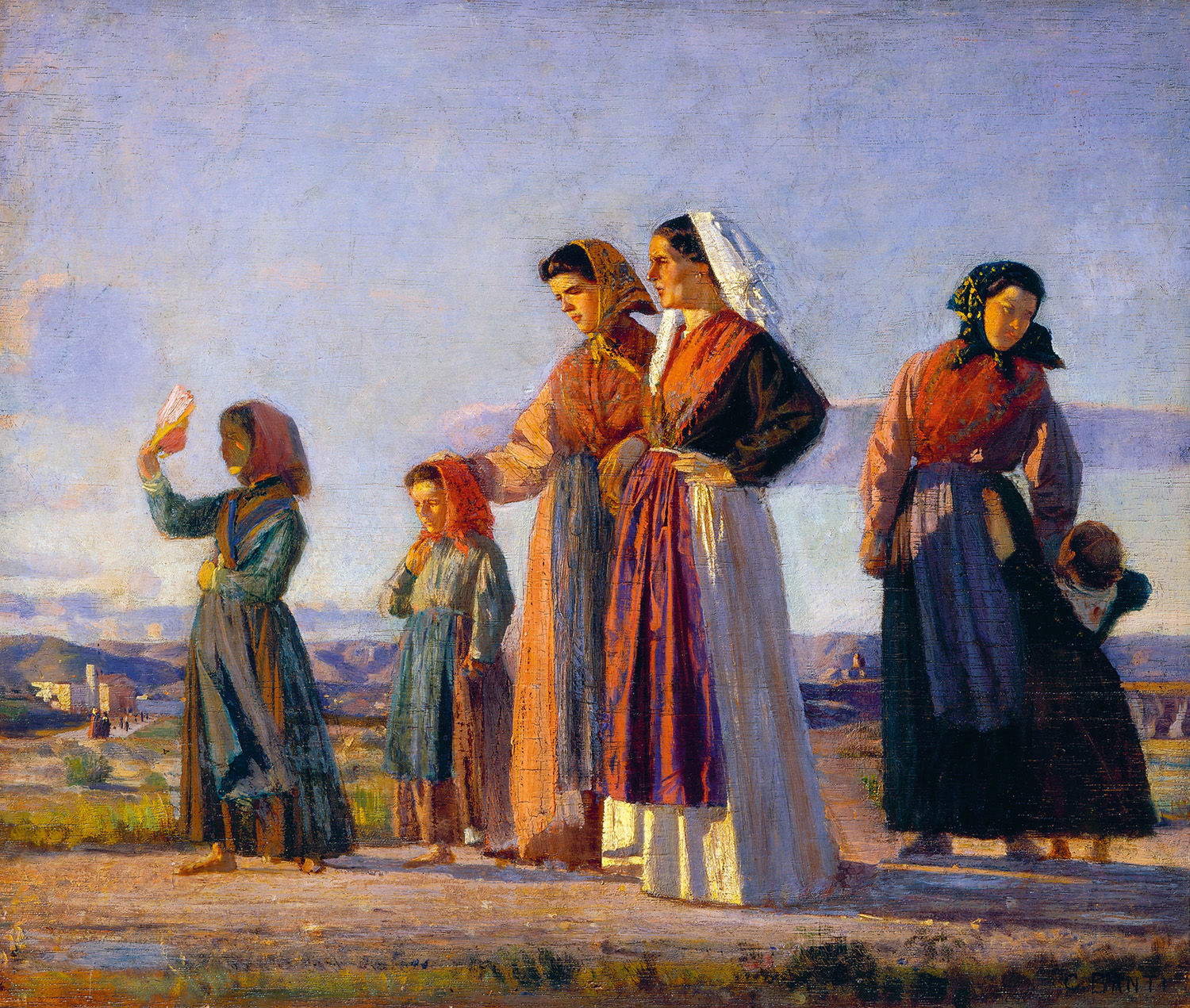
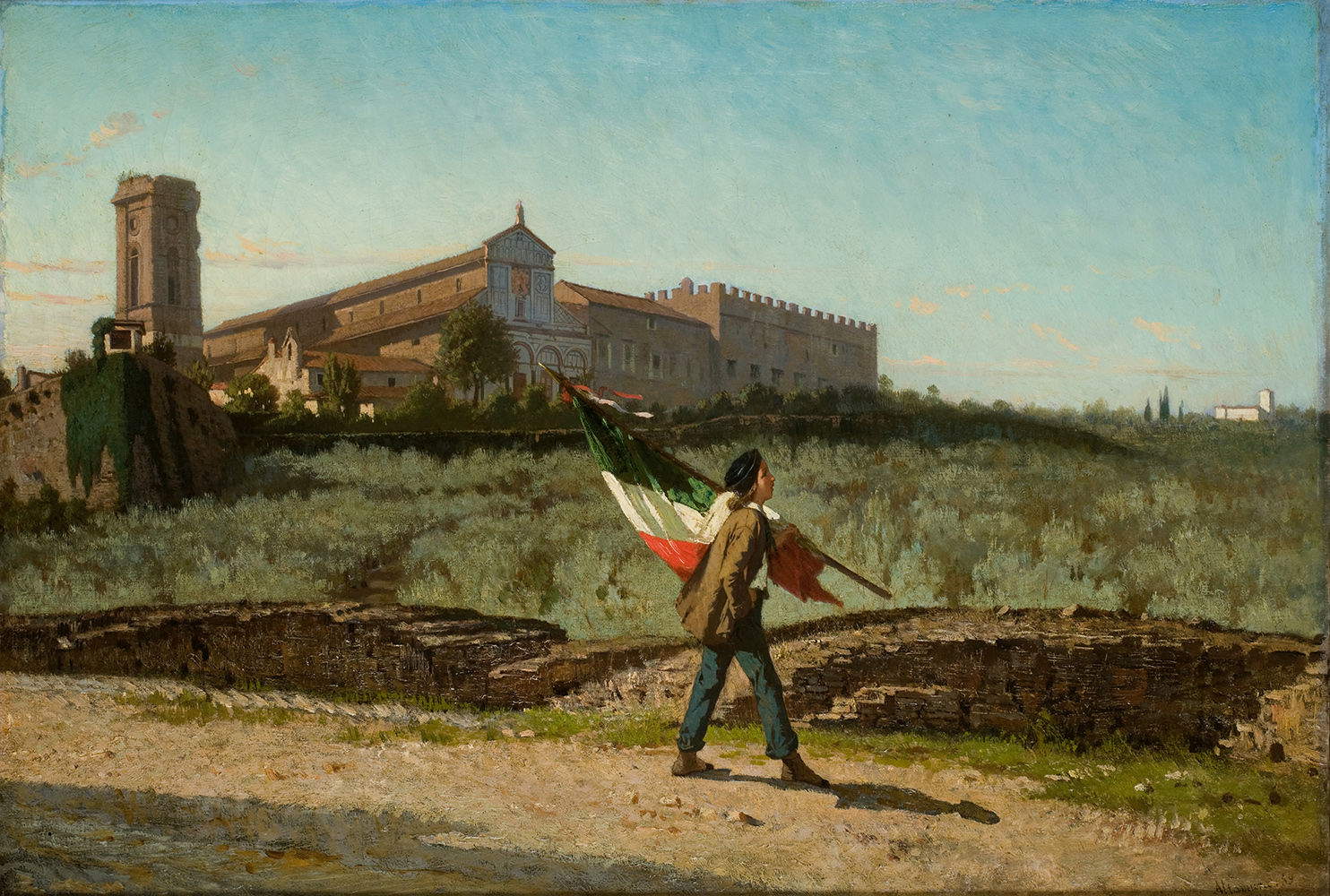
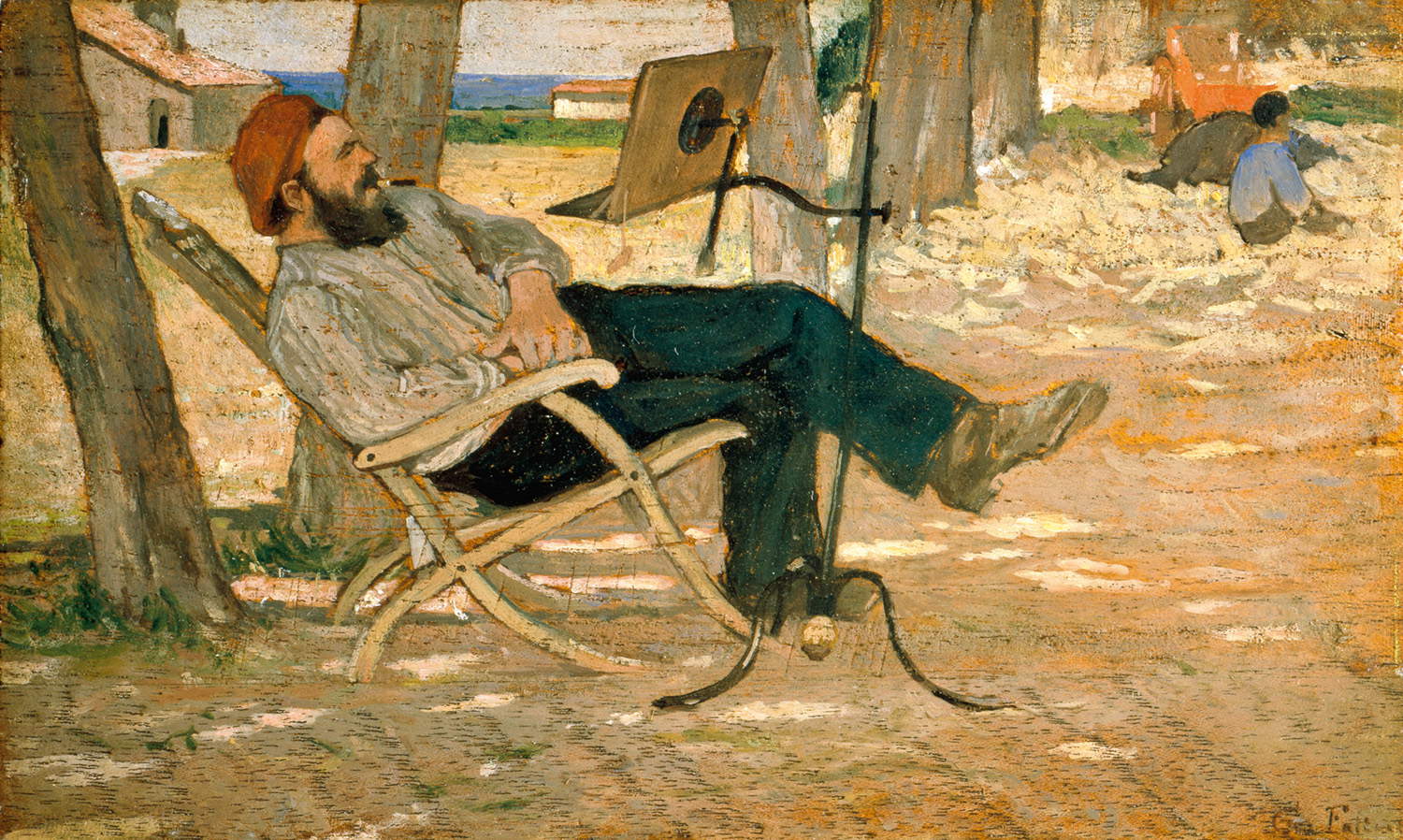
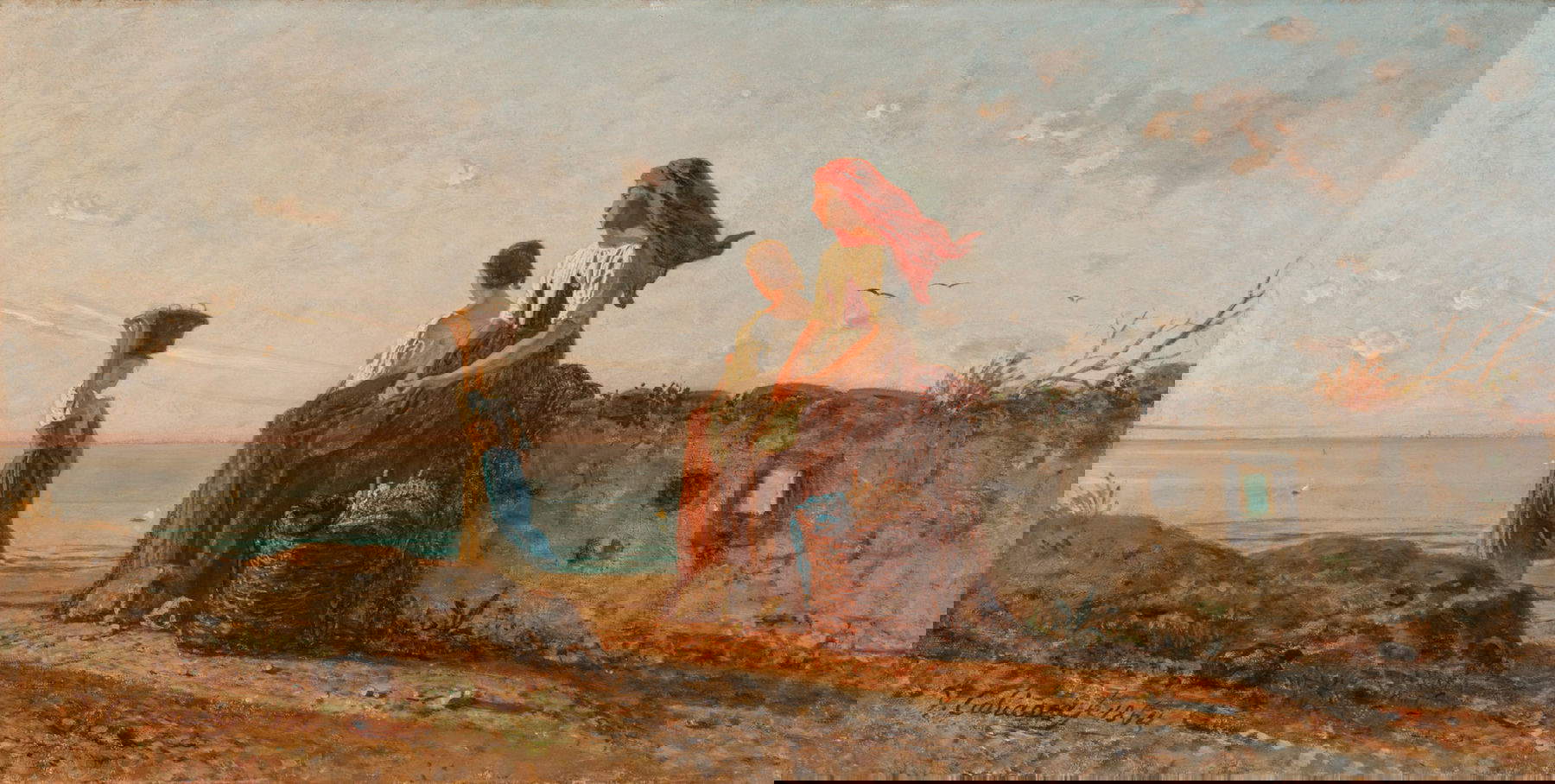
The exhibition integrates innovative digital tools to expand the visitor experience. Sixteen audio stories, developed in collaboration with Audio Tales and ArtUp, can be activated via QR code or app, offering historical and narrative insights into the themes of the Macchia. The podcast series I Macchiaioli - Audio tale of an exhibition, consisting of twelve original episodes, is produced by 24Ore Podcast and is available on Radio 24 and major audio platforms.
The public will also be able to participate in collateral initiatives that explore the link between art, history and culture of the Risorgimento. Palazzo Reale, in collaboration with Palazzo Moriggia | Museo del Risorgimento, offers three lectures open to the public led by the curators, dedicated to the analysis of the works and human and artistic events of the Macchiaioli. The Cineteca Milano is organizing a film show, I Macchiaioli - 7 films between revolutions and illusions, from Feb. 19 to April 9, 2026, while on March 22 the courtyard of the Palazzo Reale will host a reconstruction of society dances in nineteenth-century dress, with waltzes, quadrilles, polkas and galops, accompanied by music of the period. The exhibition catalog, published by 24 ORE Cultura, will be available at the exhibition bookshop, in bookstores and online.
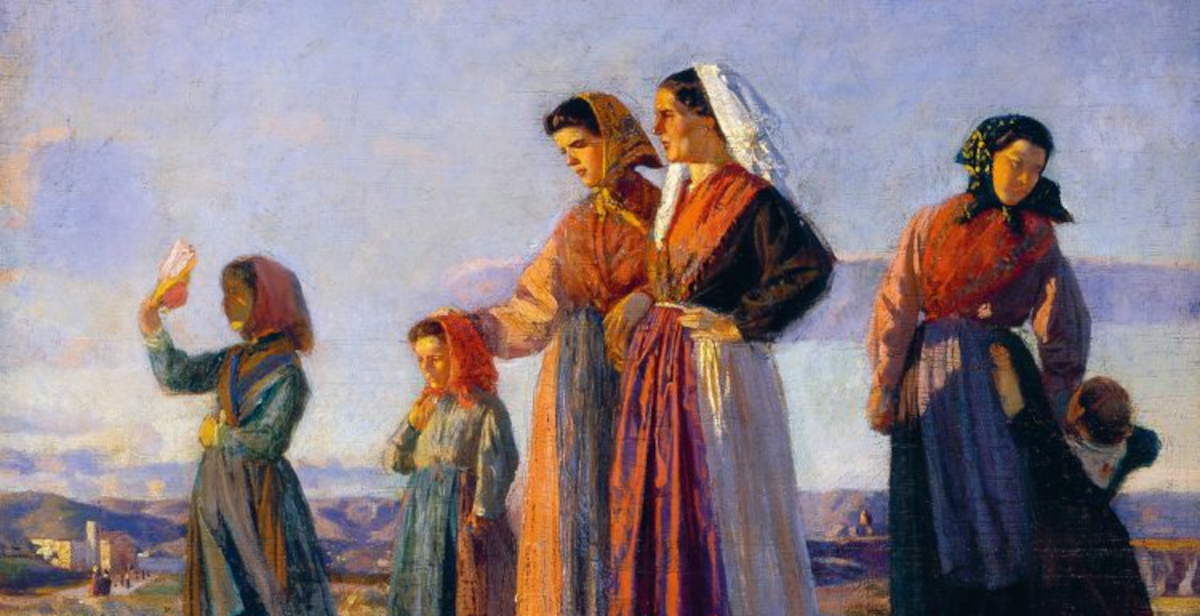 |
| In Milan, Palazzo Reale celebrates the Macchiaioli with a retrospective of more than 100 works |

Warning: the translation into English of the original Italian article was created using automatic tools. We undertake to review all articles, but we do not guarantee the total absence of inaccuracies in the translation due to the program. You can find the original by clicking on the ITA button. If you find any mistake,please contact us.



























 IT
IT FR
FR DE
DE ES
ES CN
CN


