




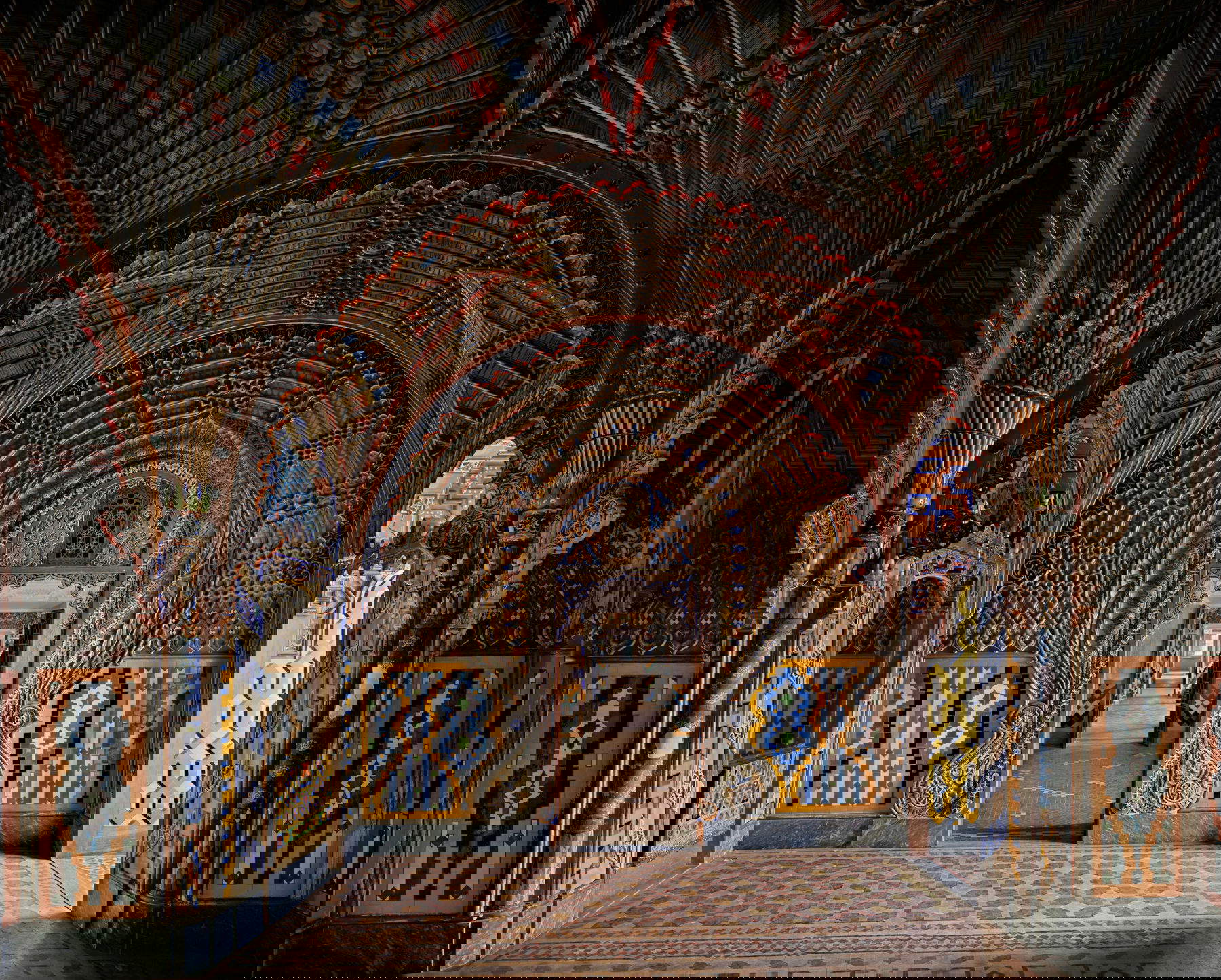
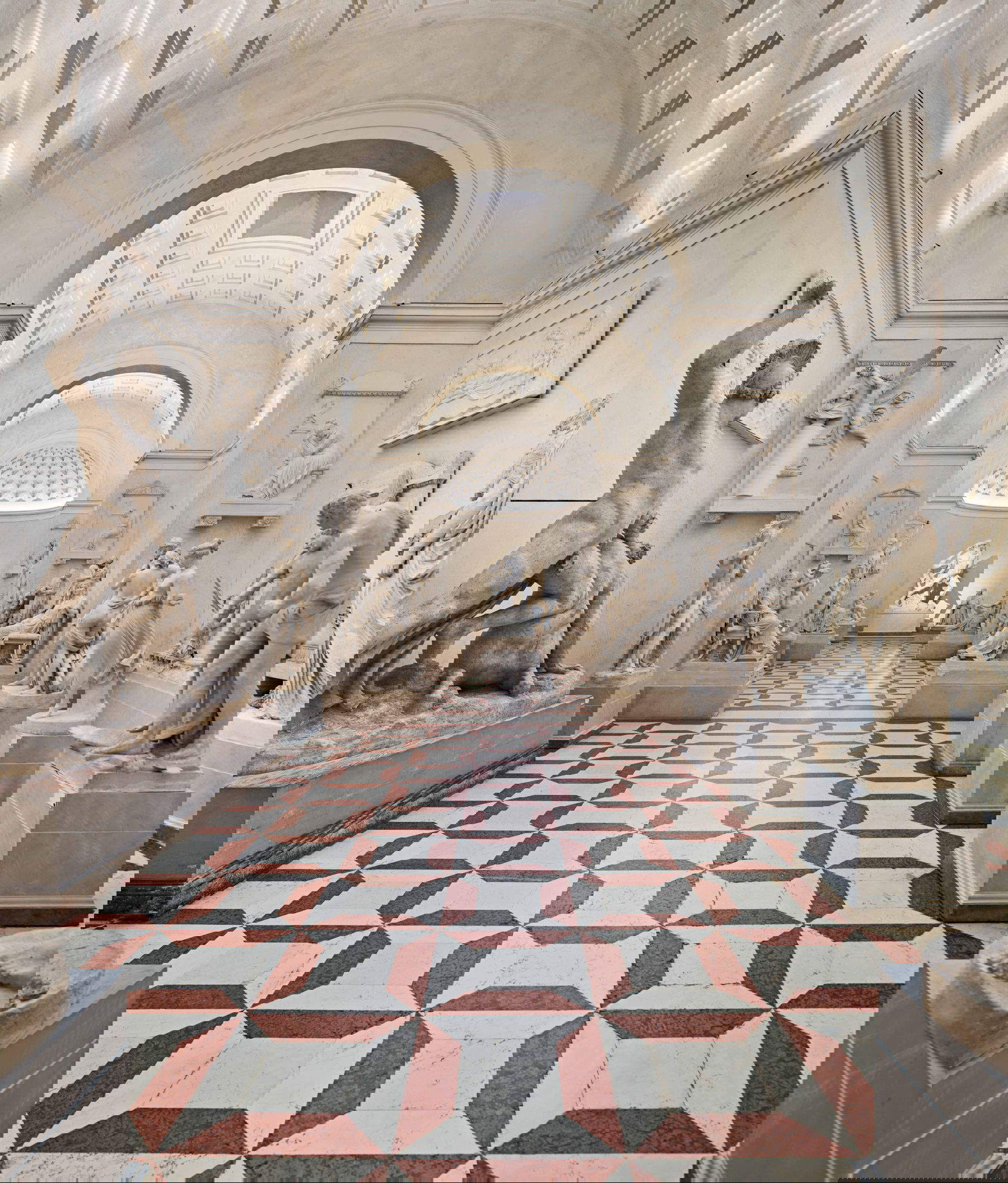
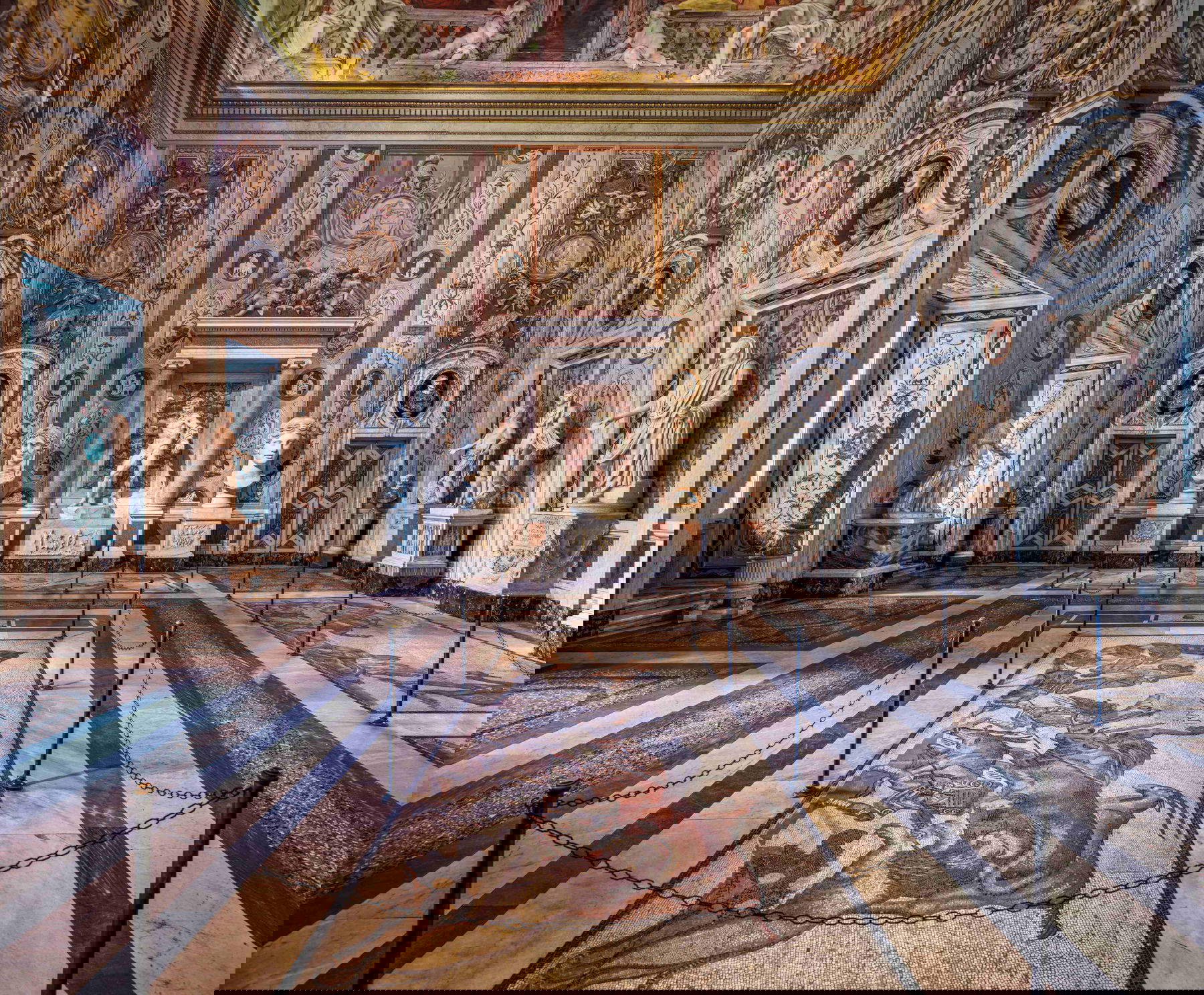
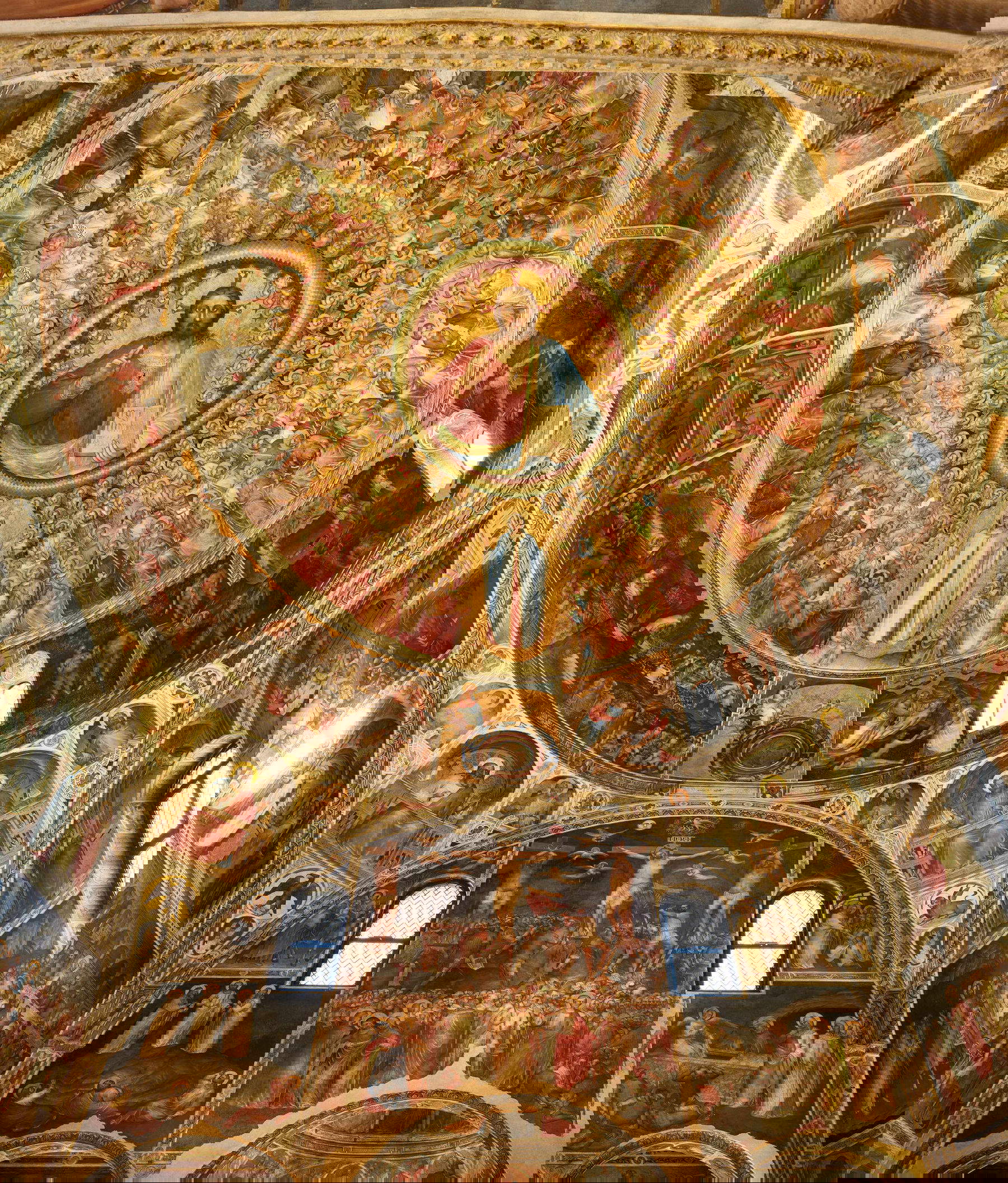
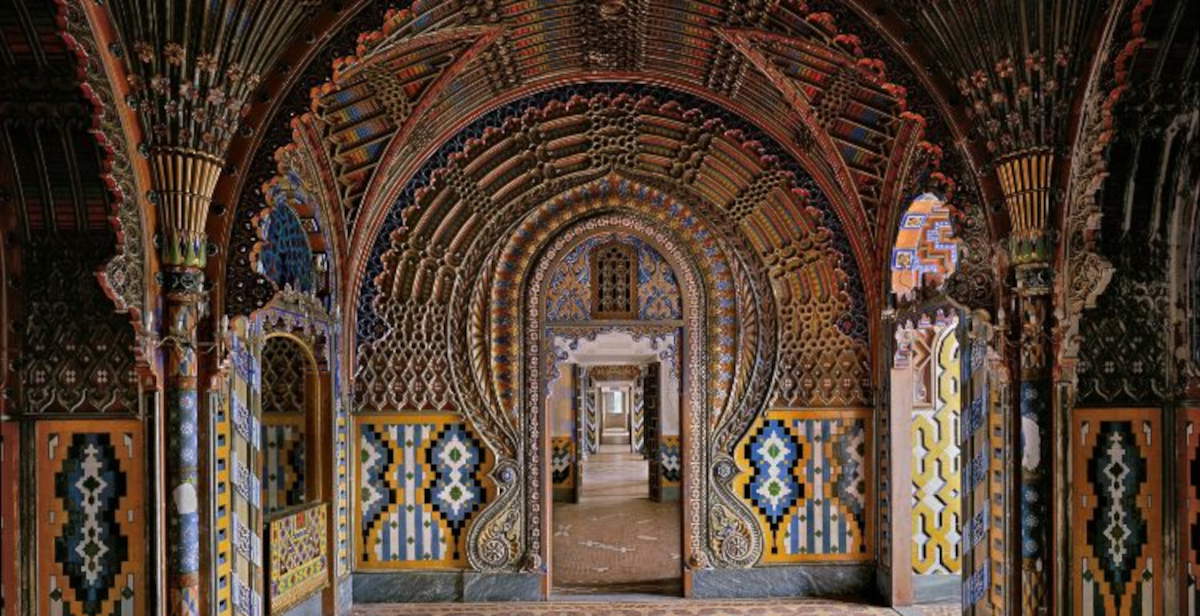
From February 21 to April 6, 2026 The Stanze della Fotografia, on the Island of San Giorgio Maggiore in Venice, will host the exhibition Ahmet Ertuğ. Beyond the vanishing point, curated by Denis Curti. The exhibition, set up on the second floor of the exhibition space, traces more than fifty years of research by Turkish photographer and architect Ahmet Ertuğ, known for an approach that combines investigation, attention to architectural heritage and reflection on built space. The project brings together more than twenty large-format images devoted to cathedrals, theaters, libraries and museums, offering a vision that lies between documentation and interpretation. Ertuğ’s work is distinguished by a slow photographic process, based on long exposures and the exclusive use of natural light, which allows for an in-depth perception of monumental interiors to be restored.
“My training as an architect makes me look at photography as a tool for interpretation: a way to experience and reveal architecture through the eyes of its original creators,” says Ahmet Ertuğ. “The size of my prints reflects not only the physical grandeur of these buildings, but also the vastness of the ideas they embody: faith, knowledge, power and humanity’s relentless pursuit of beauty and order.”
“Ertuğ’s work exists for all intents and purposes to preserve the historical legacy of any city, nation or continent,” Curti notes. “The monumentality of his art is an integral part of UNESCO’s World Cultural Heritage, an opportunity that allows him to extend indefinitely the life of extraordinary places, suspended between memory and light, that deserve to be cherished and admired.”
The exhibition highlights the dialogue between Italian heritage and the Mediterranean area, identifying a symbolic point of contact in the relationship between Venice and Istanbul, cities that historically played a central role along the Silk Road. Among the works presented are the dome of Hagia Sophia in Istanbul and some emblematic examples of Italian architecture, such as the Pantheon in Rome, St. Peter’s Basilica and La Fenice Theater in Venice. According to curator Denis Curti, Ertuğ’s photography is capable of building a conceptual bridge between East and West, combining Asian-style attention to detail with a central European perspective. The images, often made in places that are difficult to access, offer the viewer a novel vision of architectural space.
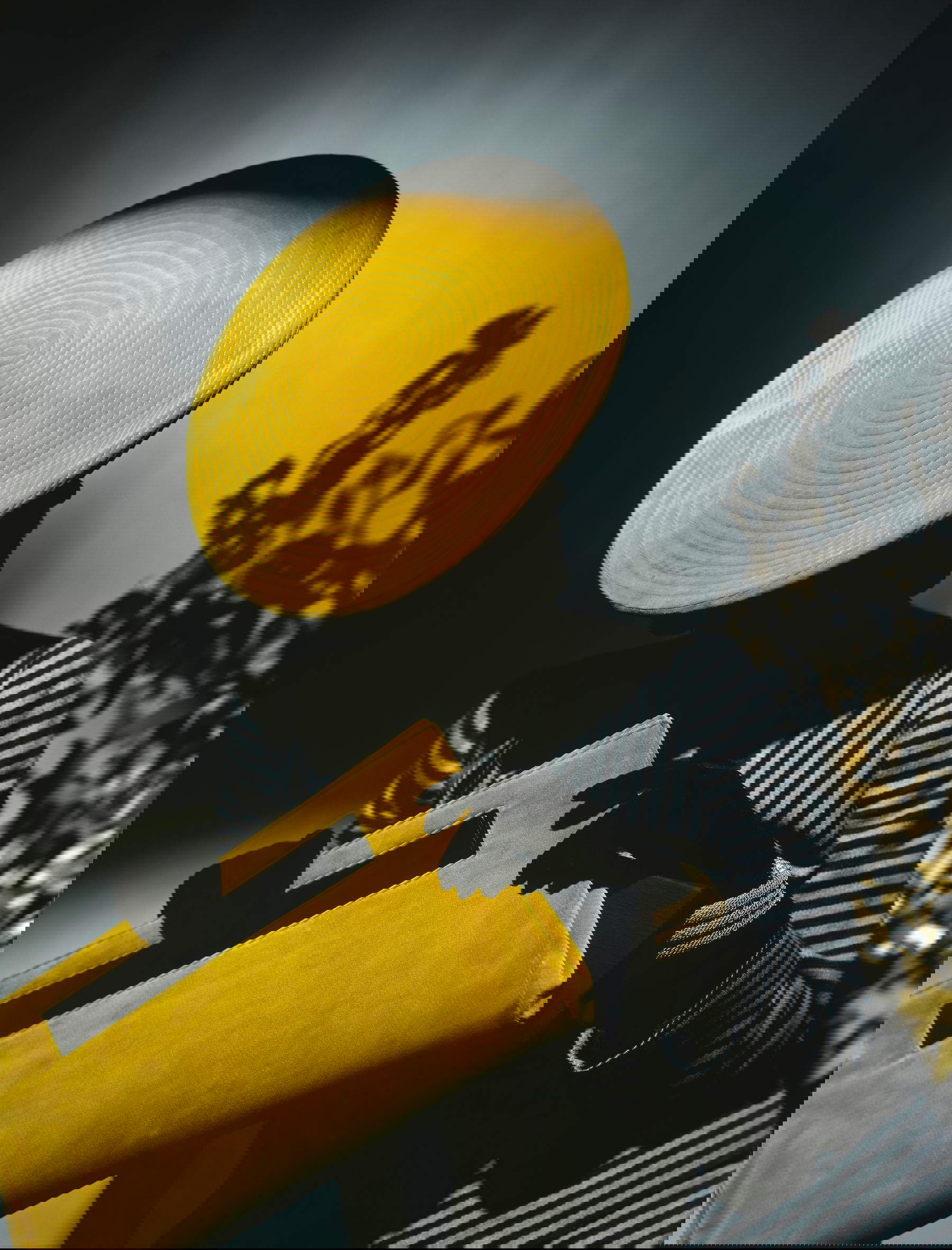
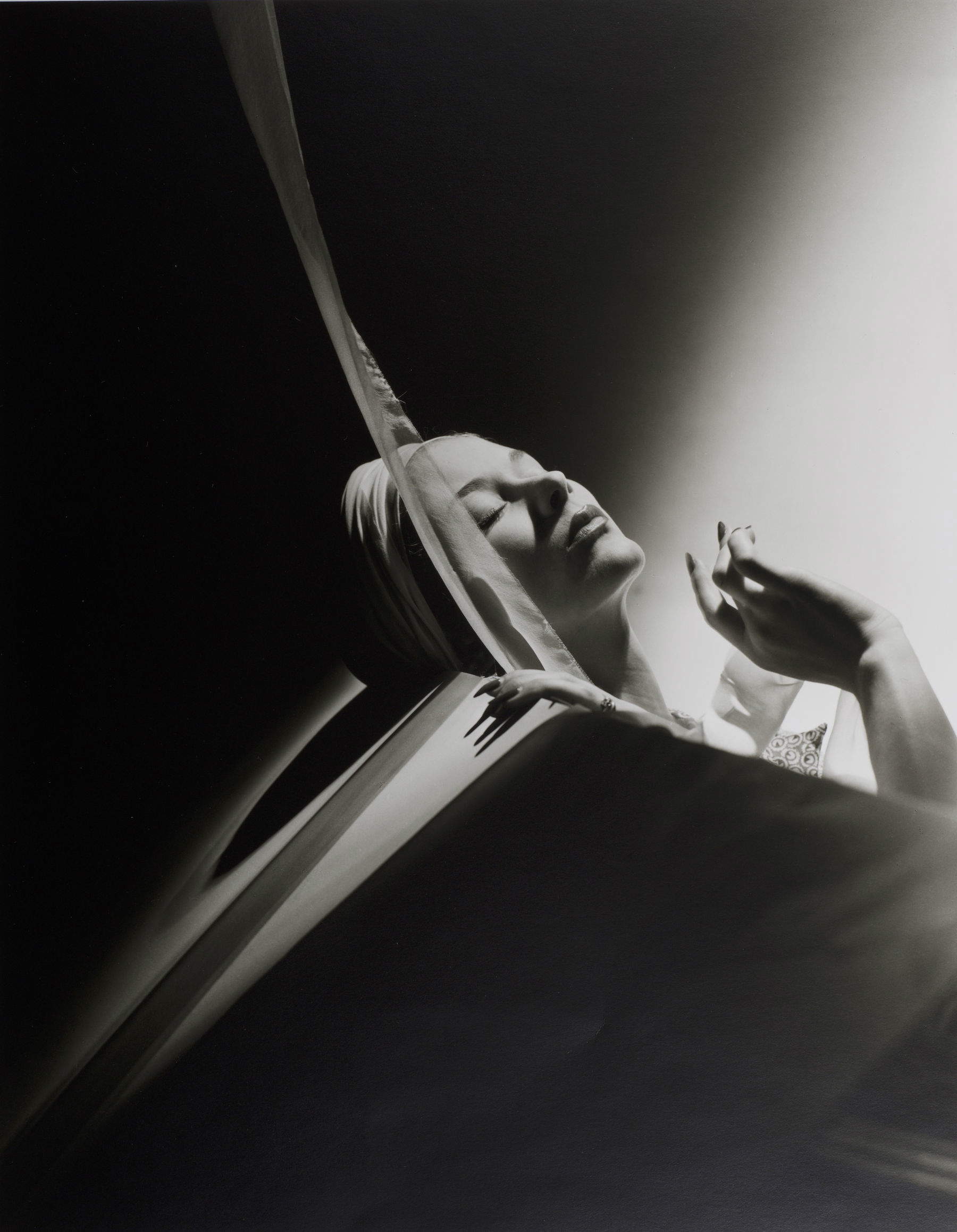
The 2026 programming of The Rooms of Photography continues, from February 21 to July 5, with the exhibition Horst P. Horst. The Geometry of Grace, curated by Anne Morin in collaboration with Denis Curti. The exhibition is dedicated to one of the leading figures in twentieth-century photography, Horst P. Horst, who was born in 1906 in Weissenfels-an-der-Saale, Germany, and died in 1999 in Florida. The exhibition offers an articulate reading of his work, going beyond the image of the fashion photographer linked to the pages of Vogue.
“Horst P. Horst’s photographic language is not limited to capturing the visible,” explains curator Anne Morin, “but stems from a search for the essence, a desire to capture that living and vibrant dimension of the real in which each image contains ’that glimmer of truth’ that Plato defined as beauty par excellence. His work is thus inscribed in a tradition in which beauty is not mere appearance, but the manifestation of something that transcends the real.”
“Horst does not seek ephemeral decoration, but an elegance that flows from the perfection of forms and the purity of lines,” Denis Curti points out. “His is a bold and innovative exploration, a continuous dialogue between figure and background, where formal rigor merges with artistic sensibility, in a masterful synthesis of European modernism and fashion photography.”
More than three hundred works are on display, many of them presented for the first time, including color photographs arriving in Italy on this occasion, vintage prints, drawings, documents and unpublished materials. The ensemble returns an author who conceived of photography as a rigorous construction of form and light, understood as visual architecture founded on proportion and balance. Horst’s training in architecture, gained between Hamburg and Paris, and his experience alongside Le Corbusier, emerge as central elements of his poetics, in which influences from Bauhaus, classicism and modernism converge. The exhibition traverses the different areas of Horst’s production, from fashion photography to flowers, still lifes and portraits of personalities such as Ingrid Bergman, Maria Callas, Coco Chanel, Salvador Dalí, Marlene Dietrich, Yves Saint Laurent, Gianni Versace and Luchino Visconti. The exhibition highlights a constant search for harmony and proportion, understood as principles capable of uniting formal rigor and sensuality.
Alongside the exhibition, Le Stanze della Fotografia Foundation launched anopen call aimed at young photographers and female photographers under 30, inspired by the themes of the exhibition dedicated to Horst P. Horst. The competition invited participants to take three shots based on the quote “Fashion is an expression of time. Elegance is something else.” The entries will be judged by a jury composed of Denis Curti, Gert Elfering, Francesca Malgara, Francesca Marani and Anne Morin. Four to six finalists will be selected from the participants and announced during a press conference on February 20, 2026. The selected works will be displayed for the duration of the exhibition at the Rooms of Photography and also presented at the institution’s booth at the MIA Photo Fair in Milan, scheduled for March 19-22, 2026, where the public will be able to cast their votes. The three winners will be announced at the end of the fair.
 |
| In Venice, The Rooms of Photography dedicate two exhibitions to Ahmet Ertuğ and Horst P. Horst |

Warning: the translation into English of the original Italian article was created using automatic tools. We undertake to review all articles, but we do not guarantee the total absence of inaccuracies in the translation due to the program. You can find the original by clicking on the ITA button. If you find any mistake,please contact us.


























 IT
IT FR
FR DE
DE ES
ES CN
CN


