





From March 1 to April 26, MIC Faenza ’s Project Room hosts World of Plenty, a new installation by Itamar Gilboa (Netherlands, 1973), curated by Alessandra Laitempergher and conceived specifically for the museum’s spaces. The project addresses the paradox between abundance and scarcity of food in the contemporary world, placing it in the vein of research the artist has been conducting for more than 15 years on food systems, environmental responsibility and global inequalities.
Gilboa’s investigation began with the Food Chain Project (FCP), an autobiographical journey focused on personal consumption that has expanded over time to include a critical reflection on food distribution on a global scale, waste and resource scarcity. His focus on the systemic dynamics of food and their environmental repercussions led the artist to be invited to COP26, the United Nations Climate Change Conference held in Glasgow, where he created a work that contributed to the international debate on the relationship between the climate crisis and food waste, reaching an audience of millions and solidifying the link between environmental emergency and patterns of production and consumption.
“I started this project in 2020, when hunger was already one of the most pressing challenges worldwide,” says Itamar Gilboa. "Today the situation is even more critical. All over the world, communities are facing catastrophic food insecurity, while the United Nations’ Zero Hunger goal of ending hunger by 2030 is moving further and further away. World of Plenty is a rallying cry, a refusal to accept hunger as something normal."
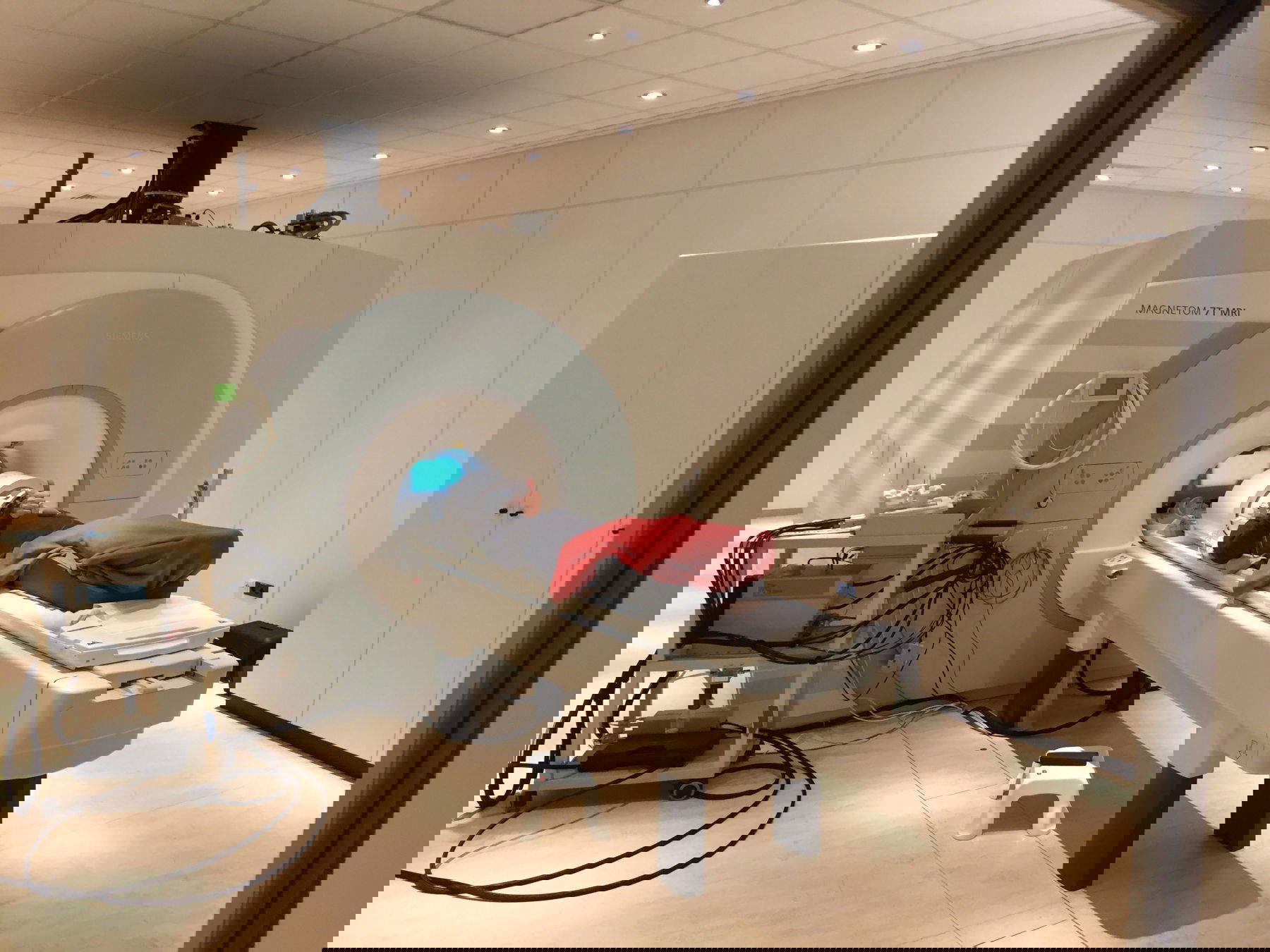
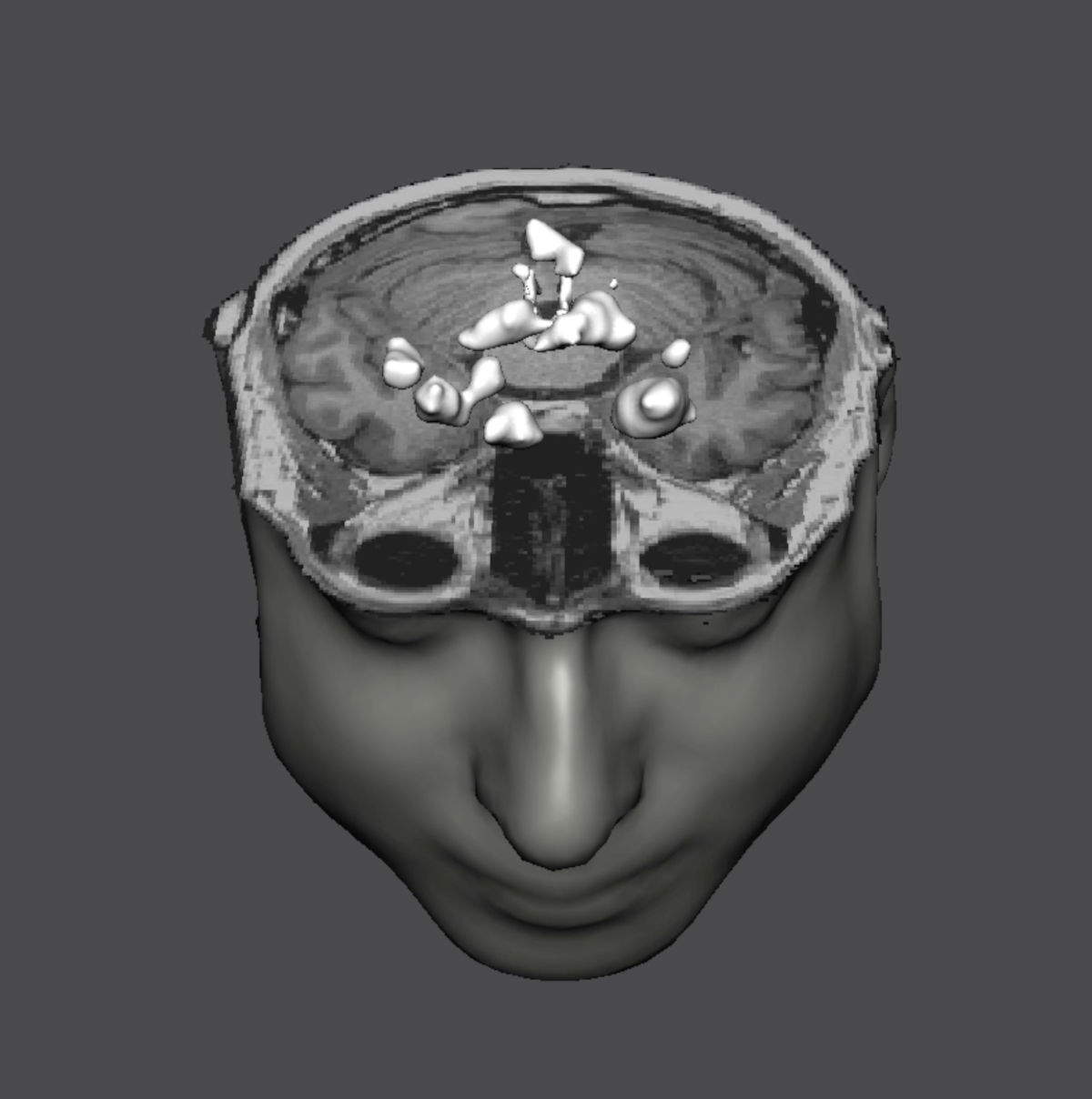
World of Plenty represents a new chapter in this quest. The installation combines ceramic sculptures and video, integrating neuroscientific technologies to explore the physical, neurological and social dimensions of hunger. At the center of the installation are 260 ceramic sculptures reproducing brain cells. The number corresponds to people who starve to death every fifteen minutes, a time frame comparable to the time it takes to eat a quick meal, take a break between two meetings, or visit an exhibition. The quantitative figure translates into a material presence that occupies the exhibition space, establishing a direct relationship between daily time and mortality. To develop the project, Gilboa used functional magnetic resonance imaging, analyzing his own brain activity under the stimulus of hunger. From the obtained tracings, three-dimensional models were developed, which were later 3D printed and transformed into ceramic sculptures. The works rest on handmade tiles that reproduce sections of the artist’s brain. The anatomical reference refers to the biological vulnerability of the individual, while the multiplication of elements evokes the social consequences of food inequality.
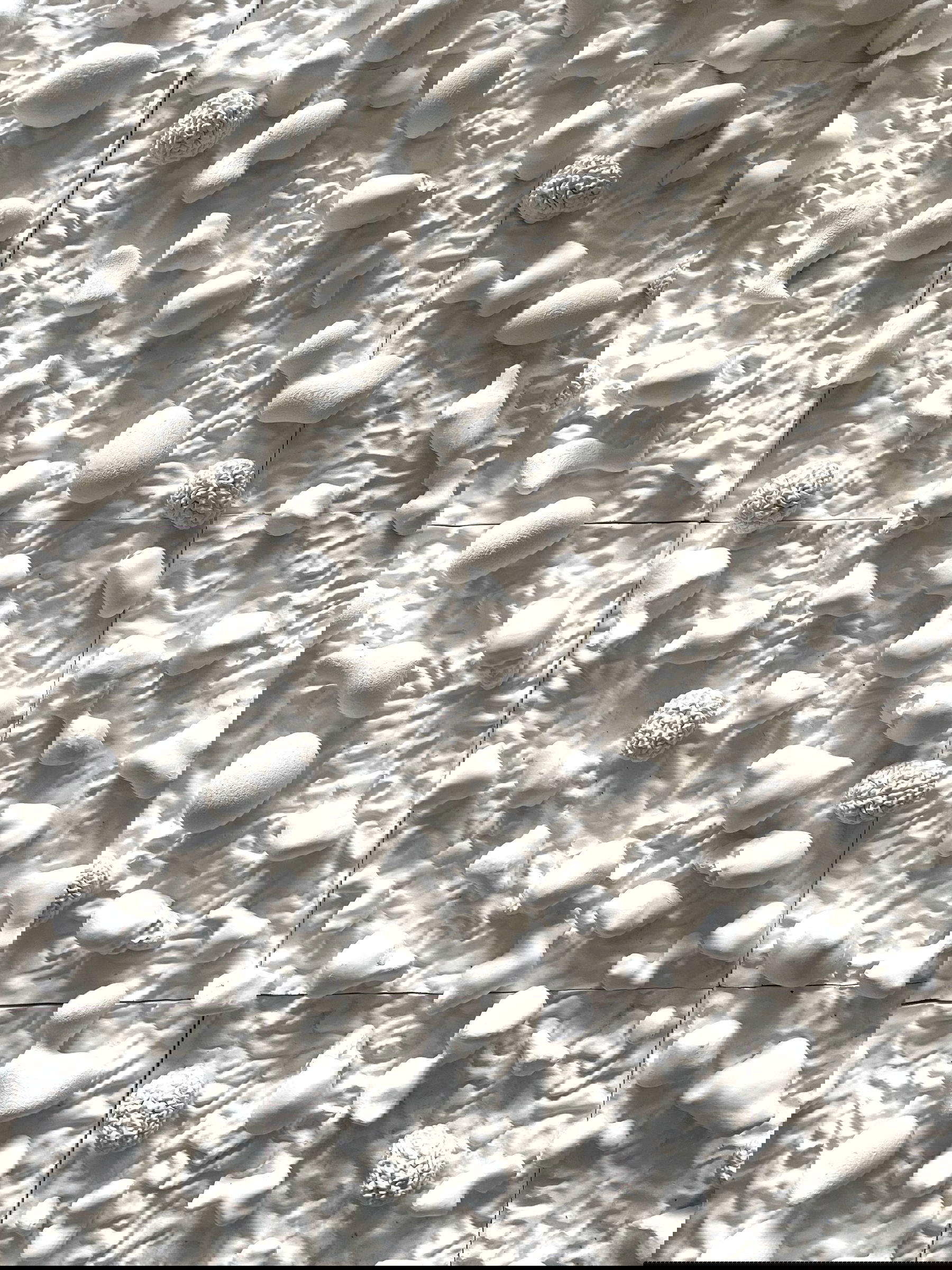
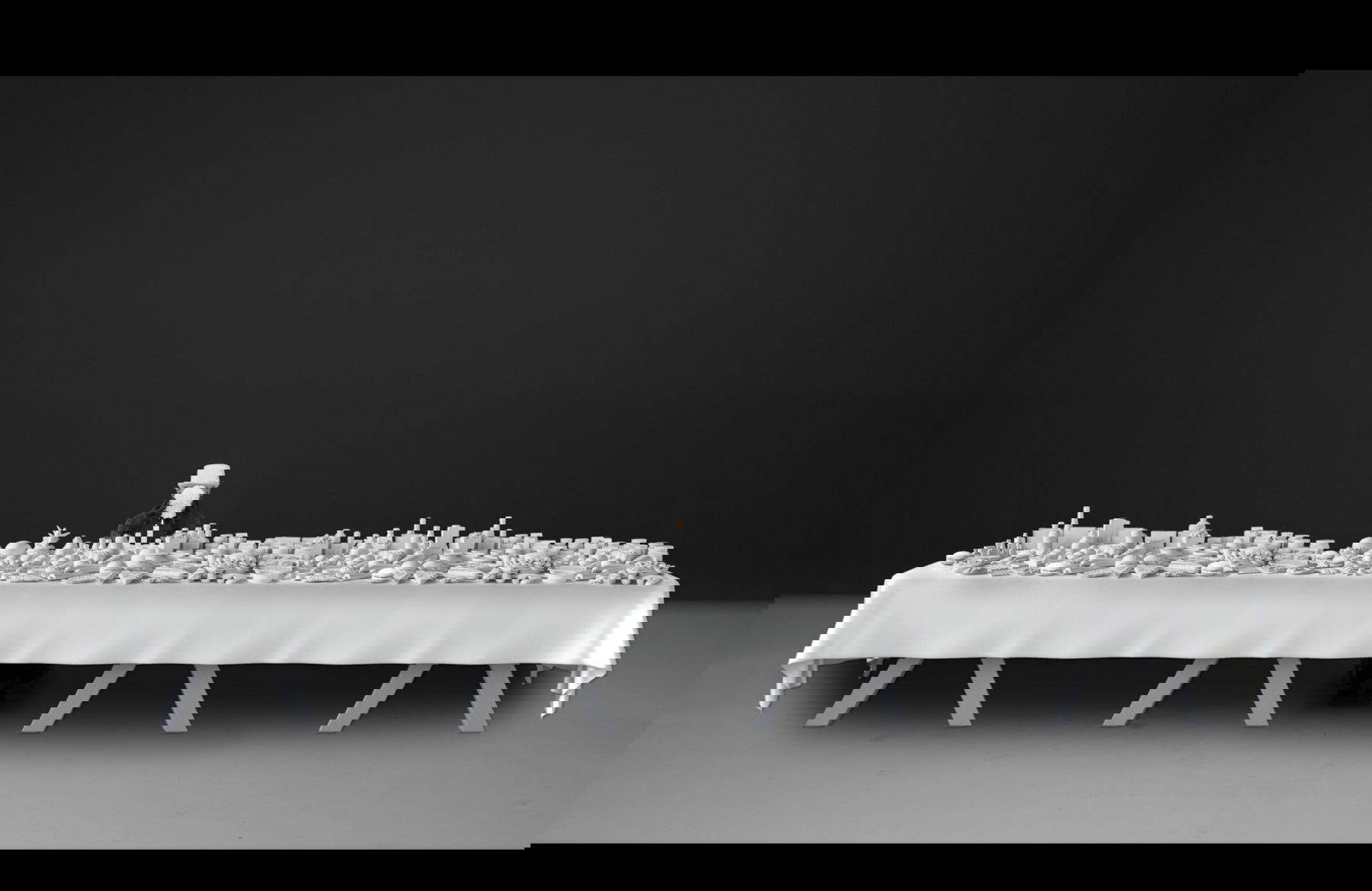
The installation also includes a screen showing a real-time count of hunger victims, translating lives into a continuous numerical sequence. Rounding out the exhibition is a preview presentation of the first part of Gilboa’s new film, also titled World of Plenty. The opening chapter is accompanied by the sound of falling drops, a sound element that marks time and introduces a perceptual dimension related to waiting and repetition. The project interweaves personal experience and collective dimensions, shifting the focus from individual perception to shared awareness of the food crisis. The sculptures were made in collaboration with Aida Bertozzi / Casa degli Artisti, with the aim of ensuring a high level of craftsmanship in the translation of neuroscientific models into ceramic artifacts. On the occasion of the opening, the artist will present a live performance in dialogue with Part One, the first chapter of the film, offered to the public for the first time in the spaces of the Faenza museum.
Itamar Gilboa, an artist living in Amsterdam, develops a practice at the crossroads of art, technology, scientific research and environmental issues. Through a rigorous process of data analysis and systematization, he creates sculptural installations in which personal information is reworked in statistical form, converting the individual dimension into a space for collective reflection.
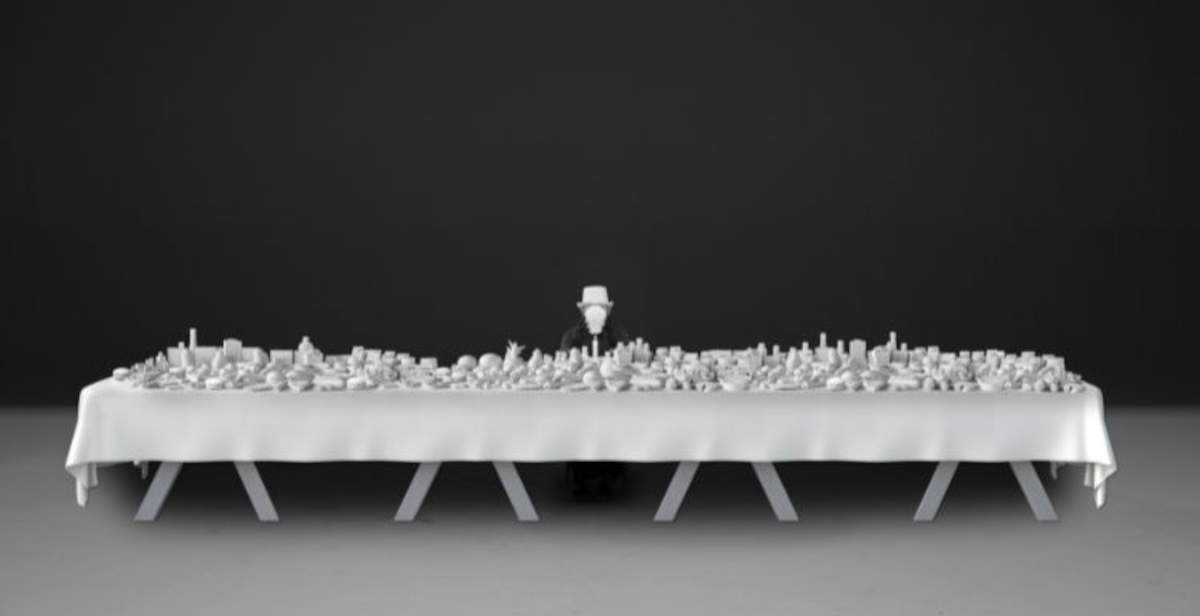 |
| Itamar Gilboa at MIC Faenza: 260 sculptures against global hunger |

Warning: the translation into English of the original Italian article was created using automatic tools. We undertake to review all articles, but we do not guarantee the total absence of inaccuracies in the translation due to the program. You can find the original by clicking on the ITA button. If you find any mistake,please contact us.

























 IT
IT FR
FR DE
DE ES
ES CN
CN


