





The Castello di Rivoli Museo d’Arte Contemporanea presented its exhibition program for 2026, articulated in a sequence of exhibitions and projects that combine commissions, historical reinterpretations and contemporary practices. The calendar is in keeping with the institution’s line of research, which continues to offer itself as a place for critical production and interpretation of the present through dialogue between the Permanent Collection and new works. The program includes the second edition of Inserzioni, a commission project that introduces site-specific interventions within the rooms dedicated to the Collection, two monographic exhibitions dedicated to Cecilia Vicuña and Marisa Merz, and a new version of the participatory project for non-adults The Enchanted Castle. The different initiatives are developed throughout the year, involving multiple spaces of the Museum and a wide group of curators and partner institutions.
Advertisement, curated by Francesco Manacorda, will run from March 26 to August 2026 in spaces on the first and second floors of the Castle building. The six-monthly project will feature works specifically conceived to dialogue with the museum’s courtly rooms, their unfinished architecture and the art-historical itinerary proposed by the Permanent Collection. In this way, the halls are transformed into a constantly changing group exhibition, in which new works are grafted into the existing exhibition fabric. The second edition of Insertions involves Gabriel Chaile, born in Argentina in 1985, Lonnie Holley, born in the United States in 1950, and Huda Takriti, born in Syria in 1990, whose intervention is curated by Linda Fossati. The project aims to welcome new voices and reintroduce figures, movements and geographic areas that have so far not found full representation within the Castello di Rivoli Collection. A third edition of Advertisements is already planned, running from September 2026 to February 2027.
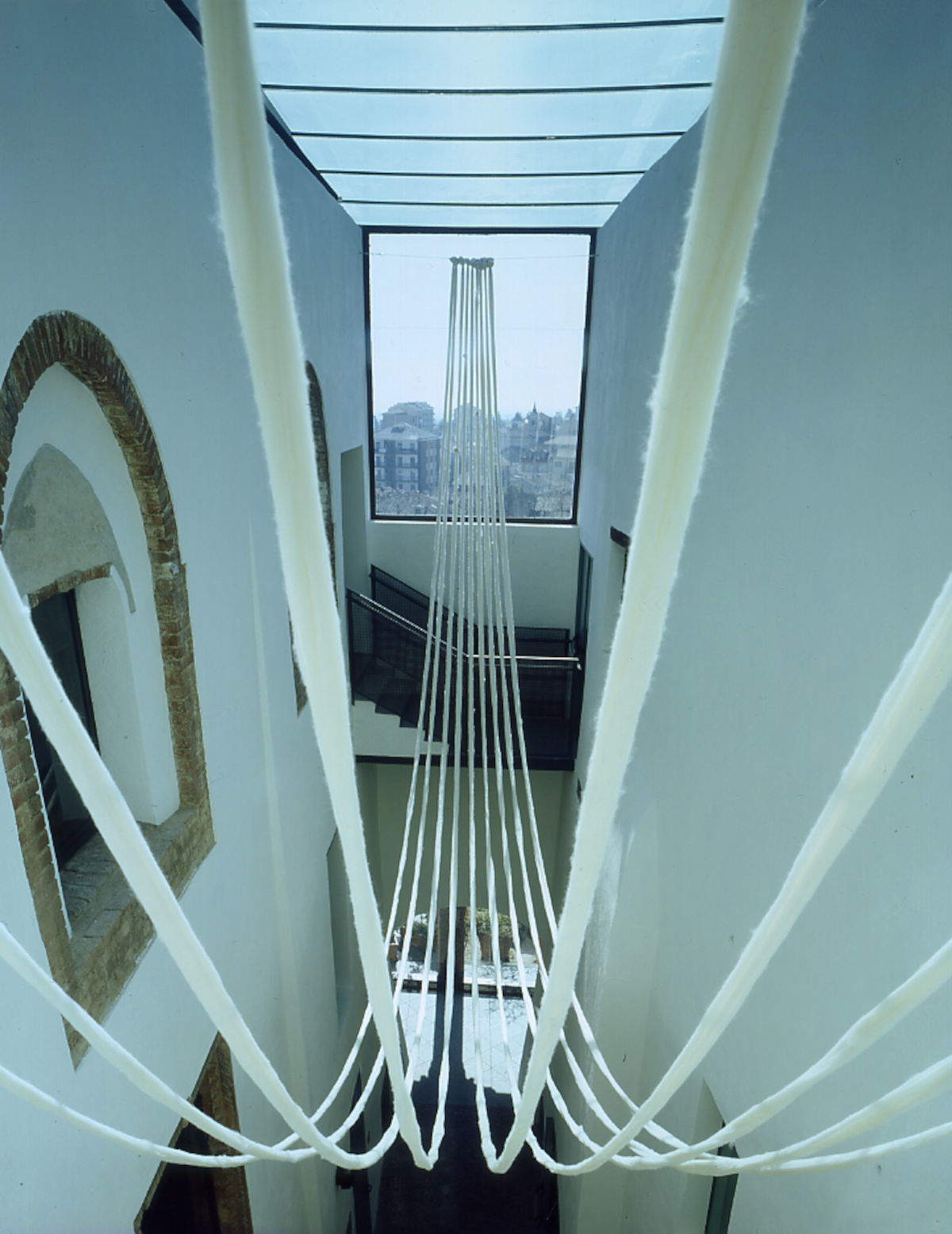
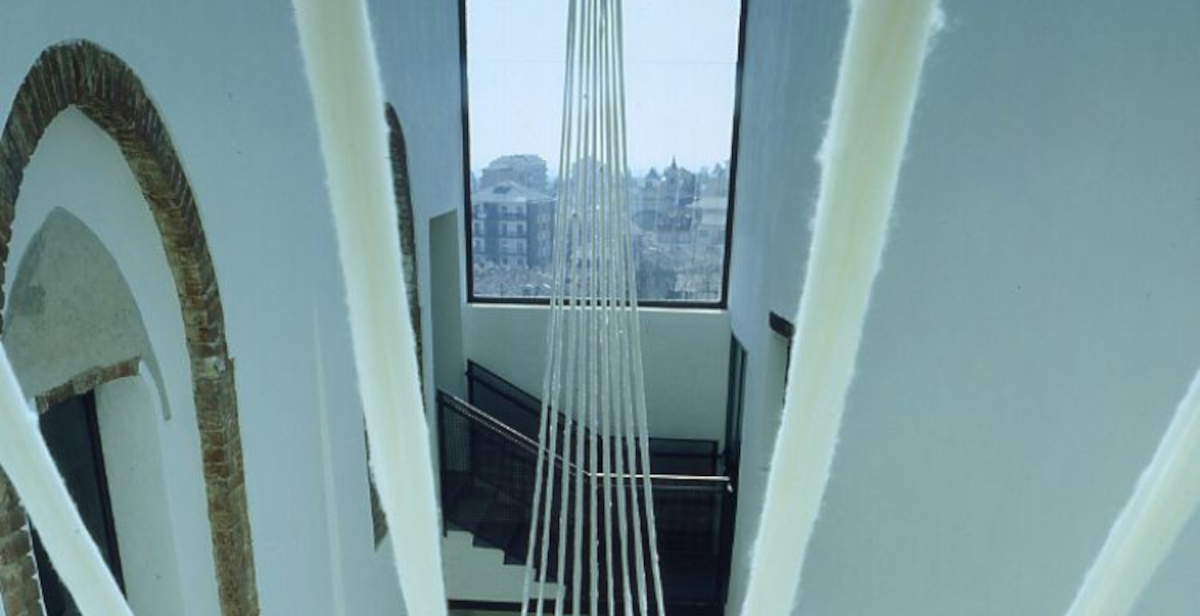
From April 30 to September 2026, the Manica Lunga on the third floor will host Cecilia Vicuña - El glaciar ido (The Disappearing Glacier), curated by Marcella Beccaria. This is the artist’s first solo exhibition in an Italian museum. Born in Santiago, Chile in 1948 and living in New York City, Vicuña is an artist, poet and activist whose practice spans performance, poetry, drawing, painting, video and installations, both minimal and monumental in scale. Vicuña’s work develops from feminist and ecological thinking, with a focus on the defense of democracy, freedom of expression and decolonial practices oriented toward the protection of the cultural legacies of indigenous peoples. Since her beginnings in the 1960s, the artist has developed the concept of Precarious Art, a definition that reflects a practice based on precariousness, the use of ephemeral materials and the absence of colonial legacies in terminology and creative processes. His works, often participatory, are made from detritus and found materials and develop in relation to the places and communities with which they come into contact. The exhibition at the Castello di Rivoli consists of a new commission designed specifically for the Manica Lunga, inspired by the human and geological history of the area. It will include a focus on the artist’s poetic production and a selection of video works, integrating images, sounds and songs that have been a structural part of his practice since its origins.
From Oct. 29, 2026 to April 4, 2027, also in the Manica Lunga on the third floor, the Castello di Rivoli will present Marisa Merz - The Dance of the Hours, an exhibition that is part of an exhibition project organized with the Merz Foundation and GAM - Galleria Civica d’Arte Moderna e Contemporanea di Torino. The initiative was created on the occasion of the celebrations for the centenary of Marisa Merz’s birth and involves three institutions, each of which proposes a separate chapter of the project, entrusted to a dedicated curatorial team. The exhibition is curated by Francesco Manacorda with Marianna Vecellio, Chiara Bertola with Chiara Parisi, and Beatrice Merz with Sébastien Delot.
Marisa Merz, the only female protagonist of the Arte Povera movement, crossed different languages throughout her career, including painting, sculpture, drawing, video and installation. The three exhibition chapters aim to return a choral and articulate portrait of the artist, highlighting the complexity of her contribution to Italian and international art. The stage at the Castello di Rivoli begins with the reconstruction of E il naufragar m’è dolce in questo mare, an exhibition project presented by Marisa Merz in 1980 at the Tucci Russo gallery in Turin and later re-proposed in the same year at the Venice Art Biennale. In line with the artist’s practice, the installation constitutes the core of the exhibition, from which themes and lines of research branch out. The exhibition project is completed with the participation of contemporary artists who are formally or conceptually inspired by Merz’s work or who continue his innovative approach, characterized by processes of continuous transformation and successive interventions of modification and addition.
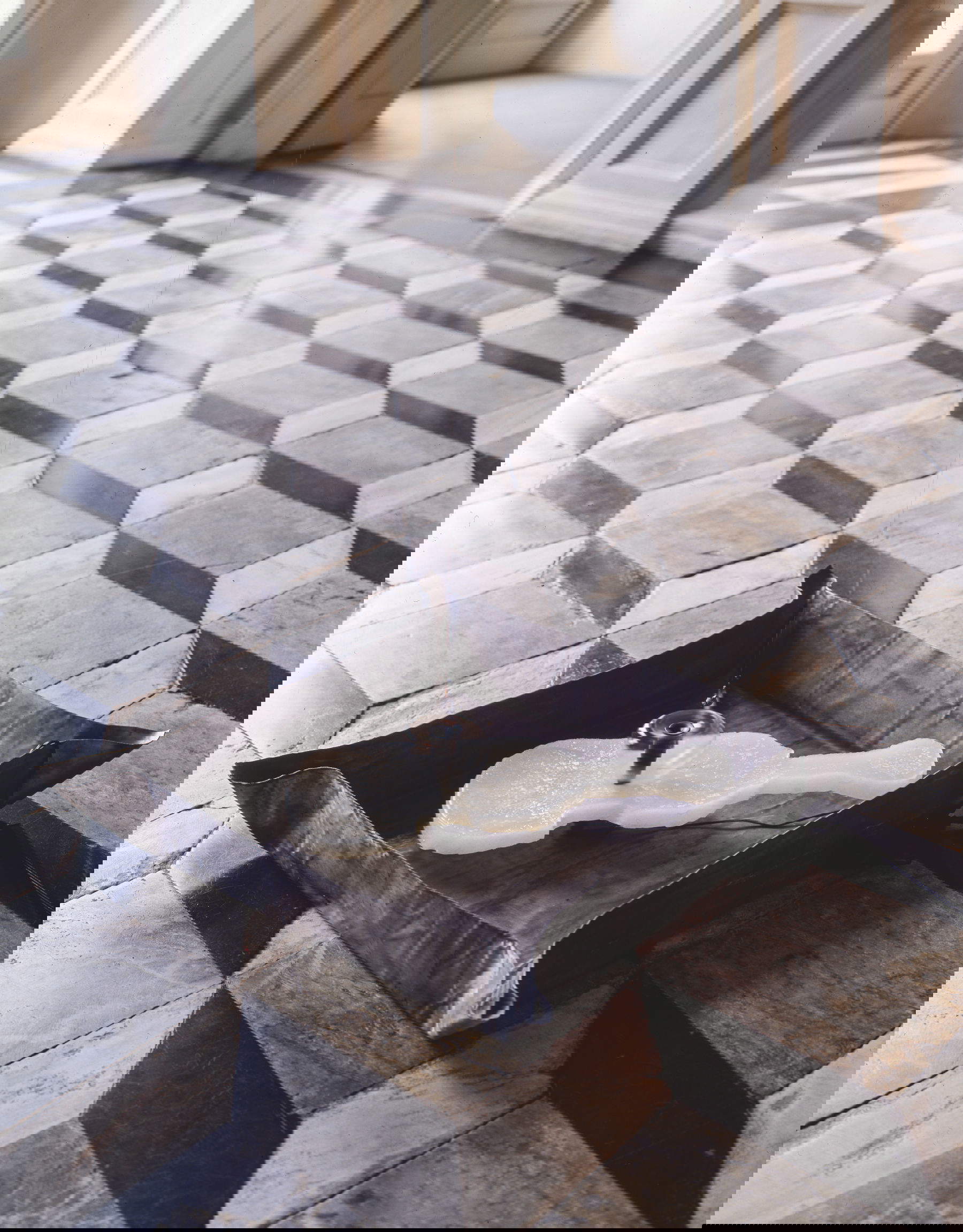
Also taking shape during spring 2026 will be The Enchanted Castle 2.0, a new evolution of the participatory project dedicated to non-adults that was launched on the occasion of the museum’s 40th anniversary. The project is being developed with the curatorial collaboration of Marcella Beccaria, Francesco Manacorda, and Paola Zanini and confirms the Castello di Rivoli’s focus on younger audiences. The new exhibition includes works and interventions specifically designed for children and adolescents. These include a collaborative project by Rivane Neuenschwander, created with local children and focused on the creatures that populate the dreams and nightmares of children’s imaginations. The dialogue with artists in the Museum’s Collection continues through the inclusion of works and installations by John Baldessari, William Kentridge, Eduardo Navarro, Paola Pivi, and Remo Salvadori. Starting in the spring, The Enchanted Castle 2.0 is intertwined with The School of Curiosity, a new initiative of the Education Department that proposes the Museum as a space for thought activation and question generation. Programs aimed at schools, families, and adults focus on activating curiosity about what is not yet known and what the works and artists invite us to explore. With the 2026 program, the Castello di Rivoli articulates a calendar that connects contemporary commissions, historical reinterpretations and educational projects, strengthening the dialogue between artistic production, curatorial research and the public.
Huda Takriti ’s project is produced in collaboration with Phileas - The Austrian Office for Contemporary Art.
 |
| Rivoli Castle unveils 2026 exhibition program |

Warning: the translation into English of the original Italian article was created using automatic tools. We undertake to review all articles, but we do not guarantee the total absence of inaccuracies in the translation due to the program. You can find the original by clicking on the ITA button. If you find any mistake,please contact us.




















 IT
IT FR
FR DE
DE ES
ES CN
CN


