




The 49th edition of Arte Fiera in Bologna opens under a light of substantial interest and curiosity for the passing of the baton to the artistic direction, which sees Davide Ferri succeed Simone Menegoi: the new director has imprinted the event with a new rhythm, though in the wake of the operational continuity guaranteed by Enea Righi. Under the programmatic title What will be, the fair does not simply celebrate its longevity, but attempts to trace the coordinates of a possible future for Italian collecting, moving with agility between the solidity of the historical 20th century and the pulsations of the latest generations. The glance in the two historical pavilions is, as every year, that of an orderly and dense review, with a proposal that, this year, for the contemporary part seems better and much more fresh than that of the modern, despite some interesting grafts (such as the return to the fair, after many years of absence, of 800/900 Art Studio , which brings to the new curated section Ventesimo+ a beautiful stand largely dedicated to Lorenzo Viani, but which alone is not enough to lift the fortunes of this part of the fair).
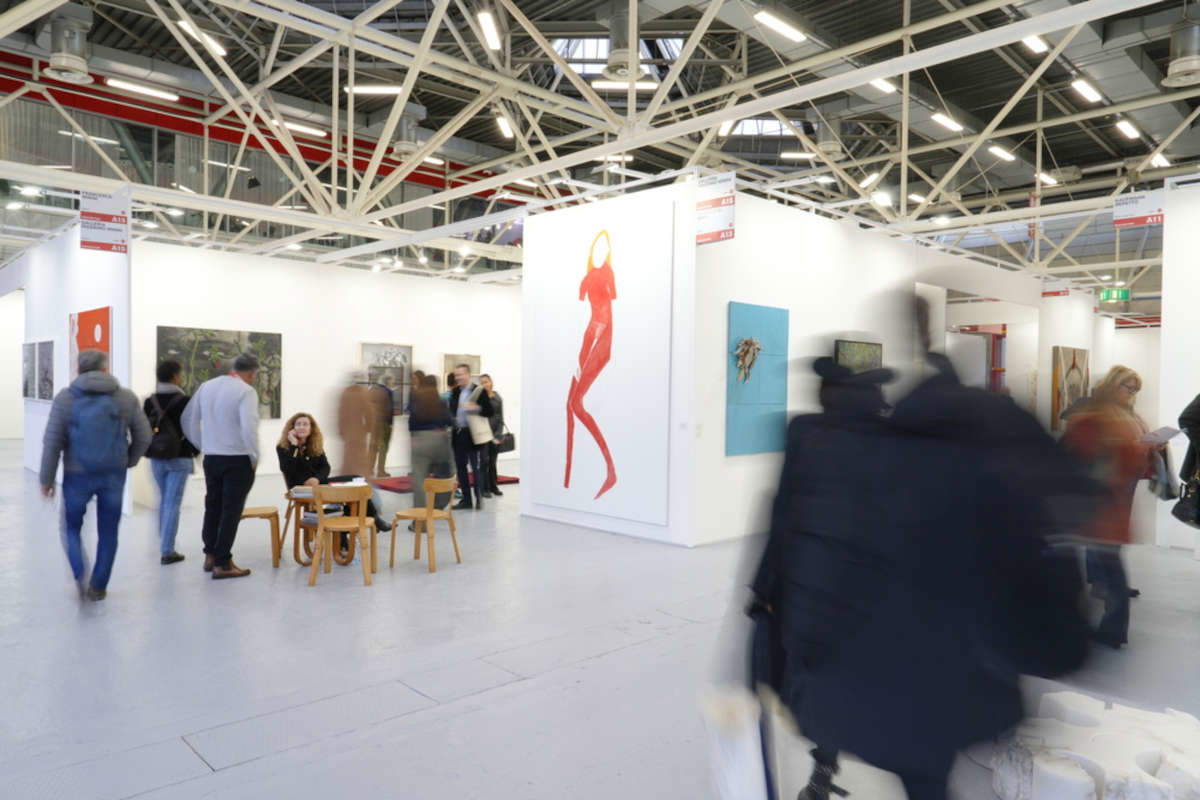
In any case, Hall 26 remains the hub of modern art, where the great historical galleries exhibit the heavyweights of the last century, while Hall 25 confirms itself as the laboratory of the contemporary. Painting, in particular, seems to have regained a renewed centrality, not only as a traditional medium (Arte Fiera, after all, is, of the Italian fairs, the one closest to an audience less inclined to the most daring experimentation) but as a research ground. And above all, the atmosphere among the stands is one of confident determination, with a qualitative proposal that seems to reward curatorial coherence over commercial clamor (there was no shortage, however, of several stands that looked almost like fish markets: it would have been better to see quieter, more carefully curated proposals to better appreciate the artists’ work, as much as one can understand the needs of galleries, which participate in fairs primarily to sell).
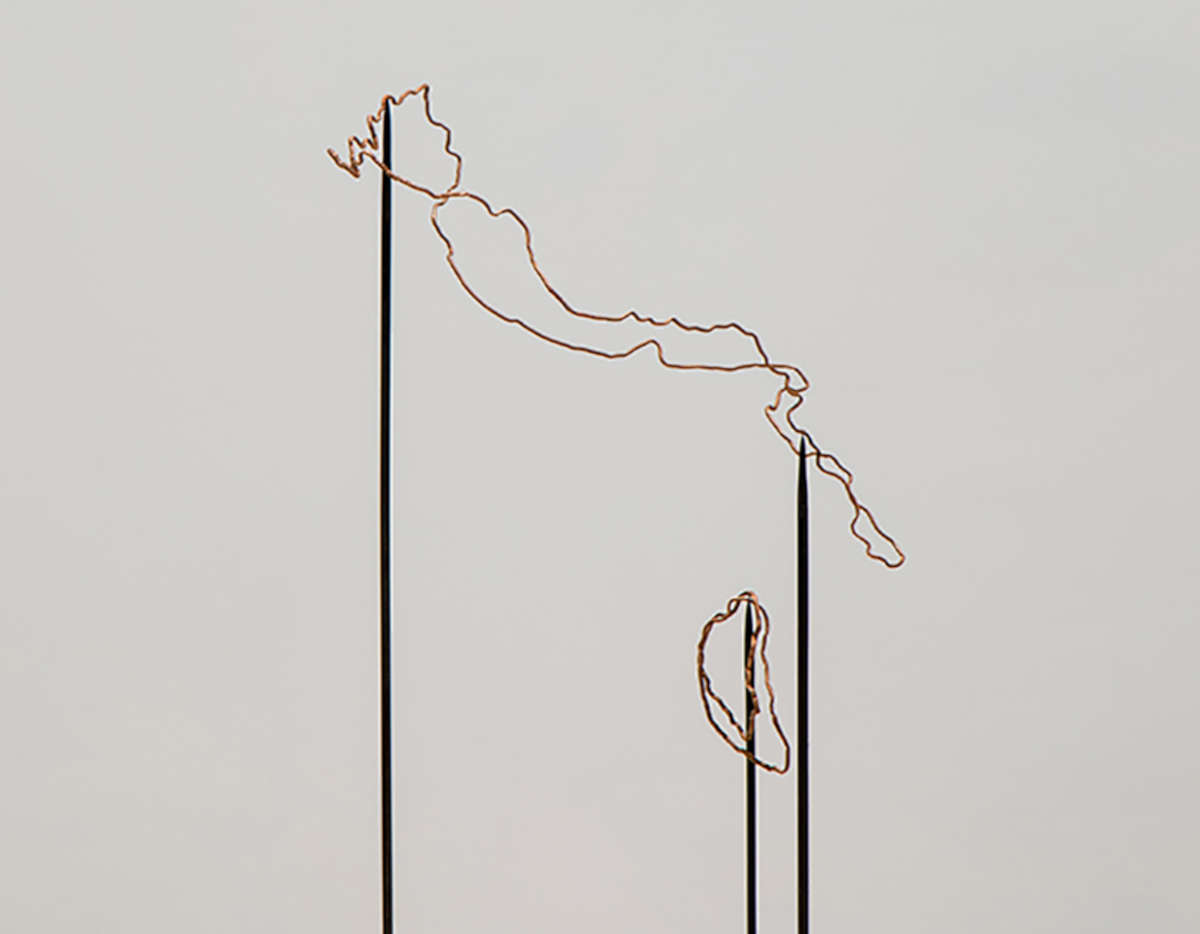
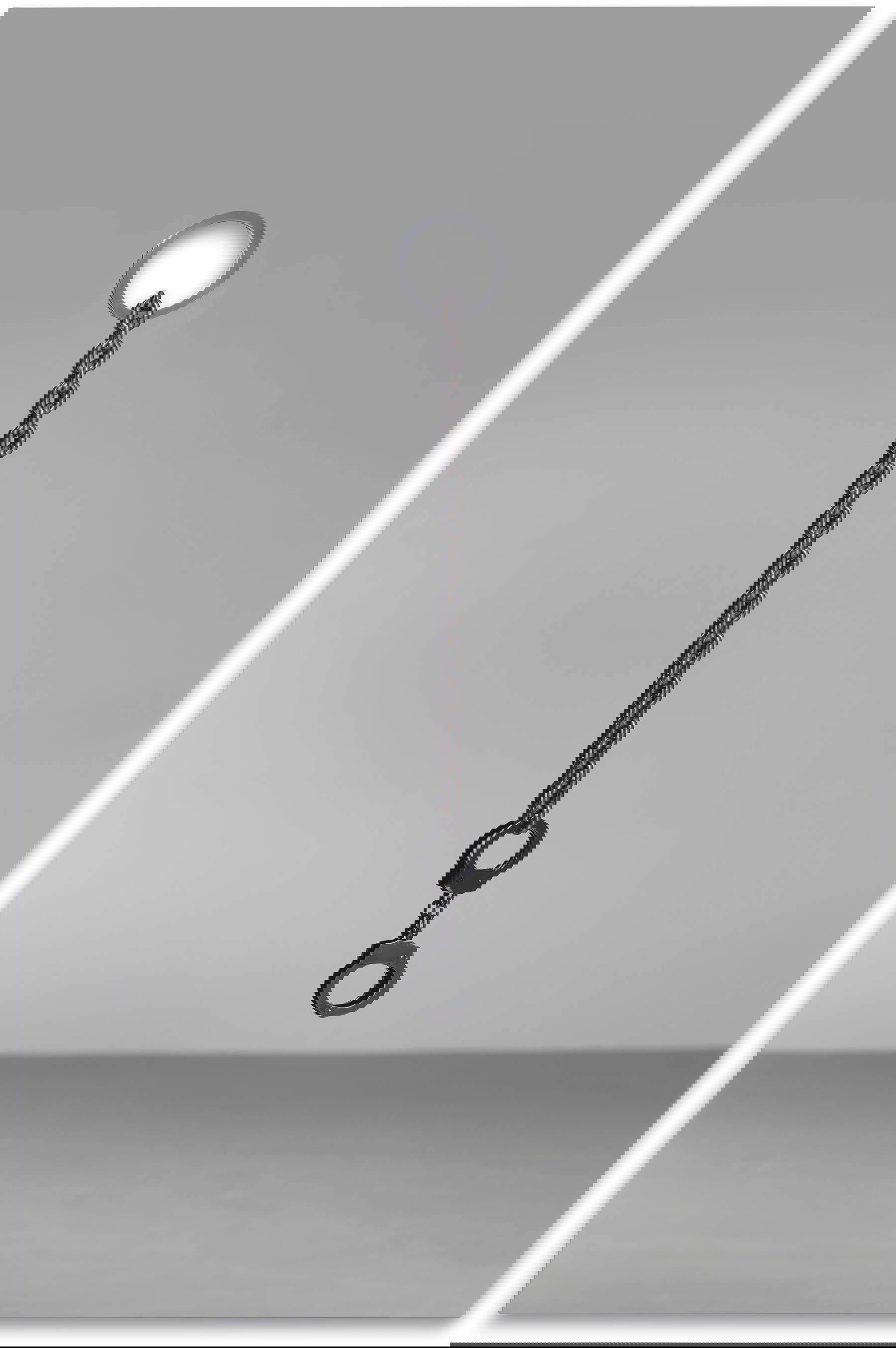
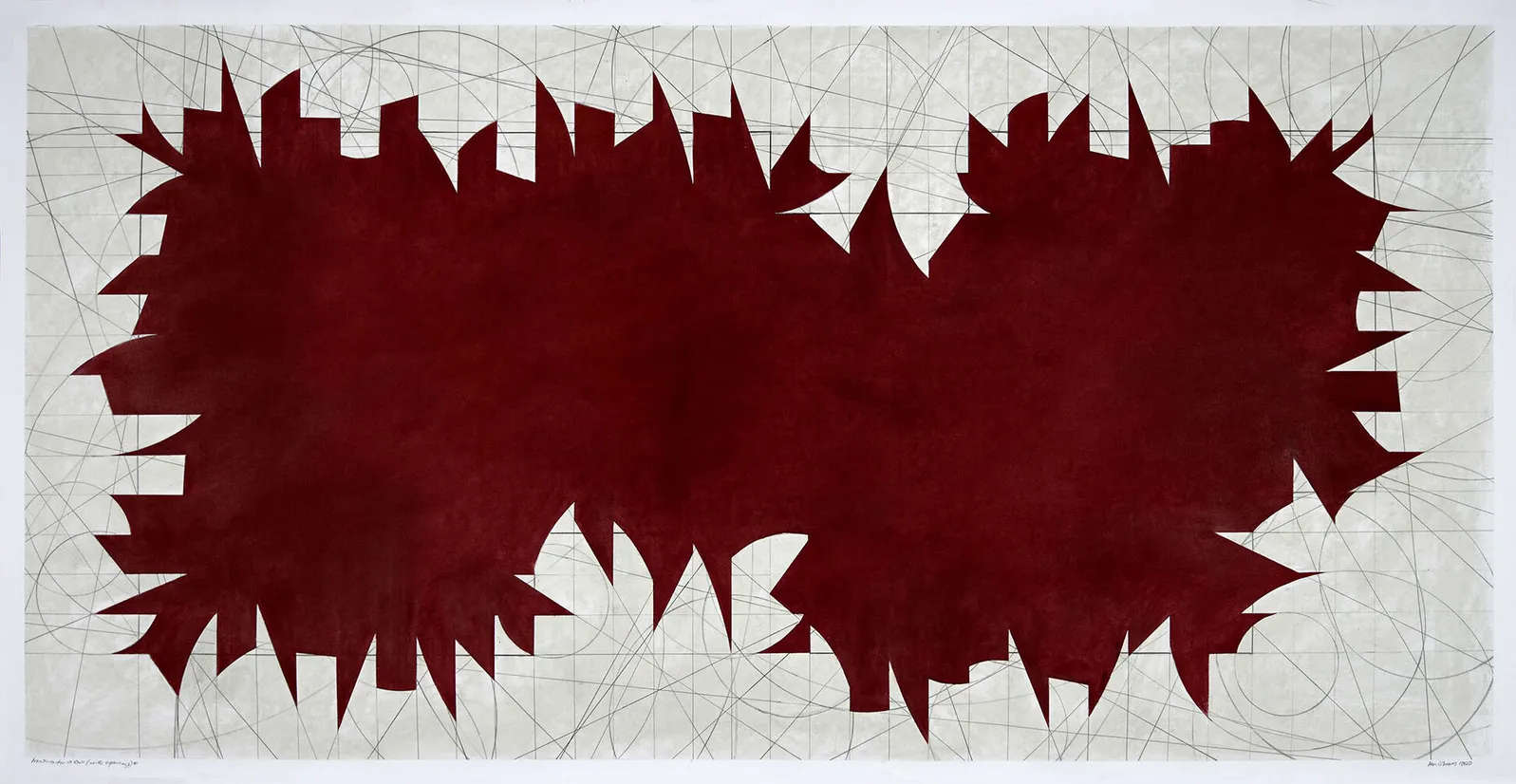
Beginning the journey through the galleries’ proposals, and starting in Hall 26, one can begin with Galleria Continua, which brings to the fair MapTracing #9 - IT, a 2023 work by Indian artist Shilpa Gupta. Composed of a copper tube and metal supports of varying sizes, the work reflects on the border lines, creating a sort of three-dimensional map of Italy: the asking price is $30,000 (yes: Continua is the only gallery not to have told us the price in euros), consistent with the artist’s international prestige. Still on the front of conceptual engagement and critique of systems of power, Raffaella Cortese ’s booth shows a new work by Monica Bonvicini, Love is blind (Nero), from 2025, a colored mirror with chains and handcuffs that carries on her typical experimentation with the link between architecture, gender and social control. Her dry language tinged with cutting irony is manifested in this wall installation offered at 50,000 euros. By contrast, Alfonso Artiaco offers a large drawing on paper by David Tremlett. The work, Drawing for a wall #1, sells for 18,000 euros.
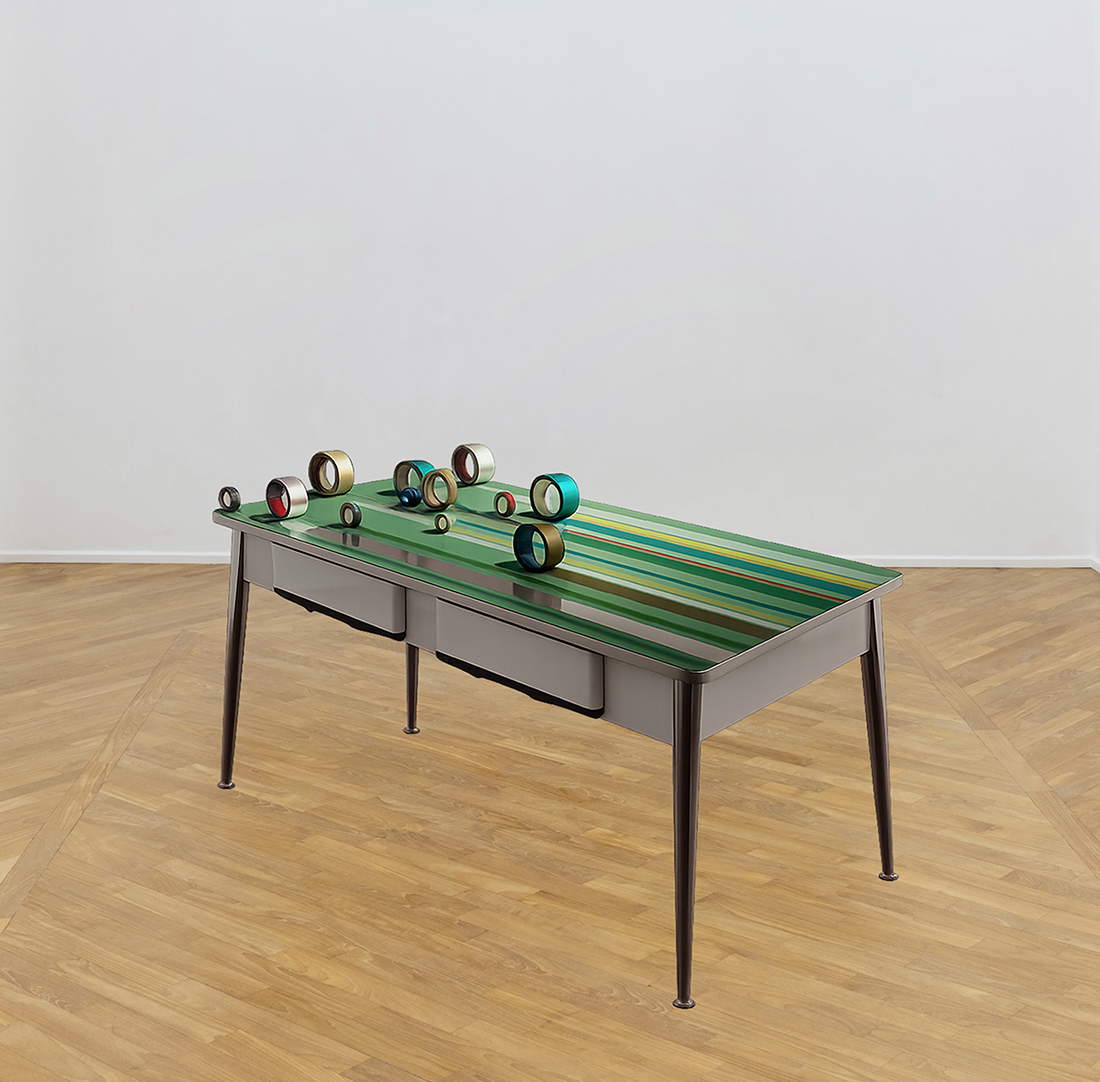
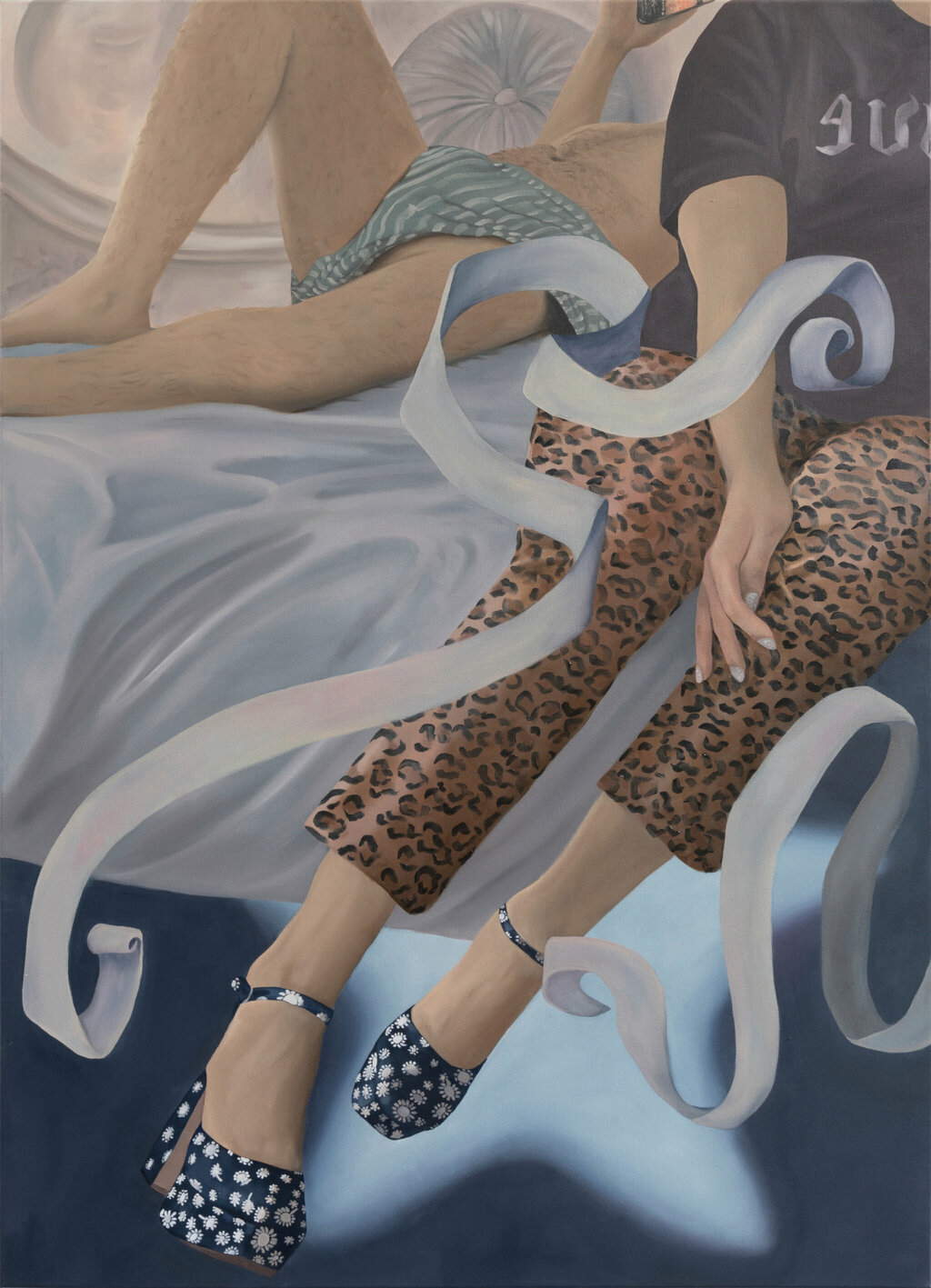
A more playful but equally profound approach characterizes the duo Vedovamazzei, presented by Umberto di Marino. Tokyo River, a 2006 work, consists of a table covered with colored adhesive tape. Stella Scala and Simeone Crispino, active in Milan since the early 1990s, play with conceptual levity to trigger reflections on contemporary society (the work is offered at 35,000 euros plus VAT). New trends in European figuration find a voice a few booths further on, at Ciaccia Levi, with works by Romane de Watteville. The young Swiss artist, born in Lausanne in 1993, works on the portrait genre, fragmenting points of view and using trompe-l’œil to create images that oscillate between the real and the imaginary. His works, among which Maybe Romance is a Place from 2025 stands out, range in price from 4,000 to 9,000 euros: an interesting opportunity for collectors attentive to emerging talent on the continental scene. Staying in the realm of cultured and evocative painting, Palermo-based Rizzutogallery offers Sposalizio by Francesco De Grandi. The work, an oil on canvas dated 2025, is part of the Palermo artist’s quest to rediscover the sacred and myth through an almost meditative painting practice. De Grandi constantly dialogues with tradition, yet allows contemporary tremors to pass through the canvas. The price for this great narrative scenario is 19,000 euros.
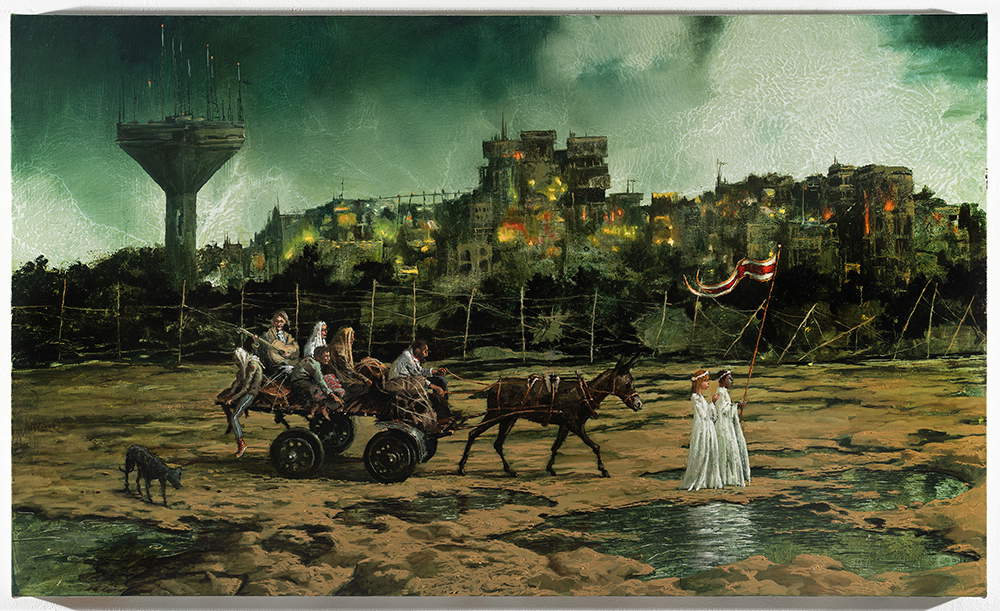
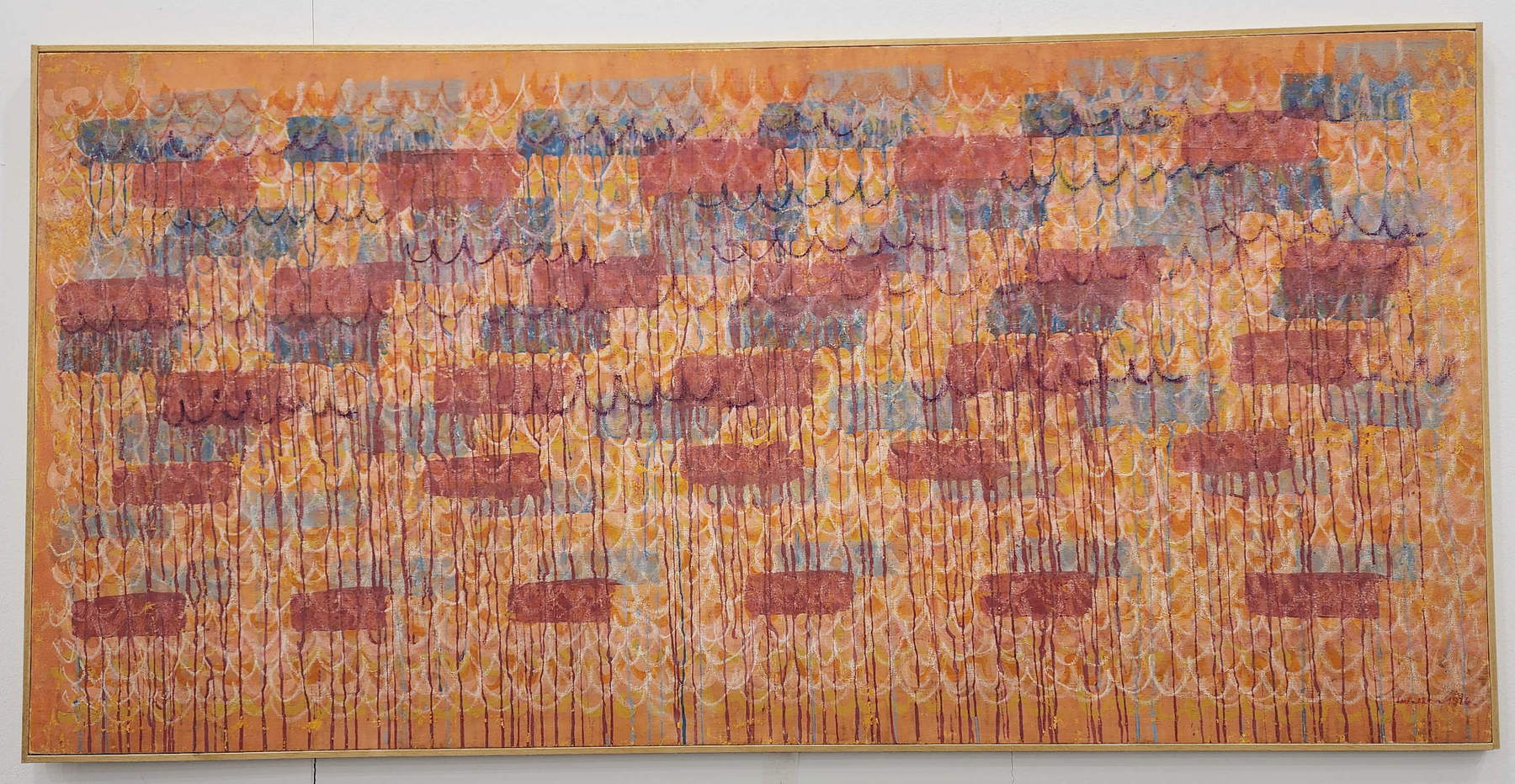
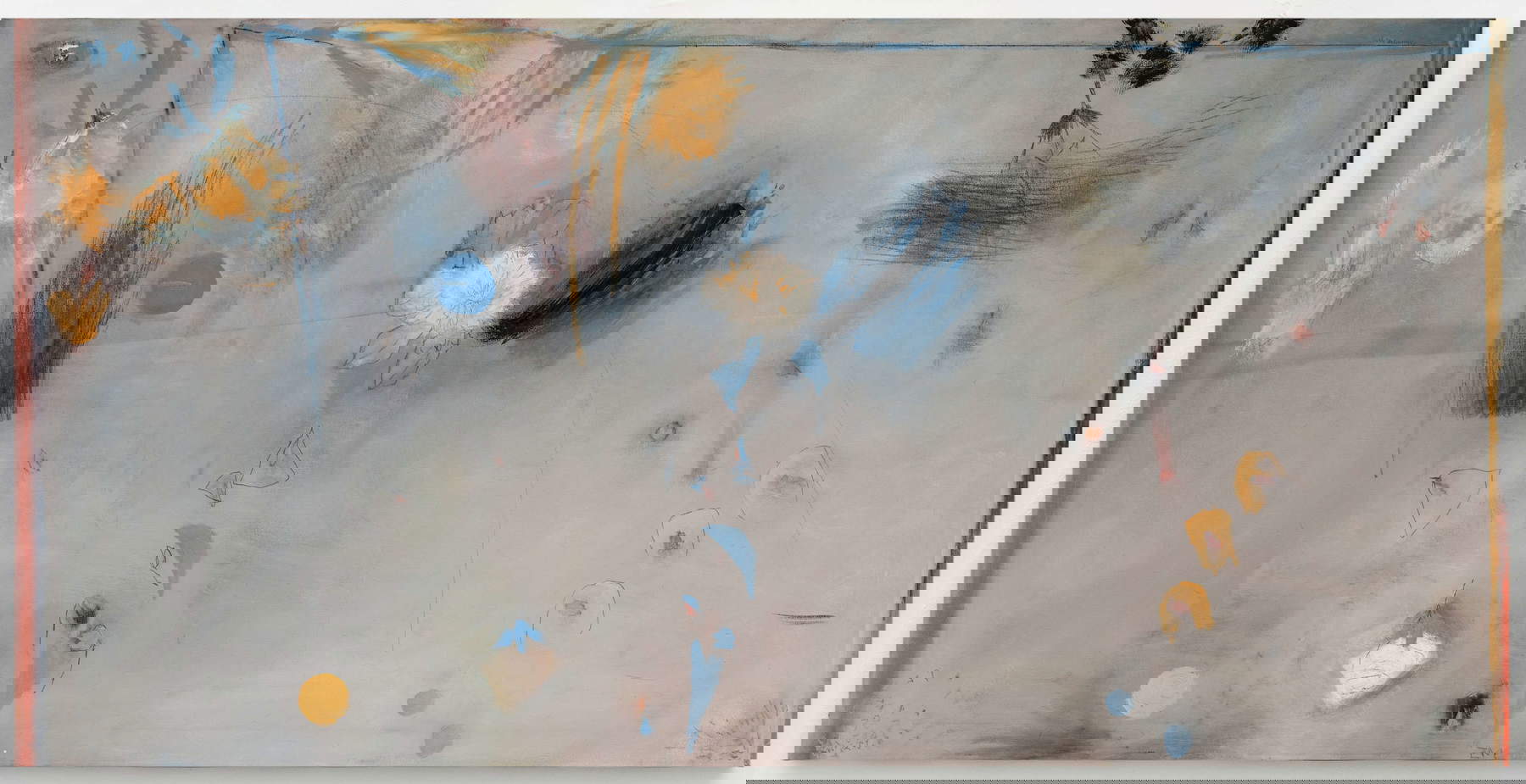
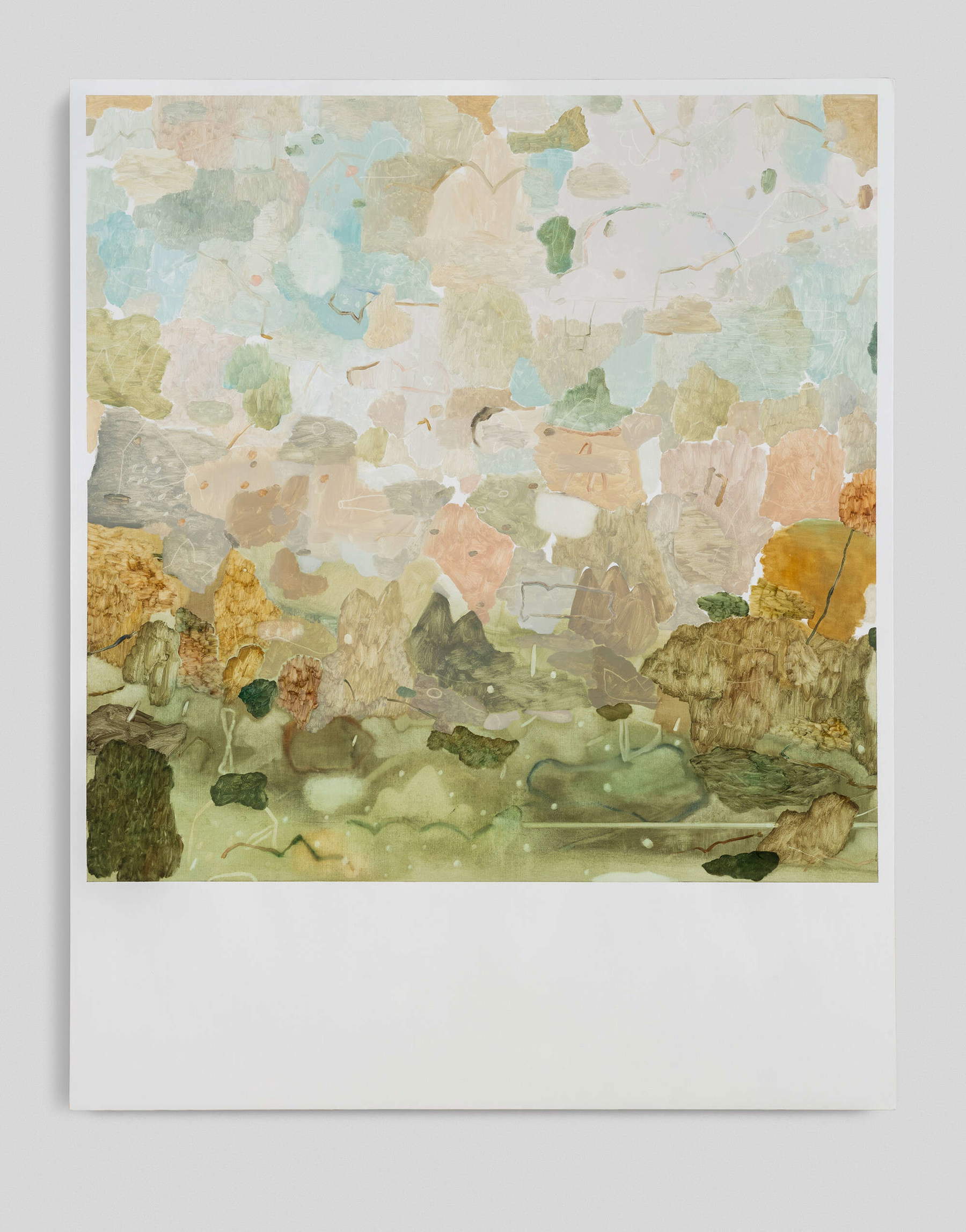
Not far away, a little attention should be paid to the historical rediscovery proposed by Erica Ravenna, who devotes a focus to Simona Weller, a Roman painter born in 1940. On display are several works, including Among the Dunes at Sunset, a mixed media on canvas from 1976 (€18,000). Weller is a complex and multifaceted figure, who combined sign-based abstract painting and writing with an intense activity as an essayist and novelist, forcefully investigating the role of women in art history. The work bears witness to her research on sign.
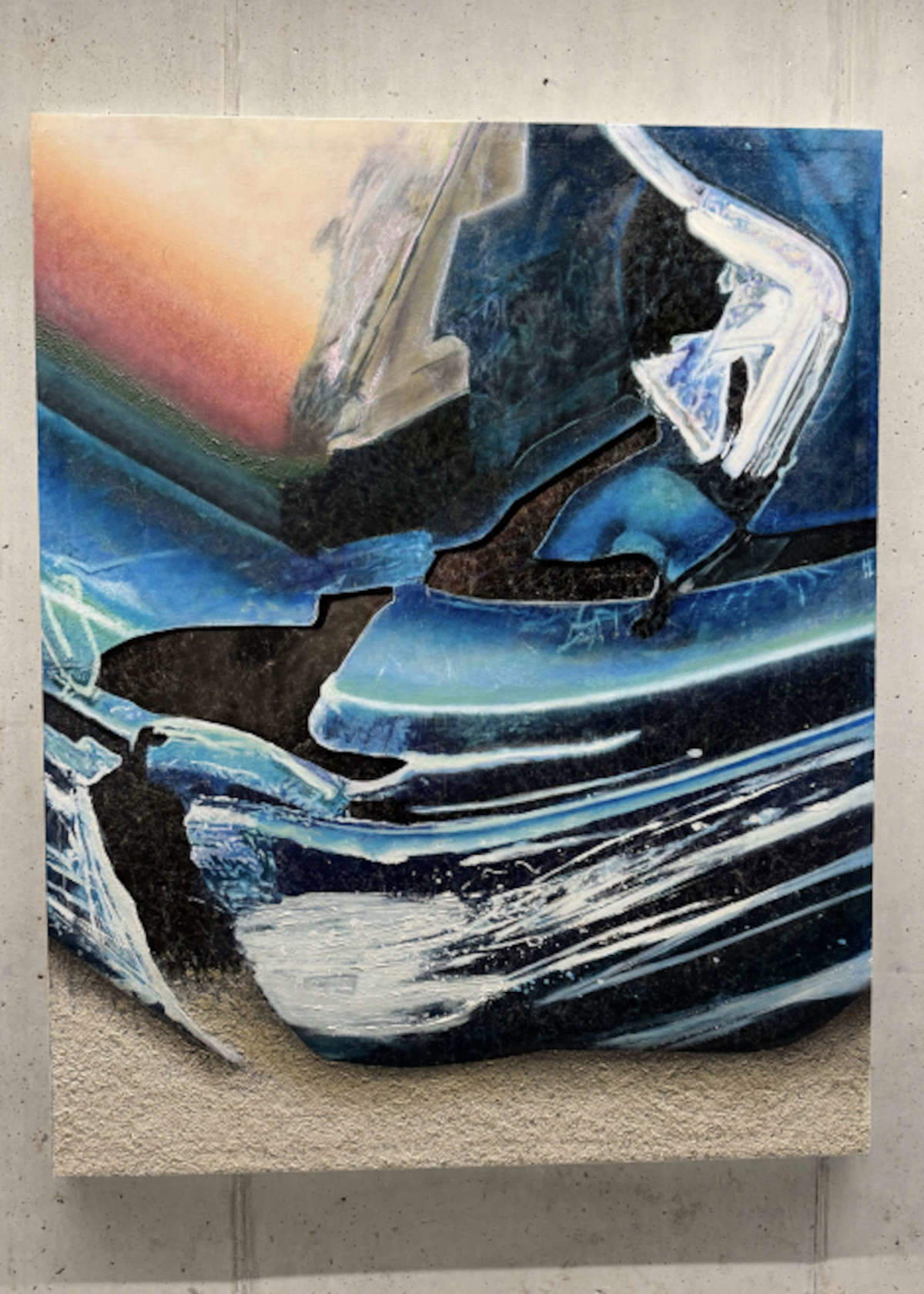
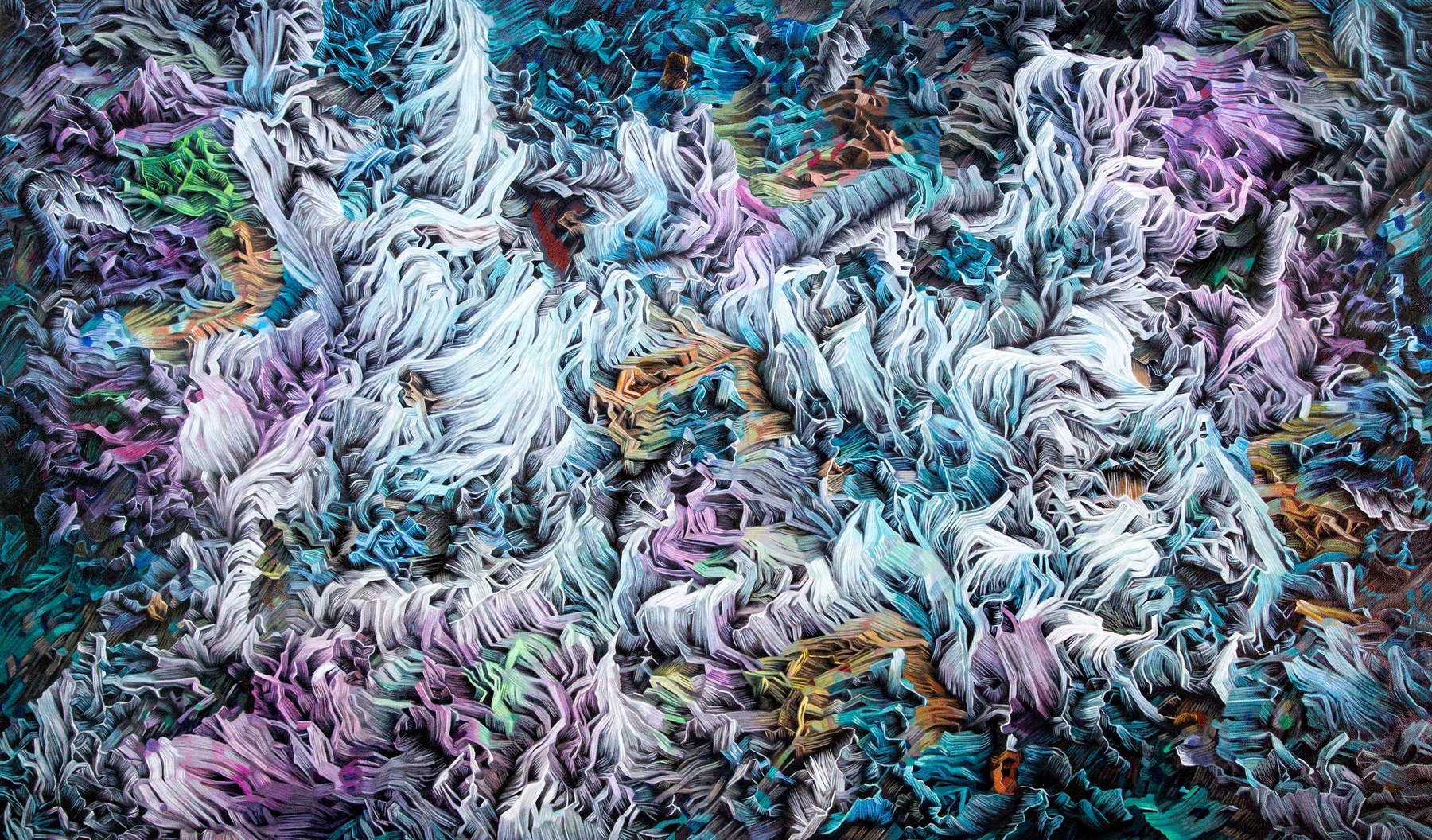
The buzz among the stands confirms a newfound confidence in the medium of painting, which is still capable of narrating the complexity of the human and the material. Among the attention-grabbing proposals in the section devoted to contemporary research, Doris Ghetta Gallery focuses on the young South Tyrolean Johannes Bosisio, born in 1994. The artist, who moves between Italy and Germany, explores a painting that is a terrain of clash and encounter between the organic and the industrial. His surfaces, often enriched by heterogeneous materials such as glitter or marked by scratches reminiscent of techno aesthetics and mechanical dynamism (bringing to mind certain aesthetics of the 1980s: after all, we are in the midst of a revival period), and question the stability of forms. His construction of the image is supported by a measured use of light, affecting the perception of depth and surface. Zones of reflection and visual absorption guide the gaze without leading it toward a narrative reading, rather favoring an experience of prolonged observation. For those who would like to approach his production, drawings are offered at 1,800 euros, while small-format paintings go up to 2,500 euros, up to 11,000 euros for the larger canvas.
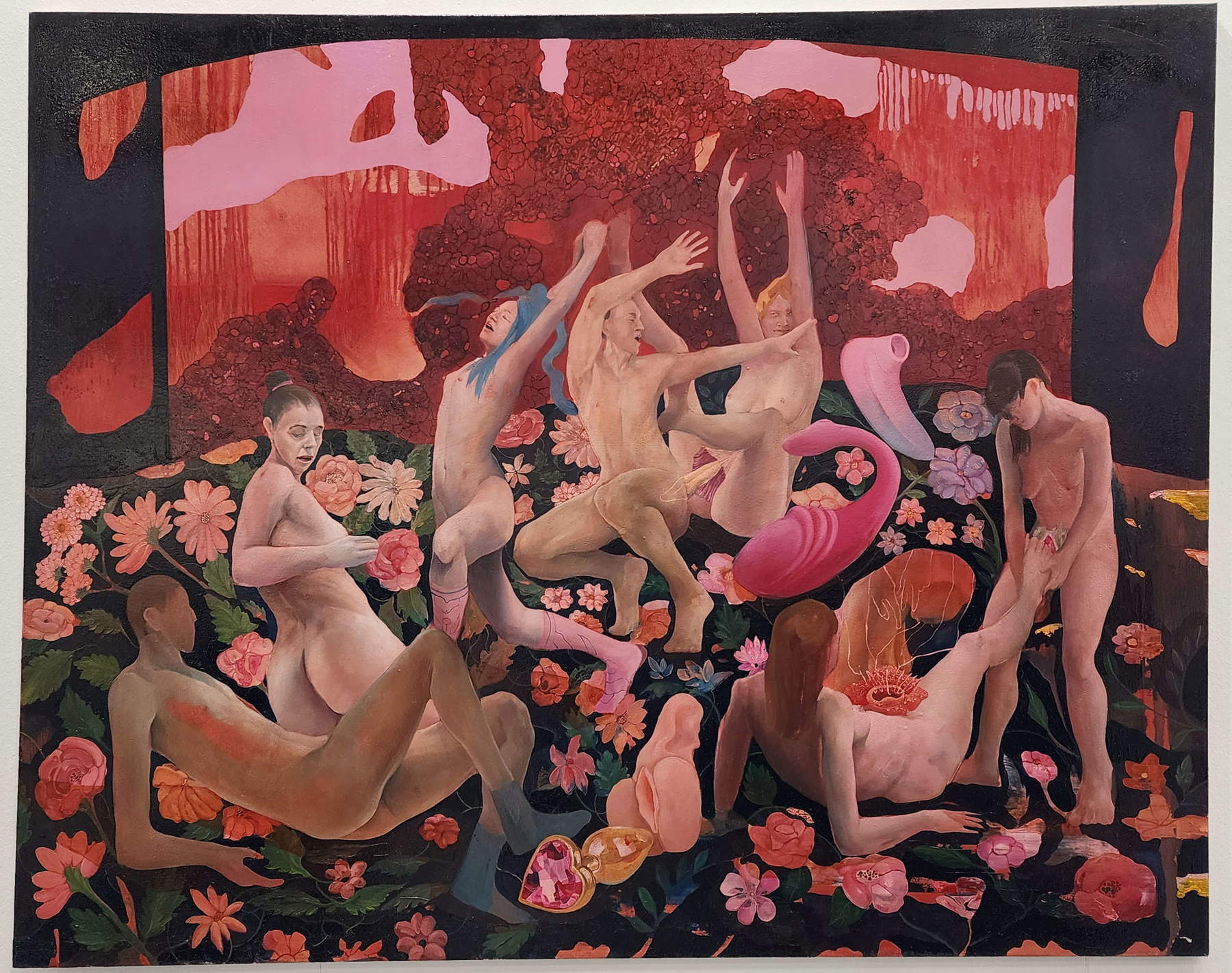
Remaining in the sphere of contemporary visions, Giampaolo Abbondio devotes almost the entire booth to one of the most interesting revelations of this edition of Arte Fiera, namely Chiara Sorgato, an artist born in 1985 in Padua but based in Milan, with a solid Venetian background. Her medium-sized works, characterized by a visual narrative that has already found a place in international contexts, are offered with a price range between 4,000 and 8,000 euros. Splendid is his work What YOU secretly search for, which merges the categories most searched for by users of pornographic sites into a single image: a five-foot painting that works on the hidden but transversal urges of fans of the genre. Perhaps the best booth in the entire Arte Fiera.
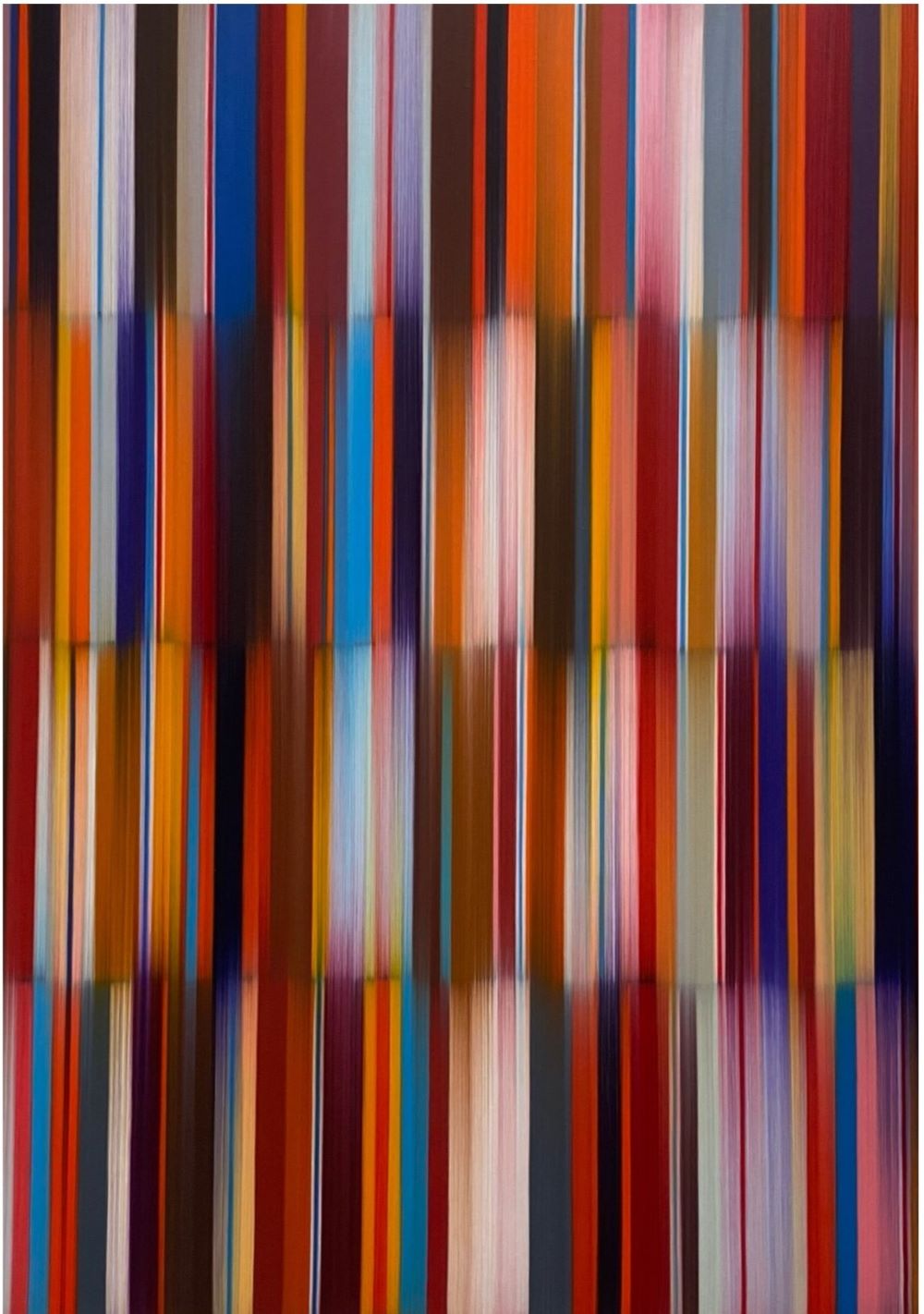
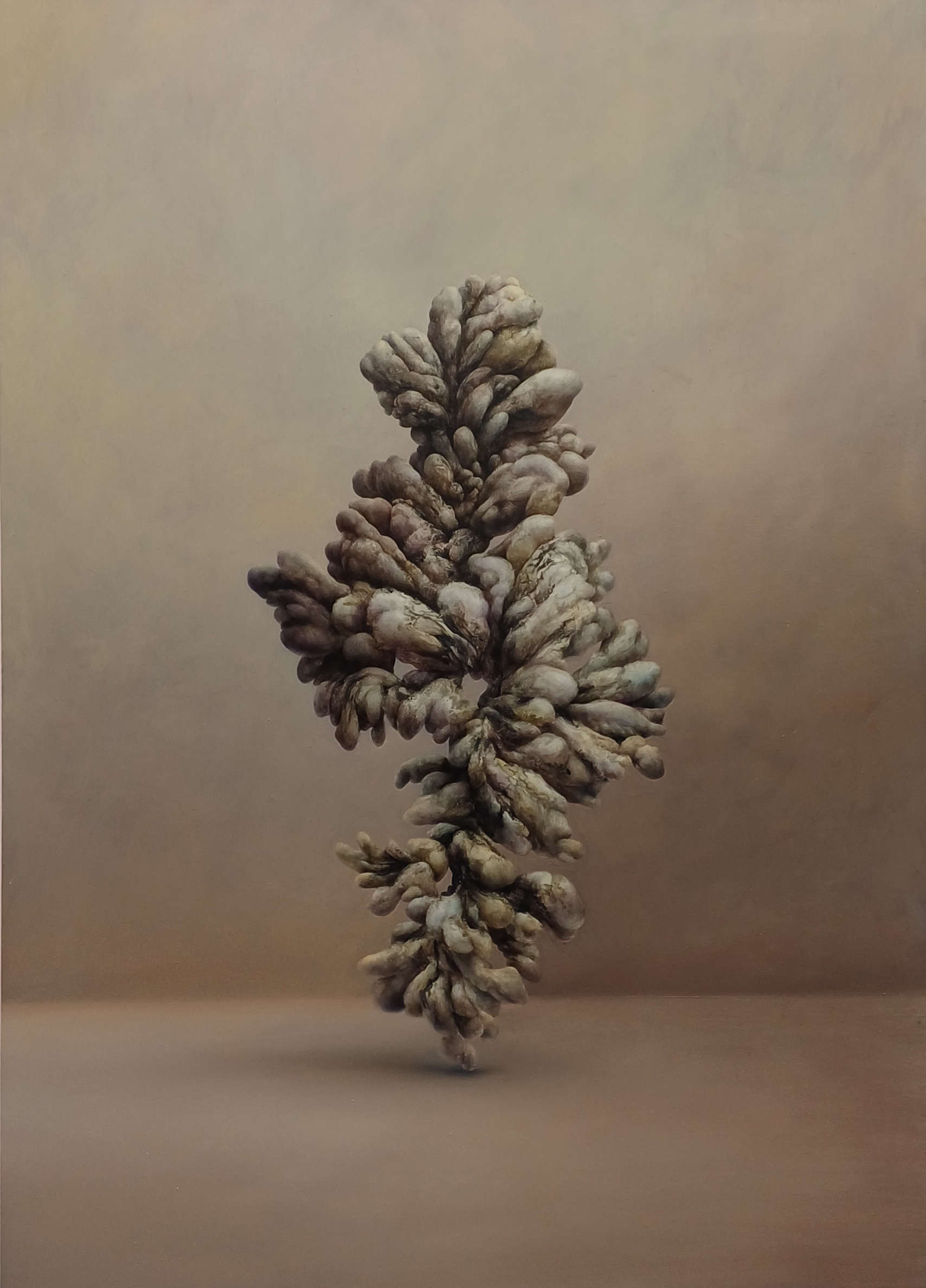
One of the booths that draws the eye most for its formal cleanliness and international projection is Luca Tommasi’s, which exhibits, among others, the works of Mark Francis. The Irish-born artist, set to represent San Marino at the next Venice Biennale, presents Sound Signal, an oil on canvas from 2025 that translates invisible frequencies and signals into images. The work sells for 34,000 euros. On the front of a more intimate and reflective painting, Giovanni Bonelli offers the Romagnolo, born in 1981, Enrico Minguzzi, fresh from the success of a recent gallery show in Pietrasanta. His is a practice made up of waiting, where the image emerges almost autonomously from the dialogue with the pigment and leads us to discover strange creatures that seem to be hybrids in constant transformation that have arrived from distant worlds (or sponges and corals, for those who want to have a more immediate term of comparison). An oil on ceramic of his embellished with gold enamels is offered at 2,500 euros, while a large-format canvas fetches 9,600 euros. Minguzzi manages to give life to still lifes that seem to pulsate, suspended in a perpetual metamorphosis that fascinates with its vital charge.
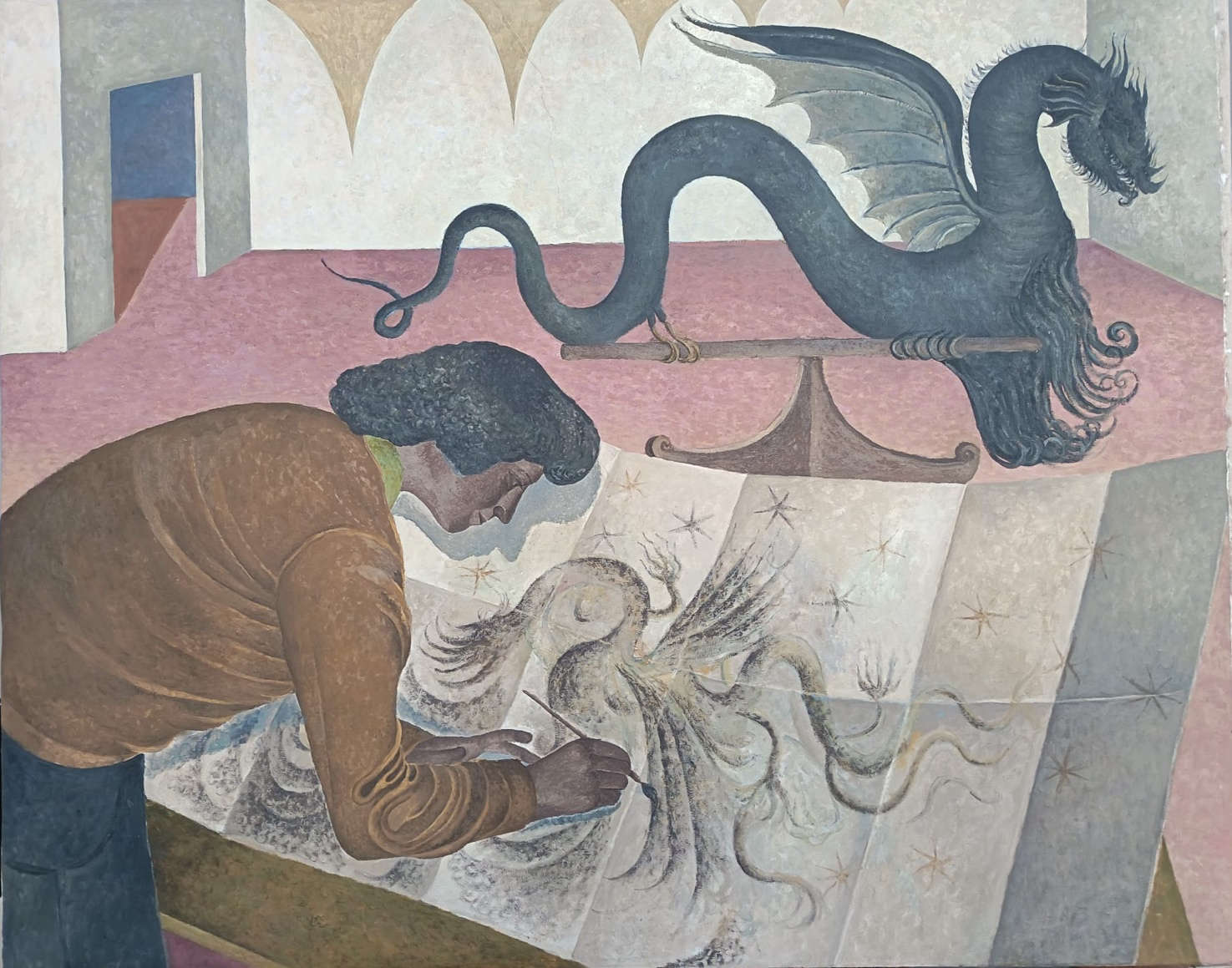
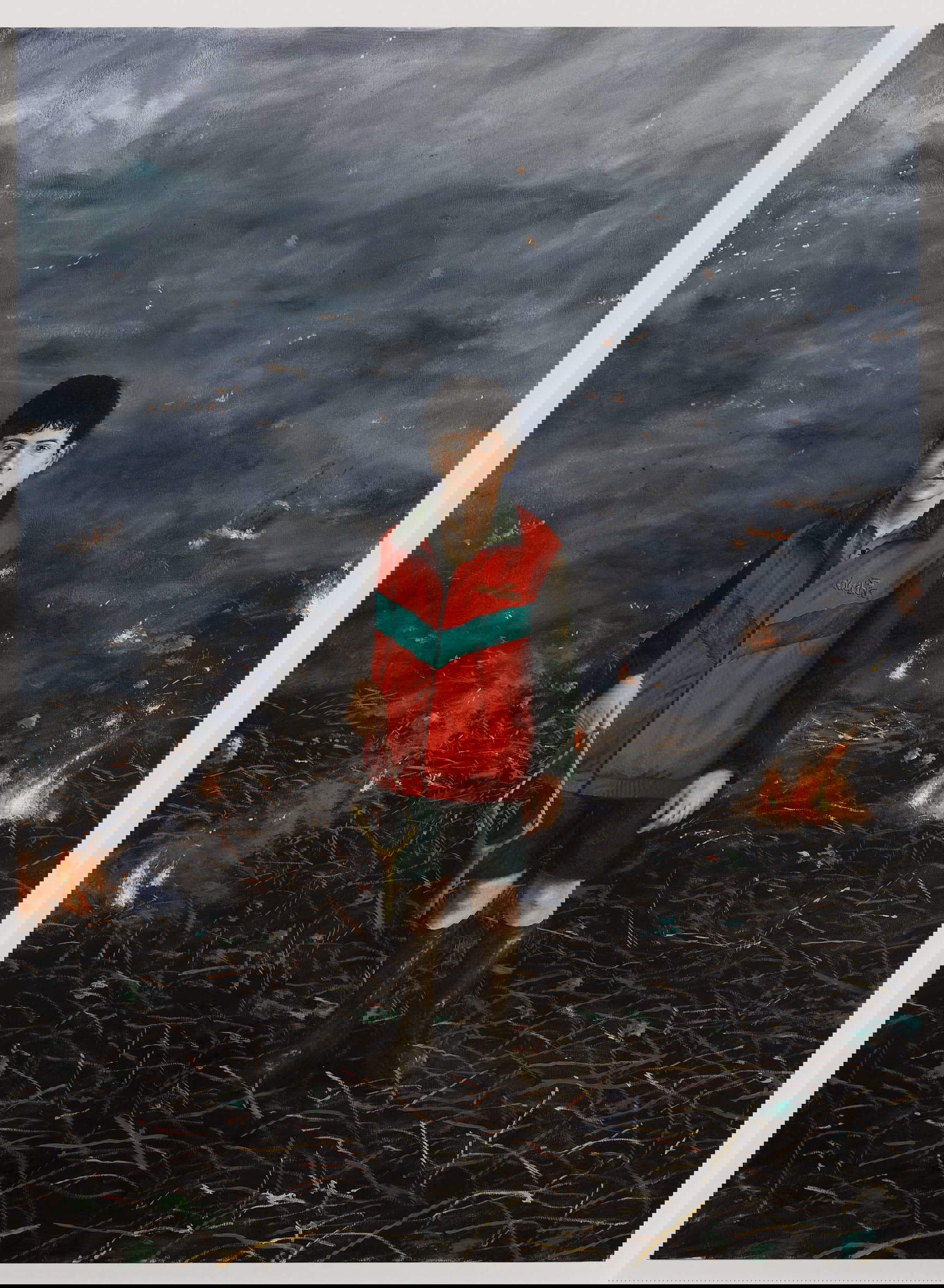
In the Pittura XXI section, curated with special attention to emerging voices, the proposal of Galleria Acappella with Leonardo Devito stands out. The young artist, born in Florence in 1997, presents several works including Ghirigoro, a large canvas from 2026 sold at a surprisingly high figure: 25,700 euros. His production also includes drawings at 3,200 euros and medium canvases at 10,000 euros. Similar freshness is found in the Unosunove booth, where Giovanni Bongiovanni, born in Augusta in 2001 (he is one of the youngest artists at the fair), exhibits Gian Burrasca, a striking oil on linen offered at 6,000 euros. For collectors who prefer smaller formats, the artist’s small canvases are truly affordable: starting at 600 euros.
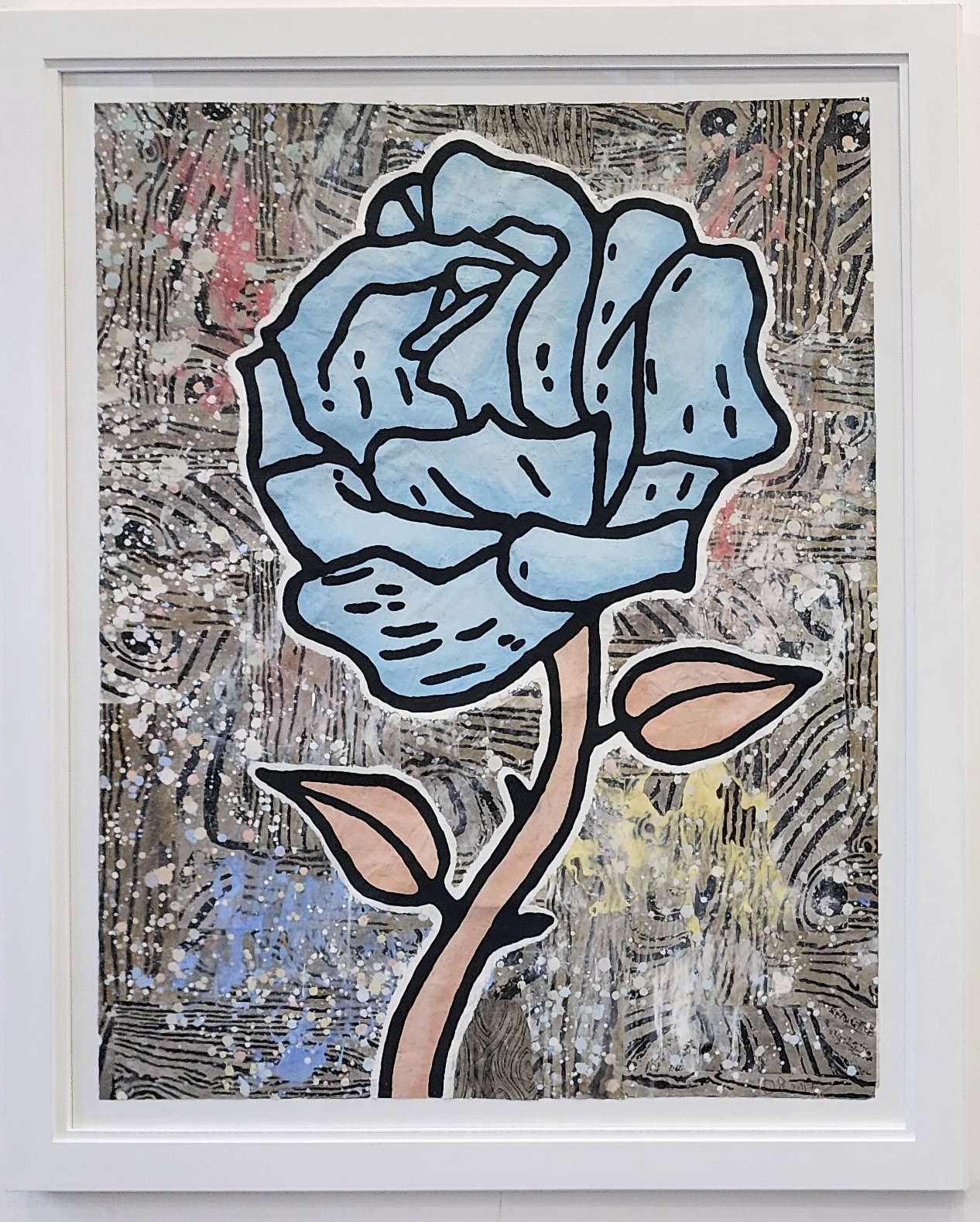
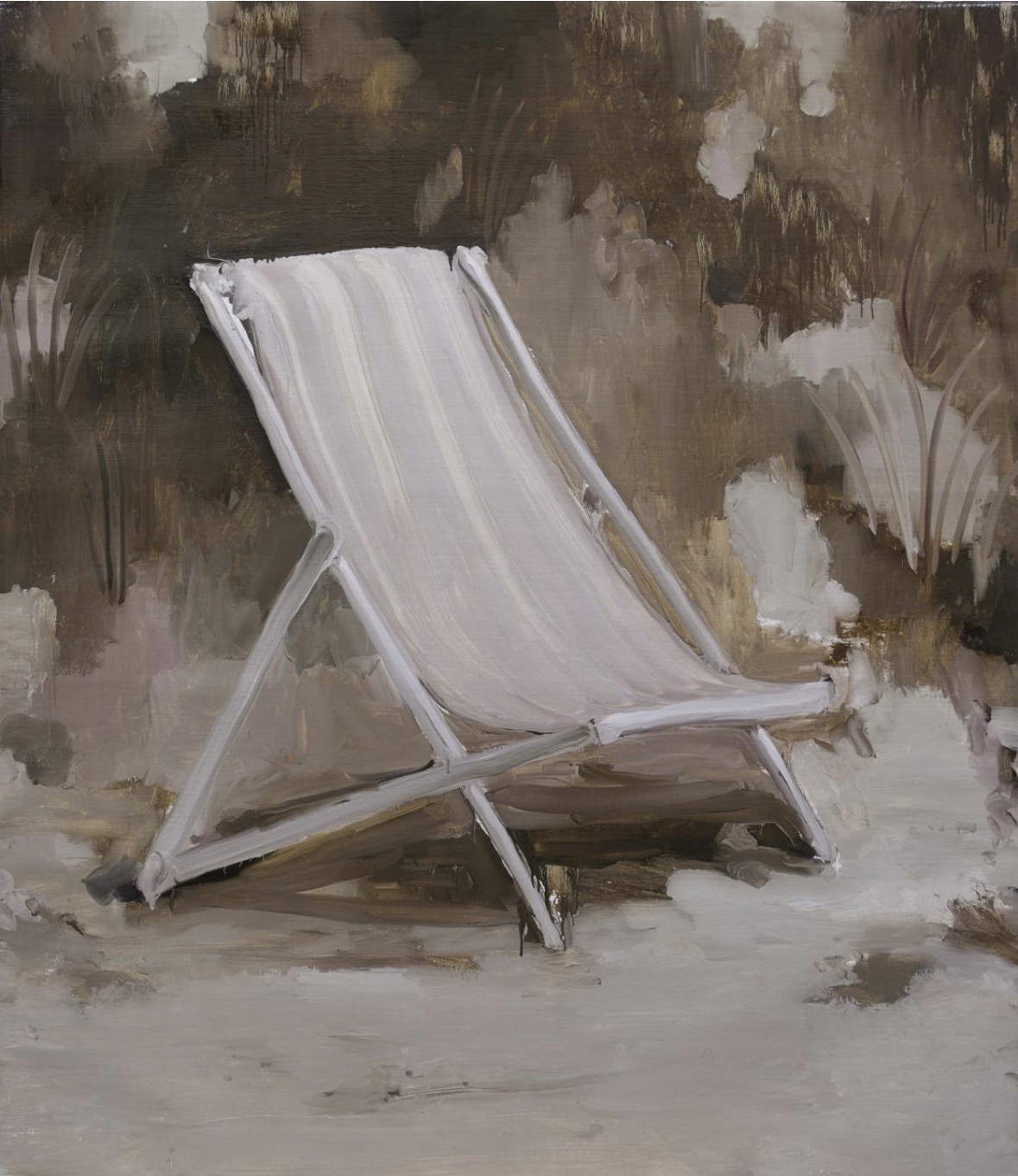
There is no shortage of forays into overseas art with Studio Raffaelli, which brings three works by Donald Baechler to the fair. The American artist, who was born in 1956 and died in 2022, was able to create a visual alphabet made of everyday icons and childhood memories, from soccer balls to flowers, reinterpreted with a sensibility that mixes the immediacy of the sign with the layering of collage. Prices for his works at the fair range from 25,000 to 30,000 euros. Moving toward younger but already widely established languages, Francesca Antonini Gallery devotes space to Rudy Cremonini, a Bolognese artist born in 1981. His work Relax Baby Relax, an oil on linen, perfectly embodies his poetics made of suspended and rarefied atmospheres. Cremonini works on the thin boundary that separates everyday reality from transcendent experience, often inspired by his travels to cultures where the sacred is immanent.The price for this work is 11,200 euros, to which the 5 percent VAT rate must be added.
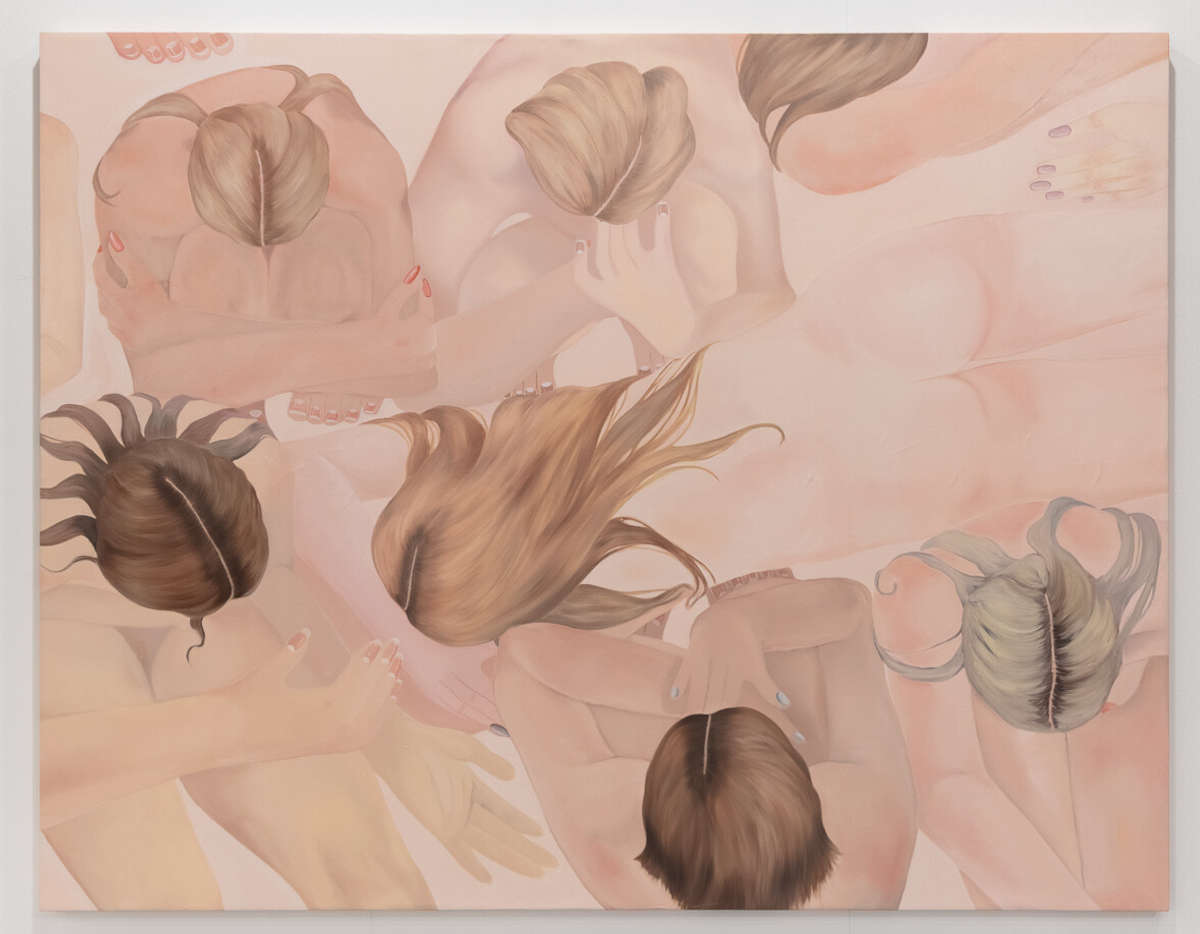
A different elegance, made up of light marks and literary references, is found at Monitor, which exhibits a significant work by Elisa Montessori, born in Genoa in 1931. Paribanu’s Slippers (from The Thousand and One Nights), an oil on canvas from 2000, witnesses Montessori’s gesture, an exercise in subtraction and accumulation, where the relationship between the female universe and nature becomes metamorphosis. The work is priced at 15,000 euros plus VAT. At MC2Gallery ’s booth it is possible to see the works of Giuliano Sale. His painting is an attempt to bring order to the chaos of the everyday, an almost cathartic quest that results in works with a strong emotional impact, such as Shit Painting of 2025, offered at 2,200 euros. Moving on, z2o draws attention with the large canvases of Adelisa Selimbašić. The 1996-born Bosnian-Italian artist investigates the female body away from traditional canons, using formats reminiscent of social media shots to explore themes such as physical proximity and the perception of identity. Her work Beate, an impressive oil on canvas, is on sale for 15,500 euros.
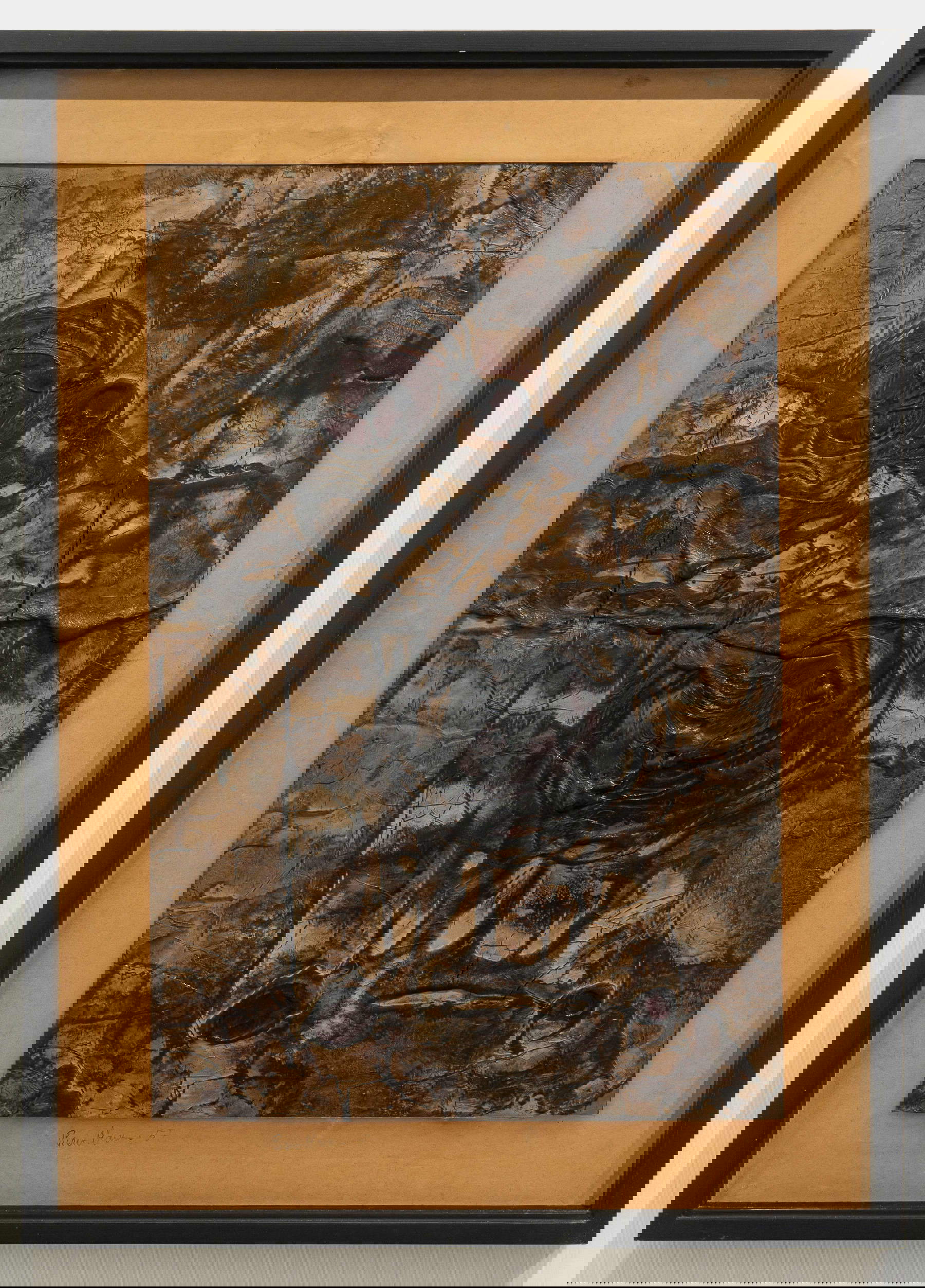
In contrast, technological innovation applied to tradition finds a peculiar synthesis in Prometeo Gallery ’s booth with Matteo Mauro. The Sicilian artist, now permanently in Milan after a long experience in London, presents Towards A Blue Mannerism, a work from 2025 offered at 5,000 euros. The theme of collective memory and reuse of materials is central to the proposal of E3 Contemporary Art, which is exhibiting Paolo Canevari. His 2019 work Black Pages (Monuments of Memory) uses used motor oil applied to a 19th-century print, all enclosed in a 16th-century frame. Canevari, an artist with an international profile, continues to interrogate the viewer through icons and symbols reinterpreted in a conceptual key. The asking price for this work is 25,000 euros. Interestingly, the work of the artist and the gallery will continue in 2026 with an institutional collaboration at the MO.CA museum in Brescia.

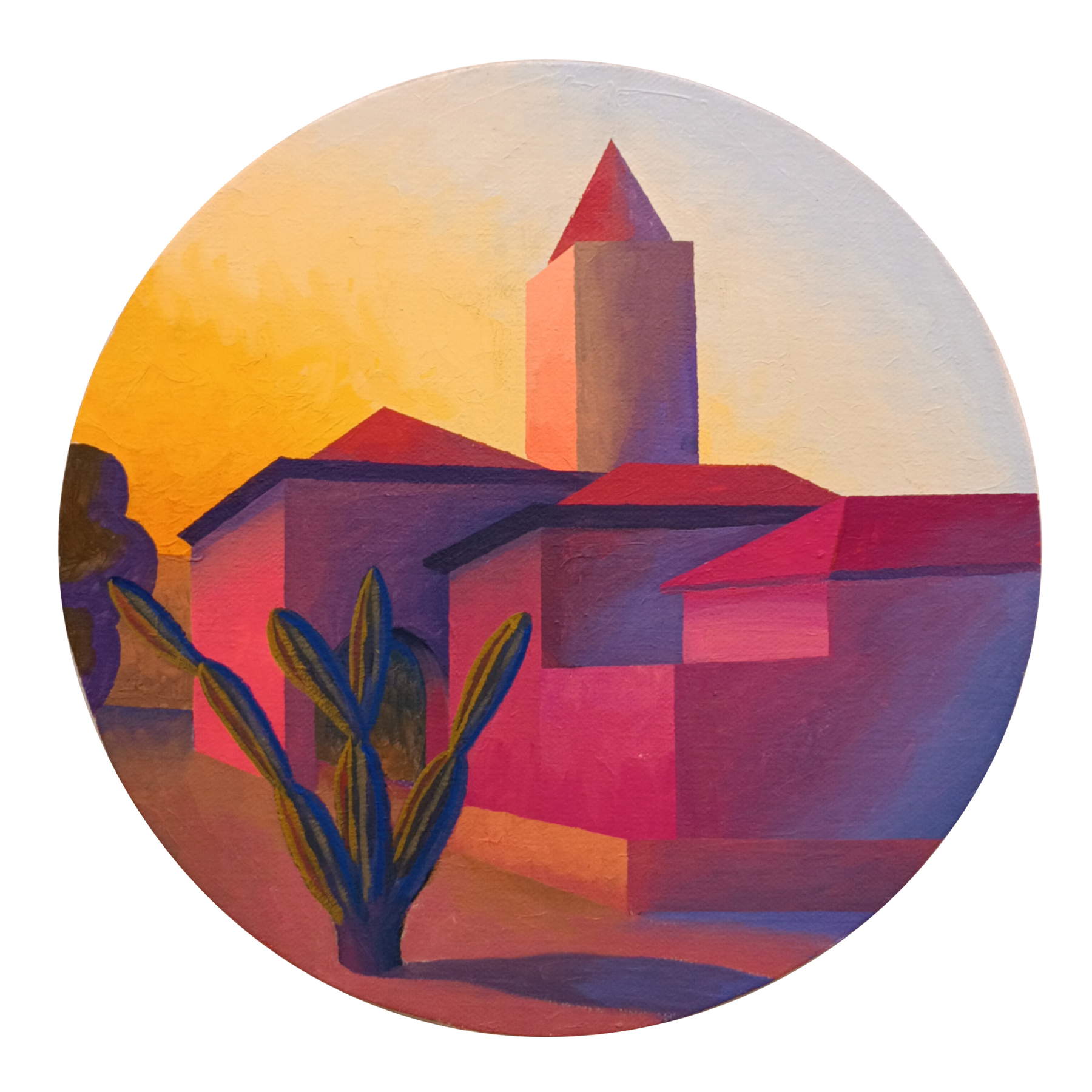
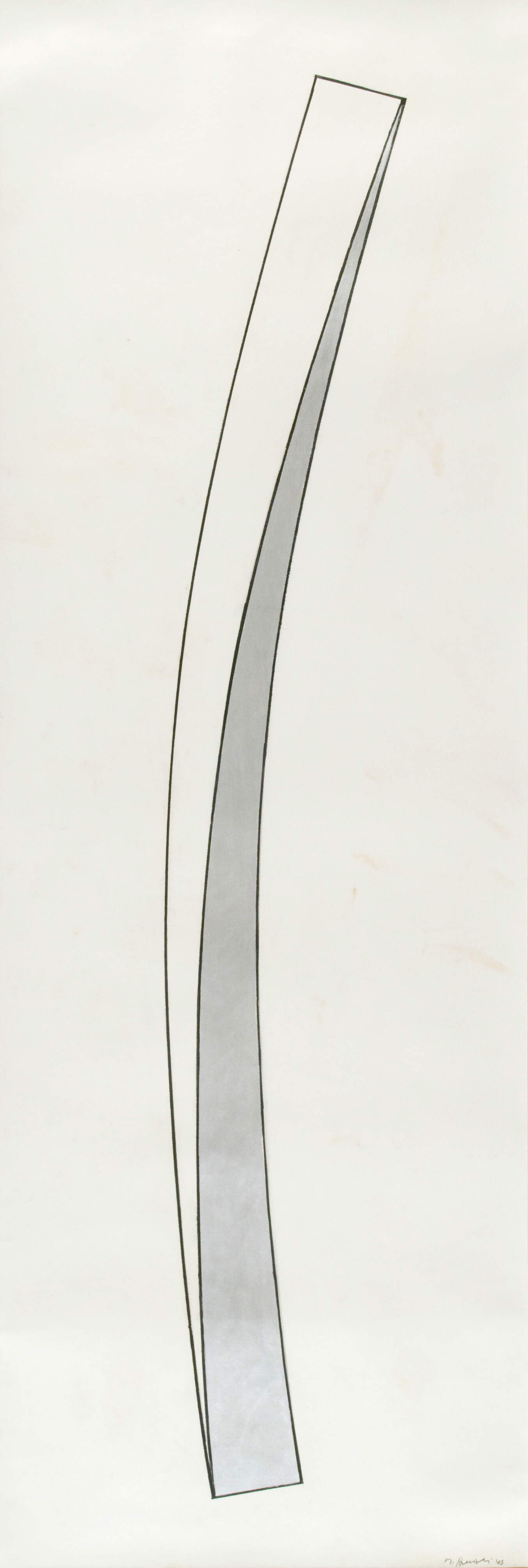
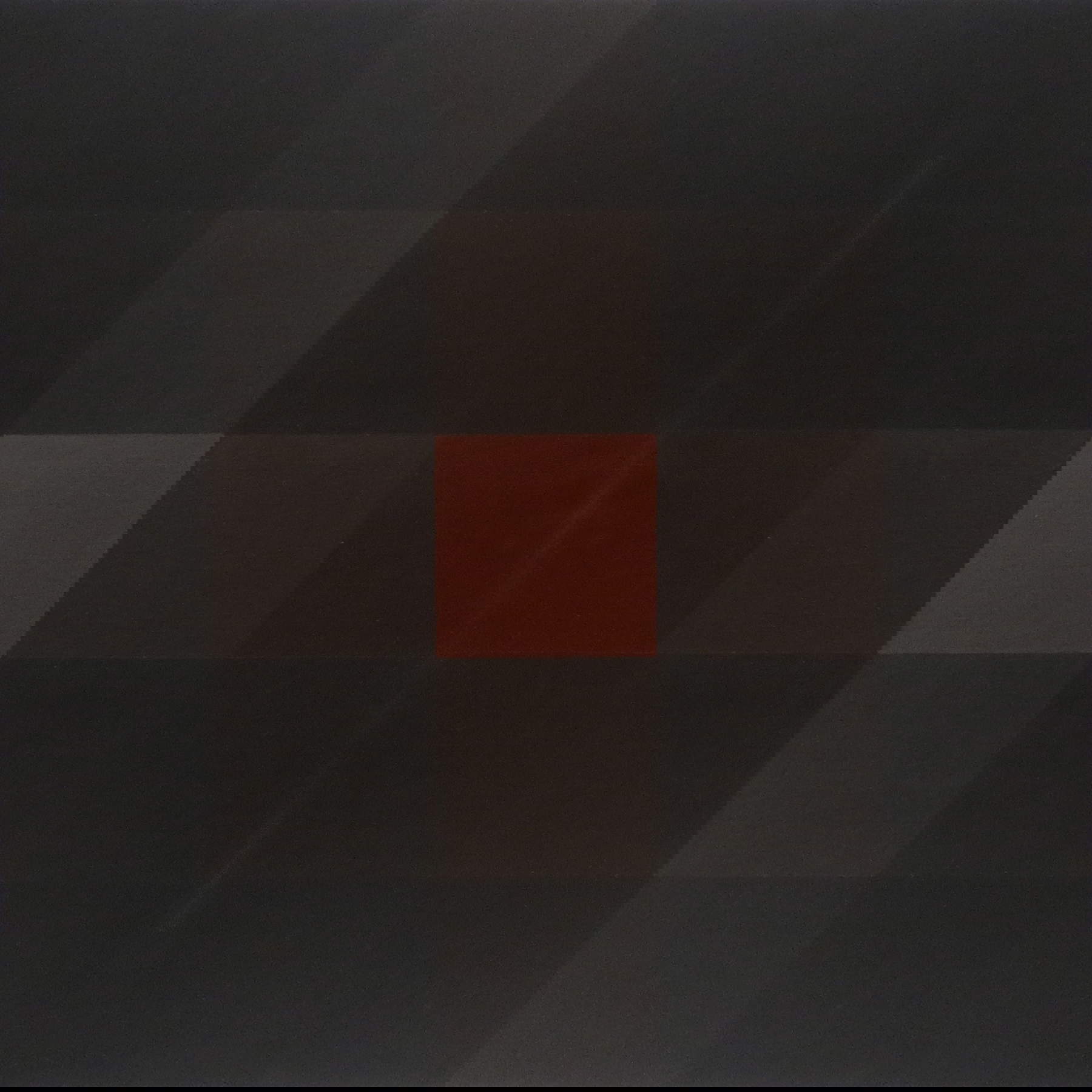
The transition to the pavilions of the twentieth century and historicized artists offers interesting moments. There are many works to linger over, although this year a great many gallerists preferred not to have their prices published. Those displaying prices instead include Dep Art Gallery, which celebrates Salvo ’s sunny poetics with Canarie, a 1998 tondo featuring the bright colors and simplified forms typical of the Sicilian master, offered at 70,000 euros. At the Galleria d’Arte Maggiore g.a.m. in Bologna, one encounters an Untitled by Piero Manzoni dated 1957: the request is in the range of 100,000 to 200,000 euros. The look at Italian art history continues with Guastalla, which exhibits an acrylic by Tano Festa from 1985 entitled For ever Eveline. The work, evidence of the mature phase of one of the protagonists of Roman Pop Art, is offered in a range between 10,000 and 15,000 euros. Sculpture that becomes sign and architecture, on the other hand, is the protagonist at Galleria Il Ponte’s booth, with works by Mauro Staccioli. A 2003 composition of his on canvas, made with graphite and industrial paint, is offered at 12,000 euros. Scientific research on color instead finds a home at ABC-Arte with Jorrit Tornquist. His works from the 1970s, such as the 1971 acrylic Untitled, explore the viewer’s psychophysical reactions before tonal variations. Quotations for these works range from 2,500 to 5,000 euros.
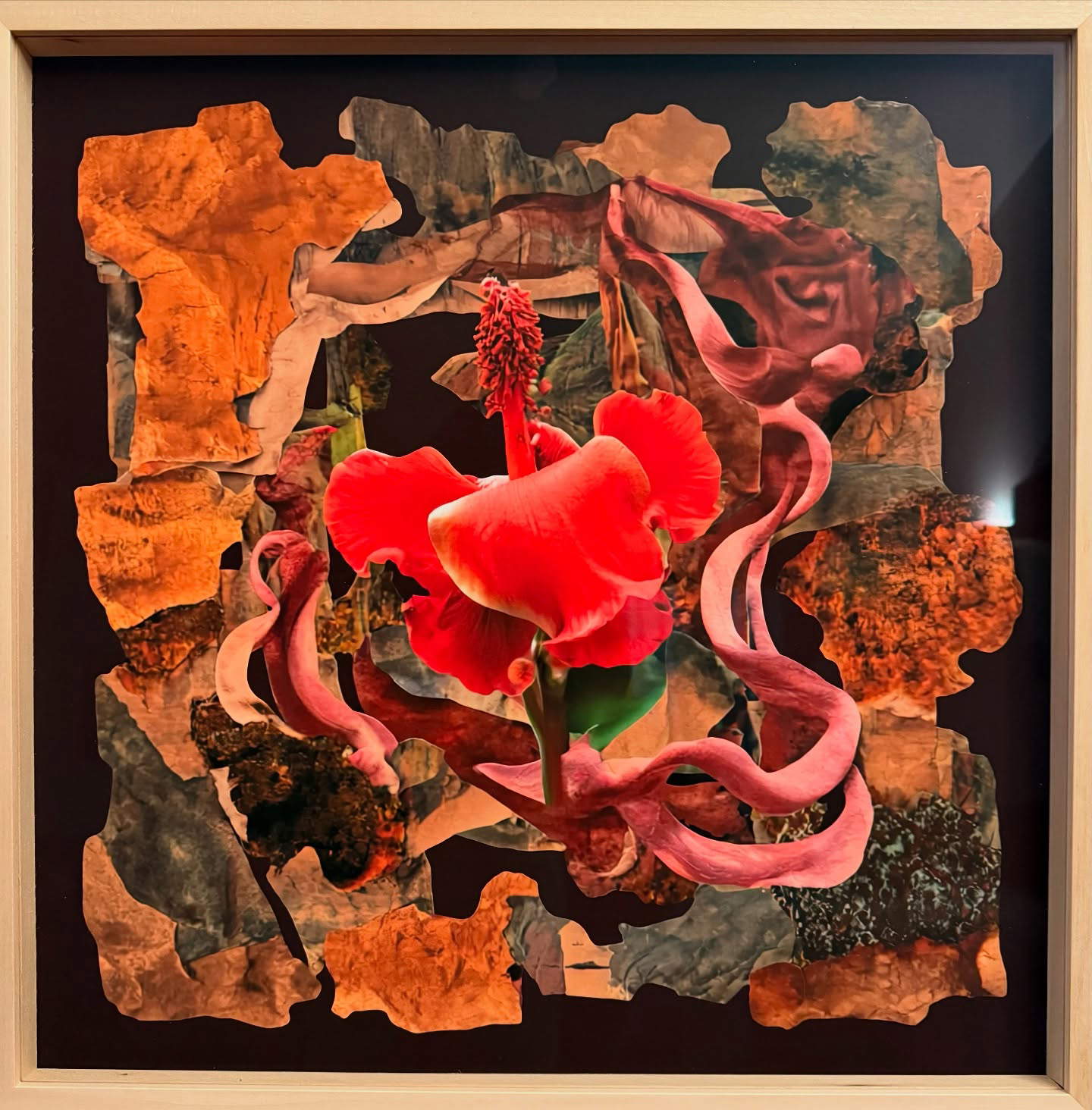
Finally, among the stands of galleries that offer a mix of modern and contemporary, Cardelli & Fontana from Sarzana and Il Chiostro from Saronnese stand out. The Ligurian gallery offers several works by Mirko Baricchi, one of its leading artists: by the La Spezia-born artist, born in 1971, we see, for example, Pantagruel #3, one of Baricchi’s now-classic landscapes where paint is laid down and then removed to leave room for visual suggestions of great freedom. The price for this canvas is 11,000 euros. A decidedly more conceptual approach related to environmental urgencies is that proposed by Il Chiostro with the Italian-Brazilian, born in 1967, Debora Hirsch. The Plant series focuses on threatened biodiversity, transforming endangered plant species into digital icons imprinted on paper as unique specimens. Each piece, framed with museum glass and priced at 5,200 euros, is included in a choral dialogue with such masters as Giorgio Morandi and Filippo de Pisis, in a timeless reflection on the floral theme.
Arte Fiera 2026 thus confirms itself as an event that succeeds in offering a comprehensive and qualitatively high overview of the current situation. Ferri’s direction seems to have succeeded in instilling a sense of order and cleanliness, without neglecting research (the visit often proves to be an opportunity for in-depth study). To be promoted: the Pittura XXI section, which in addition to those mentioned above manages to mark additional moments of great interest (two out of all: the monographic stand of Lunetta11 dedicated to the young Ismaele Nones, and that of Boccanera that proposes a splendid dialogue between Andrea Fontanari and Cristian Avram: too bad it is penalized by the unfortunate position) and the stands that show they know how to do research and promote young artists. To be reviewed: much of the modern, and especially the Twentieth+ section that does not seem to us to have added much to the usual proposal.

The author of this article: Federico Giannini e Ilaria Baratta
Federico Giannini. Giornalista, co-fondatore di Finestre sull'Arte, direttore responsabile della testata. Nato a Massa nel 1986, si è laureato nel 2010 in Informatica Umanistica all’Università di Pisa. Nel 2025 ha scritto il libro Vero, Falso, Fake. Credenze, errori e falsità nel mondo dell'arte (Giunti editore). Per la tv è stato autore del documentario Le mani dell’arte (Rai 5) ed è stato tra i presentatori del programma Dorian – L’arte non invecchia (Rai 5).
Ilaria Baratta. Giornalista, co-fondatrice di Finestre sull'Arte, caporedattrice della testata. È nata a Carrara nel 1987 e si è laureata a Pisa in Lingue e Letterature Straniere.
Warning: the translation into English of the original Italian article was created using automatic tools. We undertake to review all articles, but we do not guarantee the total absence of inaccuracies in the translation due to the program. You can find the original by clicking on the ITA button. If you find any mistake,please contact us.






















 IT
IT FR
FR DE
DE ES
ES CN
CN


