





From January 29 to May 17, 2026, Palazzo Reale in Milan hosts Robert Mapplethorpe. The Forms of Desire, a retrospective dedicated to the American photographer that systematically traverses the entire parabola of his work. The exhibition, promoted by the Municipality of Milan - Culture and produced by Palazzo Reale and Marsilio Arte in collaboration with the Robert Mapplethorpe Foundation of New York, is part of theMilan Cortina 2026 Cultural Olympiad program, flanking the calendar of the Olympic and Paralympic Winter Games with a schedule of cultural events spread throughout the country.
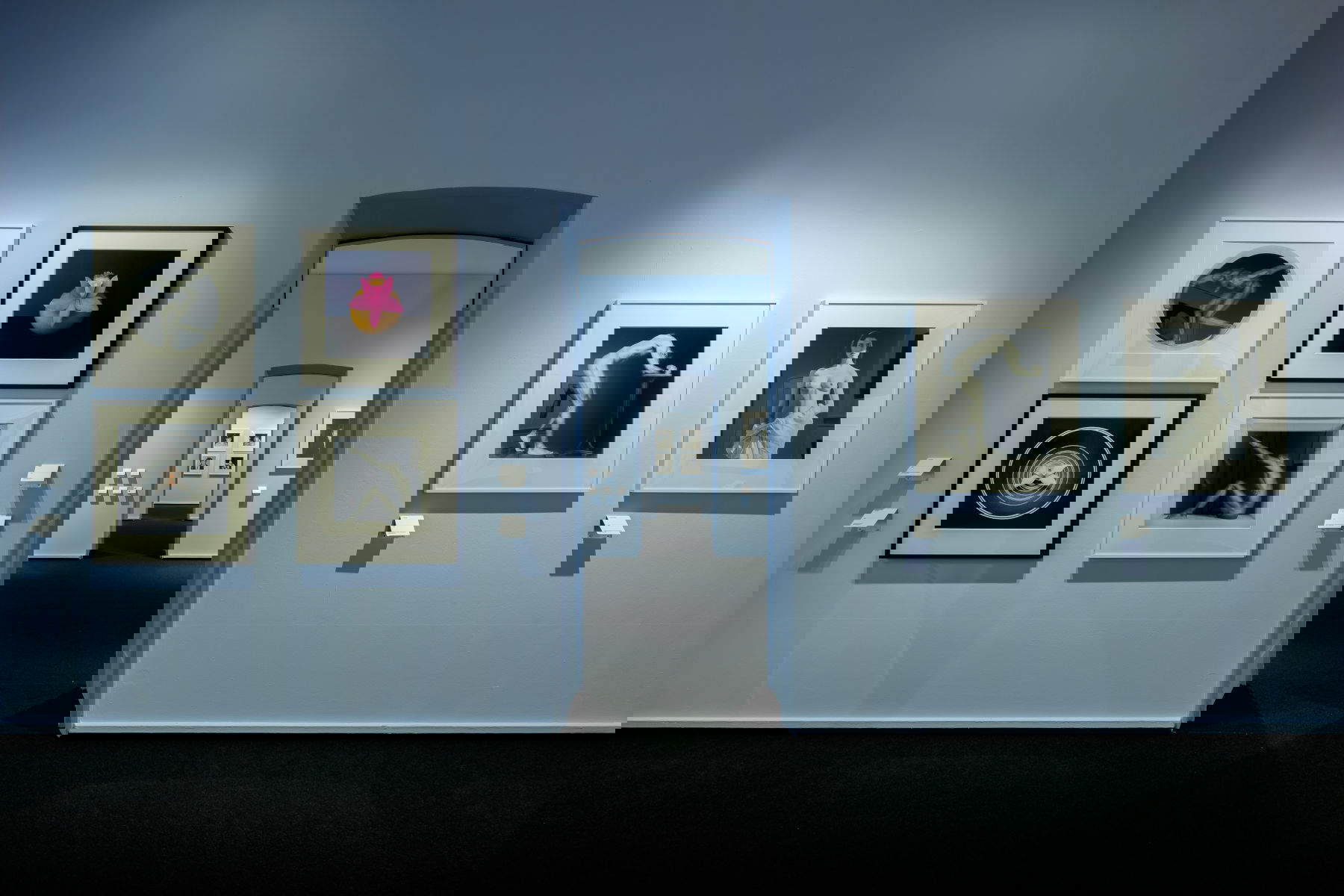
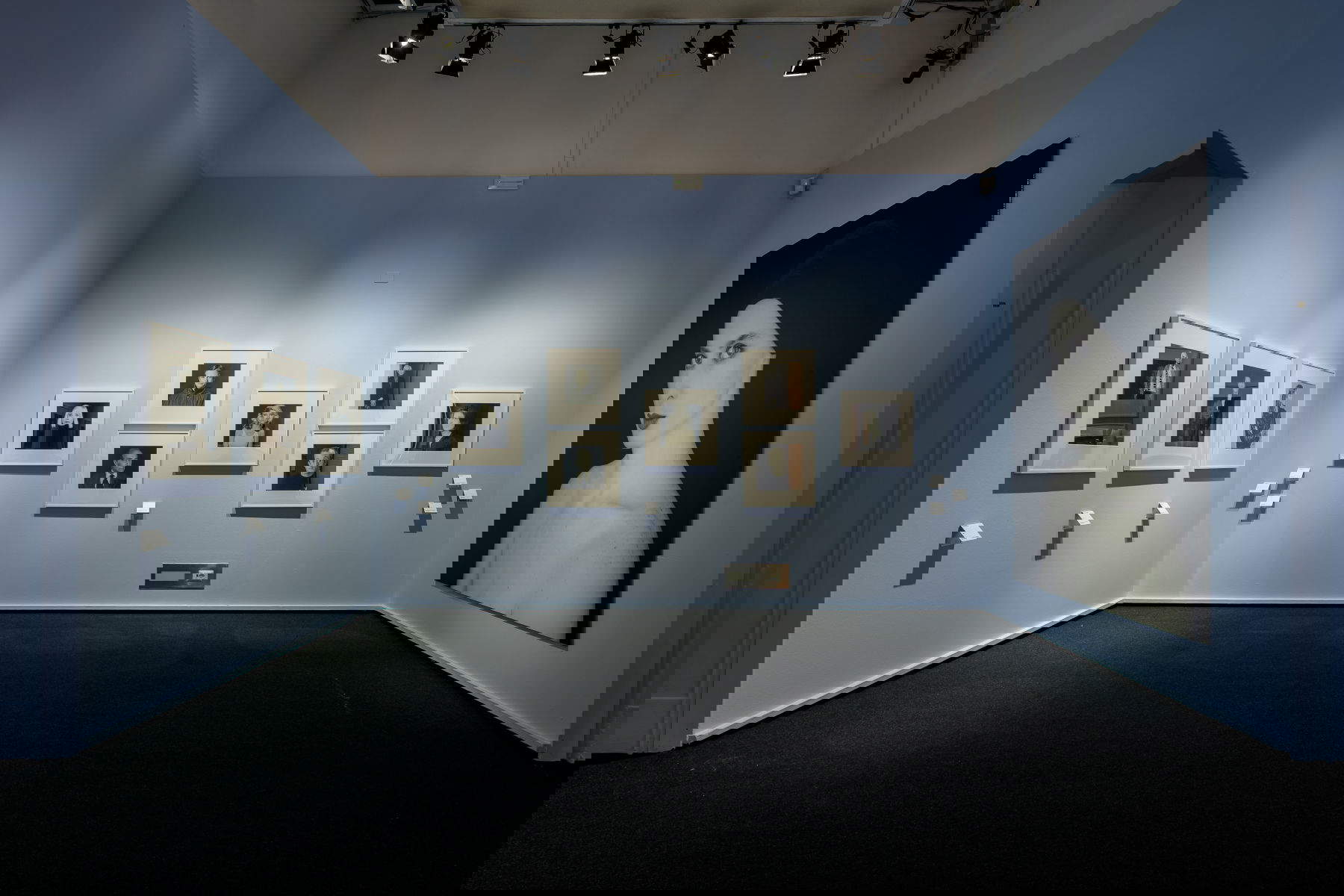
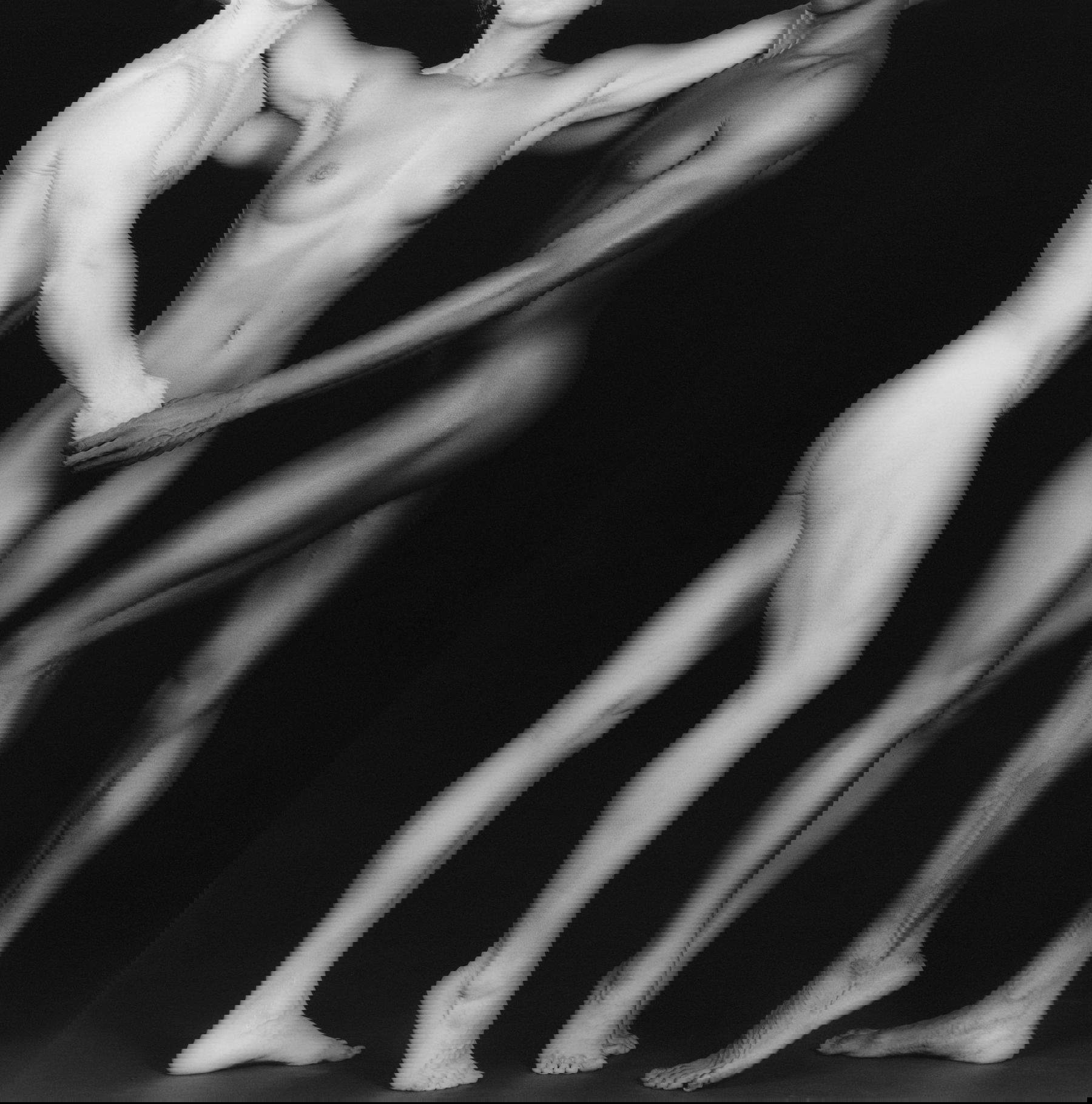
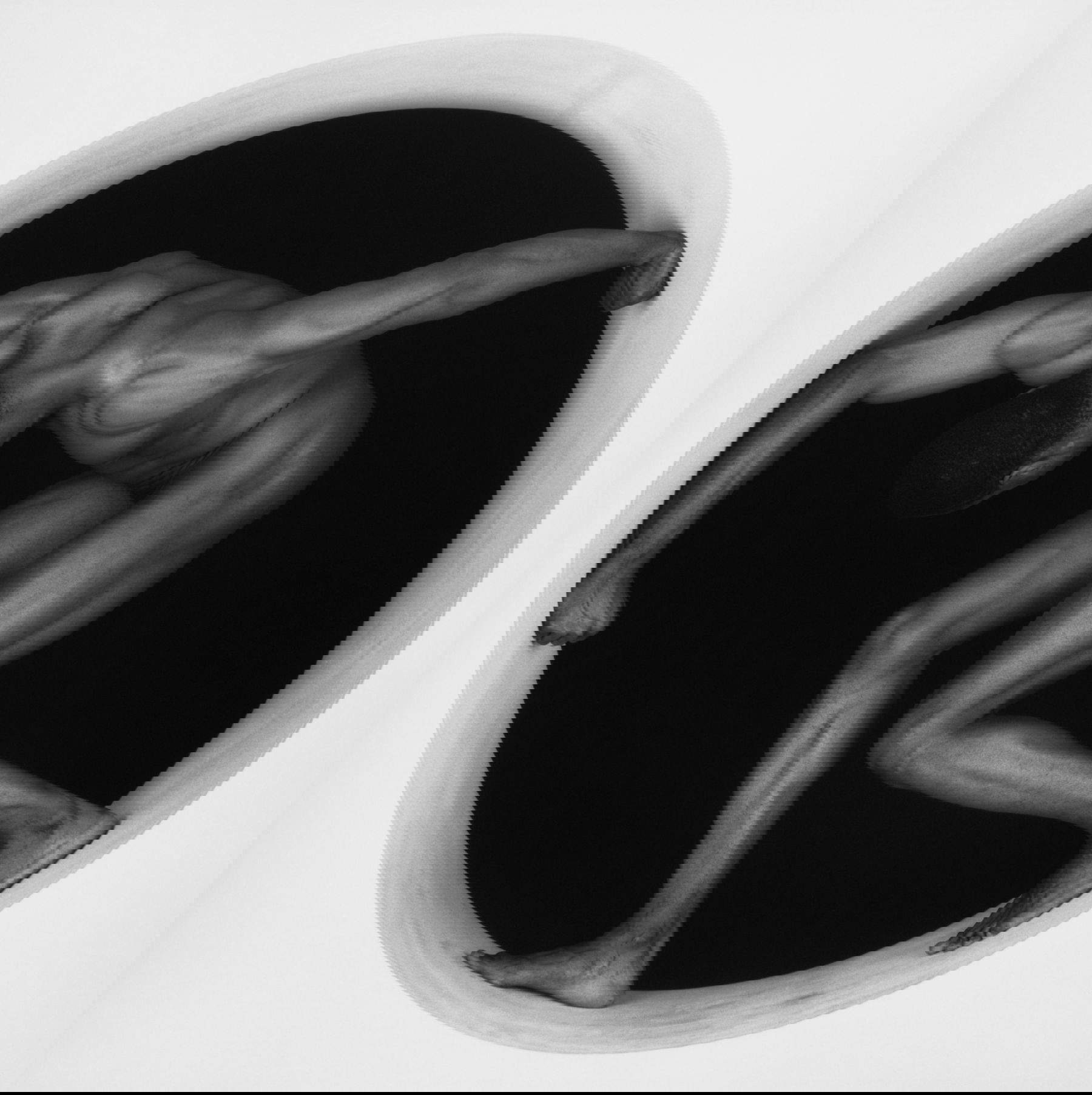
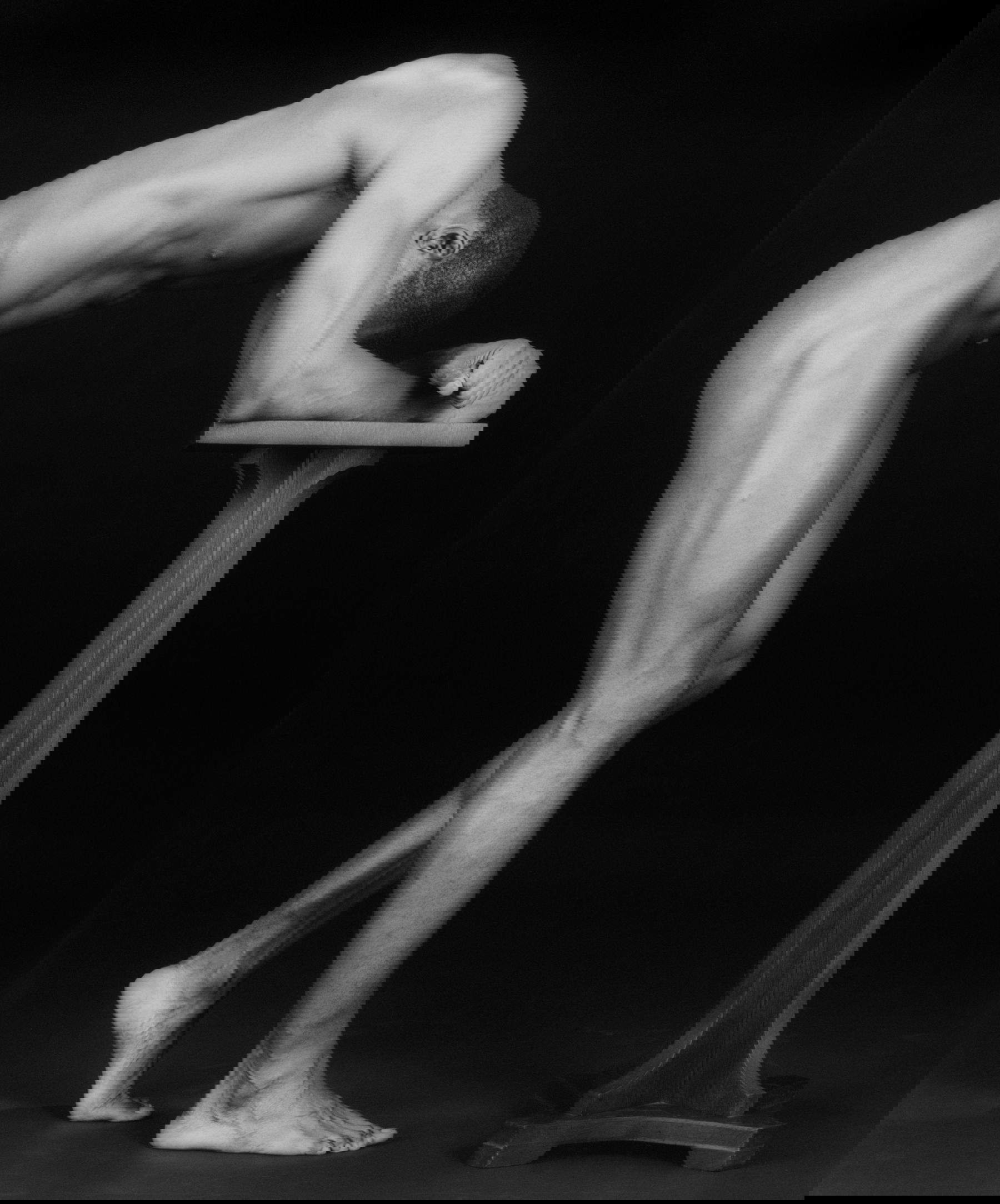
The exhibition brings together more than 200 works, including some images , and offers a comprehensive reading of Robert Mapplethorpe’s work, relating the different phases of his research and the thematic cores that have marked its evolution. Curated by Denis Curti, the exhibition aims to restore the complexity of an author who, between the 1960s and 1980s, contributed decisively to the redefinition of the language of photography, placing himself at the center of the cultural, political and identity tensions of his time. Born in New York in 1946 and dying prematurely in Boston in 1989, Mapplethorpe went through a historical season in which creativity was often configured as a political gesture. In this context, his photography developed as an instrument of formal and symbolic investigation, capable of combining rigorous aesthetic research with explicit reflection on the body, desire and identity. In Milan, the exhibition itinerary privileges precisely this dimension, placing at the center the construction of the human body, treated as a sculptural surface through a calibrated use of light, contrast and composition.
"With Robert Mapplethorpe. The Forms of Desire, Milan pays tribute to a master who knew how to combine the discipline of classical composition with the freedom of contemporary expression," he argues. Tommaso Sacchi, Milan City Councilor for Culture “In his images the human body becomes architecture, culture, ideal measure. In constant dialogue with sculpture and the classical tradition, Mapplethorpe’s photographs reveal his aspiration for an ideal of absolute beauty, rigorous and at the same time sensual. The exhibition finds a particular declination in Milan: creative energy becomes an aesthetic principle, a harmony between matter and idea, between ephemeral and eternal. Hosting at Palazzo Reale this stage of the project dedicated to the photographer means reaffirming Milan’s role as the capital of the contemporary image and as a city capable of welcoming the most complex and radical languages of modernity.”
“Everything changes when the filmmaker friend Sandy Daley gives Mapplethorpe a Polaroid,” says Denis Curti curator of the exhibition, “and with it in his hands, between 1970 and 1971, Robert begins a path related to the study of his self-portrait, focused on the representation of homoerotic sex and starting from himself. At the same time he met Tom of Finland (pseudonym of Touko Laaksonen): the first to give life to homoerotic aesthetics. A great friendship arises between them that changes Mapplethorpe’s vision forever. Both explored the theme of fetishism, skin, and classical beauty applied to the male body. While Tom did it with the exaggeration of drawing, Mapplethorpe did it with the almost marble-like precision of photography, but both helped to make ’art’ out of what was previously considered only underground material. Self-taught, Sam Wagstaff (his mentor and partner) gave him his first Hasselblad in 1975, the medium-format camera that enabled him to achieve the sculptural precision and perfect blacks and whites for which he is now universally known. The aim of this exhibition is precisely to place Robert Mapplethorpe back in the higher dimension of photography, among the most important photographers of the 20th century, beyond provocation and beyond censorship.”
The opening of the exhibition is dedicated to collages and assemblages made in the late 1960s, rare and rarely exhibited works that document the artist’s experimental phase. In these works, Mapplethorpe combines magazine clippings, archival images, drawings, religious fetishes, clothing and heterogeneous materials, constructing compositions that reflect an early attention to the theme of identity and the role of artifice in the representation of the self. Interest is directed toward the possibility of establishing a relationship with the other, soliciting an active participation of the viewer, who is called upon to complete the meaning of the work through his or her own experience.
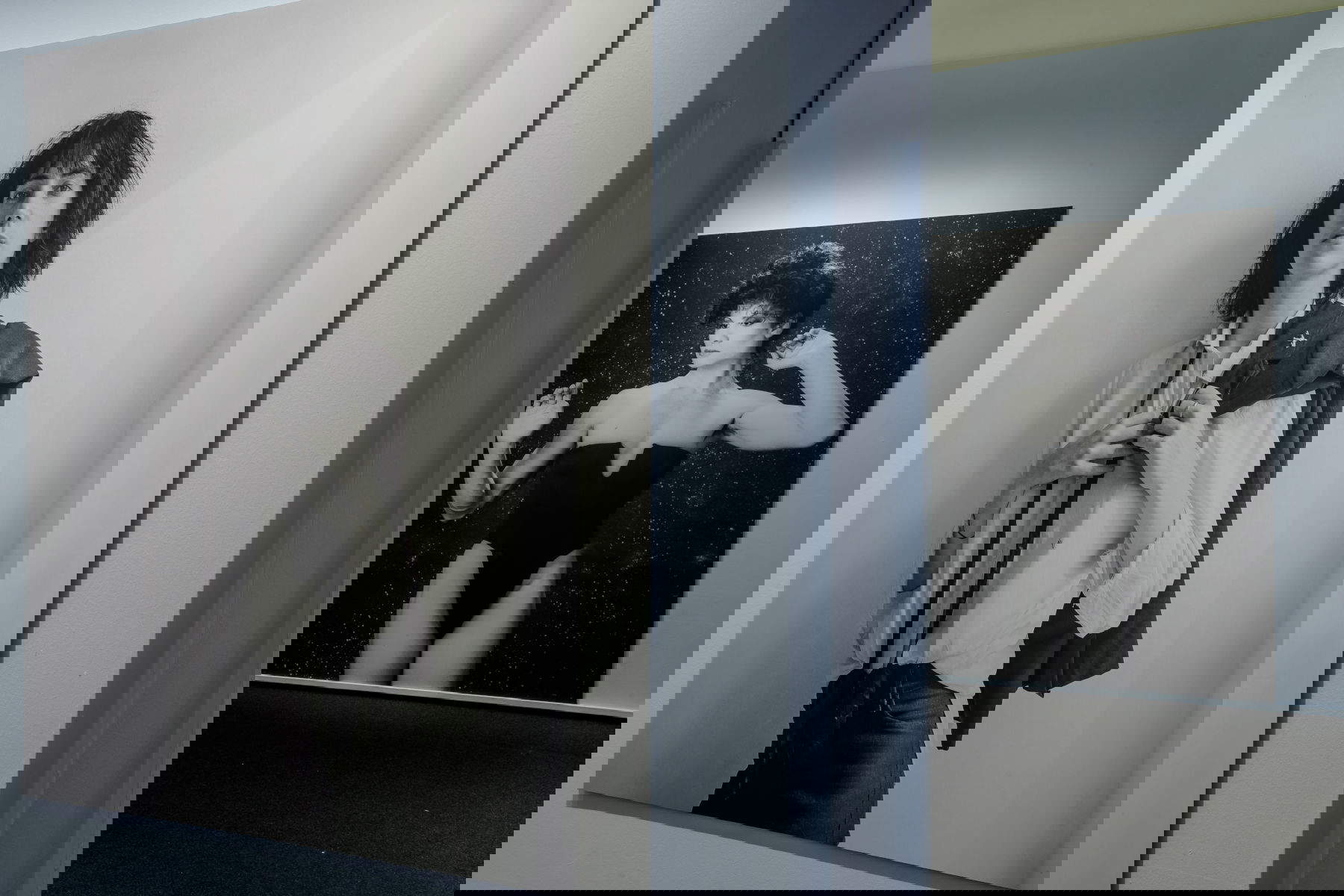
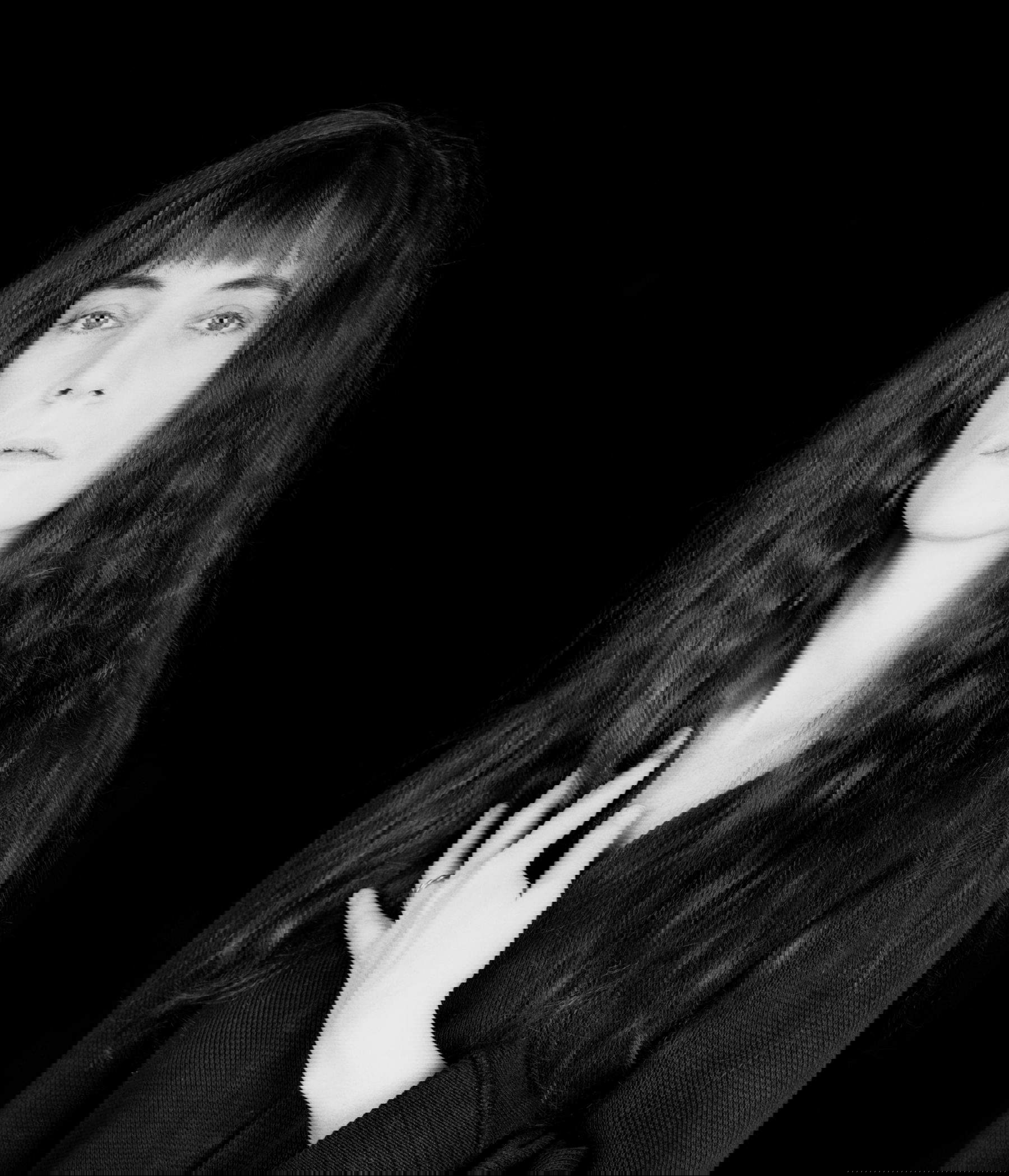
Two central sections are devoted to the figures of Patti Smith and Lisa Lyon, fundamental muses in Mapplethorpe’s journey. The portraits of Patti Smith restore a bond that extends over time and is situated on a plane of deep intimacy. The images tell of a complex relationship of emotional closeness and artistic sharing, and construct a visual narrative that accompanies both figures on their path of personal and creative growth. In these shots, the affective dimension is translated into an essential representation, devoid of rhetoric, in which the body becomes a place of mutual recognition.
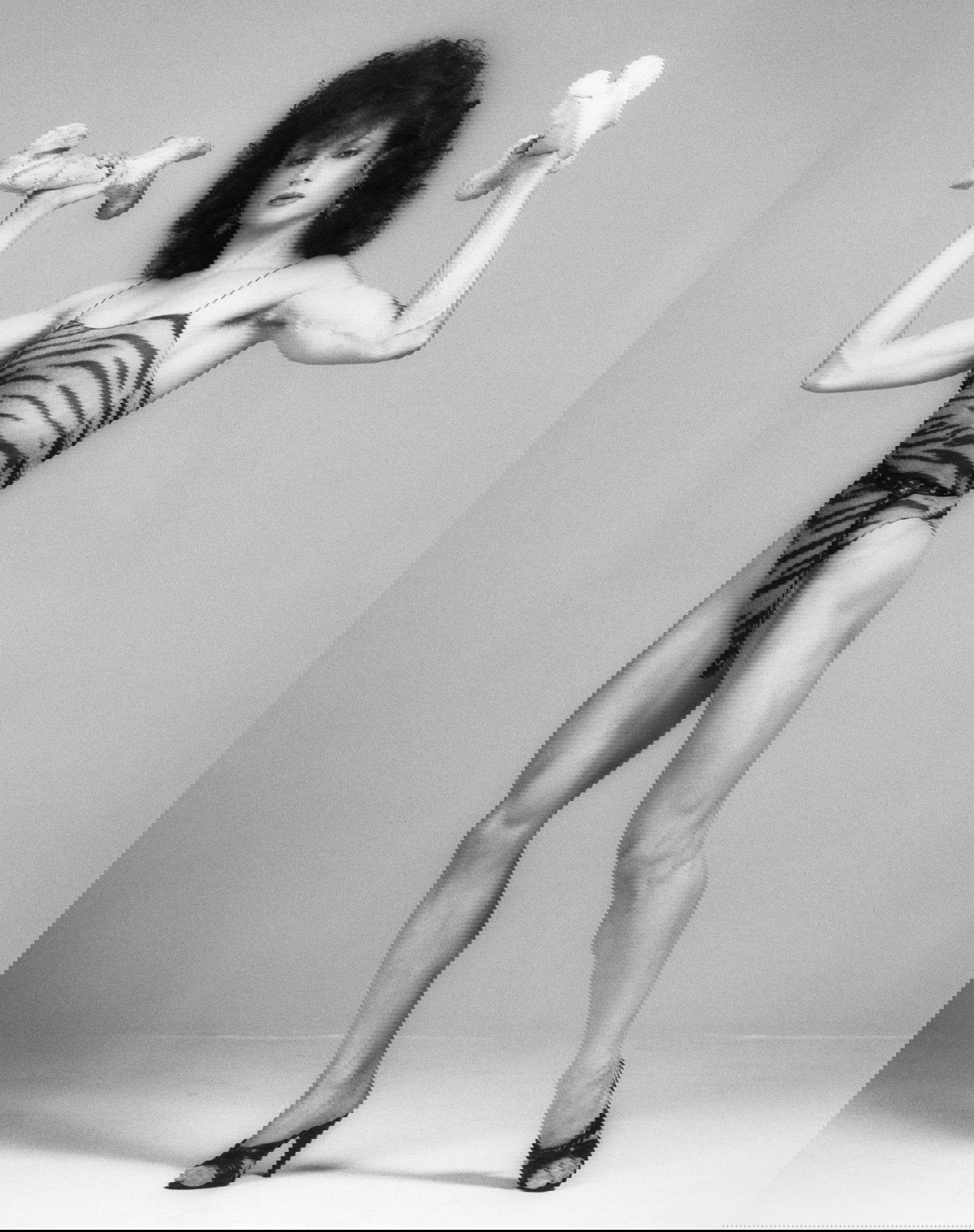
Different, but equally central, is the work dedicated to Lisa Lyon, world champion bodybuilder and icon of an androgynous beauty that defies gender conventions. Mapplethorpe portrays Lyon through a neoclassical aesthetic, accentuating muscular definition and physical tension, and constructs images that challenge traditional boundaries between male and female. The body here becomes a space of transformation, removed from dominant categories and returned as an autonomous form, capable of expressing a new idea of identity.
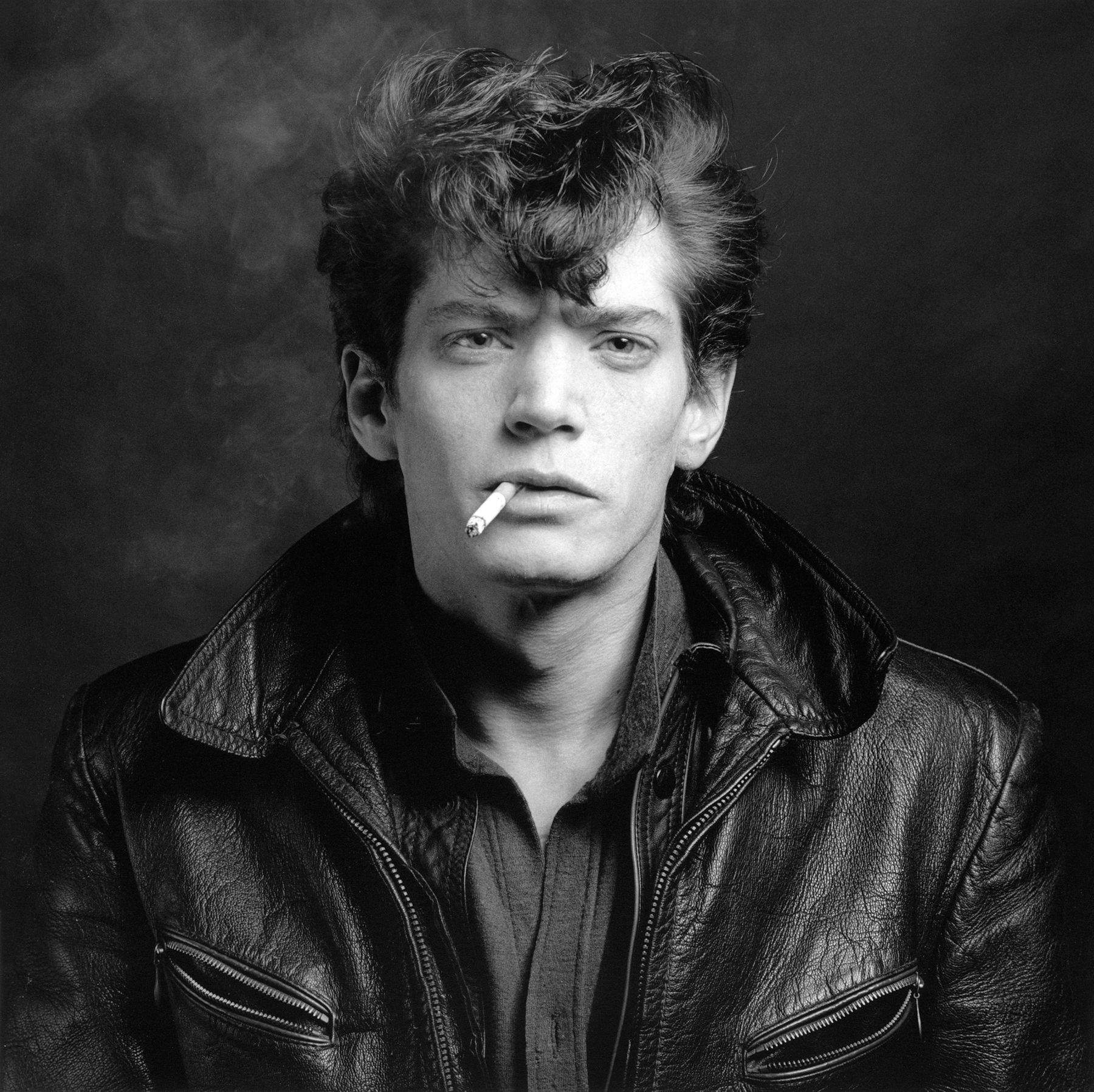
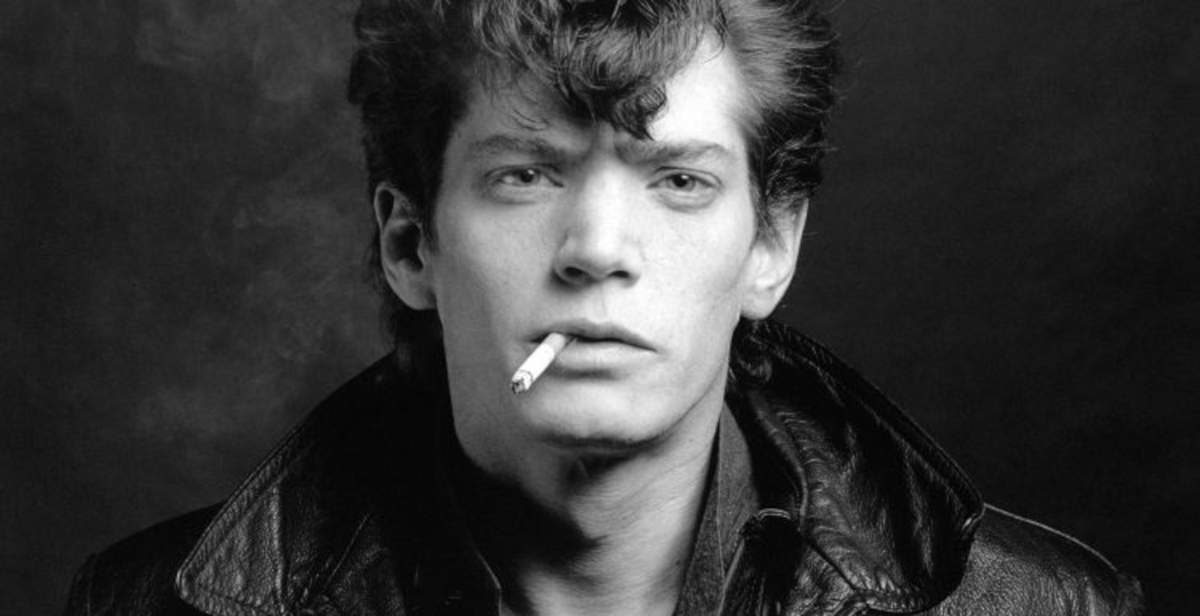
The section of self-portraits introduces a more introspective register. Mapplethorpe uses photography as a tool for self-analysis, documenting his own existence through a series of images spanning the entire span of his adult life. From the dandy poses of the 1970s to the more radical cross-dressing and staging, to the final shots marked by illness, Self Portrait takes the form of a visual diary in which the artist’s body becomes a site of experimentation and total exposure. In works such as Self Portrait of 1988, the AIDS-scarred face returns a direct and unmediated testimony, calling into question the relationship between representation, vulnerability and awareness of the end.
Ample space is reserved for the portrait, understood by Mapplethorpe as an encounter between two subjectivities. The photographs made in the studio, characterized by rigorous control of light and composition, portray central figures of twentieth-century culture, including Andy Warhol, Yoko Ono, Susan Sontag, Peter Gabriel and Isabella Rossellini. In these shots, the person portrayed is removed from the contingency of reality and placed in a suspended dimension in which corporeality takes on symbolic value. The gaze, direct or lateral, becomes the narrative focus of the image, opening a silent dialogue with the viewer.
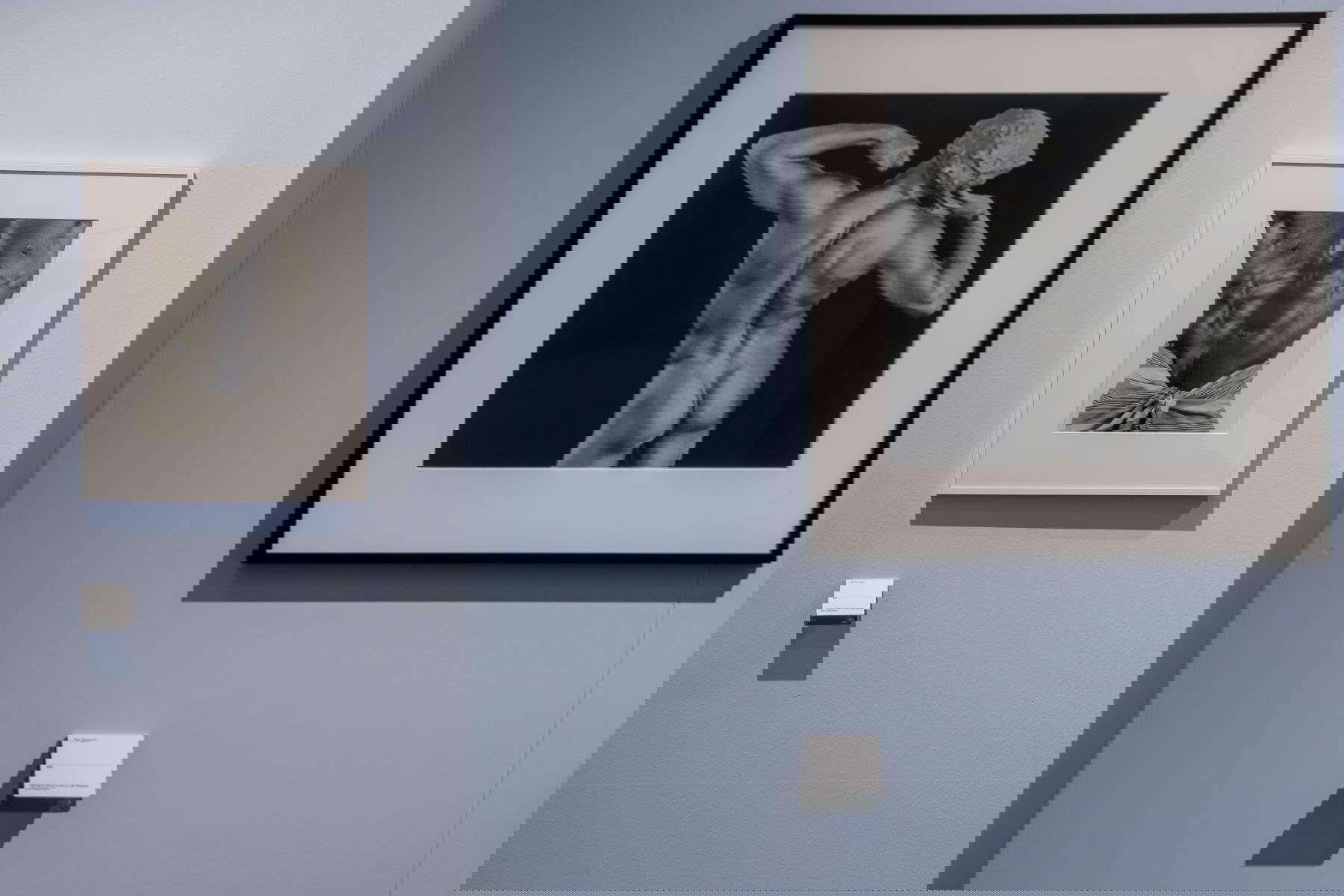
The core of male and female nudes represents one of the most well-known and discussed points of Mapplethorpe’s production. The photographs exhibited in Milan show bodies treated as classical forms, constructed through a synthesis of plastic tension and formal precision. Of particular note are the portraits of African-American models, represented outside of any stereotype and rendered as living sculptures, in which light shapes the surface of the skin with the same attention given to marble. These works can be read as a reflection on the limits of the gaze and the dynamics of foreignness and proximity that govern the relationship between observer and observed subject.
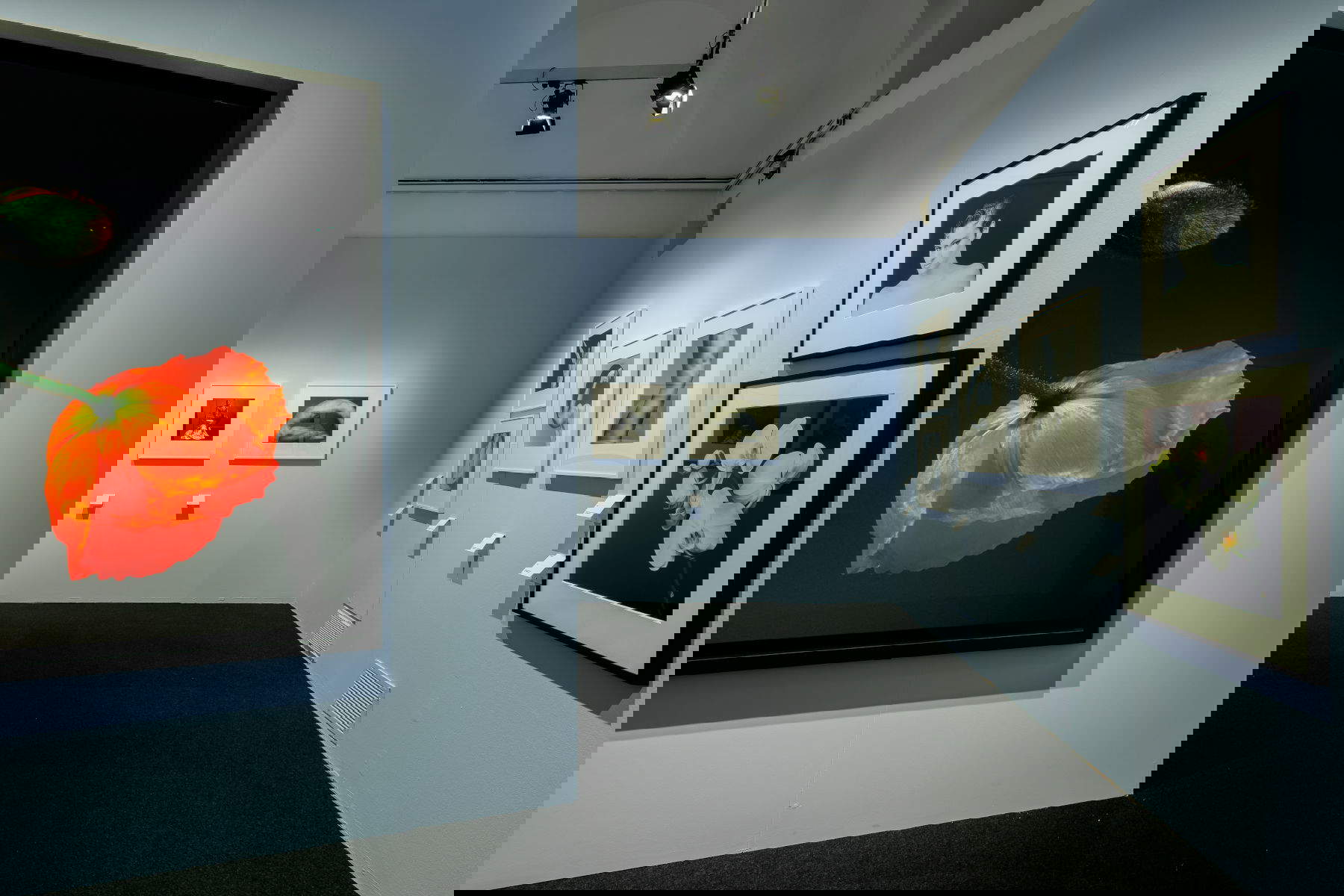
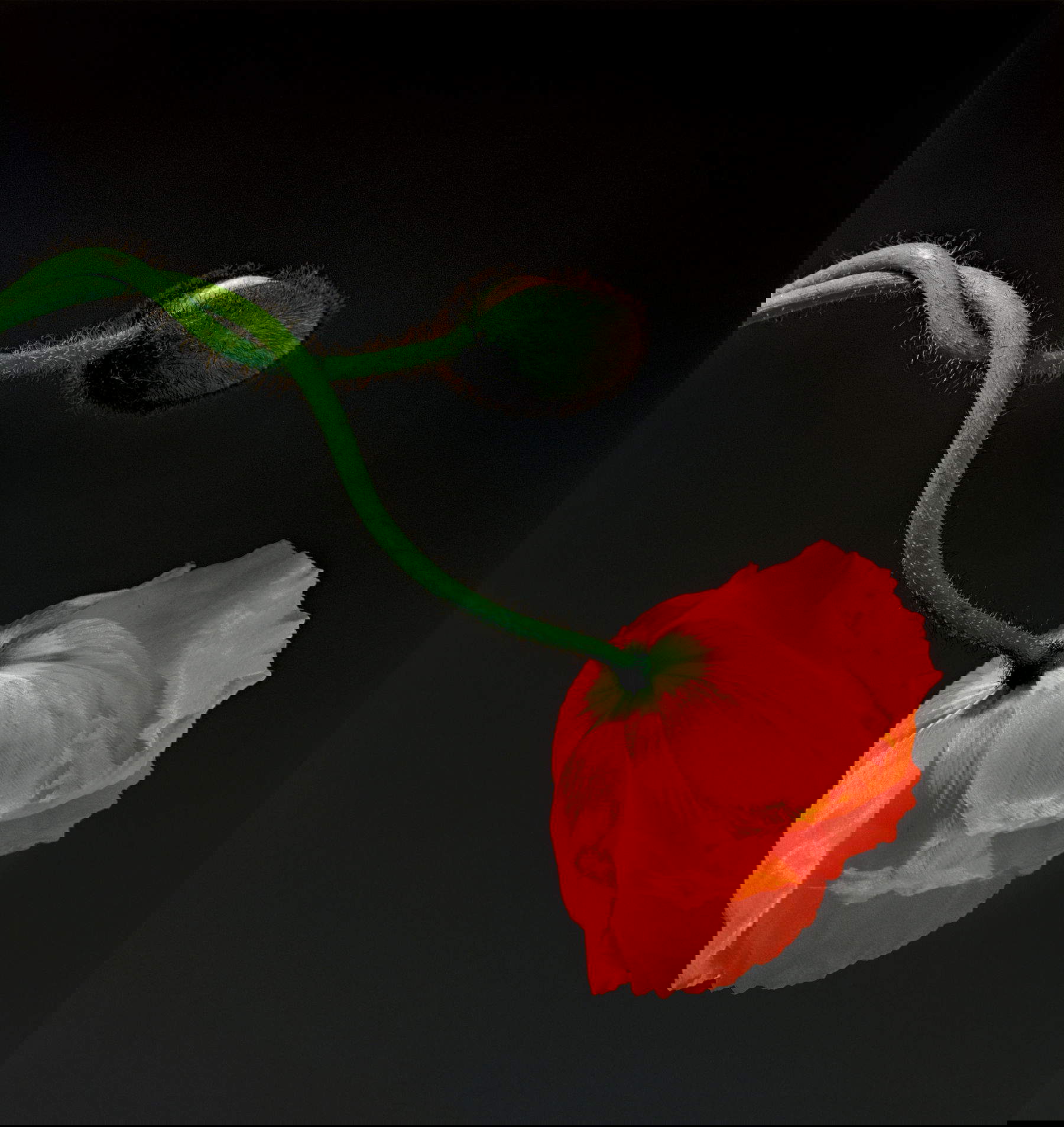
Alongside the nudes, photographs of flowers form another central element of the itinerary. Callas, orchids, tulips and poppies are captured as isolated appearances, laden with formal and symbolic allusions. Far from being mere exercises in style, these still lifes participate in the same tension that runs through human bodies, suggesting a continuity between nature and anatomy and between plant form and life drive. The flower thus becomes a visual device that refers to an implicit sexuality, constructed through balance and compositional control.
The exhibition closes with a section devoted to a dialogue between contemporary photography and classical statuary. Using his Hasselblad 500C, Mapplethorpe photographs ancient sculptures with the intention of removing them from their immobility, restoring a carnal quality to the stone. Through the play of light and shadow, the marble surfaces acquire an unexpected softness, while the sculpted body is charged with an emotional tension that brings it closer to the human condition. In this confrontation with the ancient, photography becomes an instrument of symbolic reactivation, capable of re-circulating the desire inscribed in classical forms.
Robert Mapplethorpe. The Forms of Desire represents the second chapter of an exhibition trilogy that began in Venice, in the Stanze della Fotografia, and is set to continue in Rome, at the Ara Pacis Museum, from May 29 to October 4, 2026. The exhibition is accompanied by the podcast Mapplethorpe Unframed, written and hosted by Nicolas Ballario, available on the major Spotify and Apple Music platforms, and by a catalog published by Marsilio Arte, edited by Denis Curti, which brings together 257 works and reconstructs the evolution of Mapplethorpe’s language from his early collages to his investigations of the nude and statuary. The exhibition is realized with the support of Radio Capital, the official radio station of the exhibition, InViaggioCon Corriere della Sera as media partner, and with the support of Coop Lombardia and La Viarte.
“At Marsilio Arte”; says Luca De Michelis, managing director of Marsilio Editori and Marsilio Arte, “we believe that photography is the universal language of the contemporary. Our commitment is embodied in a vision that combines the publishing tradition of Marsilio with the creation of major exhibition projects: from the enhancement of the heritages of great photographers to the management of spaces of excellence such as Le Stanze della Fotografia in Venice. Through a cultural network that connects cities such as Venice, Milan and Rome, we want to transform the experience of an exhibition into a living dialogue, where the quality of the catalog and the rigor of the exhibition project come together to give back to the public the extraordinary power of the image.”
Robert Mapplethorpe was born in Queens, New York, in 1946, within a large family raised under a strict Catholic upbringing. After graduating from high school, he enrolled at Pratt Institute in Brooklyn with the intention of majoring in advertising design, but soon abandoned this major and turned toward drawing, painting and sculpture, developing an increasing interest in the visual arts.
In the late 1960s he met Patti Smith, then an art student, with whom he embarked on a personal and creative relationship destined to deeply mark both of them. During these years her research focused mainly on collages, in which religious suggestions, archival images and a growing attention to the theme of identity coexisted. His move to the Chelsea Hotel in Manhattan, a place symbolic of New York’s counterculture, brought him into contact with experimental artistic circles that fed his curiosity about the avant-garde and increasingly free forms of expression.
The decisive shift toward photography occurred in the early 1970s, when, after some performance and video experiences, he received as a gift a Polaroid camera that inaugurated a new phase in his work. His meeting with John McKendry, then head of the Department of Prints and Photographs at the Metropolitan Museum of Art, reinforces this direction, opening Mapplethorpe’s access to photographic archives and solidifying his awareness of photography as an autonomous language. Shortly thereafter he began a romantic and professional relationship with collector Sam Wagstaff, a central figure in sustaining and promoting his career.
From the mid-1970s his work began to circulate steadily in the art system, with solo exhibitions in New York galleries and the publication of his first portfolios. The adoption of the Hasselblad 500C marks a technical and formal evolution that coincides with a deepening of themes related to the body, sexuality and underground gay subcultures, observed and reinterpreted in a controlled and rigorous visual context. This period saw the birth of series destined to provoke heated public debate, culminating in the first episodes of censorship in the late 1970s.
The 1980s saw Mapplethorpe’s international breakthrough, with participation in major exhibition events and the publication of works investigating androgynous beauty, the African-American body, and the dialogue between classical form and desire. Her encounter with Lisa Lyon, a bodybuilding champion, opened a season of portraits that questioned gender conventions through a neoclassical aesthetic. At the same time, her works are exhibited in important European institutions, such as the major Venetian exhibition at Palazzo Fortuny curated by Germano Celant, which fuels a wide public debate.
Despite worsening health and a diagnosis of AIDS, Mapplethorpe continued to work on ambitious projects until his final years. In 1988 he founded the Robert Mapplethorpe Foundation, intended to support AIDS research and photography in institutional settings. At the same time, the first major museum retrospectives are held in the United States, marking the definitive recognition of his work. He died in Boston in March 1989; his passing was followed by two separate funeral ceremonies, one private and one public, reflecting the dual personal and cultural dimensions of his legacy.
Hours: Tuesday through Sunday 10 a.m.-7:30 p.m. Thursday 10- 10:30 pm. Last admission one hour before closing; Monday closed
Fees: Full admission € 15.00; reduced admission € 13.00
 |
| Robert Mapplethorpe in Milan: photography, body and desire at Palazzo Reale |

Warning: the translation into English of the original Italian article was created using automatic tools. We undertake to review all articles, but we do not guarantee the total absence of inaccuracies in the translation due to the program. You can find the original by clicking on the ITA button. If you find any mistake,please contact us.





















 IT
IT FR
FR DE
DE ES
ES CN
CN


