





After being closed for ten years, the International Center of Photography - Scavi Scaligeri in Verona reopens to the public and once again joins the circuit of city exhibition spaces with an exhibition that links photography, sports and the history of the 20th century. From February 20 to June 2, 2026, the underground rooms in the heart of the city will host Winter games! Winter sports. Photographs from the LIFE archives 1936-1972, an exhibition project that is part of the palimpsest of initiatives linked to the path toward the Milan Cortina 2026 Winter Olympic and Paralympic Games, an event in which Verona is one of the leading cities.
The reopening of the Scavi Scaligeri represents the recovery of an exhibition space that had been inaccessible for a decade and also marks the return of a place historically dedicated to photography and reflection on the contemporary imaginary. The intervention, supported by the municipal administration through the Department of Culture, returns to the public an area that combines archaeological value and cultural function, reaffirming Verona’s role as a center of production and comparison on a national and international level. The exhibition is the brainchild of Giuseppe Ceroni and is curated by Simone Azzoni. It is promoted by the City of Verona and produced by Silvana Editoriale, with the collaboration of PEP Artists and Grenze Arsenali Fotografici. The project was conceived specifically for the Scavi Scaligeri and the Verona context, placing at its center a body of images from the archives of LIFE magazine, one of the periodicals that most influenced the language of photojournalism in the 20th century.
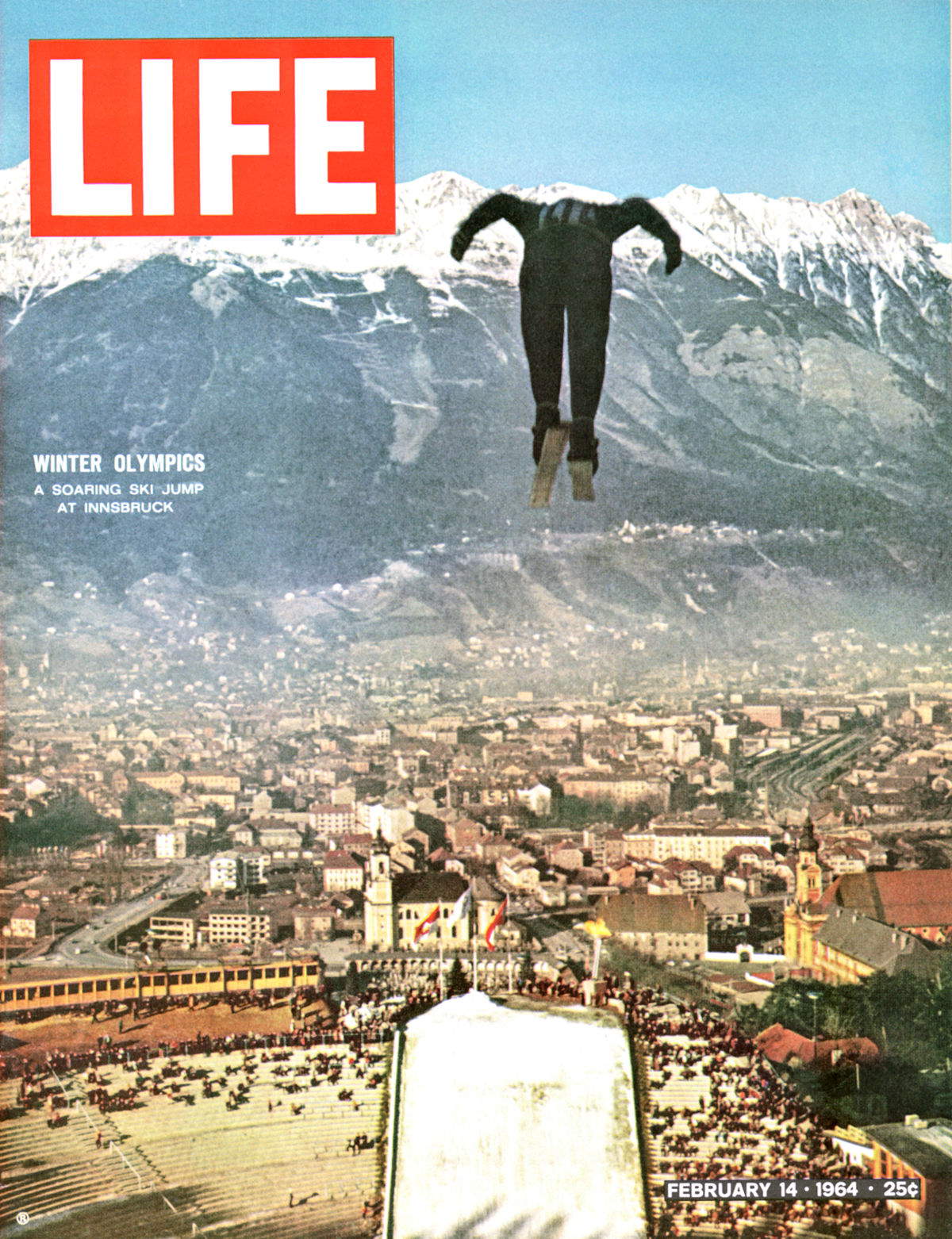
Winter games! is part of the Milan Cortina 2026 Cultural Olympiad program, the multidisciplinary and widespread container that accompanies the Games with initiatives dedicated to the dialogue between art, culture and sport. The exhibition uses photography to highlight the role of winter sports in the construction of the collective imagination between the 1930s and the early 1970s. The exhibition develops from winter sports, but goes beyond the dimension of competition and athletic performance. The approximately one hundred selected photographs, many of them previously unpublished, tell the story of sport as a shared experience and as a social phenomenon, capable of reflecting historical, cultural and economic transformations. The images cover a time span from the 1936 Garmisch-Partenkirchen Winter Olympics to the 1972 Sapporo Olympics, including such pivotal moments as the 1956 Cortina edition, and span decades marked by conflict, reconstruction, economic development and geopolitical tensions. Founded in 1936 by Henry Luce, LIFE revolutionized visual journalism by placing photography at the center of current affairs reporting. The goal was to provide readers with a direct, emotional and engaging experience. This approach also emerges clearly in the images on display in Verona, where documentary rigor coexists with a constant focus on composition, gesture and the spectacular dimension of sport.
The photographs, taken by Alfred Eisenstaedt, George Silk, Ralph Crane and John Dominis, render the image of a changing world. Alpine skiing, bobsledding and figure skating become visual tools for observing social and cultural changes. Athletes are portrayed as individuals caught in moments of concentration, tension and balance, in a narrative that privileges the body in motion and the relationship with space.
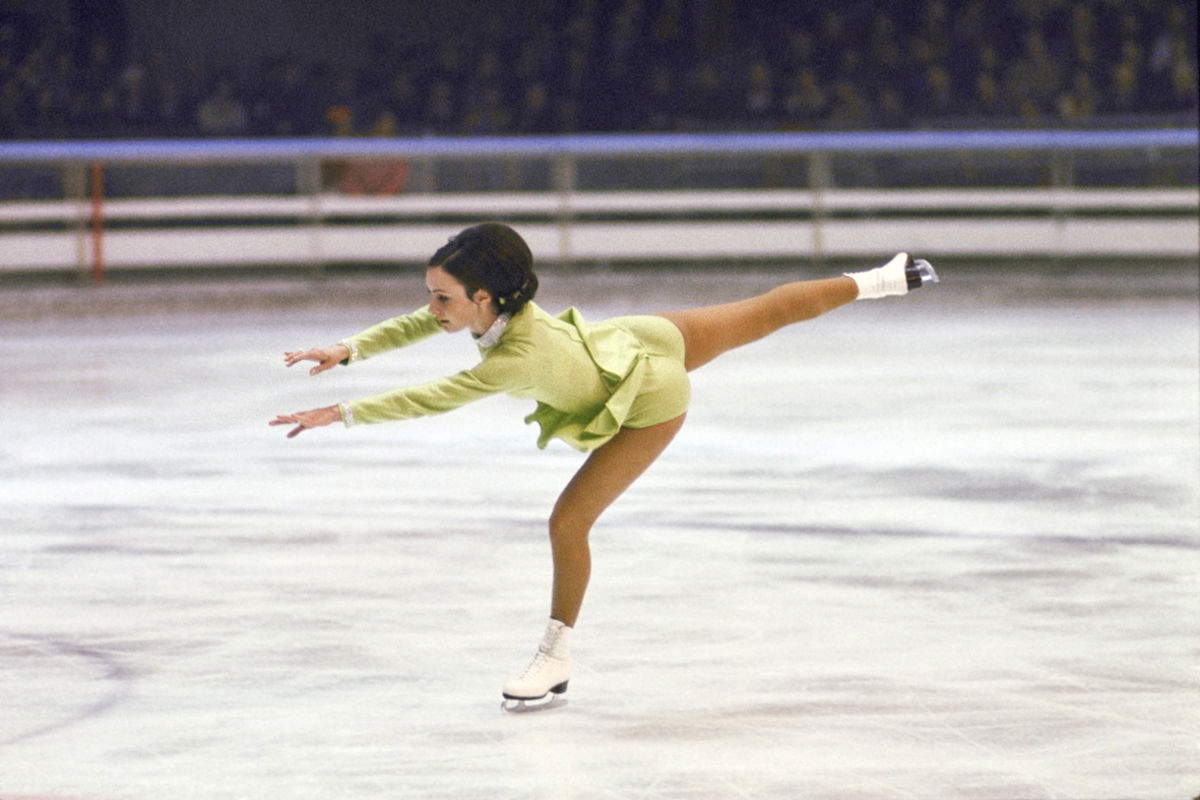
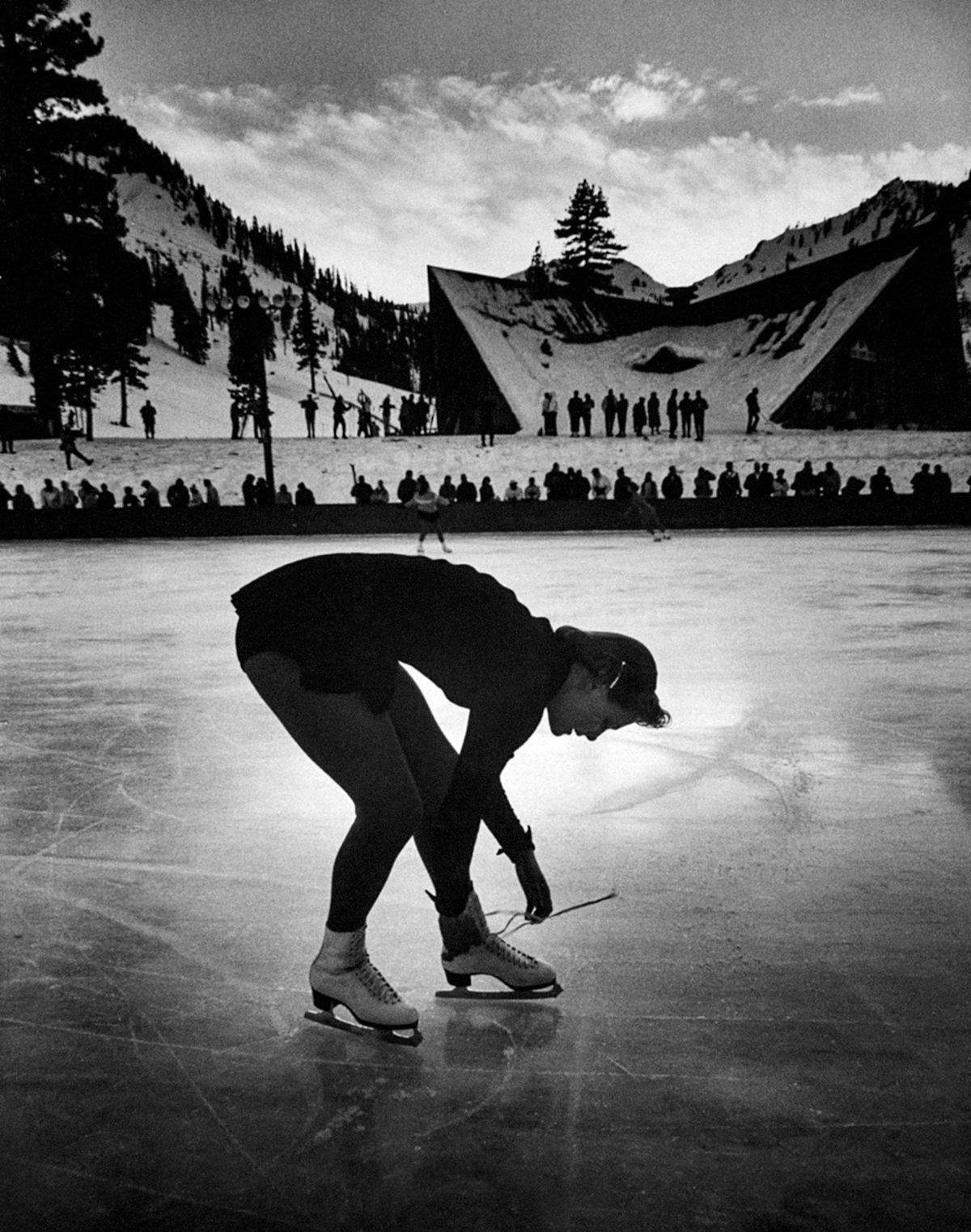
Alongside the major Olympic events, LIFE also devoted ample space to the everyday and popular dimensions of winter sports. Mountain vacations, U.S. resorts, ski-related fashions, and new forms of leisure tell the story of the affirmation of an idea of well-being and progress that redefines the relationship with the landscape and nature. In this context, sport appears as a tool of identity construction and as a central element of the Western imagination, oscillating between ideological competition, entertainment and social practice. The tour is divided into six thematic sections, Ice Lines, People, Experienced, Cortina 1956, Garmisch-Partenkirchen 1936 and Fun out of Life, which accompany the visitor through different levels of reading, offering a continuous narrative between images, history and context.
The visit is also an opportunity to rediscover thearchaeological area of the Scavi Scaligeri, which is once again accessible after a lengthy restoration and enhancement project. With a single ticket, it is possible to access both the exhibition and the archaeological site, in a dialogue between photography, architecture and historical stratifications that characterizes the layout. To complete the exhibition project, a program of meetings and in-depth discussions with lecturers and experts dedicated to the themes of the relationship between sport and landscape, education and photojournalism accompanies the entire opening period.
Hours: Tuesday through Sunday: 10 a.m. to 7 p.m. Last admission one hour before closing. Closed Mondays (special openings: April 6, June 1)
Tickets: Full € 12.00, reduced € 10
 |
| The Center of Photography - Scavi Scaligeri in Verona reopens with an exhibition dedicated to winter sports in the images of LIFE |

Warning: the translation into English of the original Italian article was created using automatic tools. We undertake to review all articles, but we do not guarantee the total absence of inaccuracies in the translation due to the program. You can find the original by clicking on the ITA button. If you find any mistake,please contact us.

























 IT
IT FR
FR DE
DE ES
ES CN
CN


