





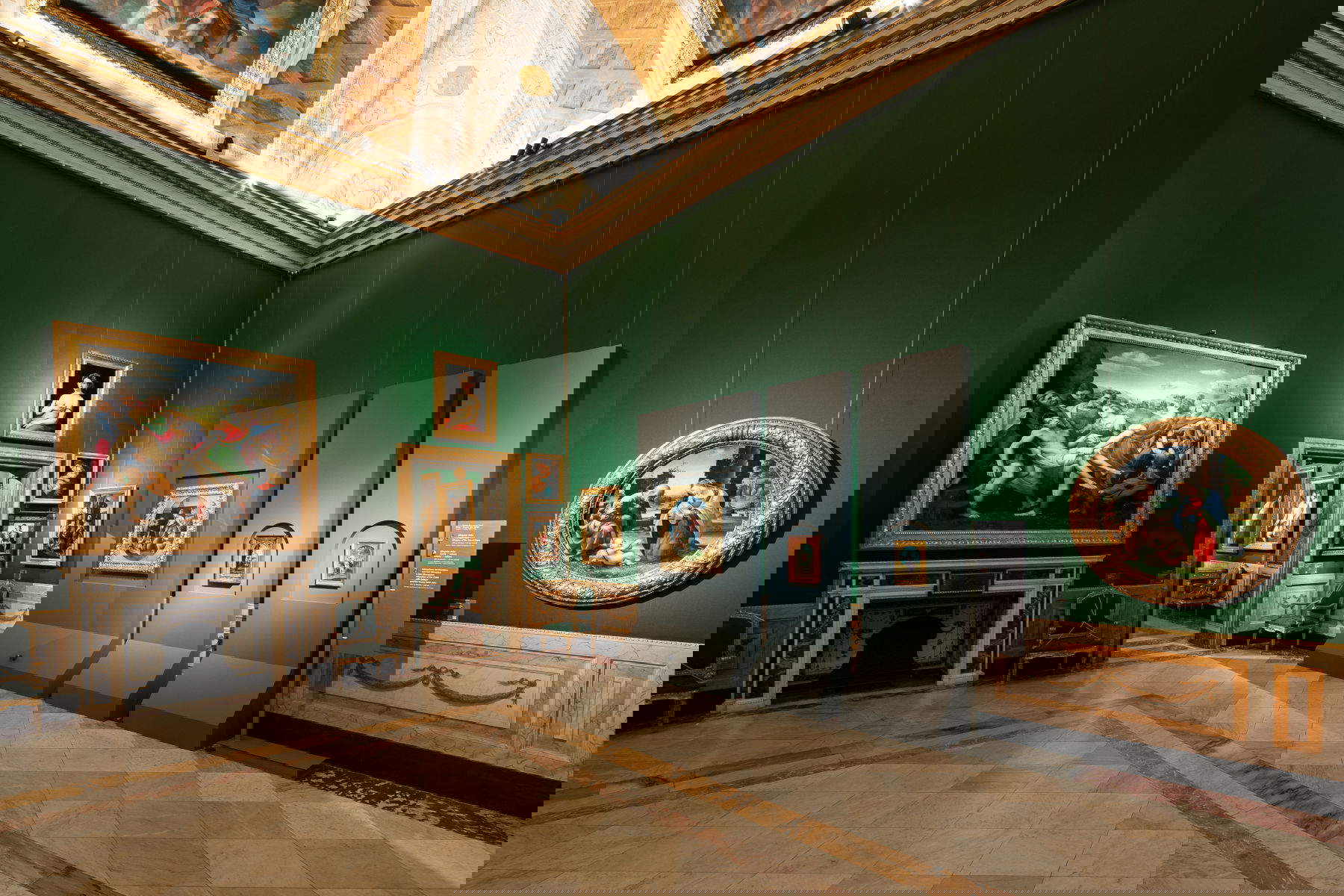
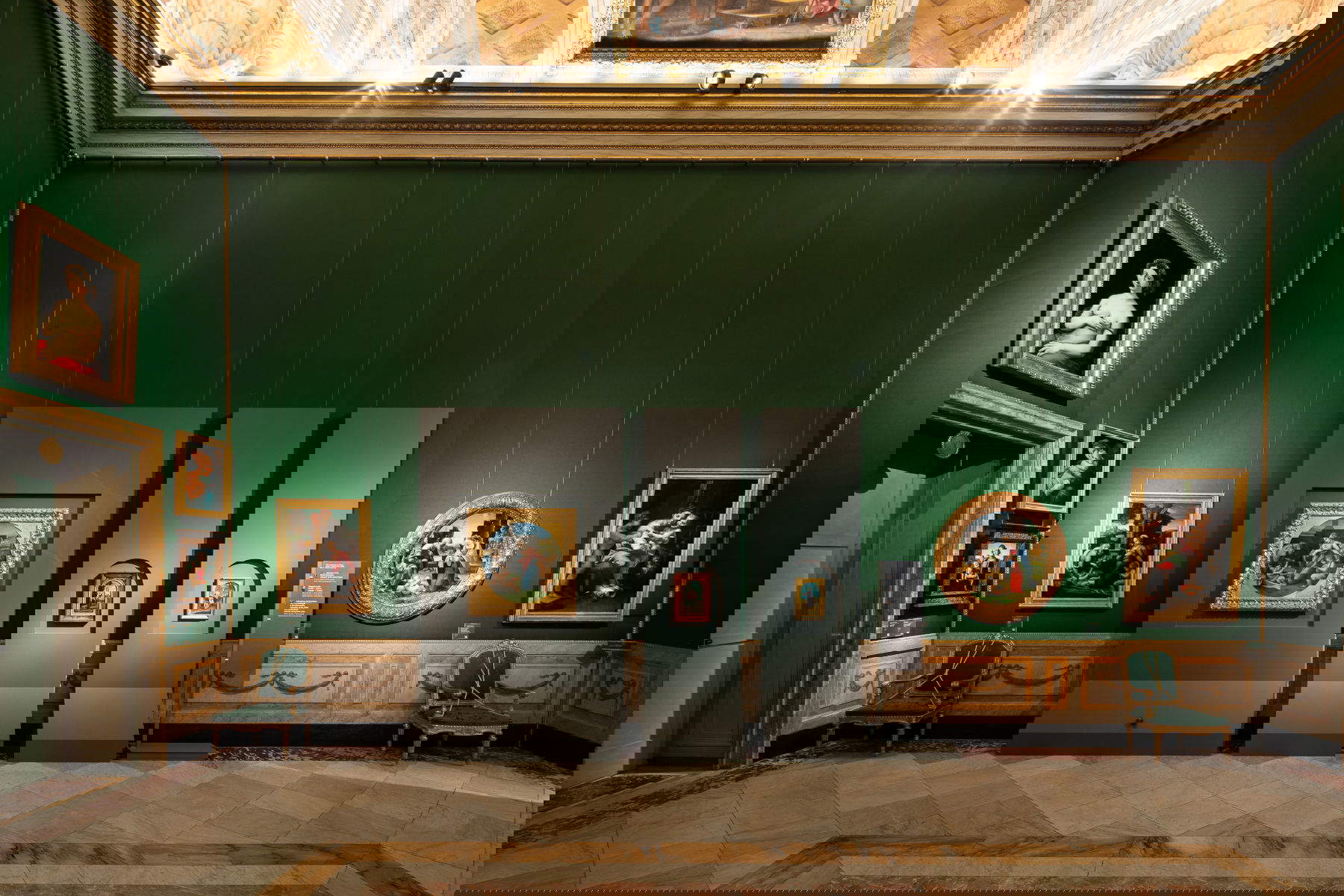
From March 17 to May 10, 2026, the Galleria Borghese in Rome will restart its dossier exhibition program with two research projects dedicated to works from the collection and important moments in the museum’s history. The exhibitions, entitled Return to the Borghese Gallery. Giovan Francesco Penni and the Workshop of Raphael and Marcello Provenzale da Cento. A Genius of Baroque Mosaic in the Rome of the Borghese, bring attention back to two relevant chapters of the institution’s collecting history, between attributive questions, the history of works and the reconstruction of historical contexts.
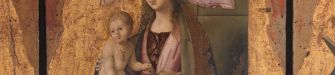
The first exhibition, curated by Lucia Calzona, marks the return to the collection of a panel attributed to Giovan Francesco Penni, theAllegory of Good Hope, purchased at auction on May 14, 2025. The acquisition is part of the Galleria Borghese’s project to reconstruct the original appearance of its collection through the recovery of works documented in the museum’s historical inventories. The panel, of centered format, is in fact recorded in the collection’s 17th-century inventories as a work by Raphael, a master with whom Penni collaborated closely.
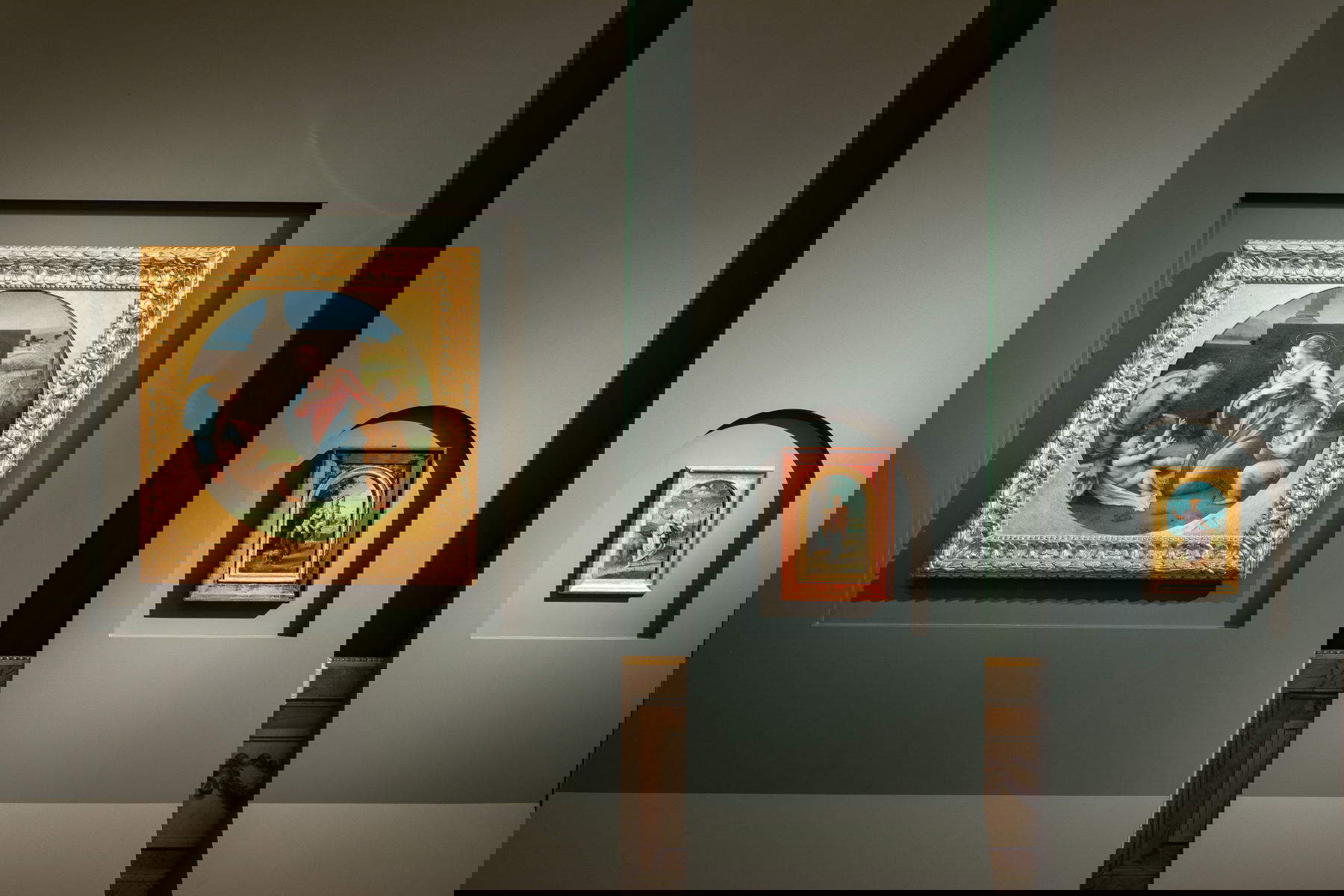
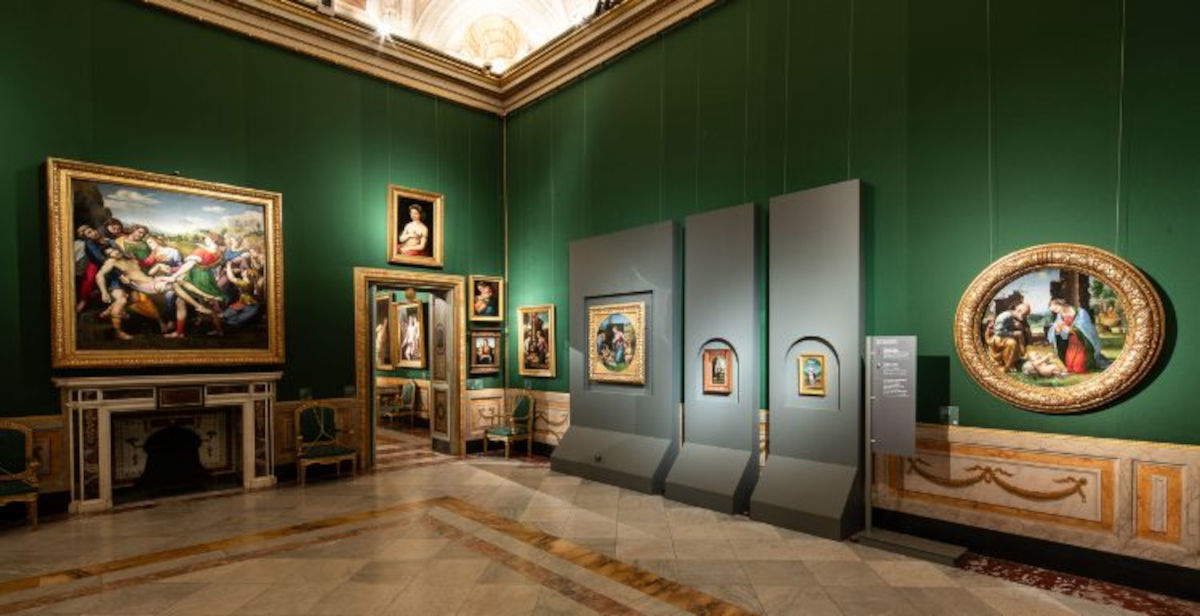
The work is presented in the room dedicated to Renaissance painting, alongside paintings by the Umbrian and Tuscan master and works from his circle, creating a dialogue with the Charity, the original pendant now preserved in a private collection. The recomposition of the diptych, which was separated at the end of the 18th century, makes it possible to reread a well-known passage in the history of the Borghese collection. In fact, the dispersal of the two panels occurred in the context of the Ottley sales between 1797 and 1799, when numerous works were alienated under the pressure of Napoleonic events.
Alongside the recomposition of the two allegories, the exhibition path proposes an in-depth study of the figure of Giovan Francesco Penni, among the main interpreters of the spread of Raphaelesque language in early 16th-century Rome. To this end, the exhibition includes theAdoration of the Child with St. Joseph and St. John, from the Abbey of the Holy Trinity in Cava de’ Tirreni, considered one of the few certain works by the artist. The painting constitutes an important term of comparison for the attributive study of the panels from the Borghese collection. The integration of the three works with the masterpieces already in the room makes it possible to outline a more articulated picture of the workings of Raphael’s workshop, highlighting the stylistic continuities and collaborative dynamics that characterized the group’s production. The exhibition project thus interweaves the history of collecting, attributive analysis and reflection on workshop work in the early 16th century.
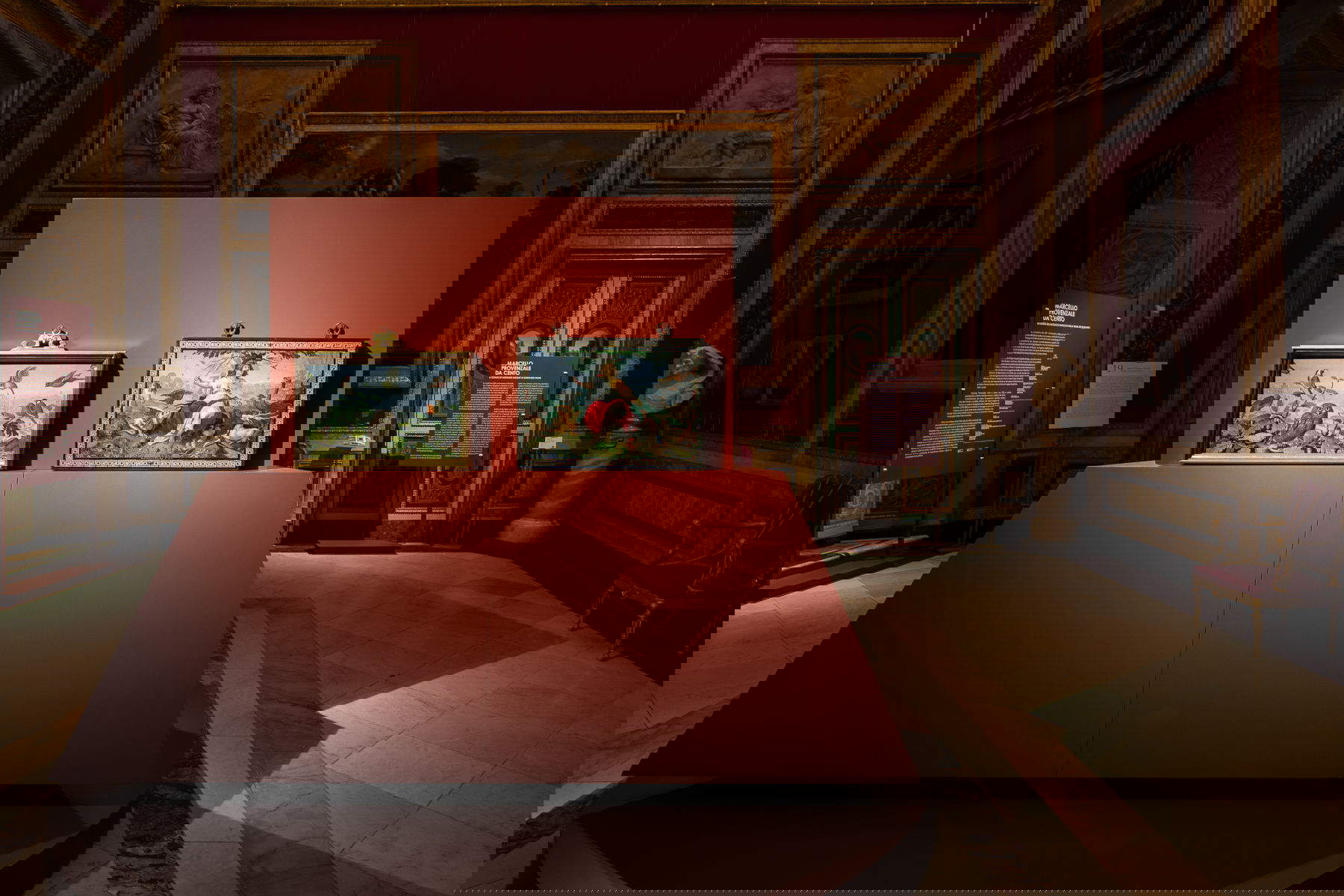
The second exhibition is dedicated to Marcello Provenzale da Cento and stems from a collaboration with the Pinacoteca Civica “il Guercino” in Cento, where the project will be shown again in a different configuration from October 2, 2026 to January 10, 2027. The exhibition aims to bring attention back to the figure of the Emilian artist, protagonist of the rebirth of mosaic in the Rome of Paul V, in one of the most important moments of the renewed interest in this technique between the end of the 16th century and the beginning of the 17th century. The initiative coincides with the 450th anniversary of the birth of Provenzale, who was born in Cento in 1576. Trained initially as a painter, the artist specialized in mosaic art in Rome and participated, starting in 1600, in the building sites of St. Peter’s Basilica. He was active in the Clementine Chapel and the decoration of the dome, distinguishing himself by his ability to translate the pictorial effects of color and light into glass tesserae.
His skills earned him major commissions from Paul V, including the creation of the Borghese coat of arms in the nave of the basilica and the restoration of Giotto’s Navicella between 1617 and 1618. In 1616 the pontiff officially recognized him for inventing a new method of mosaic making, described as “a new way of making mosaic very different and more beautiful than the ancient.”
Provenzale was among the first to use what is known as spun mosaic, a technique that made it possible to achieve particularly refined half-tones and shades of color. Thanks to this process, the artist produced works that rivaled painting, as evidenced by the 1600 easel mosaics Madonna and Child, 1618 ’ s Orpheus, and 1621 ’ s Portrait of Paul V, now in the Borghese Gallery. These are joined by the 1615 Owl with Birds, now in the Museo degli Argenti in Florence, and the Face of Christ, executed before 1603, formerly in Federico Zeri’s collection and now in the Grimaldi Fava collection.
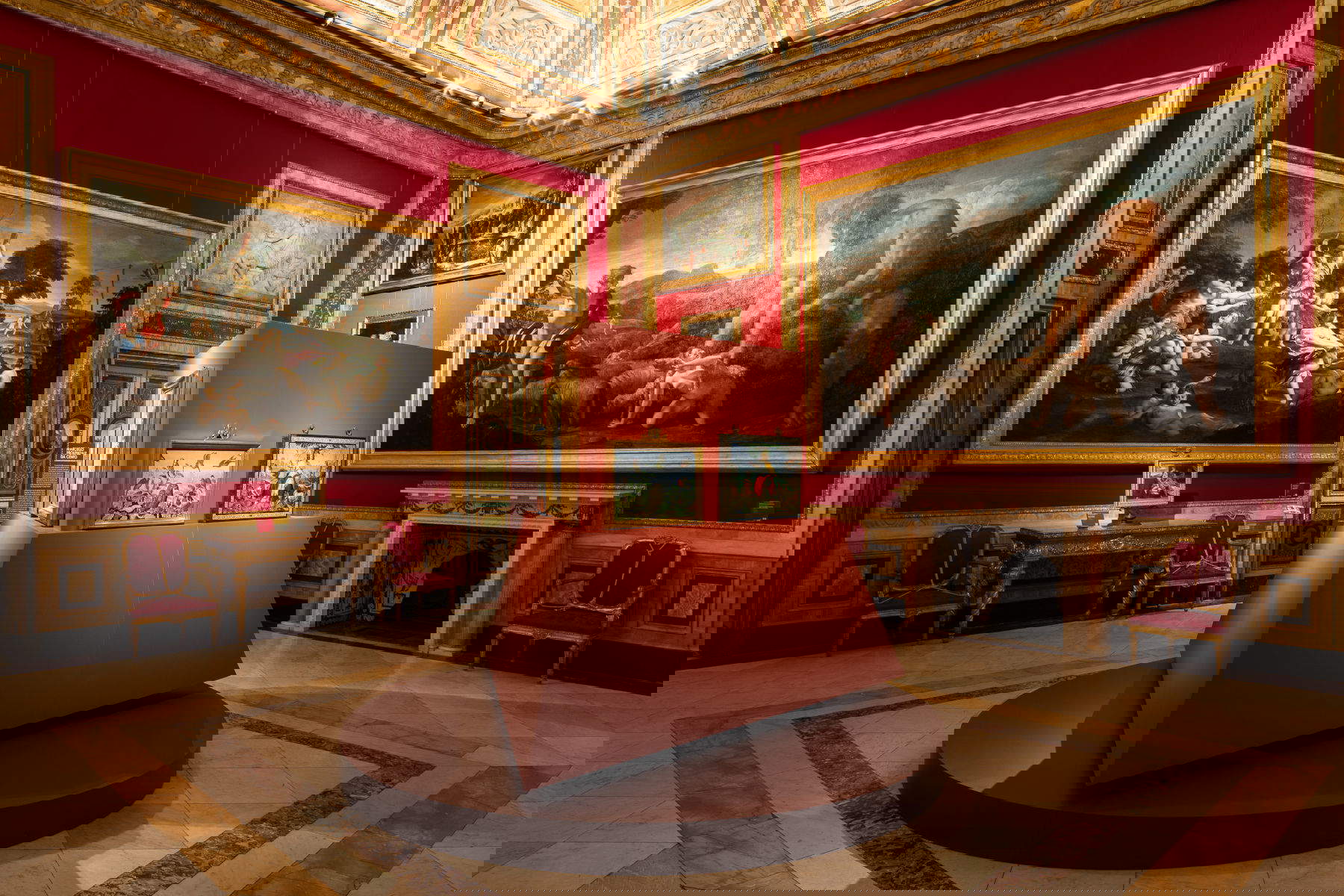
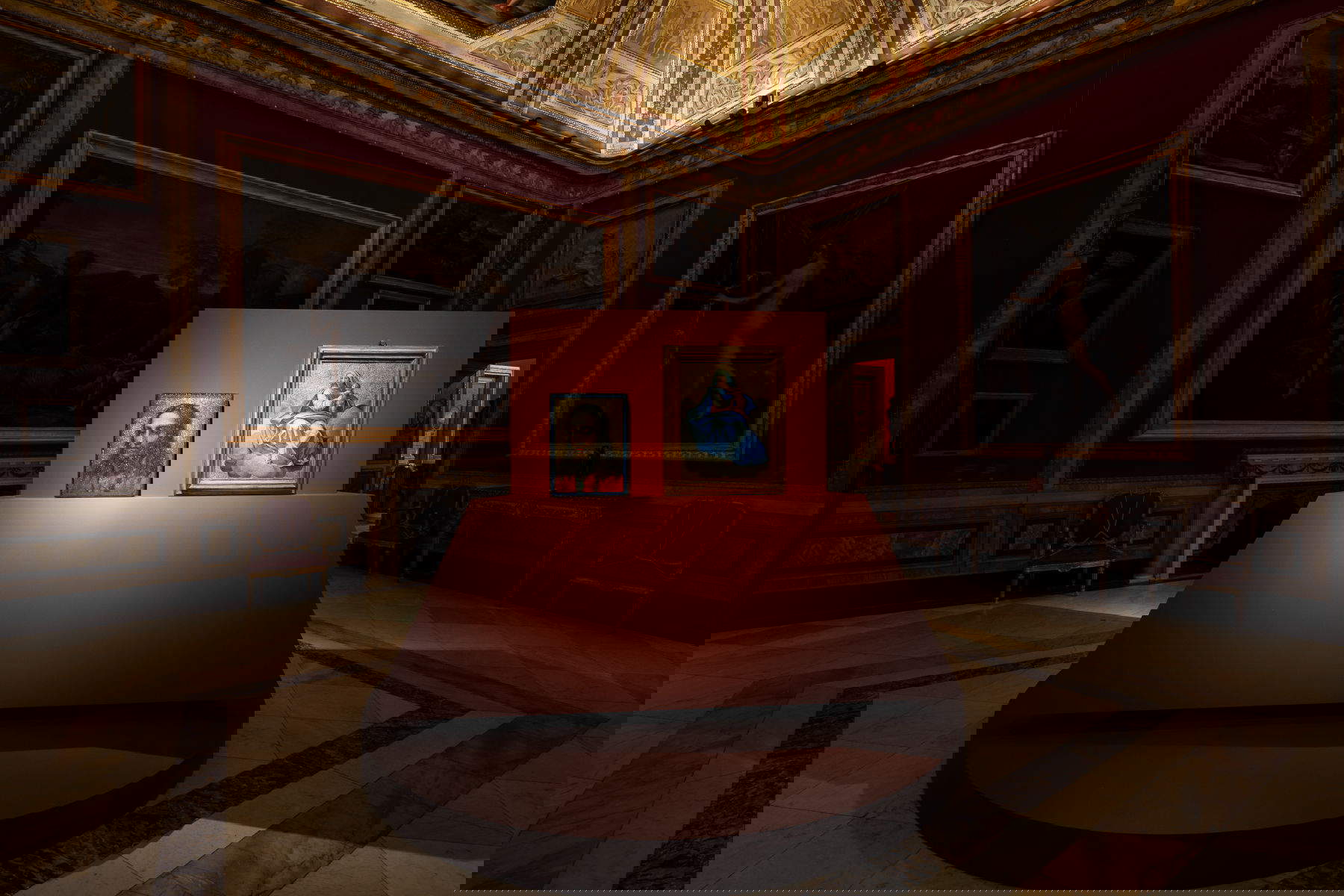
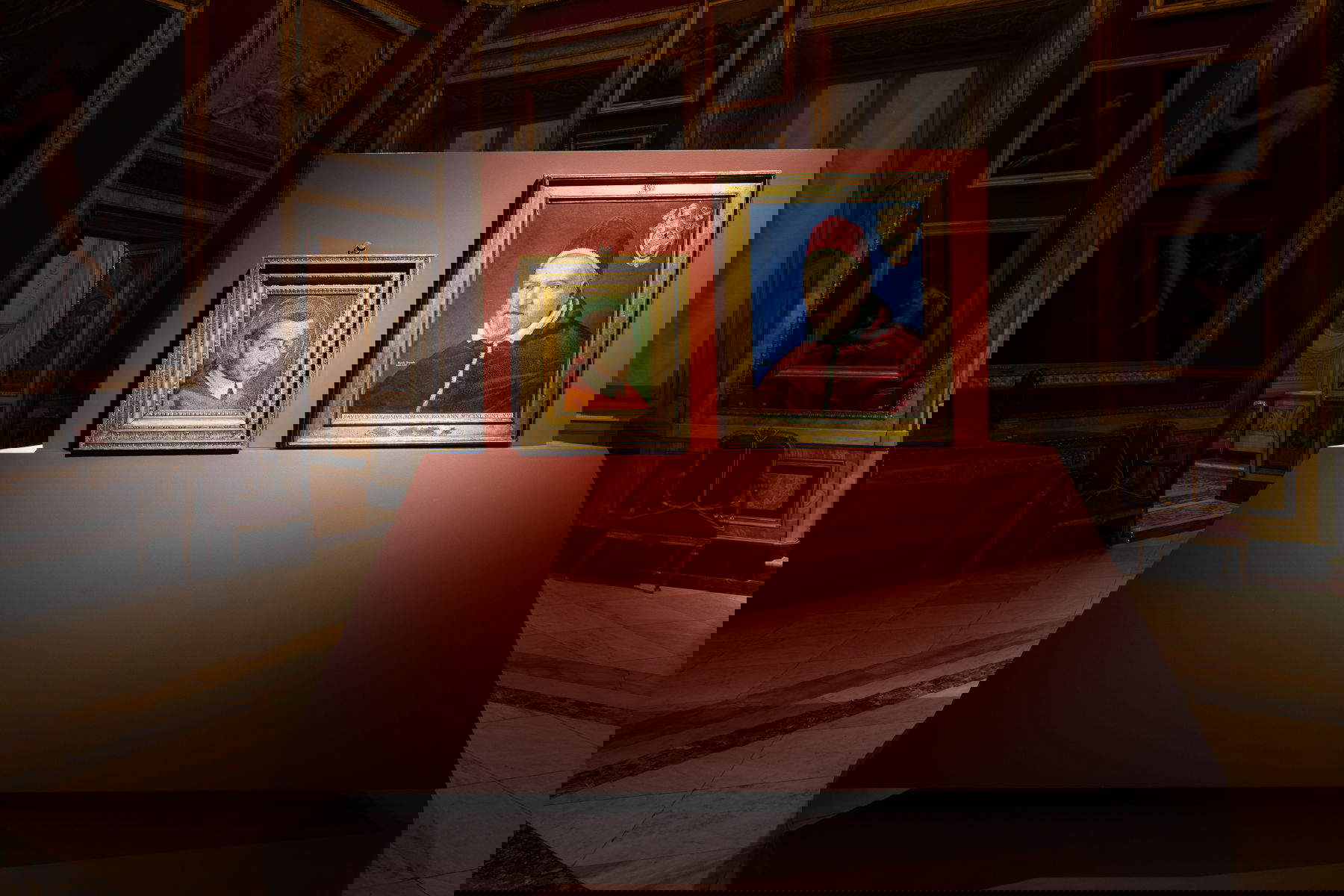
In such works the mosaic also takes on a symbolic value related to the durability of the vitreous material, which becomes an instrument of dynastic celebration and a means of preserving memory. The portrait of the pontiff, made of vitreous tesserae, is configured as a portable object of representation of the power and identity of the Borghese family. After Provenzale’s death in 1639 in the Palazzo Borghese in Campo Marzio, his experience was continued by Giovan Battista Calandra, who contributed to the development of mosaic art toward the forms of the full Baroque season. The exhibition builds its path around the artist’s main masterpieces and aims to restore the role Provenzale played in transforming mosaic into a language updated to the cultural and religious needs of Counter-Reformation Rome.
 |
| Two exhibitions at the Borghese Gallery between Renaissance and Baroque: Penni and Provenzale |

Warning: the translation into English of the original Italian article was created using automatic tools. We undertake to review all articles, but we do not guarantee the total absence of inaccuracies in the translation due to the program. You can find the original by clicking on the ITA button. If you find any mistake,please contact us.














 IT
IT FR
FR DE
DE ES
ES CN
CN


