



by Redazione 04/12/2025



Categories: Museums / Disclaimer
The MINERVA study, conducted at Palazzo Maffei with the WHO Center at the University of Verona and published in Frontiers in Psychology, documents significant improvements in levels of psychological well-being after three guided tours, with reductions in anxiety, depression and distress.
A new study published in the scientific journal Frontiers in Psychology confirms thepositive impact of artistic enjoyment in museums on psychological well-being parameters. The research, part of the MINERVA (Museum, Innovation, Neuroscience: Reactive Effects and Psychic Reactions to Artistic Value) project, was conducted by the WHO Center for Research in Mental Health at theUniversity of Verona in collaboration with Palazzo Maffei, a museum in Verona that holds a collection of more than seven hundred works of ancient, modern and contemporary art.The project was coordinated by Professor Michela Nosè together with the group of the WHO Center for Mental Health Research, belonging to the Department of Neuroscience, Biomedicine and Movement of the University of Verona, and Vanessa Carlon, director of the museum, with the involvement of her collaborators. The value attributed to the initiative is also reflected in the European arena. In the European Commission’s recent document Culture and Health. Time to act, dedicated to the role of the arts in health policies, the MINERVA project is cited as an example of good practice and is the only Italian experience mentioned.
The data collected suggest a possible role of museums within public health strategies geared toward improving the mental conditions of the general population. The study took place between May and November 2024 and involved 103 participants who were subjected to a museum tour structured in three different thematic tours, spaced one week apart. Effects were assessed through internationally validated questionnaires used to measure psychological well-being, psychological distress, and symptoms of anxiety and depression, with administration before and after the tour cycle. The results indicate a significant reduction in psychological distress and an overall improvement in parameters related to mental well-being.


The sample analyzed consisted predominantly of women, accounting for 82.5% of the total, with an average age of 53 years. Forty-three percent were married, 63 percent had children, and the participants had heterogeneous working conditions. The sociodemographic component also showed a tendentially high level of education, as more than half of the participants held a master’s degree. Prior to the start of the museum journey, 67 percent of the sample reported a relevant level of psychological distress, while nearly half had mild anxiety symptoms and a variable proportion showed depressive symptoms associated with medium to low levels of psychological well-being. Comparison of pre- and post-intervention data shows a marked improvement in several indicators. The proportion of participants with psychological distress decreased from 67 percent to 56 percent, the proportion with moderate to severe anxiety decreased from 13.6 percent to 6.8 percent, and the proportion with moderate-to-severe depression decreased from 8.8 percent to 4.8 percent. The mean score for psychological well-being increases from 13.88 to 15.88, while the proportion of participants reporting a high level of well-being increases from 34 percent recorded before the visits to the 50 percent found at the end of the course. The improvement appears most notable in the 41-60 age group. In addition to the clinical results, the study also documents a high degree of acceptability of the museum tour.
Through a dedicated psychometric tool, between 89 percent and 98 percent of participants expressed appreciation for the initiative, rating it as satisfying, interesting and user-friendly. The high level of liking adds to the quantitative data indicating an important improvement in psychological parameters, confirming the possibility that structured cultural contexts can contribute to the promotion of mental health in the general population.
“These data confirm that art can be a concrete resource for public health,” explains Michela Nosè. “The MINERVA project opens an innovative research perspective that combines culture and health with a solid scientific basis. Our commitment is to continue with larger studies and randomized study designs, strengthening collaboration between cultural and health institutions, so as to translate this potential into stable policies to promote well-being.”
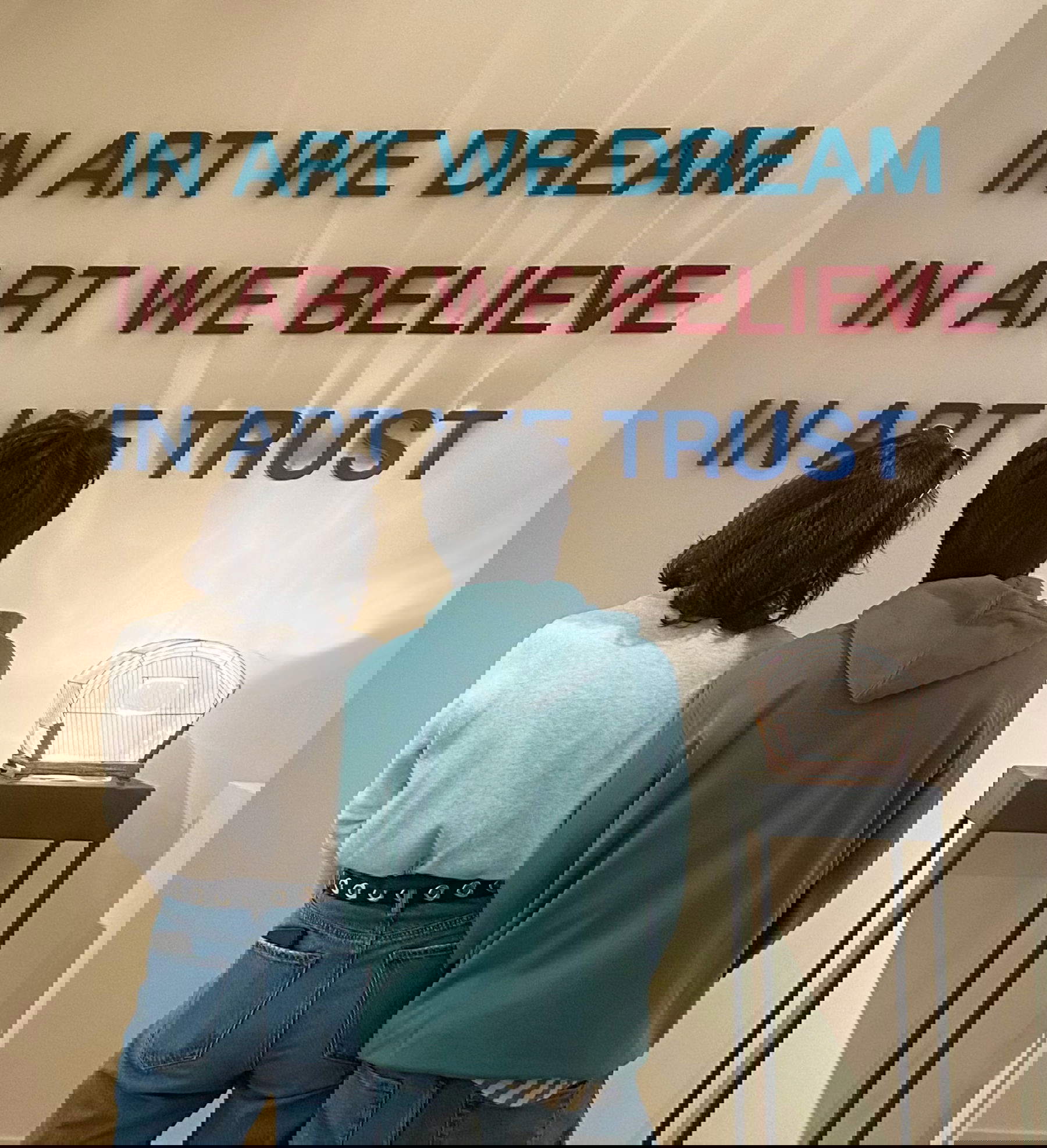
“We believe in art is one of the phrases we have placed on the walls at the end of the Palazzo Maffei pathway,” comments Vanessa Carlon. “We firmly believe in the power of art, in its therapeutic power as well as in its educational and personal growth value. Thanks to the MINERVA project, more data have been collected to support this vision: the same one that prompted my father to give birth to Palazzo Maffei and that guides us every day in promoting educational, inclusion and fragility-supporting initiatives. A social role of the museum that goes hand in hand with the cultural one and on which a broad reflection is appropriate.”
“The study,” as stated in the published paper, "demonstrates the potential of cultural institutions as contexts for public health interventions,highlighting the value of integrating cultural experiences into mental health promotion strategies.
Palazzo Maffei, the site of the research, displays a collection assembled by entrepreneur Luigi Carlon, with works by artists such as Picasso, Hokusai, Magritte, Kandinsky, Dürer, Canova, Braque, Ernst and de Chirico, within the monumental building overlooking Piazza delle Erbe.The recognition underscores the growing interest in approaches that integrate art experiences into mental health promotion strategies, suggesting possibilities for future applications in museum and cultural settings.
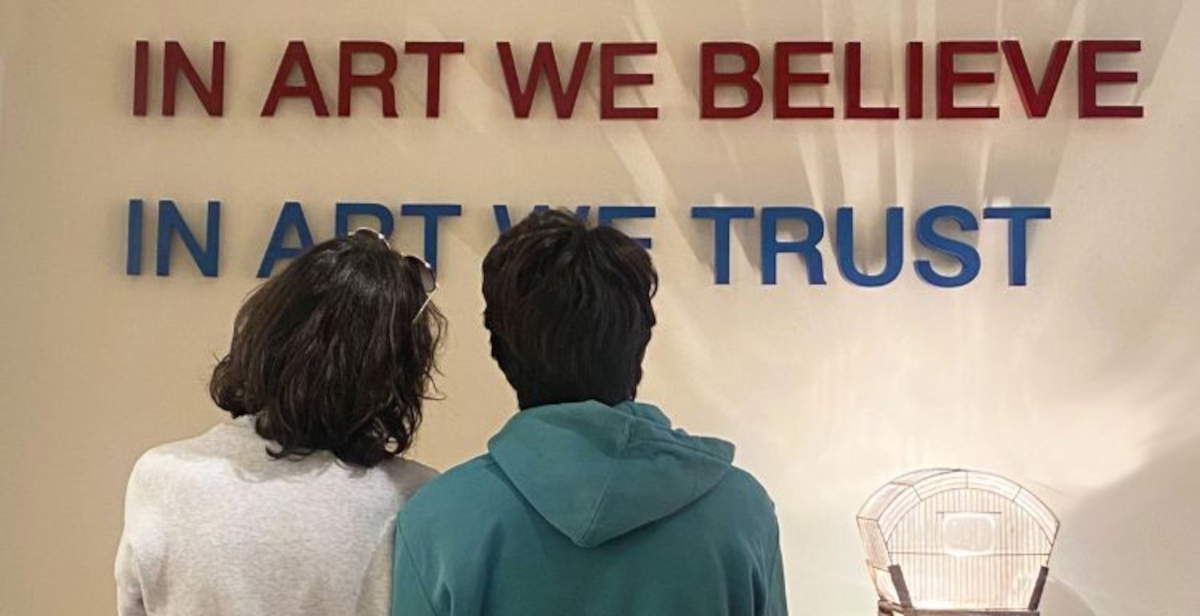 |
| New data confirm the positive impact of museums on psychological well-being |
Warning: the translation into English of the original Italian article was created using automatic tools. We undertake to review all articles, but we do not guarantee the total absence of inaccuracies in the translation due to the program. You can find the original by clicking on the ITA button. If you find any mistake,please contact us.