





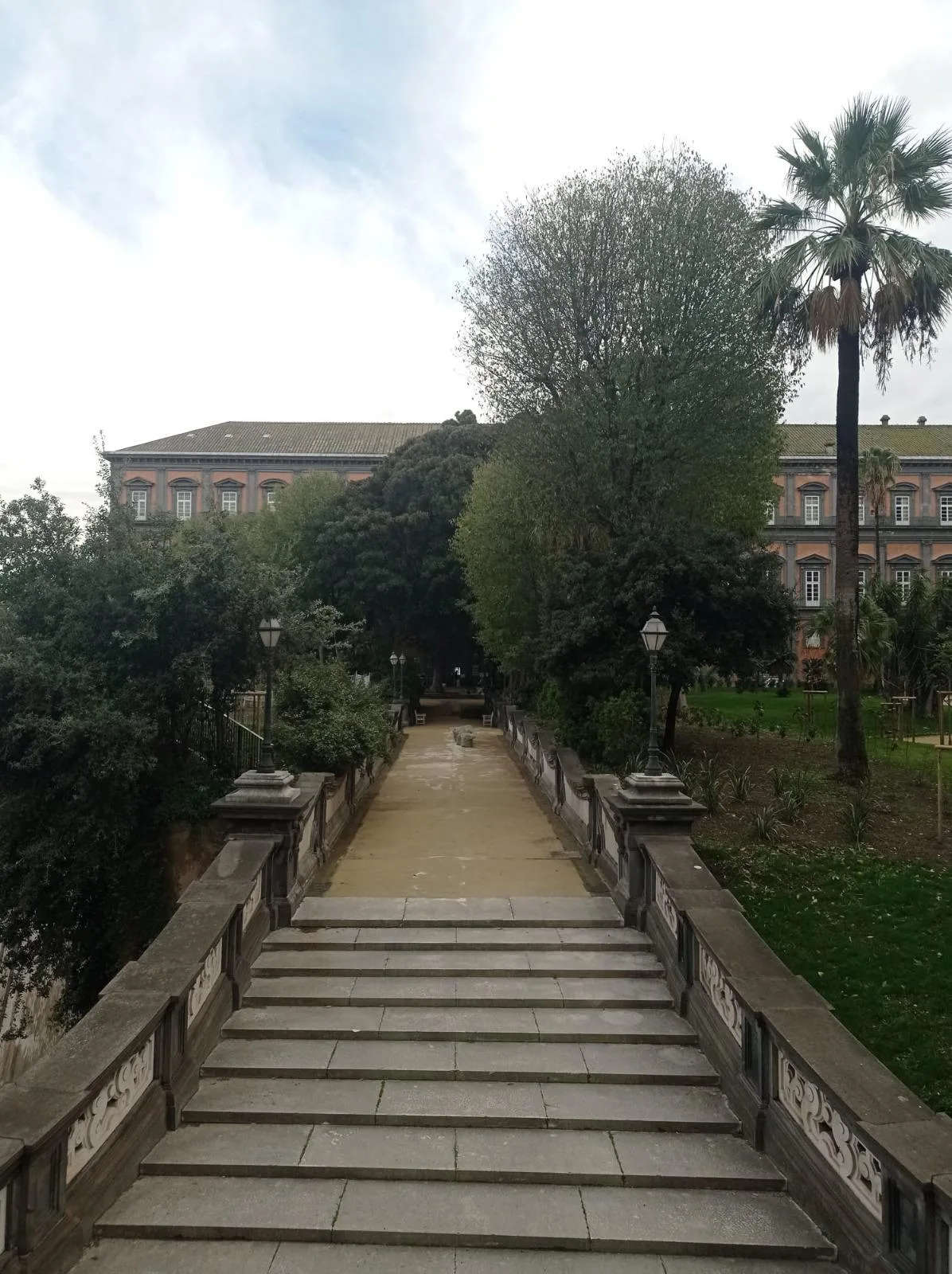
The Romantic Garden of the Royal Palace of Naples is moving toward a new phase in its history thanks to a complex restoration project involving its architectural, botanical and plant structures. The recovery, which began in September 2024 and is now nearing completion, represents a major intervention for the entire monumental complex, restoring legibility to the 19th- and 20th-century design and bringing to light the historical values that have characterized this space over the centuries, conceived as a place for botanical experimentation and as an integral part of the history of the palace.
In anticipation of the final reopening scheduled for early 2026, a program of extraordinary guided tours allowed citizens and visitors to observe the now-completed construction site and to follow, through the words of those in charge, the stages of recovery. The initiative, called Waiting for Spring, offered the opportunity to explore the progress of the work accompanied by the restoration director, landscape architect Marco Ferrari, who illustrated the complexity of the path undertaken to restore integrity to the garden, with a philological approach aimed at integrating history, nature and sustainability.
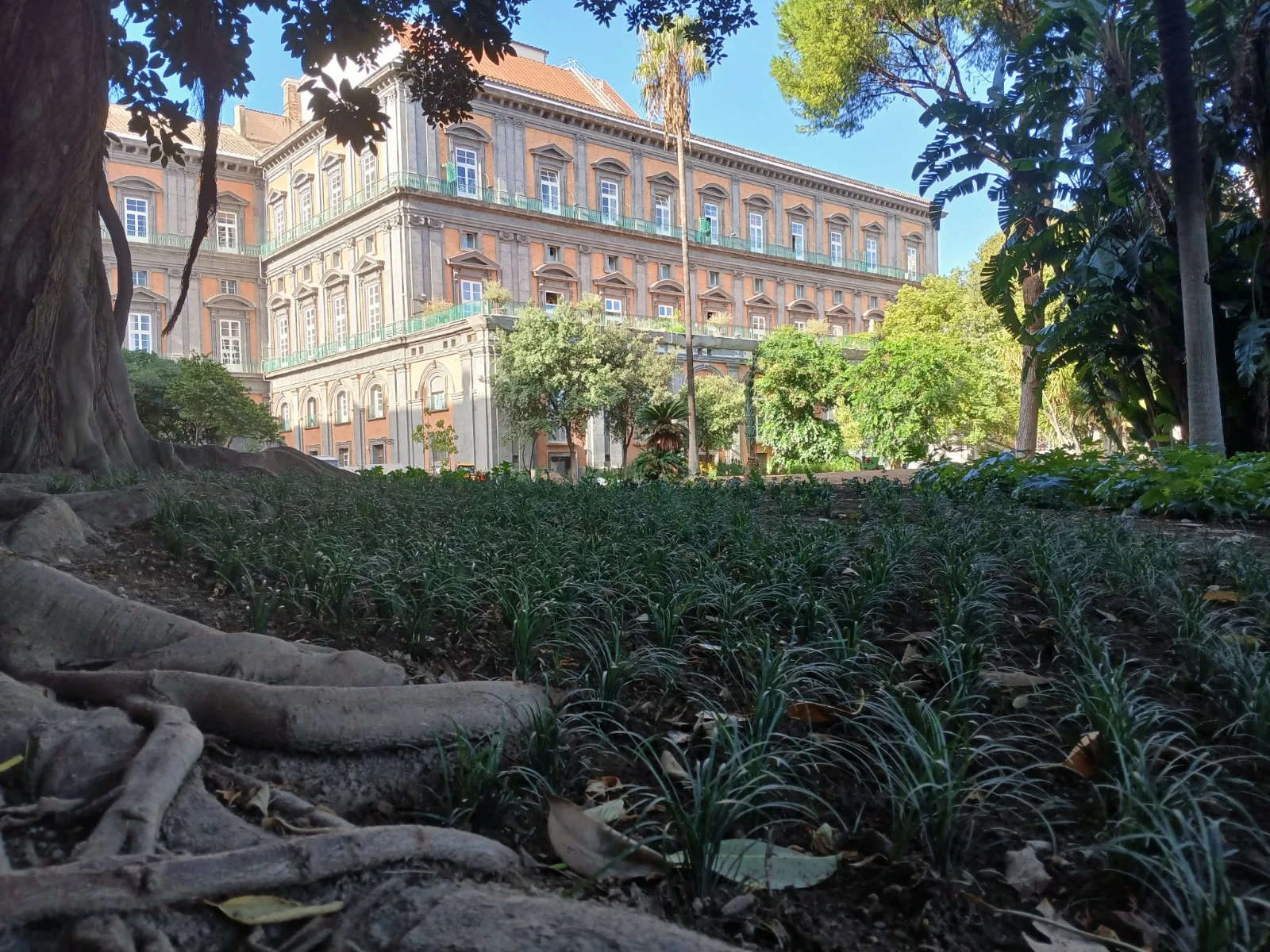
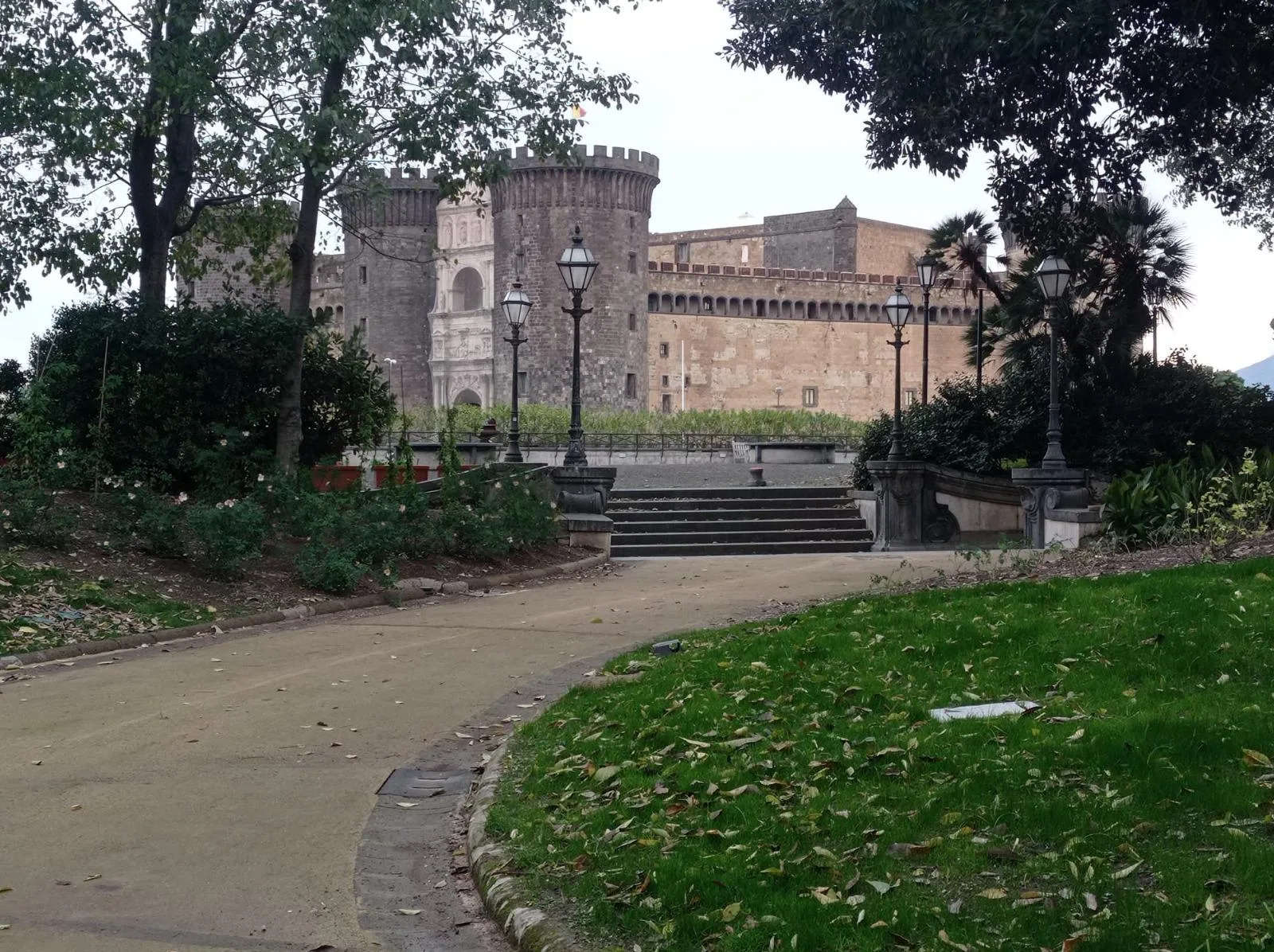
The garden had been closed to the public in September 2024 to allow the extensive restoration work to begin. The activities involved the rearrangement of plant components, plants and architectural elements, with the aim of reconstructing an image faithful to the historical stratifications that have overlapped over the decades. The scanning of the construction site also had to take into account the timing of nature: work on the planting of the turf and the planting of the new plants was suspended during the warmer months, an interval necessary to ensure the proper rooting of the selected botanical species, and resumed in mid-September.
One of the most significant aspects of the restoration concerns the recomposition of the ancient botanical collection, achieved through the planting of new trees, shrubs and herbaceous plants. The selection was based on nineteenth-century lists compiled by Friedrich Dehnhardt, a botanical gardener in the service of Ferdinand II of Bourbon and author of the garden project in the 1840s. The operation required a delicate work of adaptation to the changed environmental conditions, while trying to respect the historical coherence of the original layout and recover the authentic botanical spirit that characterized the garden.
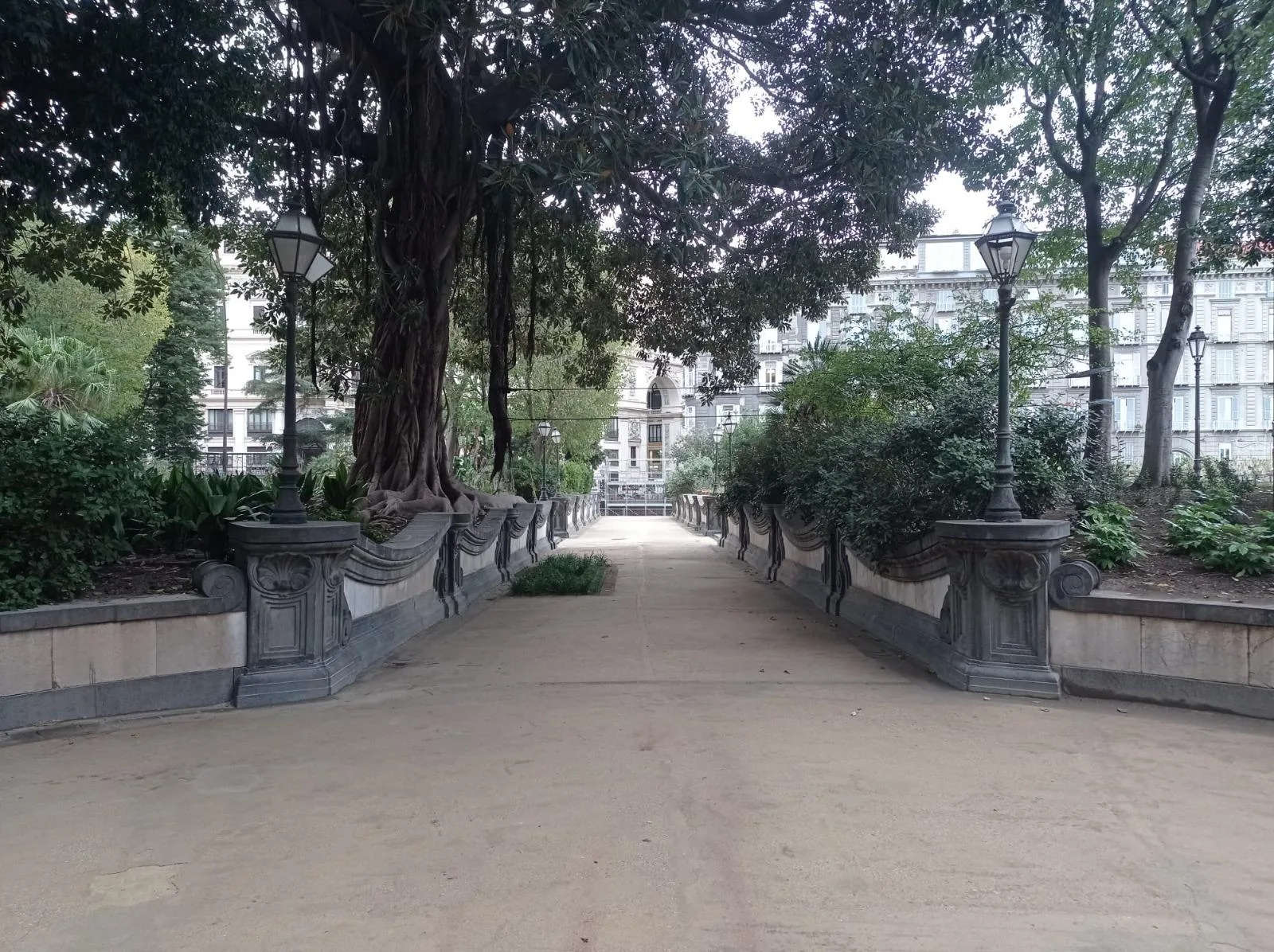
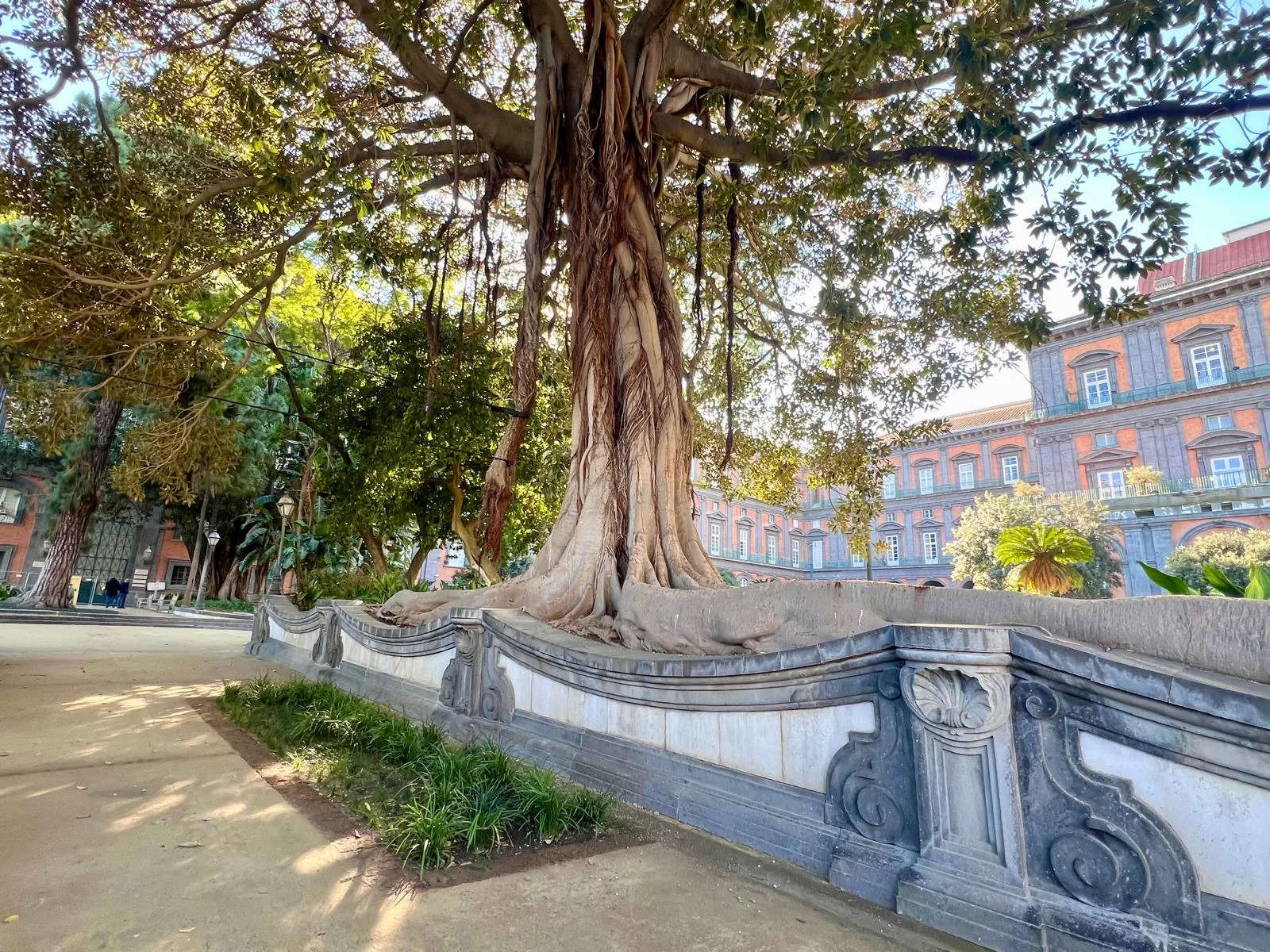
Among the most complex interventions was the rescue of the monumental Pinus canariensis, a historic specimen whose roots, compacted over time, needed to be freed to ensure its stability. At the same time, it was necessary to consolidate a section of the neo-Baroque stone face facing the 20th-century straight avenue. The structure was giving way precisely because of the pressure exerted by the roots of one of the historic Ficus magnolioides in the garden, also a valuable specimen. The restoration therefore had to reconcile the protection of two assets, one arboreal and the other architectural, which have coexisted for more than a century. The solution identified involved creating a new space for the aerial roots of the Ficus in the avenue, so as to ensure stability for the tree without damaging the wall of Vesuvian stone and Trani travertine designed by Camillo Guerra in the first half of the 20th century.
Another central chapter of the restoration involved the upgrading of the garden paths, an intervention designed to improve accessibility and enjoyment of the museum complex. The asphalt paving of the neo-Baroque avenue that runs perpendicular to the entrance to the National Library was removed, and new surfaces in tuff cocciopesto, selected to ensure better permeability and more effective stormwater management, were created. The issue of drainage proved essential at a time when the demands posed by climate change necessitate technical solutions capable of ensuring sustainability and durability.
Parallel to the completion of the garden restoration, a new construction site dedicated to the monumental gate that delimits the area along Via San Carlo was started. This is an intervention aimed at recovering one of the most recognizable elements of the garden’s historic perimeter. The word AverCura has been imprinted on the sheets of the construction site, a choice intended to draw the public’s attention to the importance of cultural heritage and the value of care as a collective practice.
The project can also be told through the numbers that define the scale of the intervention. The Romantic Garden covers a total area of 14,400 square meters. Of this, 2,750 square meters were paved in tuff cocciopesto, while 3,150 square meters were allocated to grass surfaces. Overall, 350 days of work were spent and more than four thousand plants were planted: twenty tree and palm trees, one thousand three hundred shrubs and three thousand grasses. This is a transformation that restores the garden’s botanical complexity and layered history.
Several parties were involved in the execution of the work. The restoration of the avenues, adaptation of the planting component, and green works were carried out by DiElle Impianti of Sant’Egidio del Monte Albino and Royal Garden of Pozzuoli. The supply and planting of the plants were taken care of by Batù S.r.l. of Naples, while the restoration of the monumental gate was entrusted to Nicolì S.p.A. of Lequile.
Architect Almerinda Padricelli, in charge of the project, emphasizes “the importance of the recovery not only of the greenery, but also of the infrastructural and plant engineering part, in order to offer visitors the safe enjoyment of a place that connects, in addition to the museum spaces of the Royal Palace, also those of the National Library and the San Carlo Theater present in the monumental complex.”
“The intervention was analyzed and designed after two years of studies, research and surveys, with the aim of enriching the plant heritage and recovering the value of botanical collecting,” says architect Marco Ferrari. “In addition to paving and plantings, the work involved the existing tree specimens, both with pruning aimed at rebalancing the bearing and size of the plants, and with some felling useful for securing the sites following diagnostic and phytostatic surveys.”
“The interventions amounting to more than 900,000 euros are part of the Strategic Plan Great Projects Cultural Heritage, funded by the Ministry of Culture,” emphasizes the delegated director of the Royal Palace of Naples, Tiziana D’Angelo. “Today we wanted to open the doors of the construction site so that visitors could see the complexity of the restoration of about a hectare and a half, which represents a real jewel, a green lung in the center of the city, but also, above all, a place of culture to be preserved and respected.”
|
| The Romantic Garden of the Royal Palace of Naples is reborn |

Warning: the translation into English of the original Italian article was created using automatic tools. We undertake to review all articles, but we do not guarantee the total absence of inaccuracies in the translation due to the program. You can find the original by clicking on the ITA button. If you find any mistake,please contact us.






























 IT
IT FR
FR DE
DE ES
ES CN
CN


