




by Redazione 20/03/2026



Categories: News / Disclaimer
Completely renovated the Central Pavilion at the Giardini of the Venice Biennale, following a major redevelopment. Total duration of works 16 months with an investment of 31 million euros


The Central Pavilion at the Giardini of the Venice Biennale has been completely renovated, following a major redevelopment. The project was made possible thanks to public funding made available by the Italian state through the Ministry of Culture, as part of the National Plan for Complementary Investments (PNC) to the National Plan for Recovery and Resilience (PNRR), earmarked for the “Project for the development and enhancement of the activities of the Venice Biennale in function of the creation of a permanent center of national and international excellence.”


The final and executive design, along with the authorization process and the execution of the work, was completed in a timely manner, meeting the deadlines set by the National Complementary Plan. The intervention is part of the ministerial program “Great Attractions Cultural Heritage” and is part of a broader development plan of the Venice Biennale, articulated in 22 interventions involving different spaces owned by the city: the Biennale Gardens, the Arsenal, the Lido, Forte Marghera and the Albanese Park (Bissuola). The operations were conducted by the Venice Biennale and the City Council, in close collaboration with the Soprintendenza Archeologia, Belle Arti e Paesaggio for the Metropolitan City of Venice, with the aim of enhancing and strengthening the cultural infrastructure dedicated to exhibition activities.


The work, which started in December 2024 and was completed in March 2026, was carried out according to the established schedule, with a total duration of 16 months and an investment of 31 million euros. The redevelopment of the Pavilion represents one of the most complex interventions in the entire program, both because of the symbolic value of the building and the speed required in its implementation. The project was overseen by the Biennale offices, in particular by the Special Projects sector headed by architect Arianna Laurenzi, with Cristiano Frizzele as Single Project Manager. The design was handled by a grouping of professionals led by BUROMILAN - Milan Ingegneria S.p.A., together with Labics S.r.l. and architect Fabio Fumagalli for the architectural part, ia2 Studio Associato for the systems and fire safety, and geologist Francesco Aucone. Works management was entrusted to engineer Massimiliano Milan, while execution was assigned to Setten Genesio S.p.A. at the end of the tender concluded in November 2024.


Work will then begin on the set-up for the Biennale Arte 2026, which will host the In Minor Keys exhibition curated by Koyo Kouoh, open to the public from May 9 to Nov. 22, 2026.
The project
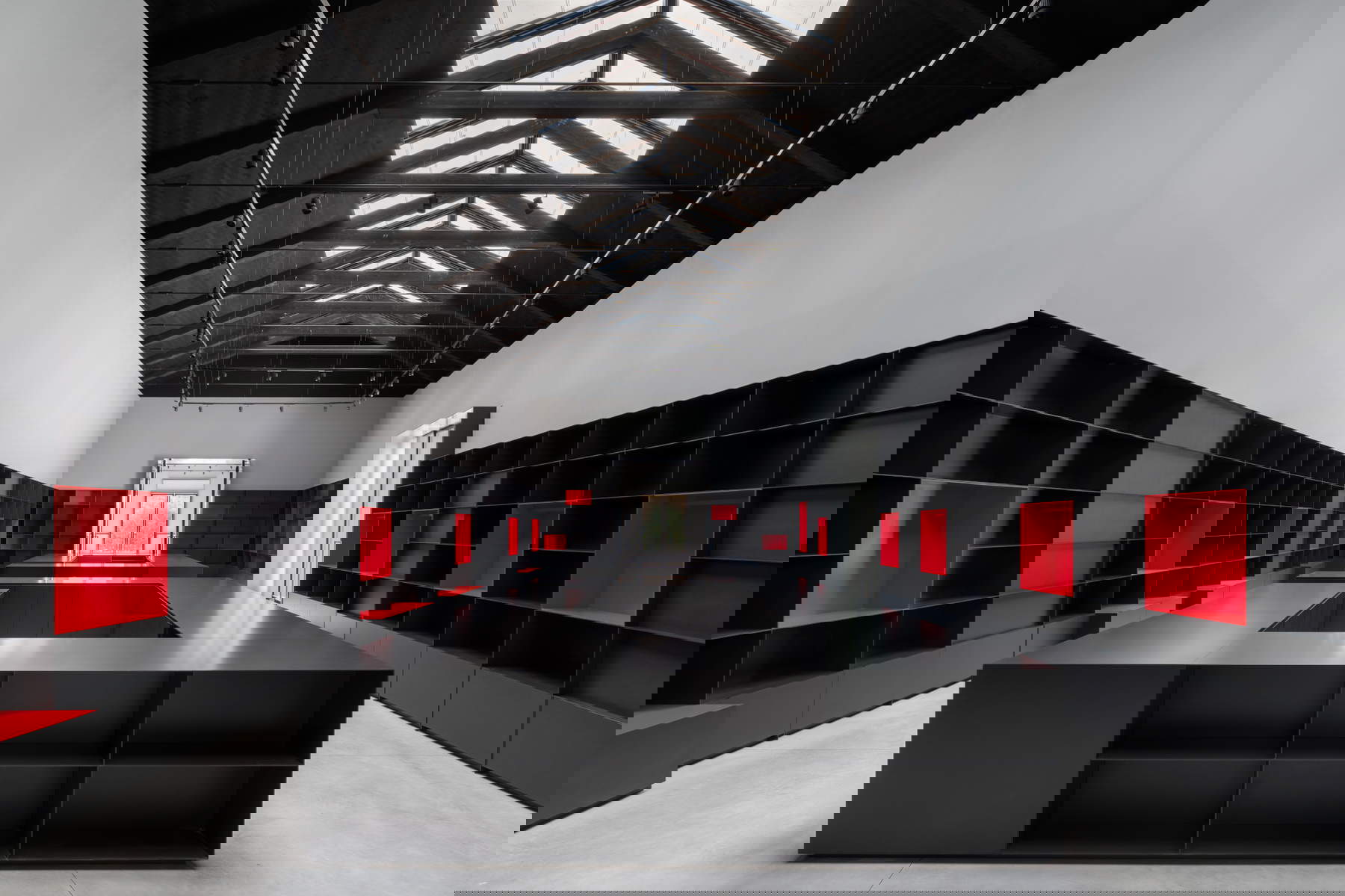
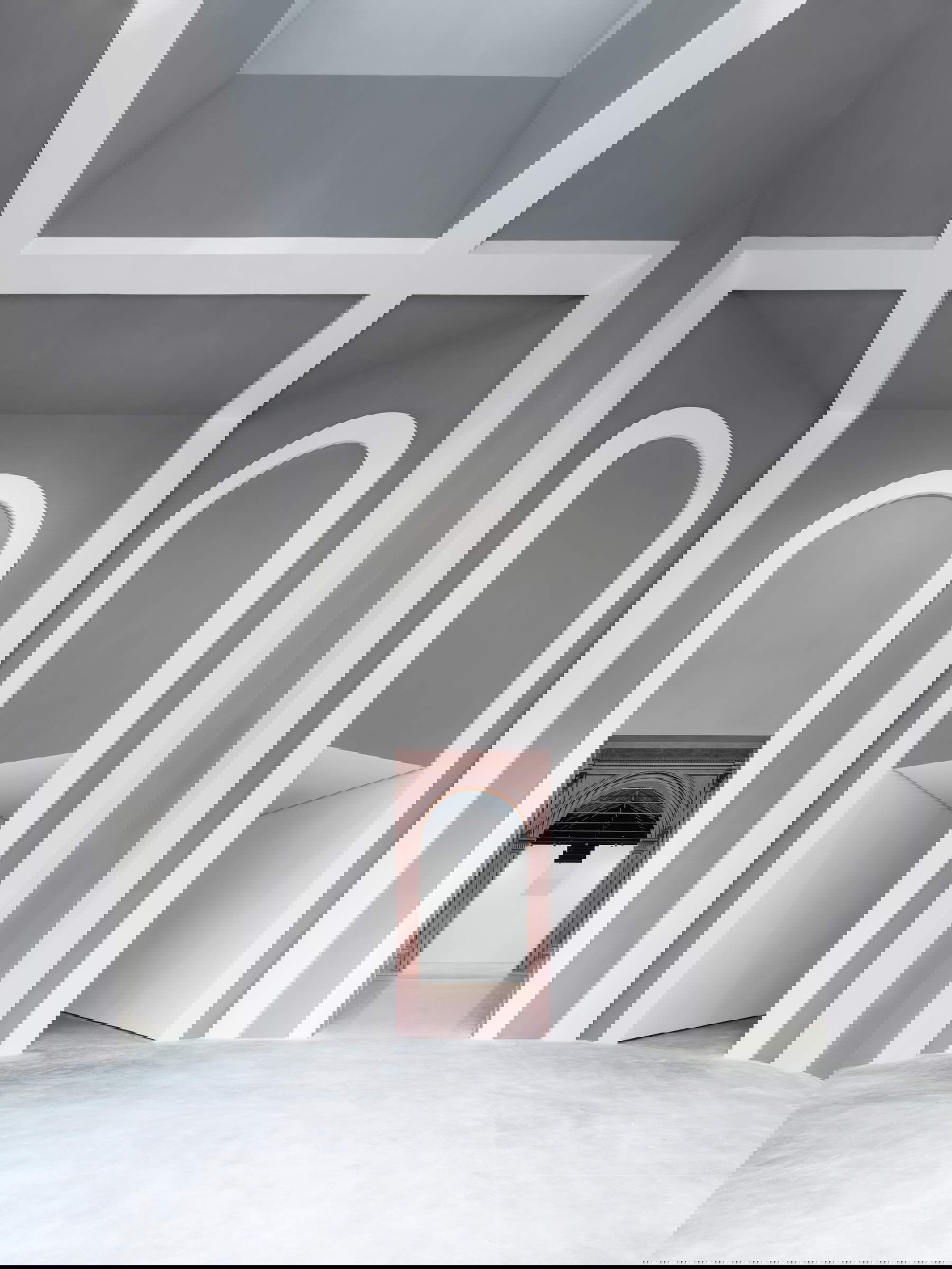
The intervention confronts a complex building, marked by numerous stratifications over time, restoring its coherence, order and distributive clarity. It was not a simple functional update, but a redefinition of the architectural organism, reorganizing spaces, paths and internal relations.
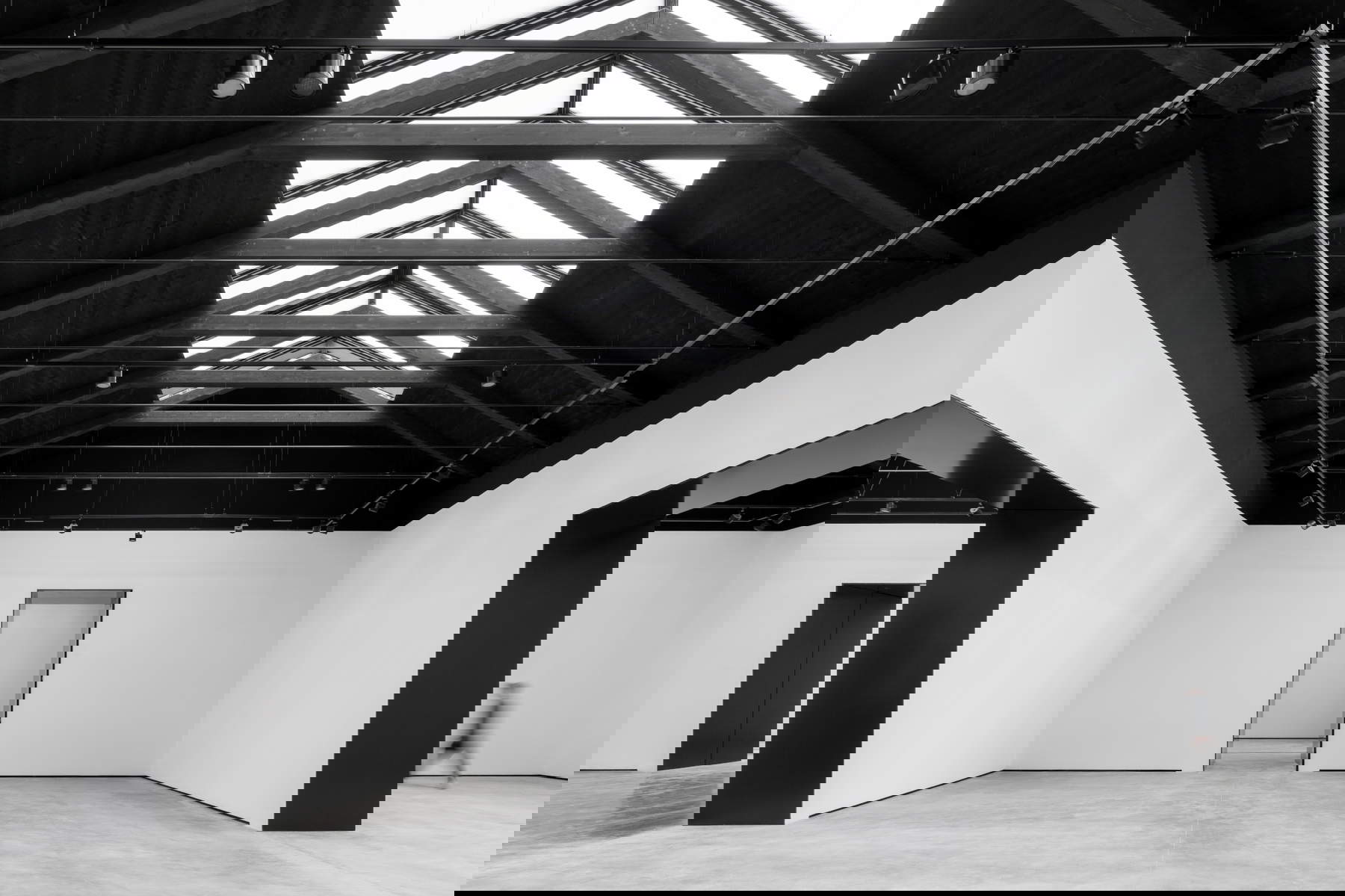
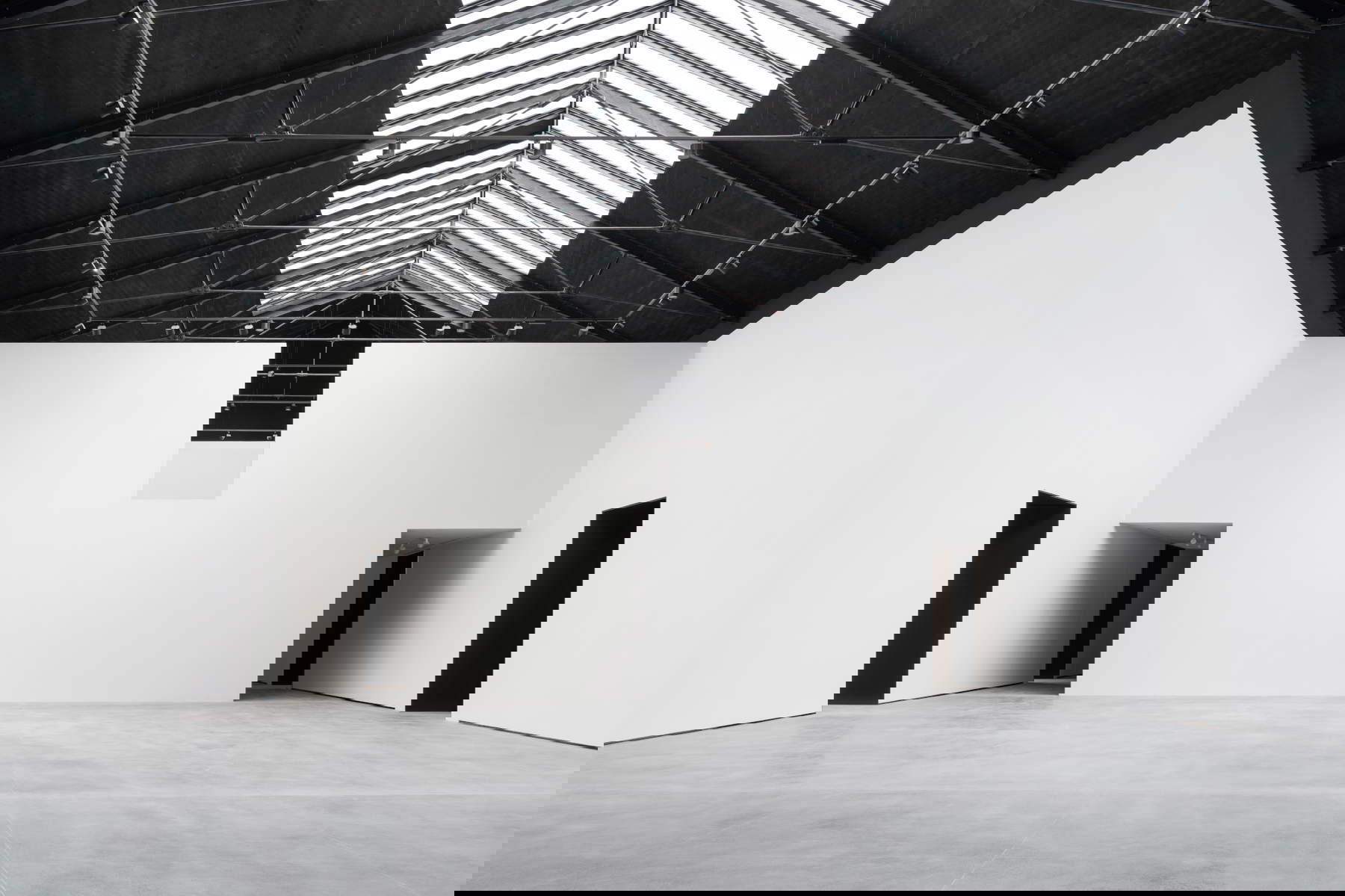
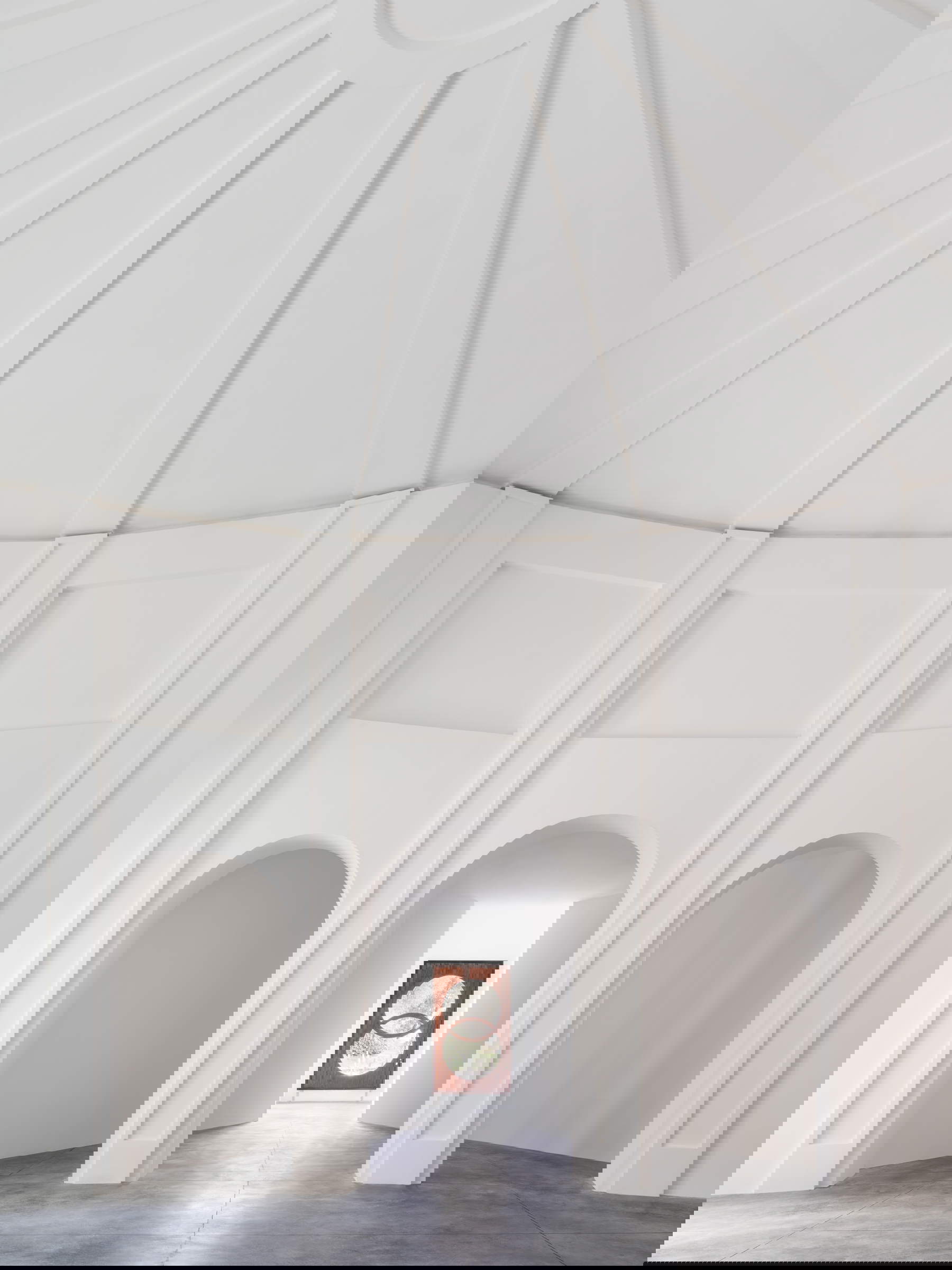
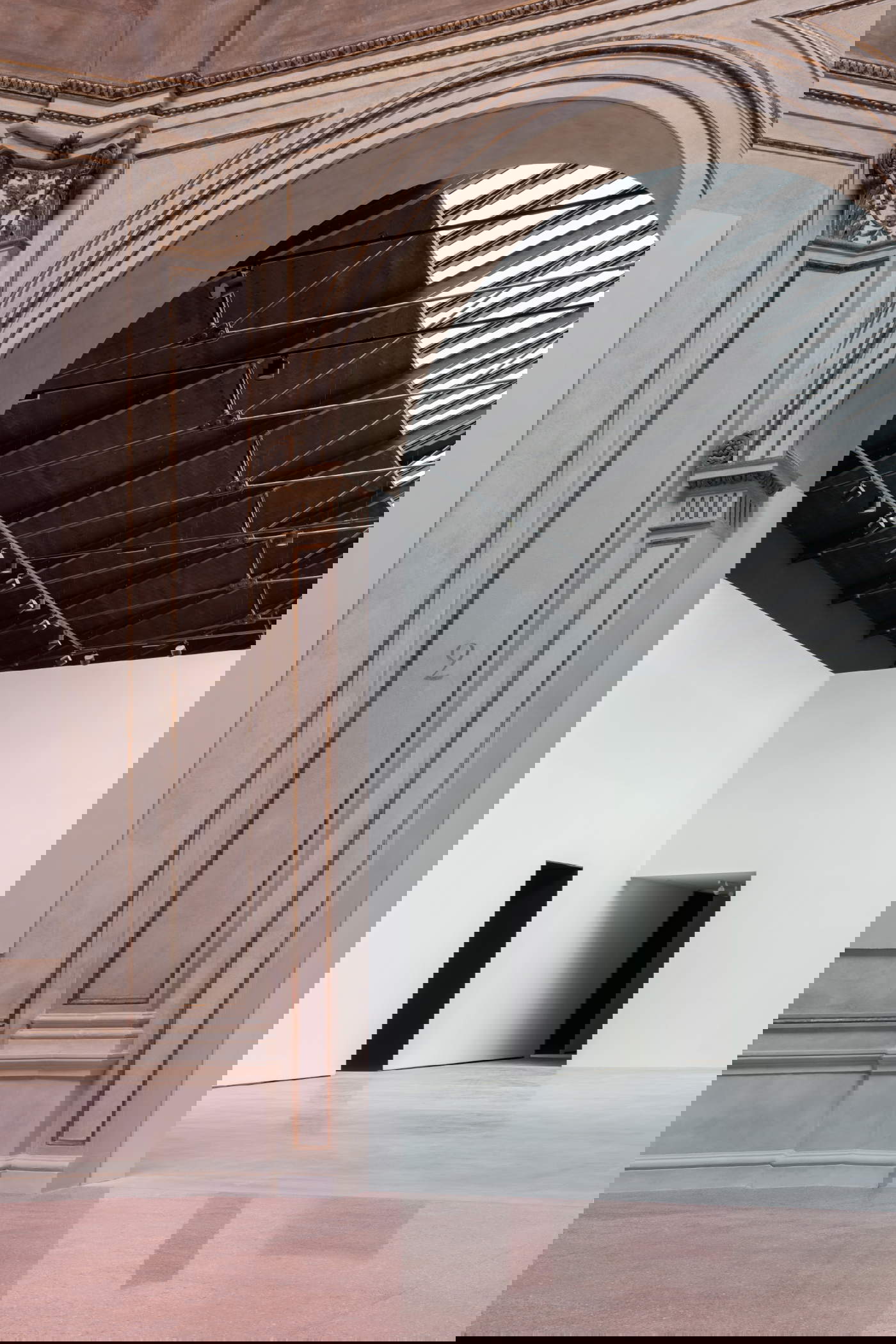
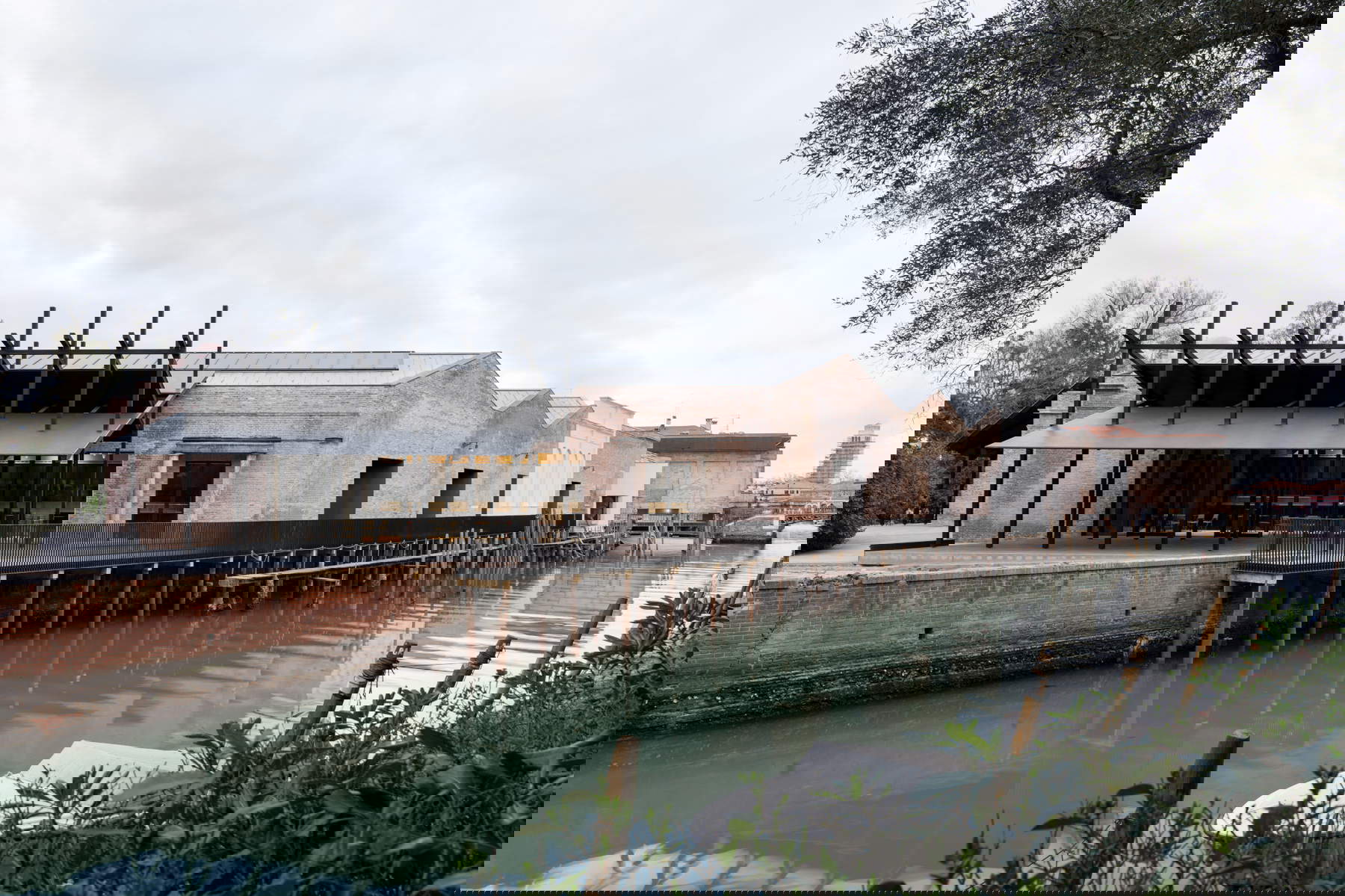
The exhibition spaces have been rethought according to a clear logic: the fulcrum is represented by the Sala Chini, which becomes the main distribution point, around which the services for the public (bookshop, cafeteria, educational spaces and technical areas) are developed, clearly separated from the exhibition rooms. The latter were conceived as neutral and flexible spaces, white boxes capable of adapting to different exhibition requirements. Technical facilities were completely integrated into the building structure and hidden behind the new walls, leaving the rooms free of invasive visual elements. Among the enhanced historical elements, special emphasis was given to the fixtures designed by Carlo Scarpa, which were restored and reinstalled. The Brenno del Giudice Room was reinterpreted by recalling the original design of the cafeteria from 1928, while the openings to the terrace along the Canal were restored.
The intervention departs from a purely conservative logic to adopt an approach of critical reinterpretation of the Pavilion. Through a stratigraphic reading of the building, the project aimed to enhance the different historical phases, eliminating incongruous additions and restoring essentiality and formal coherence. Reuse is thus understood as a creative process: selecting, ordering and reinterpreting the past to build a new architectural unit capable of responding to the contemporary needs of the Biennale.
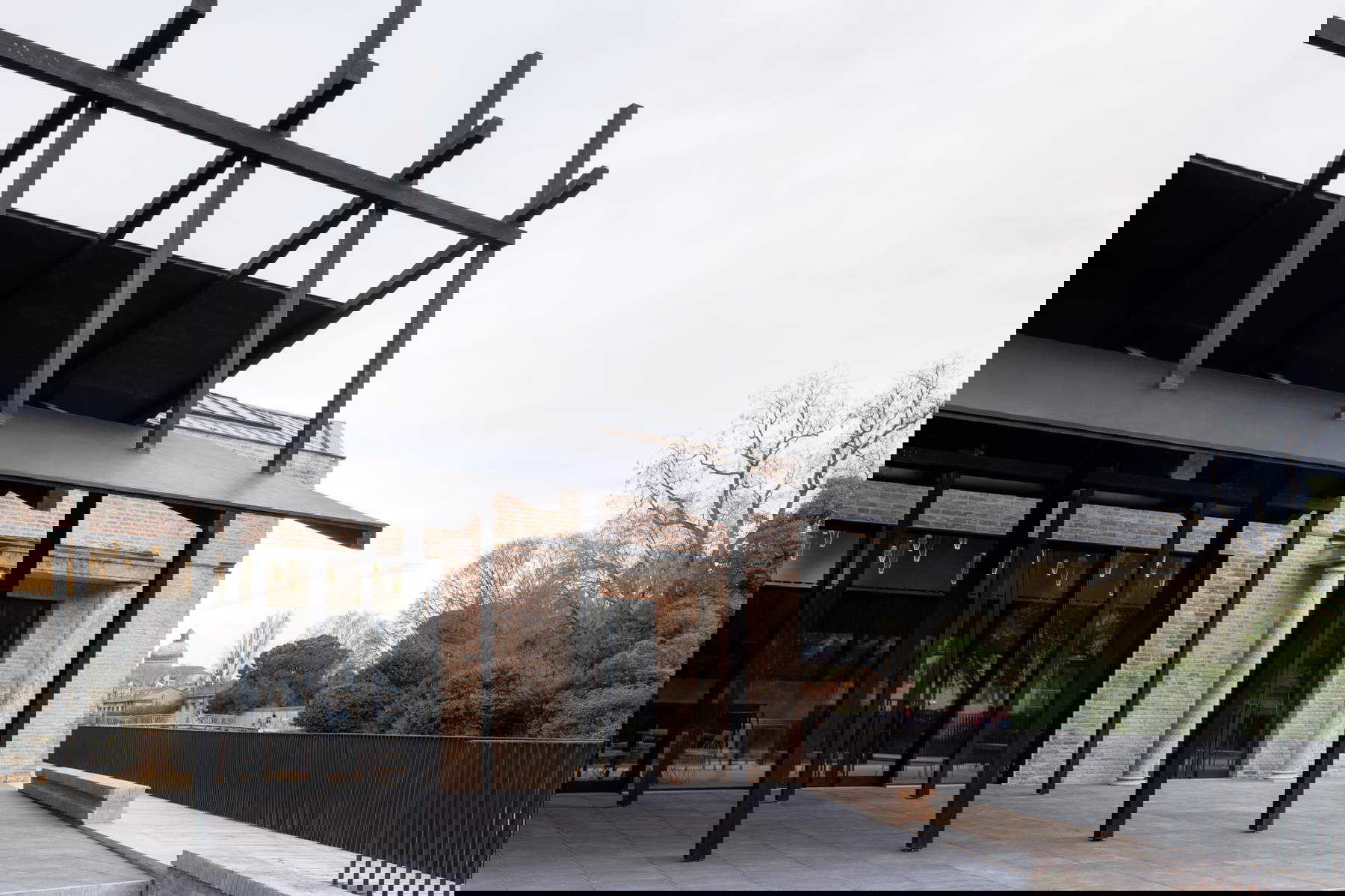
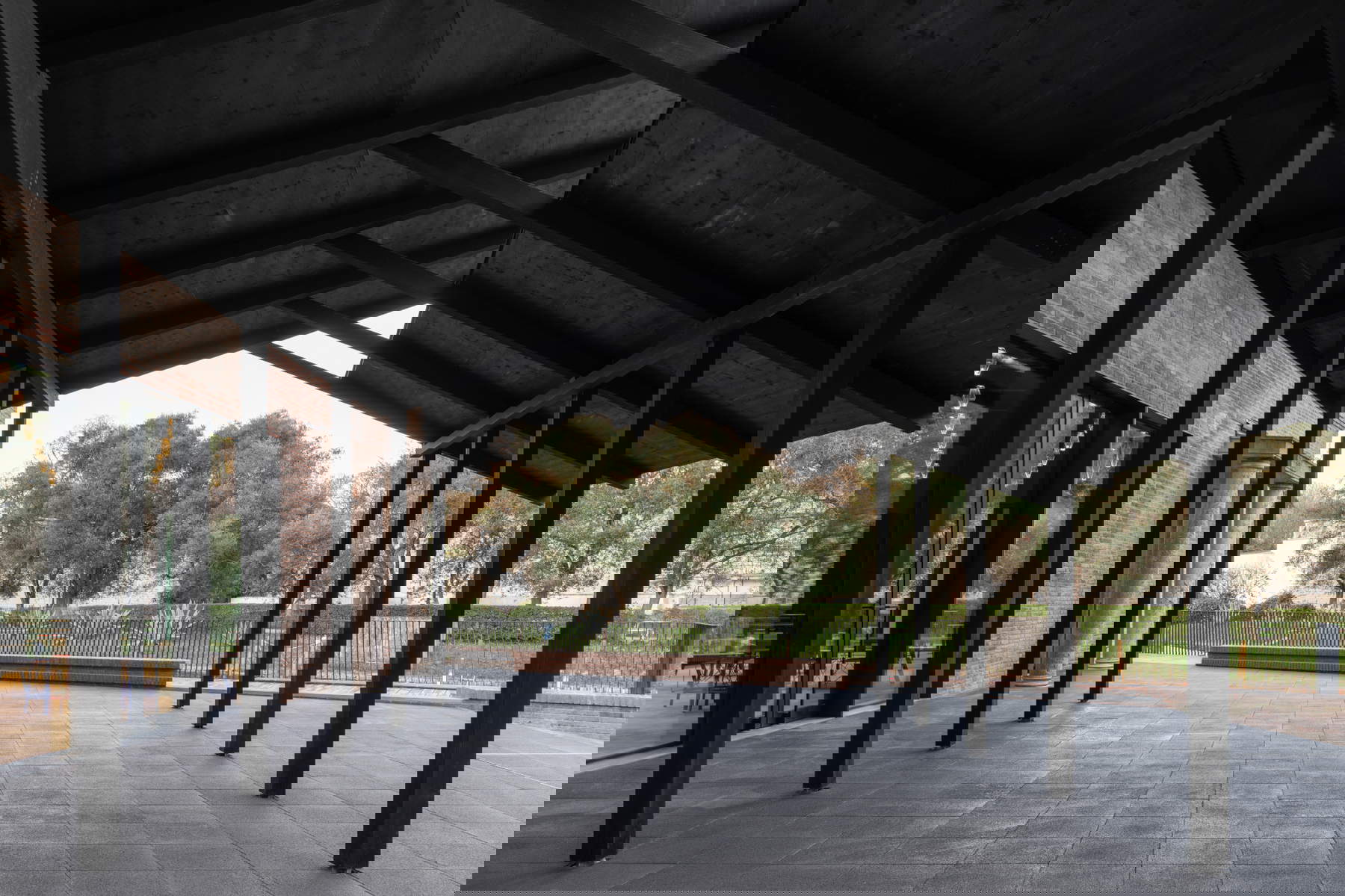
One of the most distinctive interventions was the creation of two external structures inspired by traditional Venetian altanas, placed at the cafeteria and the multifunctional hall. These lightweight structures establish a direct connection between the Pavilion and the Giardini landscape, without competing with the existing structure. Made of charred glulam and X-LAM panels, the altanas constitute a conscious design gesture, in dialogue with both the Venetian context and Carlo Scarpa’s architectural sensibility.
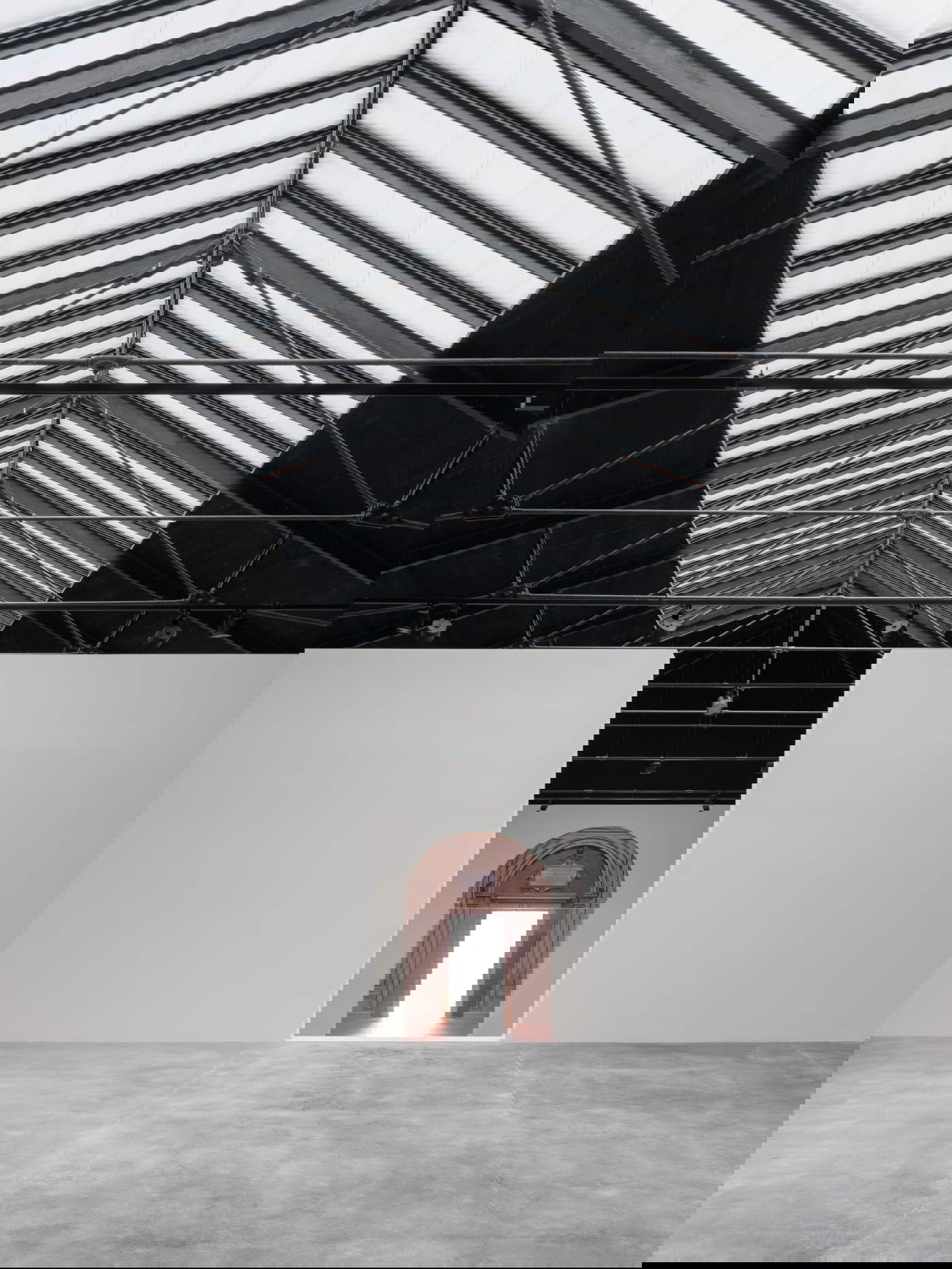
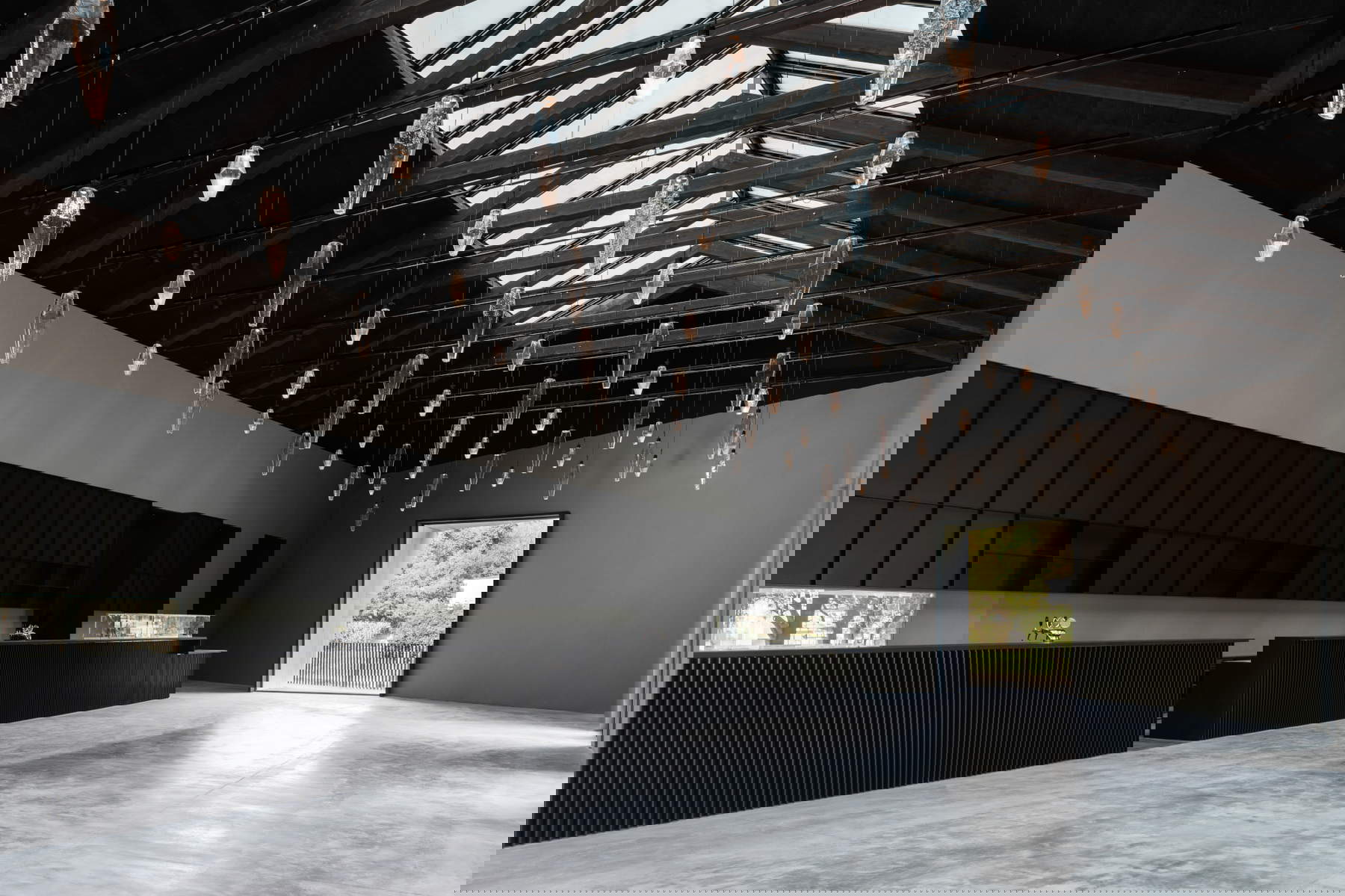
The project conceives the Pavilion as a unitary organism in which structure, natural light, energy systems and installations dialogue in an integrated way. All technical apparatus is concealed within the envelope, ensuring completely free exhibition spaces. New skylights, made of photovoltaic and diffusing glass, provide uniform natural lighting and contribute to energy production. Some opening modules allow natural ventilation, while motorized shading systems allow total control of light.
The intervention aims to achieve LEED® level Gold certification, one of the main international standards for building sustainability. The protocol evaluates parameters such as energy and water savings, emissions reduction, indoor environmental quality, responsible use of resources, and integration with the context. All these strategies were applied to the Central Pavilion, with the aim of ensuring high environmental performance without compromising the architectural quality of the exhibition spaces.
|
| Completely renovated Central Pavilion at the Giardini of the Venice Biennale |
Warning: the translation into English of the original Italian article was created using automatic tools. We undertake to review all articles, but we do not guarantee the total absence of inaccuracies in the translation due to the program. You can find the original by clicking on the ITA button. If you find any mistake,please contact us.