





Minneapolis, museums close in solidarity with community protesting ICE, the Immigration and Customs Enforcement, or federal agency that has established what is described as a climate of terror and violence in the Twin Cities territory, the nickname by which Minneapolis itself and the neighboring city of Saint Paul are known. Thus, Minneapolis, the largest city in Minnesota and one of the most important centers in the northern United States, has become the center of a vast civic and cultural mobilization, which has seen its major arts institutions suspend operations in dissent against recent ICE operations. The decision to shut down, initially scheduled for Friday, Jan. 23, 2026, and then extended by some following the murder of nurse Alex Pretti by ICE on Jan. 24, was part of a general strike called the Day of Truth and Freedom. This initiative arose from the convergence of unions, parishes and community organizations, all united in denouncing what is happening in the city.
The heart of the protest lies in opposition to the so-called Operation Metro Surge, an immigration control campaign intensified by the federal administration since December. The situation precipitated following a series of tragic events, chief among them the killing of Renée Good, a 37-year-old U.S. citizen and mother of three, on Jan. 7, 2026, at the hands of federal agent Jonathan Ross. The circumstances of the death, with the young woman killed coldly by three gunshots fired at close range while she, inside her car, was unable to defend herself and was not threatening the lives of ICE agents, have fueled a wave of national and local outrage as the official versions provided by federal authorities have been challenged by eyewitness accounts, videos that captured the murder, and numerous journalistic findings. While the government has argued self-defense, claiming that the woman allegedly attempted to hit the officer with her own car, several observers and political representatives have challenged this reconstruction, calling for criminal proceedings against Ross.
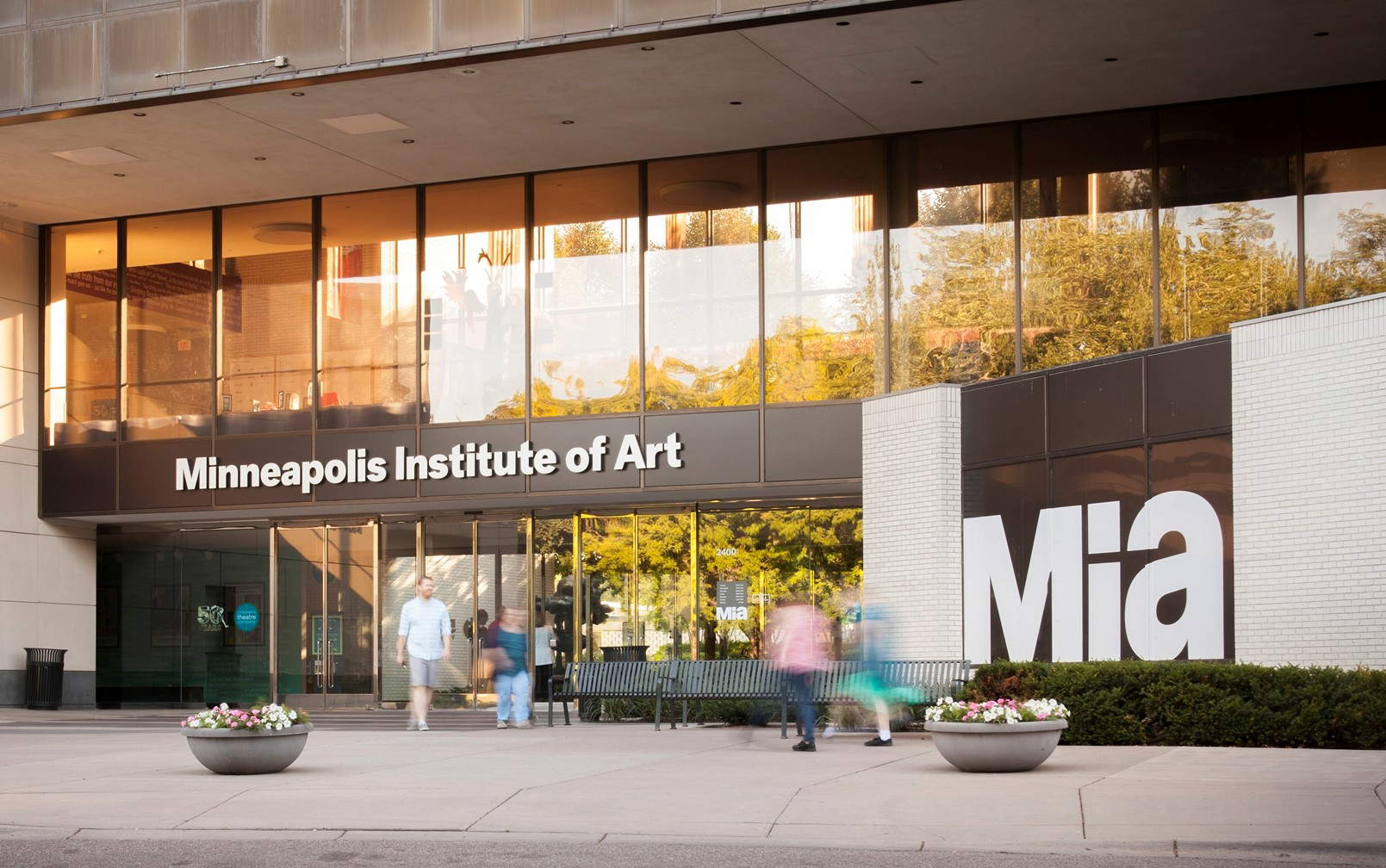
In response to this escalation, prestigious institutions such as the Minneapolis Institute of Art and the Walker Art Center chose to openly side with the community. The Minneapolis Institute of Art announced its closure by emphasizing the need to recognize the gravity of the historical moment the city is going through, placing respect and care for its employees and area residents as a priority. Although initially scheduled to reopen for the following Saturday, the institution has since extended its closure until Sunday, Jan. 25, reflecting a crisis that shows no sign of abating. Similarly, the Walker Art Center canceled scheduled performances, stating that this choice reflects the institutional values of putting safety and collective well-being at the center.
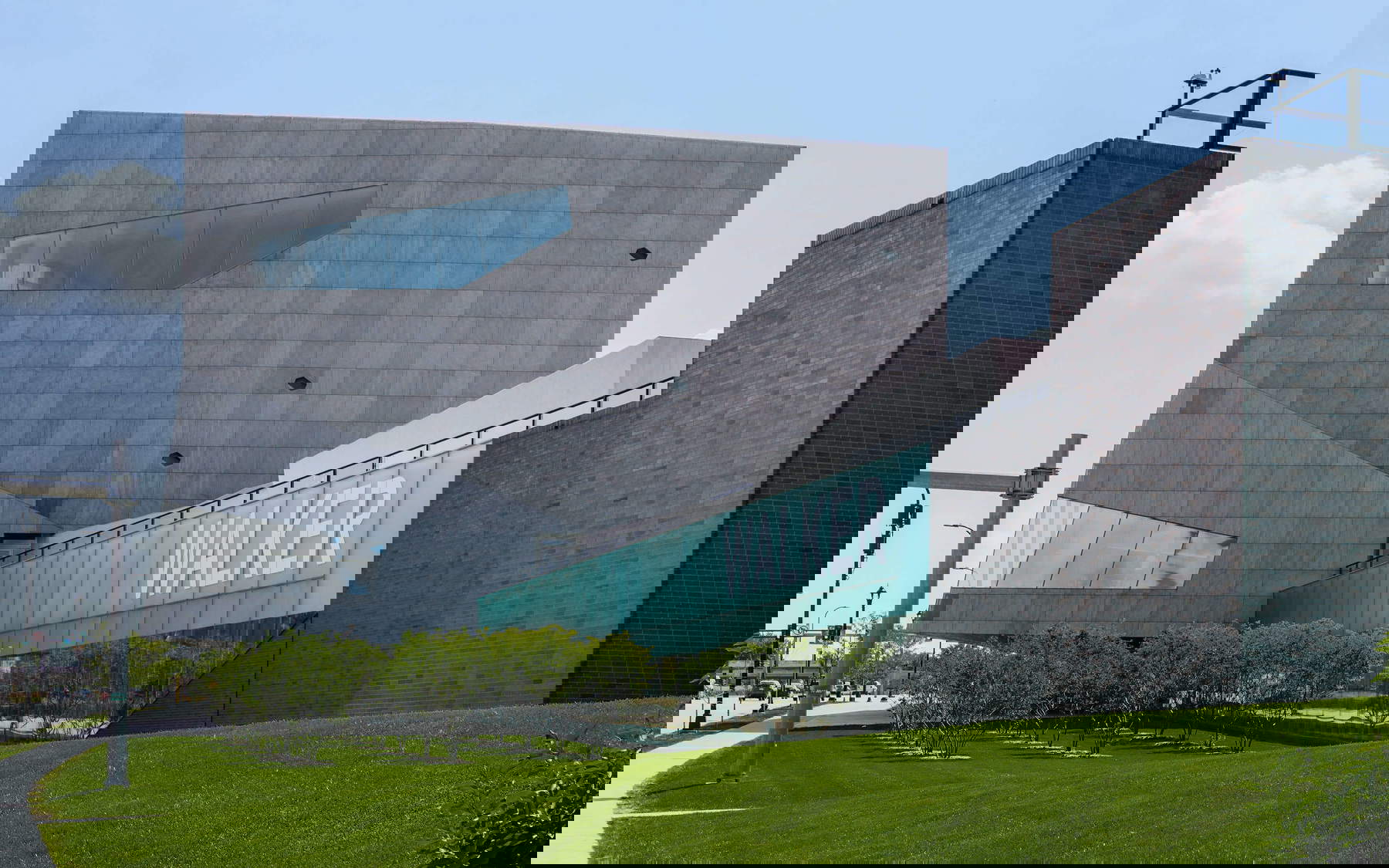
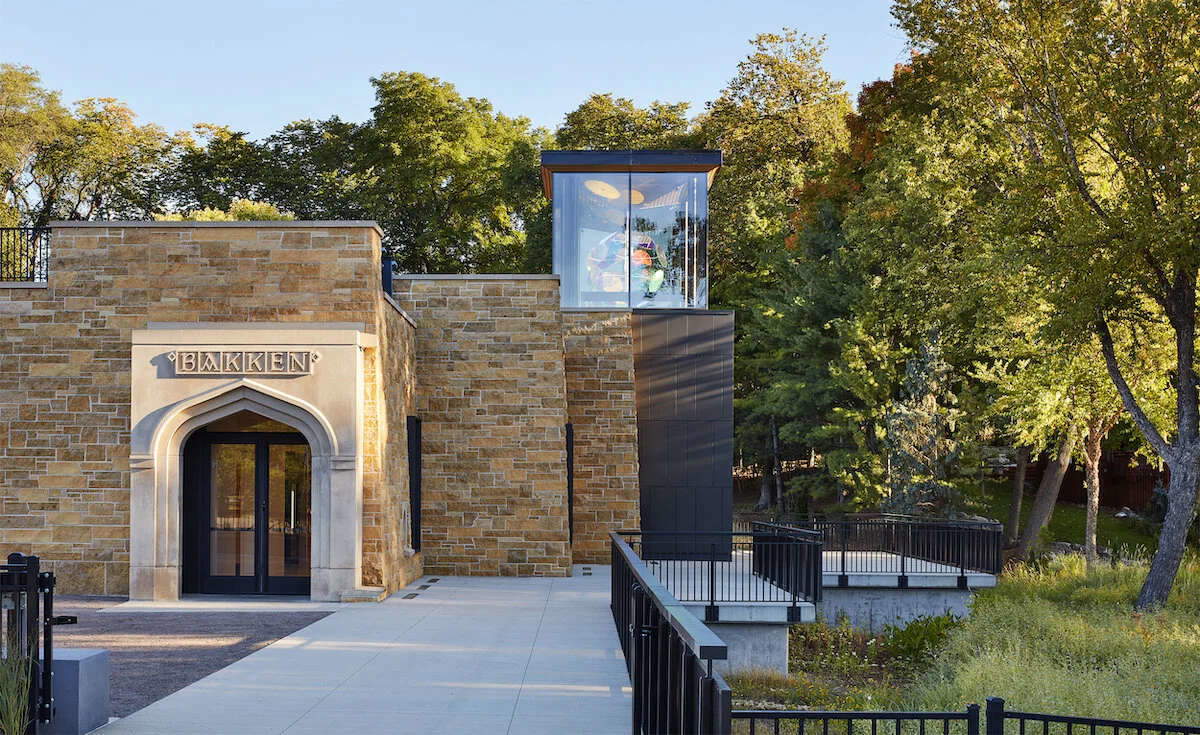
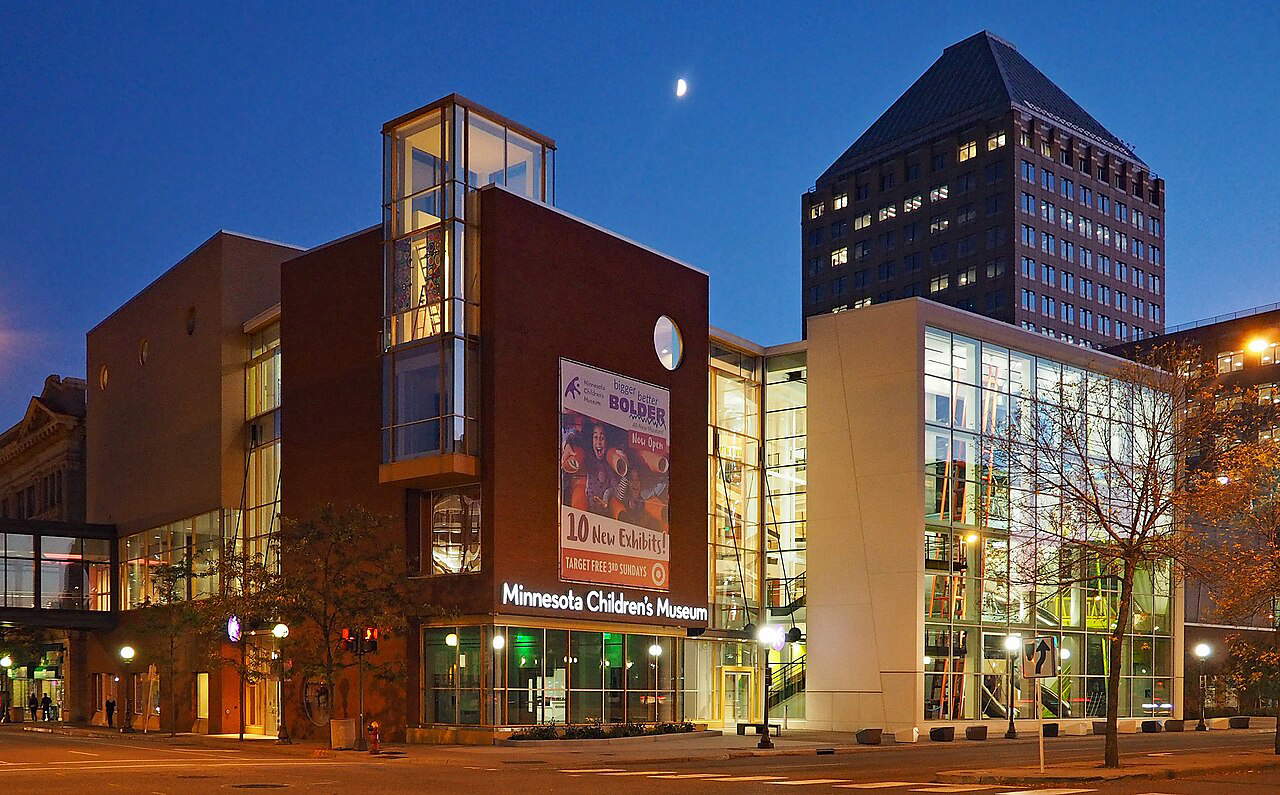
The range of memberships was broad and involved entities of different sizes. The University of Minnesota’s Weisman Art Museum, the Museum of Russian Art, the Minnesota Museum of American Art , and the Minnesota Children’s Museum (the latter two based in Saint Paul) all suspended operations on Friday. The Minnesota Museum of American Art, in addition to declaring its explicit support for the “communities we serve and from which we come,” also said it was “open to all, all the time.” The Minnesota Children’s Museum justified the choice by calling itself “a place of inclusion and joy” that intends to express solidarity in the face of calls for “justice, kindness, and human dignity.” Even more explicit were statements from organizations such as the Minnesota Center for Book Arts, which openly called for ICE’s removal from the state: “we want an end to the violence and fear that the agency is continuing to unleash against our communities.” Closure also for the Dreamsong gallery, whose founders circulated a piece by poet Amanda Gorman in memory of Nicole Good.
The participation of the Minneapolis and St. Paul art worlds in the Jan. 23 strike is something fundamentally new for the cultural world: indeed, the Twin Cities have shown a coordinated response. This activism is part of a recent history of heightened civil tensions in Minnesota, indelibly marked by the murder of George Floyd in 2020 and subsequent incidents of violence, such as the terrorist-related shooting at a Minneapolis church in 2025.
The political climate was further exacerbated by Vice President J.D. Vance’s visit on Jan. 22: Vance, in particular, defended ICE’s work and attributed the chaos in the streets to a lack of cooperation from local leaders, such as Mayor Jacob Frey and Minnesota Governor Tim Walz, both Democrats, who instead formally called for ICE’s withdrawal from the city. Discrepancies between federal and local police reports became clear during this visit, with Minneapolis police departments denying receiving any requests for assistance or operational communications from ICE, preferring to focus on public safety independently.
The day of Saturday, Jan. 24, which should have marked a return to normalcy for many museums, was instead marred by a new fatality, as mentioned. Around 09:05 a.m., an ICE agent shot a nurse, Alex Pretti multiple times following a scuffle. According to reconstructions that have emerged from video and testimony, Pretti was documenting the agents’ actions with a cell phone. Images show the man trying to help a woman pushed by an officer before he himself was pinned to the ground and hit by about ten gunshots. Although the Department of Homeland Security claimed that Pretti was armed and had attacked the officers, analysis of the footage by international media outlets indicates that the man was holding only his own cell phone and did not appear dangerous to the officers.
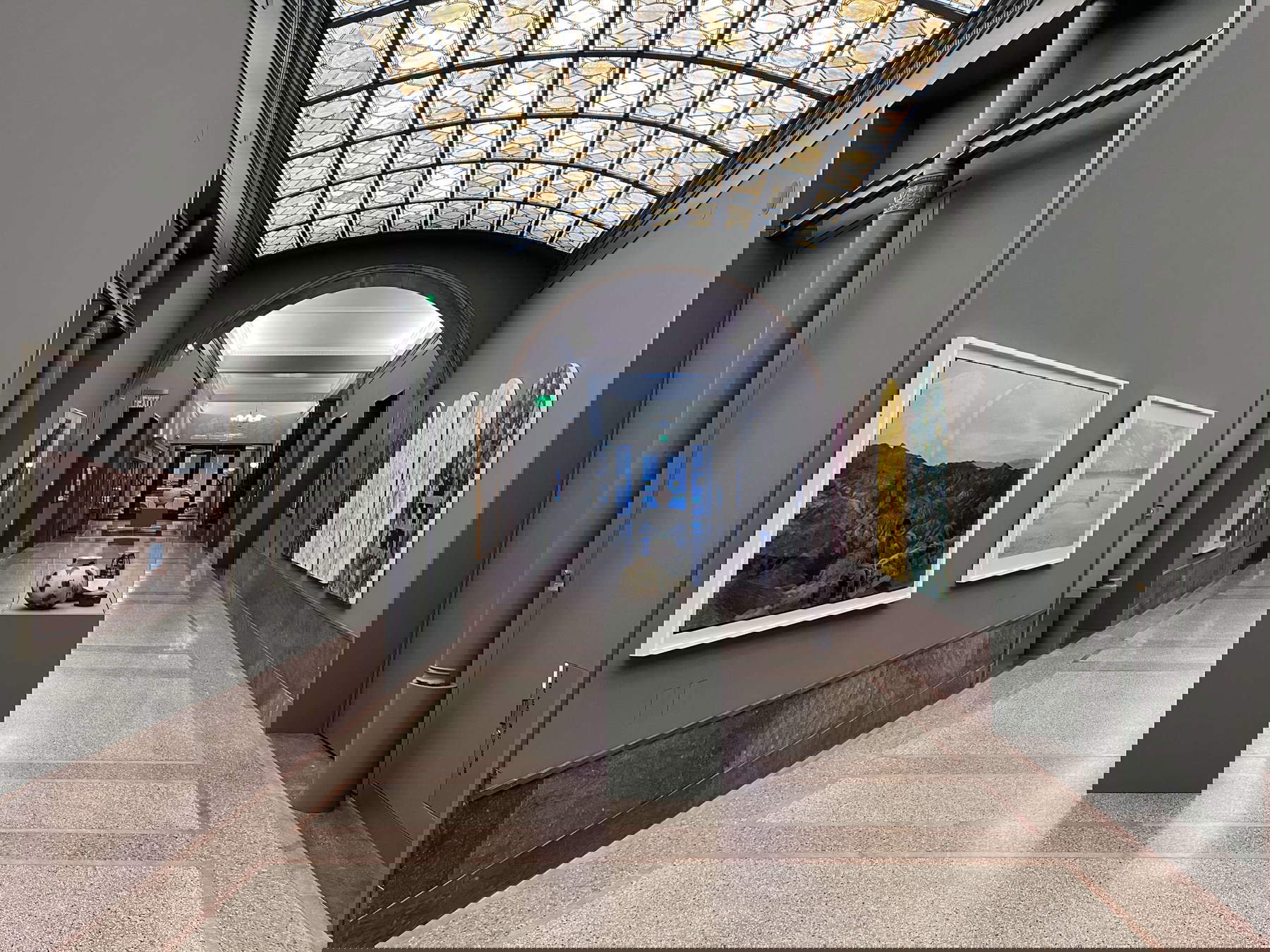
This new death has inevitably affected the decisions of cultural institutions. Some museums, such as the Minneapolis Institute of Art, which had been scheduled to reopen on Saturday, found themselves forced to close early because of ongoing events in the local area. The spiral of violence, which began with the deployment of some 2,000 additional federal agents and the White House’s freezing of state children’s funds, turned the museums’ symbolic protest into an operational necessity in the face of an urban terrain perceived as unstable.
The January 23 mobilization was attended by tens of thousands of people who marched in extreme weather conditions, with temperatures many degrees below zero (peaks of -25), starting from the Downtown East Commons to the Target Center. The closure of the museums was thus not an isolated act, but part of a larger economic blockade aimed at expressing the mourning and protest of a community that feels under siege by federal authorities. The art world has thus taken a leading role in denouncing the human impact of current migration policies, to emphasize how culture cannot proceed with its ordinary activities when the basic principles of security and civil coexistence are being challenged.
At present, the situation remains fluid, and institutions are constantly monitoring developments in city security to determine the timing of a reopening that appears contingent on the cessation of hostilities in the streets. Meanwhile, the memory of Renée Good and Alex Pretti continues to serve as a catalyst for a national debate over ICE’s use of lethal force and the autonomy of cities from Washington’s directives. Minneapolis, with its barred exhibition spaces and its squares occupied by protesters, remains to this day the epicenter of a tension involving questions of constitutional law, criminal responsibility and community identity.
|
| Minneapolis, museums close in protest against ICE |

Warning: the translation into English of the original Italian article was created using automatic tools. We undertake to review all articles, but we do not guarantee the total absence of inaccuracies in the translation due to the program. You can find the original by clicking on the ITA button. If you find any mistake,please contact us.


























 IT
IT FR
FR DE
DE ES
ES CN
CN


