




by Redazione 14/02/2026



Categories: News / Disclaimer
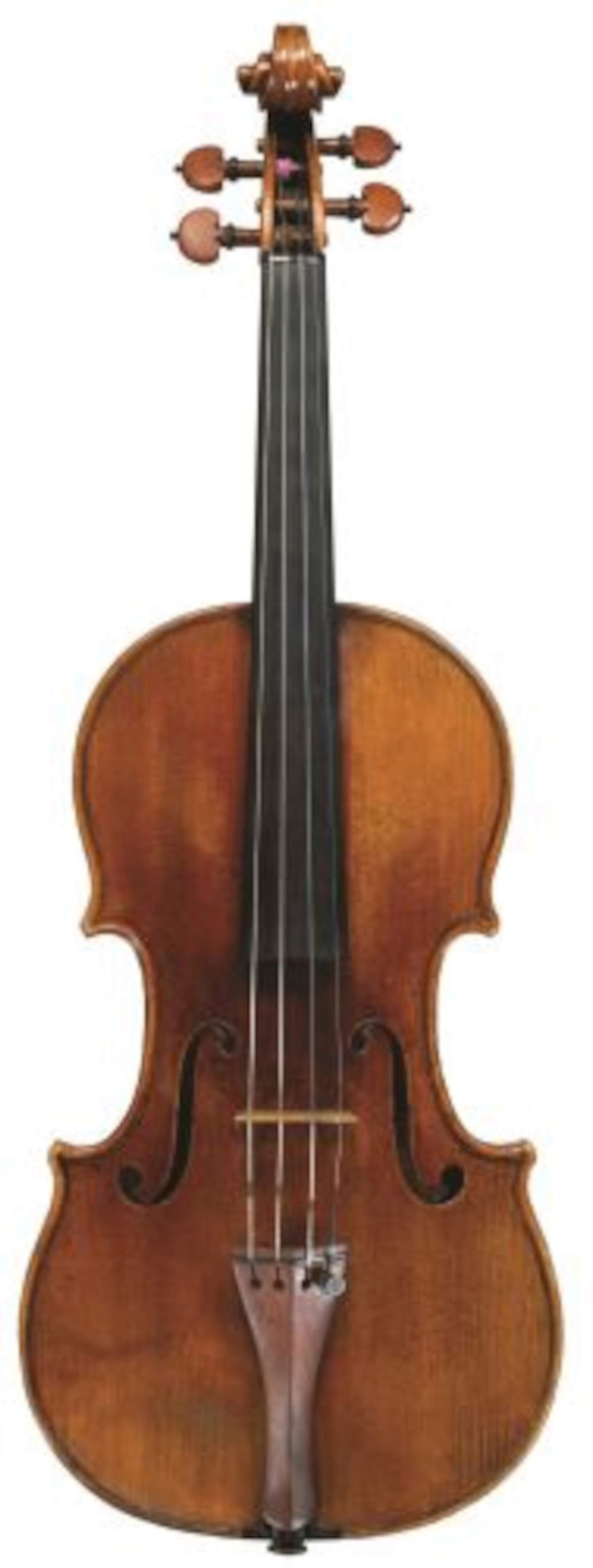
Published the most extensive dendrochronological survey ever conducted on the violins of Cremonese violin maker Antonio Stradivari: he systematically selected high-altitude fir trees from alpine forests, particularly the Fiemme Valley.


International research coordinated by theNational Research Council’s Institute for Bioeconomics (CNR-Ibe) has examined 314 sets of growth rings from 284 authentic violins by Antonio Stradivari, revealing significant data on the provenance of the wood used by the famous Cremonese violin maker. The investigation shows that Stradivari systematically selected high-altitude fir trees from Alpine forests, with a particular concentration in the Val di Fiemme area.

Trees grown during the Maunder Minimum (1645-1715), a climatic period characterized by colder temperatures and short growing seasons, developed a wood particularly suited to the construction of soundboards, a crucial element in the acoustic quality of the instruments.
The study also shows how, at the stage of Stradivari’s full artistic and technical maturity, the master concentrated his sourcing even more strongly in this area of Trentino, favoring a raw material of exceptional uniformity. Published in the journal Dendrochronologia, the research represents the most extensive dendrochronological survey ever conducted on the Cremonese luthier’s instruments. The results show how Stradivari’s stylistic and constructive evolution is also closely linked to a progressive refinement of the sources of wood supply, confirming that his genius was expressed not only in the workmanship, but already in the choice of raw material.


“Many instruments show extremely similar ring sequences and demonstrate how Stradivari often used boards made from the same log to make different violins, produced even years apart. This behavior seems to reflect a very careful selection of wood, aimed at exploiting materials deemed particularly suitable,” explains Mauro Bernabei of CNR-Ibe and coordinator of the research.
The analyses lead to the particular quality of spruce trees (Picea abies) grown at high altitudes, which are characterized by thin, regular rings. “The analyzed rings also show particularly low growth, not corresponding to the current limit of spruce forests, but consistent with climatic conditions that occurred during the Maunder Minimum (ca. 1645-1715), a period characterized by decreased solar activity and general cooling,” Bernabei continues. “If in the earliest violins, the characteristics of the wood can be traced back to heterogeneous origins, which cannot always be located with precision, at the beginning of the eighteenth century a clear turning point is observed, coinciding temporally with the ’golden period,’ in which the violins built thanks to the use of spruce from Val di Fiemme, in eastern Trentino, are placed.”
Taken together, the results allow us to refine our knowledge about Stradivari’s process of material selection. These elements suggest a very precise awareness of wood properties on the part of the luthier and confirm the importance of alpine forests in the Cremonese luthiery tradition. “The in-depth study of dendrochronological aspects makes it possible to clarify how climate, environment, and the luthier’s choices contributed to the creation of instruments considered unsurpassed today. Finally, the study is a tribute to the work of luthier and dendrochronologist John Carass Topham (1951-2025), who over the course of his career collected a fundamental part of the data used. His work was instrumental in defining the methodologies adopted today in the dendrochronological study of ancient musical instruments,” he concludes.
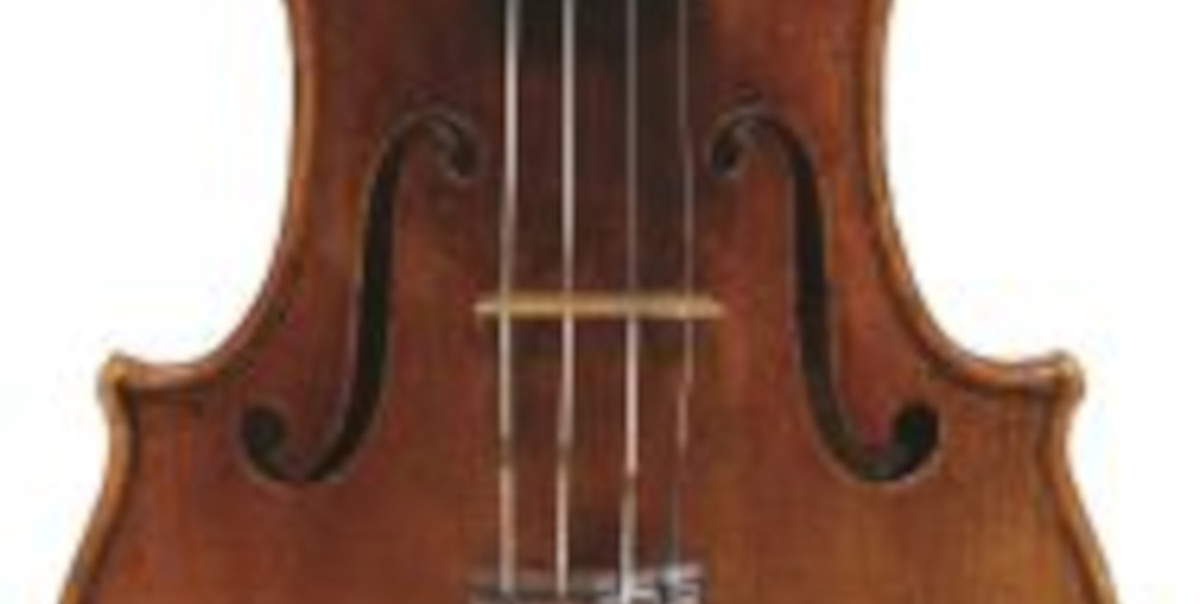 |
| Stradivari selected high-altitude wood from the alpine forests of Val di Fiemme for his violins |
Warning: the translation into English of the original Italian article was created using automatic tools. We undertake to review all articles, but we do not guarantee the total absence of inaccuracies in the translation due to the program. You can find the original by clicking on the ITA button. If you find any mistake,please contact us.