





As tradition dictates, the New Year of Finestre Sull’Arte begins with a ranking of the 15 most-read articles in the magazine in the past year: so for this New Year’s Eve 2026, too, let’s take a look at the most popular and most talked-about articles in 2025. What just ended was a particularly busy year for Finestre Sull’Arte: a year of major exhibitions, controversy, surprising archaeological discoveries, and reflections on the role of art and museums in contemporary society. The most-read articles tell well the interests of our readers, equally divided between current events, passion for the year’s highlight exhibitions, historical insights and critical takes on hot topics of cultural debate. This ranking runs through the fifteen pieces of content that most ignited attention, stimulated discussion and left their mark.
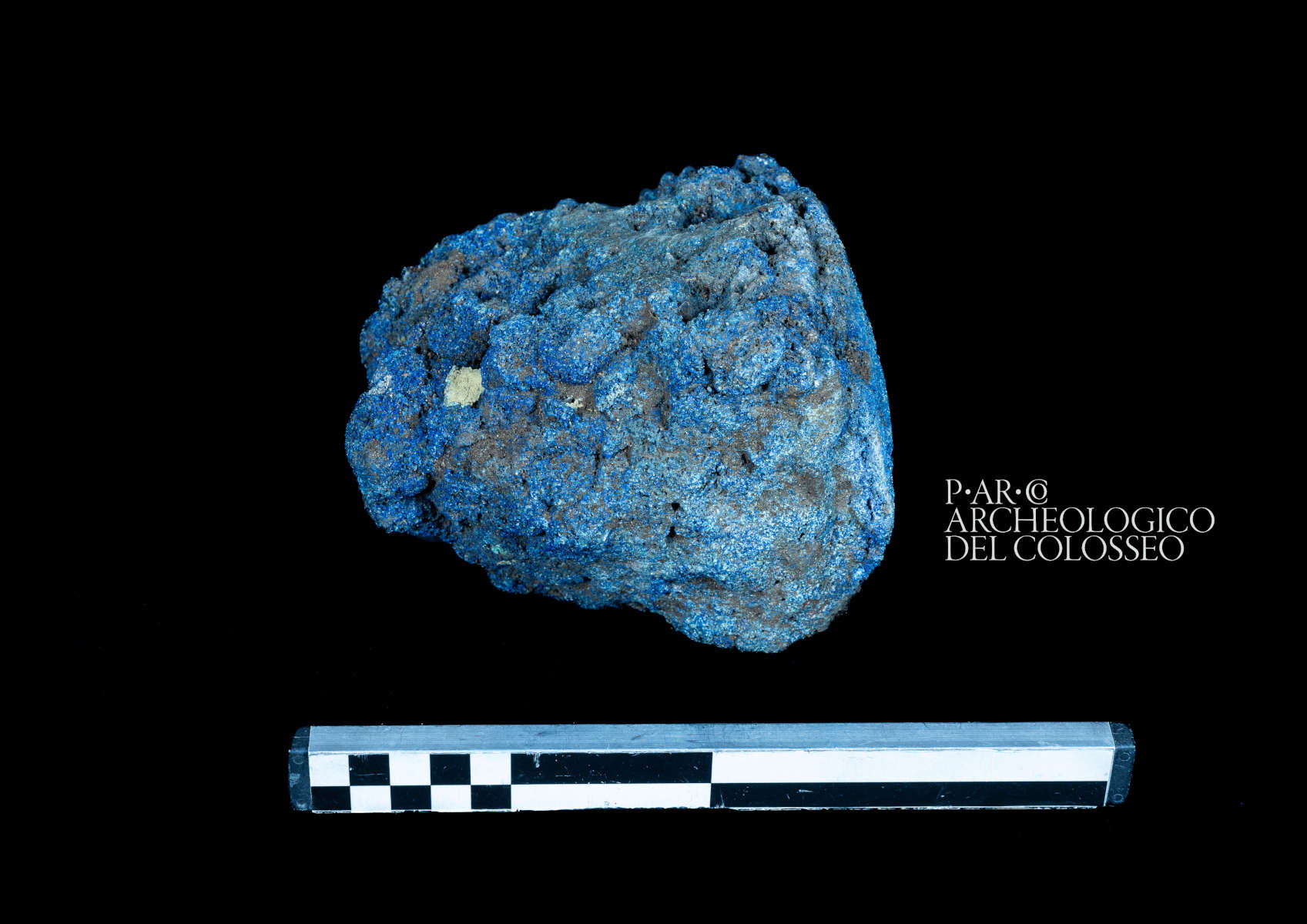
The discovery of an extremely rare ingot of Egyptian blue in the Domus Aurea in Rome was a major scientific event. The find provided new information about Roman painting techniques and the use of precious pigments in Neronian environments. The extraordinarily large ingot (15 centimeters, weighing 2.4 kilograms) was discovered during some archaeological investigations in the imperial residence-an exceptional find, because this pigment is usually found in the form of powder or in small spheres.
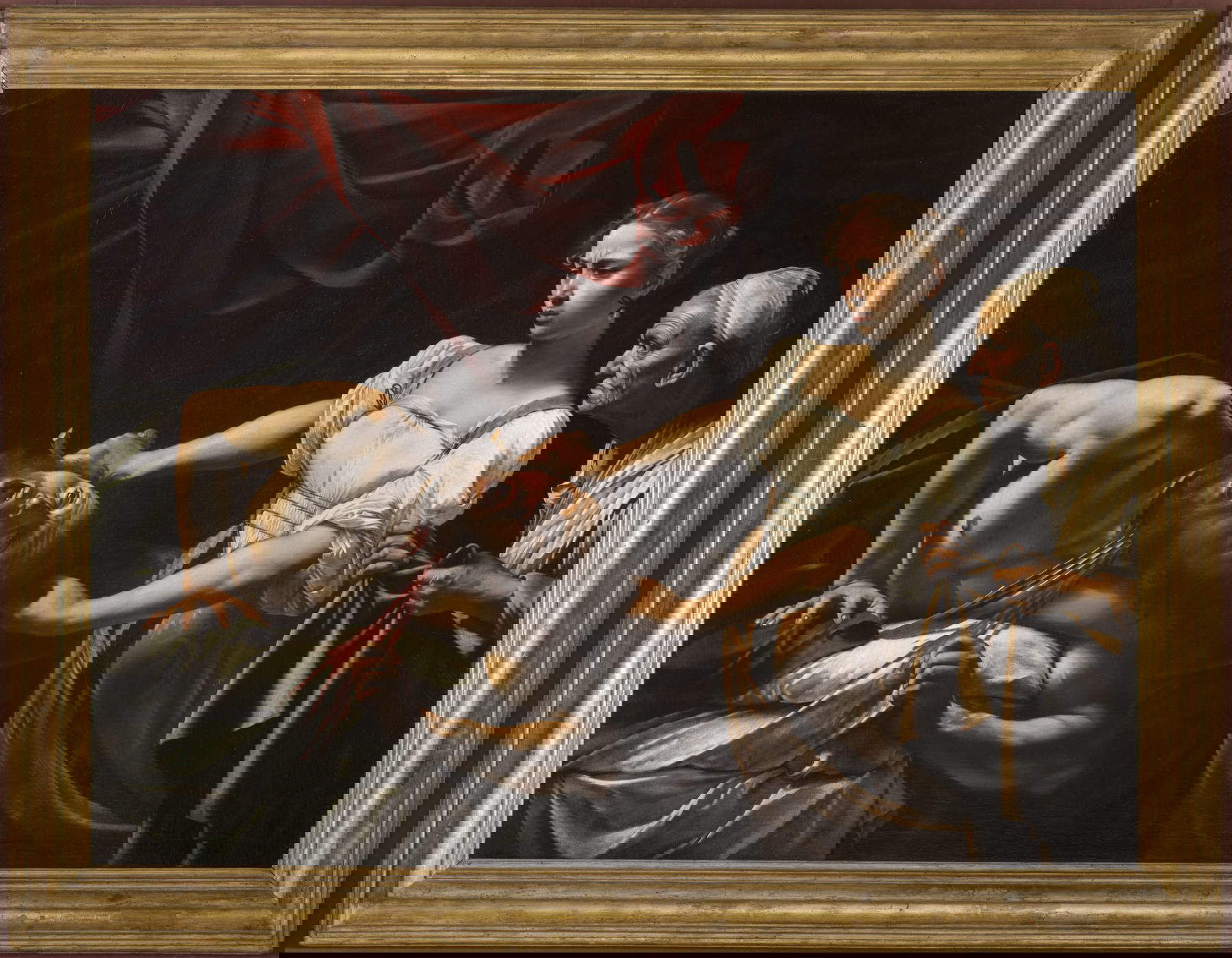
Ilaria Baratta’s article addressed one of the most persistent myths in art history: that of the genius and suffering artist. Through examples and critical reflections, the piece highlighted how in Van Gogh’s skies, Basquiat’s wounded colors, and Caravaggio’s drama there is something that speaks directly to our more fragile side. The great interest of readers shows how these stories continue to fascinate, but also how we need to read them with greater historical awareness.
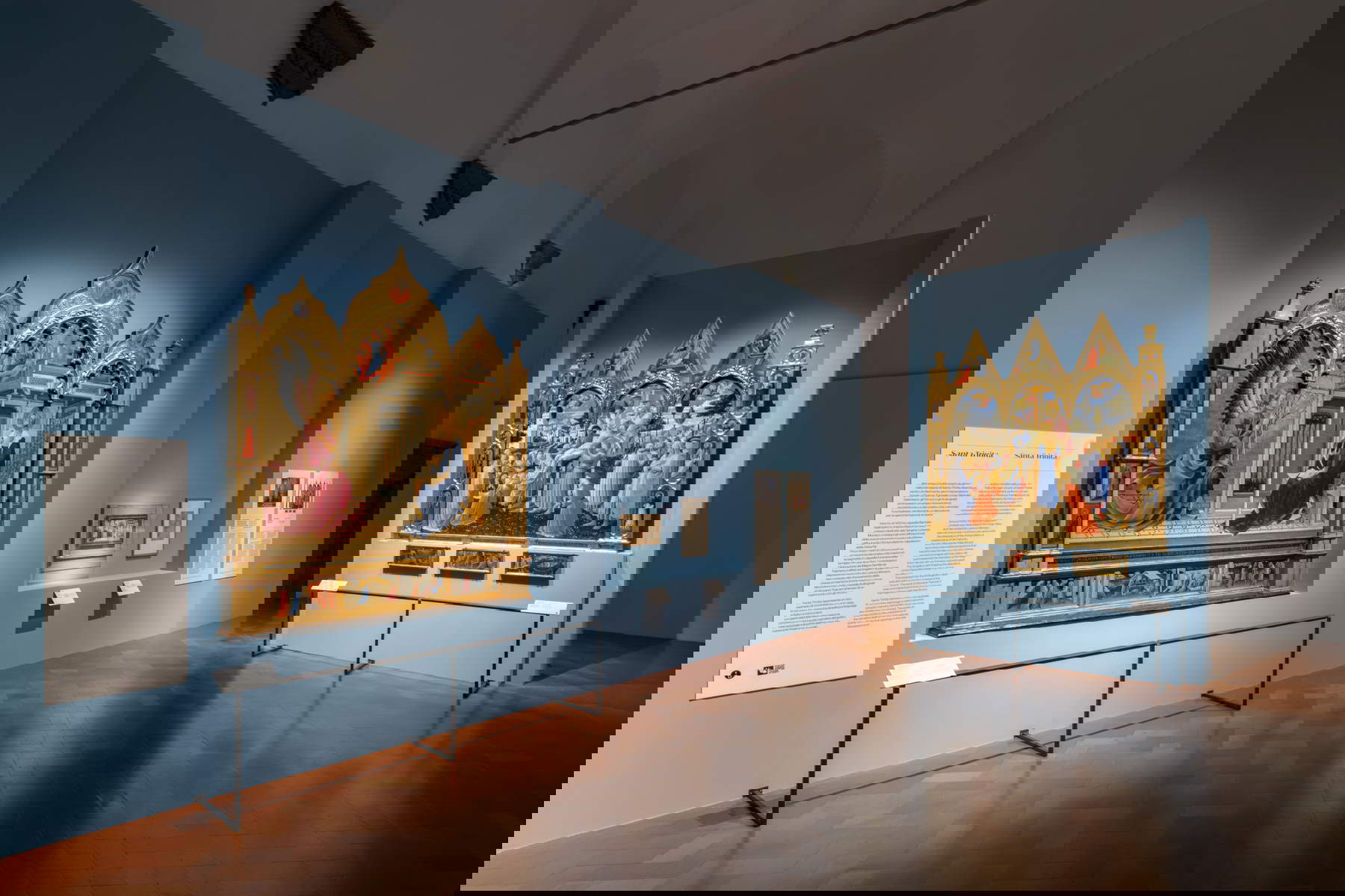
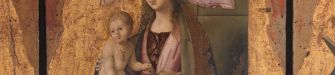
Judged the best exhibition of 2025 by the quality jury of Finestre sull’Arte, the Beato Angelico exhibition in Florence, curated by Carl Brandon Strehlke, Angelo Tartuferi and Stefano Casciu, and still running at Palazzo Strozzi and Museo Nazionale di San Marco, was indeed one of the events not only of this year, but probably of the decade. Federico Giannini’s review attracted considerable interest and is among the most-read articles of the year.
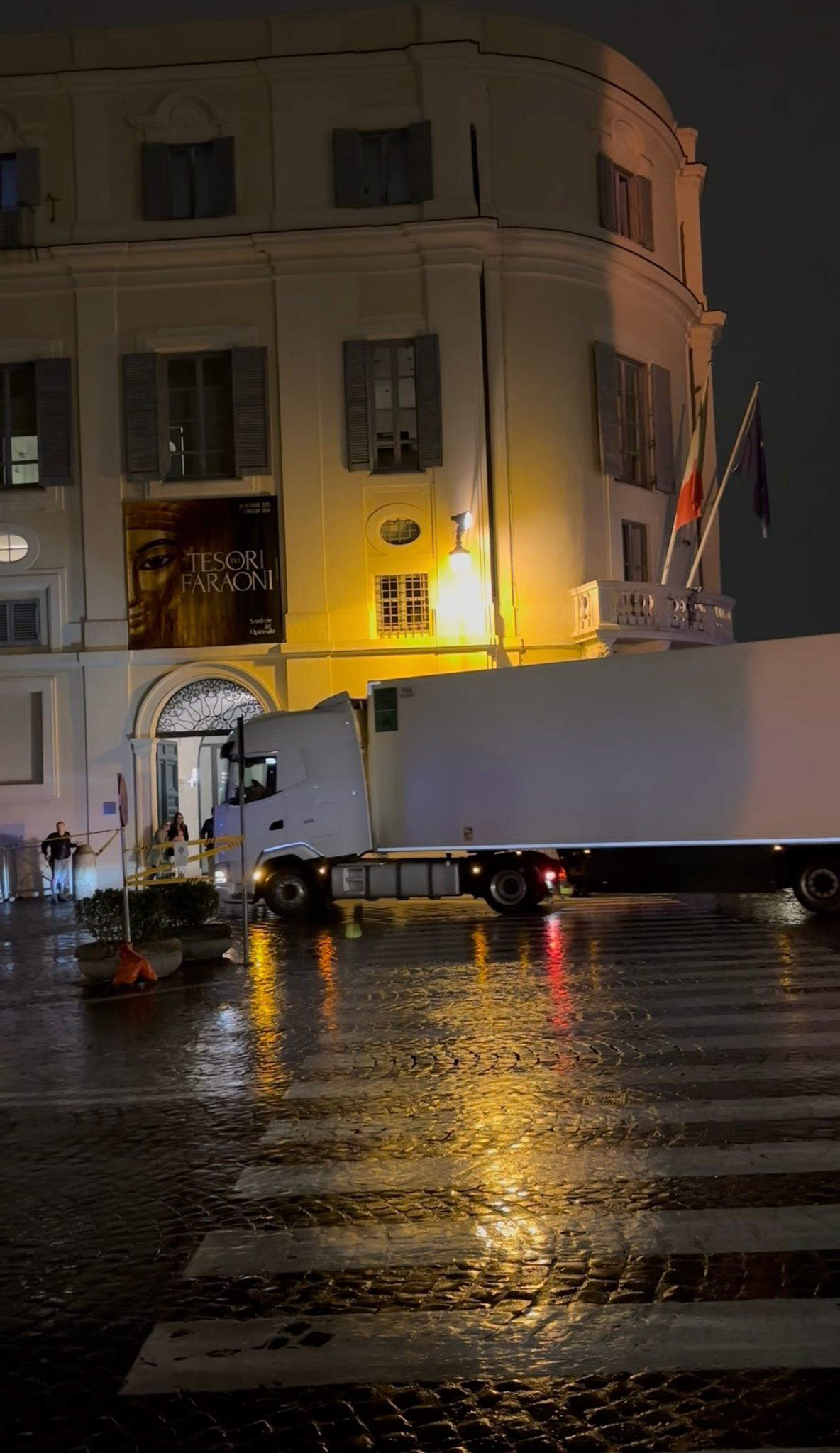
One of the most anticipated news stories of the year on the international exhibition front. The article briefly recounted the overnight arrival of artifacts from the Egyptian Museum in Cairo to Rome’s Scuderie del Quirinale for the exhibition Treasures of the Pharaohs. There was no shortage of references to the complex diplomatic and conservation dynamics that accompany such operations.
A much appreciated contribution for its ability to photograph the present without simplification. Federico Giannini’s article analyzed languages, poetics and contradictions of young contemporary painting. The extraordinary success achieved by this article, with tens of thousands of readings, demonstrates, on the one hand, the hunger for content on quality contemporary art that is able to speak clearly, elegantly, precisely, and offer a snapshot of what is happening in this field, and on the other hand, how much we need critical tools to orient ourselves in an ever-changing artistic landscape.

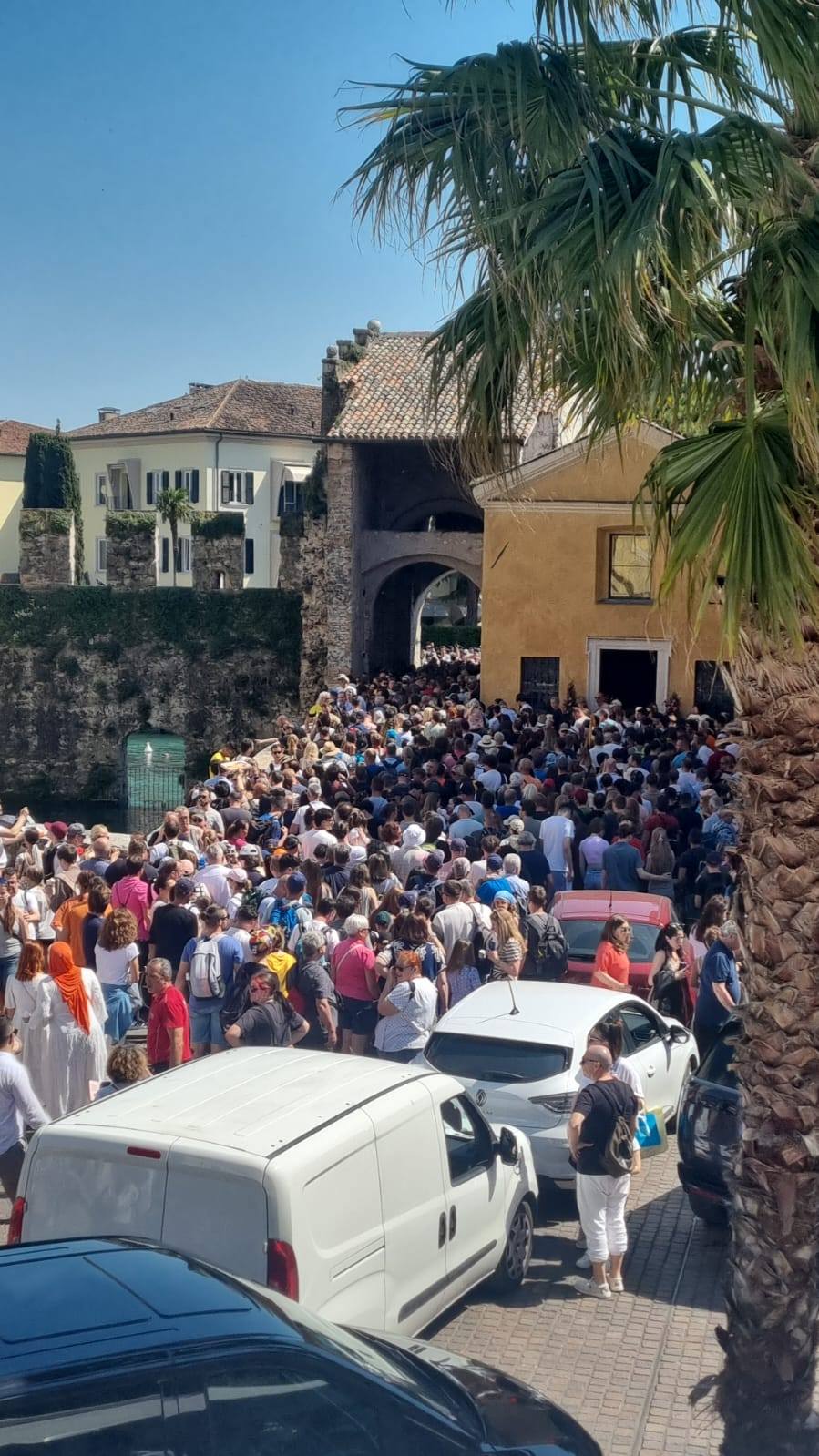
An editorial by Andrea Laratta born out of his observation of an increasingly evident phenomenon in Italian art cities, which were assaulted during last spring’s bridges. The piece denounced disrespectful behavior showing that this is a growing and now unsustainable problem. The strong response from readers signals a growing sensitivity to heritage protection and the quality of the tourist experience.
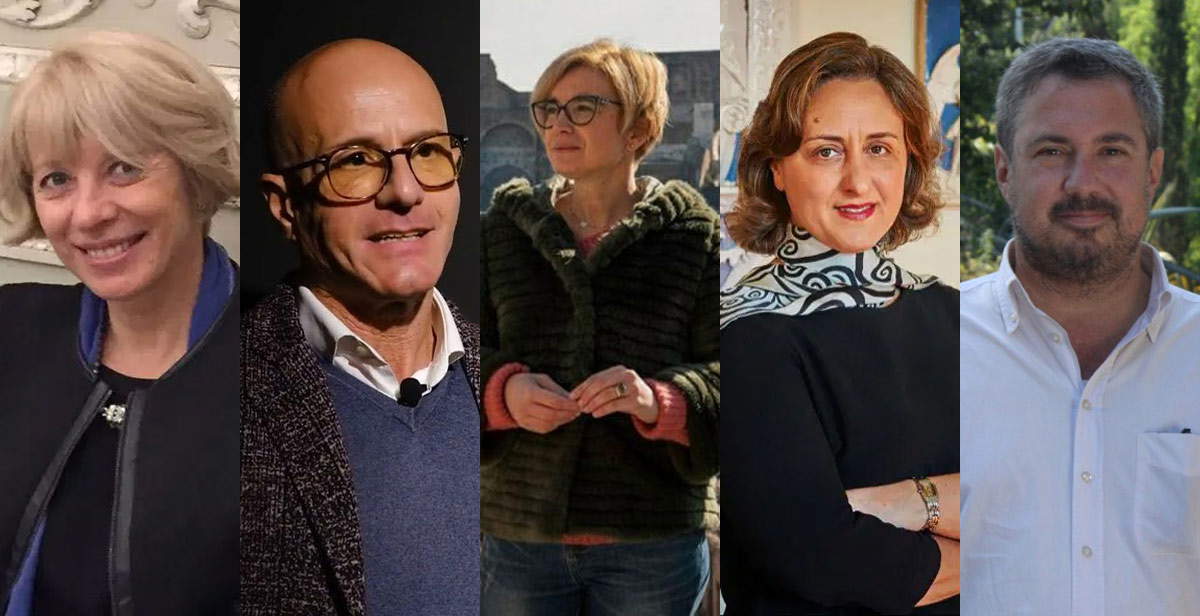
The article offered a detailed analysis of the figures named to lead five of Italy’s leading autonomous museums that had been left without directors: Andreina Contessa for the Galleria dell’Accademia and Bargello Museums in Florence, Francesco Sirano for the National Archaeological Museum in Naples, Federica Rinaldi for the National Roman Museum, Paola D’Agostino for the Royal Museums in Turin, and Simone Quilici for the Colosseum Archaeological Park. This content is widely followed because it is crucial to understanding the country’s future cultural strategies.
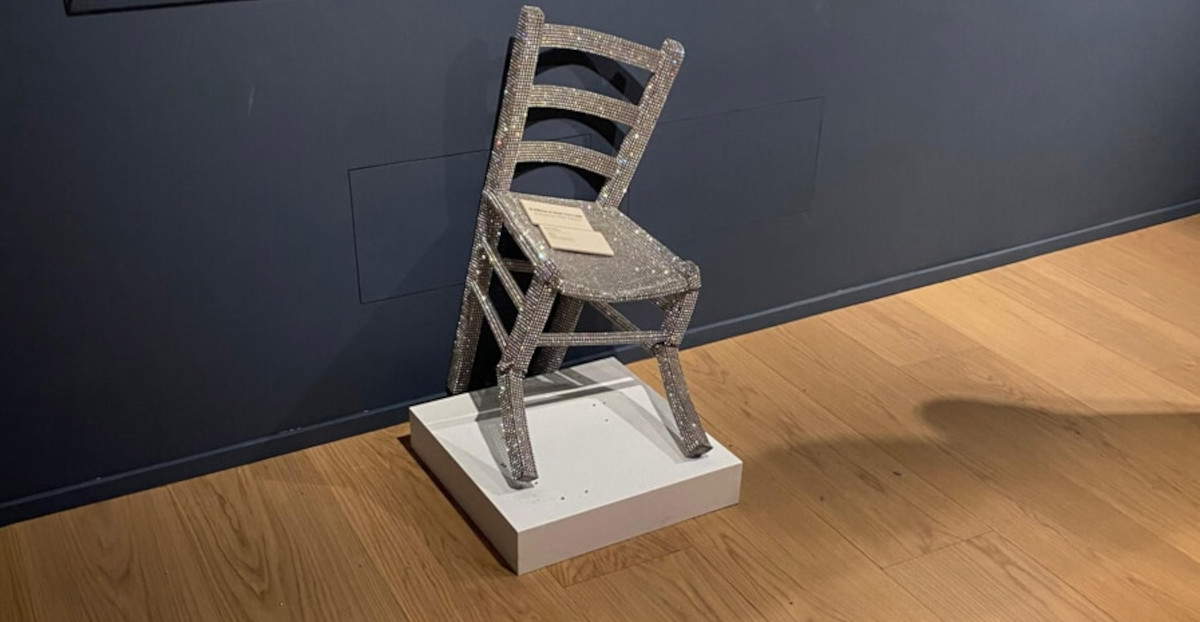
In June, a visitor to Palazzo Maffei in Verona sat on a work by Nicola Bolla, a chair completely covered in Swarovski crystals, and ruined it. What aroused the public’s curiosity was not so much the episode itself, reported by all the press organs, but rather Noemi Capoccia’s article that restored centrality to the artist and his work. Nicola Bolla’s profile allowed contextualizing the damaged work, going beyond sensationalism. Readers appreciated the approach that turned an incident into an opportunity for insight.
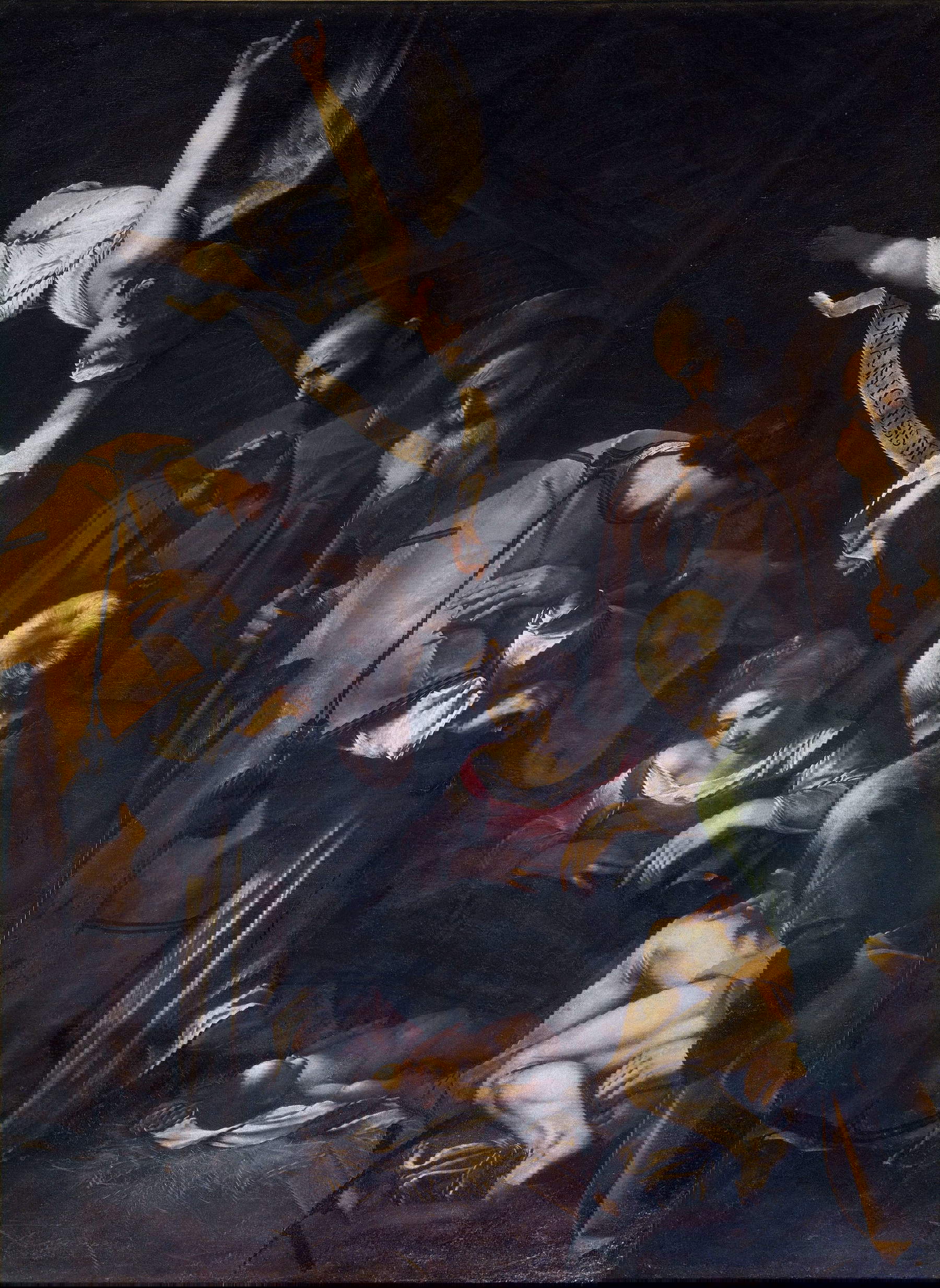
A rare and extraordinarily interesting document capable of interweaving art, politics and judicial reporting. Michele Cuppone’s article brought to light a little-known fragment of the Caravaggio affair stolen in Palermo. The audio gave new narrative force to one of the most discussed mysteries in Italian art history.
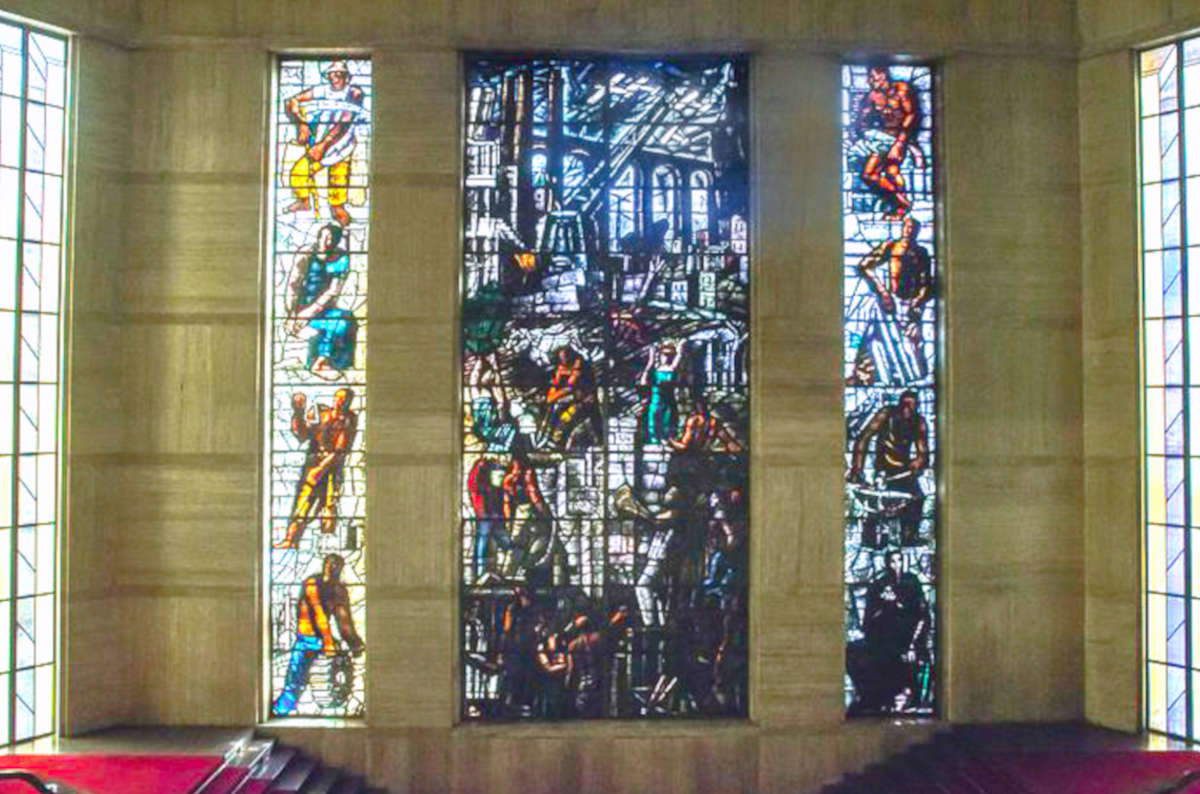
News that quickly made the media rounds, eliciting mixed reactions. The councilor for industry of the Region of Sardinia, Emanuele Cani, slipped on the steps of honor of Palazzo Piacentini in Rome, the headquarters of the Ministry of Enterprise and Made in Italy, and broke the stained-glass window La Carta del Lavoro, a masterpiece by Mario Sironi that inaugurated the season of his monumental art for the fascist regime. The large number of readings shows how much these episodes affect public opinion.
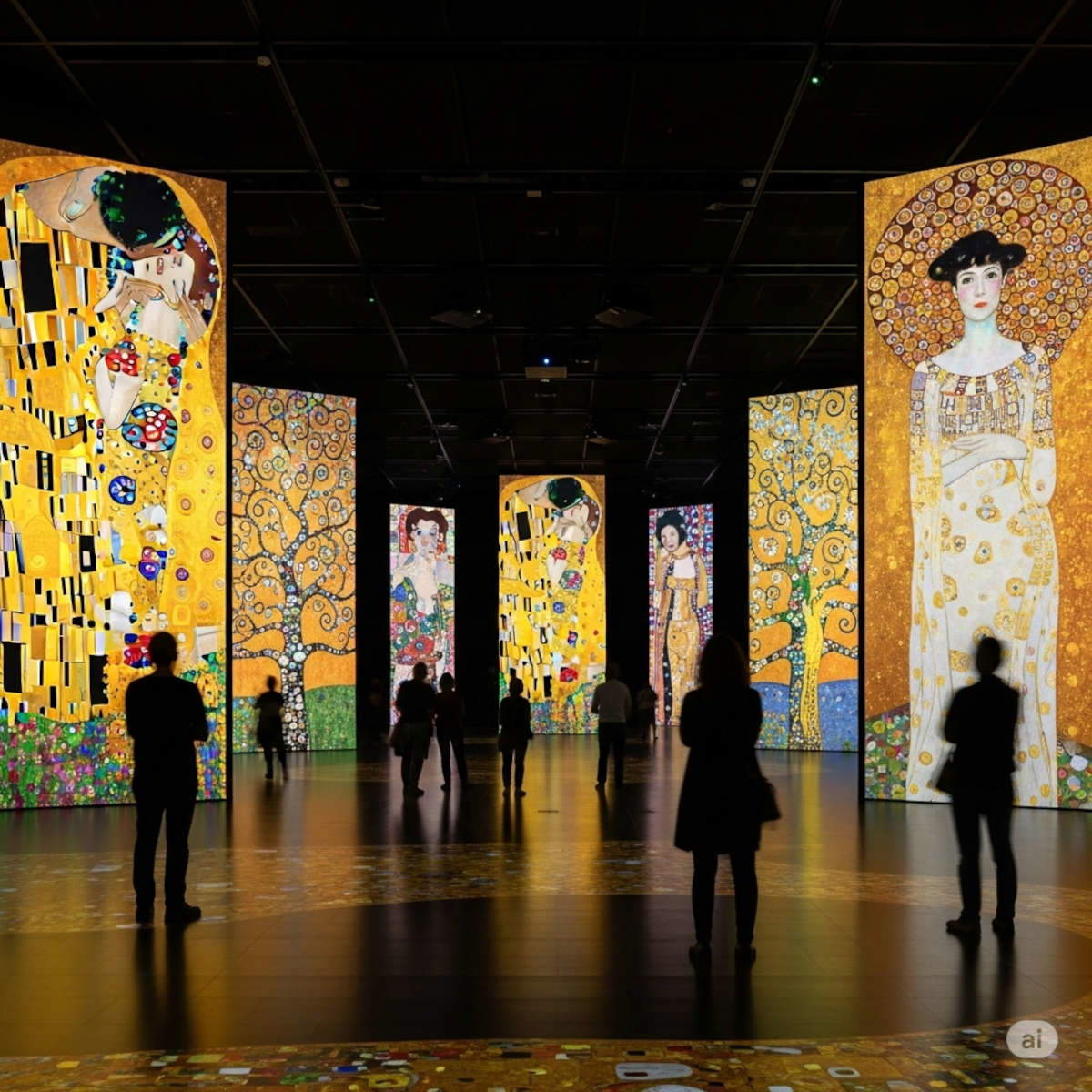
An editorial by Federica Schneck that took a position on one of the most discussed phenomena of recent years. The piece defined immersive exhibitions as one-dimensional events of rapid consumption: more shows, then, than exhibitions. The article’s success testifies to a still open debate between spectacle and knowledge.
Articles about jobs in cultural heritage are always very successful, showing the hunger for jobs in the culture sector. So the news of the 2,700-position recruitment plan at the Ministry of Culture was received with great interest. The article explained the numbers, methods and prospects of the hiring plan. The topic touched a raw nerve in the Italian cultural system.
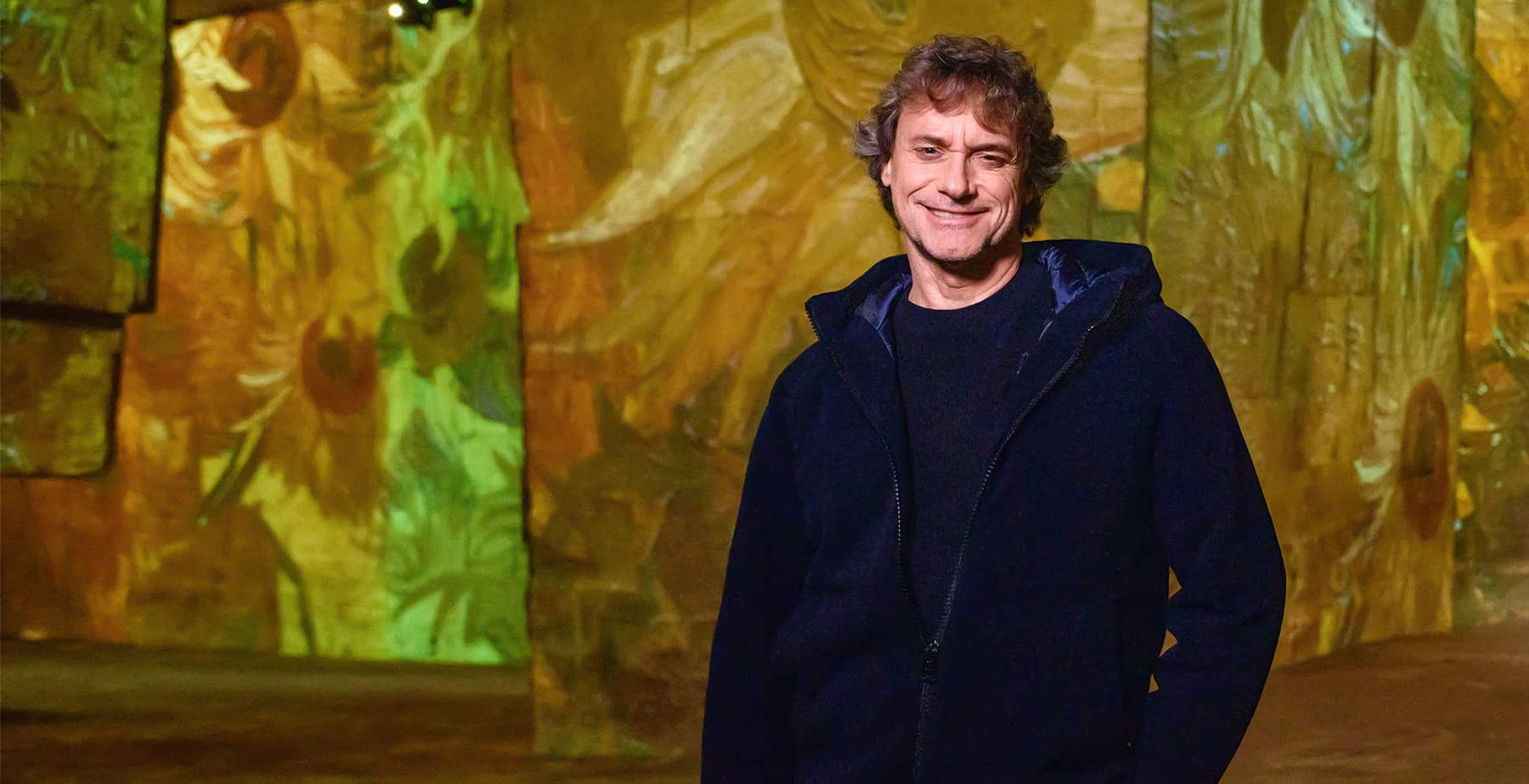
An extremely divisive editorial by Federico Giannini panned Alberto Angela’s Van Gogh program through a provocation (better reality TV than yet another TV novel about Van Gogh’s life) and thus implicitly reasoned about the relationship between TV popularization and art-historical rigor. The case of the Van Gogh told by Alberto Angela ignited a discussion on the way art is communicated to the general public with hundreds of comments between the Finestre Sull’Arte website and social media. Readers’ reactions showed how heartfelt the topic is.
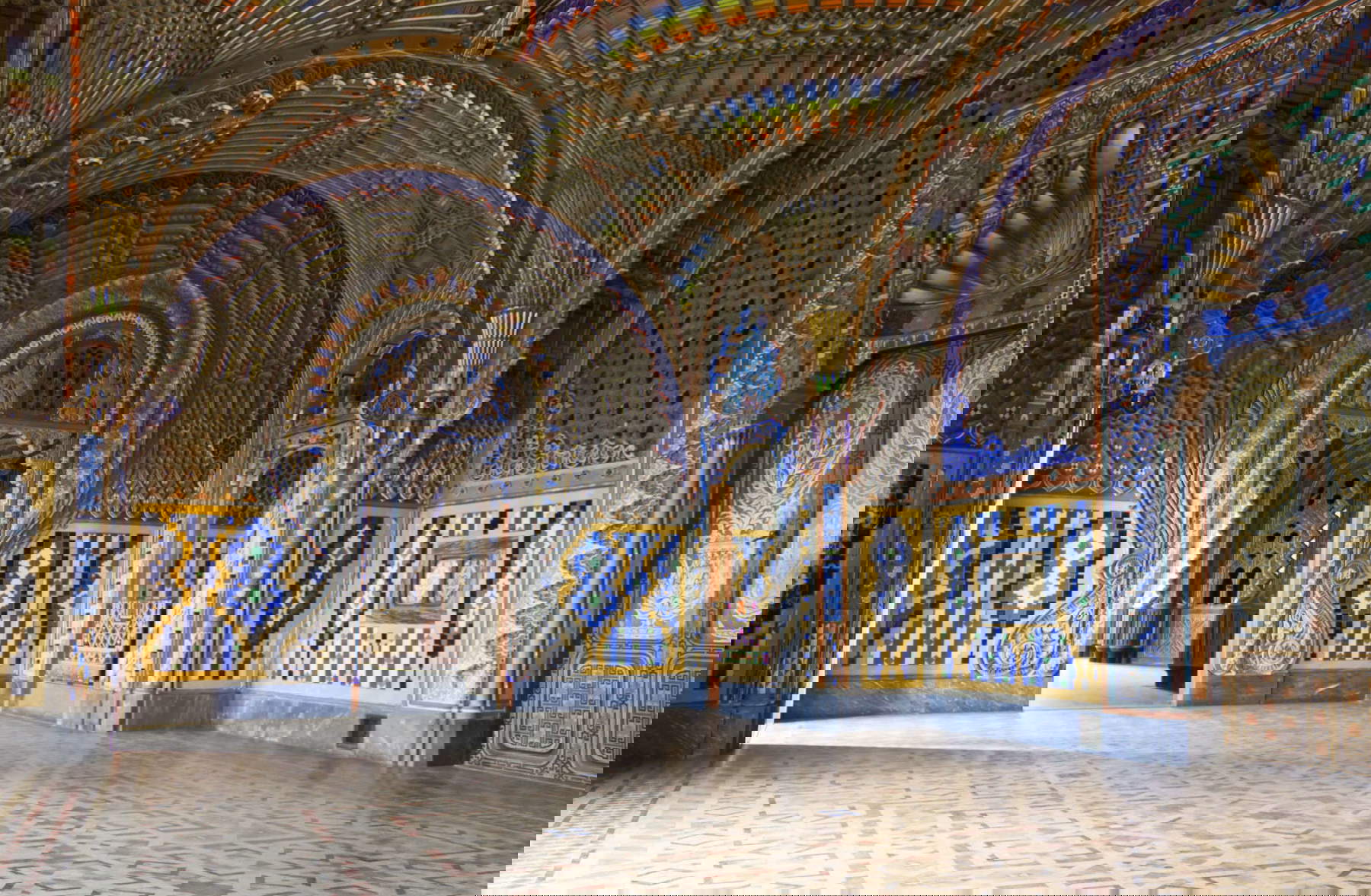
The presence of Sammezzano Castle in Rai Uno’s television series on Sandokan has rekindled the spotlight on one of Italy’s most fascinating and forgotten places. Noemi Capoccia’s article mentioned recent developments in the castle’s affairs, with the recovery project promoted by the Moretti family, emphasizing the importance of media visibility. An emblematic case of rediscovery through fiction.
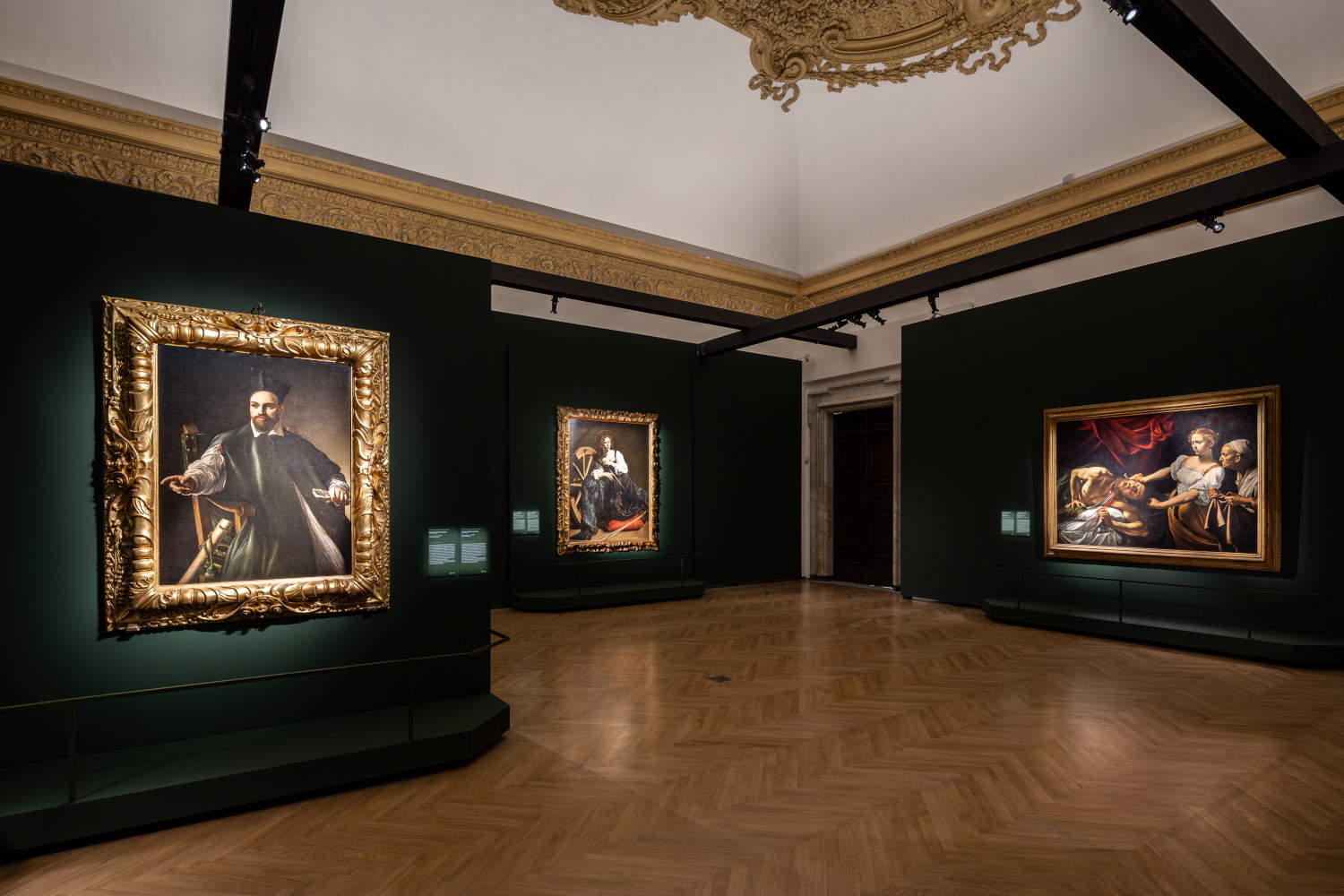
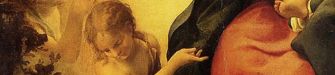
Federico Giannini’s review of the most anticipated exhibition of the year, Caravaggio 2025, takes first place. An article that was controversial for its critique of the exhibition and also for the photographs of the crowds amassed in front of the artist’s masterpieces. The great success of the exhibition confirmed Caravaggio’s central role in the cultural landscape, and that of the article, on the other hand, confirmed the public’s interest in a well-argued and unabashed critique.
|
| The 15 most read articles of 2025 on Finestre Sull'Arte |

Warning: the translation into English of the original Italian article was created using automatic tools. We undertake to review all articles, but we do not guarantee the total absence of inaccuracies in the translation due to the program. You can find the original by clicking on the ITA button. If you find any mistake,please contact us.

















 IT
IT FR
FR DE
DE ES
ES CN
CN


