





Something profound is happening in the contemporary art world: the increasingly visible entry of neurodivergent experiences, not only as the subject of works, but as a force that transforms display, perception, and visual language itself. Museum institutions, from being mere custodians of works, are increasingly called upon to rethink paths, narratives, and spaces in relation to imaginaries and ways of thinking different from the neurotypical norm.
Nnena Kalu ’s recent win for the Turner Prize 2025 is a turning point: the first artist with learning disabilities and autism to receive the prestigious British prize. Kalu, 60, submitted works featuring large sculptures suspended and wrapped in VHS tape, rope and fabric, along with abstract drawings made with pen and crayons. The jury highlighted how his work “embraces visual, tactile and experiential dimensions,” making neurodiversity inseparable from the artistic value of the work itself. This recognition is not an isolated case, but marks a trend: neurodivergent art is moving out of the marginal dialectic of “art therapy” or “emotional expression” and into the contemporary critical and curatorial discourse with force. Nonverbality or atypical modes of communication are no longer considered obstacles, but decoders of new aesthetic forms.
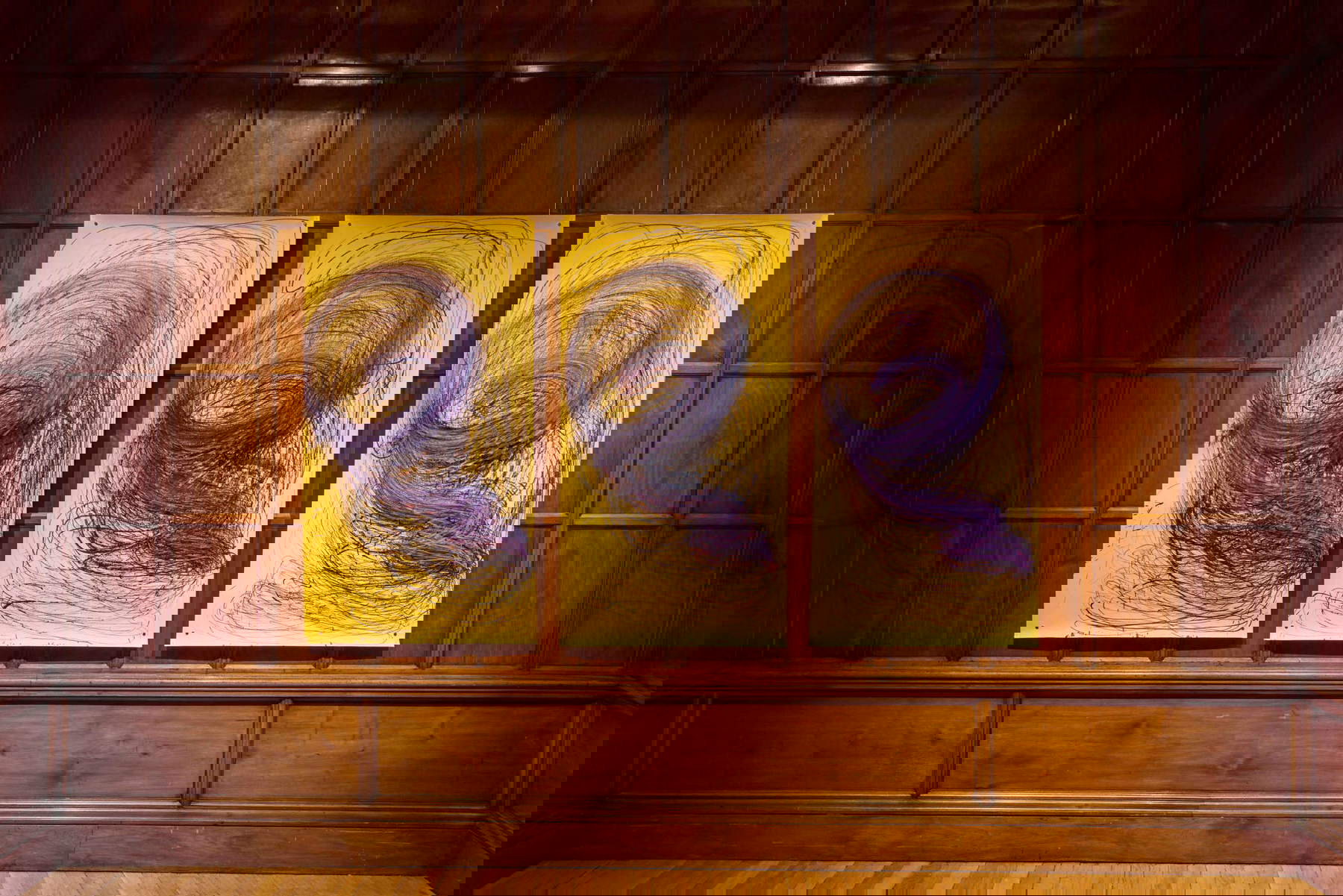
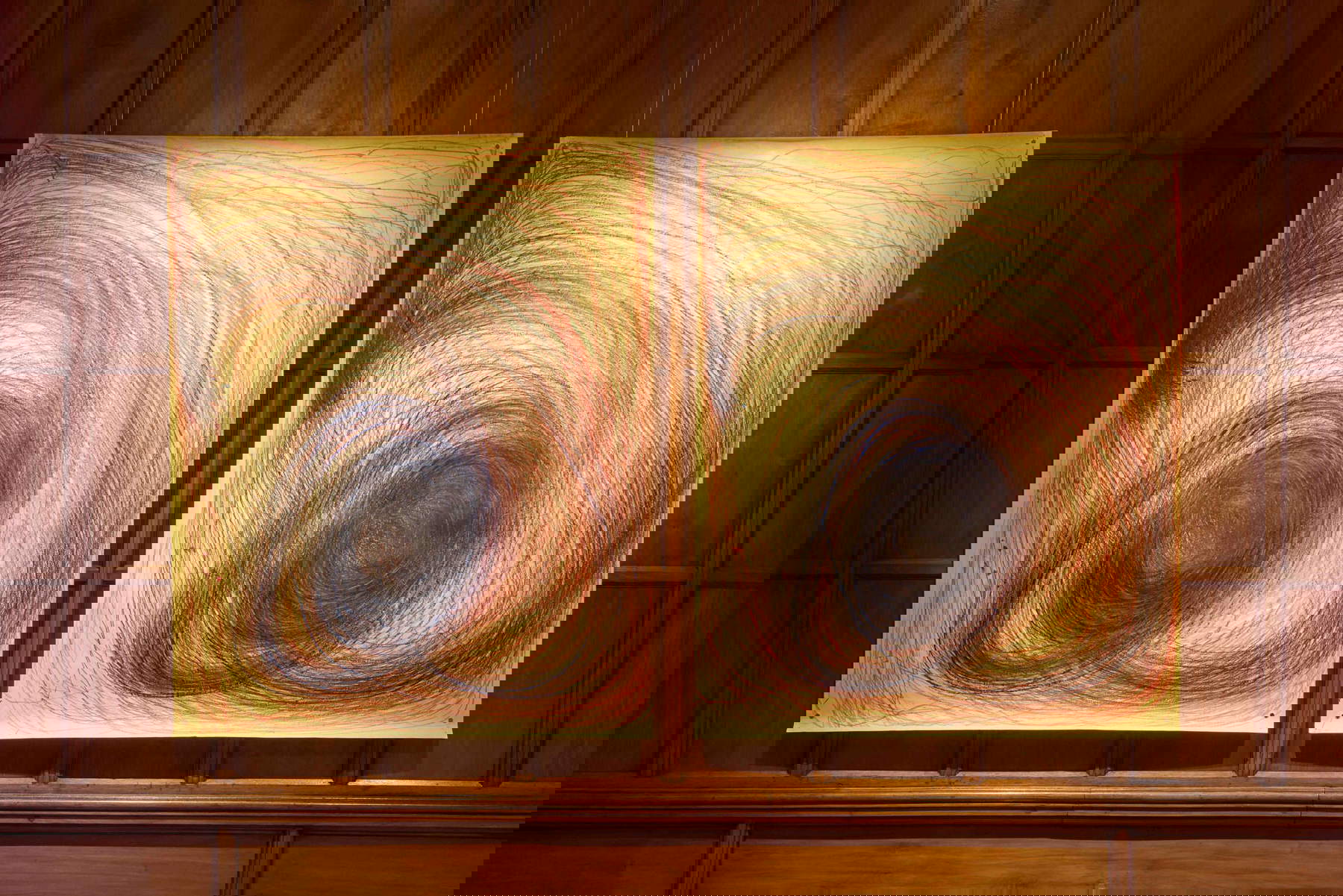
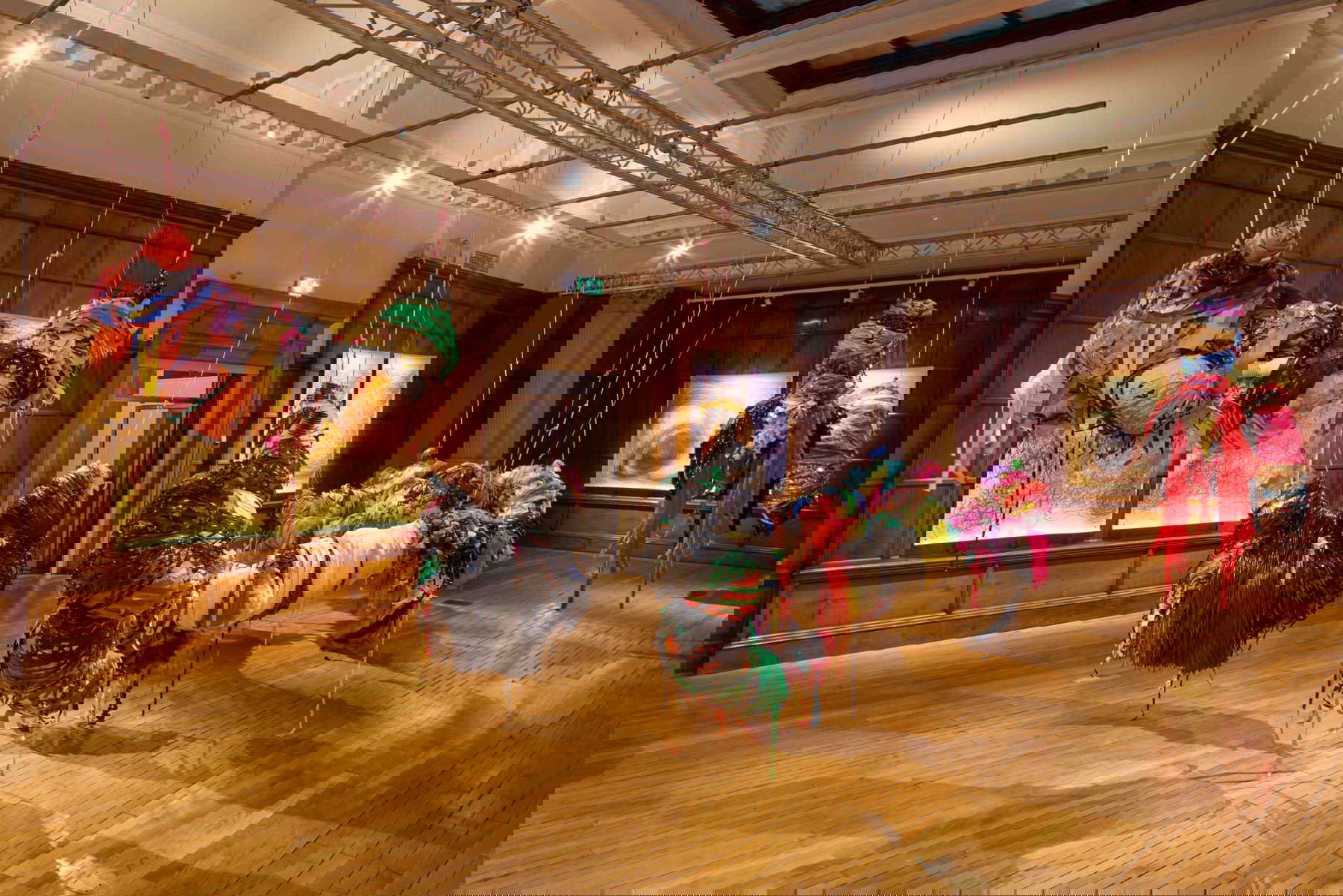
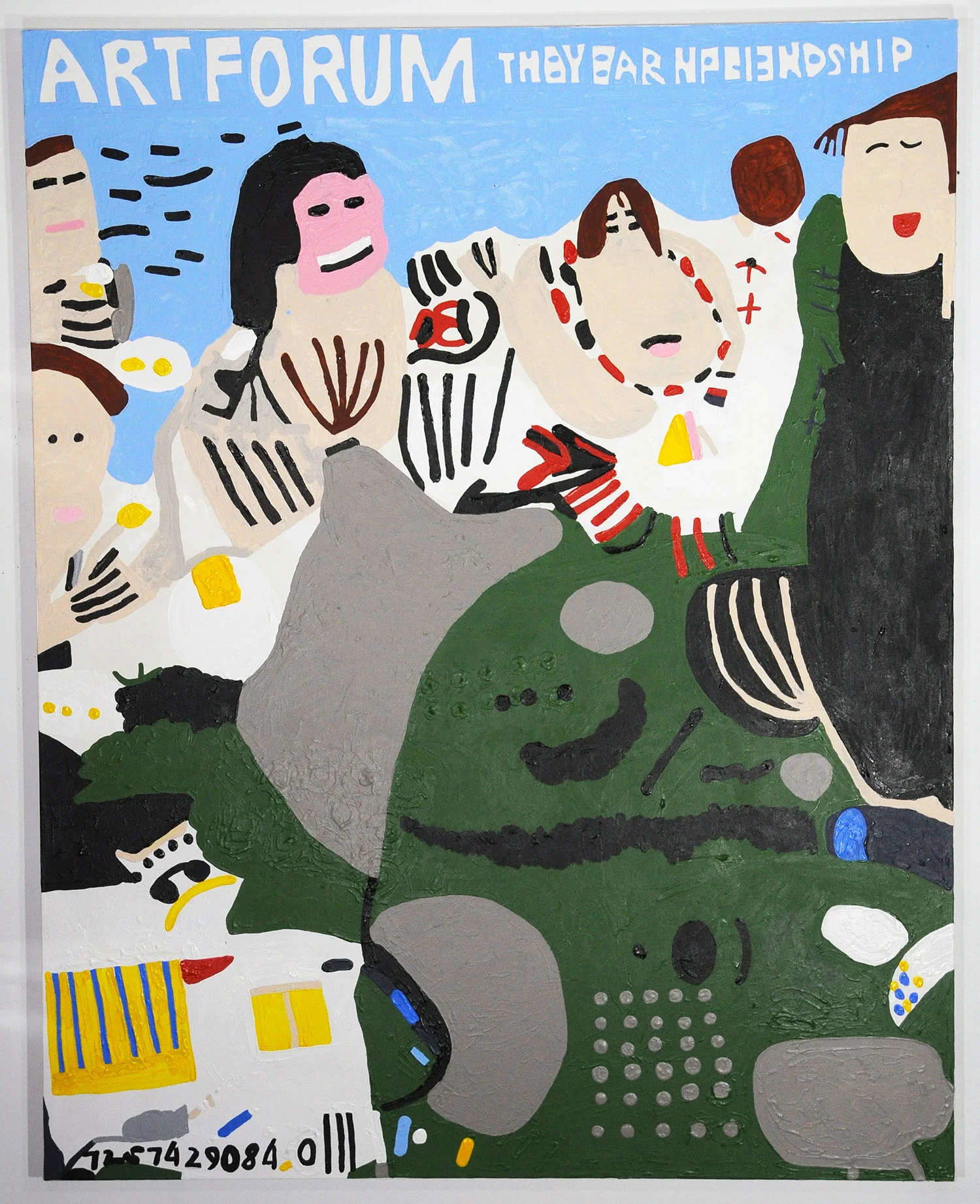
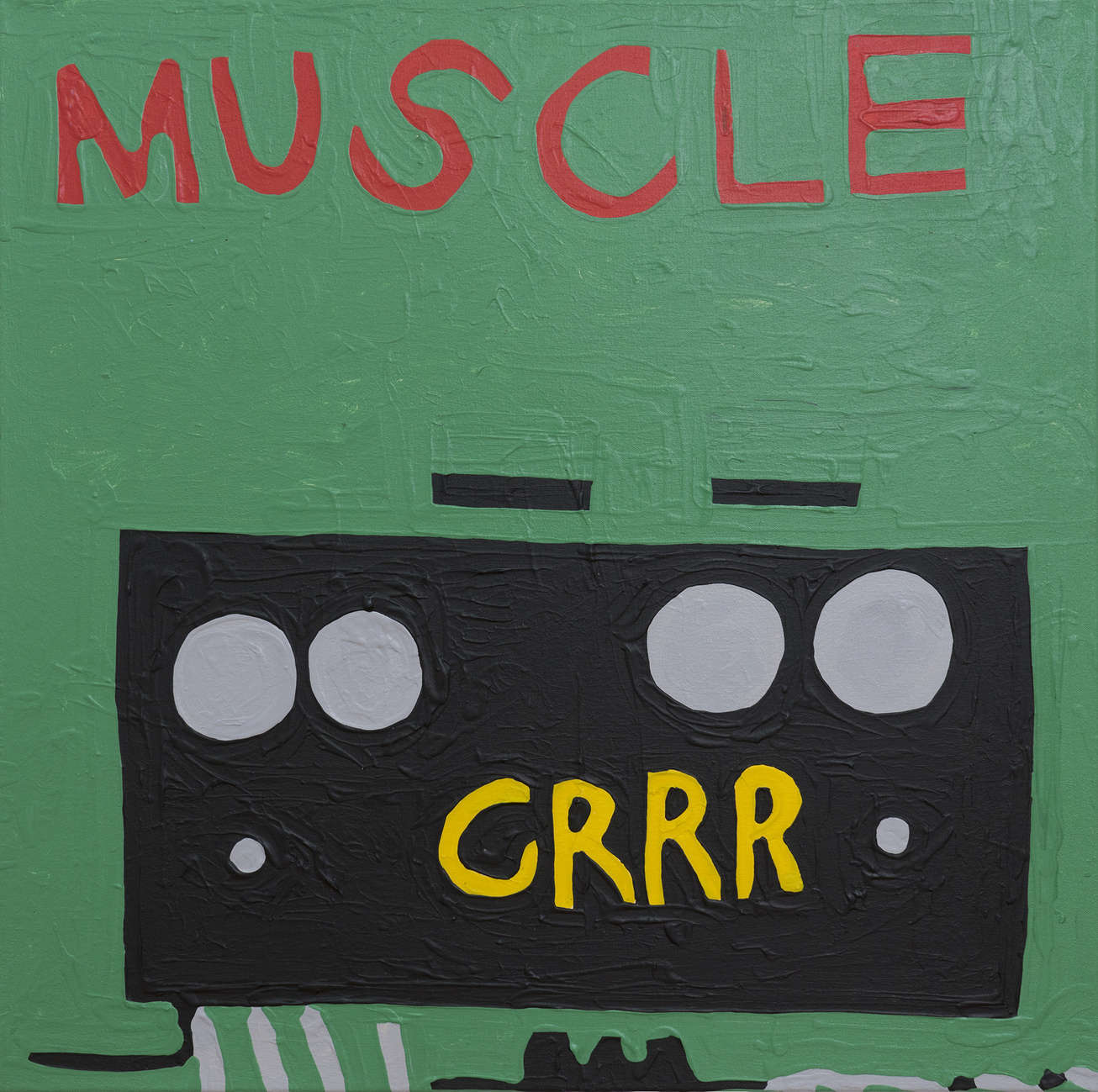
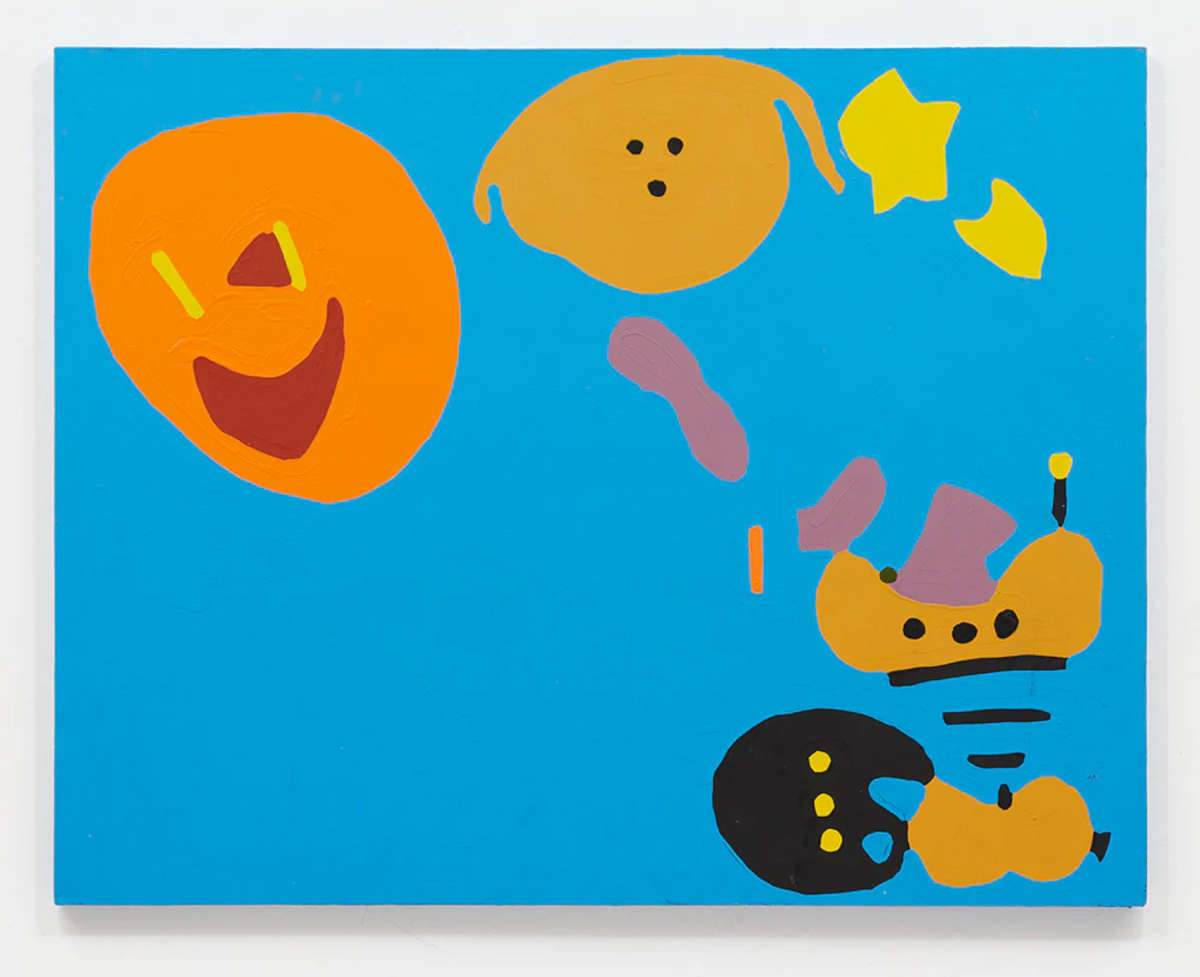
Walking among the works of neurodivergent artists thus means quickly realizing that traditional fruition is no longer enough. In front of Marlon Mullen’s works, for example, the eye cannot rush from corner to corner as it would a narrative painting: the canvases, dense with abstract patterns and layers of color, require a slow, almost meditative pace. The audience must move between backgrounds and overlays, linger over details, return to colors and shapes as if to scan a different, personal time.
In some museums, this observation has led to concrete changes: lights are dimmer, information panels are optional, and corridors become spaces of visual pause, allowing the viewer to decide how to engage with the work without narrative pressure. A similar effect is felt in Kalu’s installations. The large, suspended sculptures are not simply objects to be admired from a distance: they sway slightly, move through space as if they were breathing, and force the viewer to move, to duck, to turn around, to enter into a physical relationship with the material. Movement itself becomes part of the visual language: the uneven surfaces, the intertwined ropes, the ribbons that refract in the light generate a nonverbal communication that challenges traditional categories of understanding.
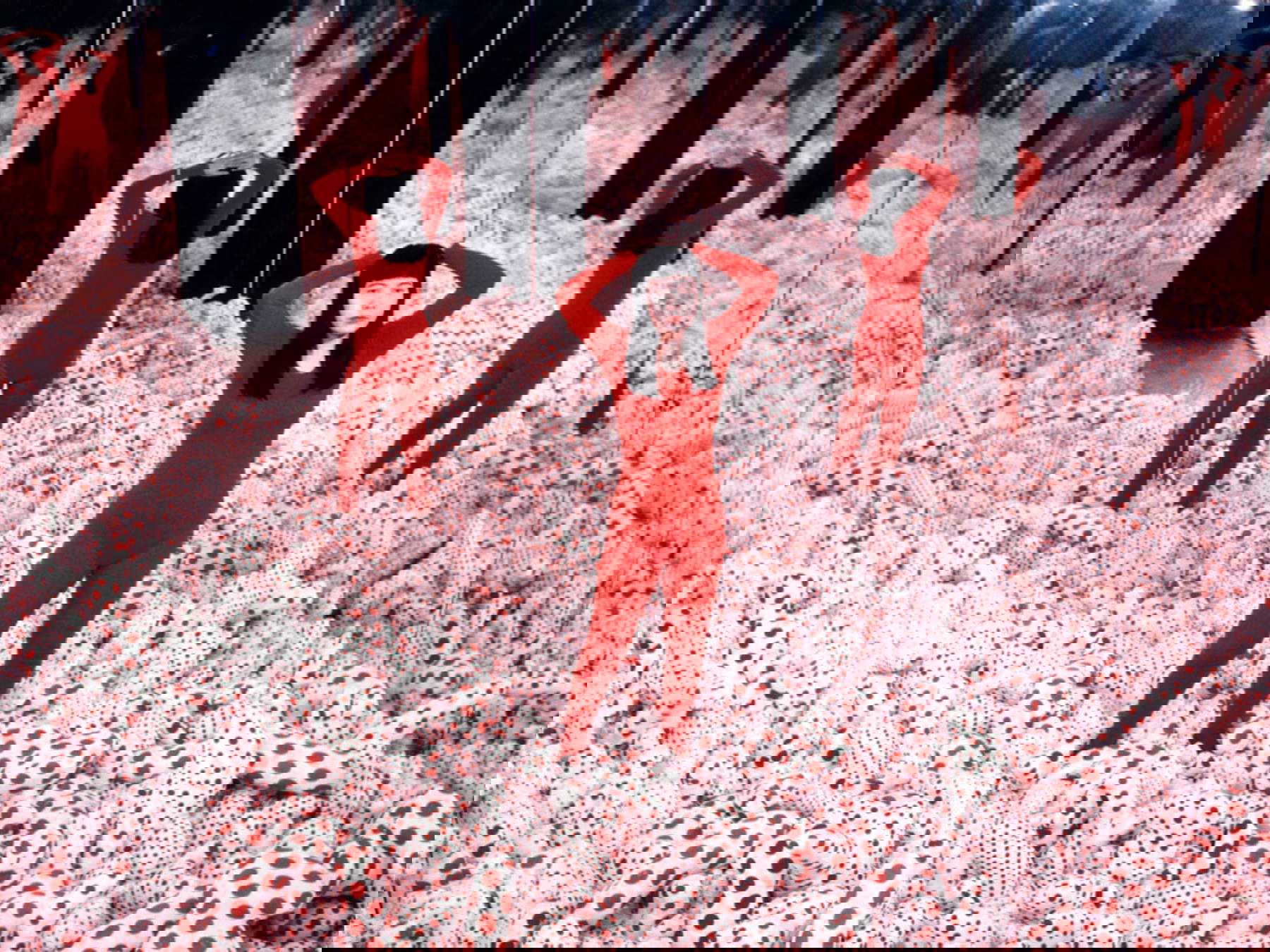
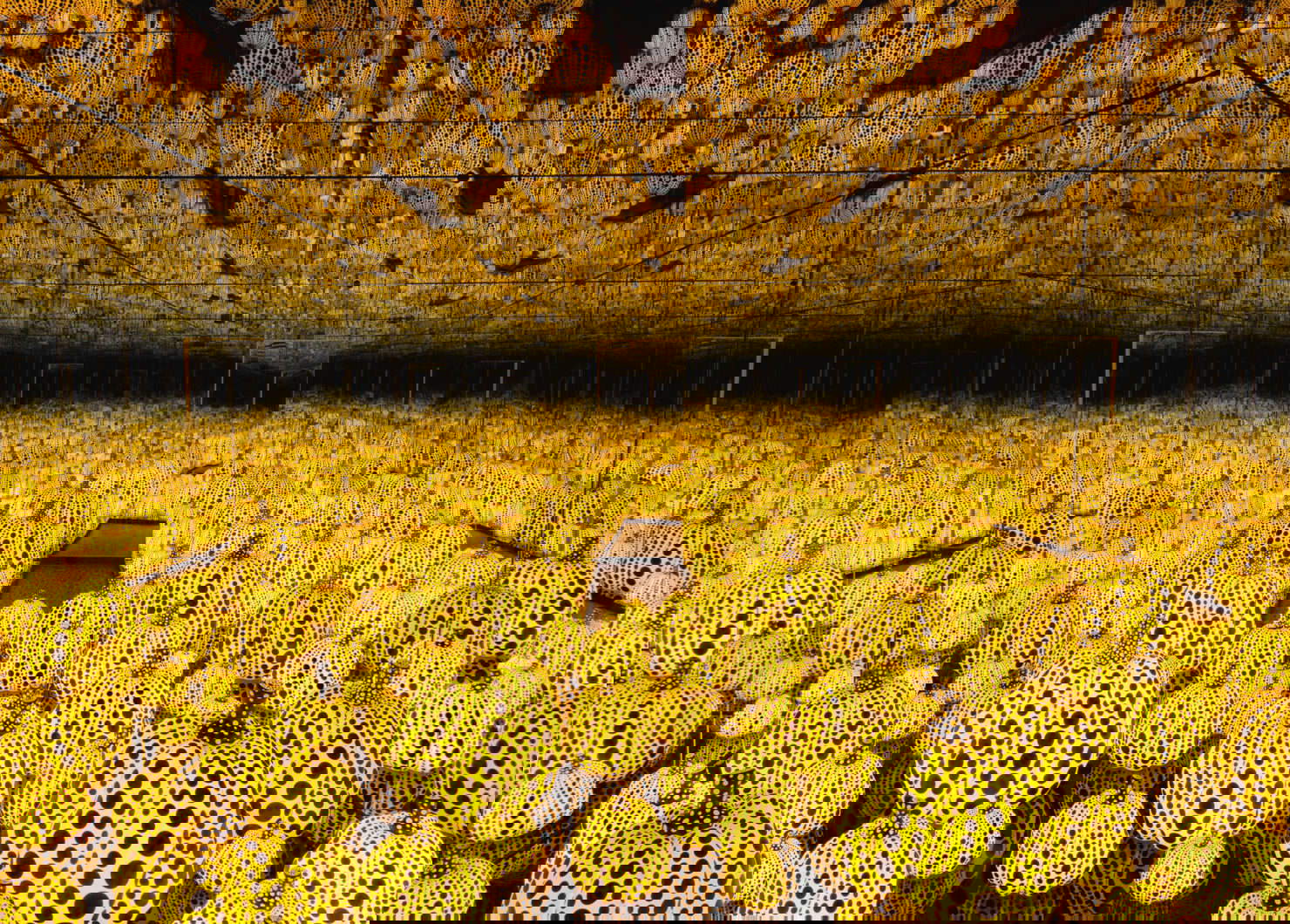
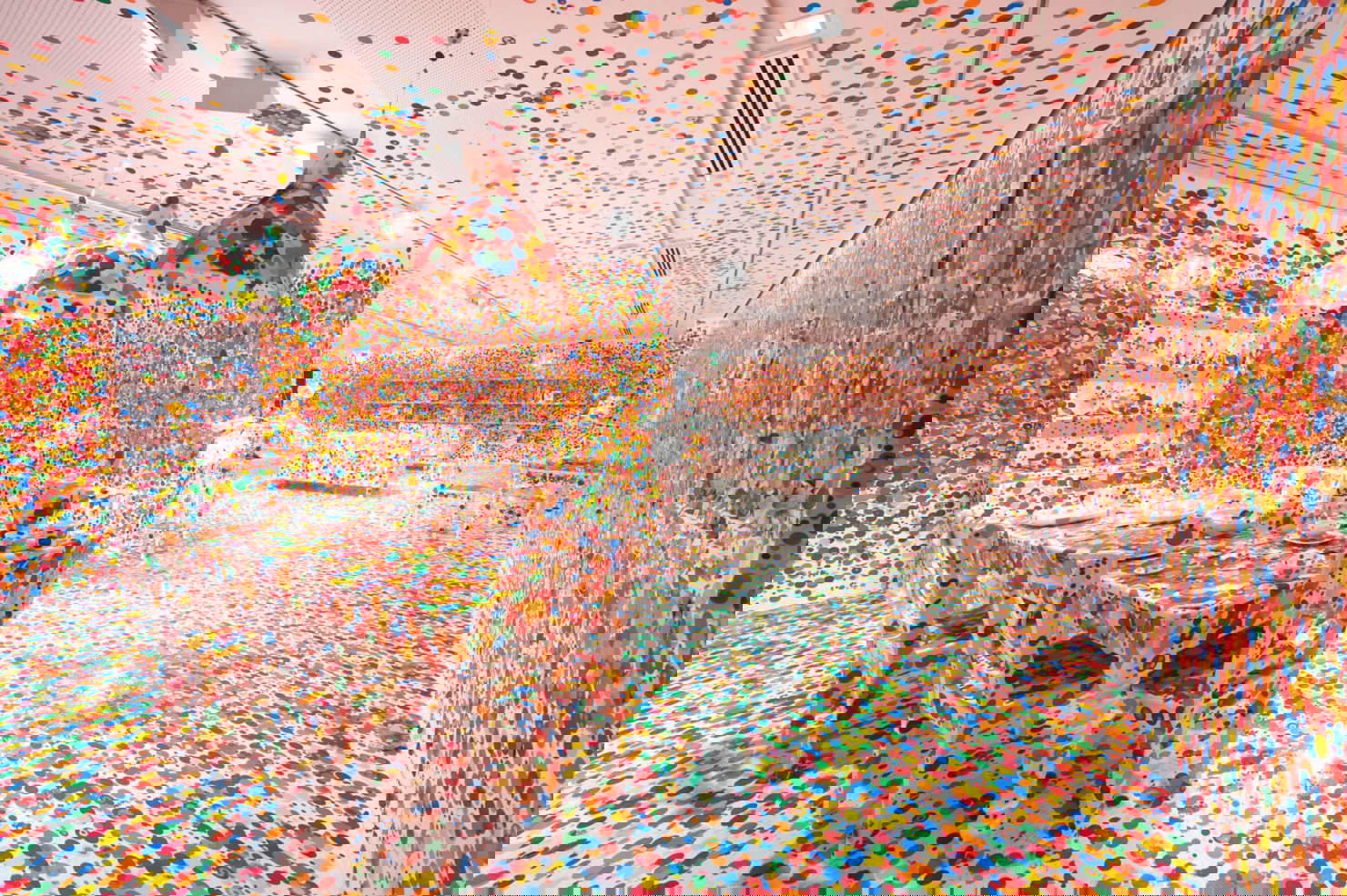
Yayoi Kusama’s Infinity Rooms, with their infinitely multiplied dots and mirrors that dissolve spatial boundaries, also enter into dialogue with this new sensibility. Obsessive repetition and visual density transform the museum into a field of alternative perception: those who enter must confront their own rhythm, light intensity, and infinitely stretching space.
Neurodivergent art also challenges the way of thinking about the “narrative” of an exhibition. Instead of guiding the viewer to a single message, the works create multiplicity of readings: the viewer can focus on texture, rhythm, color, movement, without having to adhere to an imposed logic. It is a visual language that is not reduced to what one sees, but includes how one sees, how one perceives, how the body and mind relate to space. To walk these halls, among Mullen, Kalu and Kusama, is to recognize that art is no longer confined to the idea of aesthetic “authority” as it has been transformed into shared and collective experience.
Neurodiversity is not a category to be labeled, but a principle that renews fruition: the works show that seeing is not a universal act, but a personal, variable and ever-changing one. Embracing neurodiversity in museums means rethinking the very language of seeing, as a museum that is open to different rhythms, paths, and perceptions transforms the act of looking into a new experience, in which the plurality of ways of knowing, feeling, and understanding art becomes an integral part of contemporary visual language.
There is no clear-cut answer, no model to follow: there is the possibility of building spaces that listen, welcome and respond, where viewing is no longer individual but shared, and where each work becomes an invitation to discover new forms of relationship with the world and with oneself.


The author of this article: Federica Schneck
Federica Schneck, classe 1996, è una giornalista specializzata in arte contemporanea. Laureata in Storia dell'arte contemporanea presso l'Università di Pisa, il suo lavoro nasce da una profonda fascinazione per il modo in cui le pratiche artistiche operano all’interno, e in contrapposizione, alle strutture sociali e politiche del nostro tempo. Si occupa delle trasformazioni del sistema dell'arte contemporanea, del dialogo tra ricerche emergenti e patrimonio culturale, del mercato, delle istituzioni e delle fiere internazionali. Alla scrittura giornalistica affianca quella critica, con testi per artisti, gallerie e collezioni private.Warning: the translation into English of the original Italian article was created using automatic tools. We undertake to review all articles, but we do not guarantee the total absence of inaccuracies in the translation due to the program. You can find the original by clicking on the ITA button. If you find any mistake,please contact us.



















 IT
IT FR
FR DE
DE ES
ES CN
CN


