





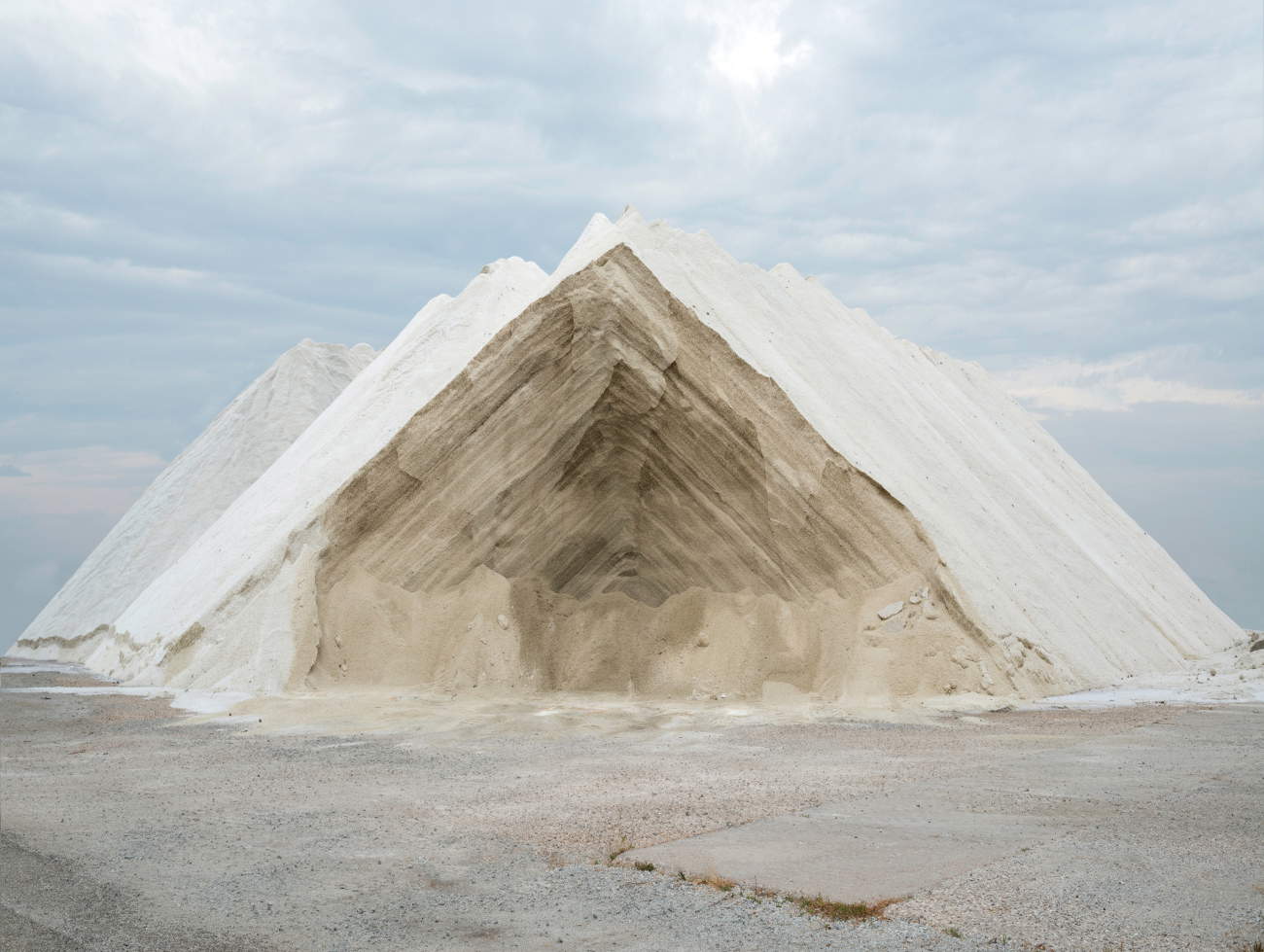
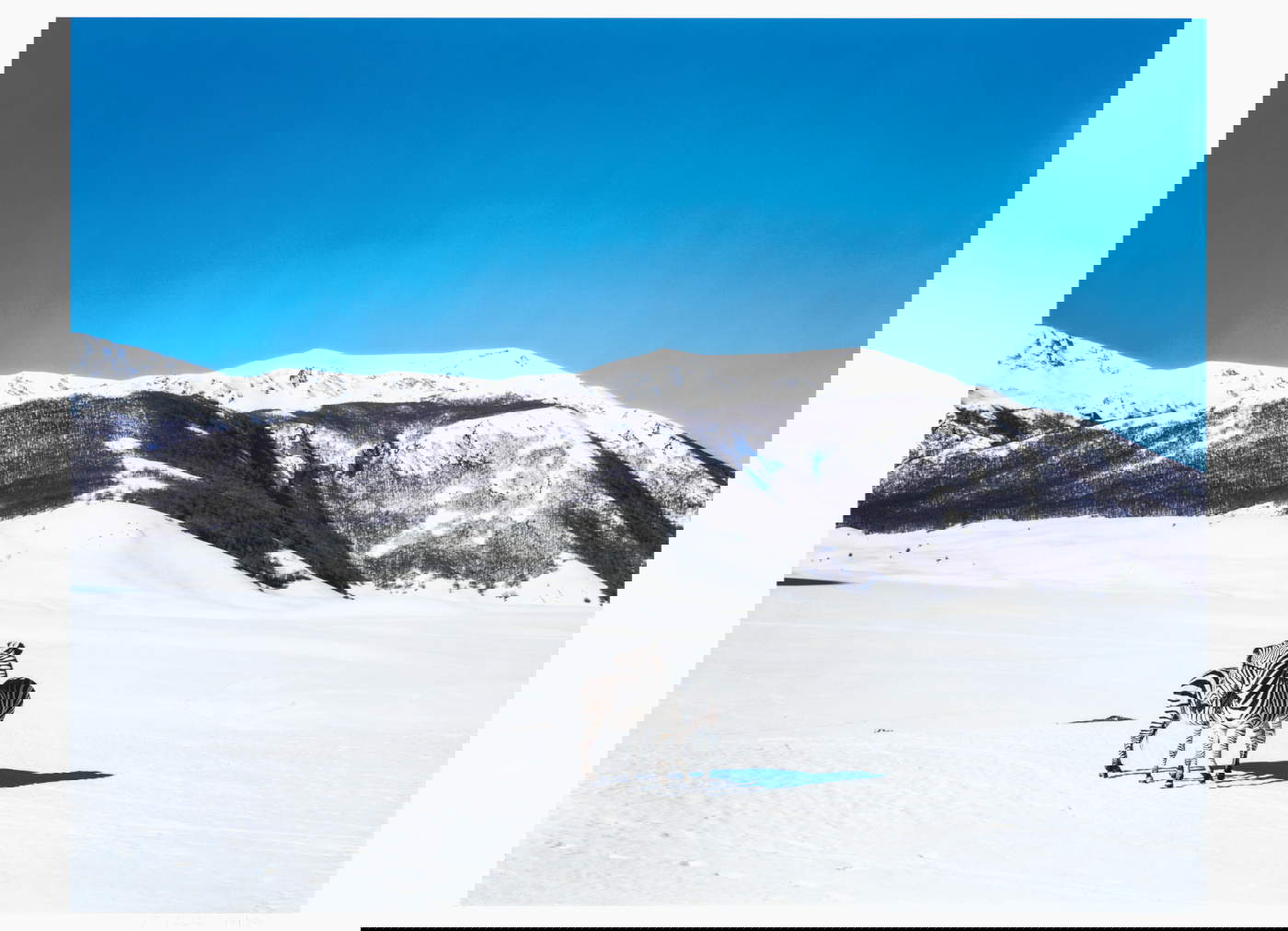
The Fondazione Cassa di Risparmio di Jesi and the Municipality of Senigallia present the photographic exhibition Flat Time Is the Right Time until June 2, 2026, at the dual venue of Palazzo Bisaccioni in Jesi and the Palazzo del Duca in Senigallia. Gathered for the occasion are more than one hundred images that investigate the relationship of the photographic medium with bodies, places, surfaces and still lifes, themes central to the history of art and photography, both historical and contemporary. Curators Roberto Maggiori and Luca Panaro have selected, from the extensive Pier Luigi Gibelli Collection, the works of 67 international authors who significantly represent these major thematic areas. Each section of the itinerary is introduced by a critical reflection that accompanies the visitor in reading the images and orients the visual experience.
As already pointed out, the exhibition is developed in two locations: the section devoted to the body is set up in Palazzo Bisaccioni in Jesi, while Palazzo del Duca in Senigallia hosts photographs focusing on places, still life and still life. As a whole, the exhibition intends to propose a reflection on the value of the collection as a tool for interpreting the evolution of artistic language, through a series of personal choices capable of returning an articulated look at photography, highlighting both the innovative thrusts and the stylistic recurrences related to the use of the medium. The collection belongs to Pier Luigi Gibelli, a plastic-aesthetic surgeon who began collecting photography in the early 1990s, discovering himself a collector by passion.
In many of the works presented, close-up shots are favored: often the photographer seems to want to observe reality from an alternative point of view, not always accessible to the human gaze, precisely for this reason capable of opening up new research perspectives. Having overcome the idea of photography as mere adherence to reality, color becomes a vehicle for a mediated perception of things, closer to the contemporary imagination than to direct experience. The, photographer is less and less interested in the mere documentation of a place and more and more involved in the staging of an action that he himself provokes within the landscape, following solely the internal rules of his own poetics. The exhibition thus aims to highlight, at times, some fractures within the apparent linearity of the history of photography, attributable to artists who can hardly be traced back to defined movements or currents, often bearers of a solitary research but capable of affecting in a profound and lasting way the processes of artistic transformation still in progress.
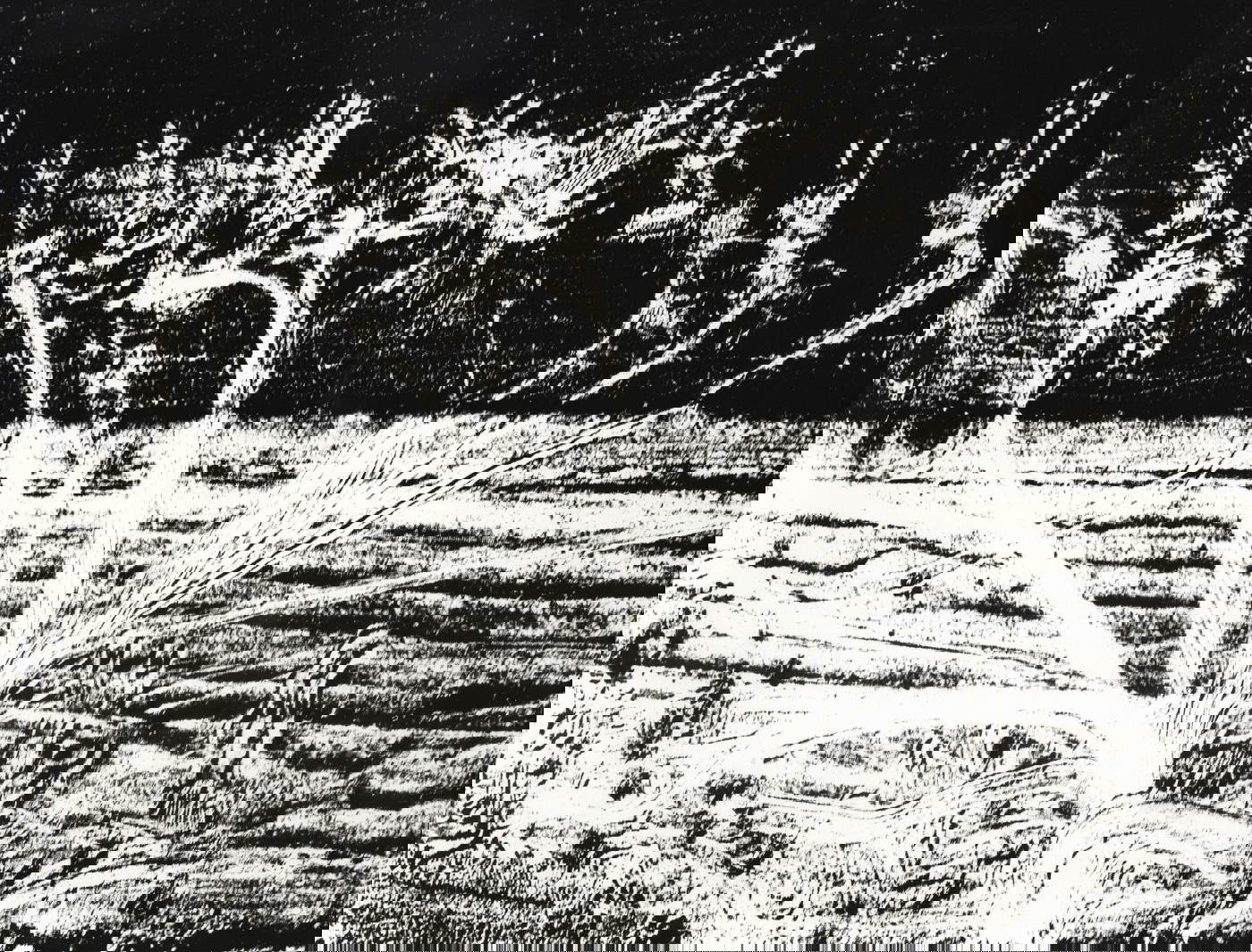
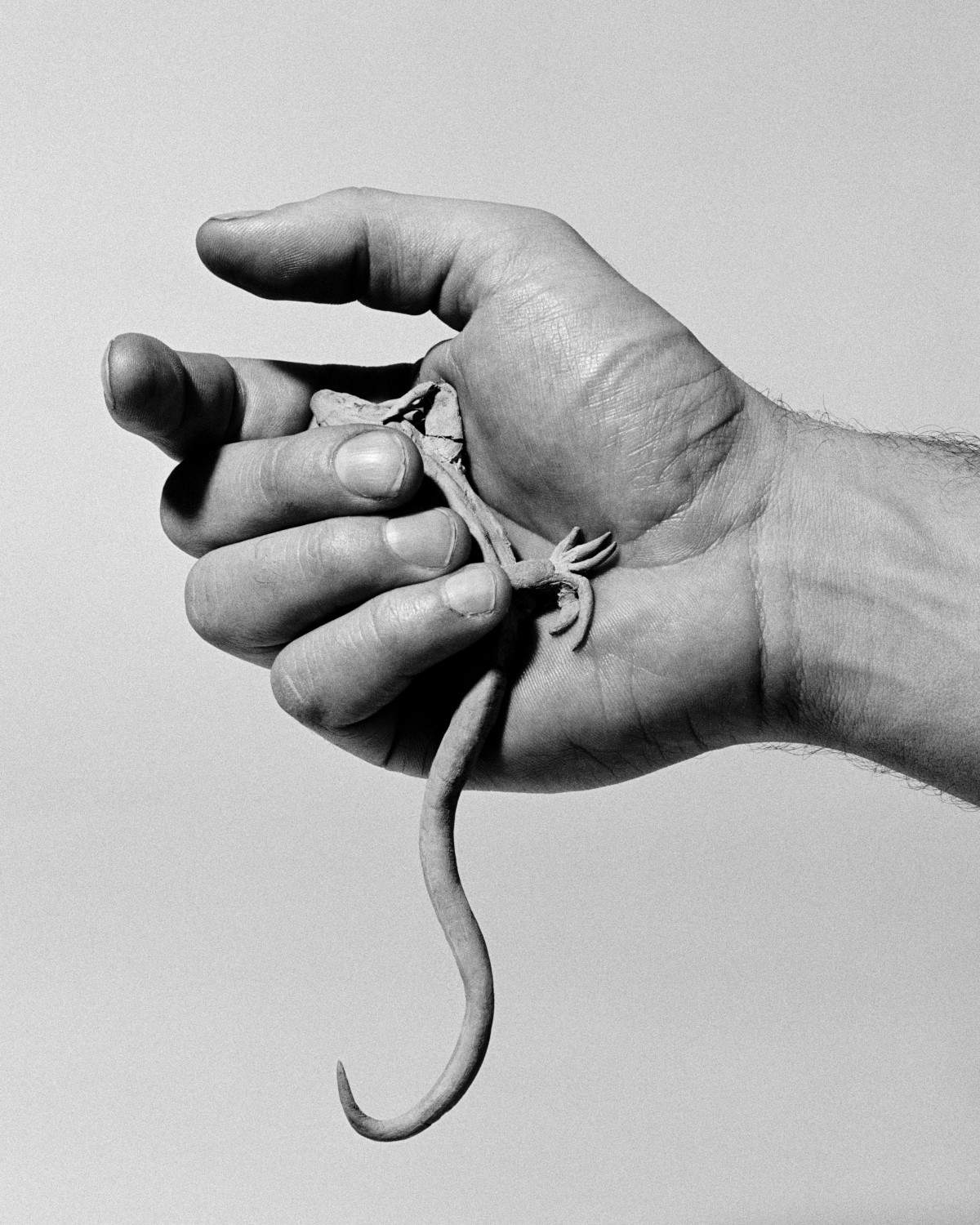
The photographs in the exhibition are by Berenice Abbot, Charlotte Abramow, Giulia Agostini, Nobuyoshi Araki, Evgenia Arbugaeva, Jessica Backhaus, Roger Ballen, Olivo Barbieri, Gabriele Basilico, Hans Bellmer, Jacopo Benassi, Gianni Berengo Gardin, Karl Blossfeldt, Andrea Botto, Piergiorgio Branzi, Brassaï, Sophie Calle, Silvia Camporesi, Giovanni Chiaramonte, Federico Clavarino, Mario Cresci, Gregory Crewdson, Paola Di Bello, Robert Doisneau, Elliott Erwitt, Walker Evans, Joan Fontcuberta, Vittore Fossati, Luigi Ghirri, Mario Giacomelli, Paolo Gioli, Robert Gligorov, Guido Guidi, Florence Henri, Todd Hido, Kenro Izu, Ogawa Kazumasa, Taisuke Koyama, Uliano Lucas, Urs Luthi, Esko Männikkö, Allegra Martin, Nino Migliori, Arno Rafael Minkkinen, Walter Niedermayr, Erwin Olaf, Giulia Parlato, Regine Petersen, Paola Pivi, Barbara Probst, Jan Saudek, Ferdinando Scianna, Andres Serrano, Malick Sidibé, William Eugene Smith, Kiki Smith, Alec Soth, Alessandra Spranzi, Tilo & Toni, Franco Vaccari, Paolo Ventura, Weegee, William Wegman, Edward Weston, Joel Peter Witkin, George Woodman, Masao Yamamoto.
The exhibition is accompanied by a catalog edited by Roberto Maggiori and Luca Panaro, with texts by Mauro Carbone, Antonello Frongia, Roberto Maggiori, Luca Panaro. Graphic Design by Emiliano Biondelli. Quinlan Publishing, 2025.
Hours: Palazzo Bisaccioni, daily from 9:30 a.m. to 1 p.m. and 3:30 to 7:30 p.m. Duke’s Palace, Thursday through Sunday from 3 to 8 p.m.
|
| The relationship between photography and bodies, places, surfaces and still lifes in a major exhibition between Jesi and Senigallia |

Warning: the translation into English of the original Italian article was created using automatic tools. We undertake to review all articles, but we do not guarantee the total absence of inaccuracies in the translation due to the program. You can find the original by clicking on the ITA button. If you find any mistake,please contact us.













 IT
IT FR
FR DE
DE ES
ES CN
CN


