



by Redazione 14/11/2025



Categories: Travel / Disclaimer
An itinerary among hills, necropolis and museums to discover the traces of the people who shaped Tuscany. From Volterra to Cortona, passing through Populonia, Sovana and Fiesole, three days among archaeology, landscapes and silences charged with memory.
Tuscany preserves some of the most fascinating evidence of the Etruscan civilization, which flourished between the 9th and 1st centuries BC before being absorbed by Rome. To travel in the footsteps of the Etruscans is to immerse oneself in a time suspended between walled cities, necropolis excavated in the tuff and artifacts preserved in museums. A complex culture, capable of fusing spirituality with a taste for beauty.
This three-day itinerary aims to offer an ideal route for those who wish to learn about Tuscany’s most ancient roots, touching on some of the places that best express the Etruscan legacy. From the severe elegance of Volterra to the monumental tombs of Populonia, from the rock-hewn villages of the hinterland to the museums of Florence and Fiesole, each stop offers a piece of the mosaic of this enigmatic civilization. The journey is not only a journey into the past, but also an opportunity to observe how the Etruscan legacy continues to live on in contemporary landscapes and culture.
The roads that connect these places cross fields, forests and highlands that still seem to hold the secrets of a people who loved the land and turned it into art. It is an itinerary that invites slowness, contemplation and curiosity: three days to rediscover the oldest Tuscany, the one hidden under stone and silence, but still surprisingly alive.


Day One - Morning: Volterra
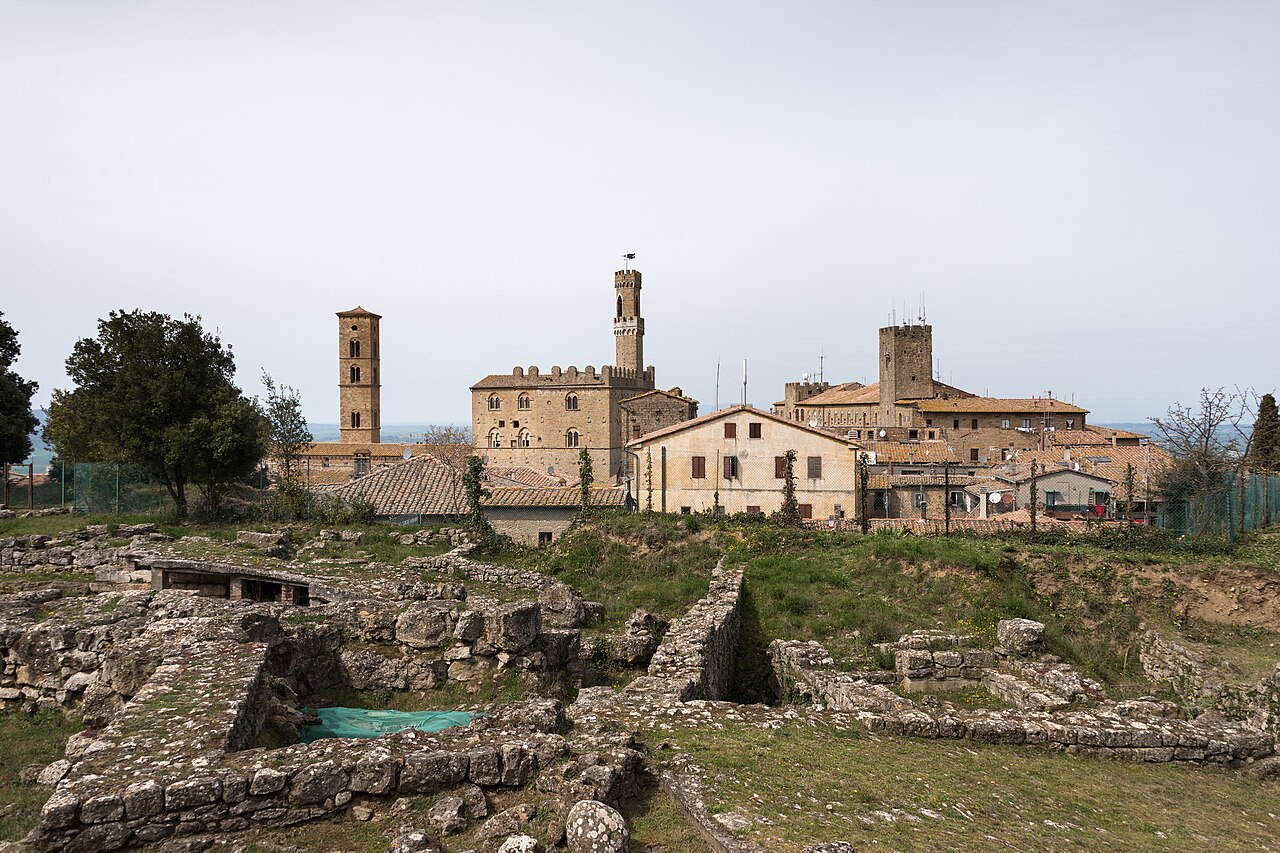
Volterra is one of the Tuscan cities that best preserves the link with its Etruscan past. Founded as Velathri, it dominated a vast territory thanks to its strategic location and the cyclopean walls that still surround it today. The entrance to the city through the Porta all’Arco, with its stone ashlars and carved heads, offers immediate immersion in a remote time. Walking through its streets, one perceives how the medieval urban fabric overlapped the Etruscan one without erasing it.
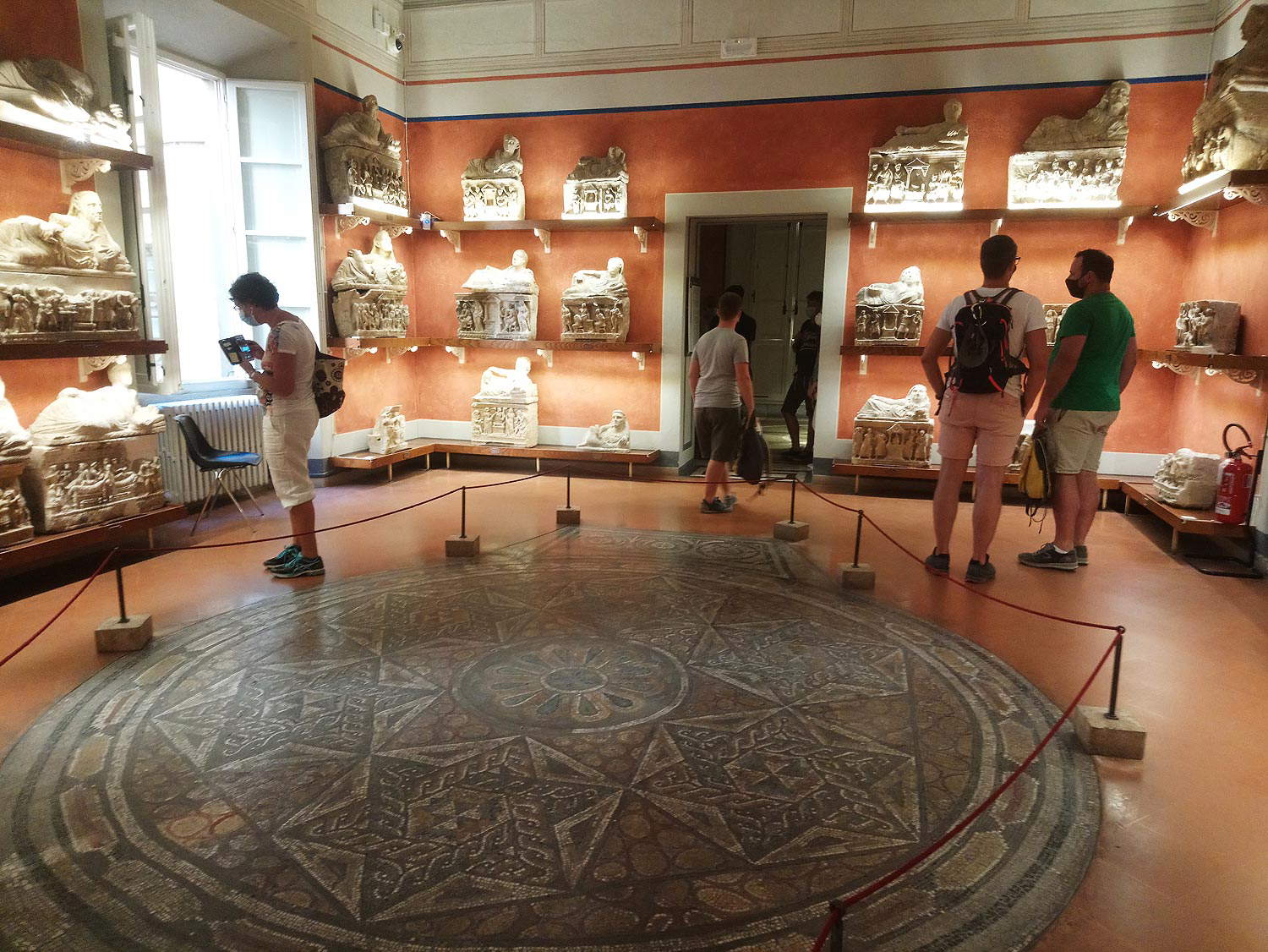
The Guarnacci Etruscan Museum, one of the oldest in Italy, holds an extraordinary heritage of cinerary urns, votive bronzes and objects of daily use. Among the best-known works is theEvening Shadow, a slender, mysterious male figure that has almost become a symbol of the city. Alongside the collections, the museum chronicles the spirituality of a people who imagined the afterlife as a continuation of earthly life, with rituals and objects accompanying the deceased.
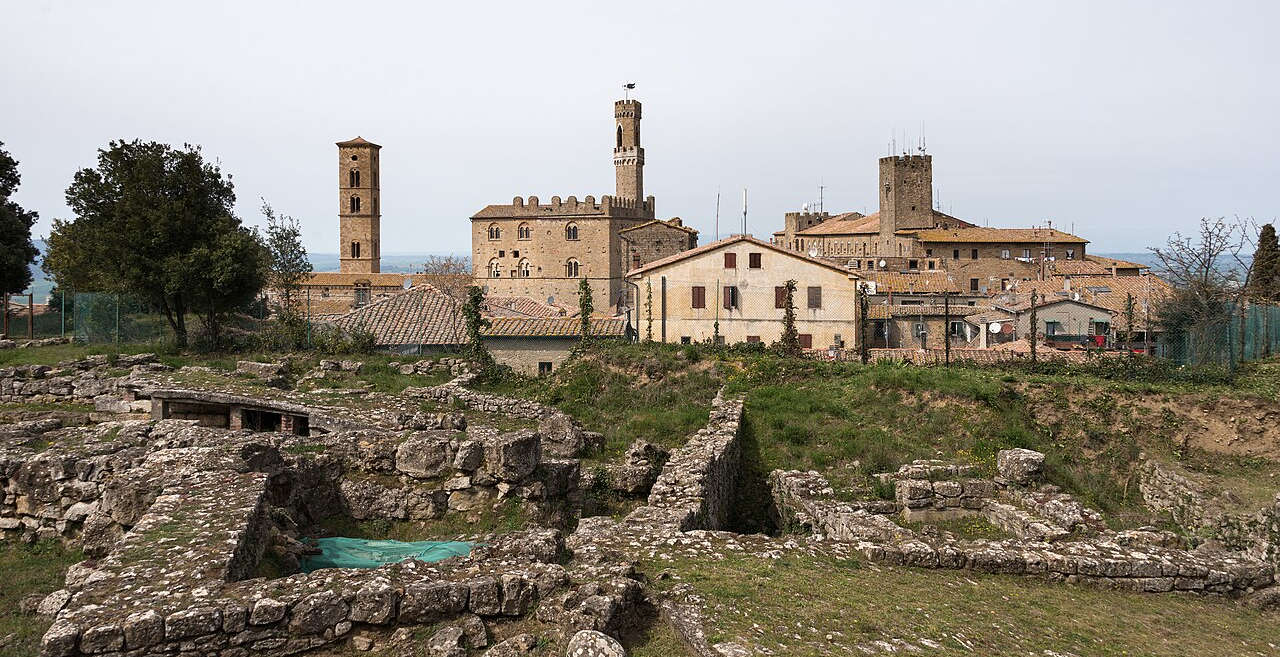
On theAcropolis, which sits atop the hill on which the city stands, excavations have unearthed a sanctuary dating back to the 7th century B.C., with later alterations up to the 3rd century: this was the heart of the city’s religious life (typical of the Etruscans was to build temples in elevated areas). The ruins of the ancient buildings can still be seen. And from the terrace of Piazza dei Priori the view opens to the hills surrounding Volterra, the same hills from which the Etruscans extracted alabaster. It is a place where the past is not relegated to museums, but emerges in the materials, forms and atmosphere that permeates the entire city.
Day One - Afternoon: Populonia
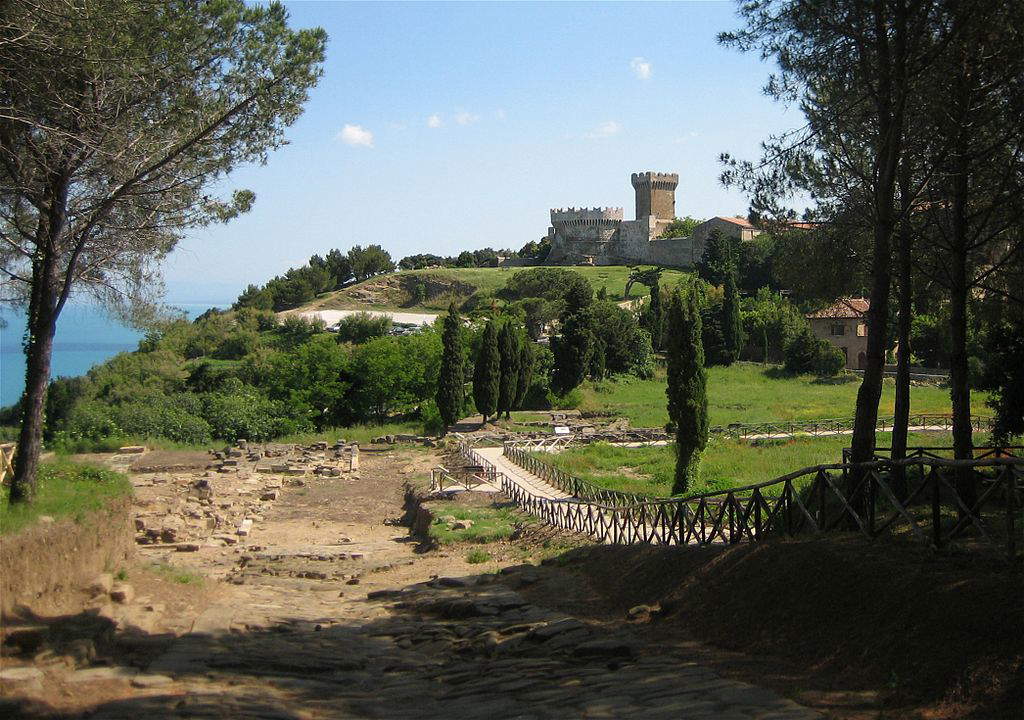
From the heart of the hinterland we descend to the coast, where Populonia overlooks the Gulf of Baratti. Once a thriving Etruscan port, it was the only city in the dodecapolis, the system of twelve Etruscan city-states, to be built on the sea (the Etruscans were also skilled traders who exported their goods by sea). Today, among the pine forests and the profile of the Metalliferous Hills, the remains of the ancient city and the vast necropolis surrounding it can be visited.
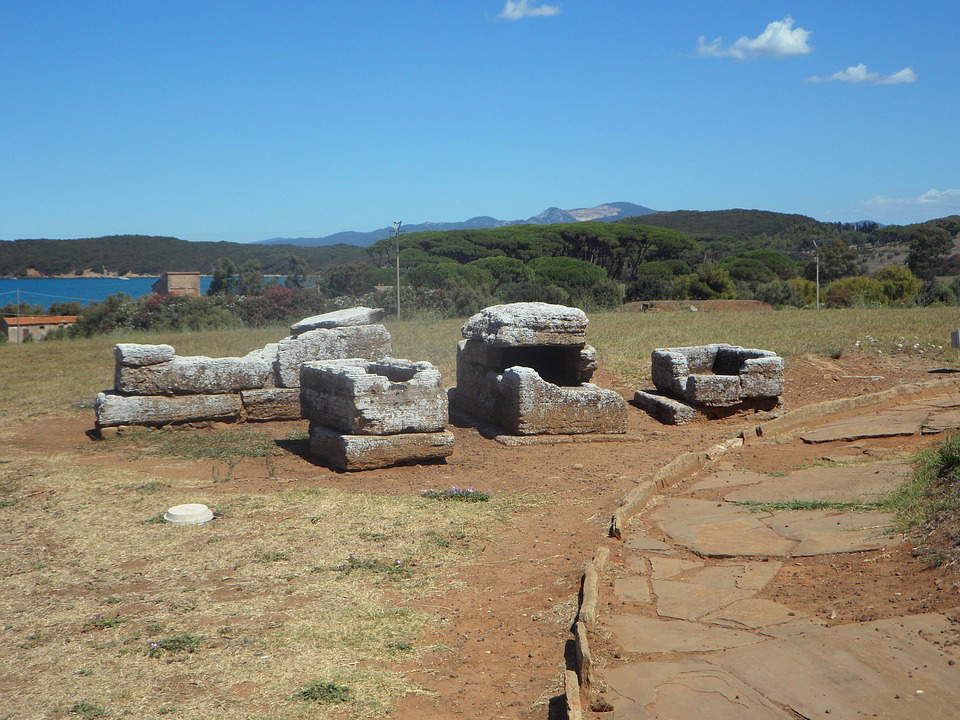
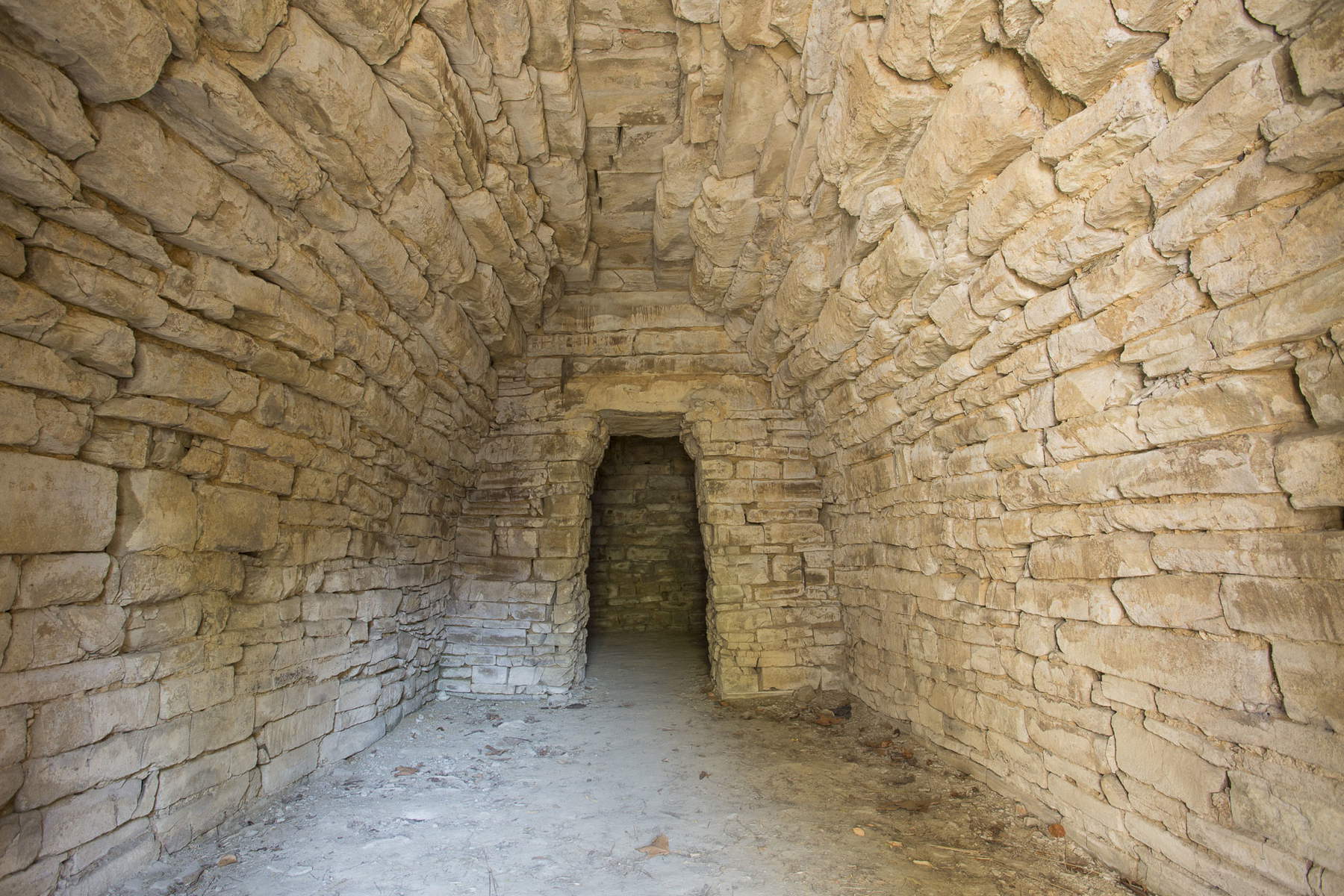
The Archaeological Park of Baratti and Populonia offers an evocative itinerary among monumental tombs and tunnels carved into the rock. The tumulus tombs of the San Cerbone necropolis, with their interior corridors and decorated burial chambers, give back the idea of a refined society, in which burial was also an act of representation of rank. Higher up, the acropolis preserves the remains of temples and dwellings, from which there is a view that embraces the sea and the islands of the Tuscan Archipelago.
Walking among the olive trees and paths of the park, the contrast between the quietness of today and the vitality of the past is palpable. Populonia testifies to the commercial and maritime vocation of the Etruscans, who were able to weave relationships with Mediterranean civilizations and transform the coastal landscape into a center of trade and culture.
Day Two - Morning: Sovana
Sovana, a small village in Maremma, is a place where the archaeological and natural dimensions merge. The quiet streets, tuff houses and square dominated by the Romanesque cathedral hide a past that dates back to Etruscan times, when the town was an important center in the region.
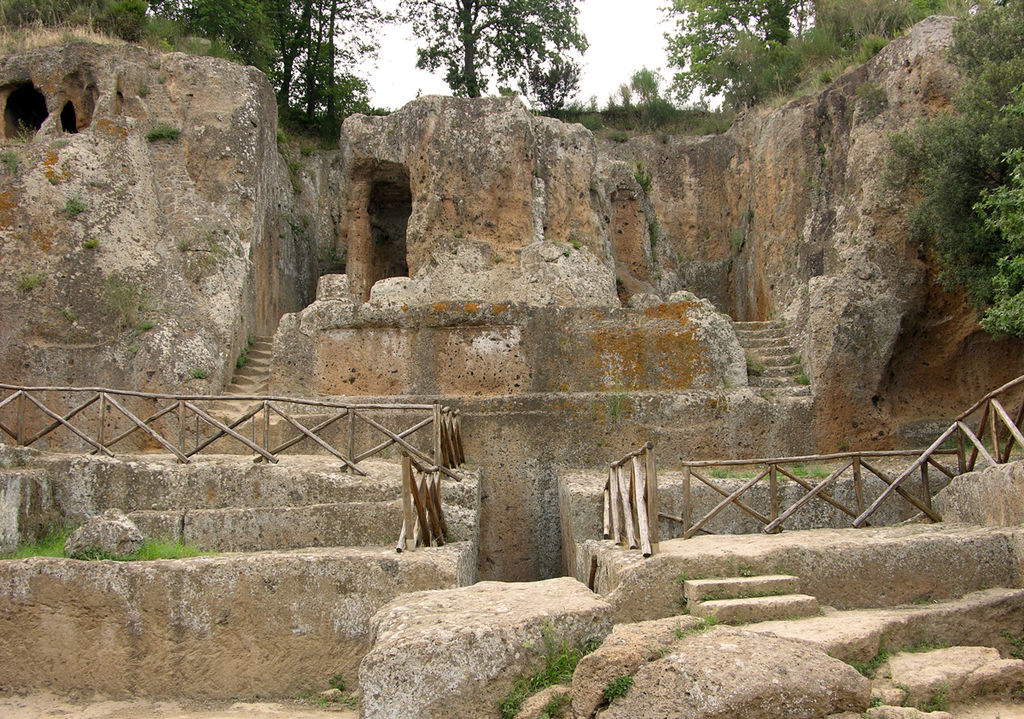
The Sovana necropolis, set in a landscape of ravines and vegetation, is one of the most evocative sites in Etruscan Tuscany. The monumental tombs, carved into the rock and adorned with sculpted facades, such as the famous Ildebranda Tomb, offer an extraordinary testimony to funerary art. The paths through the “City of Tufa” allow a close look at the relationship between man and nature, in a balance that still seems intact.
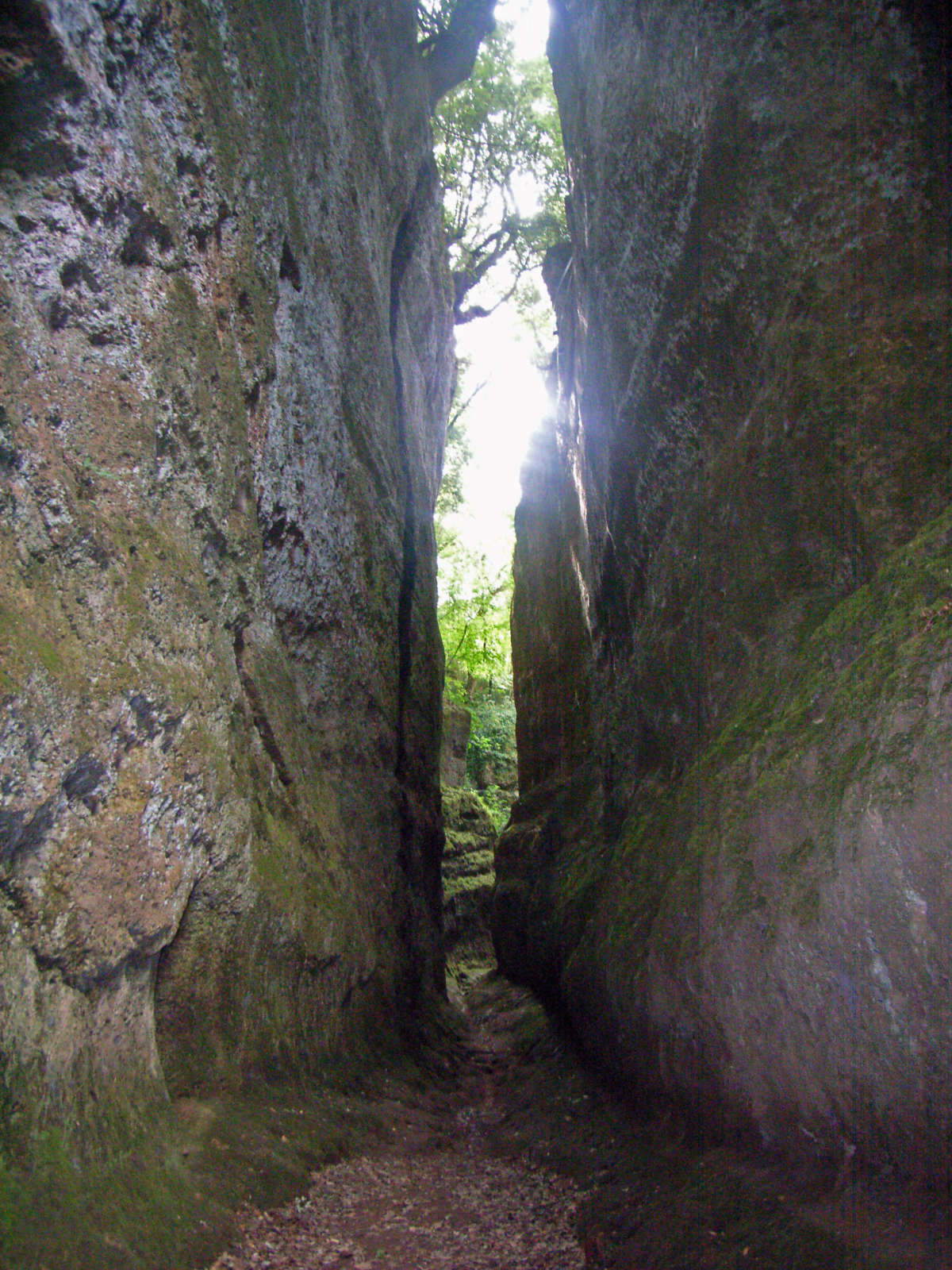
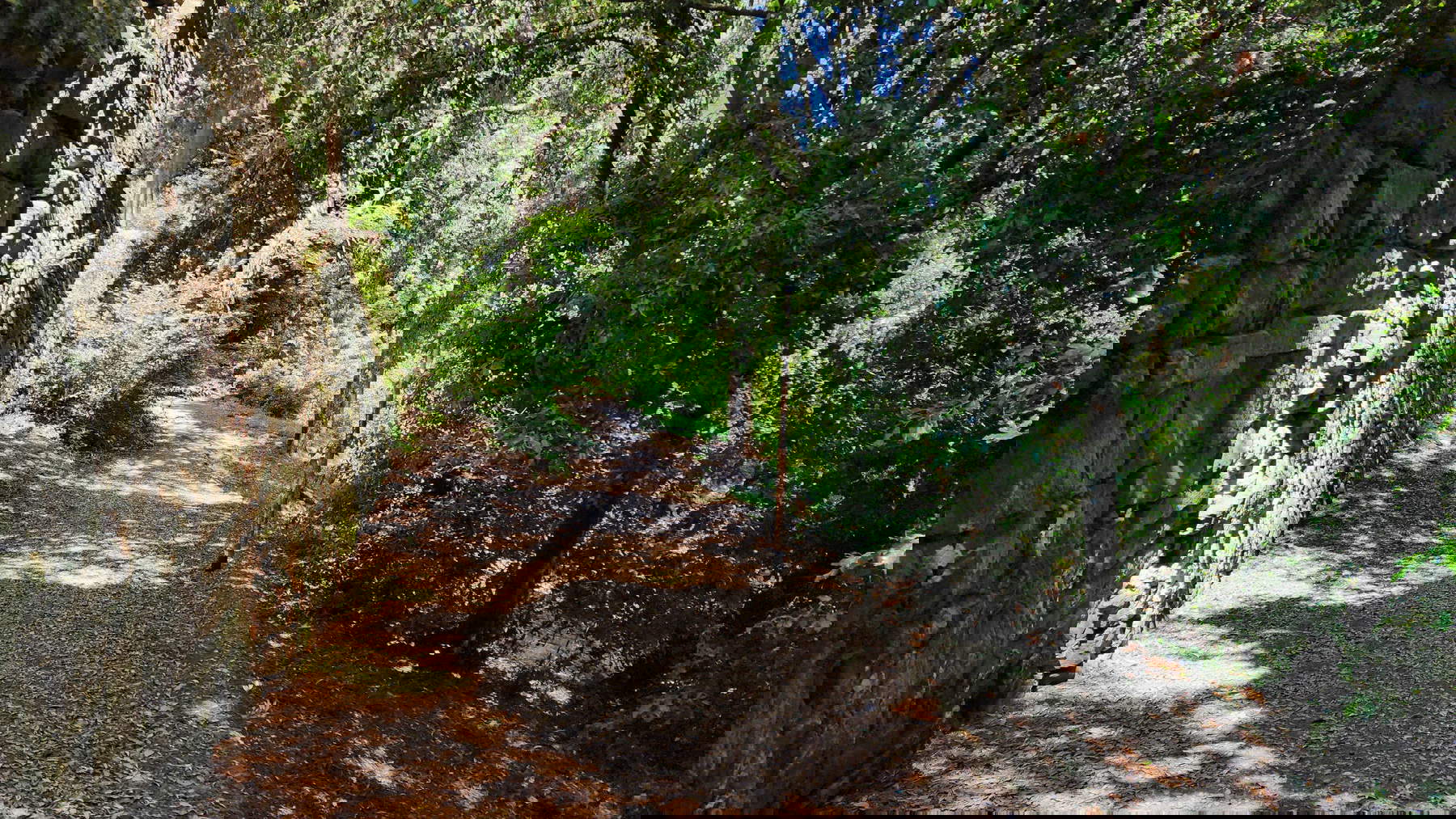
Sovana is not only an archaeological site, but a place that invites reflection on the duration of time. Tuff, a soft and living material, tells the story of a civilization that was able to adapt and leave a deep imprint. The silence that envelops the tombs and gorges of the Maremma restores to the visitor a sense of continuity with the past. And between Sovana, Sorano and Pitigliano, it is interesting to walk the Vie Cave, a unique network of Etruscan roads carved into the tuff that connected the various settlements in the area, among sheer cliffs and pristine forests.
Day Two - Afternoon: San Casciano, Sarteano and Chiusi
The afternoon leads inland, where the towns of San Casciano dei Bagni, Sarteano and Chiusi form an itinerary that interweaves archaeology and the spa landscape. In San Casciano, recent discoveries of the Etruscan-Roman sanctuary, with statues and votive offerings resurfaced from the hot waters, have attracted international attention. The civic museum preserves some artifacts that testify to the ancient devotion associated with the hot springs.
Continuing toward Sarteano, the Tomb of the Infernal Quadriga, located in the Pianacce necropolis, represents one of the most fascinating finds of Etruscan art. The frescoes decorating the walls depict a scene of a journey to the afterlife, with a quadriga pulled by red and black demons: a symbolic tale combining myth and spirituality.
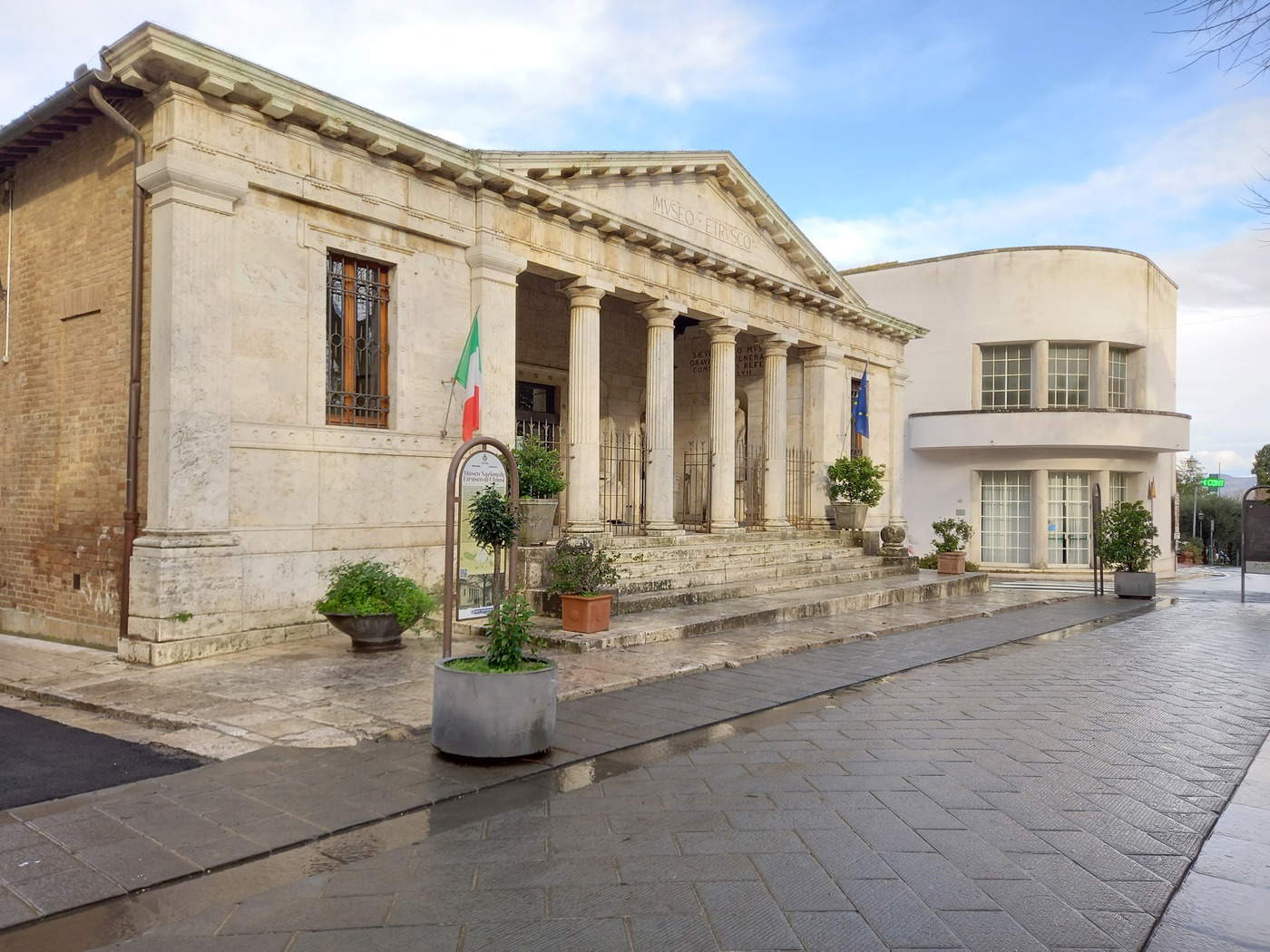
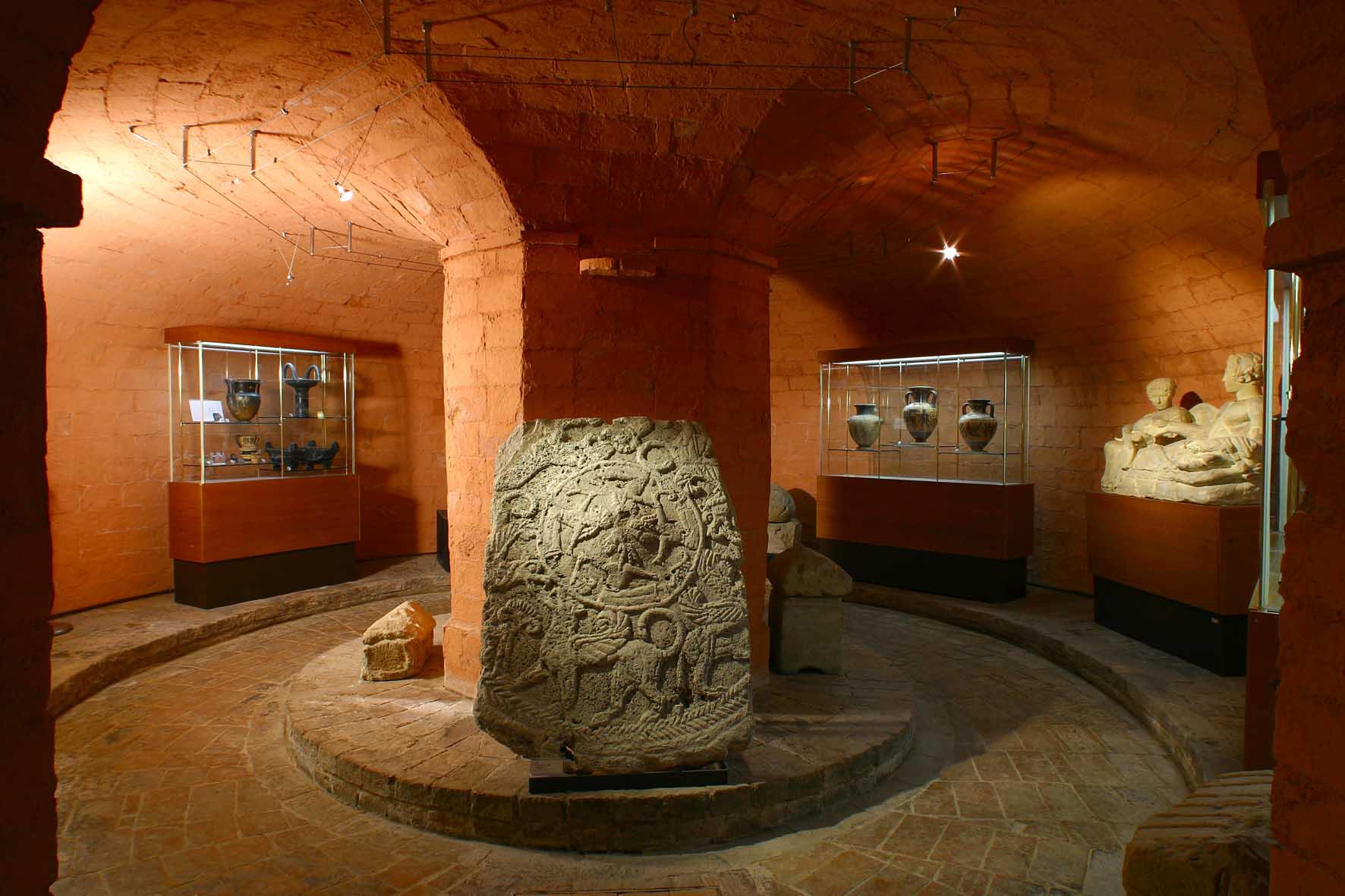
The itinerary ends in Chiusi, one of the capitals of the Etruscan dodecapolis. Here the National Etruscan Museum, one of the most important in Italy for the study of the art and culture of ancient Etruria, collects extraordinarily well-made grave goods, urns and ceramics. The catacombs and underground tombs, which can be visited in part, offer an immersive experience in the heart of the ancient city. The area, marked by rolling hills and cultivated fields, retains the discreet charm of an area where history is an integral part of the landscape.
Day Three - Morning: Cortona
Situated on high ground overlooking the Val di Chiana, Cortona is one of the oldest cities in Tuscany and retains its Etruscan identity intact. Founded as Curtun, it was an important center because of its strategic location and the agricultural wealth of the area. The polygonal walls that still encircle the city testify to the construction skills of the Etruscans.
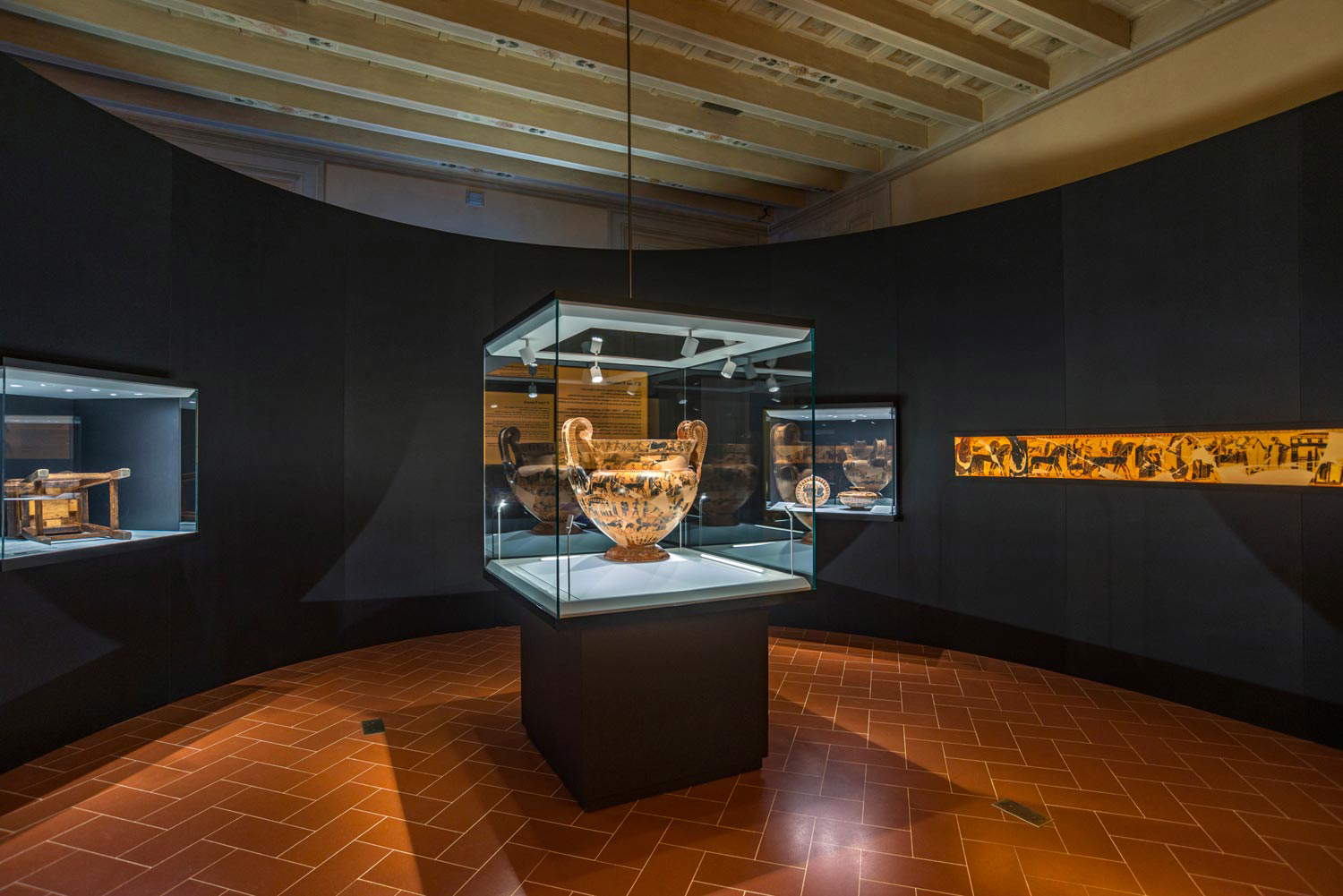
The Museo dell’Accademia Etrusca e della Città di Cortona (Museum of the Etruscan Academy and the City of Cortona), housed in the Palazzo Casali, preserves artifacts from the local necropolises, including the famous bronze chandelier from the fifth century B.C., decorated with mythological figures, one of the most spectacular Etruscan artifacts. The MAEC is also one of the most interesting museums to learn about many aspects of Etruscan daily life. The tombs in the archaeological area of Sodo and Camucia, just outside the town, offer a direct look at monumental funerary architecture, with staircases and terraces that hint at a deeply rooted ancestor cult.
Walking around Cortona also means observing how the Etruscan heritage merges with the medieval and Renaissance, in a continuum that gives the town a unique character. From its terraces there is a view that seems to encapsulate the entire history of Tuscany, among valleys, fields and hills that have seen centuries of civilization pass by.
Day Three - Afternoon: Florence and Fiesole
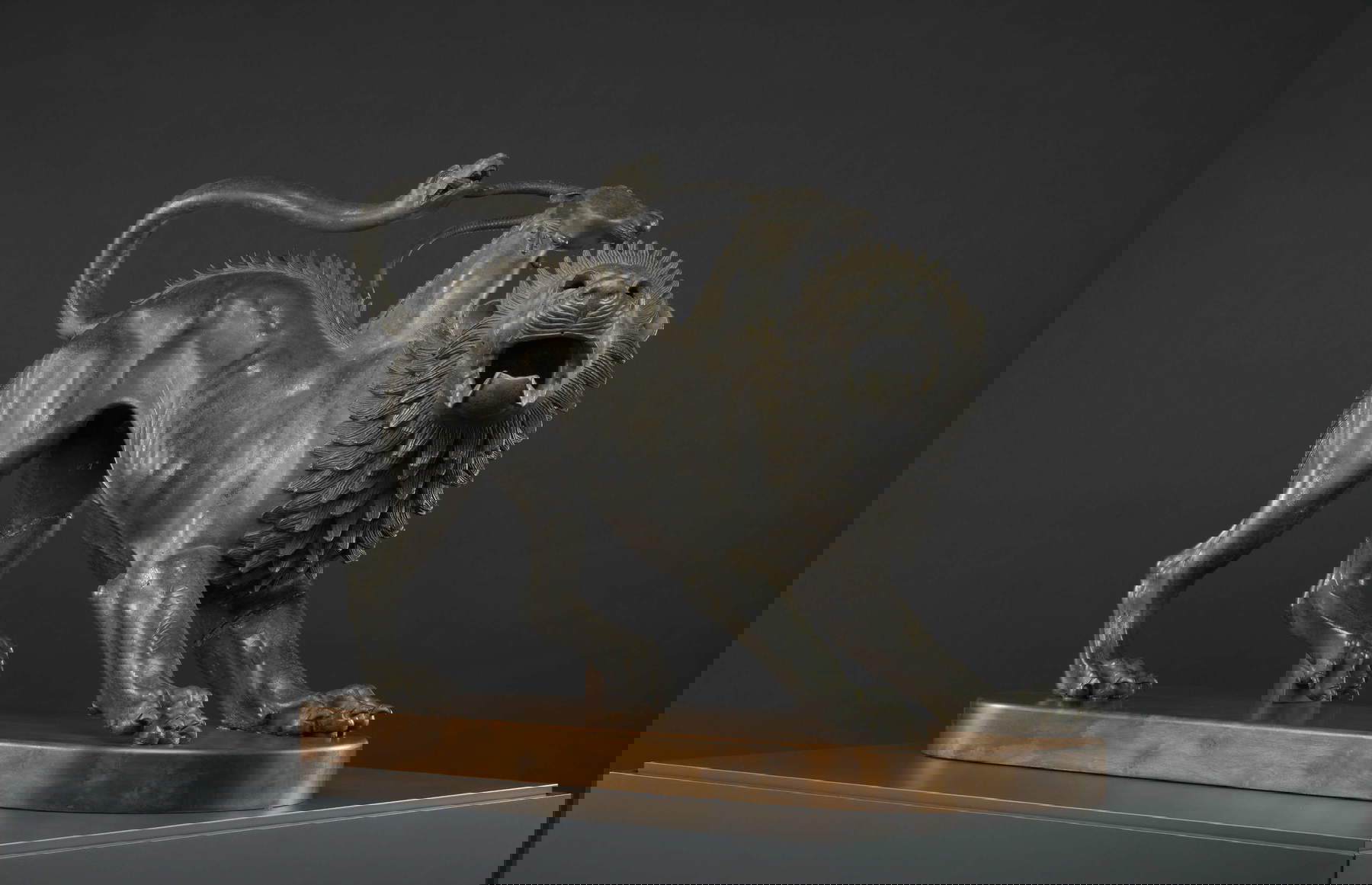
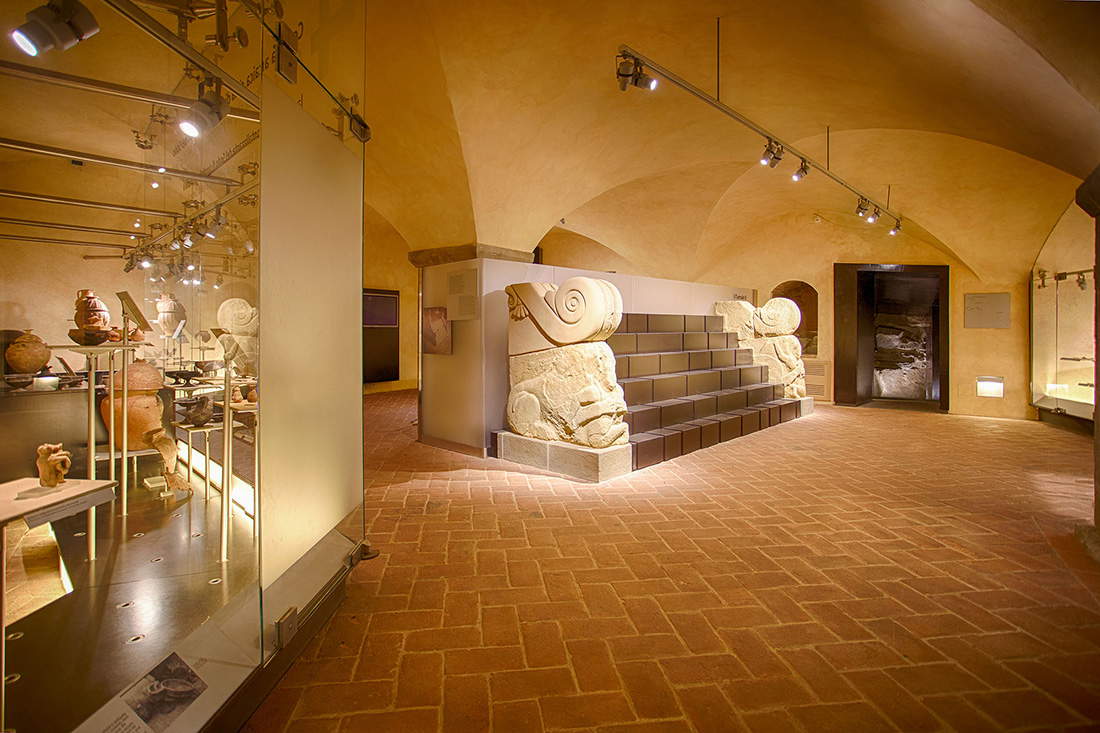
The itinerary ends in Florence, where the National Archaeological Museum holds one of the richest Etruscan collections in the world. Cinerary urns, votive statues and bronzes from throughout the region compose a narrative spanning centuries of art and religion. Among the best-known works are the Chimera of Arezzo, a symbol of Etruscan art and its expressive power, and theArringatore, a life-size figure of a man dressed in a toga (so called from the pose), and representing the only major sculpture that has come down to us from the late Etruscan period (dating from between the late second and early first centuries B.C.).
And if you still have time, you can climb up to Fiesole, a town that is the link between modern Florence and its Etruscan origins. This center preserves sections of the Etruscan walls, as well as an archaeological area that includes a Roman theater and the Archaeological Museum. From the belvedere, the view of the Arno Valley sums up the continuity between past and present.
To visit Florence and Fiesole after traveling through Etruscan Tuscany is to close an ideal circle: from the most ancient cities to the artistic heart of the region. Here, more than anywhere else, one can perceive how Etruscan culture laid the foundations of that sensibility for form and matter that still characterizes Tuscany today.
 |
| Three days in Tuscany to discover the Etruscans: journey to the heart of ancient civilization |
Warning: the translation into English of the original Italian article was created using automatic tools. We undertake to review all articles, but we do not guarantee the total absence of inaccuracies in the translation due to the program. You can find the original by clicking on the ITA button. If you find any mistake,please contact us.