





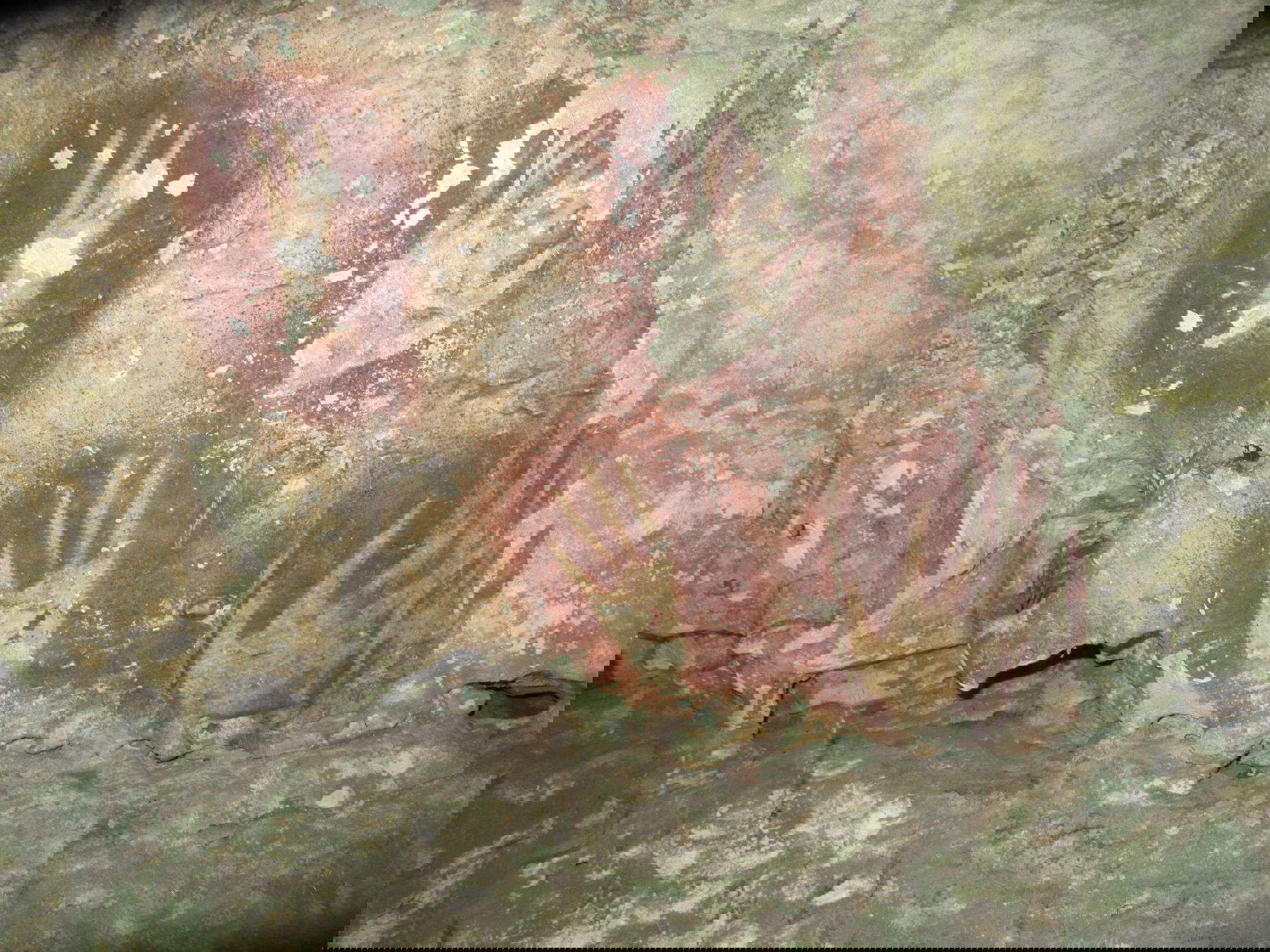
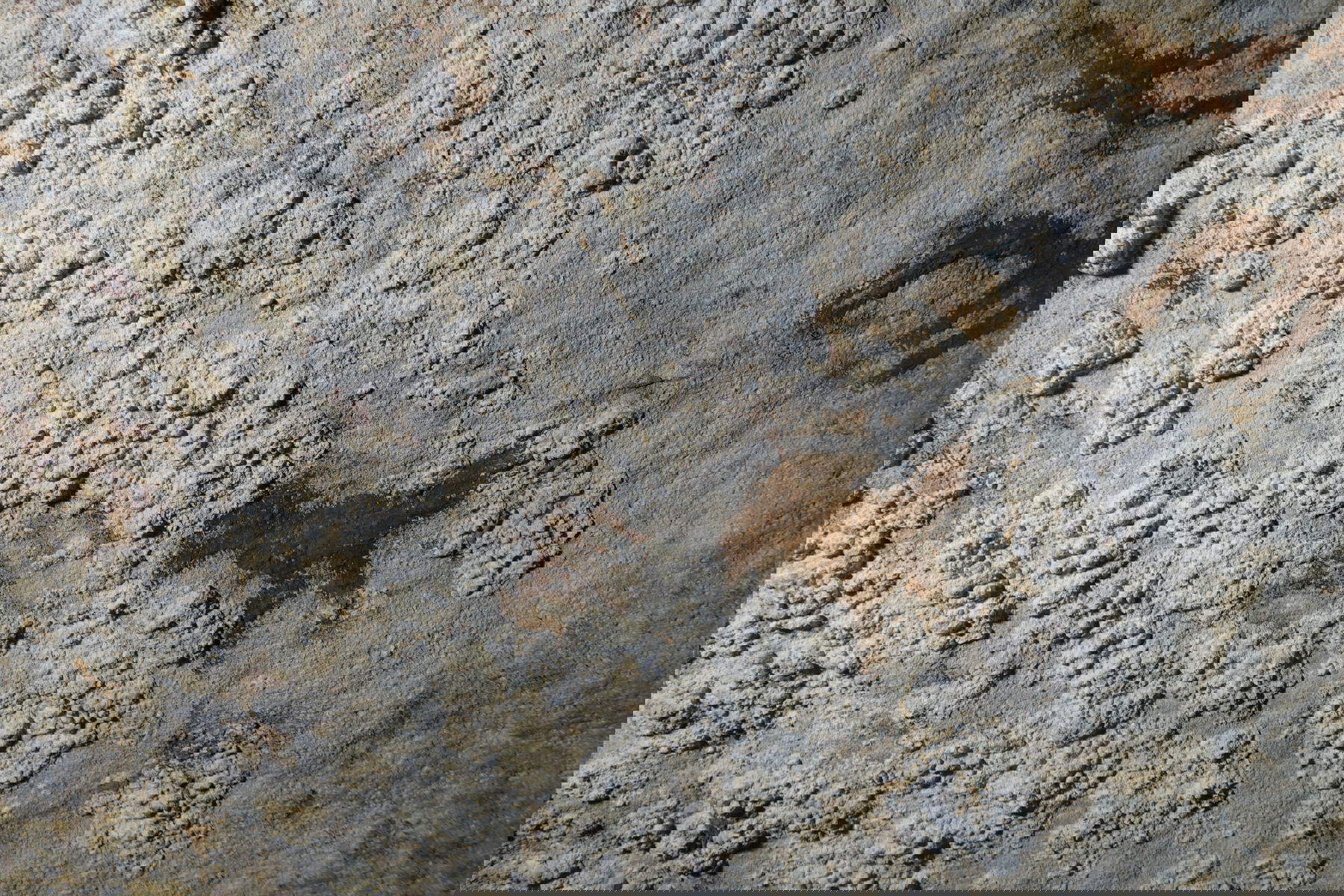
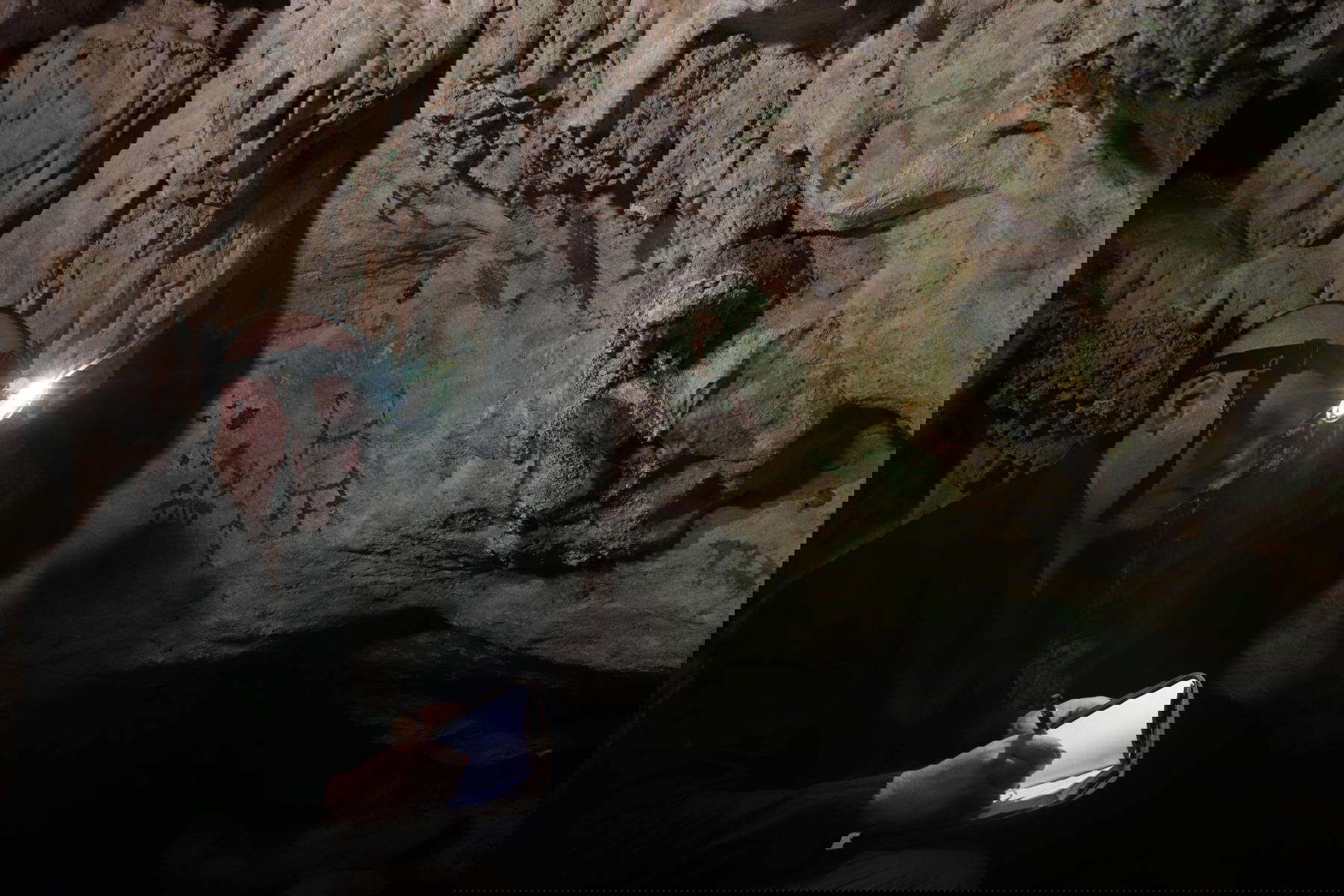
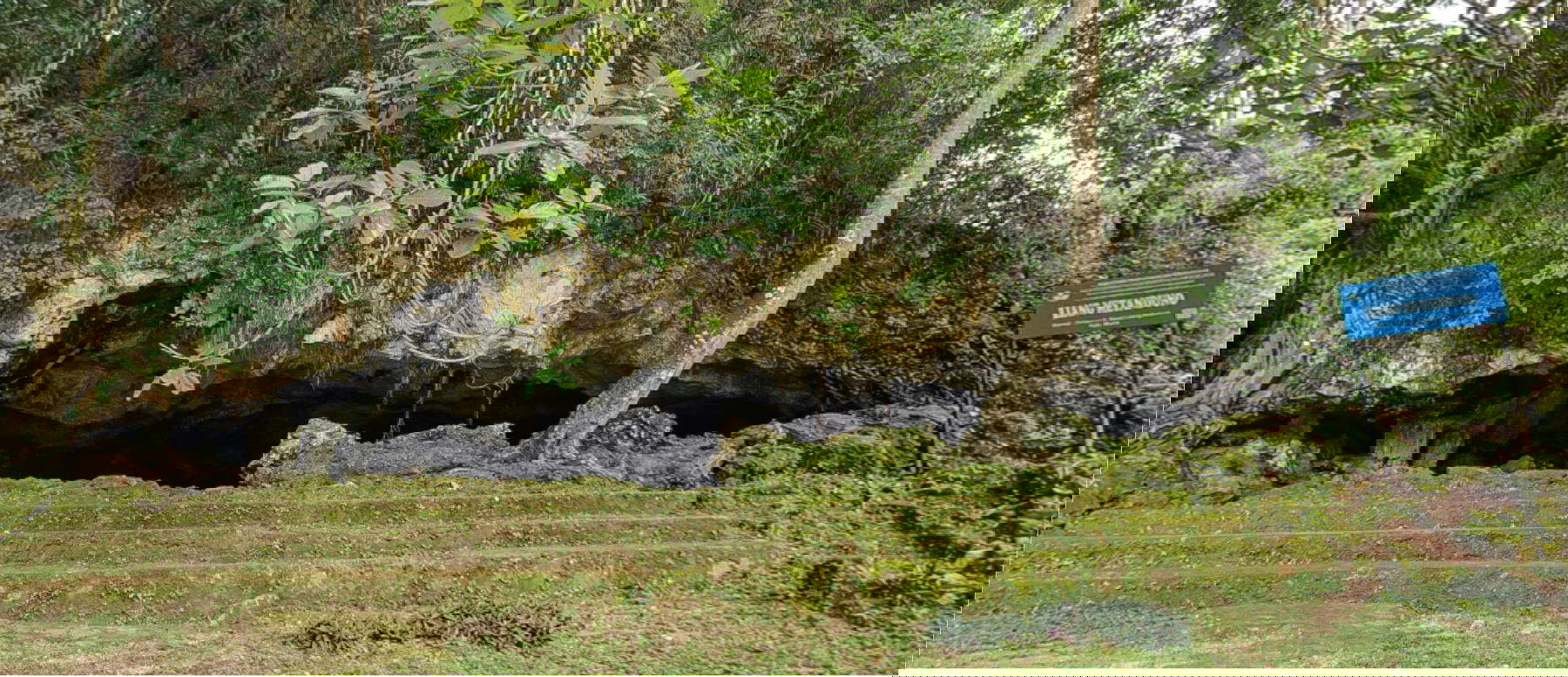
The discovery of a stencil in the shape of a hand inside a cave in Sulawesi, Indonesia, has revolutionized knowledge about rock art, proving to be the oldest ever dated: at least 67,800 years old. The research, conducted by an international team led by Griffith University, Indonesia’s National Agency for Research and InnovationBRIN and Southern Cross University, surpasses previous discoveries in the same area by more than 15,000 years. The paintings, located in Liang Metanduno Cave onMuna Island, underwent sophisticated dating analysis using series-uranium, a method that allows for the study of microscopic mineral deposits formed above and, in some cases, below the works.
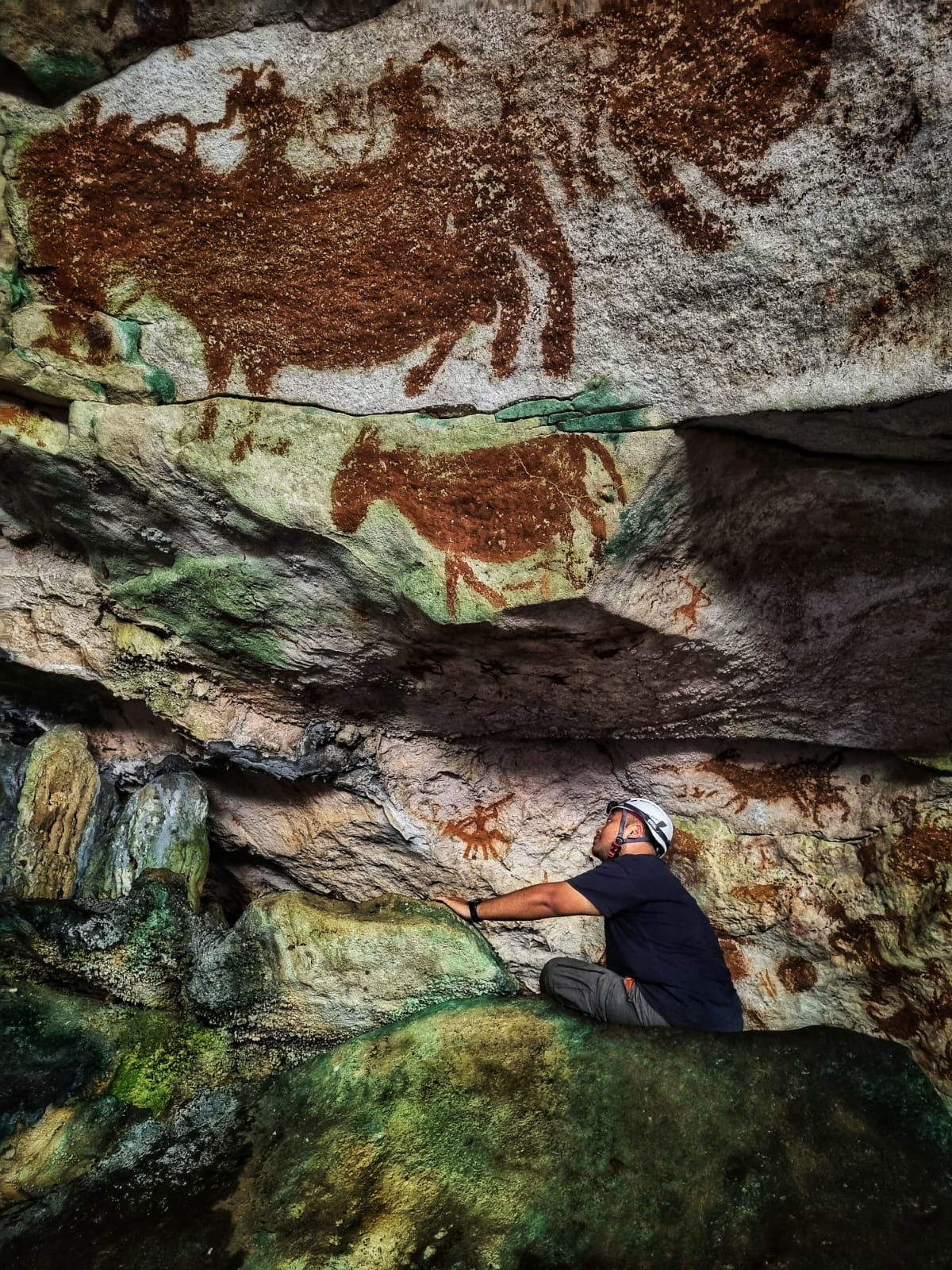
The hand stencil has a globally unique feature: the fingers have been altered to reduce negative contours, giving the image the appearance of a clawed hand. Scholars have not yet determined the symbolic meaning of the alteration, which remains subject to interpretation. Muna Cave also shows signs of protracted artistic use for more than 35,000 years, up to about 20,000 years ago, with subsequent paintings from more recent eras. According to Professor Adam Brumm, co-leader of the study and a member of the Australian Research Centre for Human Evolution (ARCHE) at Griffith University, the symbolic implications of the remodeled hand remain speculative. In any case, as researcher Adhi Agus Oktaviana, rock art specialist at BRIN and team leader, notes, the discovery offers crucial information about the deep history of Australian Aboriginal culture, pointing to connections between the people who made the art and the ancestors of the continent’s current indigenous inhabitants.
The new dating contributes to the scientific debate over the exact time of the first human occupation of Sahul, the Pleistocene continent comprisingAustralia, Tasmania and New Guinea. Two main chronological models vie for consensus: the so-called Short Chronology suggests an arrival of the first inhabitants about 50,000 years ago, while the Long Chronology pushes the dating back to more than 65,000 years ago.
The Sulawesi data support the hypothesis of a northern migration, with the route from the Asian archipelagos to New Guinea via Sulawesi and the Spice Islands, rather than a more southerly route directed toward Australia via Timor and adjacent islands. Professor Renaud Joannes-Boyau, a co-leader of the study and a member of the Geoarchaeology and Archaeometry Research Group (GARG) at Southern Cross University, emphasizes how the discovery clarifies the sequence of ancient stage travel from the continental environments of Asia to Sahul.
The research is part of an Australian Research Council (ARC) program dedicated to the study of human origins, including the recently launched ARC Centre of Excellence for Transforming Human Origins Research, with Griffith University as the lead institution, and the ARC Training Centre for Advancing Archaeology in the Resources Sector at Southern Cross University. These initiatives aim to develop global understanding of human evolution and the preservation of cultural heritage. The study has received additional funding from Google Arts & Culture and the National Geographic Society. Investigations into Sulawesi’s earliest artistic expressions have received international attention through the documentary Sulawesi, l’île des premières images (Sulawesi, l’île des premières images), produced by ARTE and released today in Europe, which illustrates the research and contexts of the caves and works. The discovery, published in Nature under the title Rock art from at least 67,800 years ago in Sulawesi, provides concrete evidence for understanding the earliest dynamics of human settlement in Oceania and the origins of Australian Aboriginal culture.
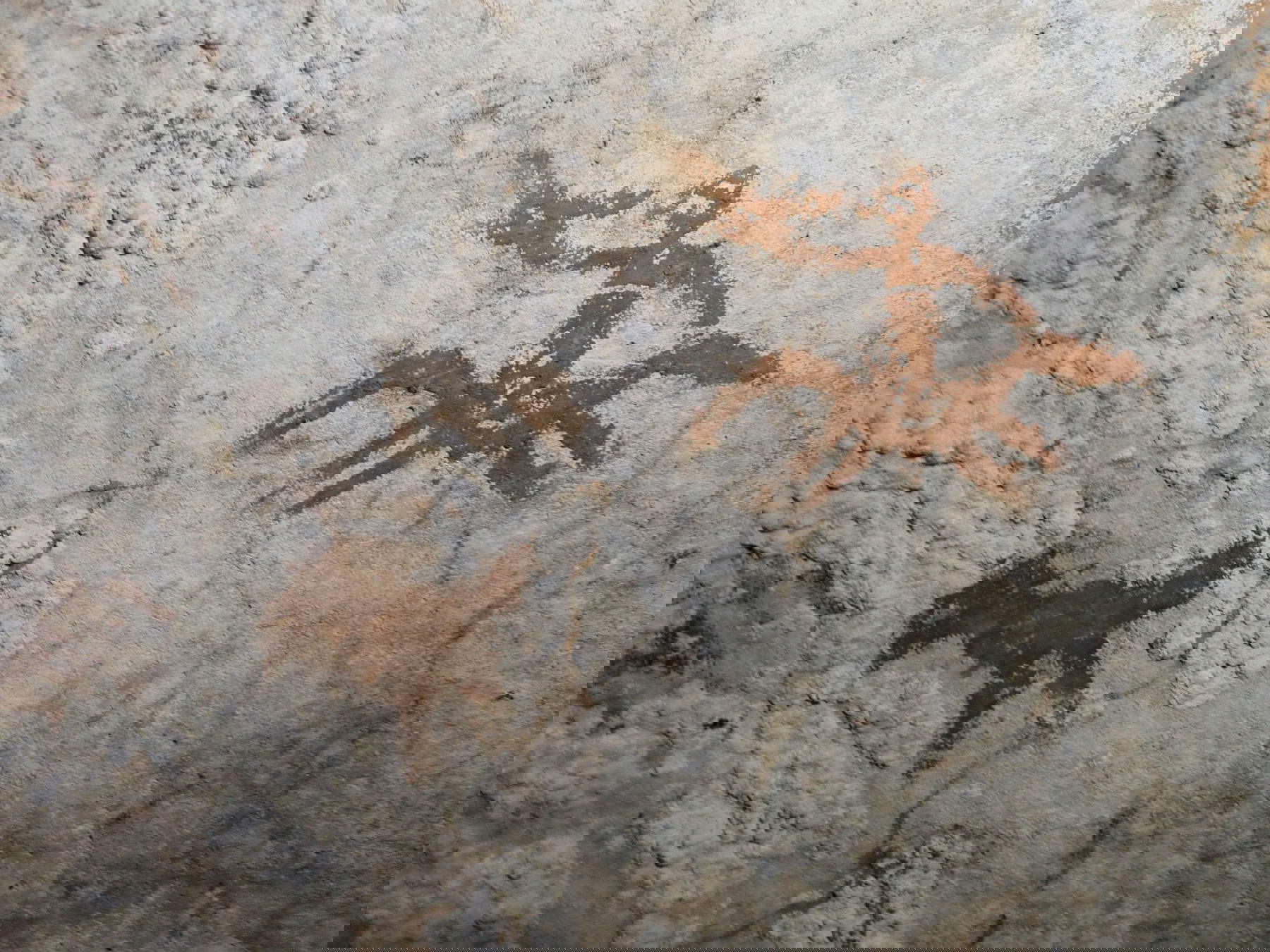
“This art could symbolize the idea that humans and animals were closely connected, a concept that already appears in early Sulawesi paintings, with at least one example of a scene depicting figures interpreted as half-human, half-animal beings,” explained Professor Adam Brumm.
“From our new phase of research,” says Maxime Aubert, an archaeologist and geochemist at the Griffith Centre for Social and Cultural Research (GCSCR), who co-directed the study, “it is now clear that Sulawesi was the cradle of one of the richest and most enduring artistic cultures in the world, with origins dating back to the earliest periods of human occupation of the island, at least 67,800 years ago. These discoveries underscore the archaeological importance of the many other Indonesian islands between Sulawesi and West New Guinea.”
“With the dating of this extremely ancient rock art on Sulawesi, we now have the oldest direct evidence of the presence of Homo sapiens along this northern migratory corridor to Sahul,” Professor Joannes-Boyau stressed.
“It is very likely that the people who made these paintings in Sulawesi were part of the larger population that later spread through the region to Australia,” said researcher Adhi Agus Oktaviana. “This discovery strongly supports the hypothesis that the ancestors of the Early Australians were present in Sahul as early as 65,000 years ago.”
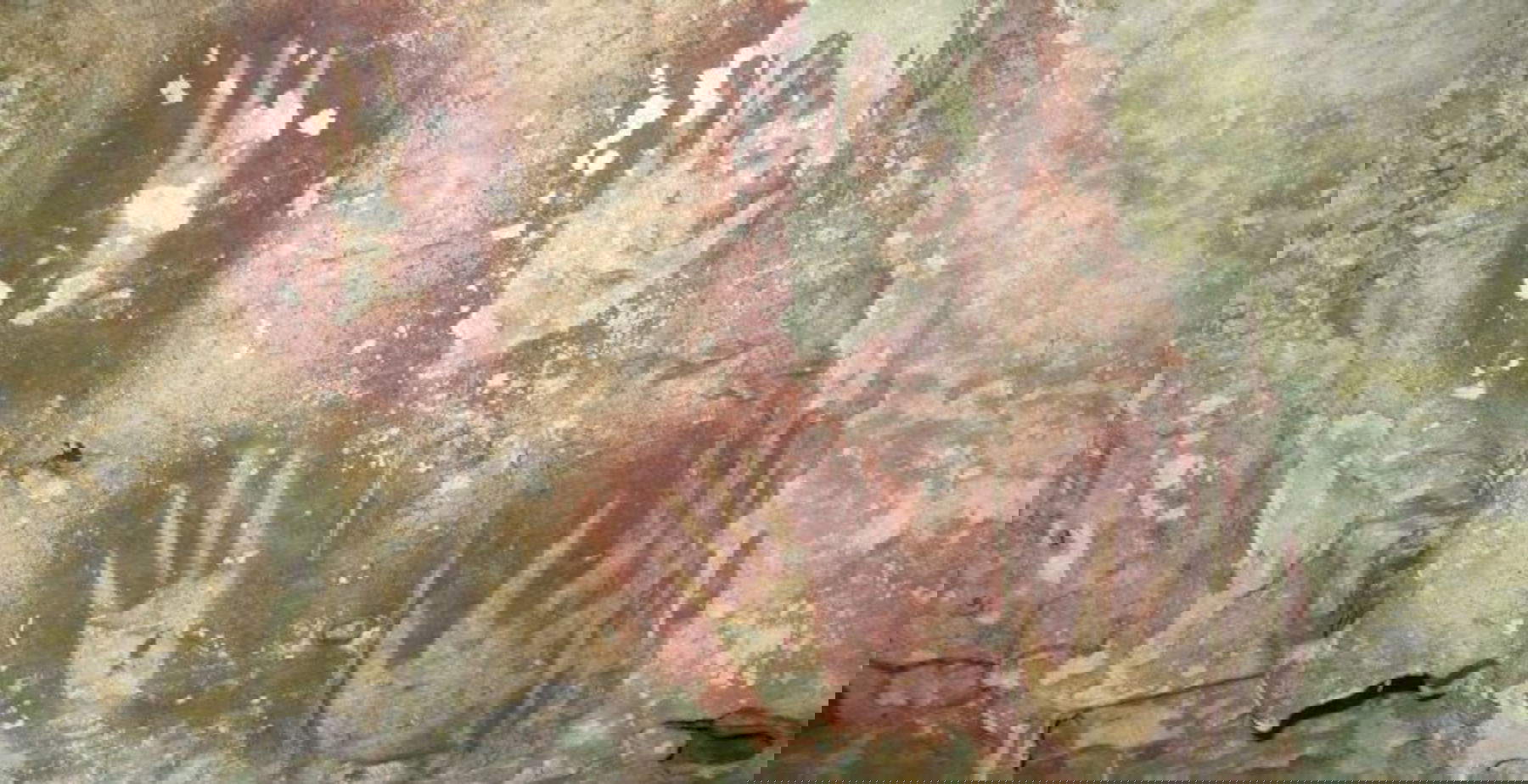 |
| A 67,800-year-old handprint found in Indonesia rewrites the history of rock art |

Warning: the translation into English of the original Italian article was created using automatic tools. We undertake to review all articles, but we do not guarantee the total absence of inaccuracies in the translation due to the program. You can find the original by clicking on the ITA button. If you find any mistake,please contact us.





























 IT
IT FR
FR DE
DE ES
ES CN
CN


