





There will be an important Roman torso linked to the collecting of Stefano Bardini at the 2026 edition of TEFAF Maastricht, scheduled for March 14-19, 2026 in the Dutch city. Bringing this work is London-based David Aaron Gallery, which, at booth 804, will bring the public and collectors face-to-face with masterpieces ranging from classical Greece to late Pharaonic Egypt to imperial Roman sculpture, all of which share a remarkable state of preservation and outstanding provenances.
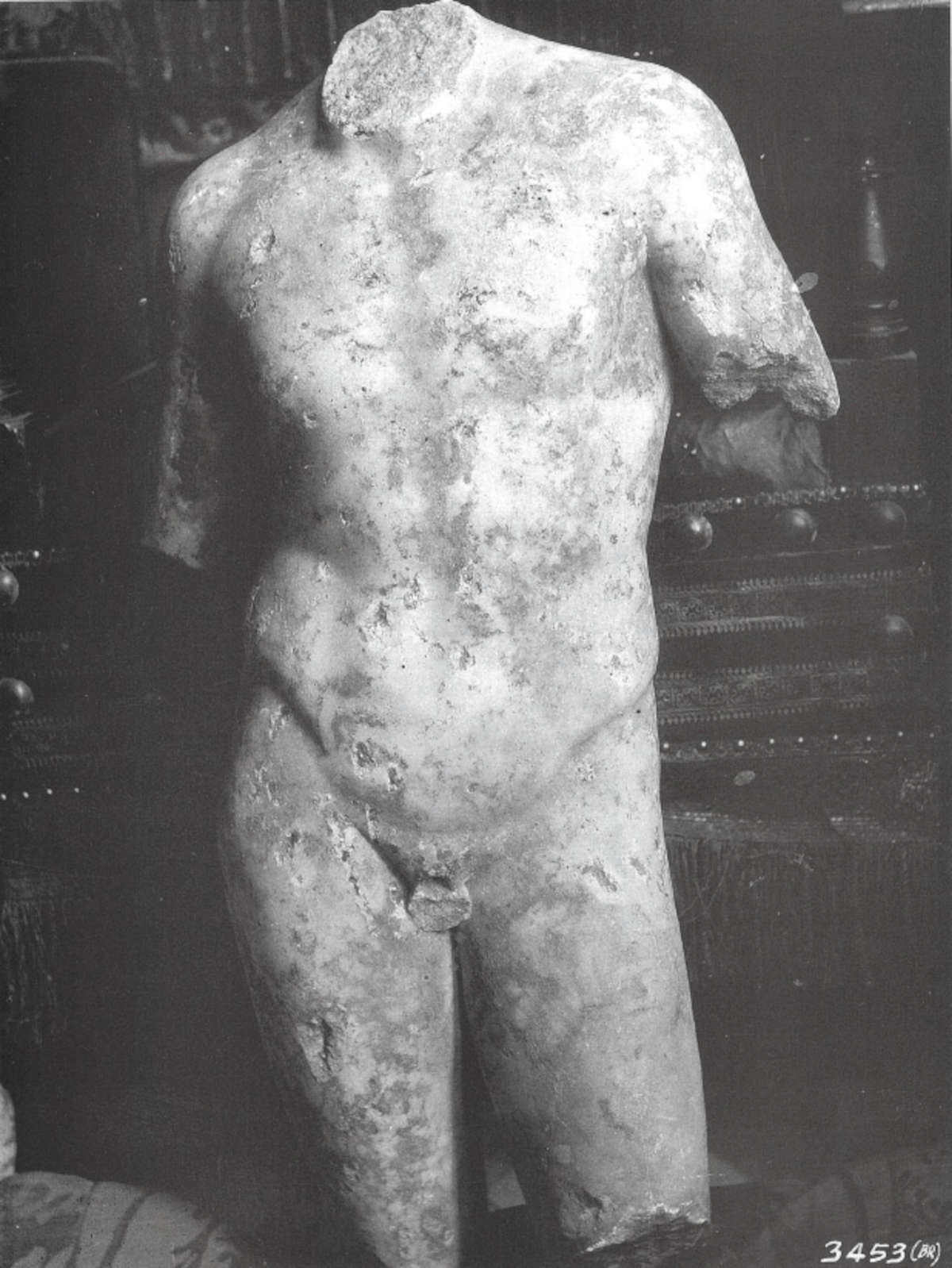
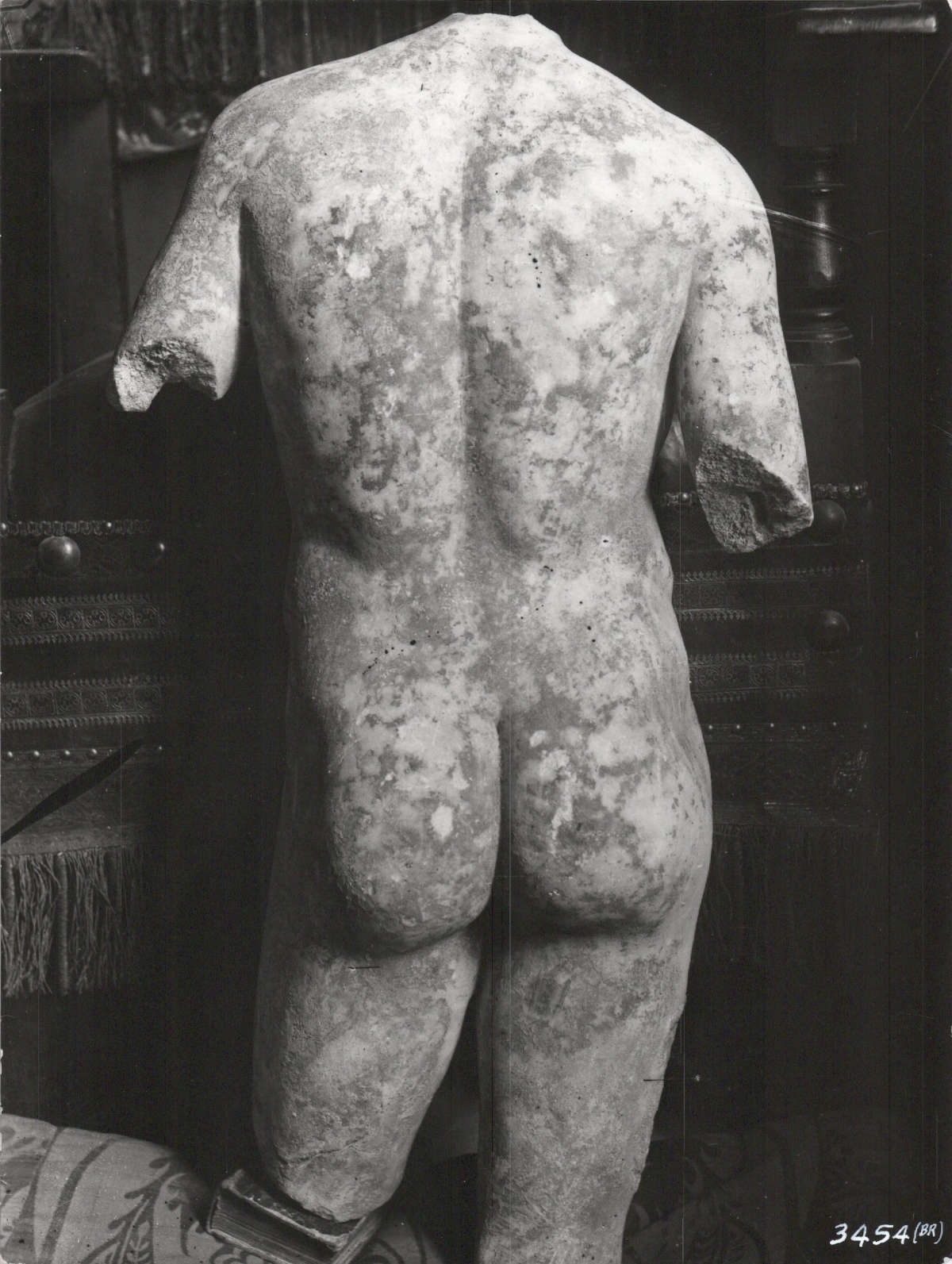
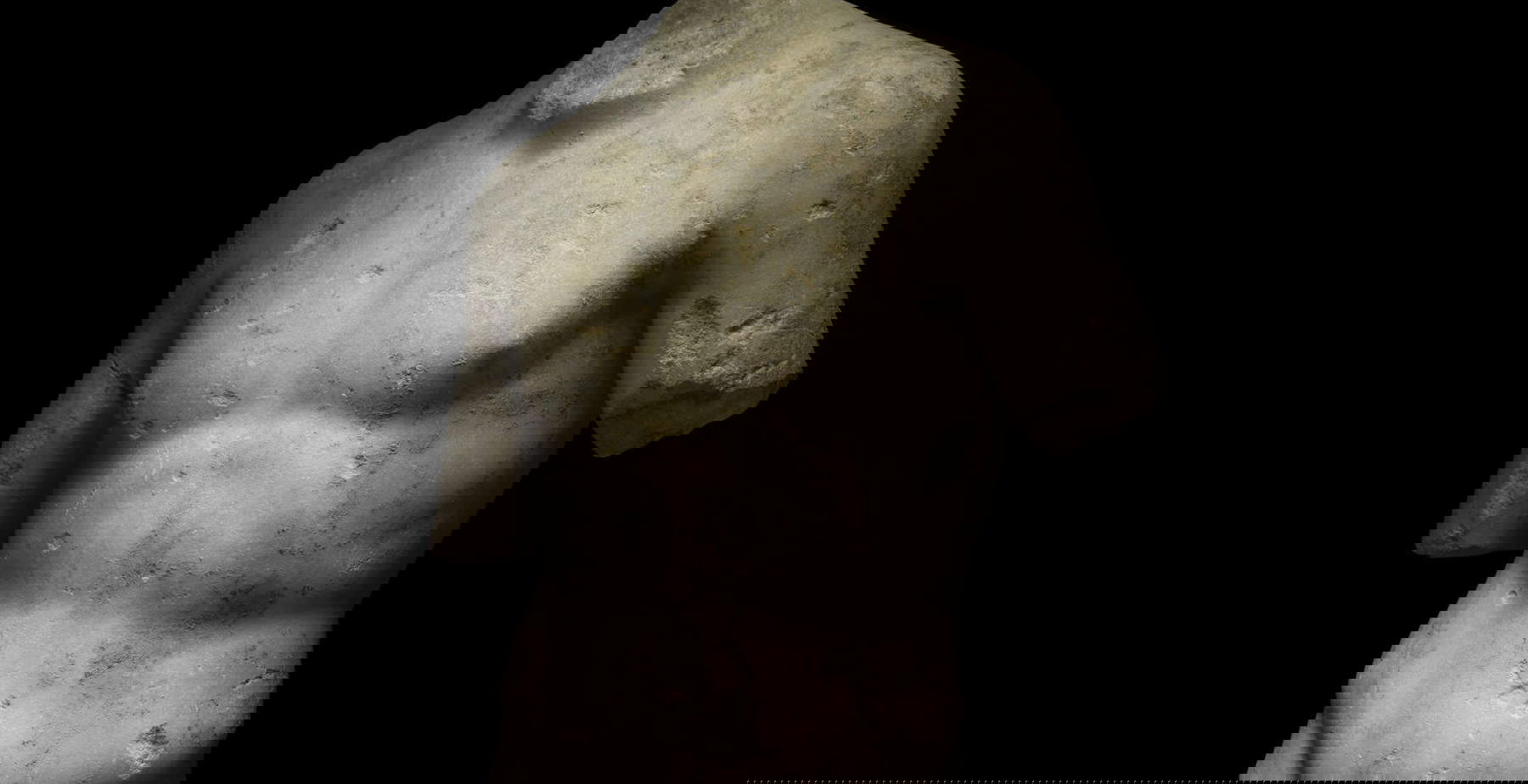
Prominent among the highlights of David Aaron’s presentation is the Roman torso of a young man, datable to between the first and second centuries AD, which stands out not only for its formal quality but also for its collecting history (list price is £300,000, or about 340,000 euros). The sculpture, depicting a young man in a contrapposto position, features a soft and calibrated rendering of musculature, suggested with discretion and sensitivity, elements that help convey an idea of youth and vitality. The research conducted by the gallery made it possible to reconstruct a new and solid provenance for the work, dating back to 1898, thanks to the identification of historical images within Stefano Bardini’s innovative photographic archive. A central figure in collecting and the antiques market between the 19th and 20th centuries, Bardini was one of the most celebrated Italian art dealers of his time. Not only that: a restorer, collector, and refined connoisseur, he managed to assemble an extraordinary set of works ranging from the Roman age to the Baroque. What made him unique from other antiquarians was his early and systematic adoption of photography as a tool for documentation and promotion. Indeed, Bardini collaborated with photographers active both in Italy and abroad to make detailed images of every object in his collection, creating a vast archive preserved in Florence, today an indispensable source for reconstructing provenances.
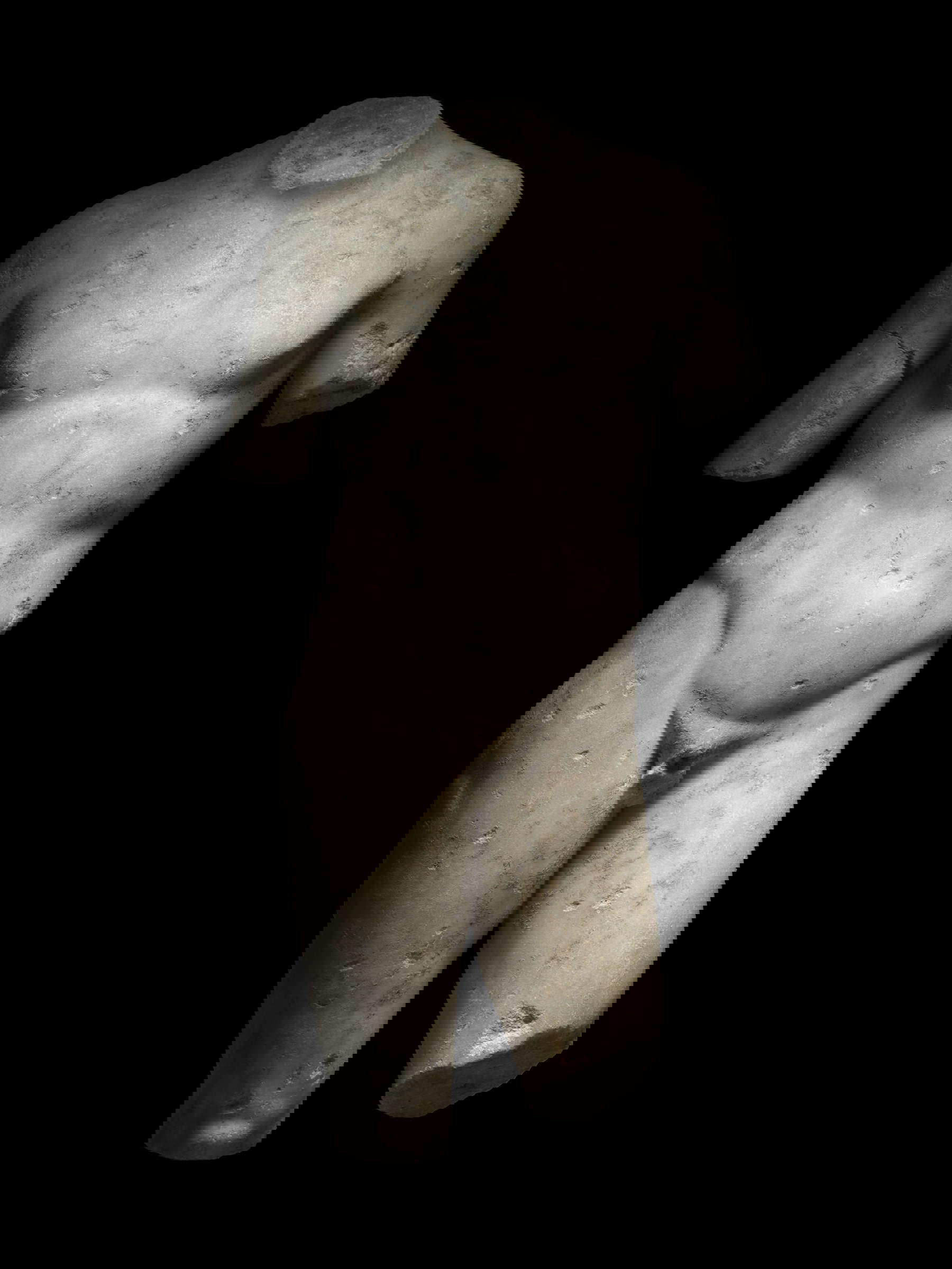
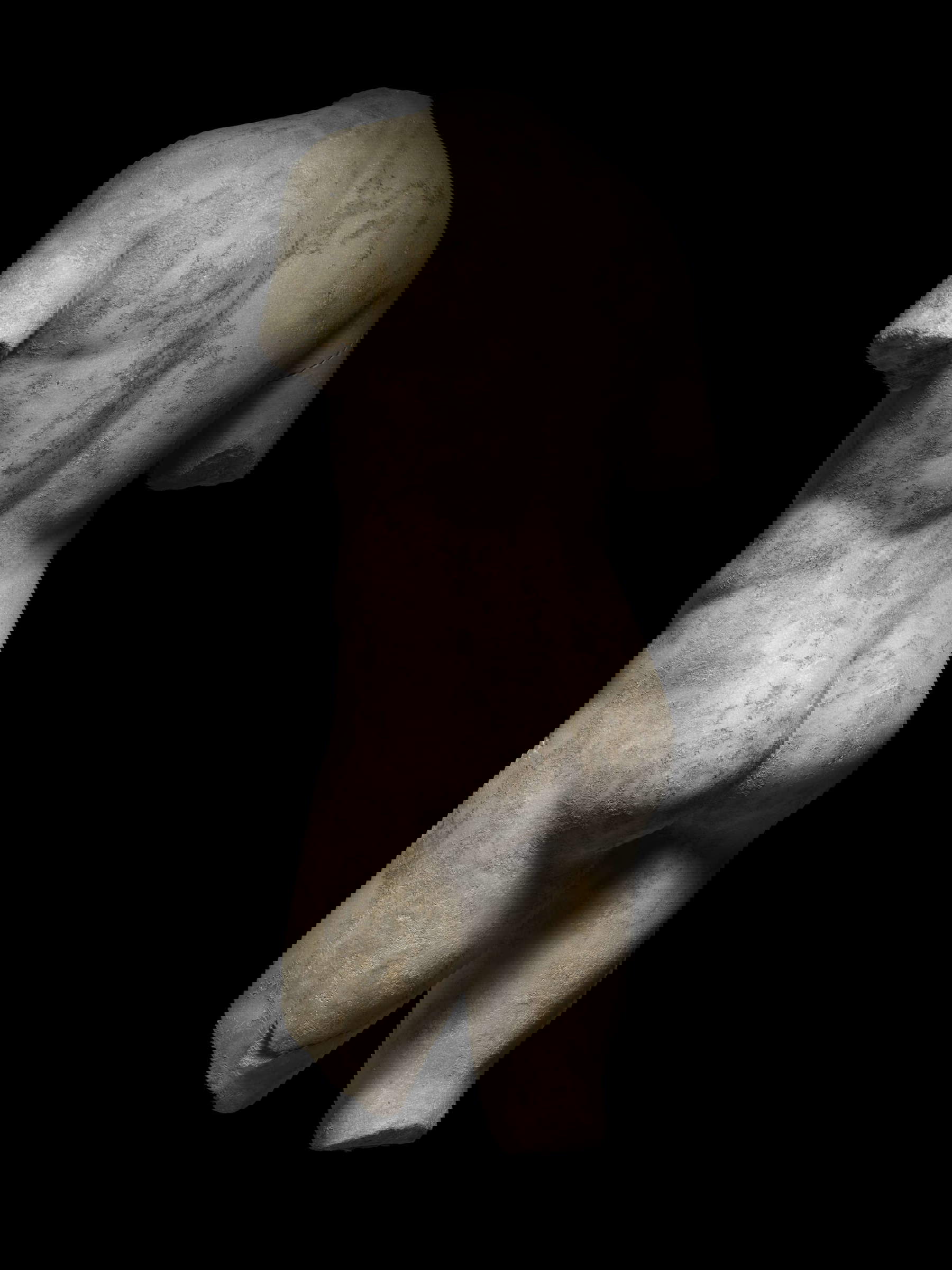
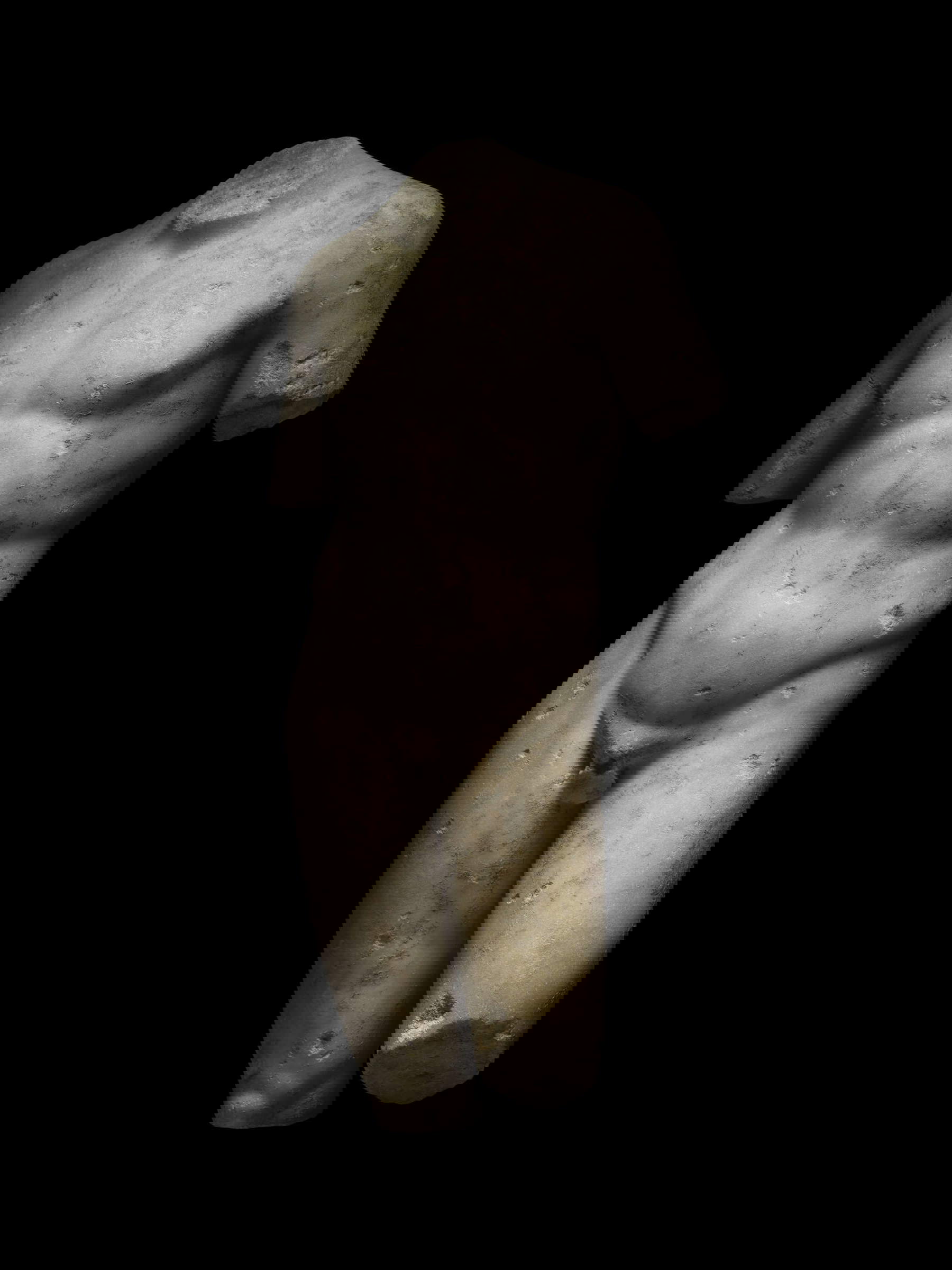
And it was this archive that enabled David Aaron to locate photographs of the Roman torso dated 1898, which unequivocally attest to the work’s presence in the Bardini collection as early as the late 19th century. This is of srilevant importance in a context, such as antiquities, in which transparency and documentation of provenance are key criteria. The discovery, therefore, further reinforces the sculpture’s historical and collecting value, placing it within one of the most celebrated and studied collections of its time.
Stefano Bardini’s success as a dealer led him in 1881 to purchase the Piazza Mozzi complex in Florence to display a collection that came to include more than 30,000 works. Upon his death in 1922, Bardini left his entire estate to the City of Florence. From this extraordinary legacy was born in 1925 the civic museum housed in his home, now known as the Museo Stefano Bardini, which continues to bear witness to the taste, vision and influence of one of the most important protagonists of the European art market between the 19th and 20th centuries.
“The Torso of a Young Man,” says Salomon Aaron, director of the gallery, “is a remarkable example of Roman marble sculpture depicting a young man in a contrapposto position, popularized by Praxiteles, an Athenian sculptor of the fourth century BCE. What makes this sculpture particularly interesting is its illustrious provenance, having previously been owned by Florentine art dealer Stefano Bardini, who earned a venerable reputation during the 19th century for his extensive collection of antiquities and for his use of photography to promote his business. Bardini’s legacy lives on in the Museo Stefano Bardini, founded in the piazza where he housed his collection, and in the detailed photographic archive that has allowed the David Aaron Gallery to discover images of this sculpture, which became Bardini’s property in 1898. We look forward to presenting this exquisite work at TEFAF Maastricht this March.”
Then there is also another interesting piece: next to the Roman torso, the centerpiece of David Aaron’s presentation at TEFAF Maastricht 2026 will be an extremely rare Greek marble stele, dated around 375-350 B.C., depicting a young woman at a delicate and symbolically charged moment in her life (costing £450,000, about €515,000). It is a funerary stele dedicated to a parthenos, a young Athenian woman of marriageable age who has not yet married, an extremely rare type in the landscape of Attic funerary sculpture. The work, known as the Stele of Medeia, takes its name from the inscription engraved on the lintel, a single line identifying the deceased. The stele comes from the historic region of Attica and is carved in high relief with an exceptional level of formal quality. The female figure is depicted with her right hand elegantly raised to her shoulder in a measured gesture full of grace. The clothing allows the status of the young woman to be clearly recognized: Medeia wears a finely draped chiton, cinched at the waist by a belt, with a back cloak fastened at the shoulders by large circular fibulae. This type of dress was typical of parthenoi, young women not yet married, and is a distinctive iconographic element of great importance.
The rarity of this stele lies not only in its artistic quality but also in its subject matter. Parthenoi represent a very short transitional phase between childhood and entry into adulthood through marriage, and for this reason funerary depictions dedicated to unmarried young women are extremely uncommon. Historian and archaeologist Christoph W. Clairmont ’s studies of Attic stelae confirm this exceptionality: in the eight monumental publications devoted to funerary reliefs, stelae of parthenoi account for only 4 percent of the total examined.
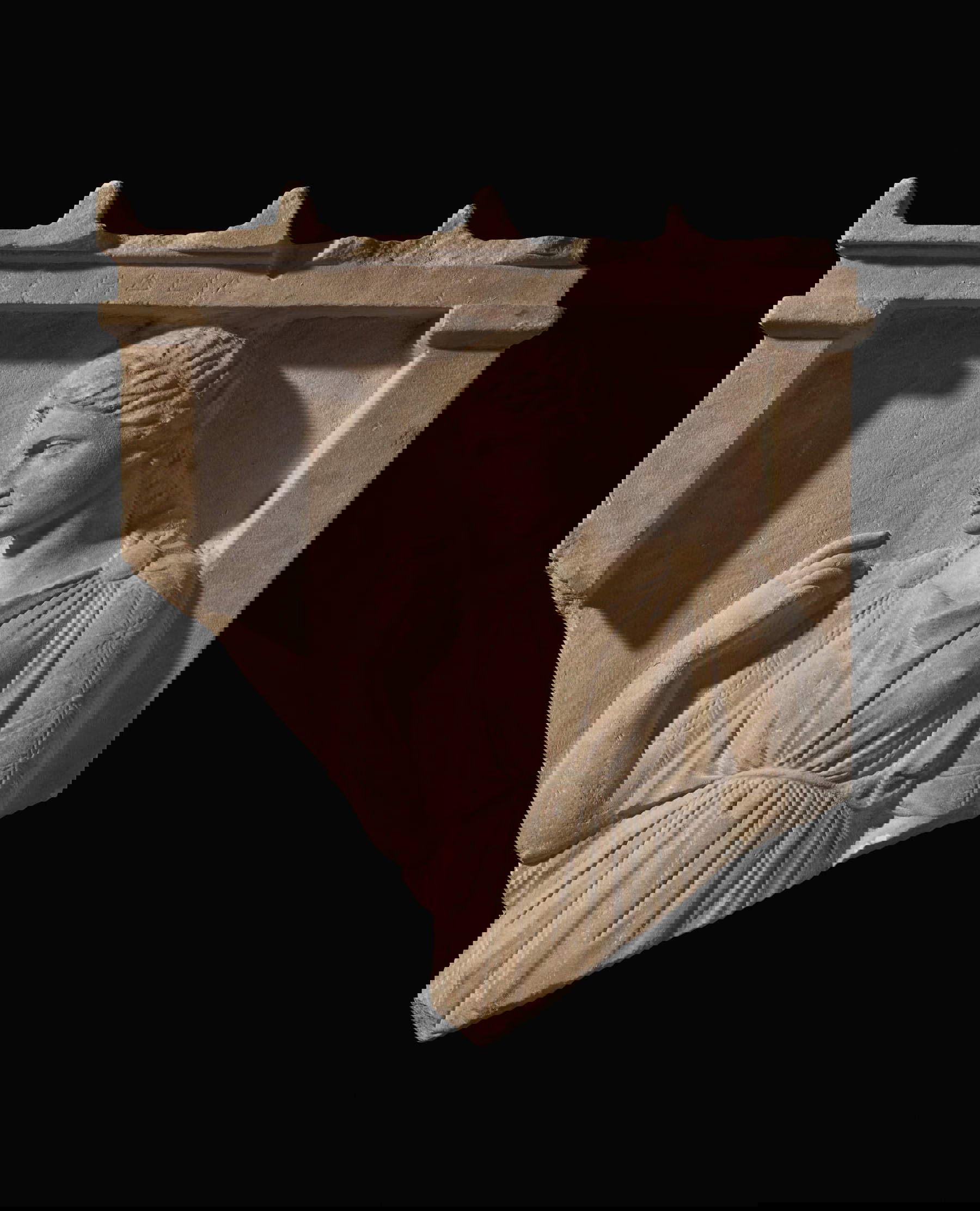
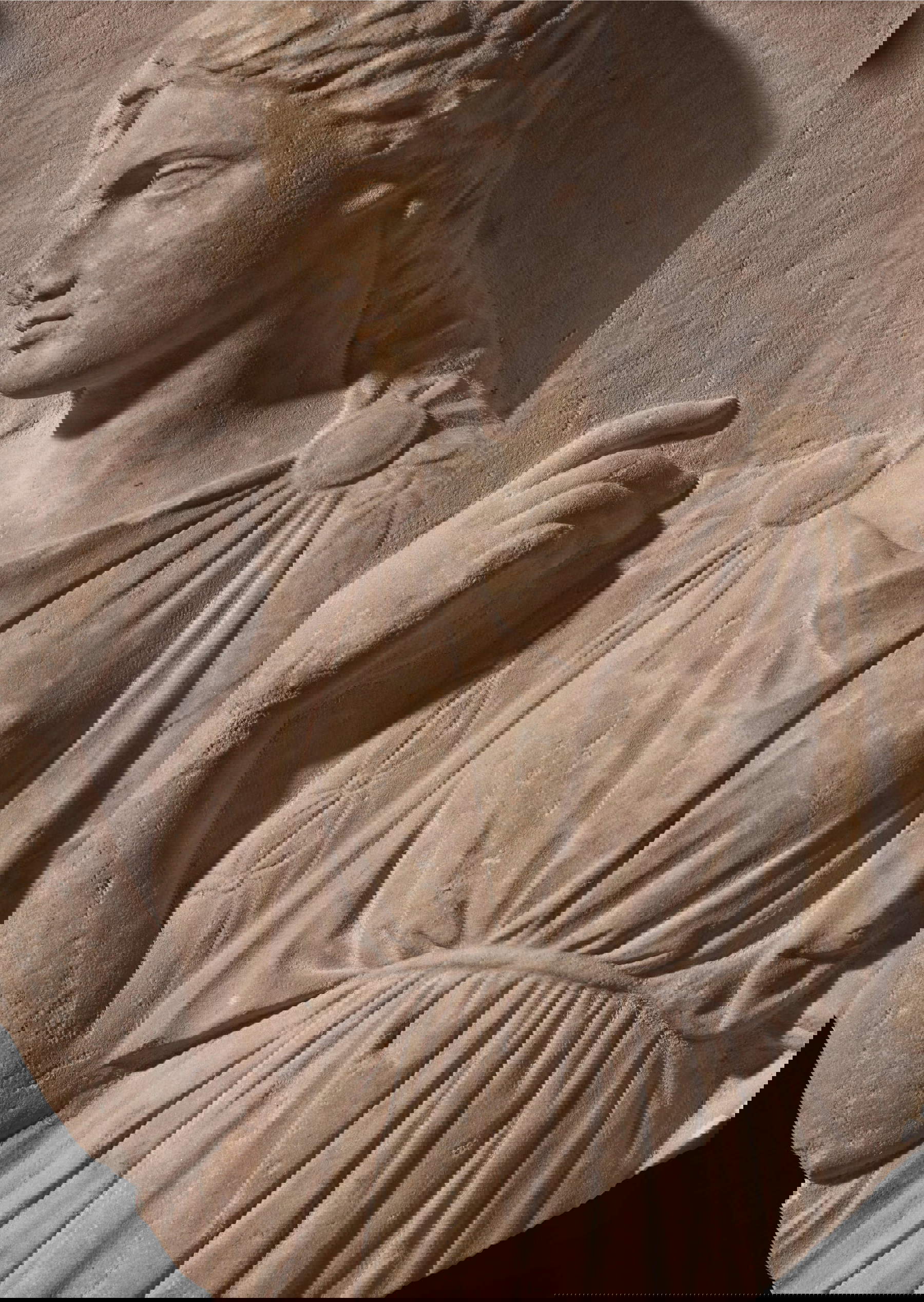
The cultural and social significance of these works has been further explored by archaeologist and art historian Linda Jones Roccos, according to whom the death of a parthenos took on a particularly dramatic value for Athenian society. It was not only a personal and familial loss, but also a collective loss, since the disappearance of an unmarried young woman interrupted the possibility of producing children destined to sustain the community and the cause of the polis. This awareness was reflected in the quality and care given to the funerary monuments dedicated to the parthenoi, which were often of the highest artistic level.
Further enhancing the importance of the Medeia Stele is the contribution of a highly prestigious provenance. The work is first documented in the collection of the Athenian art dealer Theodoros A. Zoumpoulakis, only to be acquired in 1923 by Joseph Brummer, one of the most influential gallery owners of the 20th century. The Brummer Gallery, founded in 1910 by the three Hungarian brothers Joseph, Imre and Ernest, played a crucial role in the dissemination of ancient and medieval art between Paris and New York, profoundly influencing the taste of major collectors and museum institutions. The stele remained in the Brummer family for more than half a century. Upon Joseph’s death, a significant part of his private collection was acquired by the Metropolitan Museum of Art in New York, while the Medeia Stele passed to his brother Ernest and later to the latter’s wife, Ella Laszlo Baché Brummer, founder of the Ella Baché cosmetic brand, which is still active today. This long and uninterrupted collecting path gives the work a first-rate historical and documentary solidity.
 |
| A Roman torso that was in the collection of Stefano Bardini: David Aaron brings it to Tefaf |

Warning: the translation into English of the original Italian article was created using automatic tools. We undertake to review all articles, but we do not guarantee the total absence of inaccuracies in the translation due to the program. You can find the original by clicking on the ITA button. If you find any mistake,please contact us.



























 IT
IT FR
FR DE
DE ES
ES CN
CN


