





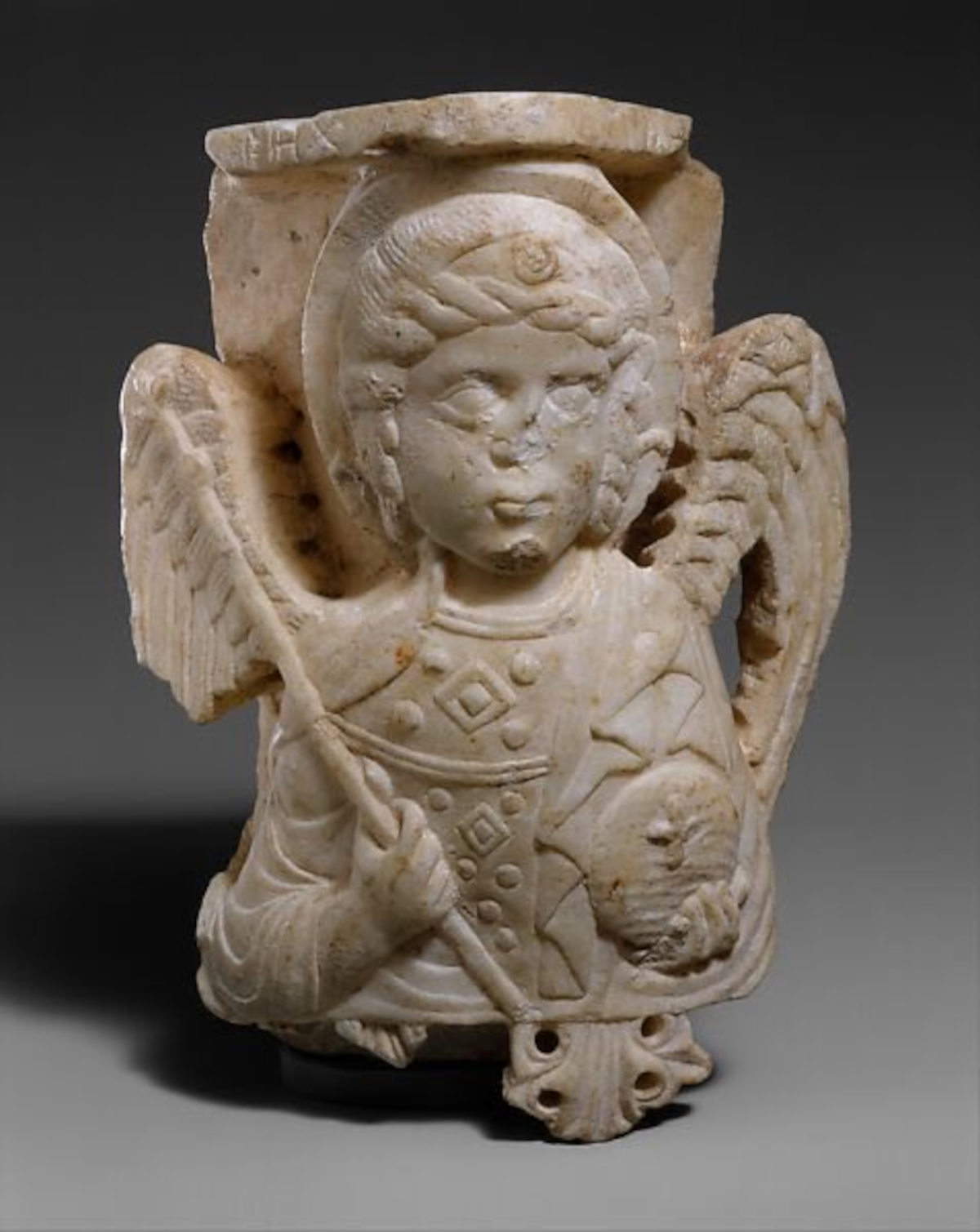
A marble capital depicting Archangel Michael, one of the most remarkable examples of late Byzantine art, has been returned by the United States to Turkey. The official announcement of the return was released by Turkey’s Ministry of Culture and Tourism, stressing the historical and artistic importance of the work, dated to the late 13th century, which represents a rare testimony to the sculptural and decorative practices of late Byzantine workshops.
Studies and records indicate that the capital belonged to the Virgin Mary Monastery of Peribleptos, located in Istanbul’s Samatya district. The attribution is based on a combination of sources, including reports of unauthorized excavations and structural damage that occurred in the 1960s, as well as a petition from the time that pointed to the removal of fragments from the building. Analysis of the style and writing of the work confirmed its provenance from the monastery, clarifying that the object had been illegally removed from the building. According to records, the capital had entered the Metropolitan Museum’s collection in 1983 through networks linked to Robin Symes, already involved in international investigations into illicit trafficking in artifacts. The work depicts the Archangel Michael in imperial robes, holding a sphere and staff, and illustrates the precision and skill of late Byzantine workshops, providing a rare physical clue to the decoration of religious buildings of the period.
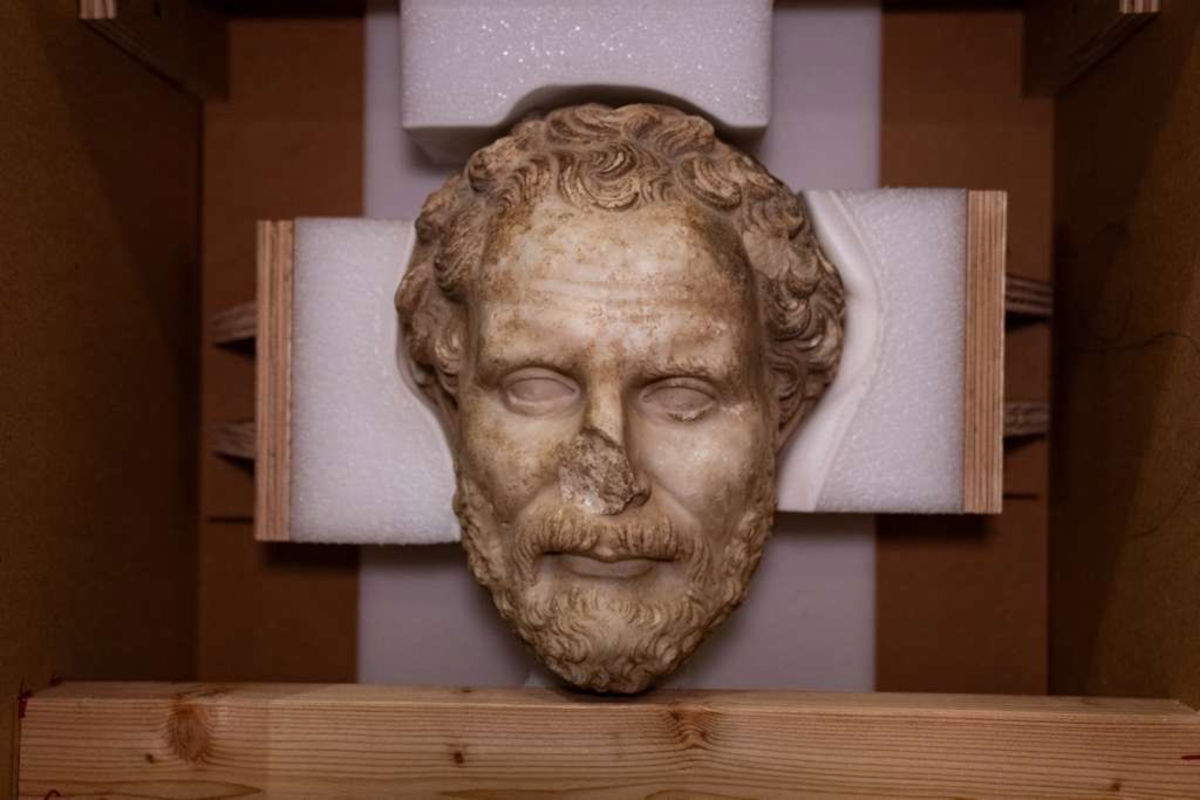
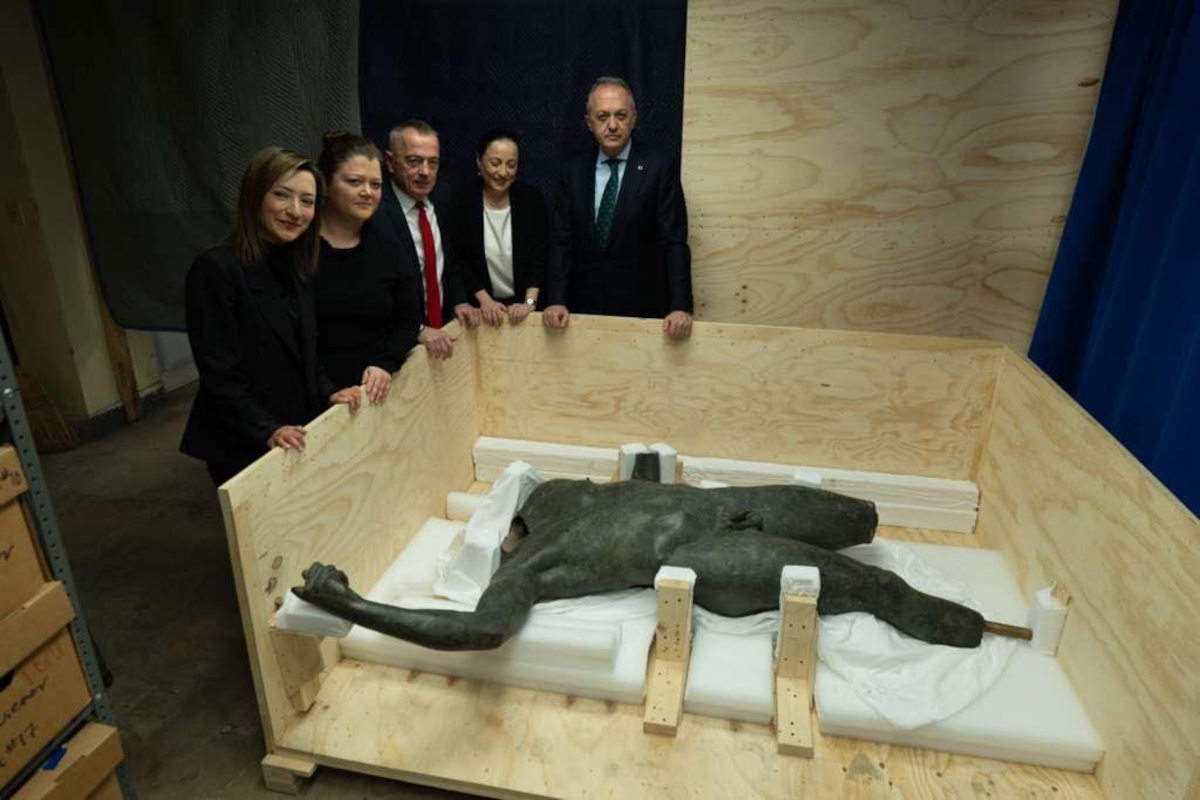
The return was made possible through a collaboration between the Metropolitan Museum, the U.S. Attorney’s Office for the District of Manhattan, the U.S. Department of Homeland Security Investigations and Turkish authorities. Prior to the handover, the capital was on display for three months at the Met, a symbolic fact since it represents one of the rare displays of a Turkish work in the museum after more than two decades. The Turkish government has welcomed developments related to the Metropolitan’s ability to conduct research on the provenance of works, improve inspection processes and increase transparency. The return ceremony, coordinated with the Manhattan prosecutor, also included the return of other artifacts, including a monumental bronze statue stolen from the ancient city of Boubon in Burdur, archaic terracotta tablets, and aRomanmarble head of Demosthenes. These works are in addition to 28 cultural goods returned earlier in the year.
“The Metropolitan Museum,” says Metropolitan Museum Director and CEO Max Hollein, “places great importance on open and ongoing dialogue with the Republic of Turkey; we are honored to have collaborated on this repatriation process and the short-term loan of the artifact. This collaboration demonstrates our commitment to the responsible preservation of cultural heritage.”
“This repatriation,” continued Deputy Minister of Culture and Tourism Gökhan Yazgı, “was a process carried out in close cooperation with the MDA and HSI, which is a testament to our joint commitment to justice, scientific transparency and responsible preservation of cultural heritage. We appreciate the steps taken by the Metropolitan in the field of origins research and the constructive cooperation throughout the process. The display of the artifact prior to its repatriation was a significant step, and as long as this positive approach continues, it will create a solid foundation for future joint work.”
Turkey’s cultural heritage protection policy is rooted in centuries-old traditions that date back to Ottoman times and predate contemporary international regulations. As early as the 19th century, specific regulations aimed to prevent the illegal exit of cultural property, laying the foundation for a modern approach to preservation. The founding in 1869 of the Istanbul Archaeological Museum, the empire’s first official museum, institutionalized the protection of artifacts, while in 1921, during the War of Independence, the institution now known as the Museum of Anatolian Civilizations was established in Ankara. These developments demonstrate how heritage preservation was considered a state priority well before accession to international conventions.
Today Turkey has more than 200 state museums, mostly archaeological, and over the past five years the restructuring of the Directorate for Combating Illicit Trafficking has strengthened its cultural heritage recovery activities. The agency promotes social awareness, education of the younger generation, and public participation in protection efforts. Over the past two decades, more than 13,000 cultural properties have been returned to Turkey, demonstrating the effectiveness of a consistent and ongoing strategy. Each restitution process is seen not only as the return of an object to its country of origin, but also as an opportunity to strengthen international cooperation. Turkey aims to further consolidate cooperation with the Metropolitan Museum in the fields of conservation, research, exhibitions and professional exchange.
 |
| Metropolitan Museum returns capital with head of Archangel Michael to Turkey |

Warning: the translation into English of the original Italian article was created using automatic tools. We undertake to review all articles, but we do not guarantee the total absence of inaccuracies in the translation due to the program. You can find the original by clicking on the ITA button. If you find any mistake,please contact us.




















 IT
IT FR
FR DE
DE ES
ES CN
CN


