








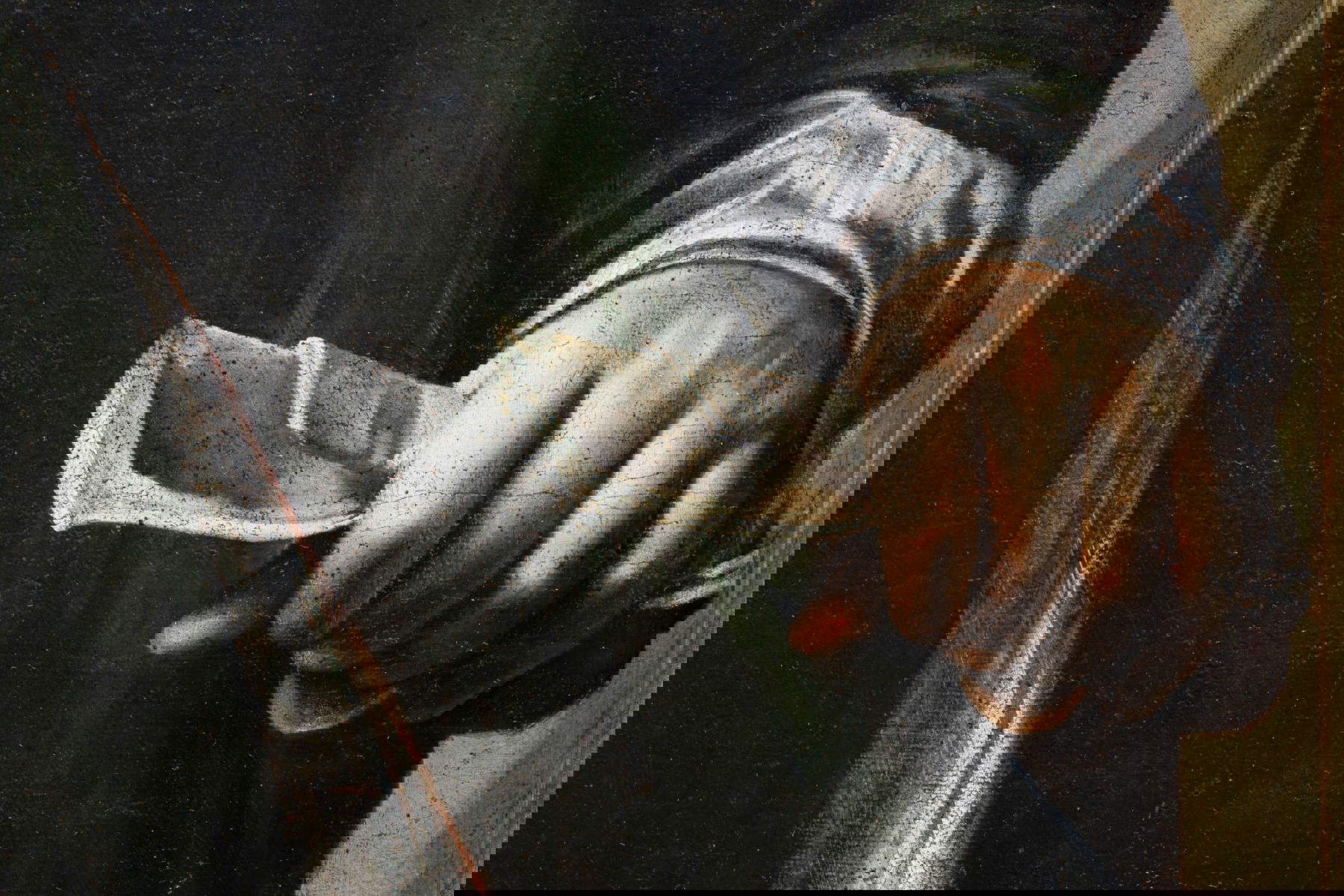
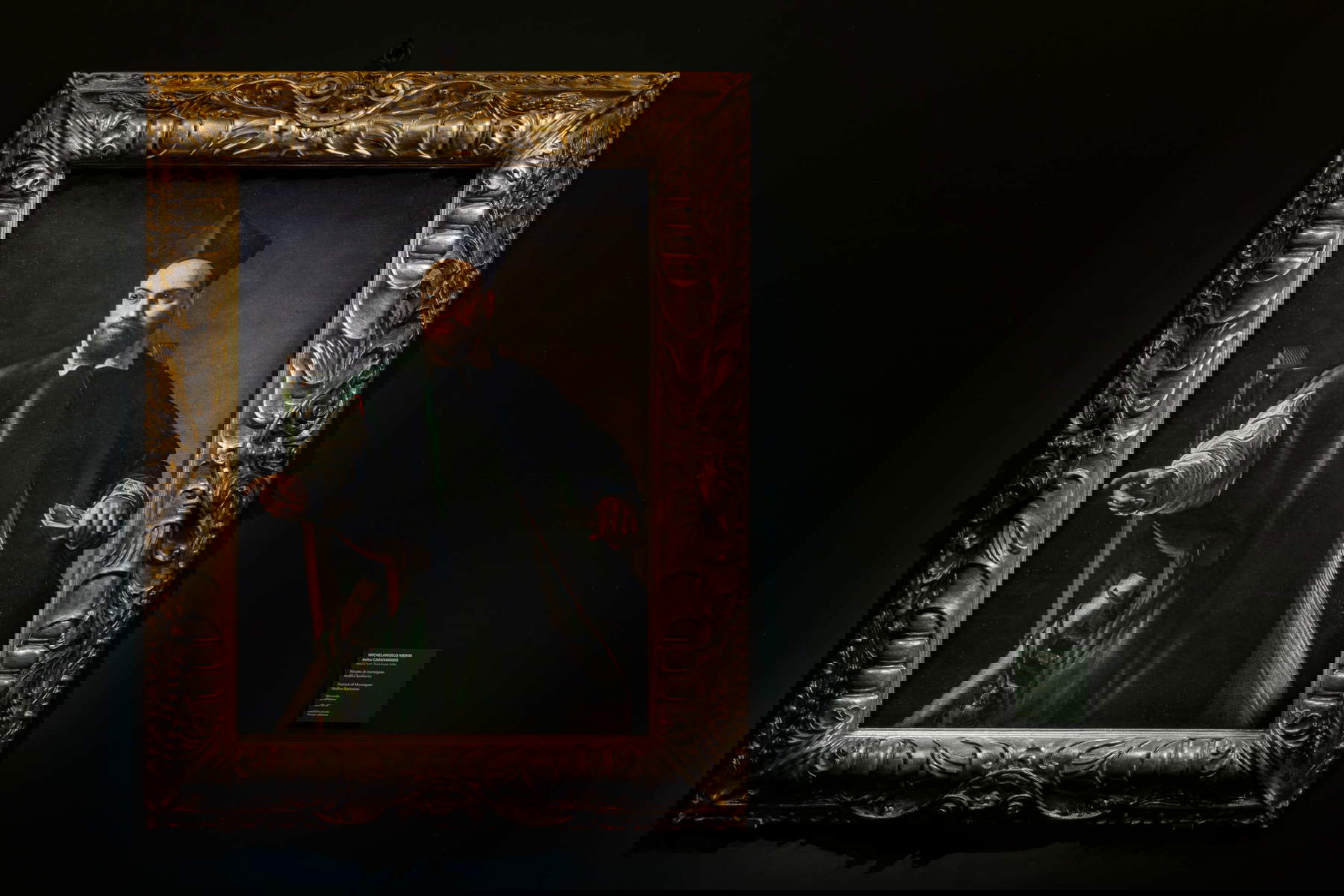
The deed of purchase of Caravaggio’s Portrait of Monsignor Maffeo Barberini, a work of extraordinary importance that will become part of the heritage of the Italian state, was signed today at the Ministry of Culture. Upon completion of the required administrative procedures, the painting will be assigned to the National Galleries of Ancient Art and will permanently join the collections of the National Gallery of Ancient Art in Palazzo Barberini. Cost of the operation: 30 million euros.
The signing of the deed took place in the presence of Culture Minister Alessandro Giuli, General Director of Museums Massimo Osanna, Director of the National Galleries of Ancient Art in Rome Thomas Clement Salomon, and notary Luca Amato. The deal concludes a long negotiation that lasted more than a year and represents one of the most significant investments ever made by the Italian state in the purchase of a work of art.
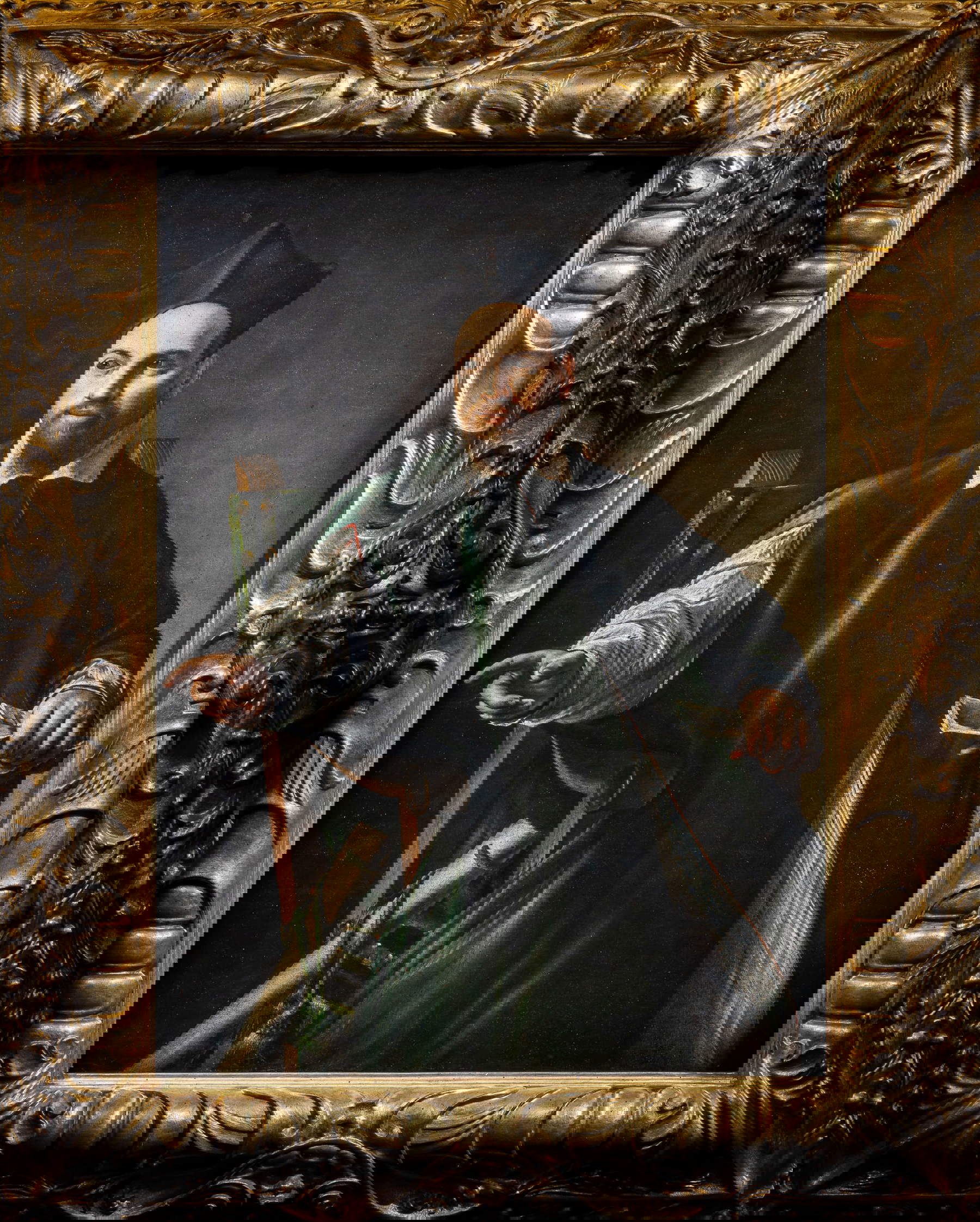
“After more than a year of negotiations,” said Minister Alessandro Giuli, “we announce today the purchase by the Ministry of Culture of an extraordinary masterpiece by Caravaggio, the ’Portrait of Monsignor Maffeo Barberini.’ This is a work of exceptional importance, attributed to the Master by Roberto Longhi, which is now offered for the full enjoyment of the public and the international scientific community, just a few months after its first exhibition in a museum, which took place at Palazzo Barberini. This acquisition, together with the recent acquisition of Antonello da Messina’s ’Ecce Homo,’ is part of a broader project to strengthen the national cultural heritage that the Ministry of Culture will continue to pursue in the coming months, with the aim of making accessible to scholars and enthusiasts some masterpieces of art history otherwise destined for the private market. I would like to thank all the institutions, officials and technicians who worked with great skill and dedication so that a result of this significance could be achieved.”
The acquisition concluded to the tune of 30 million euros and is part of a broader strategy to strengthen the national cultural heritage. Giuli recalled that the transaction complements the recent acquisition of Antonello da Messina’s Ecce Homo and that the Ministry of Culture will continue to work in the coming months to make works of great historical and artistic significance accessible to the public and scholars that would otherwise risk being destined for the private market. The minister also thanked the institutions, officials and technicians involved in the process that led to the completion of the operation.
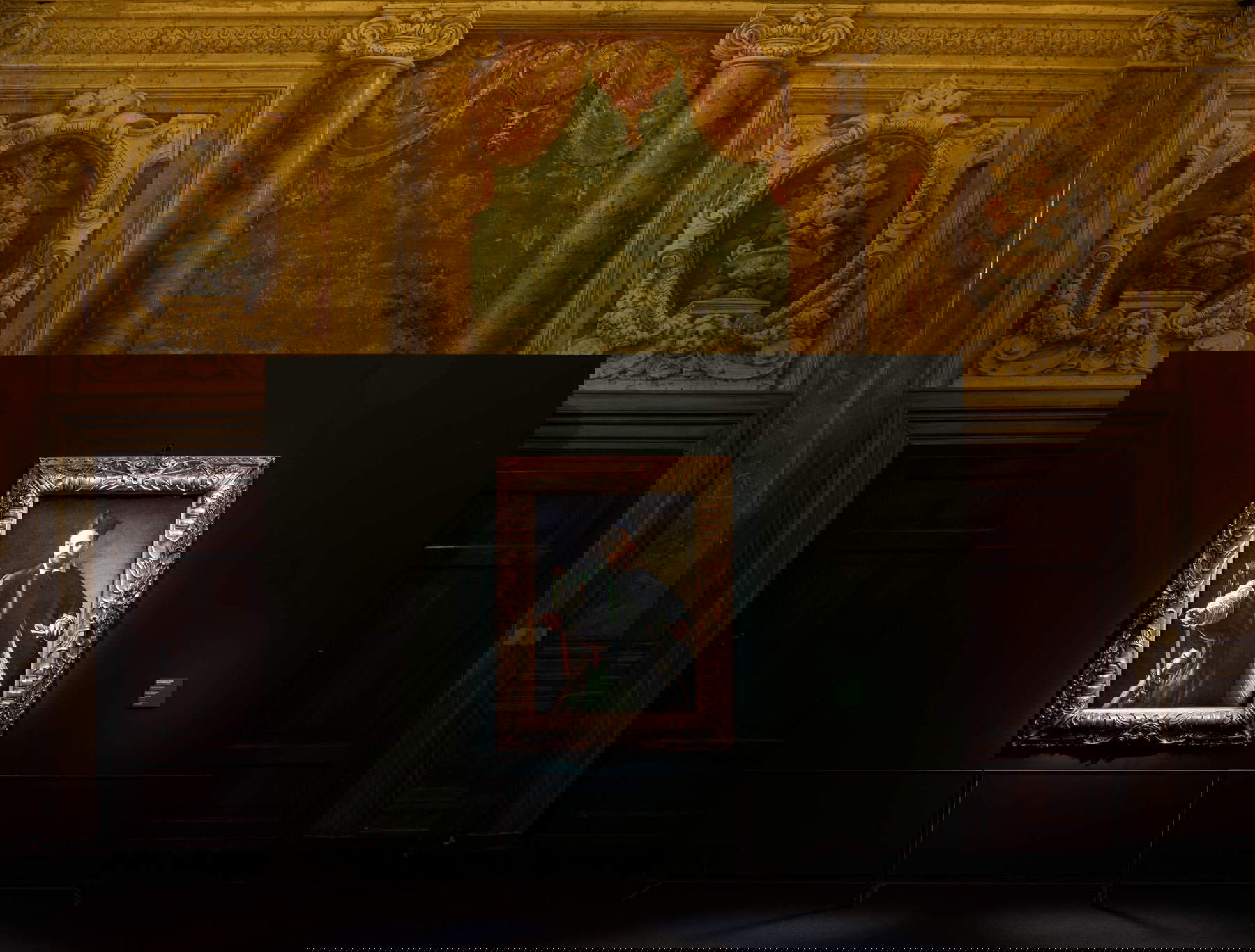
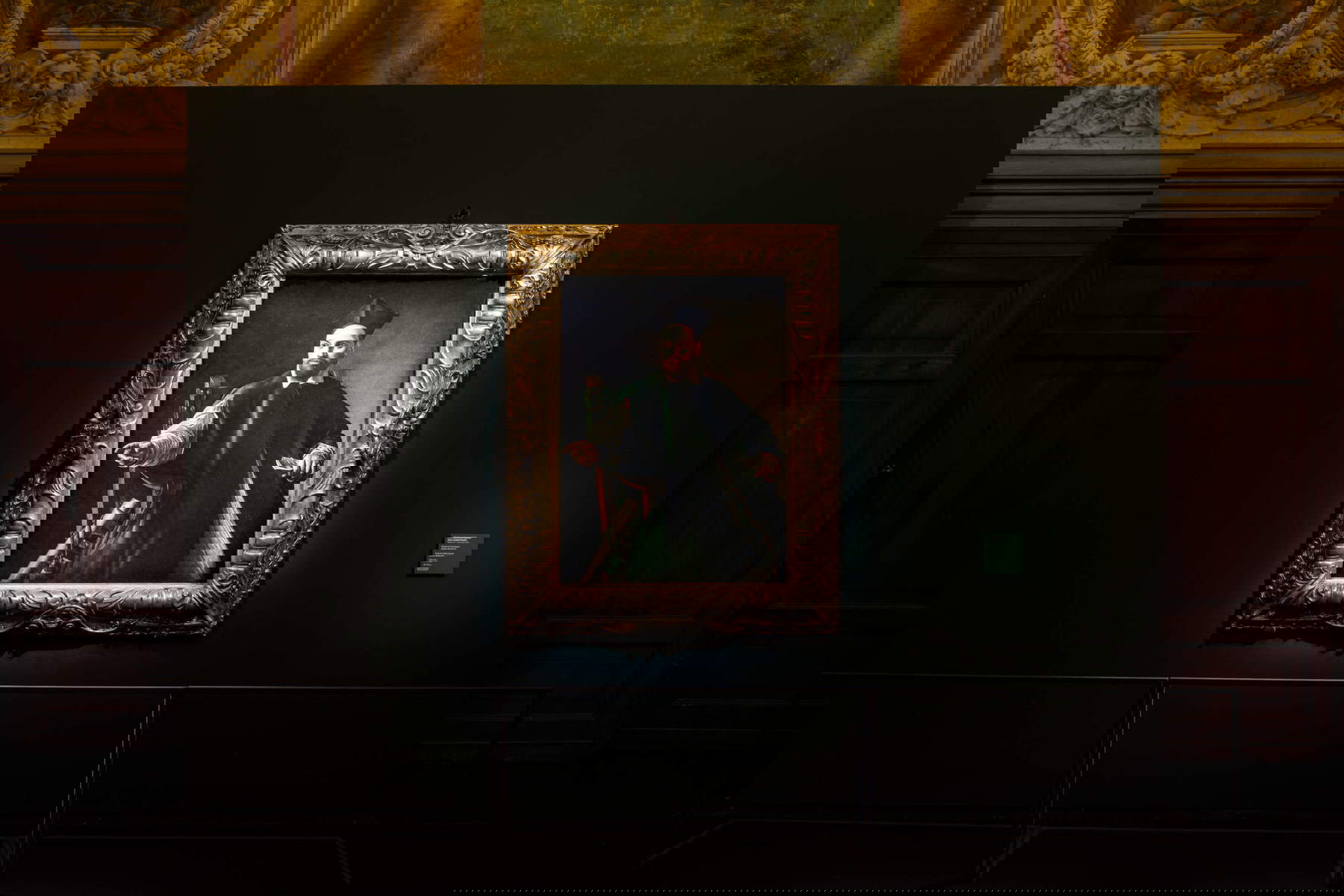
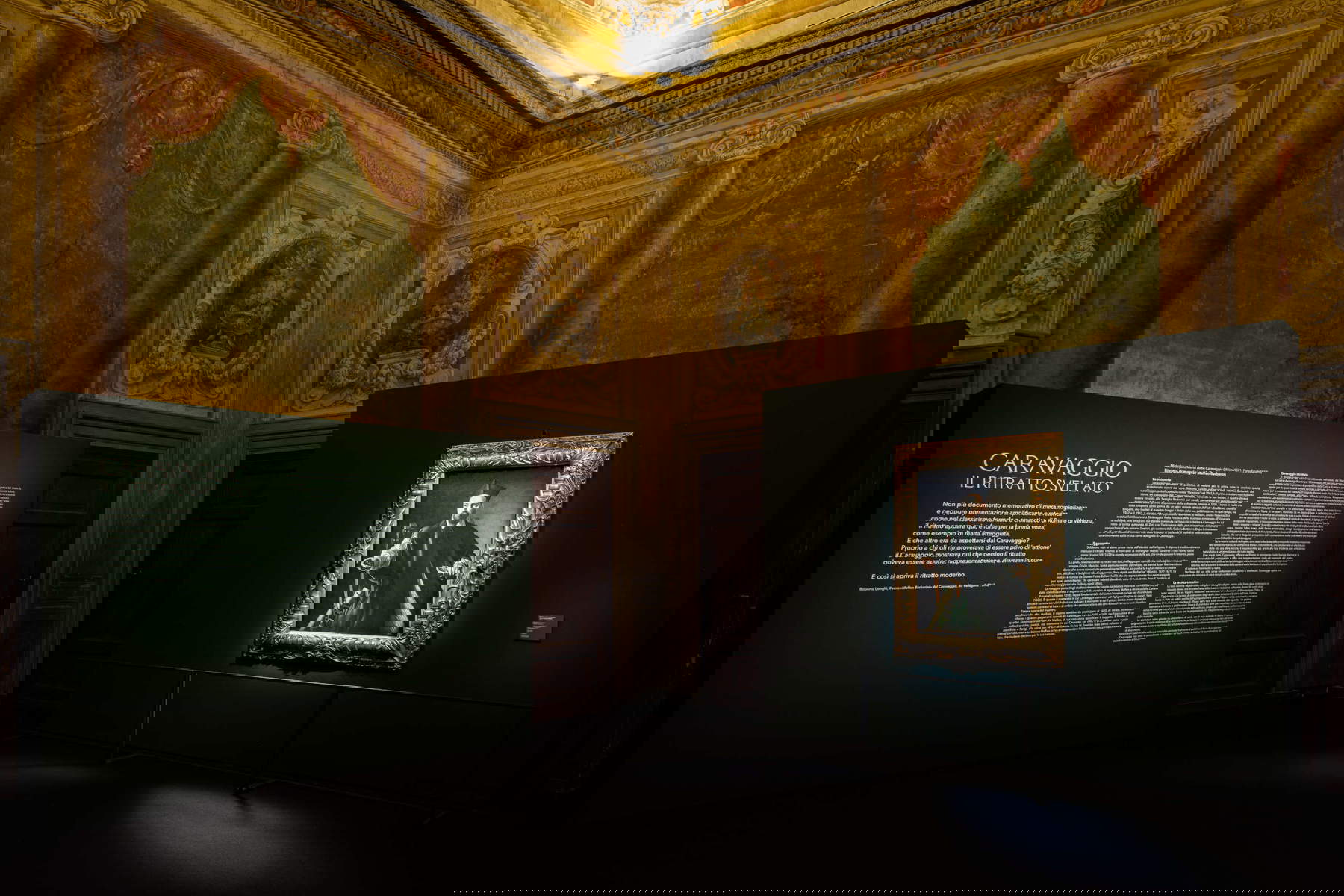
Although there is no certain evidence about the identity of the effigy, the painting is traditionally believed to be a portrait around the age of 30 of Monsignor Maffeo Barberini, the future Pope Urban VIII (1623) and a great promoter of the arts, who from a young age was a scholar, poet and collector. The first account of portraits done by Caravaggio for the Barberini is by the Sienese biographer and physician Giulio Mancini, a particularly reliable source, both because he was a fine connoisseur of art who had known Merisi personally and because he was the future physician of Urban VIII. According to the biographer, Caravaggio “made portraits for Barbarino” (Mancini, 1617 - 1621). The news is echoed by Giovan Pietro Bellori (1672) who specifically mentions two works he executed for that patron: “To Cardinal Maffeo Barberini, besides the portrait, he made the Sacrifice of Abraham” (now in the Uffizi Gallery),
Most scholars believe that the work can be dated to around 1599 and was commissioned following Monsignor Maffeo’s appointment as cleric of the Apostolic Camera (March 1598), a milestone in the curial cursus honorum for the cardinalate (1606). This is the moment when Caravaggio began “to ingagliardire gli obscuri,” an effective phrase coined by Bellori to indicate the moment when the painter began to create paintings with the powerful contrasts of light and shadow that correspond to the stylistic signature with which the master’s entire oeuvre is identified. According to other scholars, the painting should be dated to 1603. The Portrait could refer to the four payments received by Caravaggio between 1603 and 1604 for the execution of a painting commissioned by Maffeo, the subject of which is not specified. The Portrait would therefore be placed at the time when Clement VIII sent the prelate as papal nuncio to Paris, to the court of the French king Henry IV. He would therefore have been requested to the painter by the cultured and ambitious Maffeo before embarking on the very delicate diplomatic journey that would prove decisive for his career.
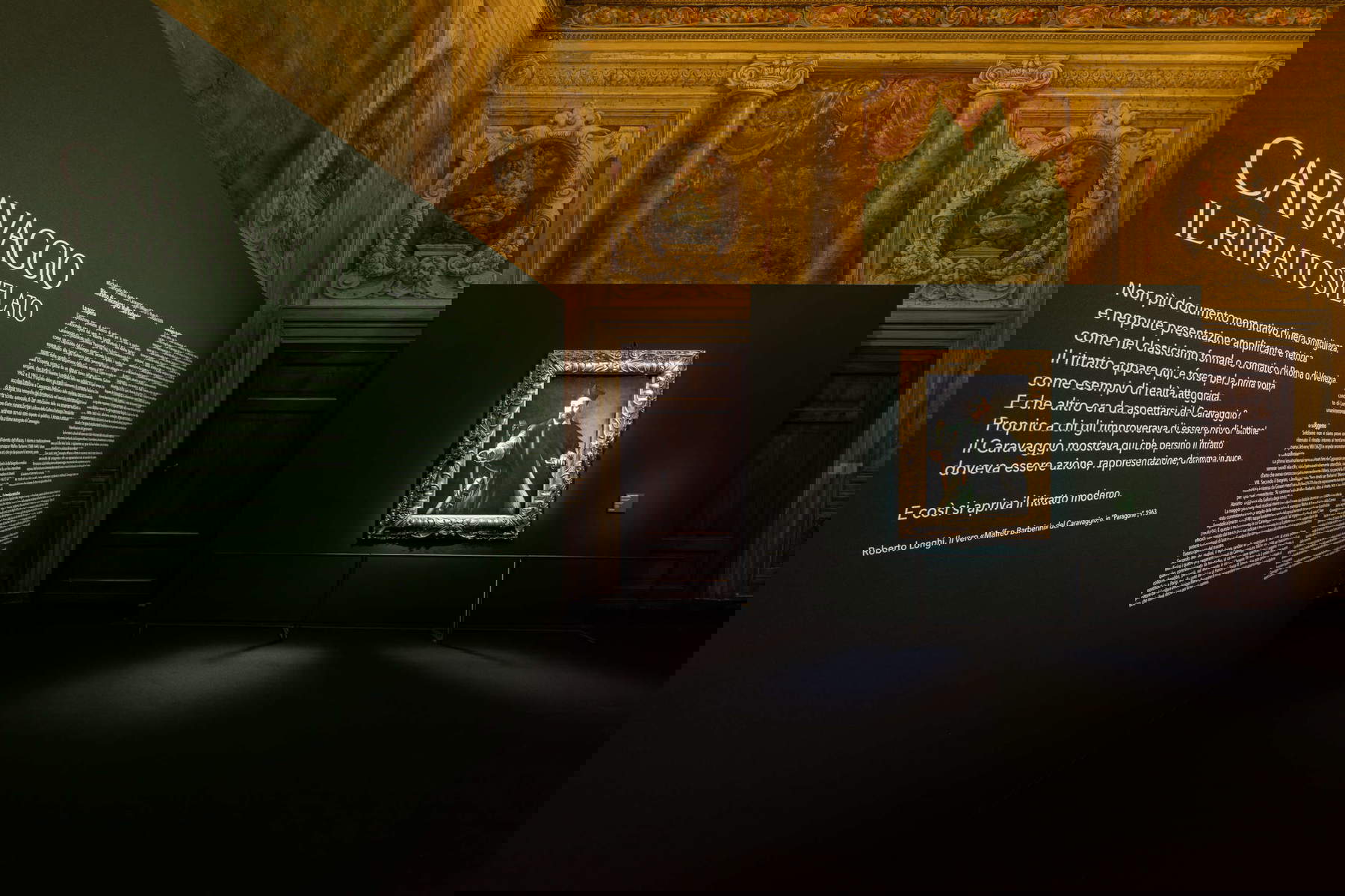
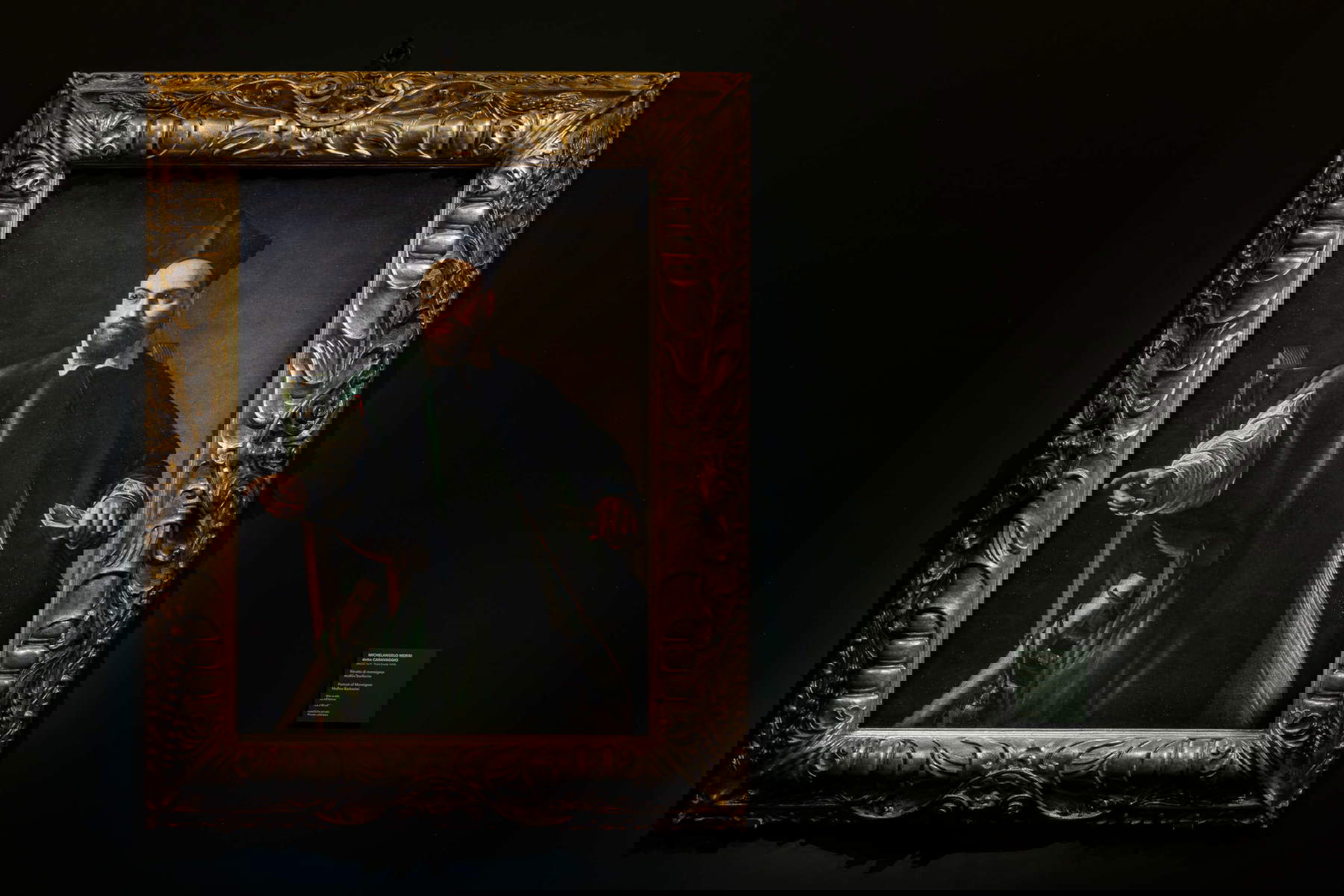
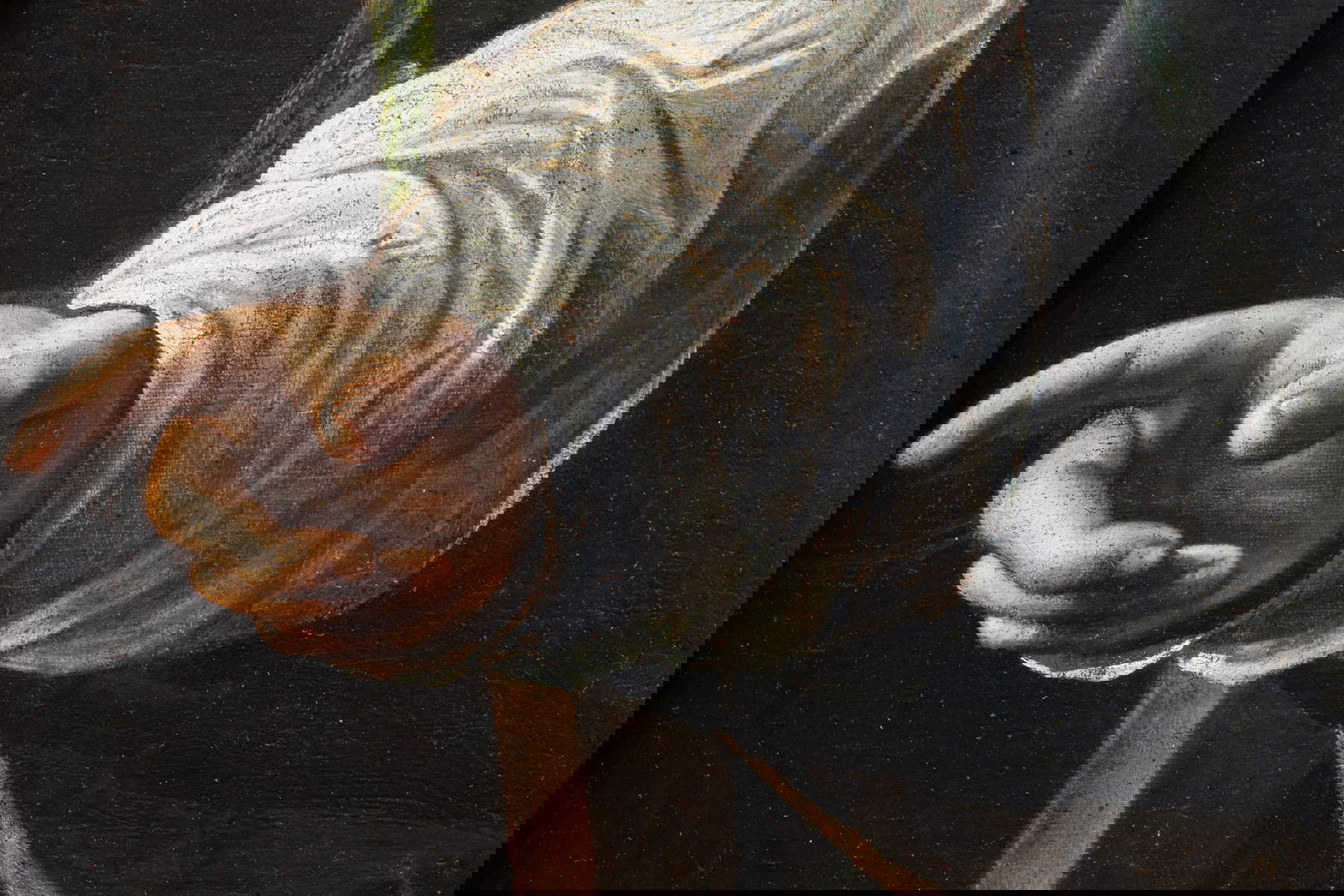
During the negotiation phase, thanks to an agreement with the owners, the painting had already been made visible to the public in the rooms of Palazzo Barberini. In fact, the work was on display for several months starting in November 2024 until the conclusion of the major exhibition CARAVAGGIO 2025, which registered more than 450,000 visitors. On that occasion, the scientific community and the public had the opportunity to take a close look at the painting, while Italian and international critics unanimously confirmed the attribution to Caravaggio, emphasizing its exceptional artistic value.
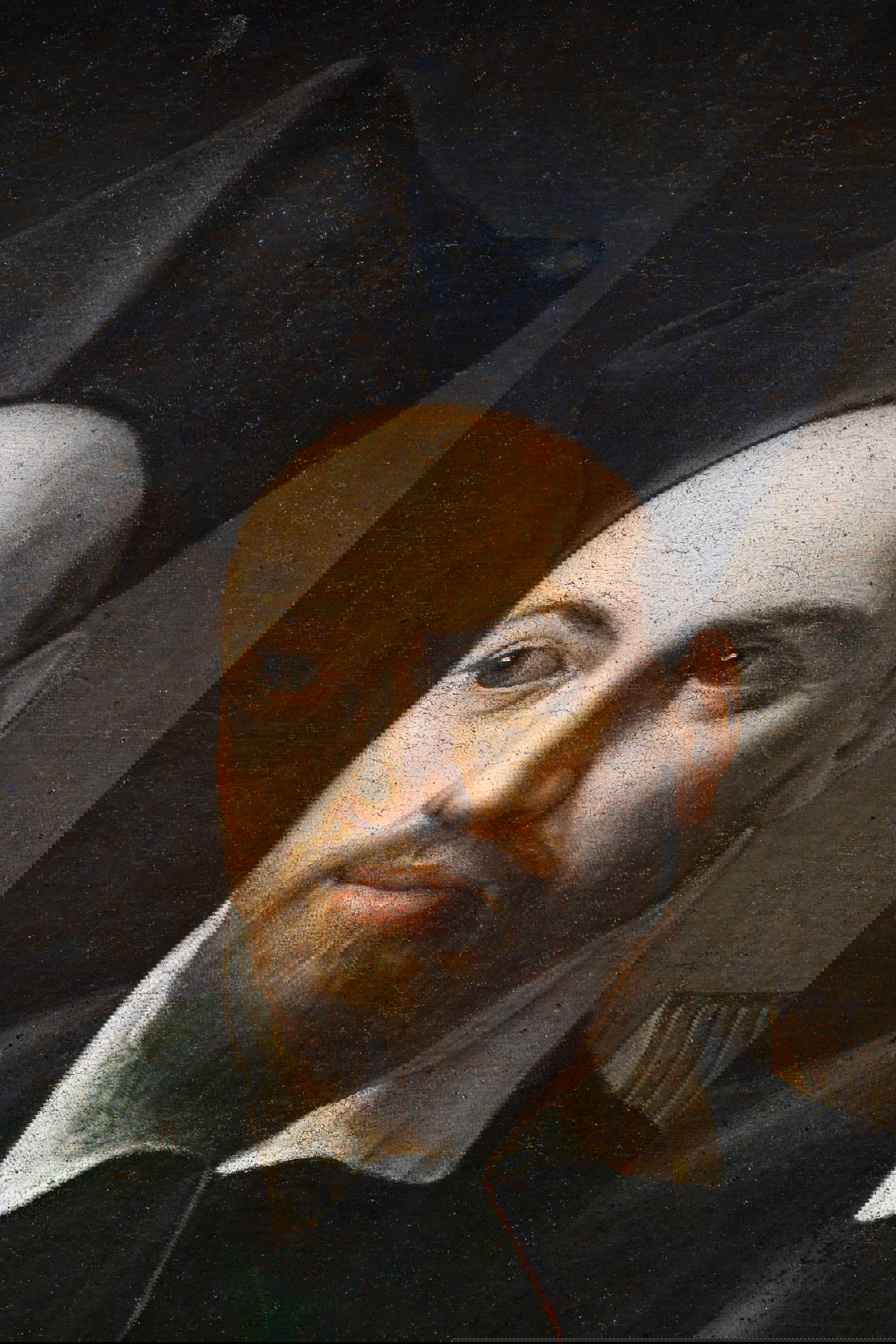
The Portrait of Monsignor Maffeo Barberini depicts the future Pope Urban VIII, who was born in 1568 and ascended to the papal throne in 1623. In the painting, the young Barberini appears around the age of 30, depicted in the guise of a cleric of the Apostolic Chamber, at a crucial stage of his career and his gradual rise to power within the Roman curia.
The work was first made known to the scholarly community by art historian Roberto Longhi, who in 1963 published the famous article Il vero “Maffeo Barberini” by Caravaggio in “Paragone.” Since then the painting has been widely recognized by critics as an autograph by Merisi. Longhi identified the portrait as one of the founding moments of modern portraiture, emphasizing how Caravaggio had succeeded in introducing a new psychological intensity into the representation of the subject, restoring the living presence of the character without resorting to rhetorical or celebratory elements.
In the small body of works attributed with certainty to Caravaggio, which numbers some sixty-five paintings preserved in museums and collections around the world, portraits constitute a particularly rare type. In fact, scholars recognize with certainty only three portraits painted by the artist. The Portrait of Monsignor Maffeo Barberini thus represents an exceptional testimony of this genre within the production of the Lombard master and offers a fundamental contribution to understanding the evolution of his pictorial language between the late 16th century and the early 17th century.
Inside Palazzo Barberini, the painting will in fact be able to dialogue with other Caravaggio masterpieces and with one of the most important collections of Caravaggesque painting in the world. In particular, it will enter into a direct relationship with the famous Judith Beheading Holofernes, another masterpiece by the master acquired by the Italian state in 1971. That operation represented a decisive moment in the modern rediscovery of Caravaggio and contributed decisively to strengthening the presence of his works in Italian public collections.
 |
| State buys Caravaggio's Portrait of Maffeo Barberini for 30 million for Palazzo Barberini |

Warning: the translation into English of the original Italian article was created using automatic tools. We undertake to review all articles, but we do not guarantee the total absence of inaccuracies in the translation due to the program. You can find the original by clicking on the ITA button. If you find any mistake,please contact us.














 IT
IT FR
FR DE
DE ES
ES CN
CN