





The Egyptian archaeological mission of the Supreme Council of Antiquities, working at the site of Al-Qariah Bil-Dueir, in the Tama district, Sohag governorate, Egypt, has unearthed the remains of a complete monastic residential complex, datable to theByzantine period, as part of ongoing excavation activities. The investigations have identified building structures made of mudbrick, which can be traced to a stable and organized settlement attributable to a monastic community active at the site during this historical period. The discovery represents a new contribution to our knowledge of the archaeological heritage ofUpper Egypt, particularly of areas that have hitherto been little investigated scientifically. Minister of Tourism and Antiquities Sherif Fathi said the find testifies to the richness and variety of Egypt’s cultural heritage through different historical periods and is part of the ministry’s strategies to enhance cultural tourism and promote lesser-known archaeological sites.
Mohamed Ismail Khaled, secretary general of the Supreme Council of Antiquities, stressed the importance of the find for its contribution to the understanding of monastic life in Upper Egypt during the Byzantine era. Indeed, the preliminary results of the excavations indicate the existence of a structured pattern of settlement and daily life, suggesting the presence of a stable monastic community within the identified buildings. Going into the details of the structures instead, Mohamed Abdel Badi, head of the Egyptian Antiquities Sector of the Supreme Council of Antiquities, reported that the mission identified buildings of rectangular plan constructed of mud brick, oriented from west to east, with dimensions varying between about 8 × 7 meters and 14 × 8 meters. The buildings have rectangular rooms and, in some cases, spaces resembling apses or oriental niches intended for prayer. Small rooms with vaulted roofs have also been identified, which may have been used as cells or rooms for the devotional practice of the monks. The walls retain traces of plaster and have niches and wall cavities, while the floors appear to have been made with layers of mortar. Some buildings show the presence of courtyards on the southern side, in which the main entrances opened. Small buildings of circular shape have also been identified, interpreted as spaces intended for the consumption of meals by the monks.
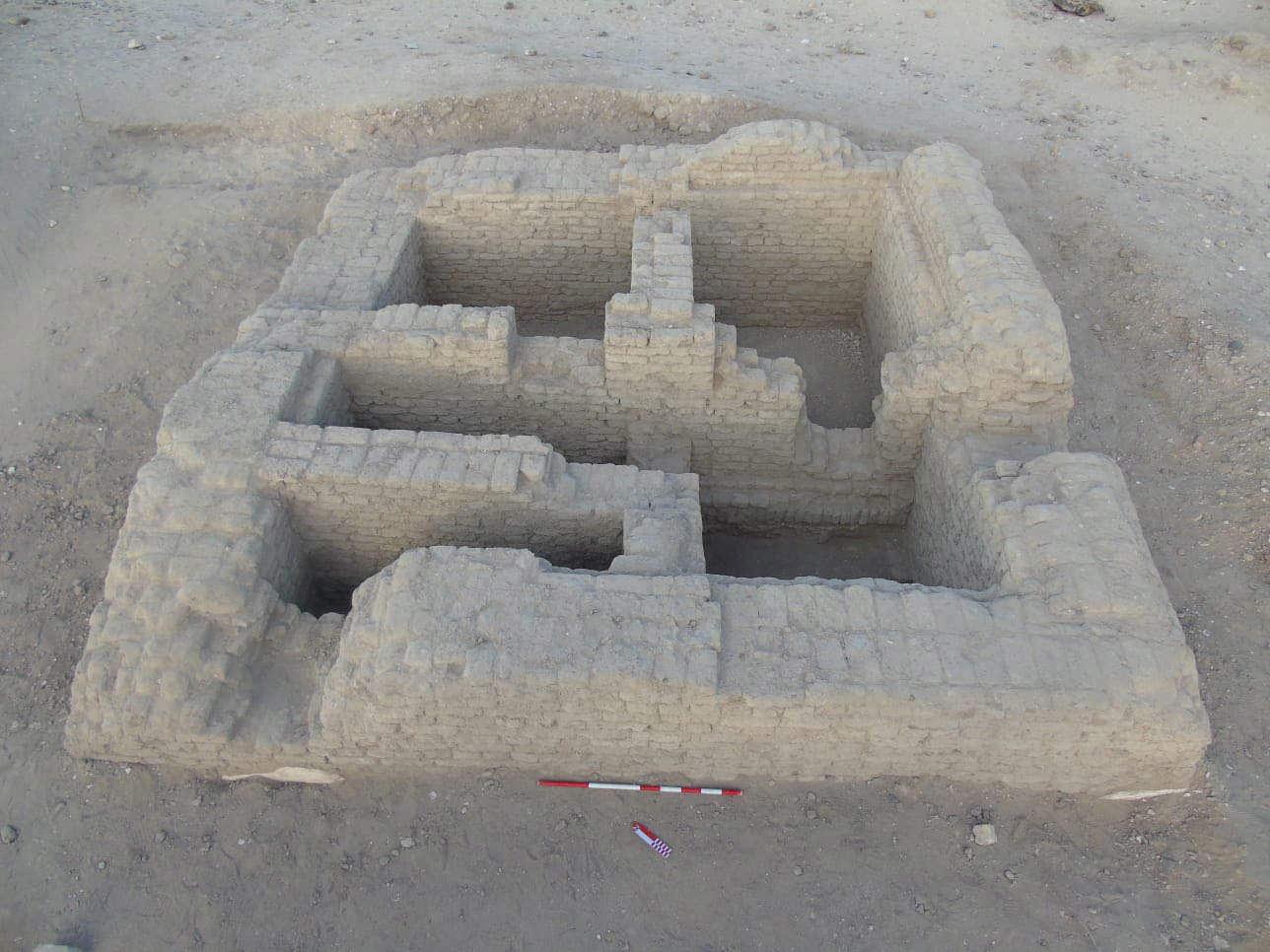
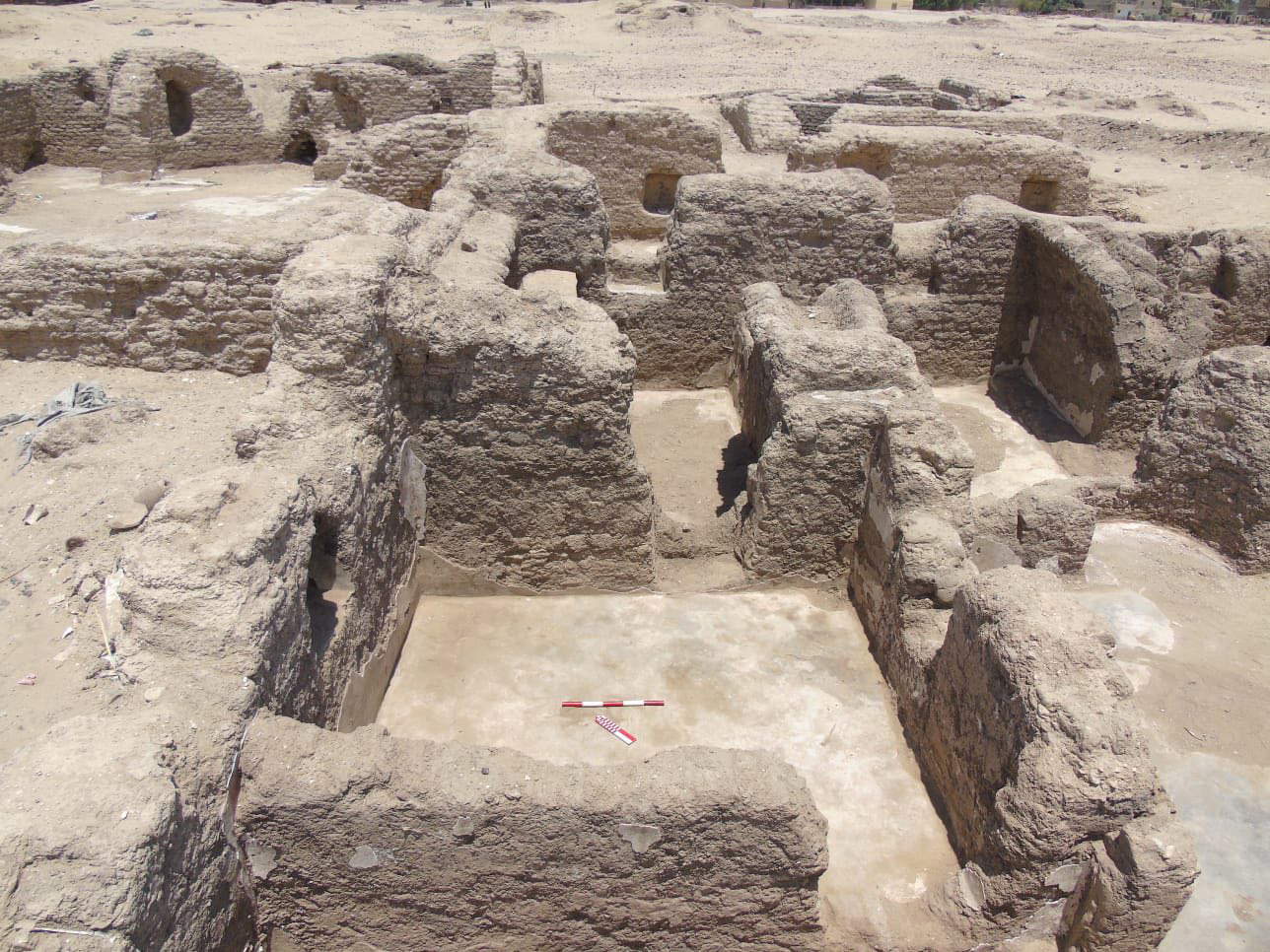
Sohag Antiquities Director General Mohamed Nagib added that the excavations also uncovered remains of structures consisting of tanks made of red brick and limestone, covered with a layer of red mortar, probably used for water storage or for production-type activities related to the site. A mud-brick building, oriented from east to west, with approximate dimensions of 14 × 10 meters, was also identified and interpreted as the main church of the monastic complex.
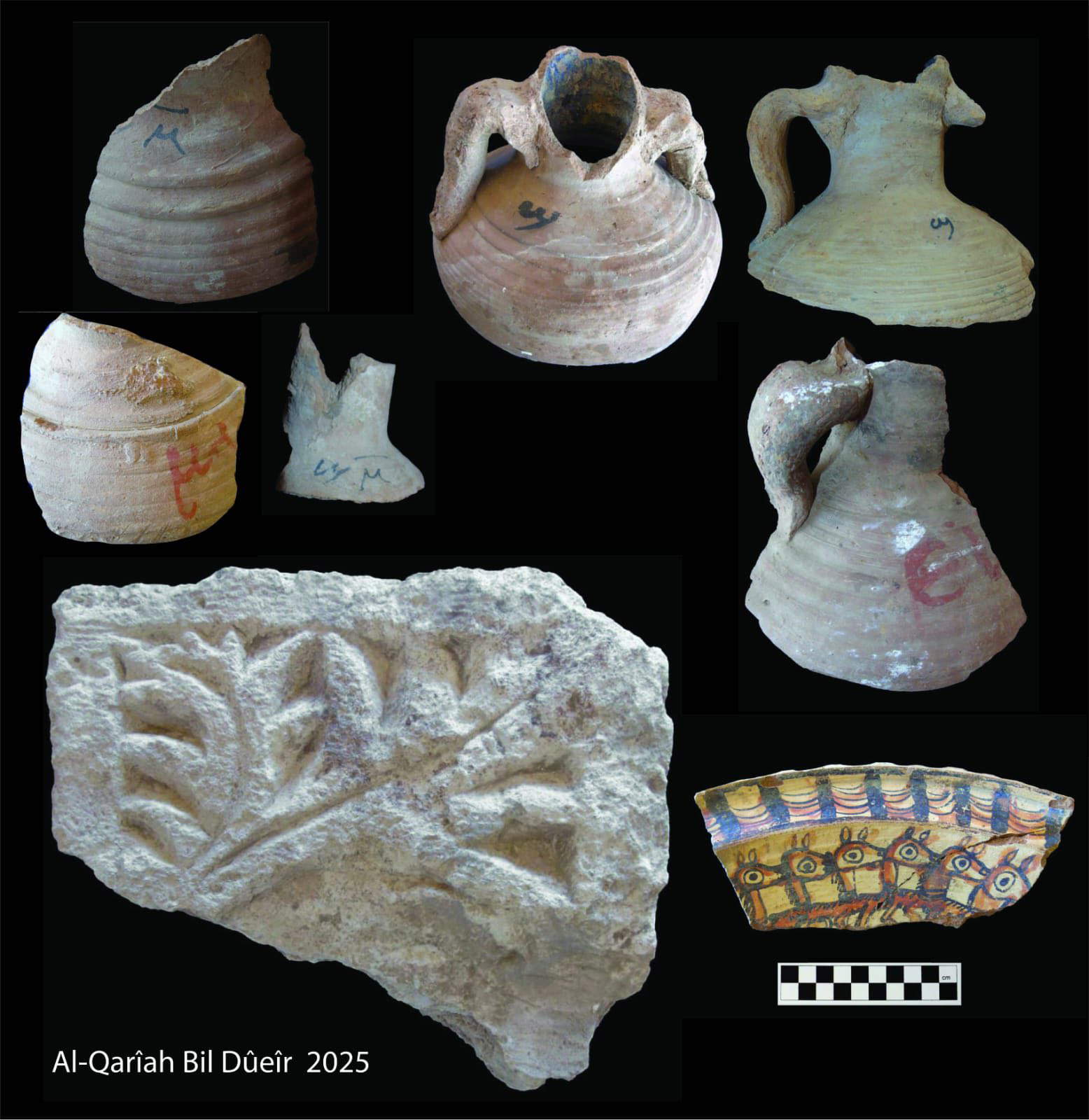
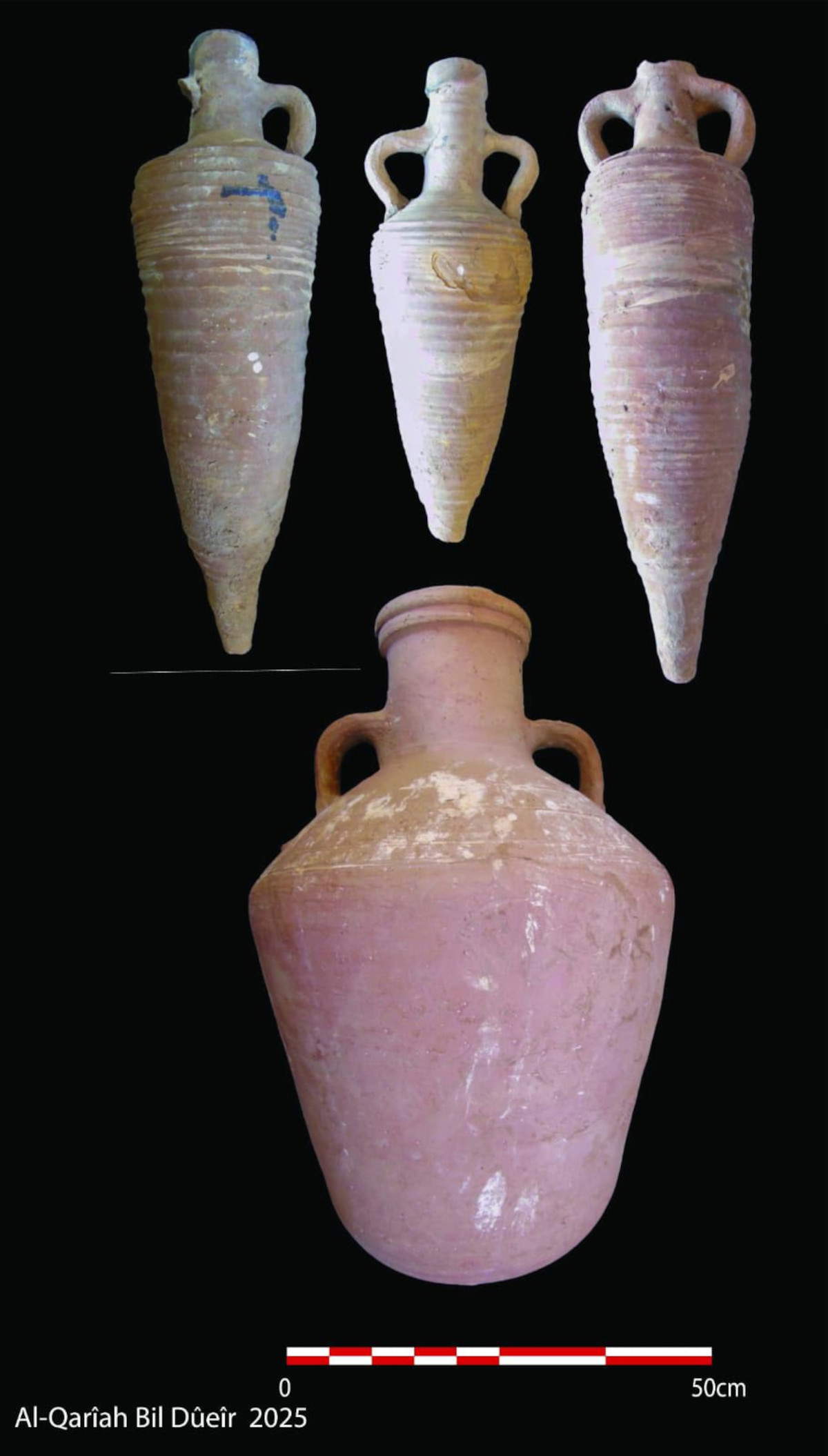
According to the findings, the church building was divided into three main sectors: the nave, the choir and the sanctuary. In the nave, bases of mud-brick pillars were found, indicating the original presence of a central dome. The sanctuary, located in the center of the eastern side, has a semicircular plan and is flanked by two side rooms, in line with the architectural types of churches of the period. Finally, the mission chief, Walid El-Sayed, reported that numerous archaeological finds were recovered during the excavations, including storage amphorae, some of which bore inscriptions that could correspond to letters, numbers or names engraved on the shoulders of the containers. Also unearthed were ostrakas, fragments of pottery used as a writing medium in antiquity, with Coptic language inscriptions, utensils for everyday use, stone fragments traceable to architectural elements, and parts of limestone slabs engraved with Coptic script texts.
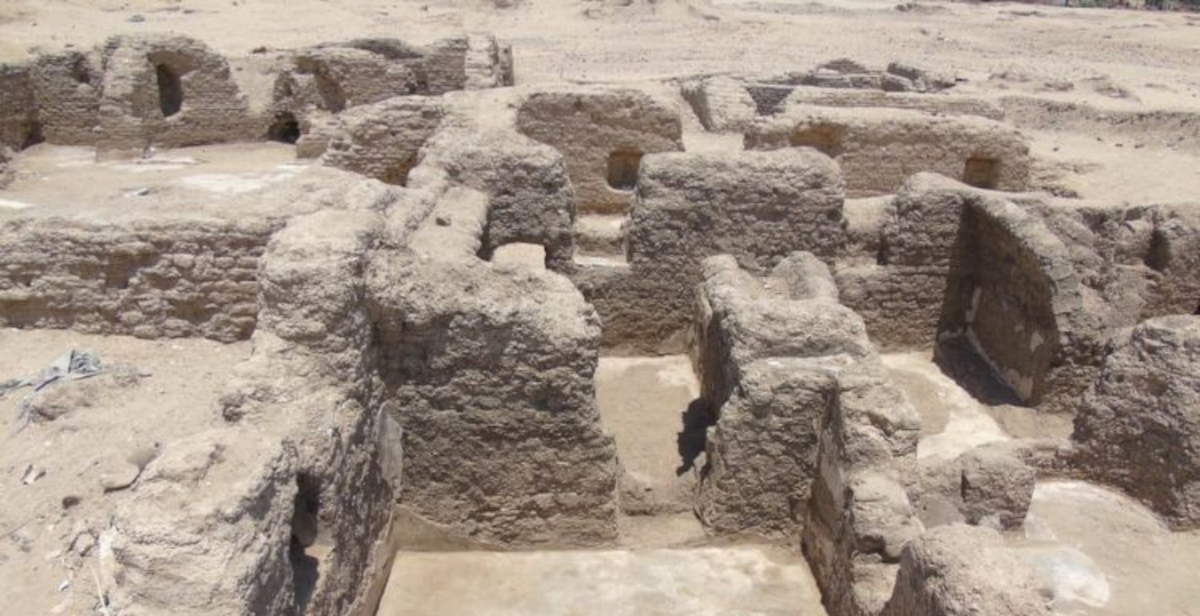 |
| Byzantine-era residential monastic complex discovered in Sohag, Egypt |

Warning: the translation into English of the original Italian article was created using automatic tools. We undertake to review all articles, but we do not guarantee the total absence of inaccuracies in the translation due to the program. You can find the original by clicking on the ITA button. If you find any mistake,please contact us.


















 IT
IT FR
FR DE
DE ES
ES CN
CN


