





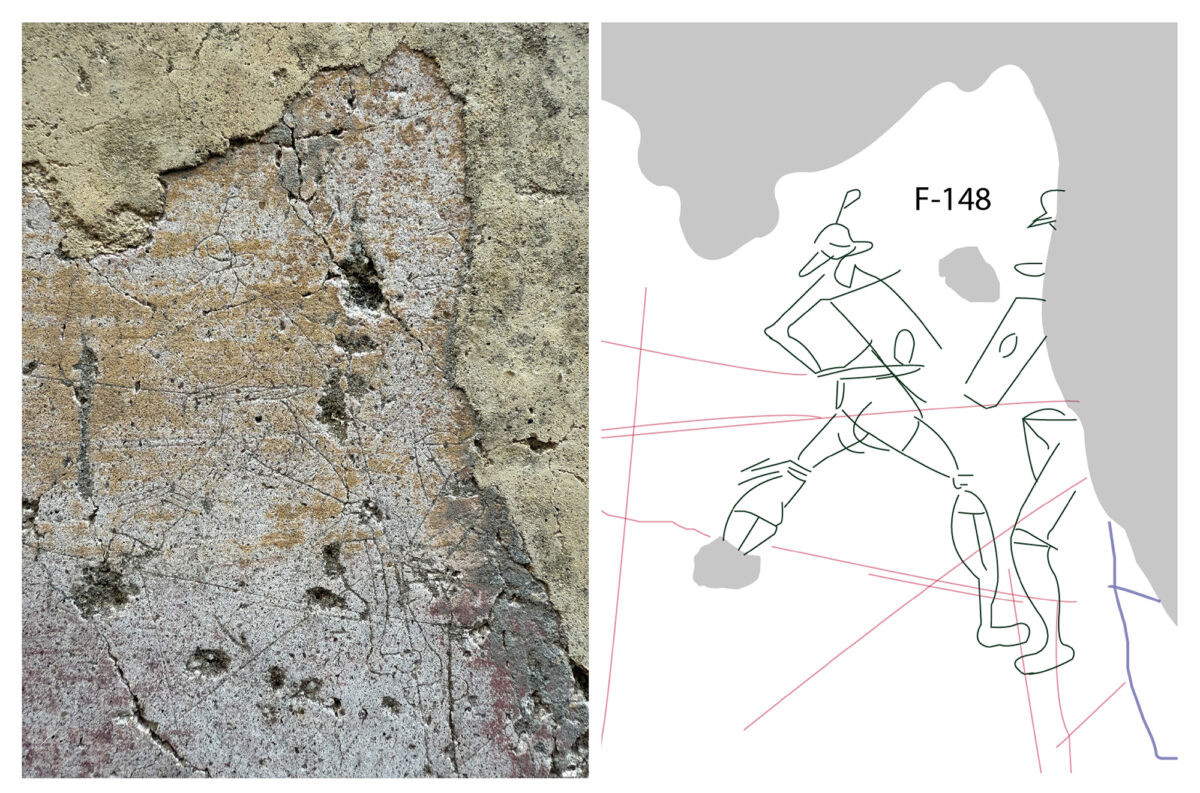
A declaration of love by a woman named Erato, a depiction of a gladiator fight, and many other fragments of daily life fixed on a wall in the theater district of Pompeii Archaeological Park. Tales of love, passions, offenses and sports cheering that could have disappeared forever but instead are coming to light again in Pompeii thanks to new technologies. The discoveries involve the passageway between the area of the theaters and Via Stabiana, a wall excavated more than 230 years ago, past which millions of visitors have passed. Right here, through innovative research methods, nearly 300 inscriptions have been identified: about 200 already known and 79 recently emerged.
The project, entitled Bruits de couloir (Voices of the corridor), was conceived by Louis Autin and Éloïse Letellier-Taillefer of the University of the Sorbonne and Marie-Adeline Le Guennec of the University of Quebec in Montréal, in collaboration with the Pompeii Archaeological Park. As reported in theE-Journal of the Pompeii Excavations, the research took place in two campaigns, in 2022 and 2025, which made possible a new comprehensive reading of the exceptional corpus of graffiti found in this passage space. The investigation is based on a multidisciplinary approach combining epigraphy, archaeology, philology, and digital humanities.
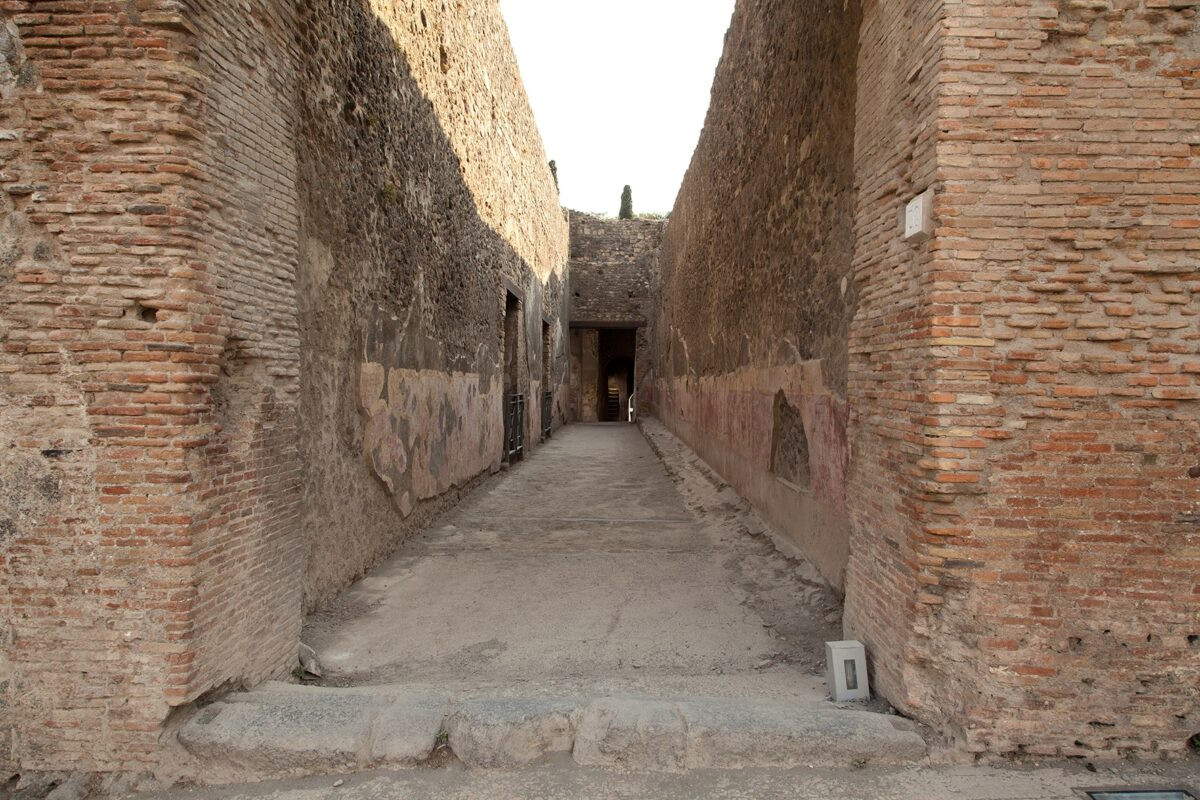
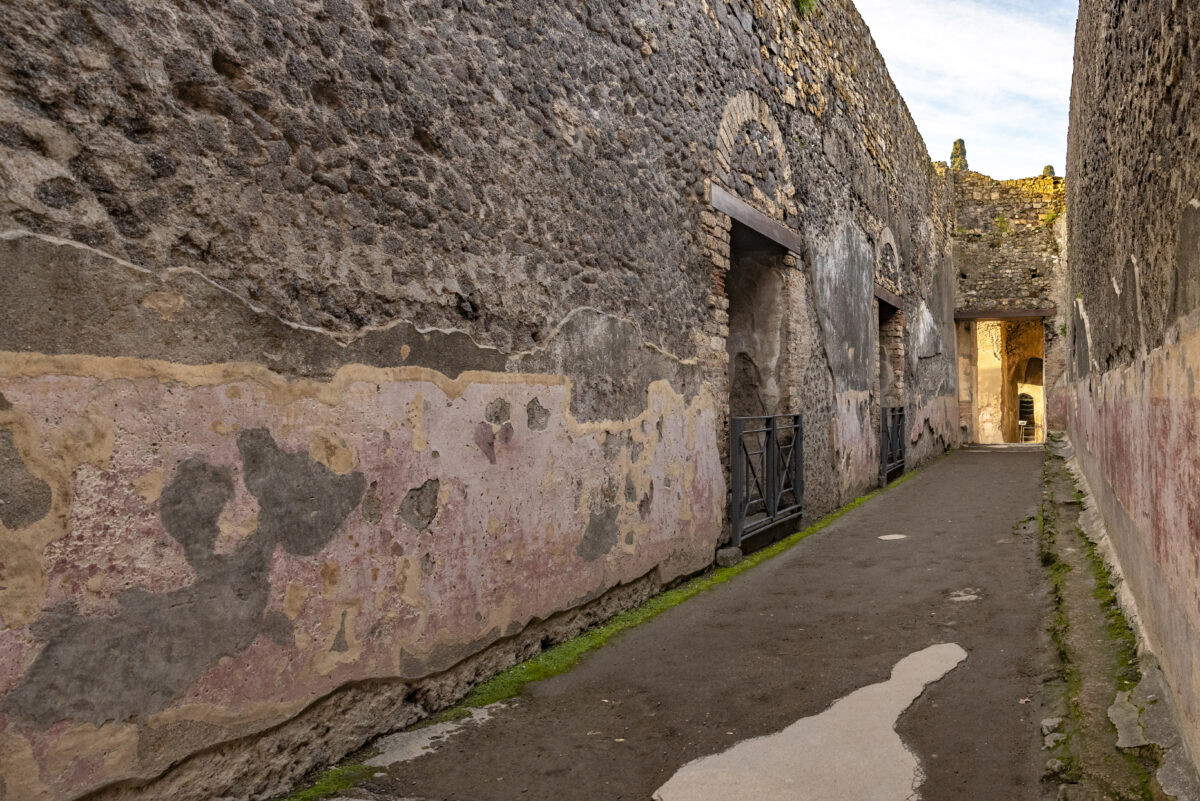
The methodology employs a virtual grid to map the spatial and thematic relationships among the inscriptions and uses the Reflectance Transformation Imaging (RTI) technique, which allows surfaces to be photographed at different angles of light. In this way, what escapes the naked eye becomes visible, demonstrating how, more than two centuries after the excavation, Pompeii still continues to tell stories. In parallel, this procedure is essential for the digital preservation of extremely fragile evidence.
The creation of a 3D platform integrating photogrammetry, RTI data and epigraphic metadata will lead to the development of a new tool for the joint visualization and annotation of inscriptions. To ensure better protection of this extraordinary epigraphic complex, which was found in 1794, the Pompeii Archaeological Park has also planned to build a cover for the corridor, so as to protect the engraved plasterwork and facilitate an integrated visiting experience in the future with the technologies developed by the latest research.
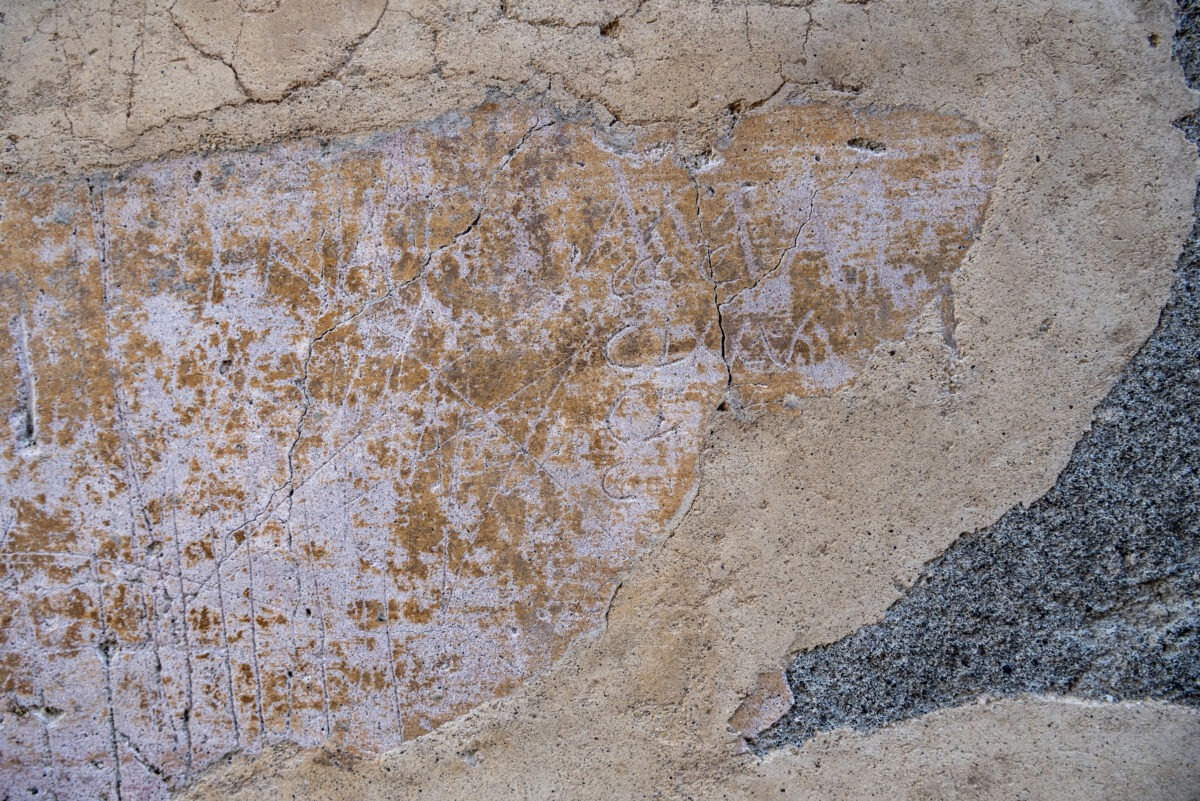
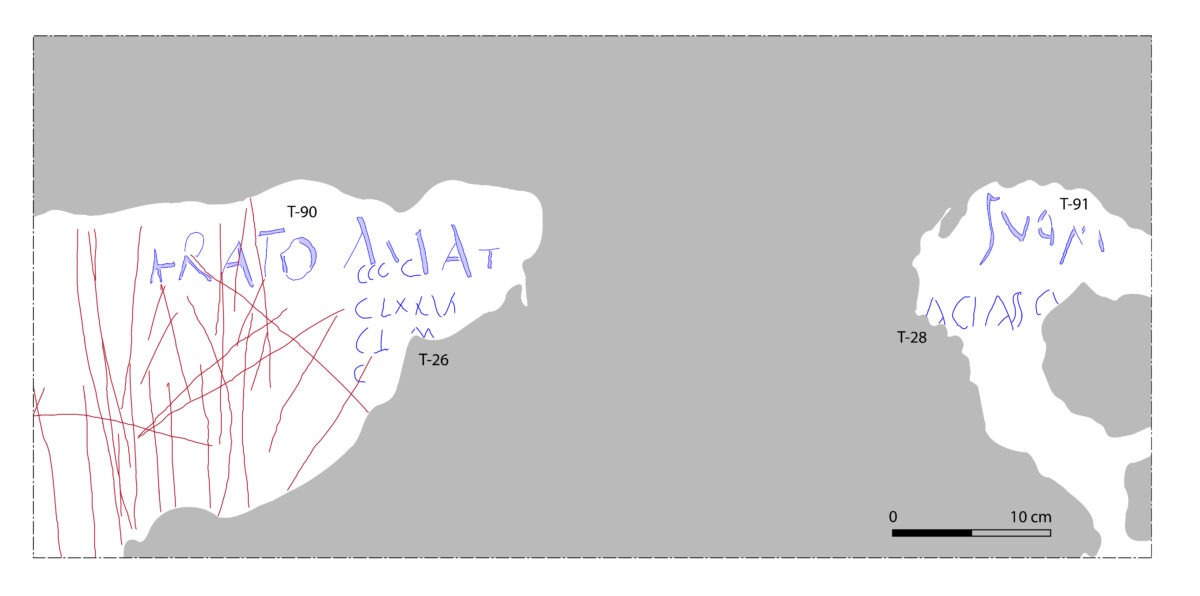
“I am in a hurry; take care, my Sava, make her love me!”, “Methe, (slave) of Cominia, of Atella, loves Cresto in her heart. May the Venus of Pompeii be propitious to both of them, and may they always live in harmony”: these are just a few examples, among those previously known, that attest to the vitality, the multiplicity of interactions and forms of sociability, which developed in a public space so frequented by the inhabitants of ancient Pompeii.
“Technology is the key that opens new rooms of the ancient world for us, and those rooms we also have to tell the public about,” said Park Director Gabriel Zuchtriegel. “We are working on a project to protect and enhance the inscriptions, which throughout Pompeii are more than 10,000, an immense heritage. Only the use of technology can guarantee a future for all this memory of life lived in Pompeii.”
|
| Pompeii, thanks to new technologies ancient inscriptions resurface in the theater district |

Warning: the translation into English of the original Italian article was created using automatic tools. We undertake to review all articles, but we do not guarantee the total absence of inaccuracies in the translation due to the program. You can find the original by clicking on the ITA button. If you find any mistake,please contact us.






























 IT
IT FR
FR DE
DE ES
ES CN
CN


