





On the occasion of the XXV Olympic Winter Games in Milan Cortina 2026, scheduled for Feb. 6-22, CONI, the Italian National Olympic Committee, renews and expands the project of Casa Italia, the traditional headquarters of the Italian Olympic team, transforming it into an experience open for the first time also to the public. A traditional home for athletes and a symbolic place for Italian sporting celebrations during the Games, Casa Italia, this year dedicated to the theme of the Muse, a tribute to the inspirational role Italy plays on world culture, presents itself this year as a space for meeting and sharing, designed to tell the story of Olympic Italy and the country through a continuous dialogue between sport, culture, art, architecture, design, gastronomy, innovation and sustainability.
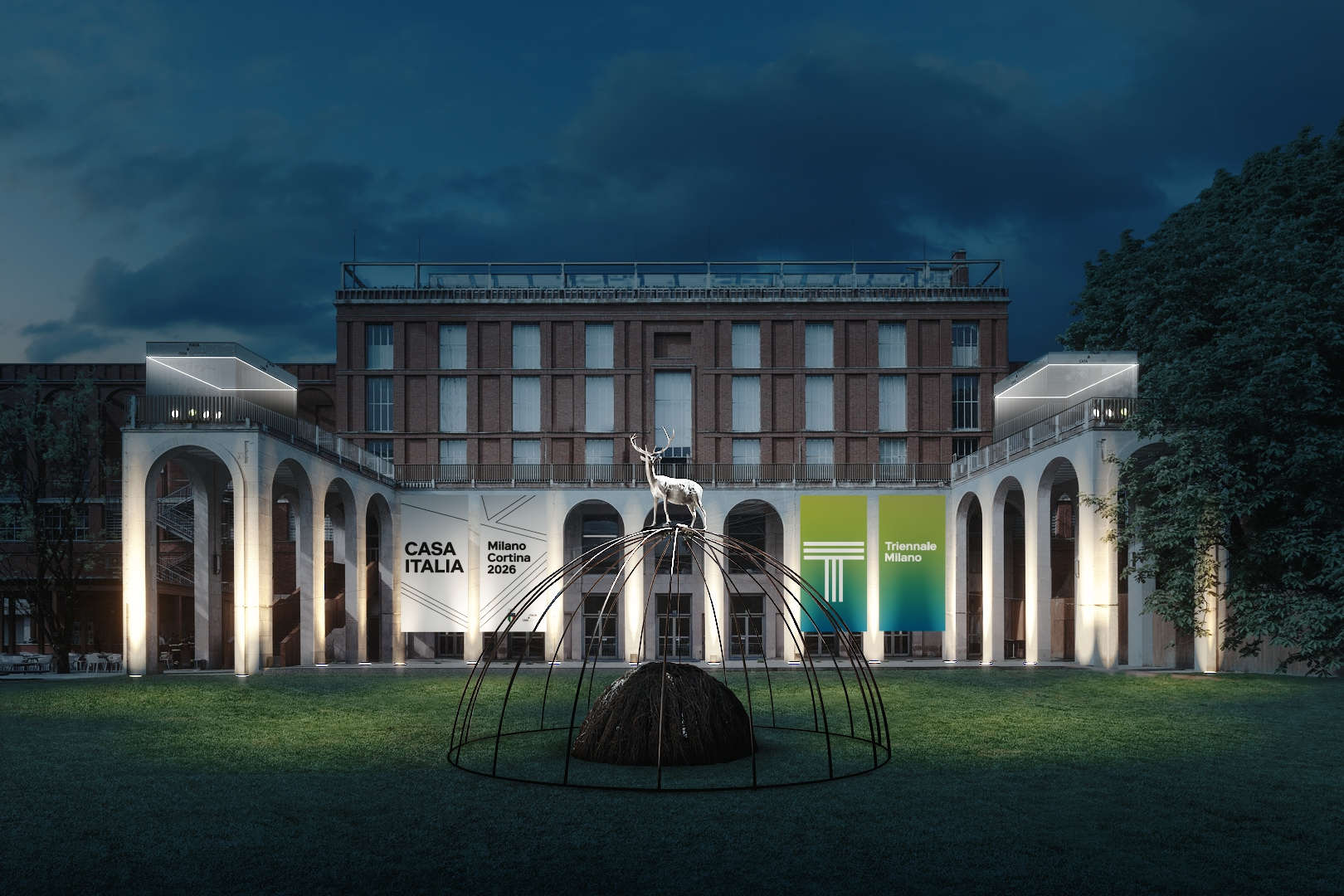
The project is developed in three locations emblematic of the Olympic venues: the Triennale in Milan, the Aquagranda Olympic Preparation Center in Livigno and Farsettiarte in Cortina d’Ampezzo, creating an integrated system of spaces and content. An itinerary that accompanies the public into the heart of the Games and aims to enhance, on the international stage, Italy’s cultural, artistic and human heritage, relating different disciplines and languages within a single narrative.
“Muse” is meant to be a direct reminder of the beauty, history and creativity that have made the country a globally recognized reference. Indeed, in the classical tradition, the Muses guard memory, nurture knowledge and transform thought into harmony through the arts. A symbol of creative insight and knowledge, they represent inspiration that spans time and generates vision. In this perspective, Casa Italia chooses Musa as the key to tell the story of Italy as a continuous source of inspiration.
The project intends to return the image of a country characterized by a unique biodiversity, by landscapes that ideally cross North and South of the world and by a millenary history stratified in different cultures, languages and traditions. An Italy that has continued over the centuries to influence travelers, artists and thinkers and that is now proposed as a place capable of welcoming and enhancing diversity, one of the founding values of the International Olympic Committee.


Musa also represents the point of arrival of an evolutionary process started in 2016, which has gradually transformed Casa Italia from a simple “Hospitality House” to a major cultural project. A path that has seen a succession of concepts capable of telling the story of Italian culture and the country system through its excellences. From Rio 2016 with Horizontal, dedicated to the contamination between cultures, to PyeongChang 2018 with Prospectum, an expression of the Italian point of view in the dialogue between civilizations, up to Tokyo 2020 with Mirabilia, focused on wonder as an identity figure, Beijing 2022 with Millium, which used travel as a metaphor for growth, and Paris 2024 with Ensemble, dedicated to harmony and dialogue between languages. With Milan Cortina 2026, Casa Italia returns to Italy and Musa represents its conscious synthesis, consolidating a ten-year path that strengthens the role of Casa Italia as a cultural and institutional platform, complementary to sport and projected into a dimension of global relevance.
Developing this unified concept, Casa Italia declines a single artistic project in the three venues, transforming them into scenic and emotional paths in which sport, nature, art, architecture, furniture design and lighting design dialogue coherently. Real exhibition projects involving a wide range of Italian and international artists take shape within the spaces. It will thus be possible to see the works of Claudio Abate, Camilla Alberti, Juan Araujo, Arman, John Armleder, Pablo Atchugarry, Atelier dell’Errore, Matteo Attruia, Per Barclay, Giulio Bensasson, Ruth Beraha, Jessie Boswell, Fernando Botero, Stefano Cerio, César, Christo and Jeanne-Claude, Tristano di Robilant, Binta Diaw, Ifeyinwa Joy Chiamonwu, Elmgreen & Dragset, Slawomir Elsner, Bekhbaatar Enkhtur, Elger Esser, Chung Eun-Mo, Gelitin, John Giorno, Itamar Gov, Wang Haiyang, Keith Haring & L.A. II, Craigie Horsfield, Bryan Hunt, Carlos Idun-Tawiah, JR, Hayv Kahraman, William Kentridge, Jannis Kounellis, Susanne Kutter, Miltos Manetas, Roberto Sebastian Antonio Matta Echaurren, Gerhard Merz, Mario Merz, Jonathan Monk, Davide Monteleone, Vik Muniz, Shirin Neshat, Denis Oppenheim, Adrian Paci, Park Eun Sun, Yan Pei-Ming, Alejandra Varela Perera, Alessandro Piangiamore, Laura Pugno, Davide Rivalta, Ugo Rondinone, Anri Sala, Eva Sajovic, Daniel Spoerri, Thomas Struth, Hiroshi Sugimoto, Newsha Tavakolian, Lihi Turjeman, Tursic & Mille, Cy Twombly, Ai Weiwei, Uwe Wittwer, Sislej Xhafa.
The exhibition at the Milan Triennale is divided into nine sections, each dedicated to an inspirational muse of an artistic discipline, from language to architecture, from figurative arts to landscape, from taste to music, from dramatic art to innovation to sports. The representation of each muse is entrusted to an object from the Olympics from the Olympic Museum in Lausanne, underscoring how the values expressed in each section are shared and promoted by the Olympic Movement. An approach that directly recalls the vision of Pierre de Coubertin, founder of the modern Olympics, who conceived sport in close relationship with art, taking up the model of ancient Greece.
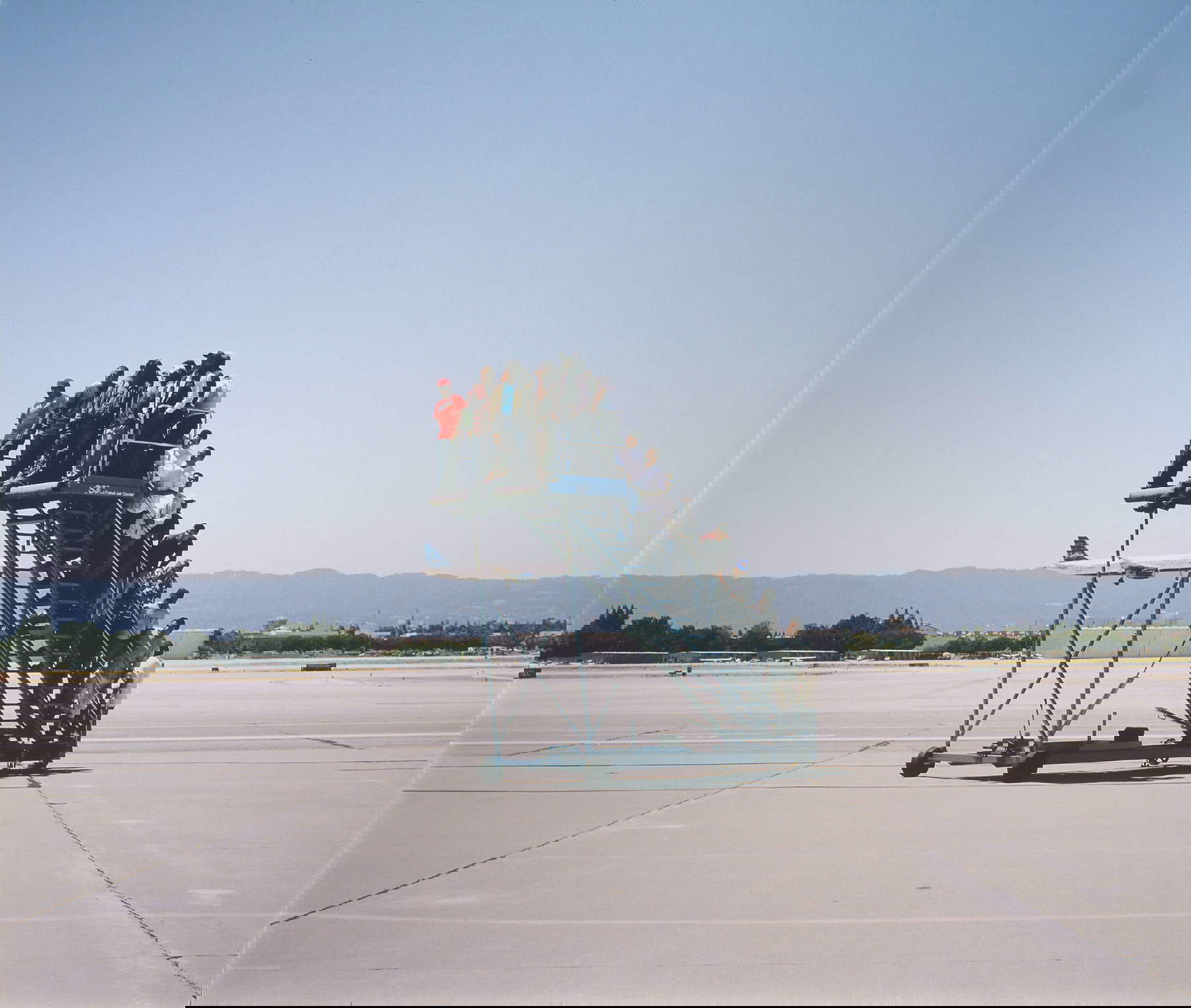
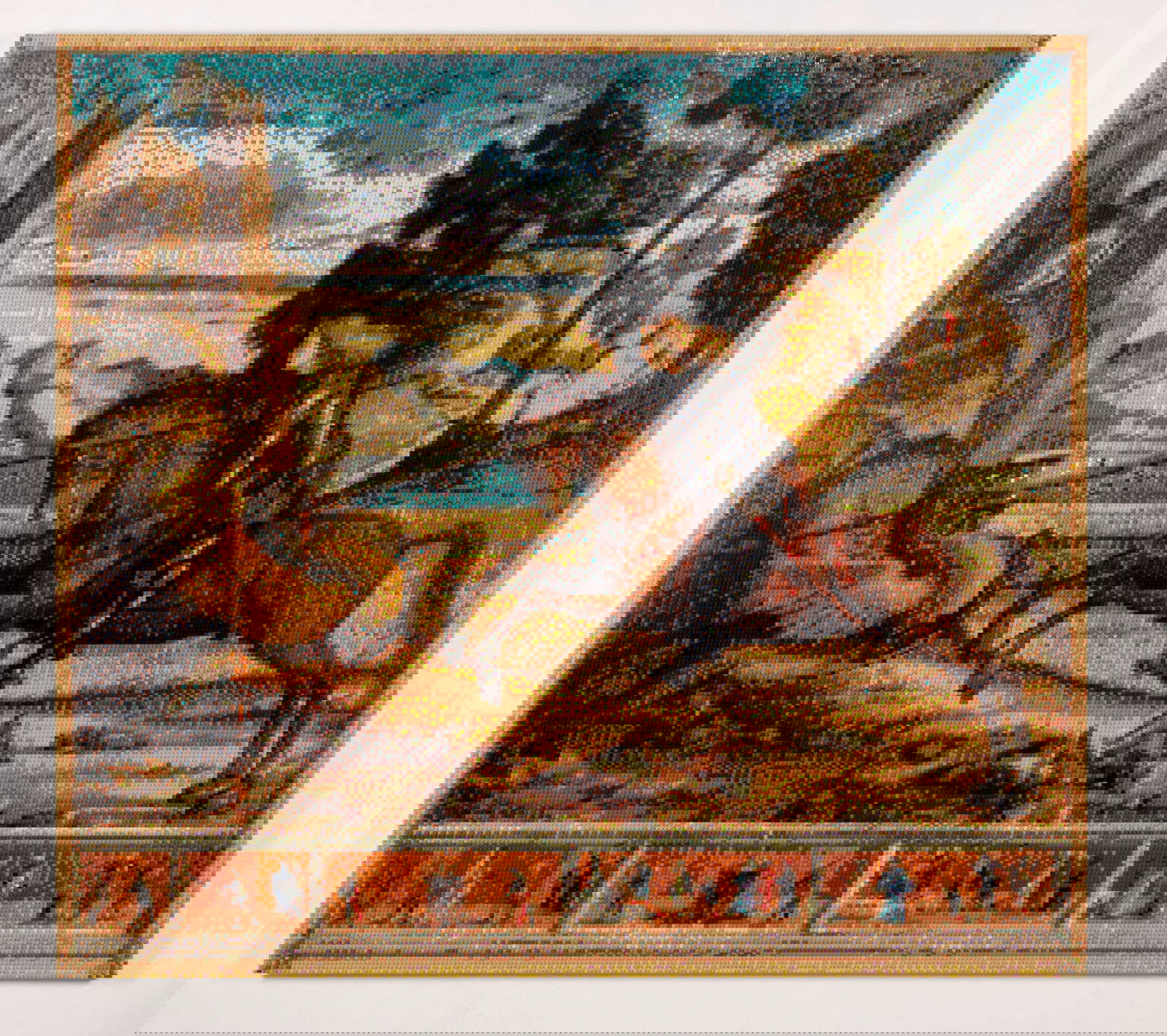
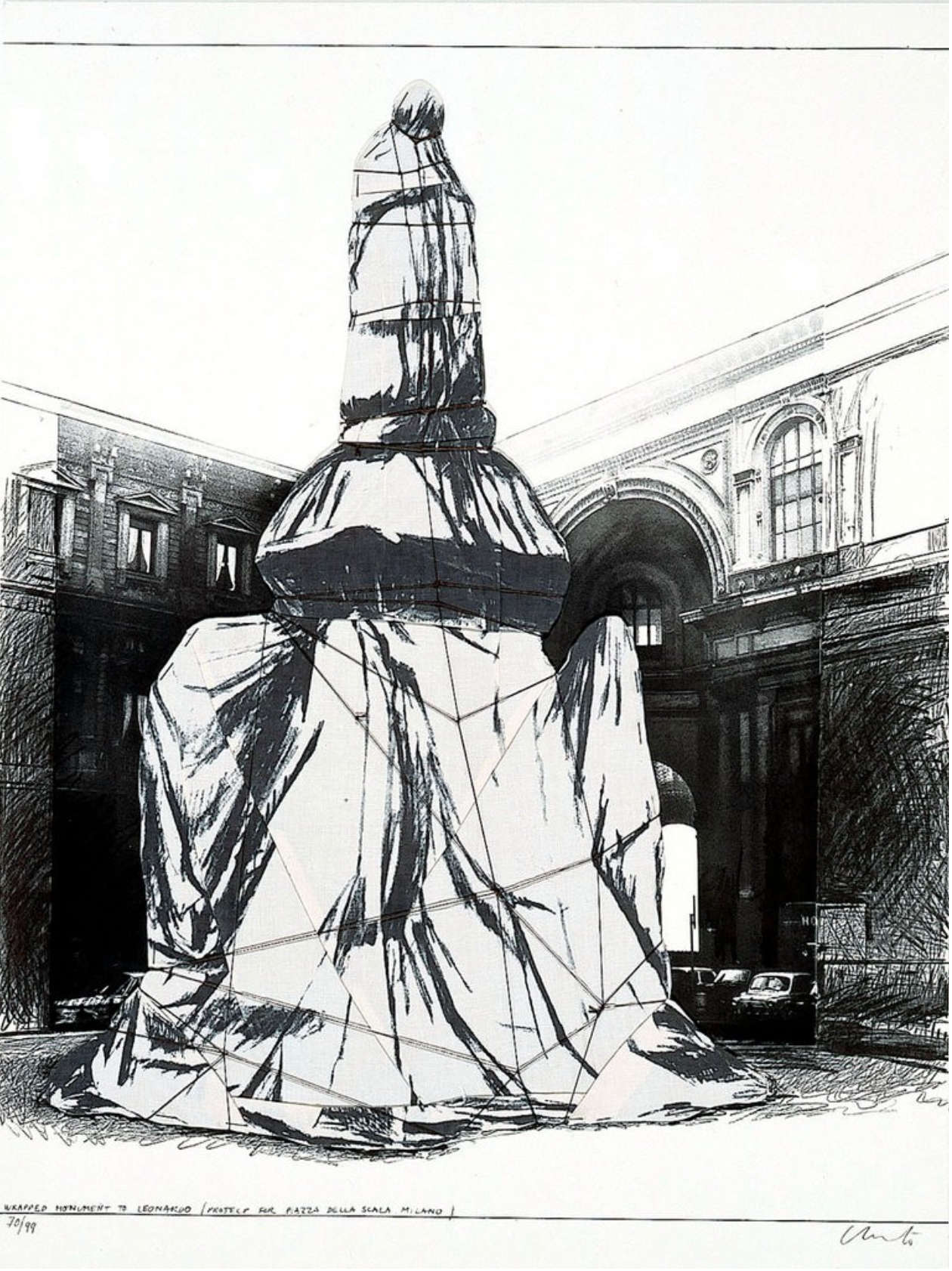
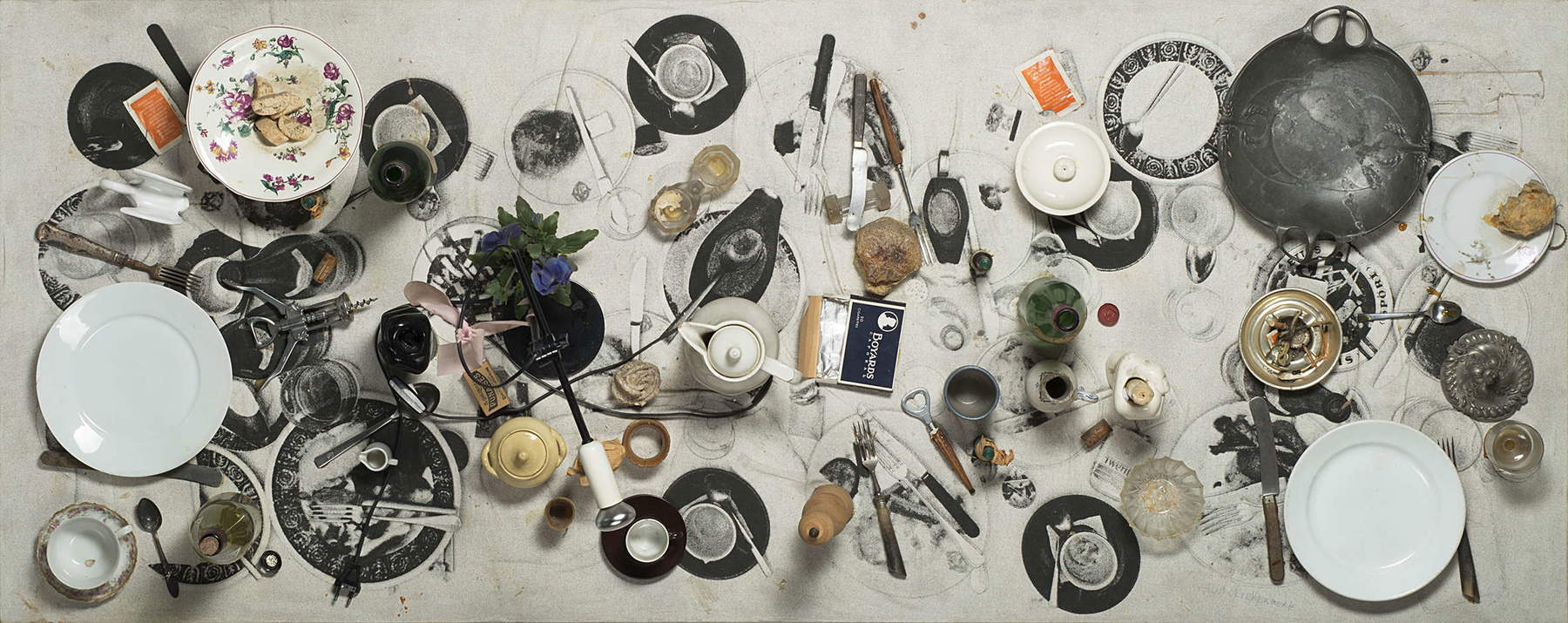
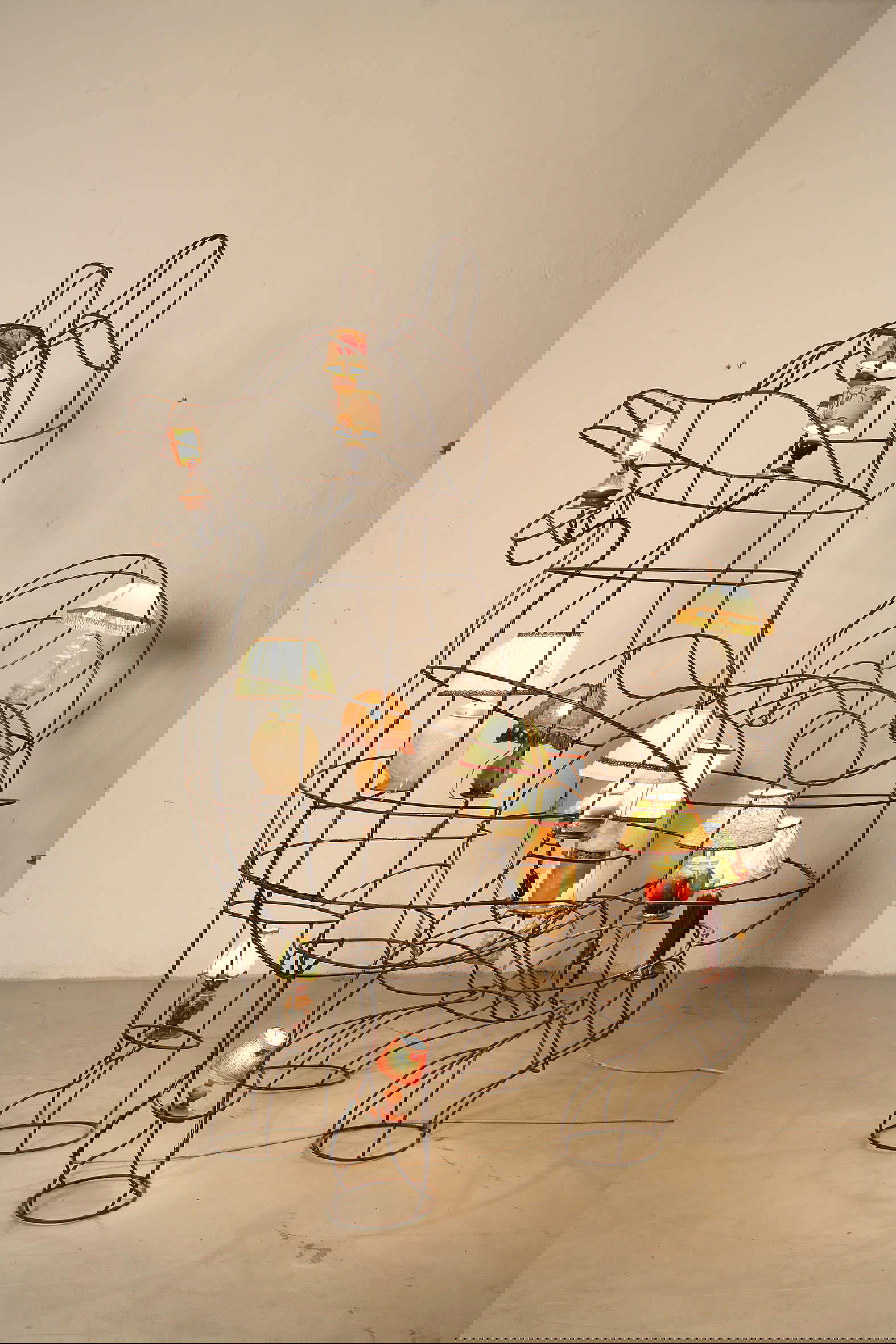
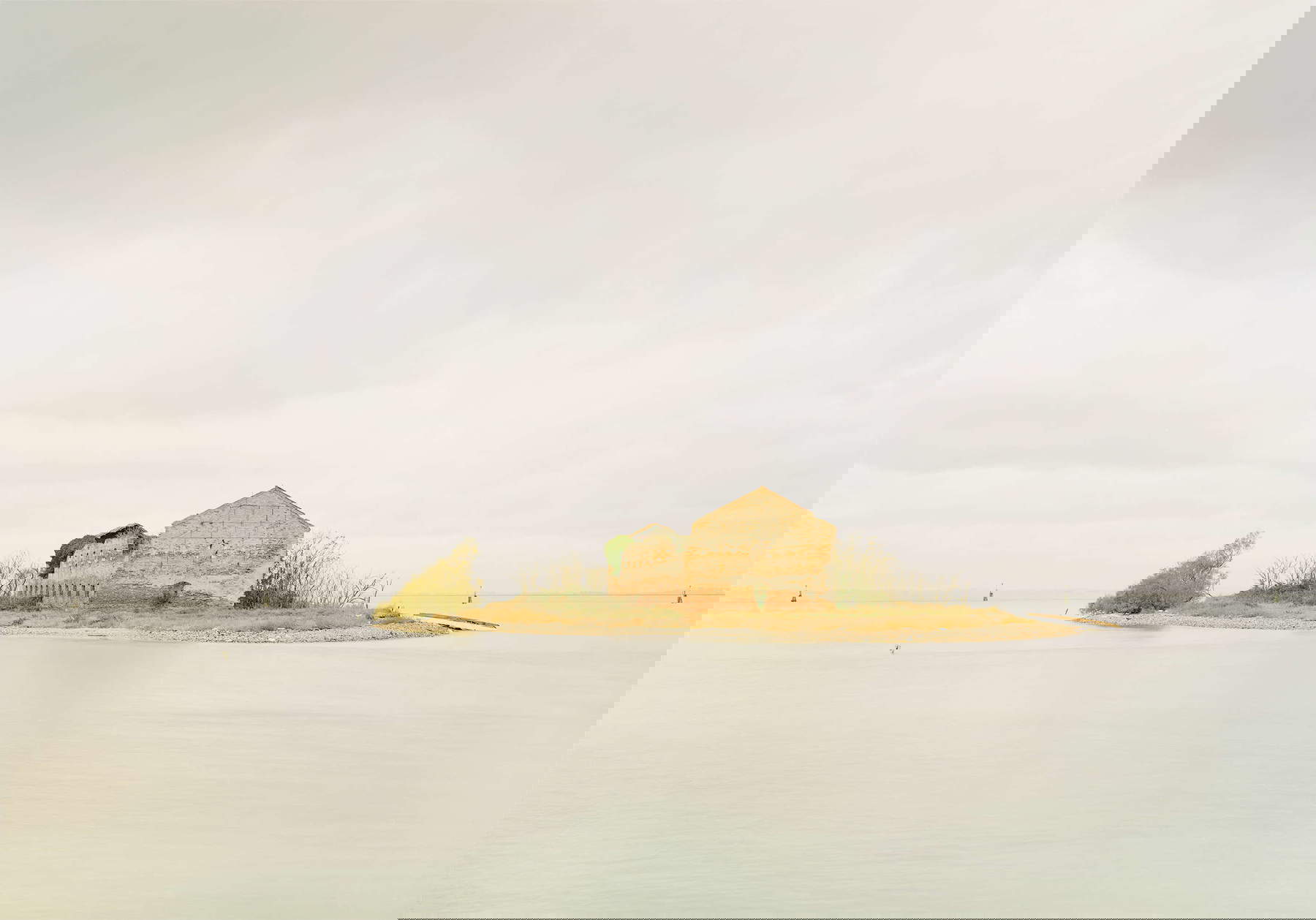
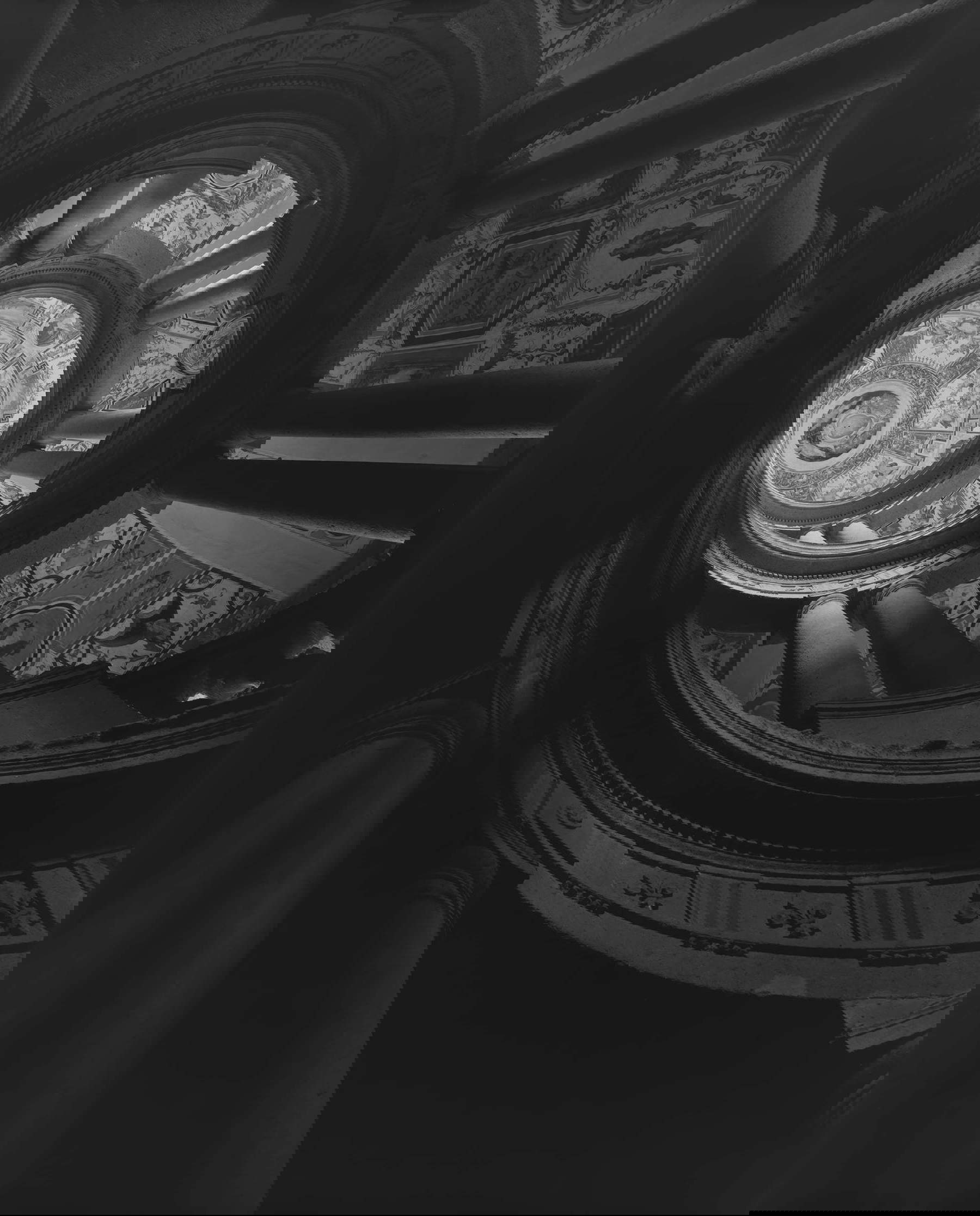
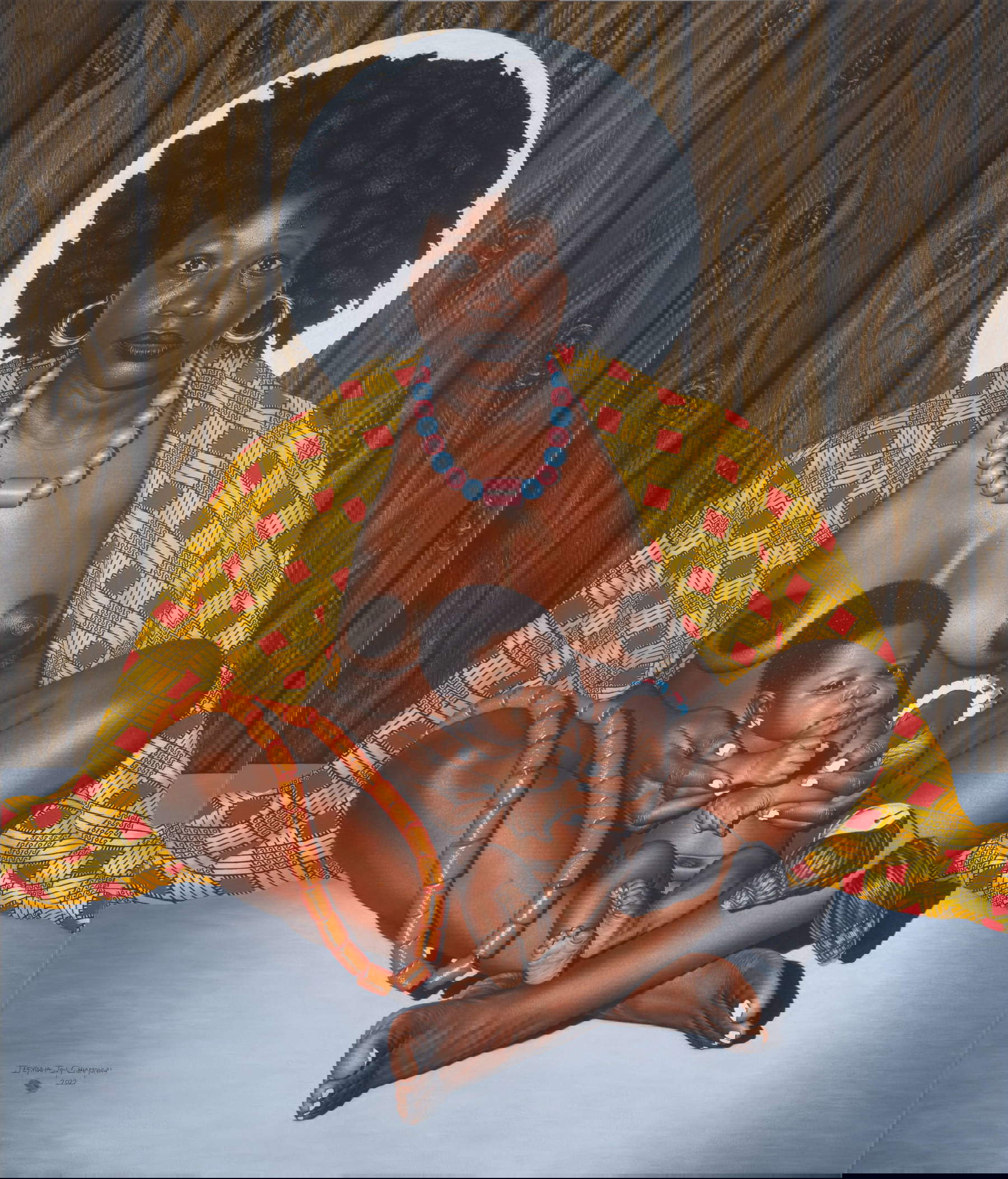
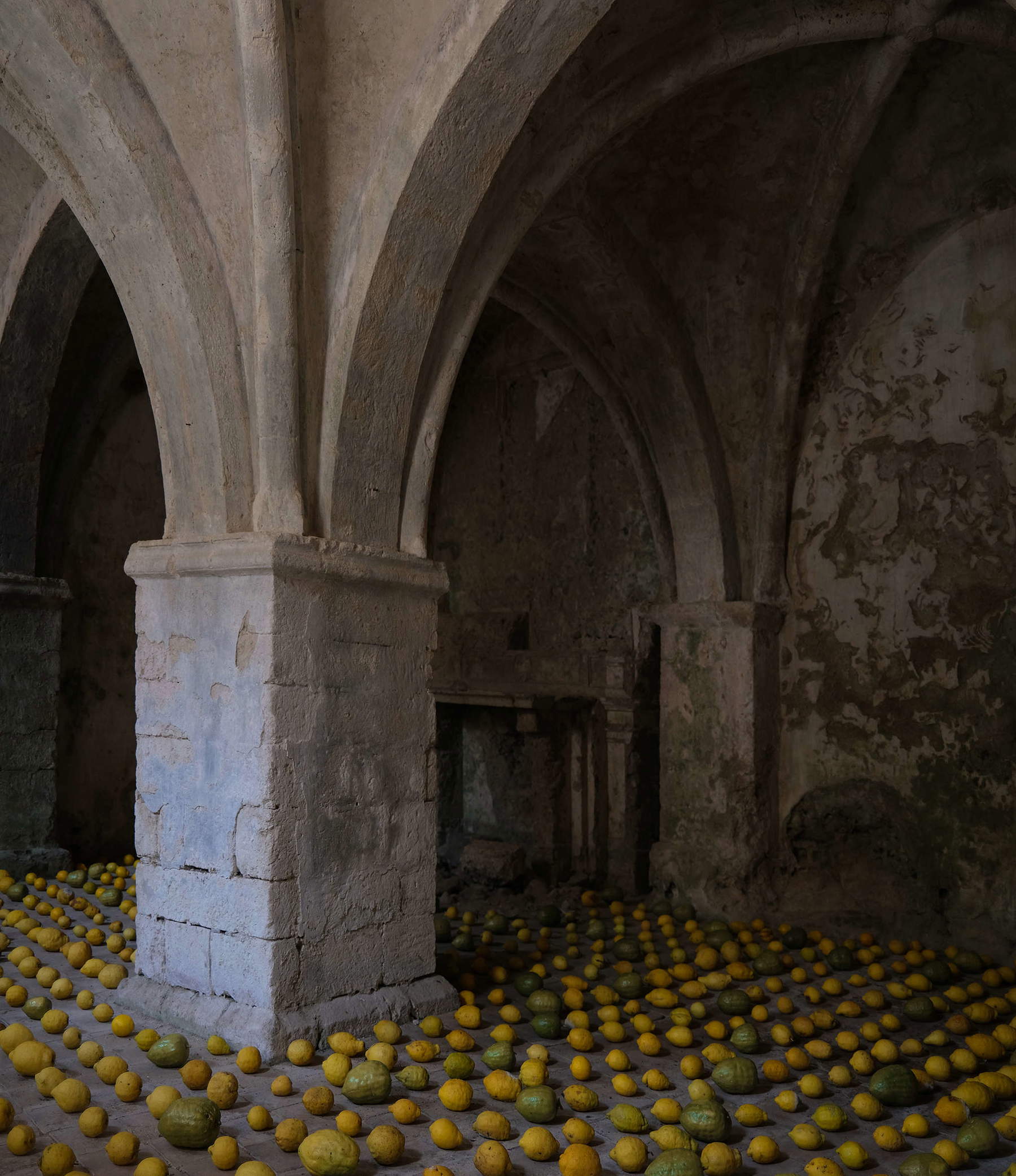
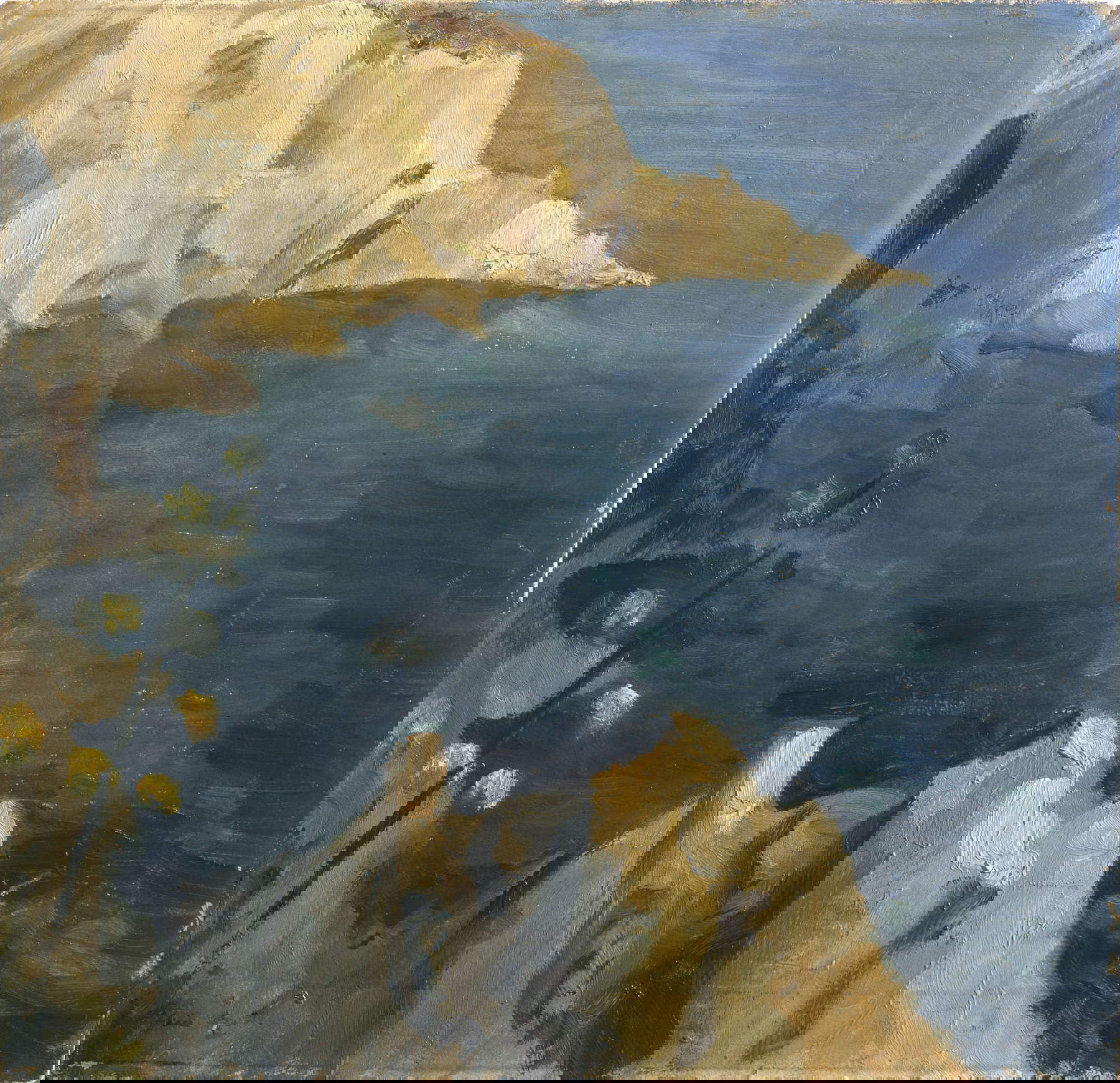
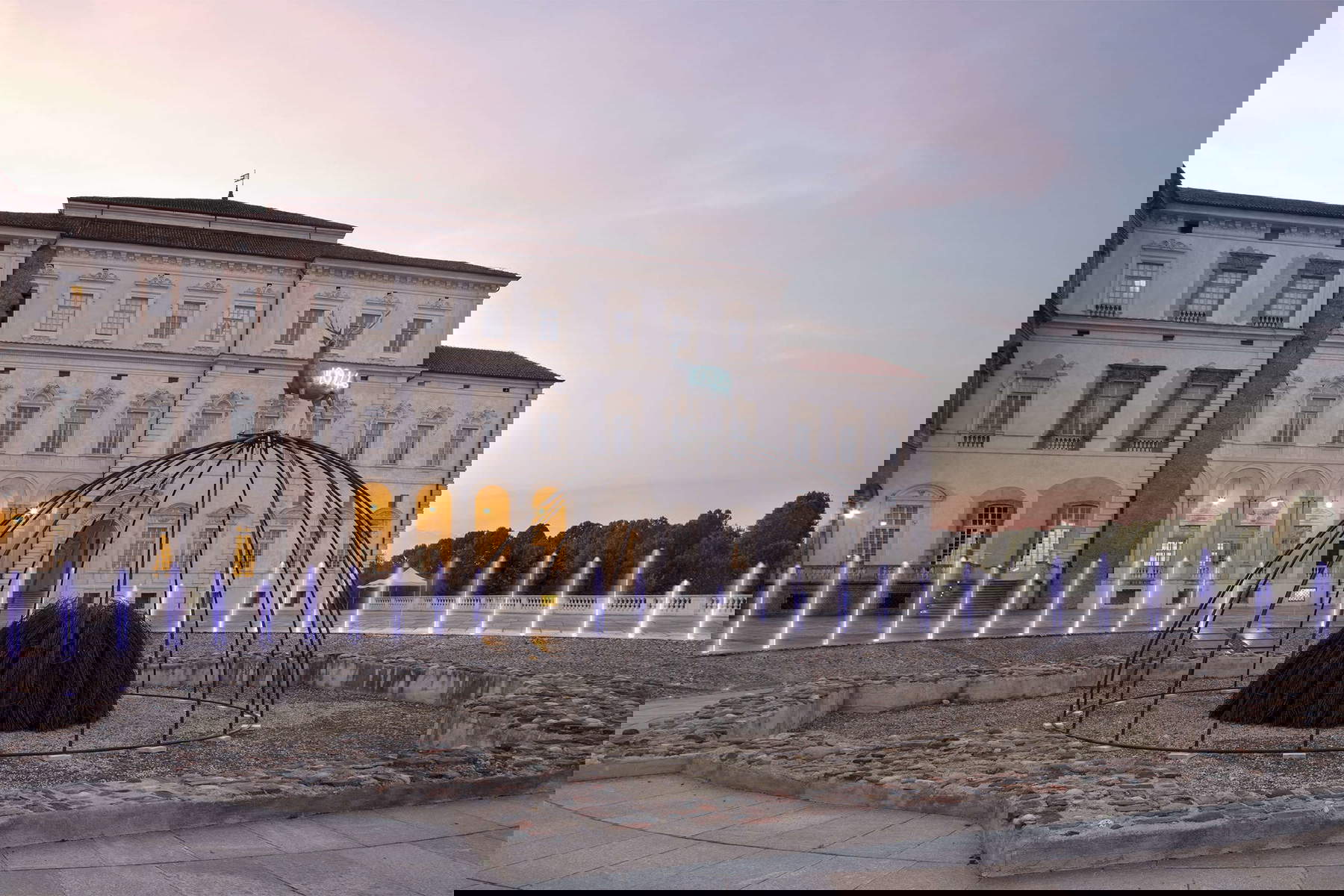
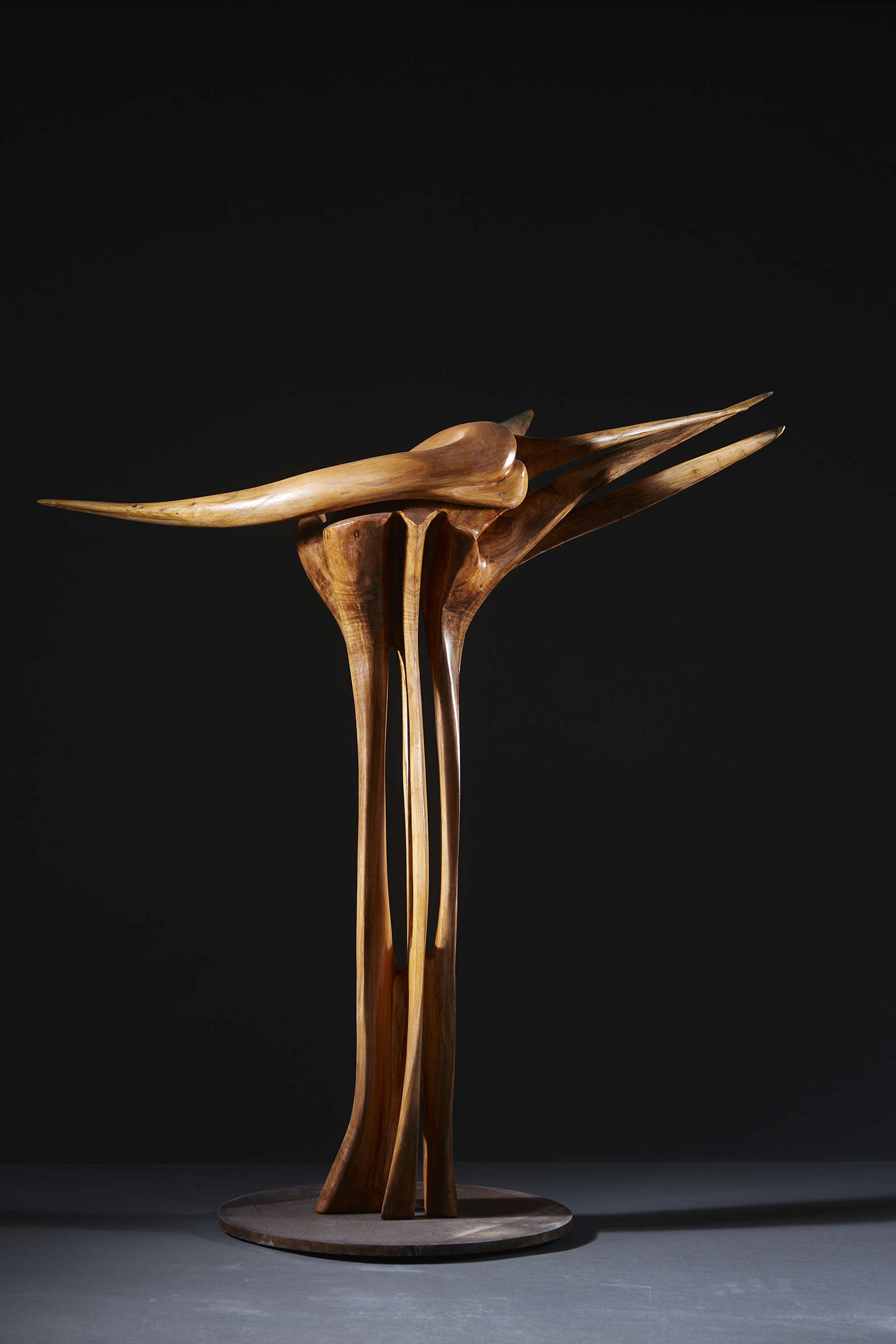
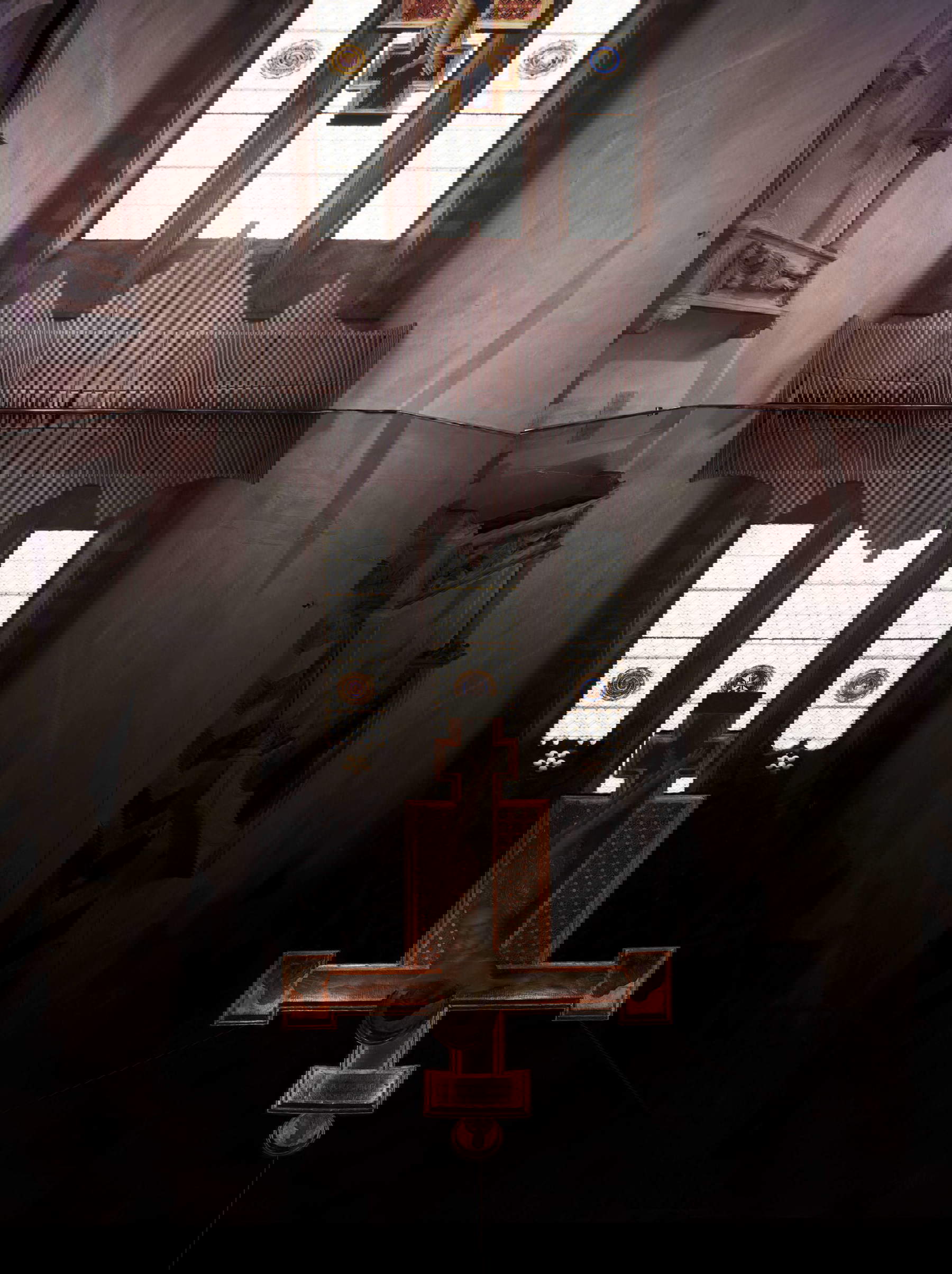
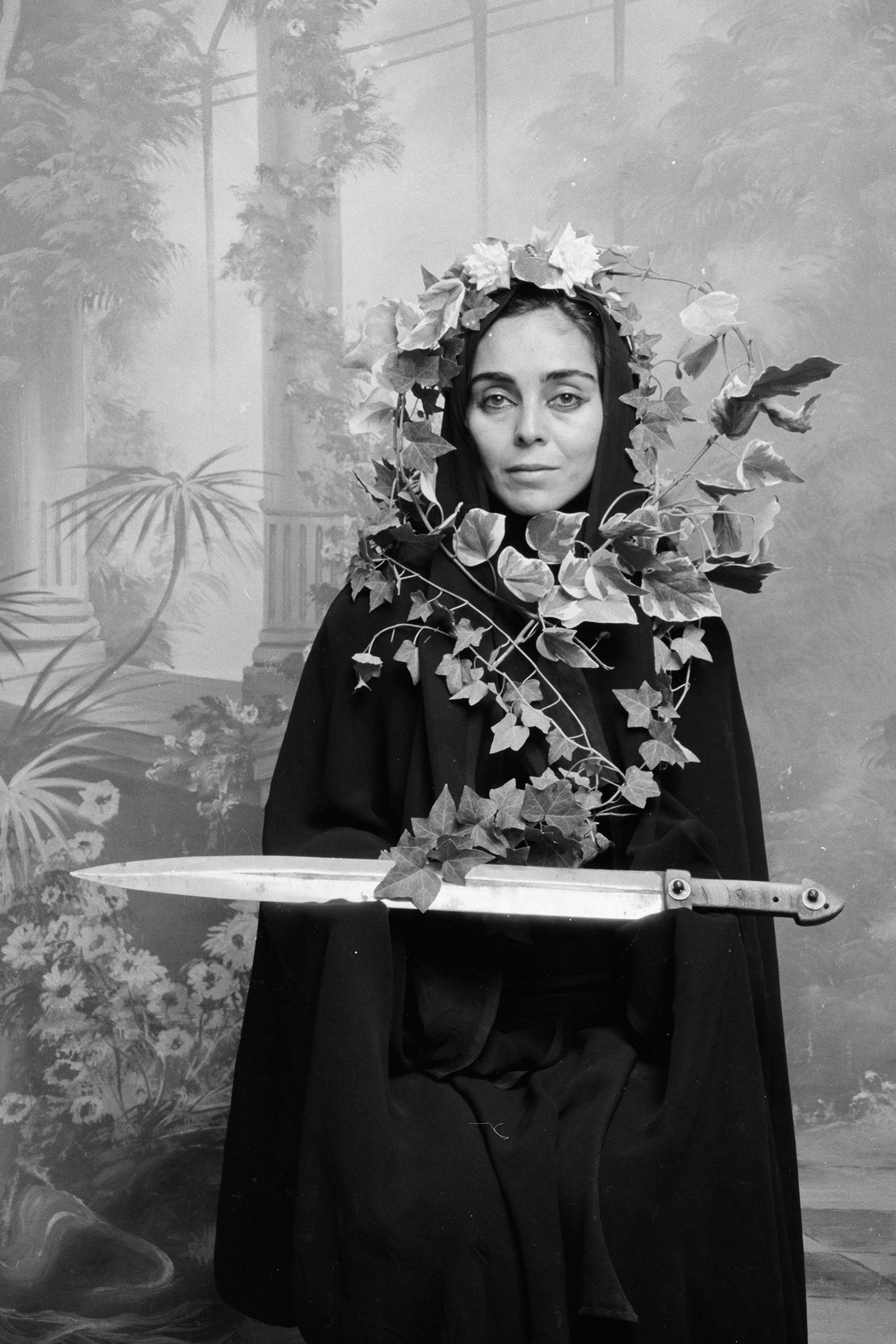
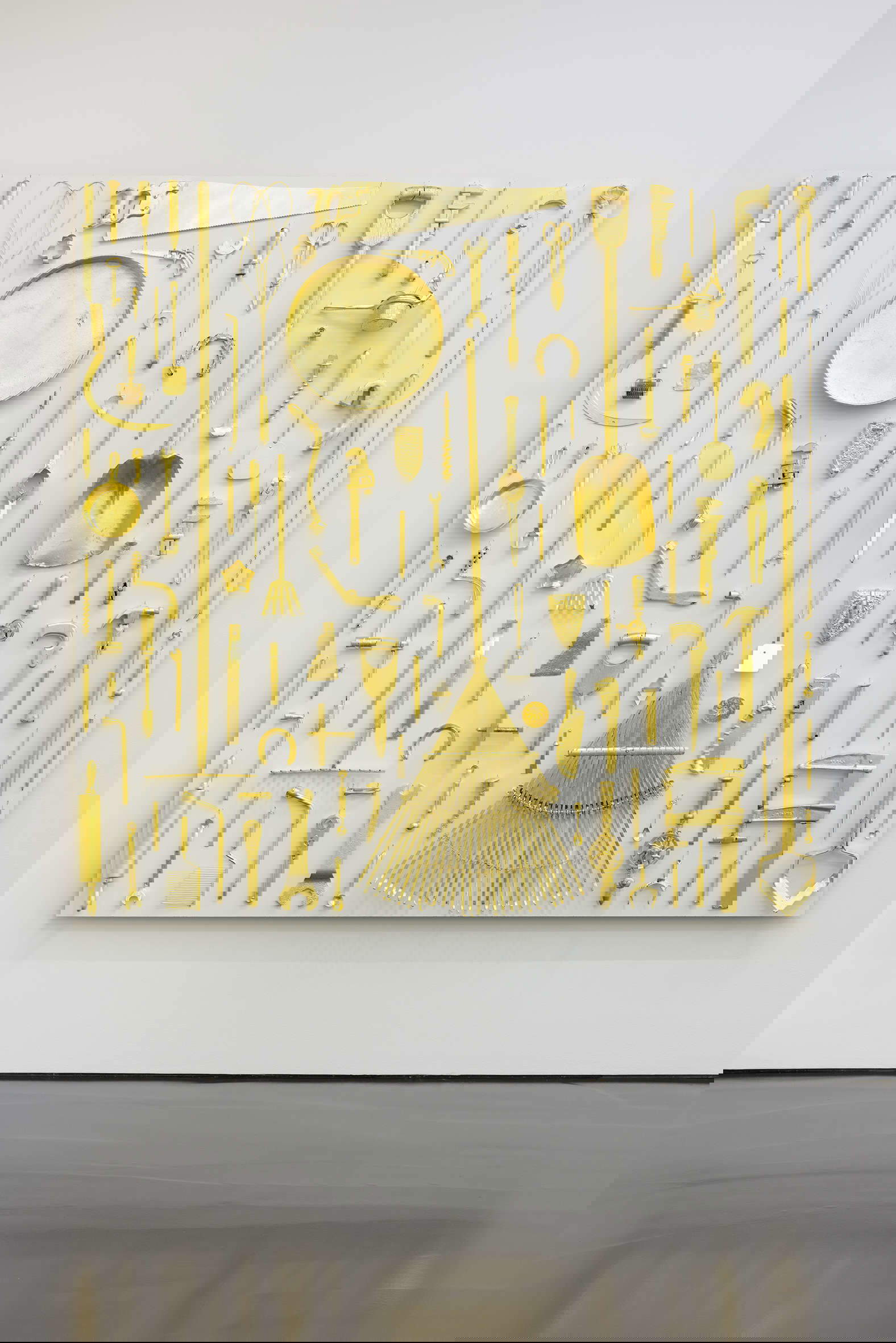
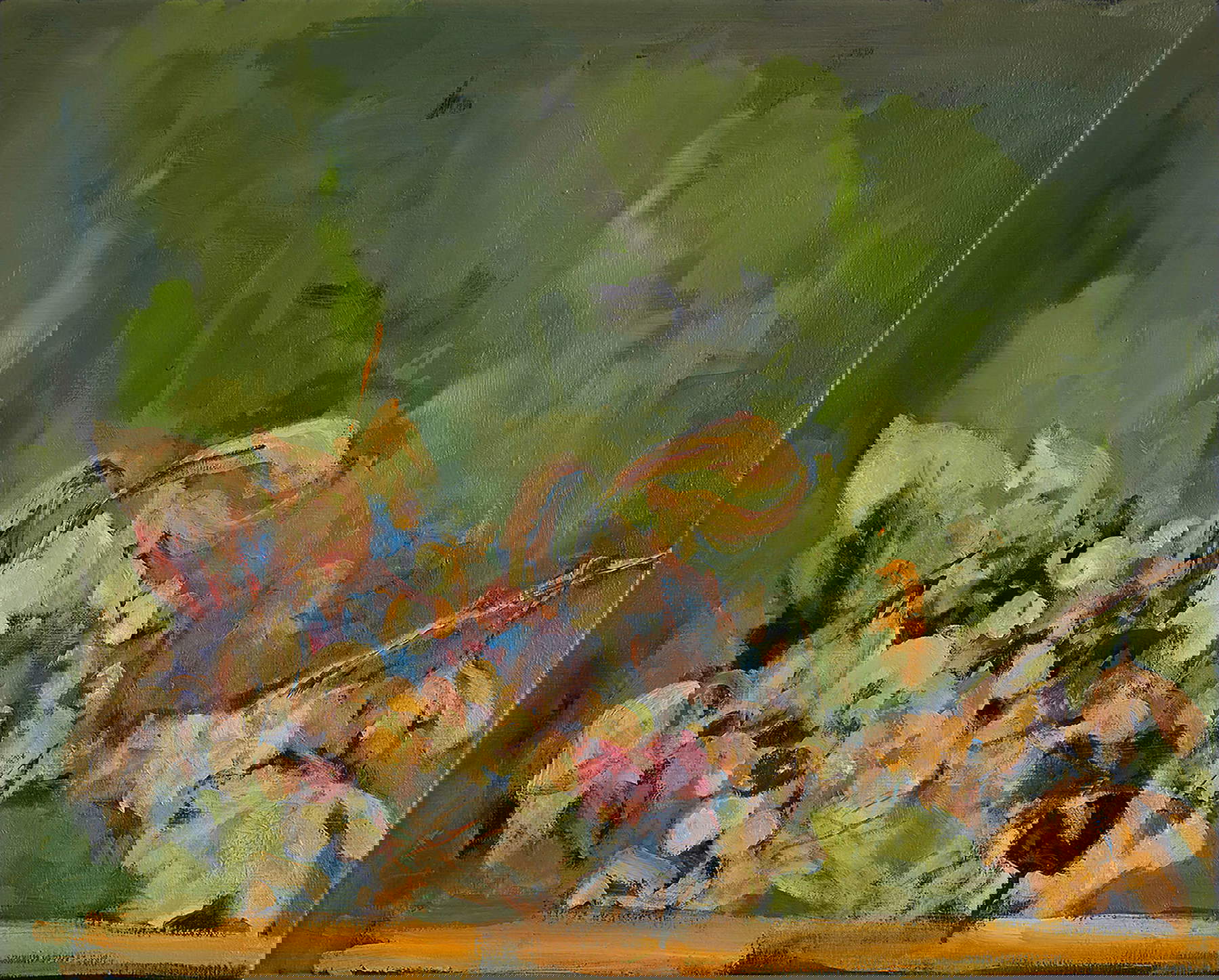
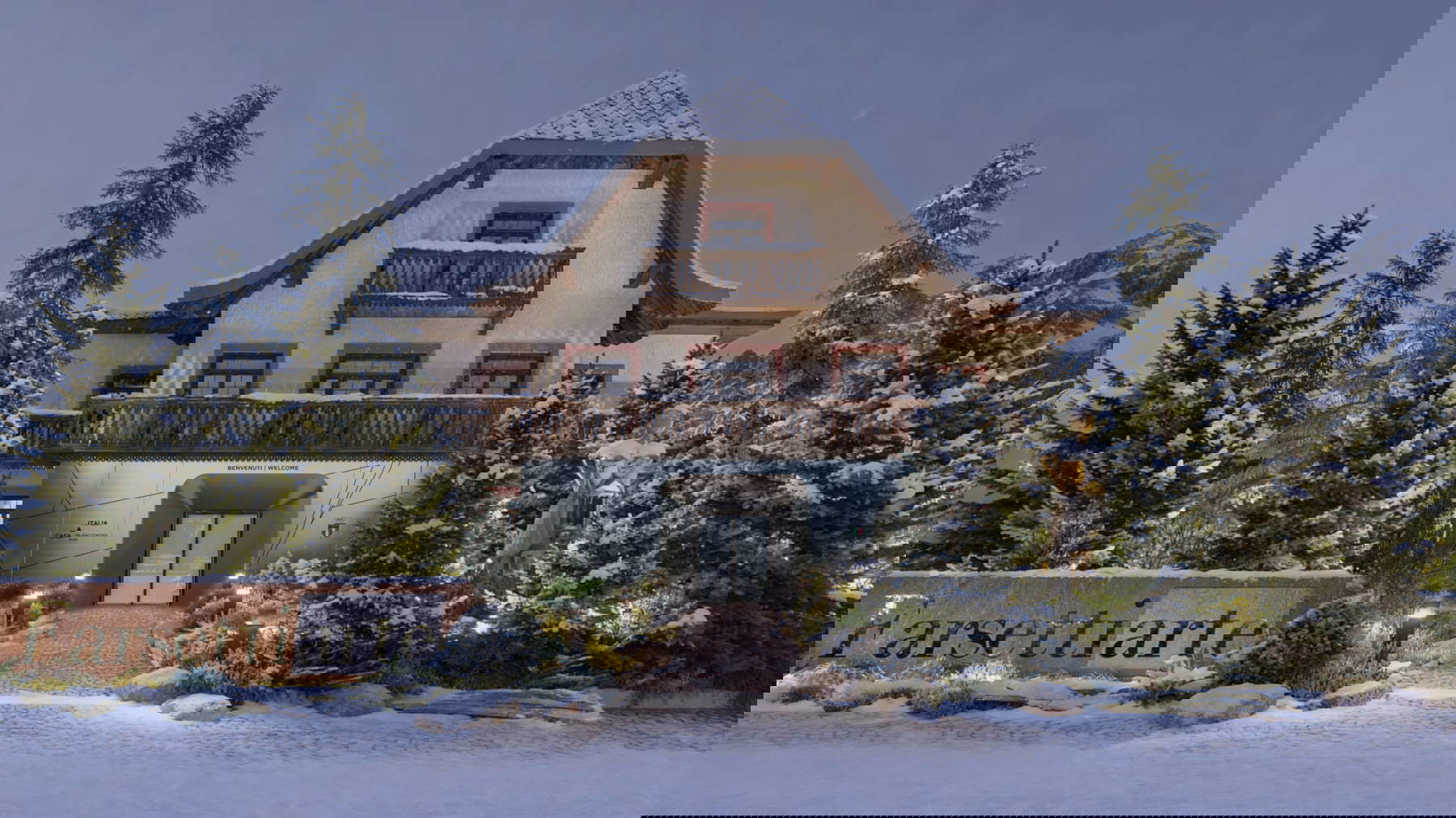
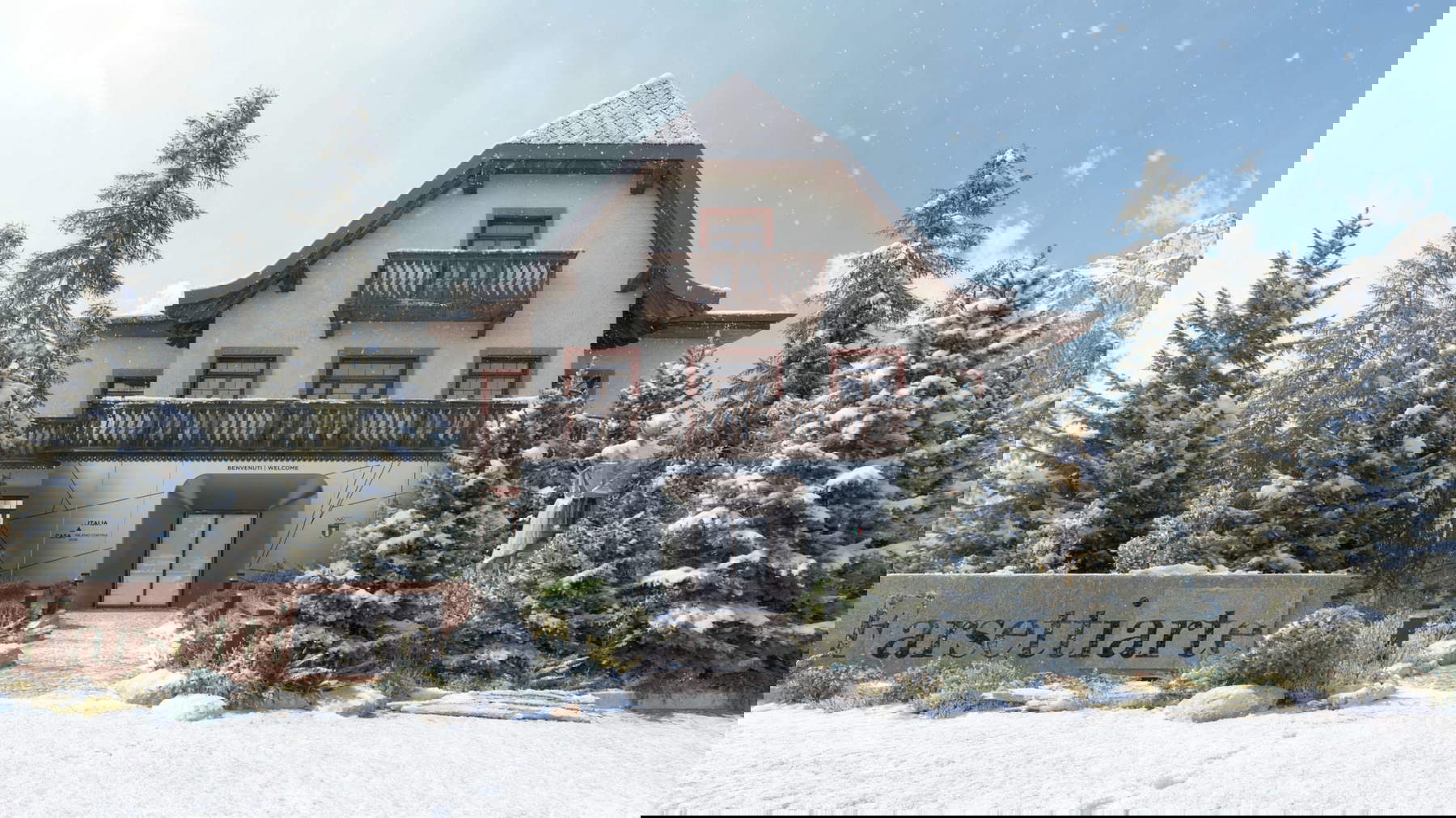
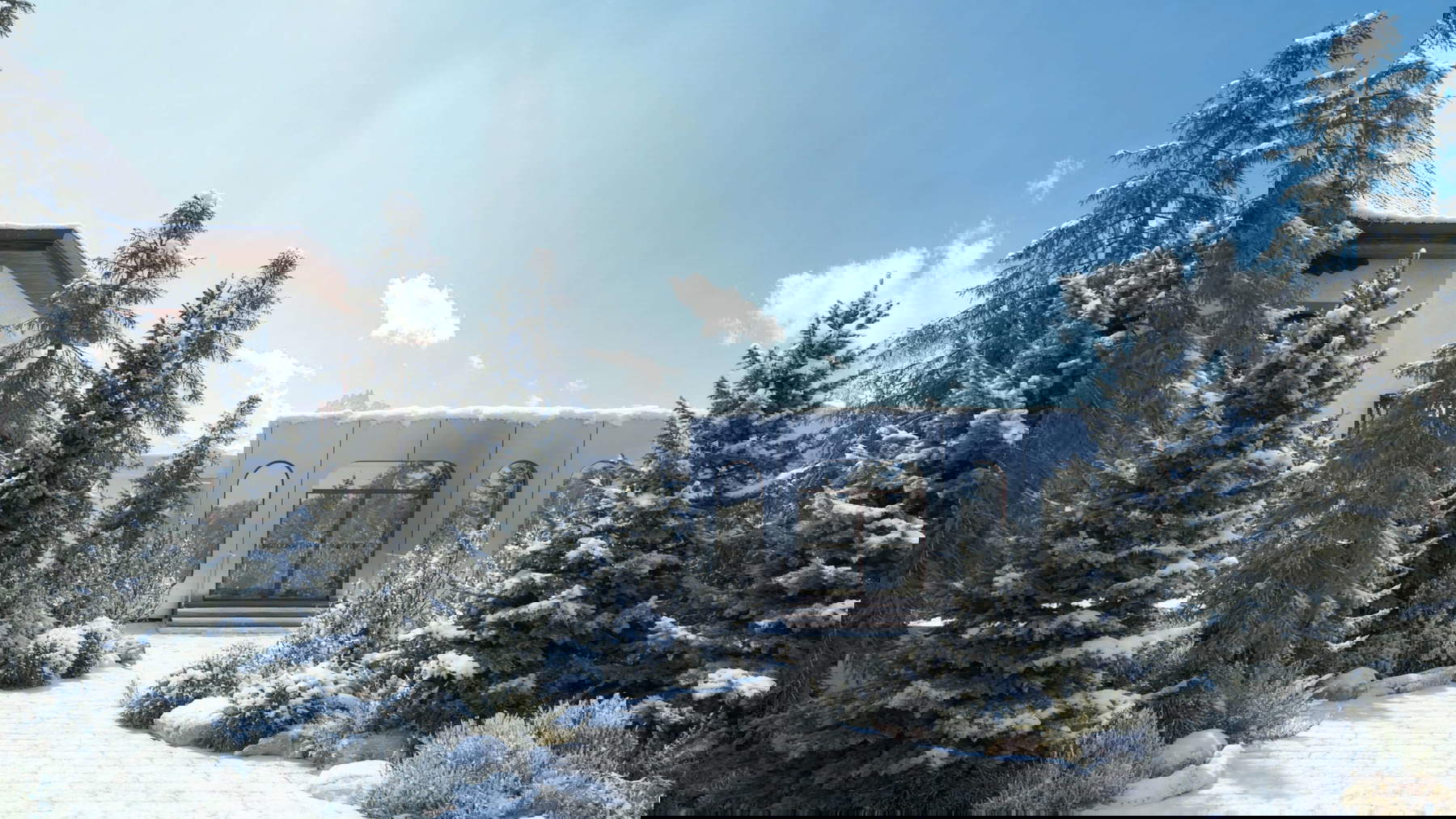
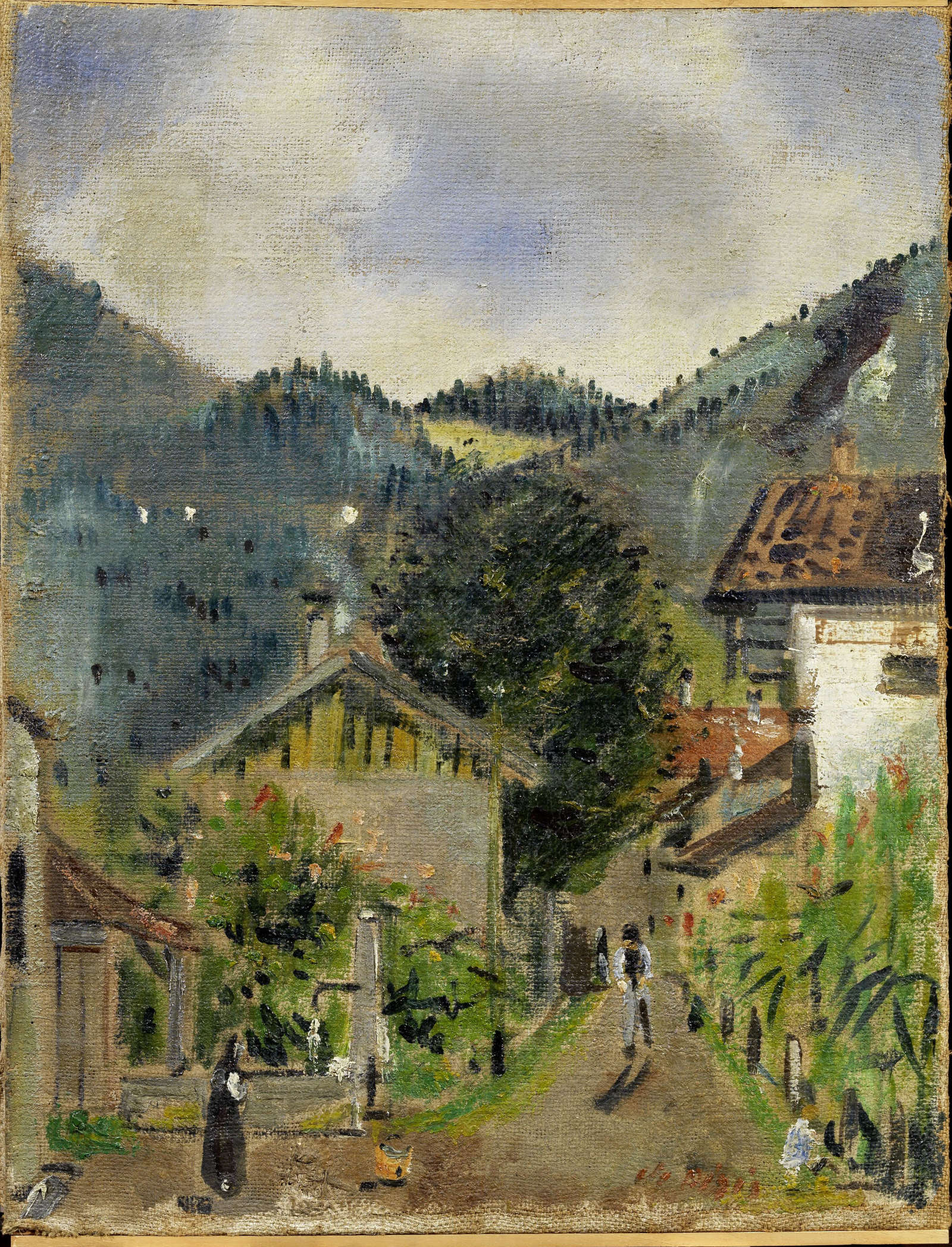
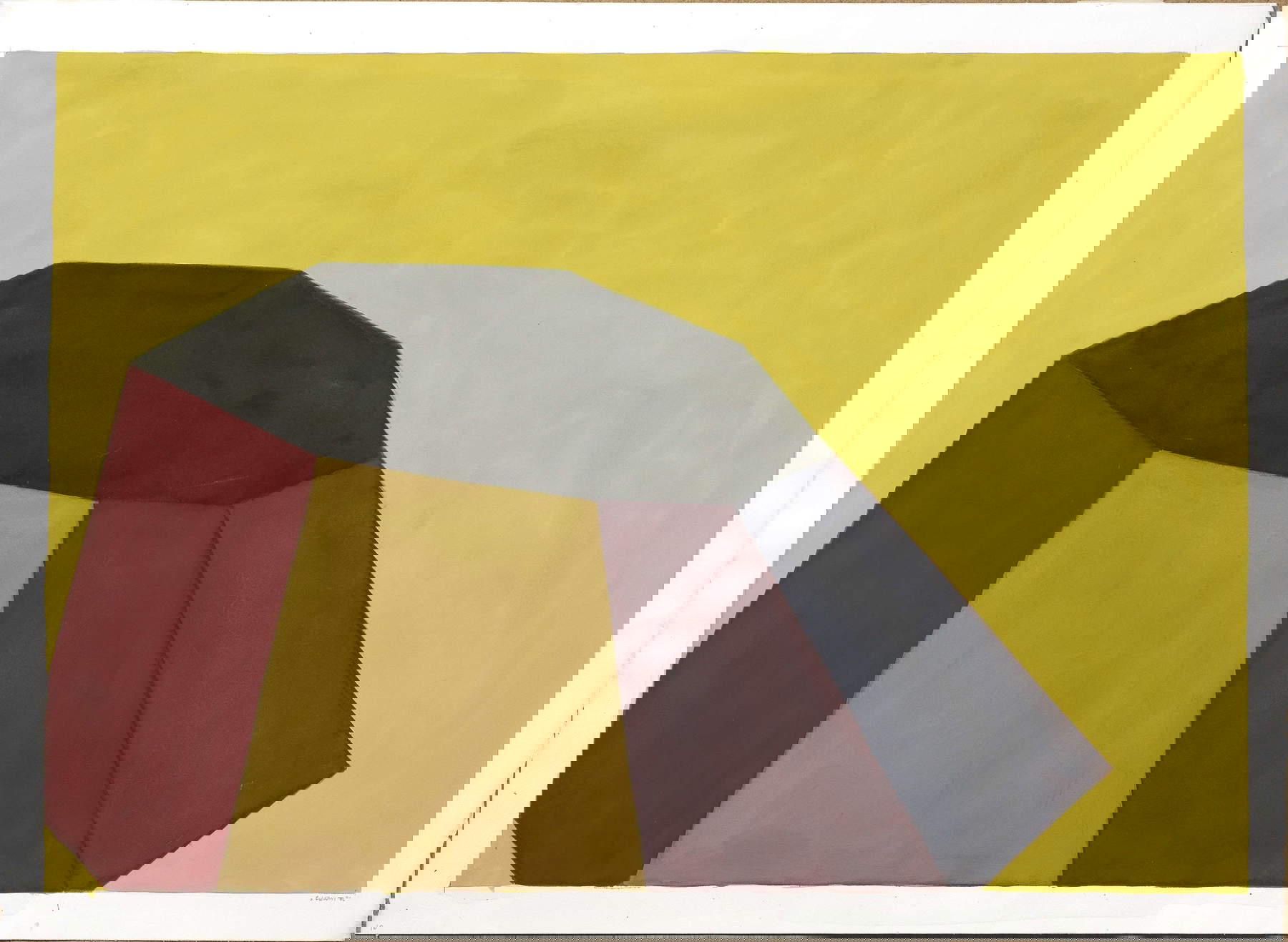
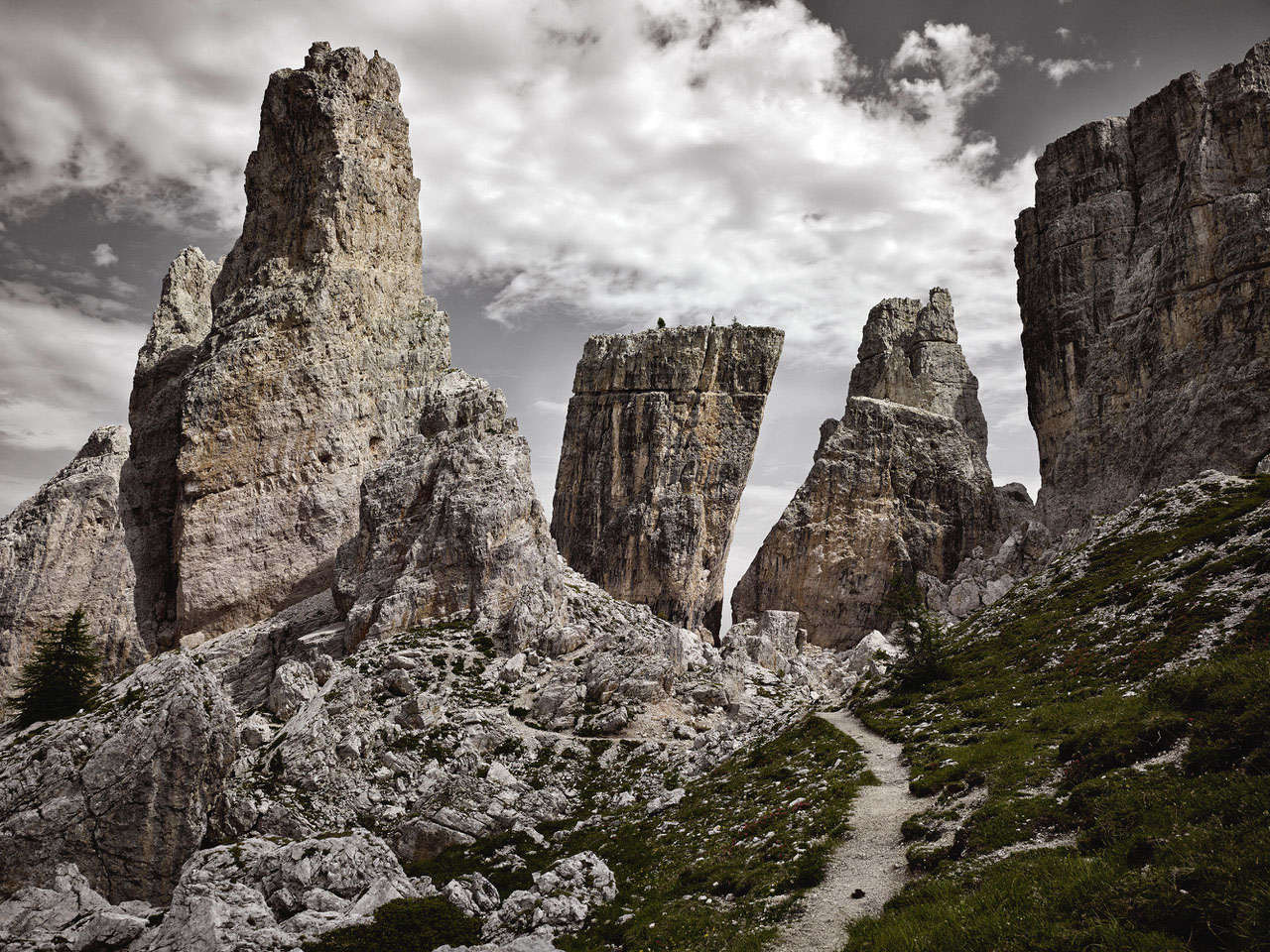
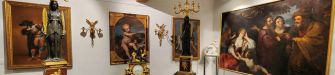
In Cortina d’Ampezzo, Casa Italia finds space at Farsettiarte, in the heart of the town, inside a building that was created from the recovery of the departure station of the historic Belvedere cable car. Here the Musa project recounts, through the works of historicized Italian and foreign artists, Italy’s ability to collect, cherish and enhance diversity, one of the highest values of the International Olympic Movement. The exhibition presents historical works by Giacomo Balla (Turin, 1871 - Rome, 1958), Massimo Campigli (Berlin, 1895 - Saint Tropez, 1971), Mario Ceroli (Castelfrentano, 1938), Giorgio De Chirico (Volos, 1888 - Rome, 1978), Filippo de Pisis (Ferrara, 1896 - Milan, 1956), Jean Fautrier (Paris, 1898 - Chatenay-Malabry, 1964), John Giorno (New York, 1936 - 2019), Jiri Kölar (Protivín, 1914 - Prague, 2002), Joseph Kosuth (Toledo, 1945), Sol LeWitt (Hartford, 1928 - New York, 2007), Hermann Nitsch (Vienna, 1938 - Mistelbach, 2022), Robert Rauschenberg (Port Arthur, 1925 - Captiva Island, 2008), Ottone Rosai (Florence, 1895 - Ivrea, 1957), Mario Schifano (Homs, 1934 - Rome, 1998), David Tremlett (Saint Austell, 1945), Ben Vautier (Naples, 1935 - Nice, 2024) as well as two photographs by artists with ties to the Lombardy-Veneto area Luca Campigotto (Venice, 1962) and Piero Gemelli (Rome, 1952).
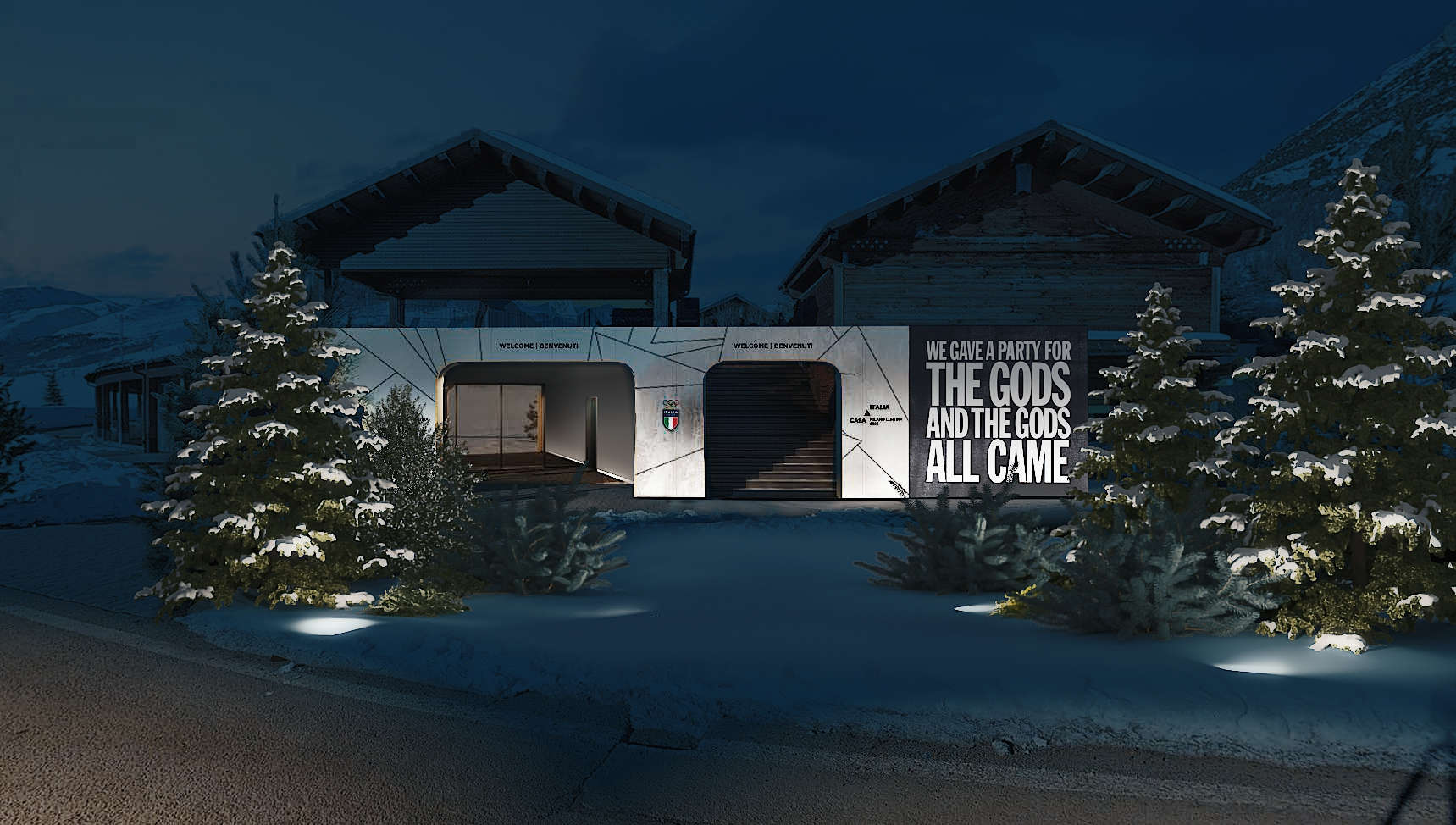
Instead, Casa Italia in Livigno is configured as a dynamic hub of creative activations, animated by a rich program of evening events, music and meetings open to the public from the afternoon until midnight. A lively and participatory space where entertainment is intertwined with Olympic energy, giving rise to moments of sharing that celebrate the sport and the excitement of Medal Moments.
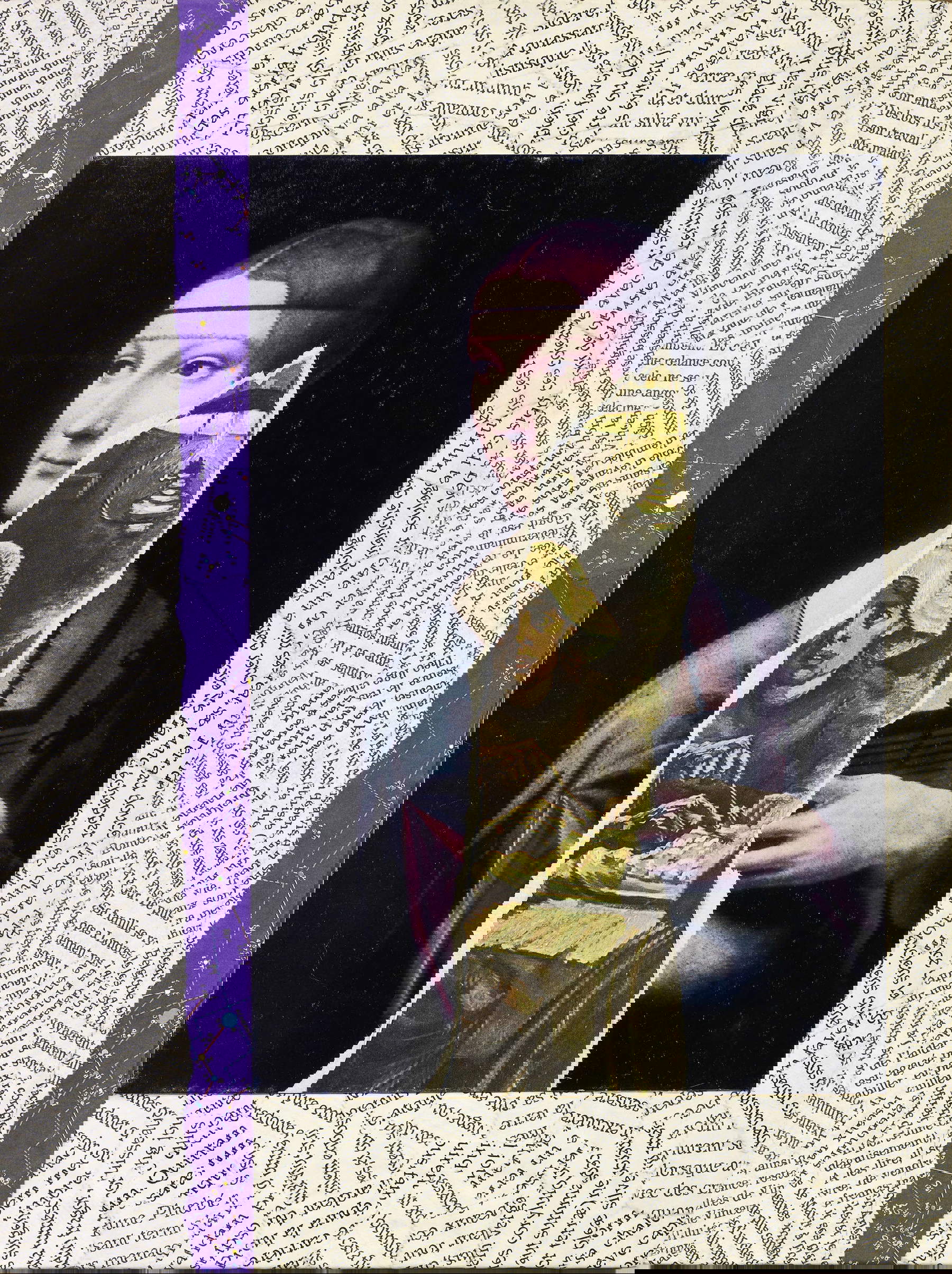
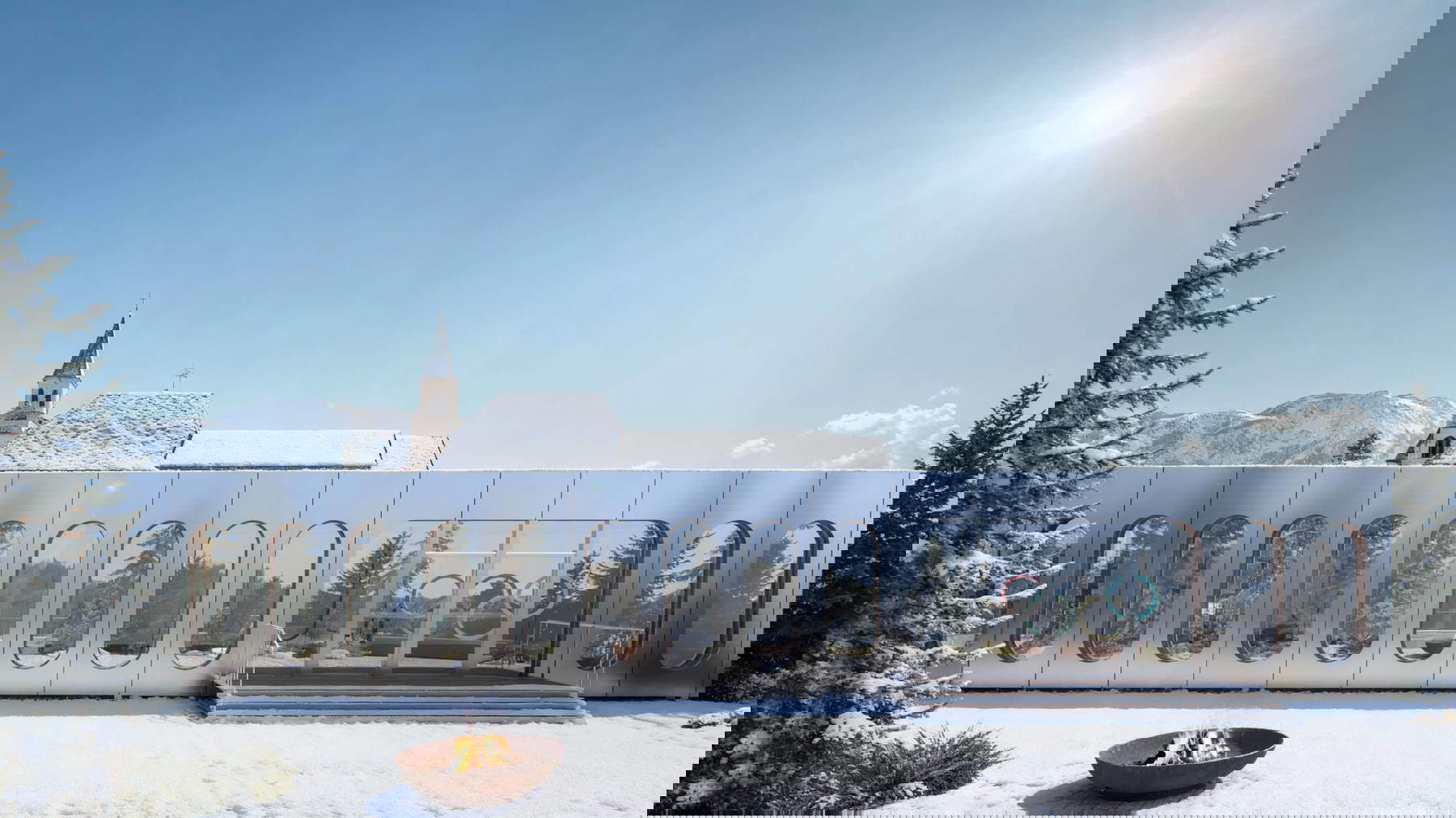
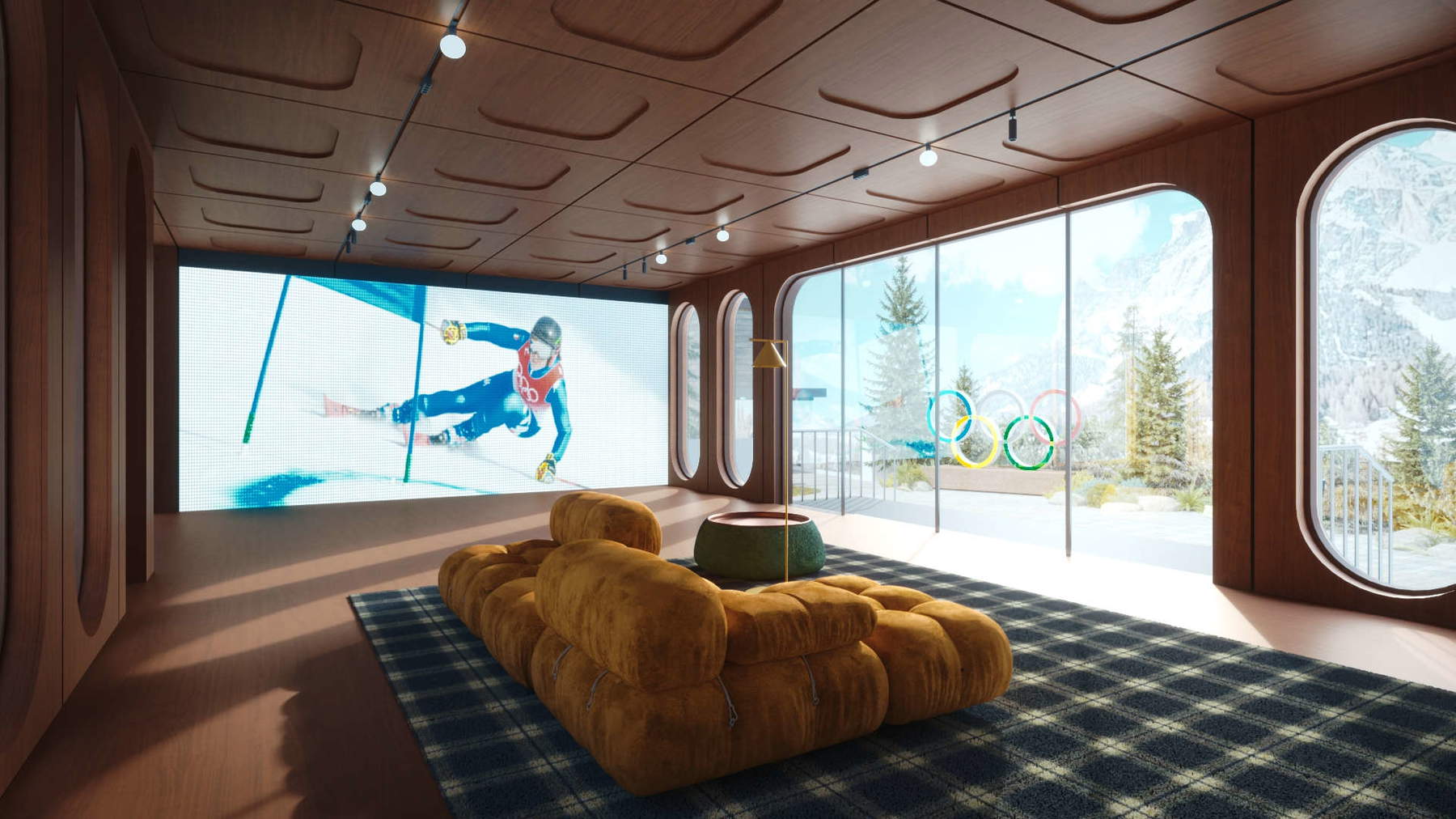
With these art projects, CONI aims to reaffirm the link between art and sporting discipline envisioned by Pierre de Coubertin since the origins of the Games, placing sport at the center of Parnassus, as art among the arts, on the occasion of the XXV Winter Olympic Games in Milan Cortina 2026. The architectural and interior design project of the three venues interprets the Muse theme starting from the mountain landscape, a natural and symbolic element of the Winter Games. In keeping with the fundamentals ofmountain architecture, the project favors reflective aluminum cladding that reclaims the tradition of mountain bivouacs, which, due to their nature as temporary and cozy shelters located in impervious places, made to be easily transported to high altitudes and maintained over time, perfectly interpret the spirit of the Winter Olympic initiative and the sense of overcoming limits, community and sharing that belongs to it. The design is inspired by the aesthetics of “mobile” architecture and infrastructure (ski lifts, cable cars, gondolas) that populate the mountains and make them habitable. The aerodynamic curved lines, serial repetition, modularity, rhythm, and technical vocation are also expressive connotations that enhance the idea of movement and speed inherent in winter sports. Again, the project, on the occasion of the temporary pavilion at Farsettiarte in Cortina, is characterized in its facades by a system of modular and serial “portholes.” The view of the landscape is thus not simply offered as it is by a simple glass surface but rather is “framed” by a sign that strongly characterizes the place and its principles of belonging and meaning. Attention was also given to the combination of the two materials that best interpret the nature and values of the overall concept, namelyaluminum and wood. External aluminum for its technical characteristics embodies strength and durability proper to bivouacs, while for the aesthetic vocation of its reflective capabilities enhances the presence of snow and dematerializes, multiplying, the presence of the landscape. The interior wood, on the other hand, as the material par excellence of the mountain tradition, returns the immediate domestic, cozy and hospitable perception that has always characterized the “casa Italia” concept.
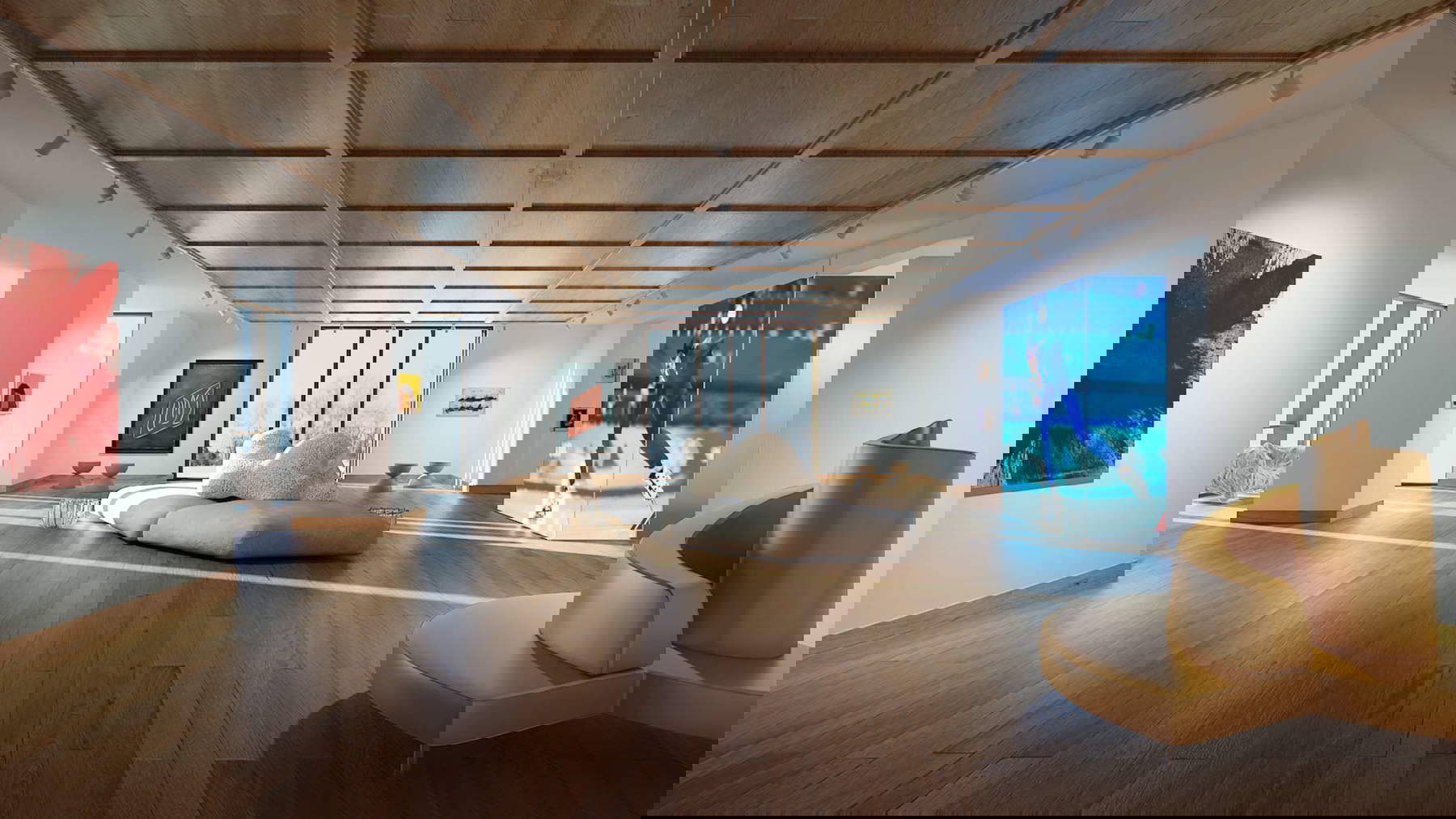
In the interior design project, the basic assumption of taking the mountain as a “muse” has a double meaning: on the one hand, the mountain understood as a landscape, with its minerals, woods, and reflections; on the other hand, the mountain understood as the warm and enveloping atmosphere of alpine environments. The project is declined in the three locations of Milan, Cortina and Livigno following this double thread, and builds, in close synergy with the overall project in which each contribution is part of the whole, an internal landscape in each of the three locations.
The designers of the selected furnishings are historical and contemporary masters, both Italian and foreign, who in the fortunate encounter with the exceptional ability of our companies to combine high craftsmanship and industrial production have created unique objects capable of igniting our imagination. To name a few: Francesco Binfaré, Fernando and Humbero Campana, Masanori Umeda, Jacopo Foggini, Mario Cananzi and Roberto Semprini for Edra, Mario Bellini, Patricia Urquiola, Edward Barber & Jay Osgerby, Gaetano Pesce for B&B Italia, Patrick Norguet, Christophe Pillet, Cristina Celestino, Matteo Thun and Antonio Rodriguez for Ethimo, Patricia Urquiola, Piero Lissoni, Tokujin Yoshioka for Glas Italia, Gianni Pettena, Archizoom Associati for Poltronova, Terry Dwan, Brodie Neill, Mario Botta, for Riva 1920, Piero Gilardi, Studio 65, Snarkitecture for Gufram, Gaetano Pesce for Meritalia. And again Formafantasma, Michael Anastassiades, Philippe Starck, Vincent Van Duysen, Achille and Pier Giacomo Castiglioni, Guglielmo Poletti, Mario Bellini, Tobia Scarpa, Piero Lissoni, Jasper Morrison, Erwan Bouroullec, Barber Osgerby for Flos.
Great attention is also paid to design and light, the founding element of Casa Italia’s identity. For Milano Cortina 2026, Enel enters as Official Partner, signing the lighting design project of the three venues with innovative and sustainable solutions and also accompanying the Medal Moments with a distinctive presence on visual and digital formats. Finally, the Casa Italia narrative is completed through gastronomy, an integral part of the experience. In Milan, at the Triennale, Davide Oldani coordinates the activities of the chefs involved, while in Cortina the gastronomic offer is entrusted to Graziano Prest and Fabio Pompanin. In Livigno, a team of local chefs accompanies athletes and guests to discover local dishes, uniting the three venues in a choral tale in which cuisine becomes a common language of Italian Olympic identity.
|
| Milan Cortina 2026, Casa Italia opens to the public for the first time: an exhibition in three locations |

Warning: the translation into English of the original Italian article was created using automatic tools. We undertake to review all articles, but we do not guarantee the total absence of inaccuracies in the translation due to the program. You can find the original by clicking on the ITA button. If you find any mistake,please contact us.





















 IT
IT FR
FR DE
DE ES
ES CN
CN


