





L’ Aquila inaugurated the calendar of cultural events related to L’Aquila Italian Capital of Culture 2026 withOpen Palaces, an initiative that provides for the extraordinary opening of historic buildings and private mansions that are not normally accessible to the public. The first day, held on Sunday, January 25, represented the first appointment of a calendar that will accompany the entire 2026. One Sunday a month, numerous historic homes will open their doors to citizens and visitors. Dates scheduled are Feb. 22, March 29, April 26, May 24 on National Historic Houses Day, June 28, July 26, Aug. 30, Sept. 27, Oct. 25, Nov. 29 and Dec. 27.
Palazzi aperti is promoted by the Associazione Dimore Storiche Italiane - Abruzzo section and the Angelo de Nardis Association of Prata, which have entered into a structured collaboration to make usable a private architectural heritage of particular historical and cultural importance. The initiative consists of the extraordinary opening to the public of noble palaces, historic buildings, oratories, courtyards and monumental spaces located in the historic center of L’Aquila and the surrounding area. These are places that, while constituting a fundamental part of the urban and social identity of the city, are often little known or inaccessible.
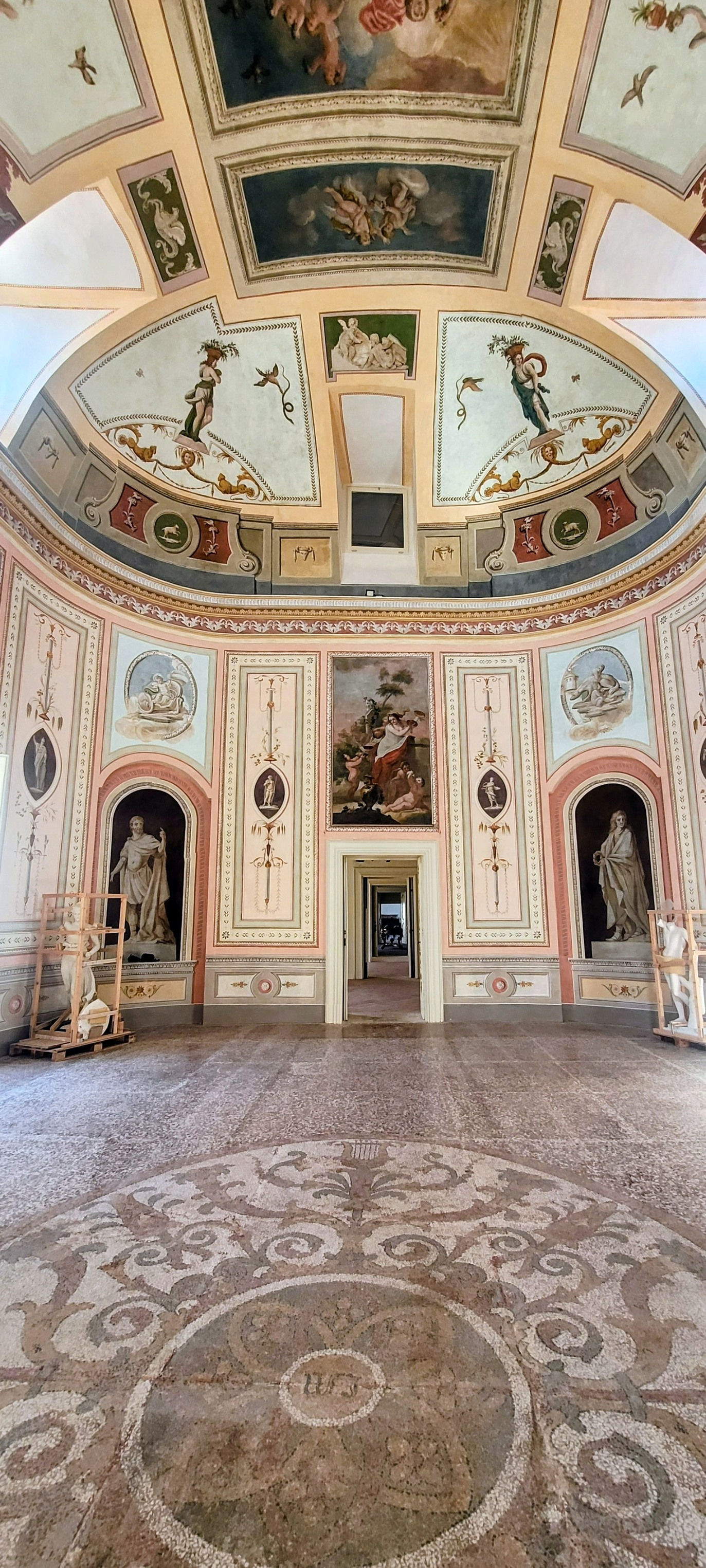 Palazzo Benedetti. Photo: Giancarlo Scoccia
Palazzi aperti constitutes the first action of the Cultural Residences project, designed to connect private architectural heritage with the activities of the city’s cultural institutions. The intent is to permanently integrate historic houses into L’Aquila’s cultural programming, fostering a dialogue between the public and private sectors and expanding the possibilities of heritage enjoyment. The January 25 program included both guided tours and free openings of courtyards and common spaces in the historic center. The guided tours, conducted in collaboration with WelcomeAQ, can be booked online and provide access to places of special interest. These include the Baiocco Hall of the Albergo Italia, a space symbolic of L’Aquila’s Belle Époque, reopened for the first time thanks to a collaboration with the L’Aquila Young Association. A visit to Palazzo Alfieri, home of the Santa Maria degli Angeli Institute, considered L’Aquila’s first major Renaissance palace and one of the city’s main examples of the 15th century, is also planned.
The itinerary also includes Palazzo Benedetti, an architectural complex that preserves medieval rooms related to the Gaglioffi family alongside halls dating back to the 18th and 19th centuries, and theOratory of Sant’Antonio dei Cavalieri de Nardis, a private church that represents one of the main examples of Baroque architecture in the city. The openings also include Palazzo Cipolloni-Cannella, a palace that houses the Gliubich Auction House on the main floor and is pointed out as an example of dialogue between historical heritage and cultural entrepreneurship.
Alongside guided tours, numerous historic courtyards will be freely accessible, allowing for a widespread urban itinerary between architecture, history and daily life. Buildings involved include Palazzo Carli-Benedetti, Palazzo Dragonetti, Palazzo Nardis, Palazzo Pica Alfieri and other palaces in the historic center.
“Open Palaces,” said L’Aquila Deputy Mayor Raffaele Daniele, “is an initiative that fully interprets the meaning of L’Aquila Italian Capital of Culture 2026: a widespread, accessible culture capable of involving the entire city. Opening the palaces means giving back to the community a fundamental part of our history and building a path that will accompany L’Aquila throughout the year, strengthening its cultural identity.”
“In organizing Open Palaces, the dialogue with the cultural institutions of the territory and the rich associative fabric of the city was decisive,” stressed Carlo Ferdinando de Nardis, president of the Angelo de Nardis Association of Prata. “This confrontation has made it possible to build a shared program capable of combining historical research, dissemination and participation, enhancing L’Aquila in its urban and community dimensions.”
“The project,” concluded Giovanni Ciarrocca, ADSI national vice president and ADSI Abruzzo president, “with its many palaces involved, focuses on the role of private cultural heritage, in the virtuous relationship and intersections between city and territory, citizens and institutions. The Members of the Association of Historic Italian Residences, families, and businesses that have joined the project, opening their residences with a great sense of responsibility, demonstrate how the enhancement of cultural heritage passes through dialogue and collaboration between public and private. This is especially true in this occasion - unique to L’Aquila - of growth in knowledge and encounter, as indicated in the inauguration speech by President Mattarella.”
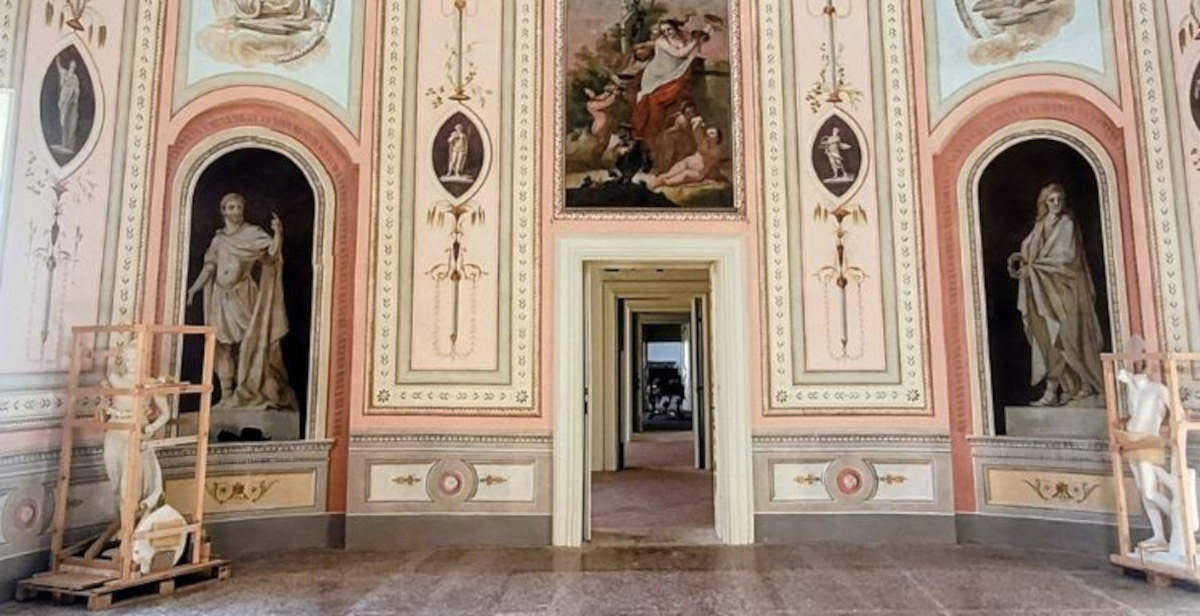 |
| L'Aquila opens its historic buildings: kicking off the Italian Capital of Culture 2026 program |

Warning: the translation into English of the original Italian article was created using automatic tools. We undertake to review all articles, but we do not guarantee the total absence of inaccuracies in the translation due to the program. You can find the original by clicking on the ITA button. If you find any mistake,please contact us.


























 IT
IT FR
FR DE
DE ES
ES CN
CN


