




by Redazione 28/01/2026



Categories: Exhibitions / Disclaimer
At the 61st. International Art Exhibition, the Republic of Slovenia presents Soundtrack for an Invisible House, a project that unearths a 1917 Austro-Hungarian military mosque and reflects on the relationships between religion, power and war through a sound installation at the Arsenal.


At the 61st. International Art Exhibition - La Biennale di Venezia, the Republic of Slovenia presents Soundtrack for an Invisible House, an installation project developed by the Nonument Group and curated by Nataša Petrešin-Bachelez, with scientific advice from Anja Zalta. The work will be installed in the Arsenale Exhibition Spaces and will be open to the public from May 9 to Nov. 22, 2026, with opening days scheduled for May 6, 7 and 8. The Pavilion commissioner is Martina Vovk of Moderna galerija in Ljubljana.
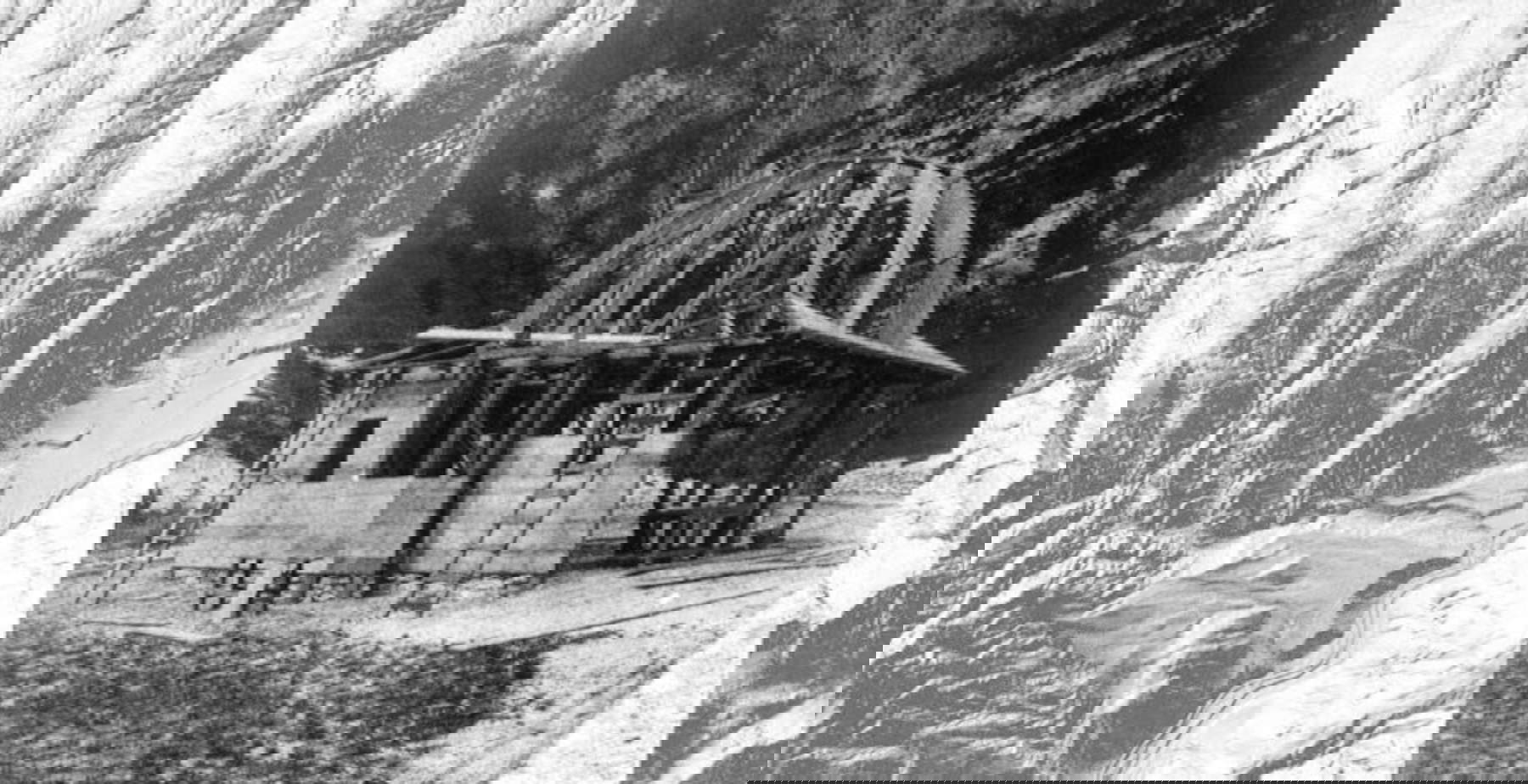
The project begins with a little-known episode in European World War I history: the construction in 1917 of a temporary wooden mosque in Log pod Mangartom, near Slovenia’s northwestern border. The structure was built by the Austro-Hungarian army to meet the religious needs of Bosnian Muslim soldiers deployed on the Isonzo Front. Embedded within the imperial military infrastructure, the mosque represented an emblematic case of the use of religion as a functional tool for politics, propaganda and troop control.


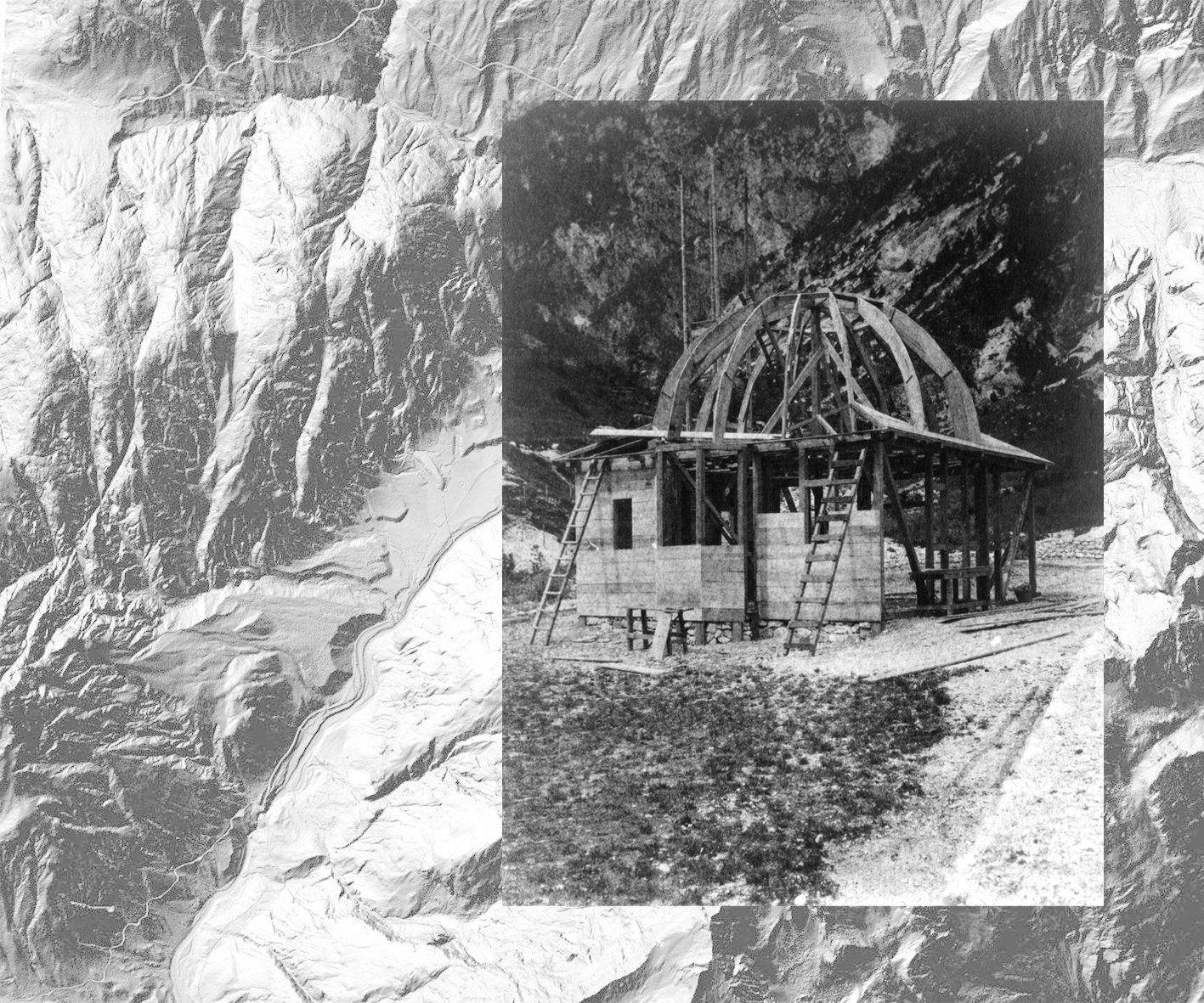
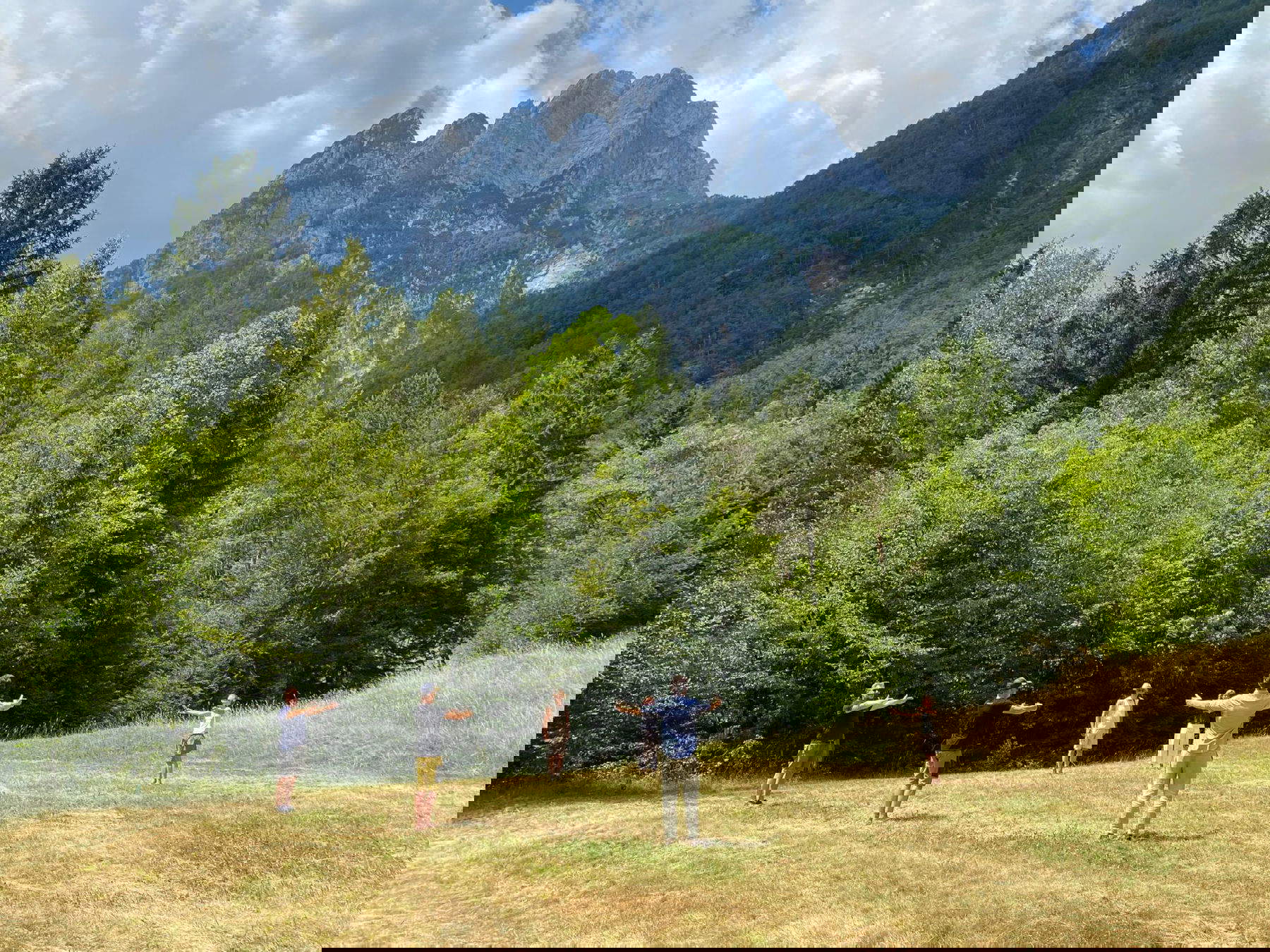
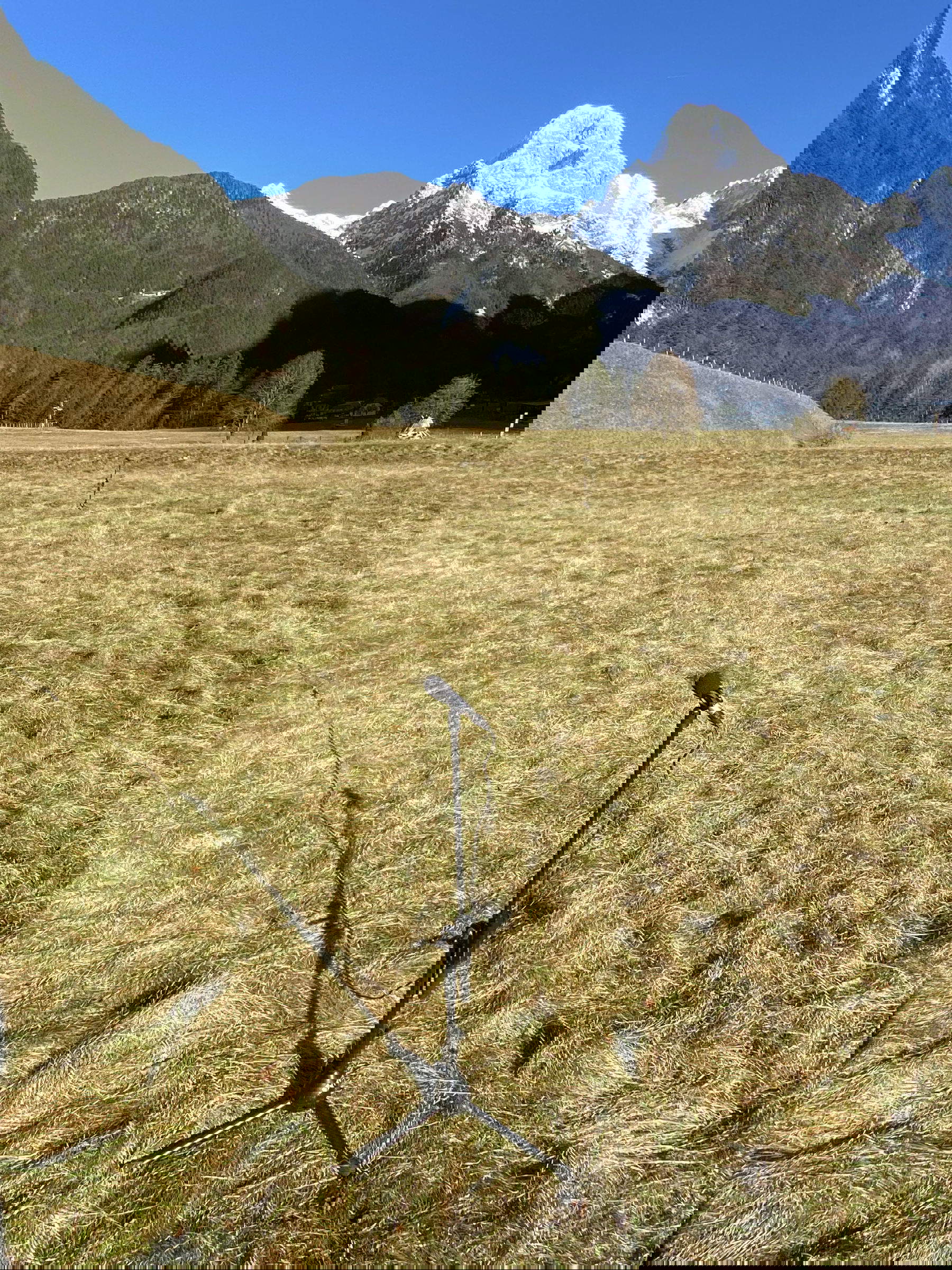
At the end of the conflict, the mosque was dismantled and disappeared from the landscape, leaving a few archival photographs as its only evidence. For decades the site presented no visible traces of its existence, until recent archaeological excavations identified its remains. In 2025 the area was officially recognized as a cultural heritage site, marking a symbolic shift from military infrastructure to a place of remembrance. Today, the mosque of Log pod Mangartom is defined as a nonumento, a term for a site whose meaning has been radically transformed as a result of political and social change, and whose physical absence becomes the bearer of a complex historical narrative.
It is from this absence that Soundtrack for an Invisible House builds its conceptual framework. The Nonument Group, composed of Neja Tomšič, Martin Bricelj Baraga, Nika Grabar, and Miloš Kosec, transforms a forgotten architectural trace into a resonant space, conceived as an environment for listening, reflection, and critical reexamination of the past. The installation does not reconstruct the mosque in material form, but evokes its presence through sound and sensory experience, shifting the focus from visibility to perception.
Moreover, the project investigates the role of religion in conflict contexts, highlighting how it has historically been mobilized in the service of war and power and how it continues to be so in different forms in the present. Starting with the specific case of the Austro-Hungarian military mosque, the work traces the transformations of the identity dynamics of Muslim communities in Europe during the 20th and 21st centuries and highlights interweavings between religious affiliation, political strategies and territorial constructions.
Notes on the artists
The Nonument Group, formed by Neja Tomšič, Martin Bricelj Baraga, Nika Grabar and Miloš Kosec, operates at the intersection of artistic practice and theoretical research, focusing on disappeared, marginalized or forgotten architecture and public spaces whose symbolic value has changed as a result of political and social transformations. The collective develops its work in collaboration with independent institutions and researchers, engaging in the mapping and archiving of so-called non-uments internationally, and uses artistic intervention as a tool to reactivate their memories and bring out the latent tensions related to their rediscovery.
The group has presented its projects in numerous exhibition and institutional contexts, including Creative Time in New York; ISEA in Durban; the Dnipro Cultural Center; the Museum of Contemporary Art Metelkova (MSUM), the Museum of Architecture and Design (MAO), the 35. Ljubljana Graphics Biennial, the Historic Atrium of the Ljubljana City Hall, and the U3 Triennial of Slovenian Contemporary Art in Ljubljana; the Koroška Gallery of Fine Arts; and the Cité internationale des arts in Paris, among other venues. In 2021 he received the Plečnik Medal for his contribution to architectural culture in Slovenia.
 |
| A vanished mosque becomes sound: the Slovenian Pavilion at the Venice Biennale 2026 |
Warning: the translation into English of the original Italian article was created using automatic tools. We undertake to review all articles, but we do not guarantee the total absence of inaccuracies in the translation due to the program. You can find the original by clicking on the ITA button. If you find any mistake,please contact us.