





From January 25 to March 15, 2026, the Civic Museums of Ancient Art of the Civic Museums Sector of the Municipality of Bologna will host the exhibition Sculptures by Emanuele Becheri (Prato, 1973), curated by Lorenzo Balbi, promoted in collaboration with CAR Gallery, in the Municipal Art Collections building. The exhibition project is part of the institutional program of ART CITY Bologna 2026 (Feb. 5 to 8), the calendar of exhibitions and events promoted by the City of Bologna with the support of BolognaFiere in conjunction with Arte Fiera.
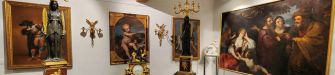
The exhibition is part of the visiting itinerary of the Collezioni Comunali d’Arte, creating a direct dialogue with the museum context “set” on the second floor of Palazzo d’Accursio, where works from the Middle Ages to the 20th century coexist in historic rooms enriched with frescoes and period furnishings, evoking the atmosphere of the ancient cardinal’s residences. The title recalls the field of research that Becheri has been developing for more than a decade: a plastic practice between figuration and informal, consciously embedded in a stratified sculptural tradition that runs through masters such as Medardo Rosso, Arturo Martini, Auguste Rodin, Constantin Brâncuși, Amedeo Modigliani and Lucio Fontana.
The seven works on display, all previously unseen and made between 2021 and 2025, are modeled in terracotta and stained with pigments. Human or animal figures, heads, self-portraits, figures between introspection and humanity, placed in six rooms and each positioned in the center of the space. This installation choice aims to emphasize the relationship between sculpture and environment, inviting the public to a direct and individual confrontation with each work, in which silence and solitude become fundamental elements.
The dialogue between Becheri’s sculptures and the architecture of the museum builds a path made of pauses, cross-references and counterpoints, where the history of the collections and the contemporaneity of the artistic intervention mirror each other. What emerges is an essential reading of his sculptural practice, characterized by discrete presences, listening forms and unexpected resonances with the space that welcomes them.
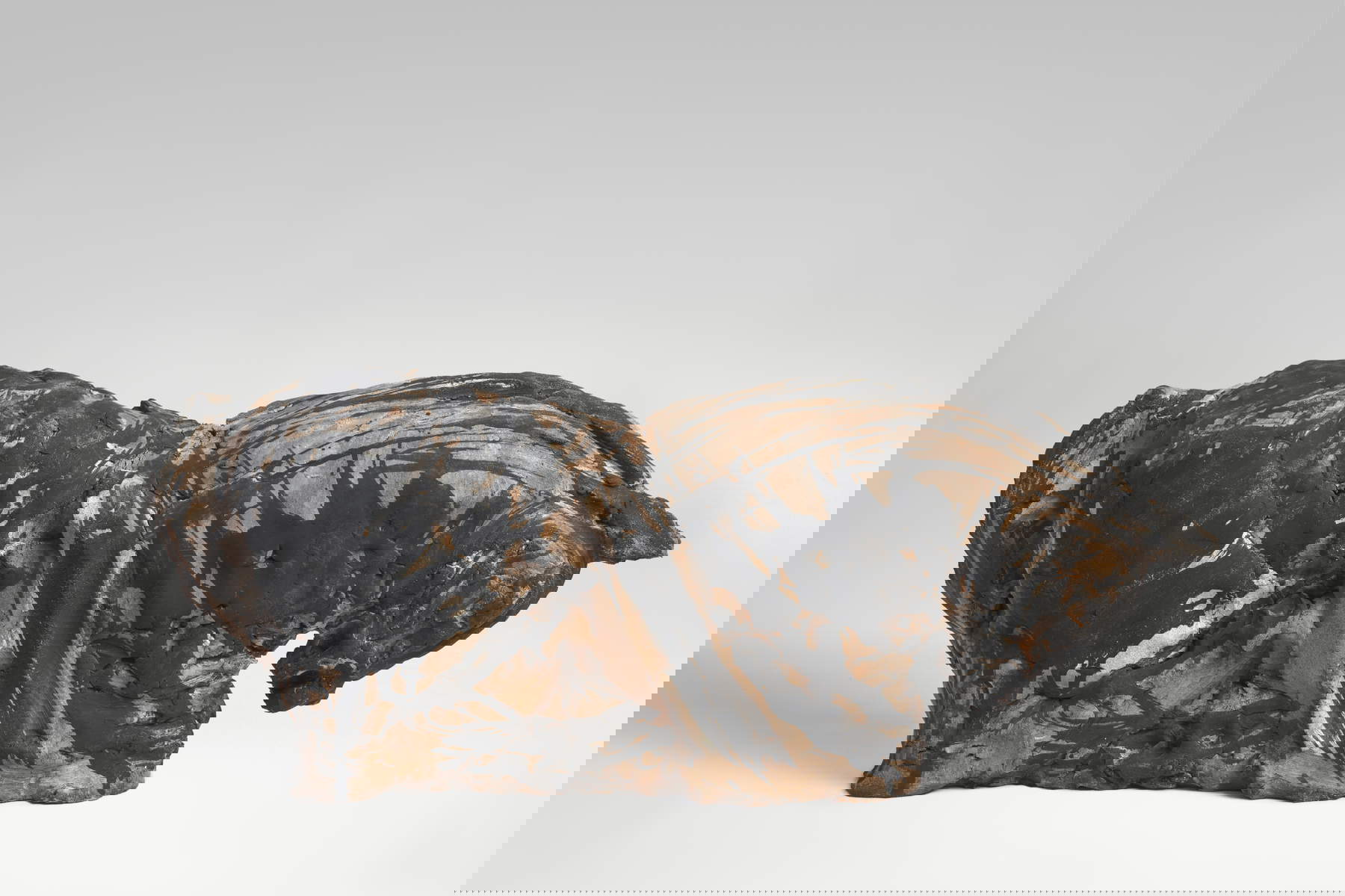
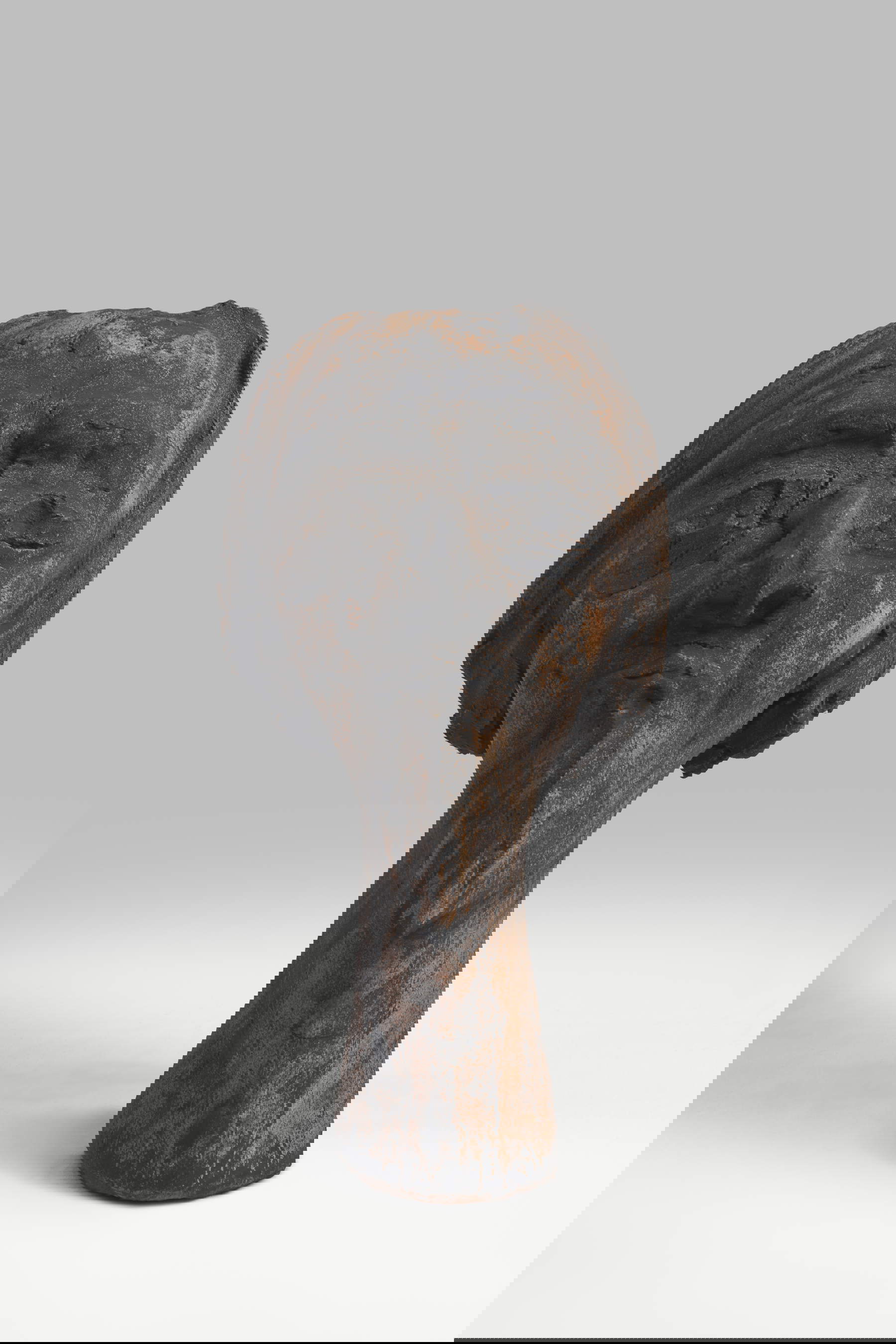
The Vidonian Gallery (Room 4), the Cardinal Legate’s representative room, and the Urban Room, among the spaces of greatest impact for the public, house the two most recent works: Solitude 02.06.2025 and Stupefied (2025). In Solitude 02.06.2025, the elongated, horizontal head takes on the appearance of an outstretched body, almost burdened by its own weight. It is neither a portrait nor a mask, but a presence that seems to embody a condition rather than an identity. The material retains the traces of gesture, irregularities and internal tensions, as if the form were the result of continuous pressure, of a process that is never quite finished. Stupefied occupies a central position in the artist’s research. It is a self-portrait, understood not as physiognomic recognition, but as a space for reflection on self-image. The face, caught in a state of suspension and openness, does not return a defined identity, but a threshold: a condition of attention, exposure and slight disorientation. Here the self-portrait does not affirm, but interrogates, and makes clear how for Becheri sculpture is always the outcome of an open process, conducted directly in the material.
The historically charged theme of the artist’s face is also stripped of any celebratory intent inSelf-Portrait (2025), exhibited in Room 7 (Primitives Wing). What emerges is not the image of the artist, but a mental condition, an inner time that is deposited in the material.
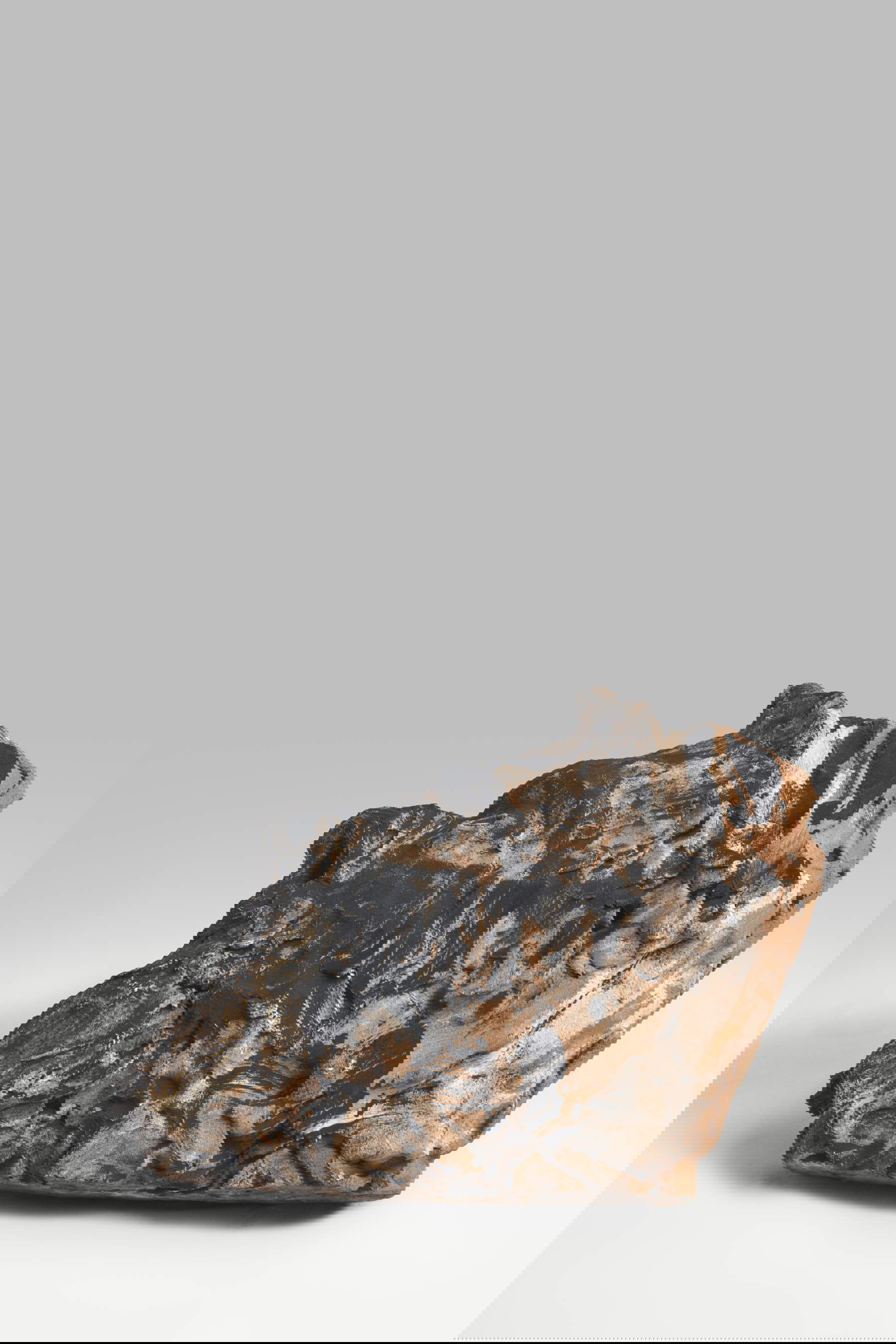
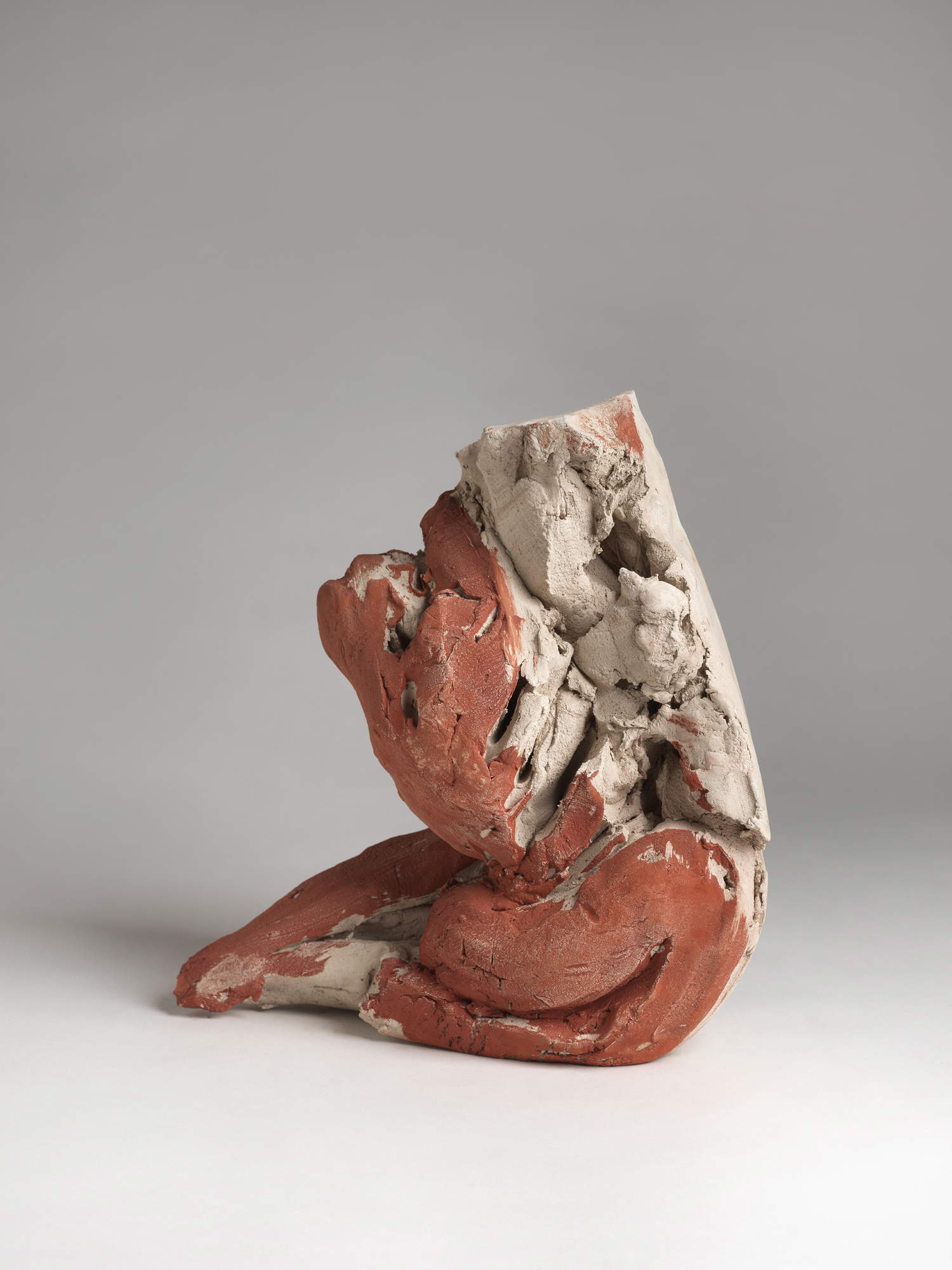
In the other four works, all titled Figure (2021, 2023, 2024, 2025), the human body appears reduced to its essentials, as the residue of a process of subtraction. There is no anatomical description or expressiveness in the traditional sense, but these forms retain a strong charge of humanity, a presence that imposes itself precisely through its fragility.
“The works in the exhibition do not offer themselves as accomplished images or as stabilized representations. On the contrary, they seem to retain something, to remain in a state of suspension, as if caught in the very moment of their formation. Solitude, Stupefied, Self-Portrait, Figure: the titles do not describe, but direct the gaze toward an inner, psychic, almost emotional dimension that never finds a literal translation in form,” the curator writes in the critical text accompanying the exhibition. “Sculpture, for Becheri, is never the site of an accomplished form, but the always provisional result of a series of decisions made over time, under the pressure of matter and gesture. In this sense, each work retains something unresolved, restrained, as if it remains open to the possibility of another direction. It is a sculpture that does not claim to assert, but to pause; that does not occupy space, but listens to it. [...] The forms that inhabit this exhibition do not ask to be interpreted, but encountered. They do not offer an image to be deciphered, but a time to be shared. In the halls of the Municipal Art Collections, these sculptures do not simply dialogue with the past: they set it in vibration. Between the density of matter and the fragility of gesture, between the solitude of form and the listening of space, Emanuele Becheri’s work restores to sculpture a rare and necessary possibility: that of being, today, a place of attention, hesitation and presence.”
Hours: Tuesday and Thursday from 2 to 7 p.m.; Wednesday and Friday from 10 a.m. to 7 p.m.; Saturday, Sunday and holidays from 10 a.m. to 6:30 p.m. Closed on non-holiday Mondays.
Saturday, Feb. 7, 2026 (ART CITY White Night) 10 a.m. to 10 p.m., last admission 9:30 p.m.
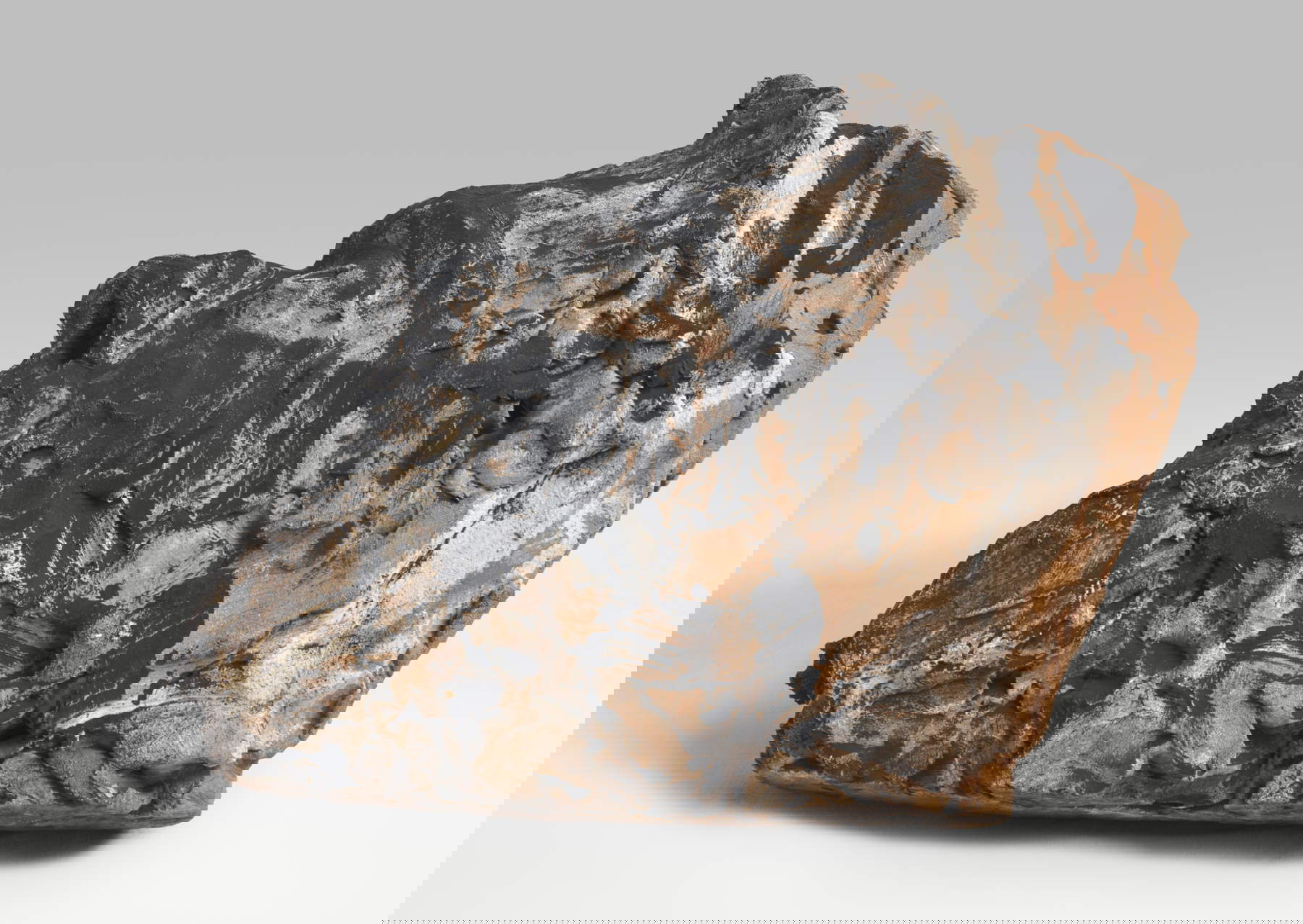 |
| ART CITY Bologna, Emanuele Becheri's sculptures at the Collezioni Comunali d'Arte in Palazzo d'Accursio |

Warning: the translation into English of the original Italian article was created using automatic tools. We undertake to review all articles, but we do not guarantee the total absence of inaccuracies in the translation due to the program. You can find the original by clicking on the ITA button. If you find any mistake,please contact us.


















 IT
IT FR
FR DE
DE ES
ES CN
CN


