





From March 1 to May 3, 2026, the MAR - Museo d’Arte della città di Ravenna will host the fifth and final stage of an articulated exhibition project dedicated to Mattia Moreni (Pavia, 1920 - Brisighella, 1999), one of the most irregular figures of the second half of the Italian twentieth century. The Ravenna exhibition, titled Dalla regressione della specie all’umanoide (From Regression of the Species to the Humanoid ) and curated by Serena Simoni, closes a widespread path that, from September 2025 to May 2026, involved five institutions in Romagna with the aim of organically reconstructing the entire span of the artist’s production, from his formation to his latest achievements.
The overall project, titled From Formation to “The Last Gasp Before the Great Mutation,” is curated by Claudio Spadoni and promoted by Associazione Mattia. Born in Pavia in 1920 and trained in Turin, Moreni spent long periods in Paris before settling permanently in Romagna starting in the 1970s, tying his name to the territory where he lived until his death in 1999. The decision to articulate the initiative in five locations corresponds to the desire to cross different moments and thematic nuclei of his research, relating works, cycles and critical contexts. The first four stages investigated specific phases: the formation and informal period, some historical series such as the Watermelons and the Self-portraits, as well as the commemoration of the great Bolognese anthological exhibition of 1965 curated by Francesco Arcangeli. With the appointment at MAR, the focus is on the last two decades of his activity, from the first half of the 1980s to 1999, through some 30 large works divided into two main sections, to which is added a documentary part. After concluding the Watermelons cycle, the artist also devoted himself more intensively to writing, elaborating texts such as The Ignorance fluid and The Absurd rational because it is necessary. In these writings converge considerations on the causes of what he calls the “regression” of the species, a notion that invests both the human condition and the art system.
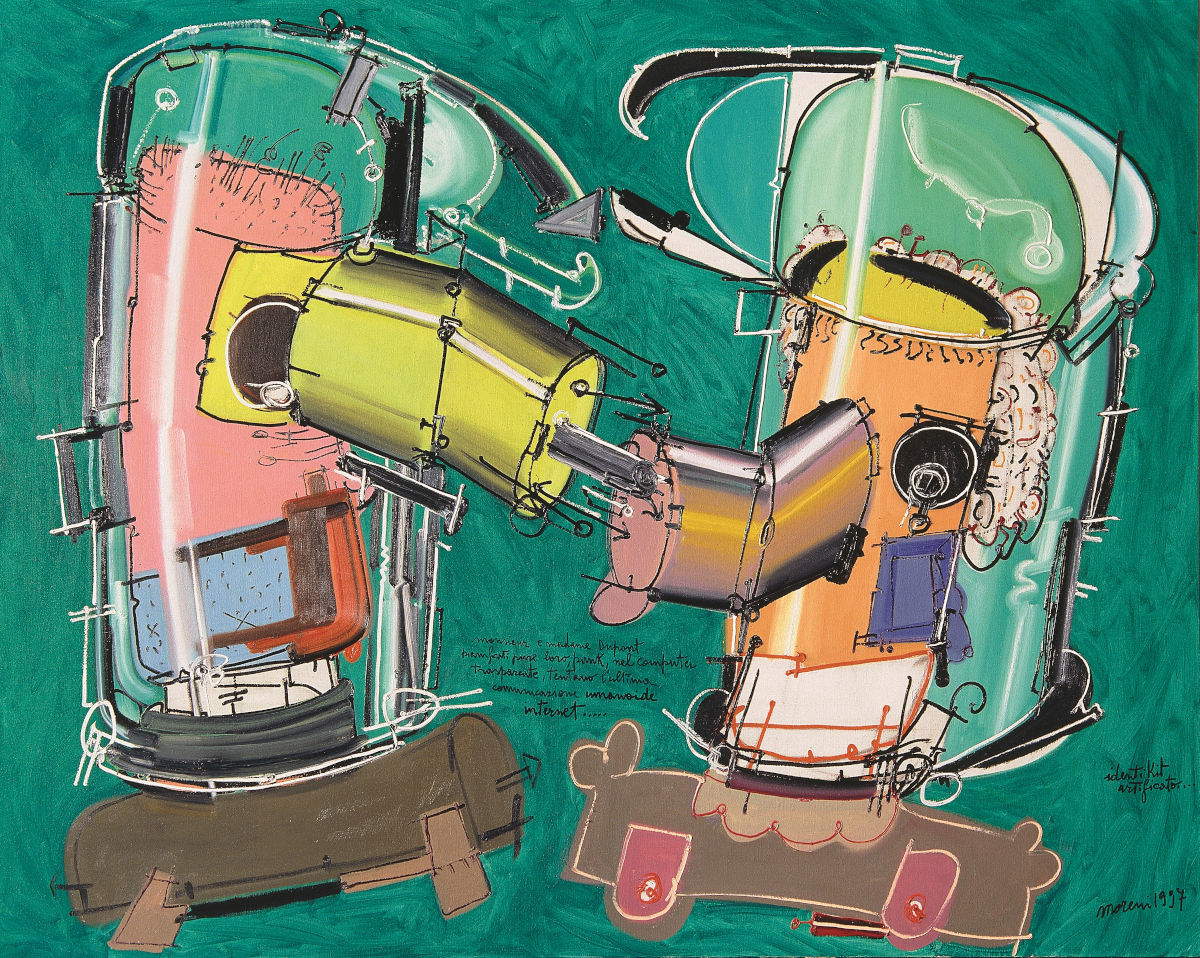
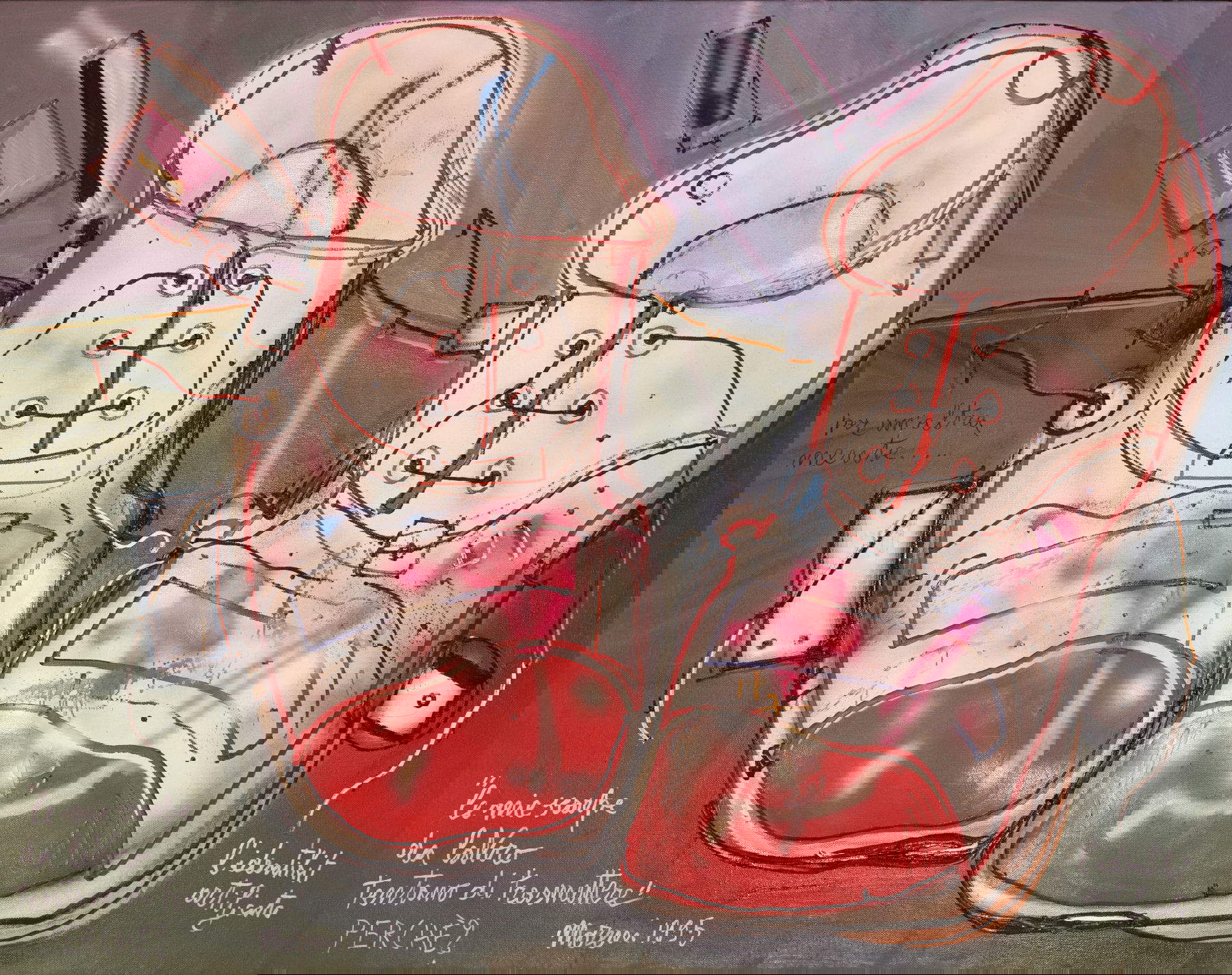
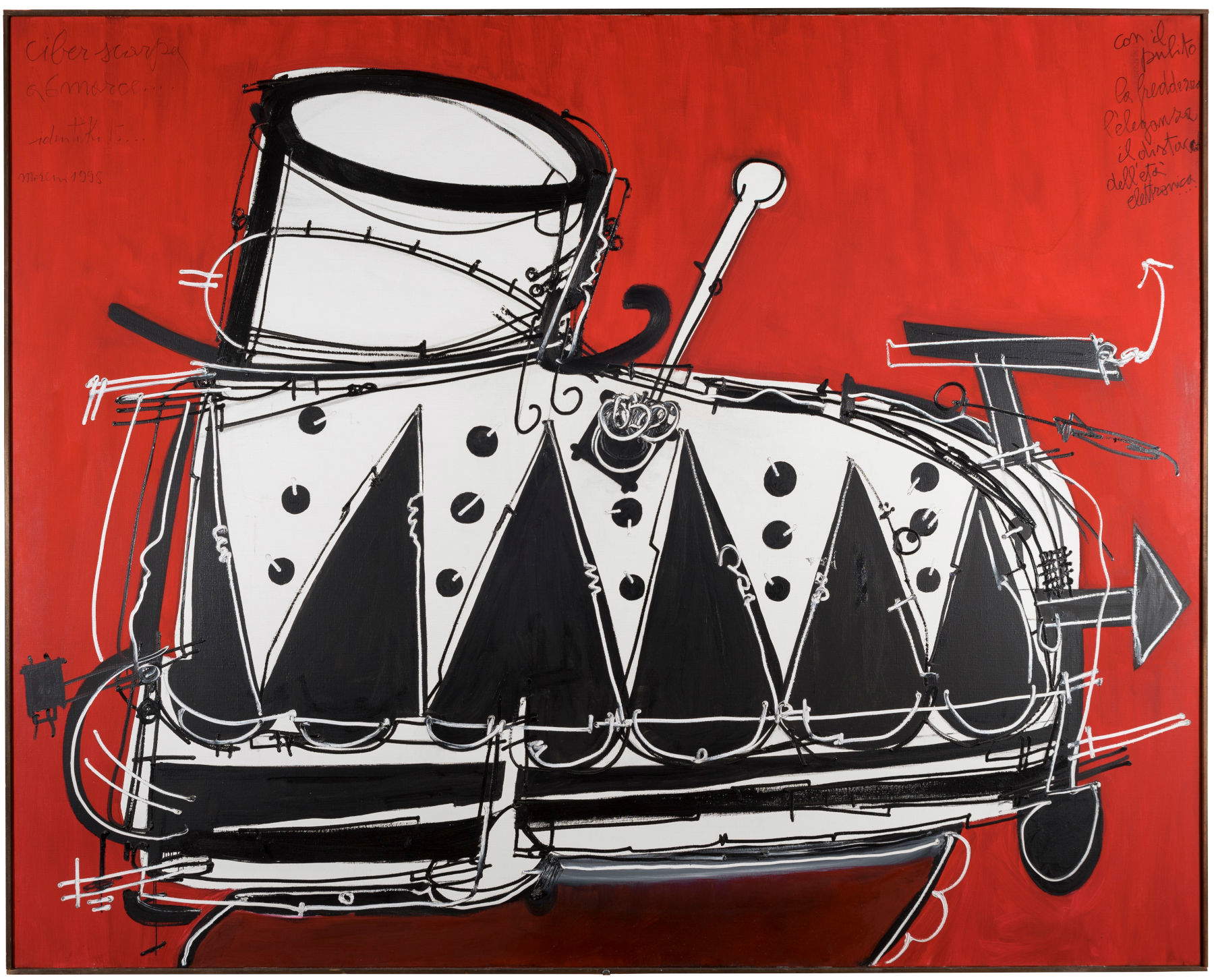
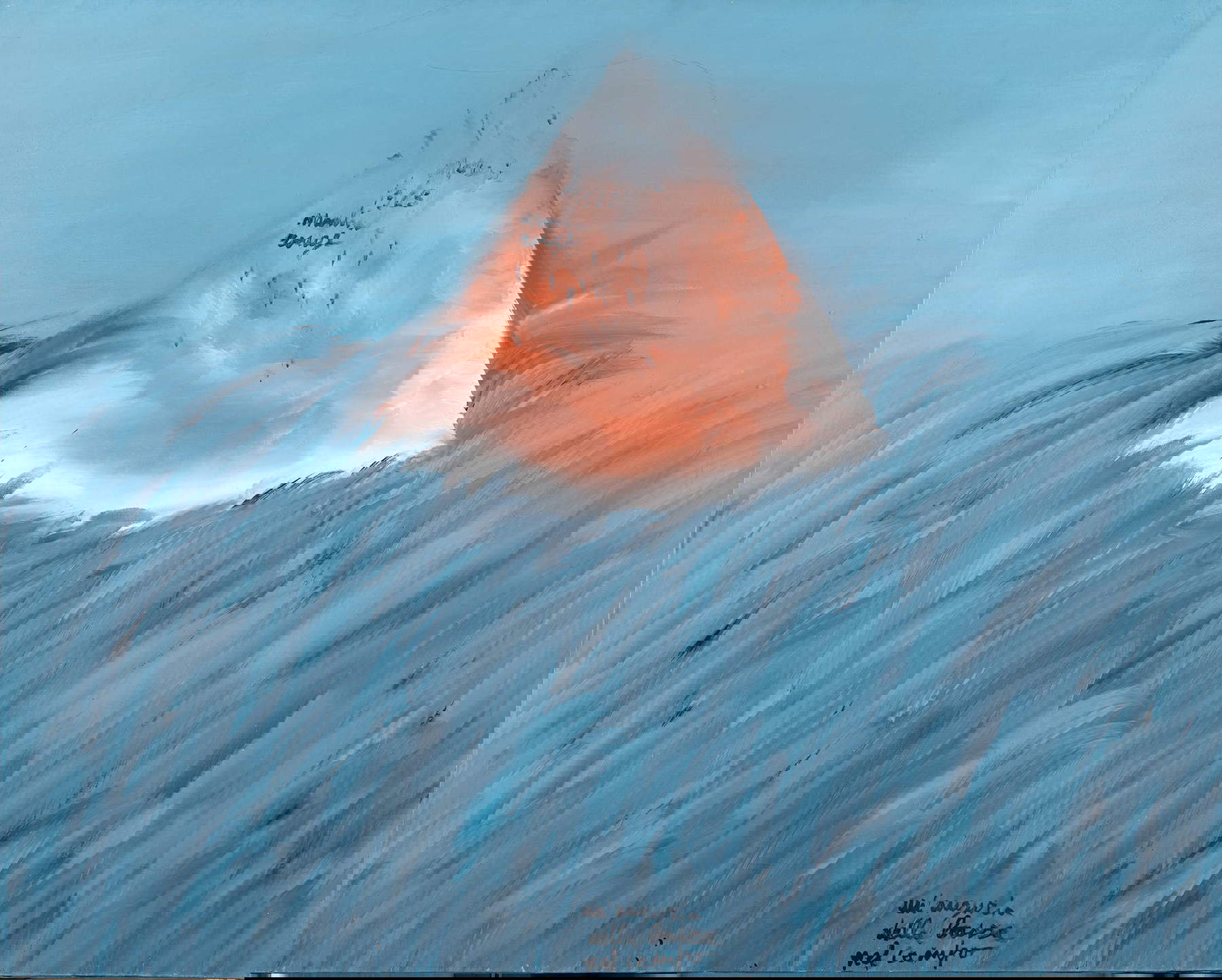
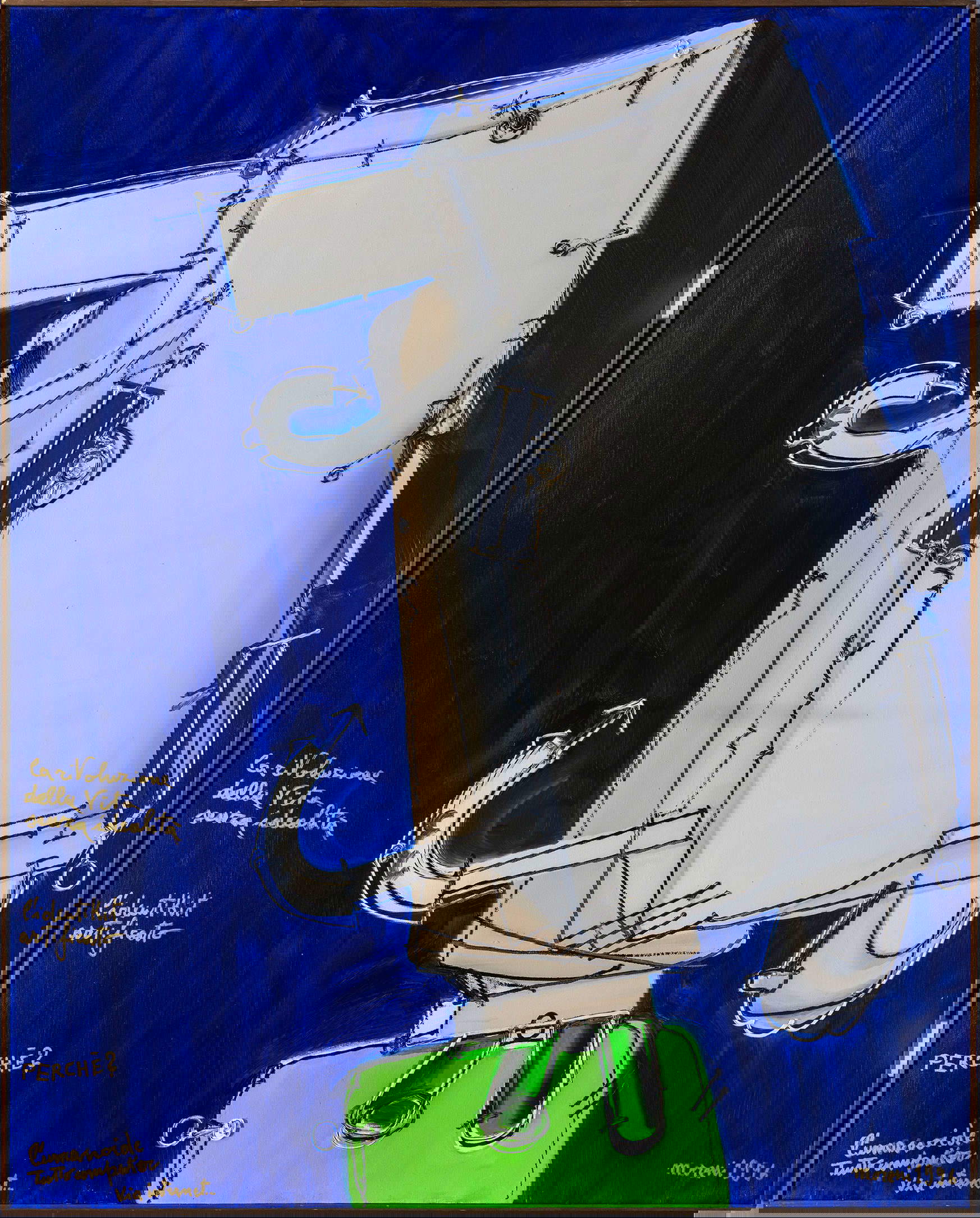
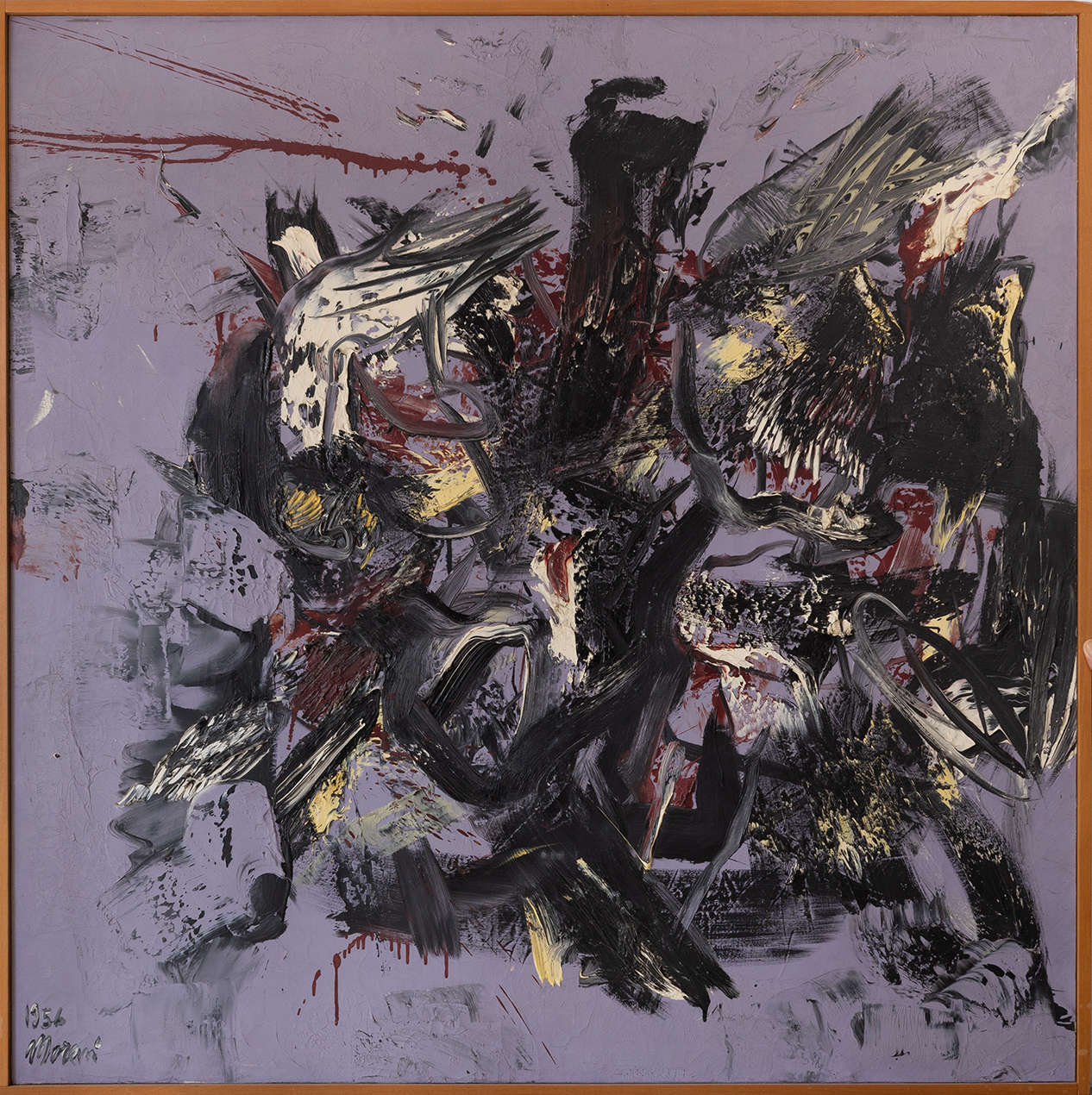
The first section of the exhibition is entitled Regression of the Species and Fine Arts (1983-1995). In the works exhibited at MAR, Moreni presents himself as an observer of the involution of Fine Arts, which is considered to mirror the anthropological decline. According to his reading, since the beginning of the twentieth century, art would have progressively renounced an authentically creative drive, taking refuge in mannered primitivisms or formalisms devoid of tension. The regression, sometimes unconscious, sometimes deliberate, manifests itself through irregular objects and geometries that allude to an aestheticizing art, infantilized, mannered or absorbed in the logics of consumption. To elucidate the process he calls the production of “kindergartens and pathological kindergartens,” Moreni accentuates the reference toArt Brut, with a focus on child and psychiatric production. The deliberately regressive and pathological style thus becomes the reverse of an era that he perceives as anesthetized by mass media and mass consumerism.
Beginning in 1995, the concluding cycle of the Umanoids (1995-1999), presented in the second section of the Ravenna exhibition, began. Such works constitute, in the artist’s perspective, the natural outcome of the regression of the species. The paintings depict robots waiting for a fully operationalartificial intelligence and humanoid figures that recall the self-portraits to which Moreni, as early as 1986, had applied devices, electrodes and lasers, to the point of hypothesizing a hybridization with the computer. Genetics and electronics are interpreted as domains intended to enable a replacement or fusion of machine and individual. Humanoids present themselves as exemplary sketches of an ongoing anthropological mutation, inscribed in a revolution devoid of ideality. The artist declares that he wishes to witness this transformation from a detached position, without adherence or emphasis. The pictorial language also changes: the drafting becomes more rapid and defined, consistent with what Moreni identifies as the “clean, elegance and detachment of the electronic age.” The reading proposed by the Ravenna exhibition suggests a confrontation with technological developments that the artist has not been able to experience directly: the pervasiveness of the Internet and social networks in the private sphere, the profiling of millions of individuals even in a political sense, the global dimension of commodities, the difficulty of informational orientation, and the ambiguous use of artificial intelligences.
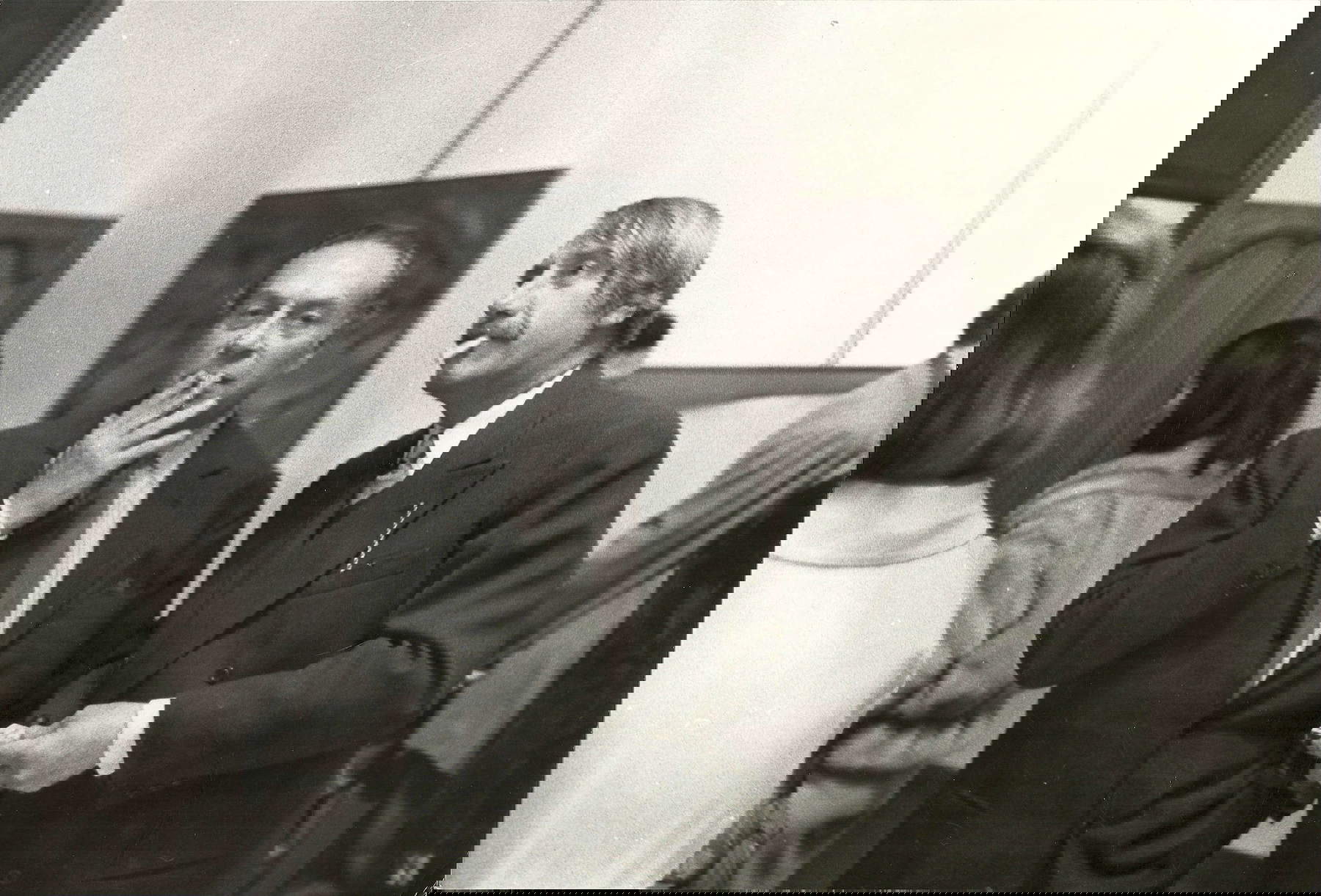
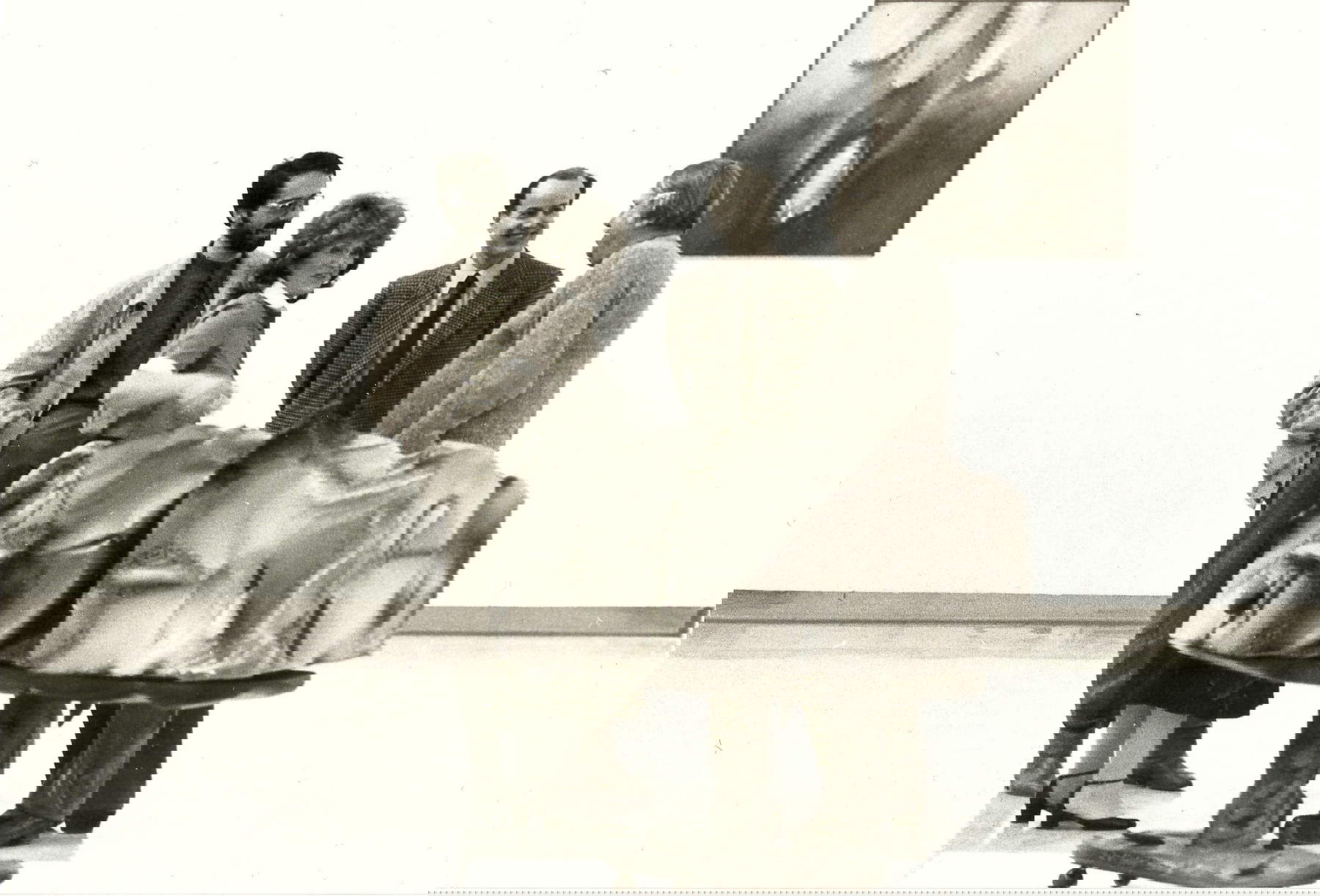
The third section of the exhibition presents a photographic and documentary apparatus that testifies to the attention paid to his work by numerous Italian and international critics. Already in the 1950s figures such as Michel Tapié and Pierre Restany had included Moreni among the few Italian artists capable of confronting the European informal scene and the American one, recognizing his originality.
The exhibition project started at the Museo Civico delle Cappuccine in Bagnacavallo, in theEx Convento di San Francesco venue with the exhibition Dagli esordi ai cartelli, curated by Davide Caroli and Claudio Spadoni and open from September 21, 2025 to January 11, 2026. In parallel, at the Museo Civico San Domenico in Forli, from Oct. 18, 2025 to Jan. 11, 2026, RoccoRonchi delved into the period of Watermelons. At the Vero Stoppioni Gallery of Contemporary Art in Santa Sofia (Forlì-Cesena), from Nov. 15, 2025 to Jan. 11, 2026, Denis Isaia presented the Self-Portraits and works preserved in the public collection that constitutes the largest core of Moreni’s works in a museum.
From Jan. 30 to May 31, 2026, MAMbo - Museo d’Arte Moderna di Bologna re-enacts the historic 1965 solo show at the then Galleria d’Arte Moderna di Bologna (later to become MAMbo), curated by Francesco Arcangeli, the artist’s first exhibition in a public institution, with Pasquale Fameli and Claudio Spadoni curating. The final stage at the MAR in Ravenna thus completes an itinerary that aimed to restore a unified picture of Moreni’s research. The initiative is held under the patronage of the Emilia-Romagna Region, Alma Mater Studiorum University of Bologna - Department of Arts, and the municipalities of Bagnacavallo, Santa Sofia, Forlì, Bologna and Ravenna. The project is realized thanks to the collaboration and loan of private collectors, with the support of Manifattura Ceccarelli, Teikos Solutions and Associazione Controcorrente. A catalog published by Dario Cimorelli Editore documents the works on display in the five venues, accompanied by a comprehensive photographic apparatus.
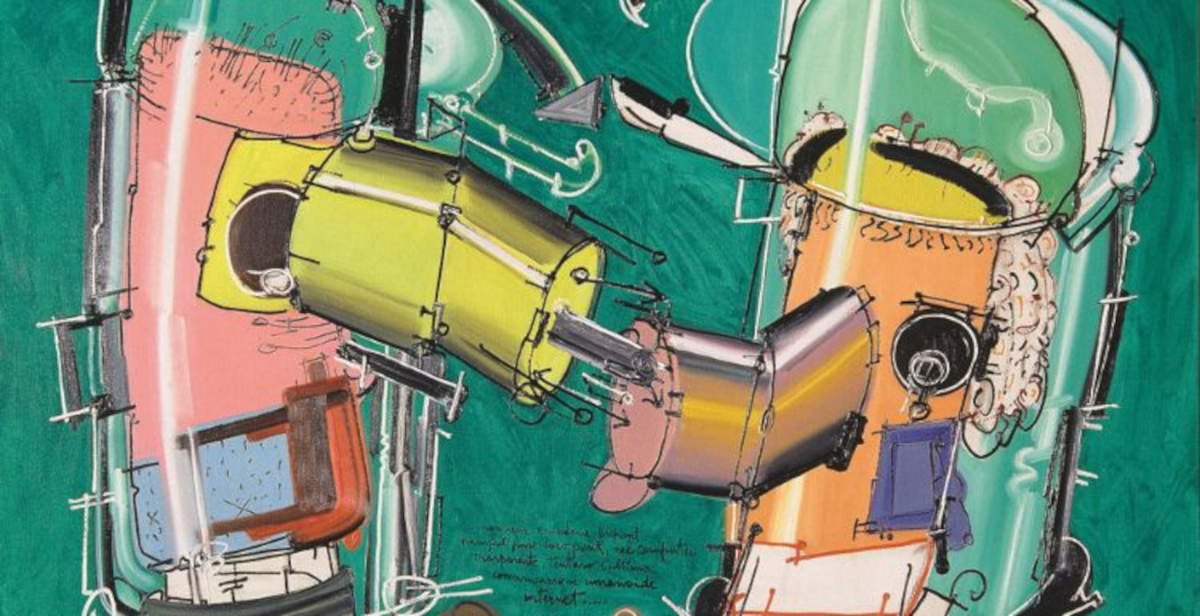 |
| At the MAR in Ravenna an exhibition dedicated to the last two decades of Mattia Moreni's production, featuring his Umanoids |

Warning: the translation into English of the original Italian article was created using automatic tools. We undertake to review all articles, but we do not guarantee the total absence of inaccuracies in the translation due to the program. You can find the original by clicking on the ITA button. If you find any mistake,please contact us.























 IT
IT FR
FR DE
DE ES
ES CN
CN


