



by Redazione 06/03/2026



Categories: Exhibitions / Disclaimer
Palazzo Cipolla in Rome is hosting, for the first time in Italy, more than fifty masterpieces from the collections of the Kunsthistorisches Museum in Vienna. On display are works by Rubens, van Dyck and Jan Brueghel the Elder, Titian, Veronese, Caravaggio and many others.

From March 6 to July 5, 2026, the Museo del Corso-Museum Pole in Rome, at the Palazzo Cipolla, welcomes for the first time in Italy more than fifty masterpieces from the collections of the Kunsthistorisches Museum in Vienna, to tell the story of a collection that represents both a museum and a true dynastic self-portrait, a symbol of the magnificence of an Empire and the cultural ambitions of the Habsburg dynasty. The exhibition From Vienna to Rome. The Wonders of the Habsburgs from the Kunsthistorisches Museum is promoted and produced by the Fondazione Roma in collaboration with the Kunsthistorisches Museum, under the patronage of the Ministry of Culture and the Embassy of Austria in Rome, is realized with the organizational support of MondoMostre and is also made possible thanks to the contribution of the Sella Group-through Banca Sella and Banca Patrimoni Sella & C.-the official sponsor of the initiative.

The exhibition, curated by Cäcilia Bischoff, art historian at the Kunsthistorisches Museum, brings together works collected or commissioned between the 16th and 19th centuries by central figures of the House of Habsburg, including Emperor Rudolf II, Archduchess Isabella Clara Eugenia, Archduke Leopold Wilhelm and Empress Maria Theresa. Through these works, a portrait emerges of a multiethnic, multicultural and multireligious empire, in which art takes on a fundamental role as a means of representing power, spreading knowledge and dialogue between different civilizations.


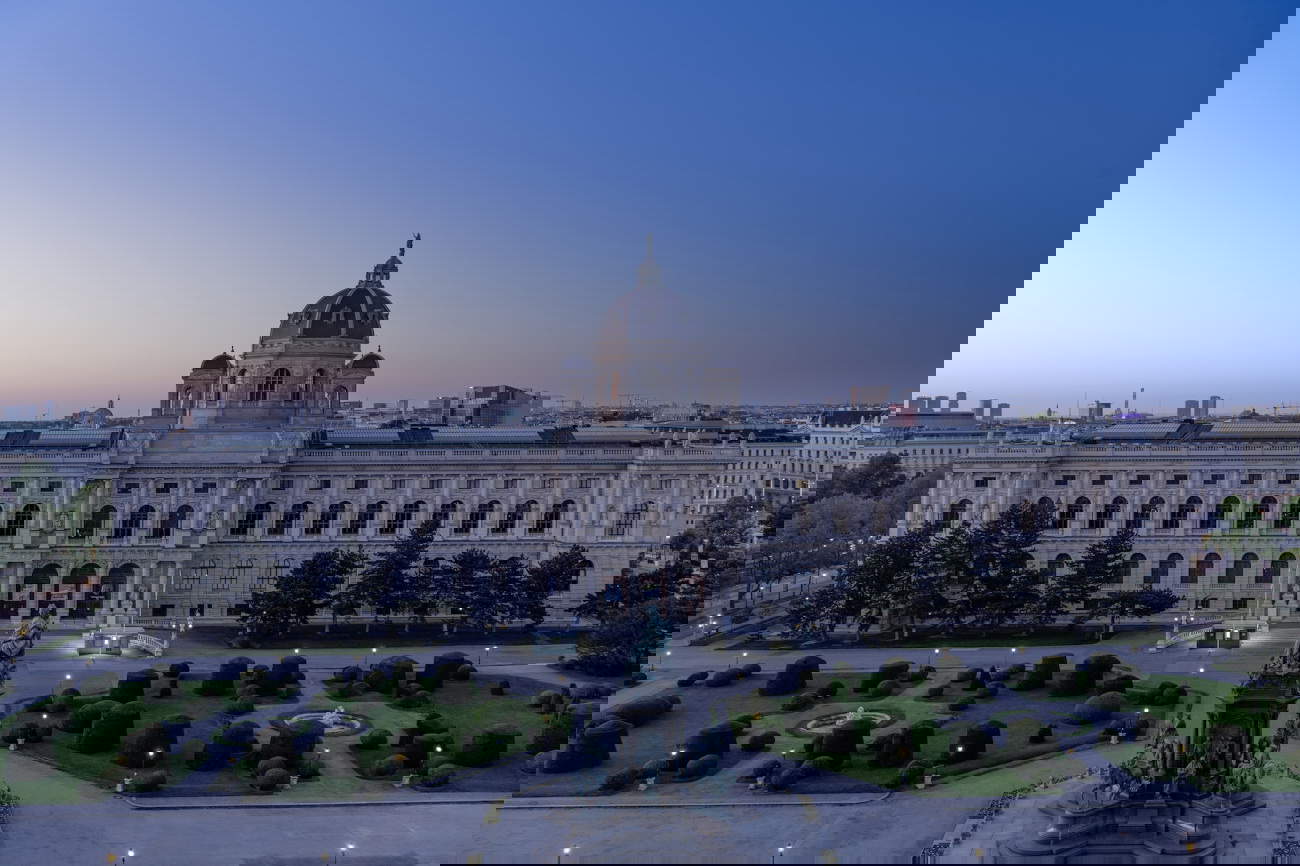
The exhibition opens with an introductory section devoted to the architecture of the Kunsthistorisches Museum, the imposing building designed by Gottfried Semper and Carl Hasenauer and inaugurated in 1891 as part of the grand urban plan commissioned by Emperor Franz Joseph I. A symbol of the union of art and knowledge, the Viennese museum is placed in relation to Palazzo Cipolla, the exhibition’s Roman venue, through the figure of its architect Antonio Cipolla. Active in the same years and a careful interpreter of European historicist culture, Cipolla shared with Semper and Hasenauer the idea of architecture as a public space capable of conveying civic and cultural values. This section also presents a number of documents related to the Palazzo, from the Foundation’s Historical Archives and kept at Palazzo Sciarra Colonna, thanks to a loan agreement with Unicredit, which owns the building.


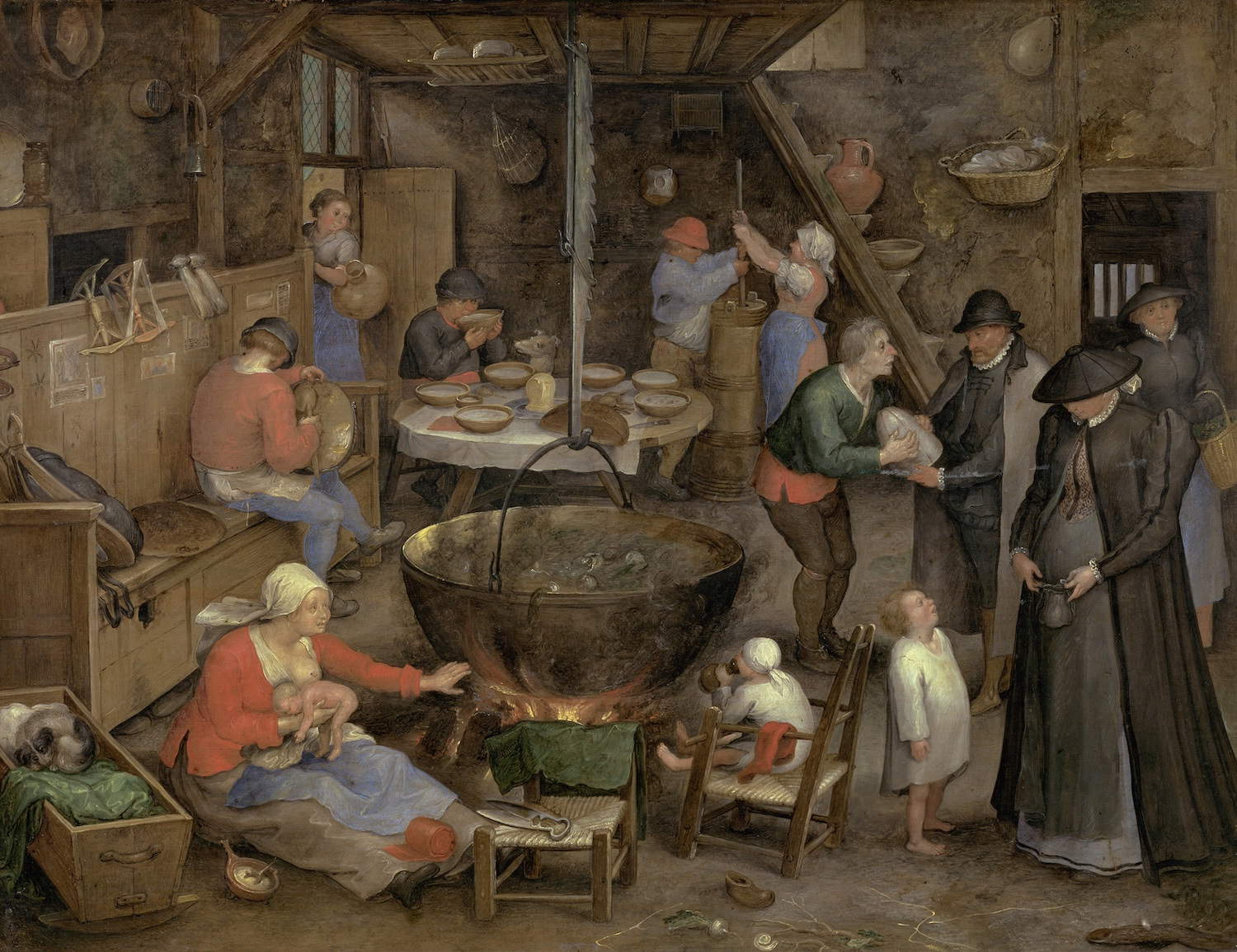
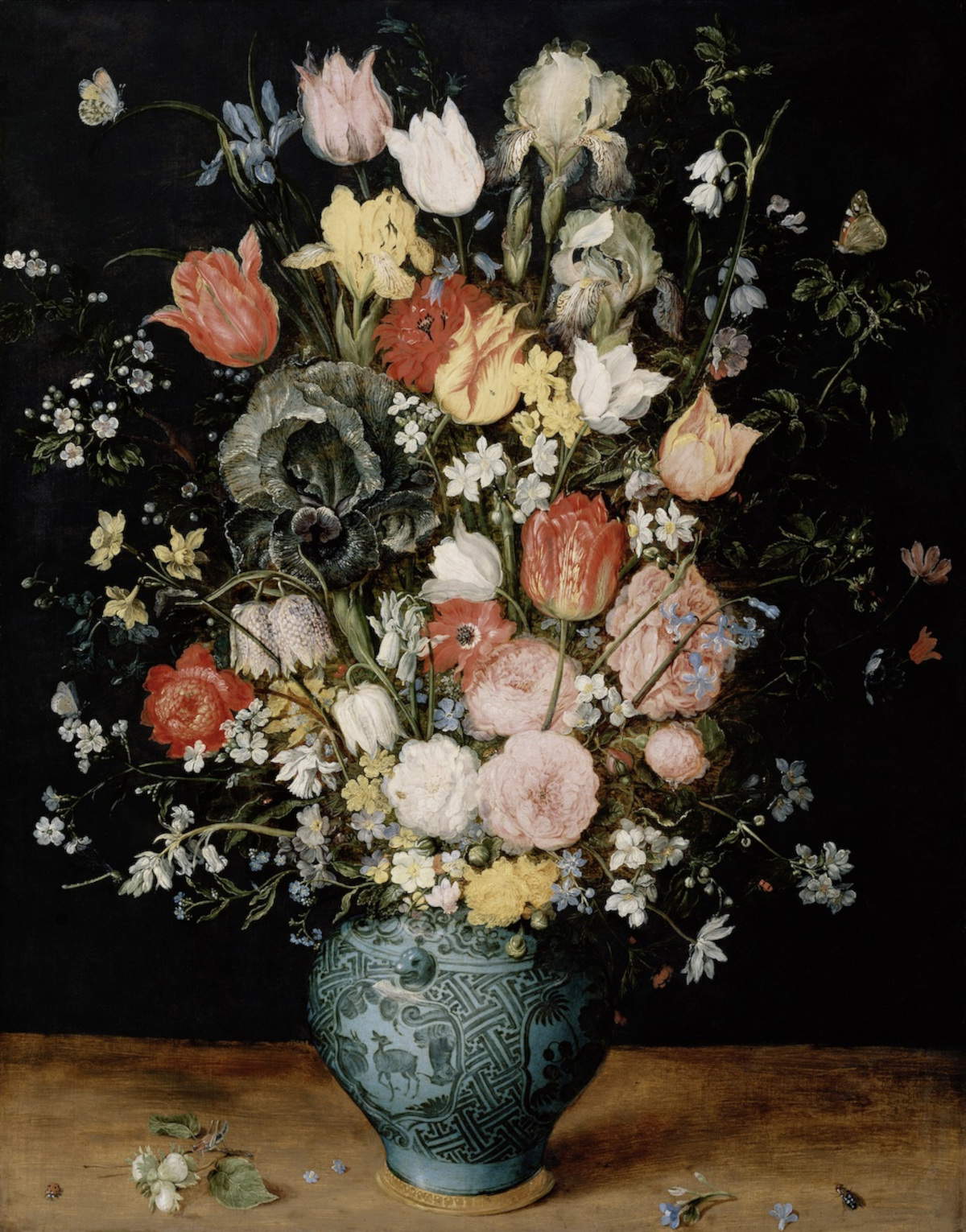
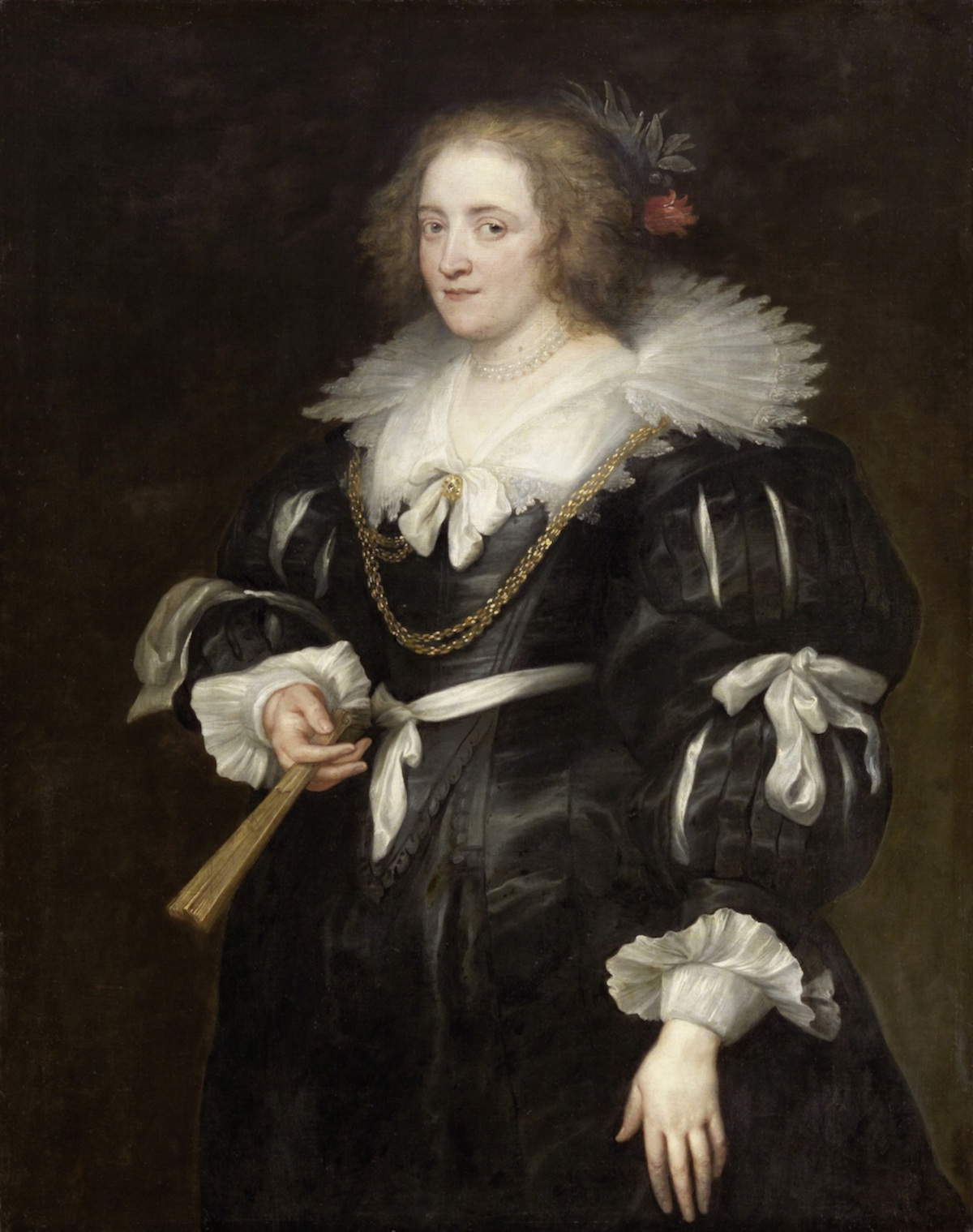
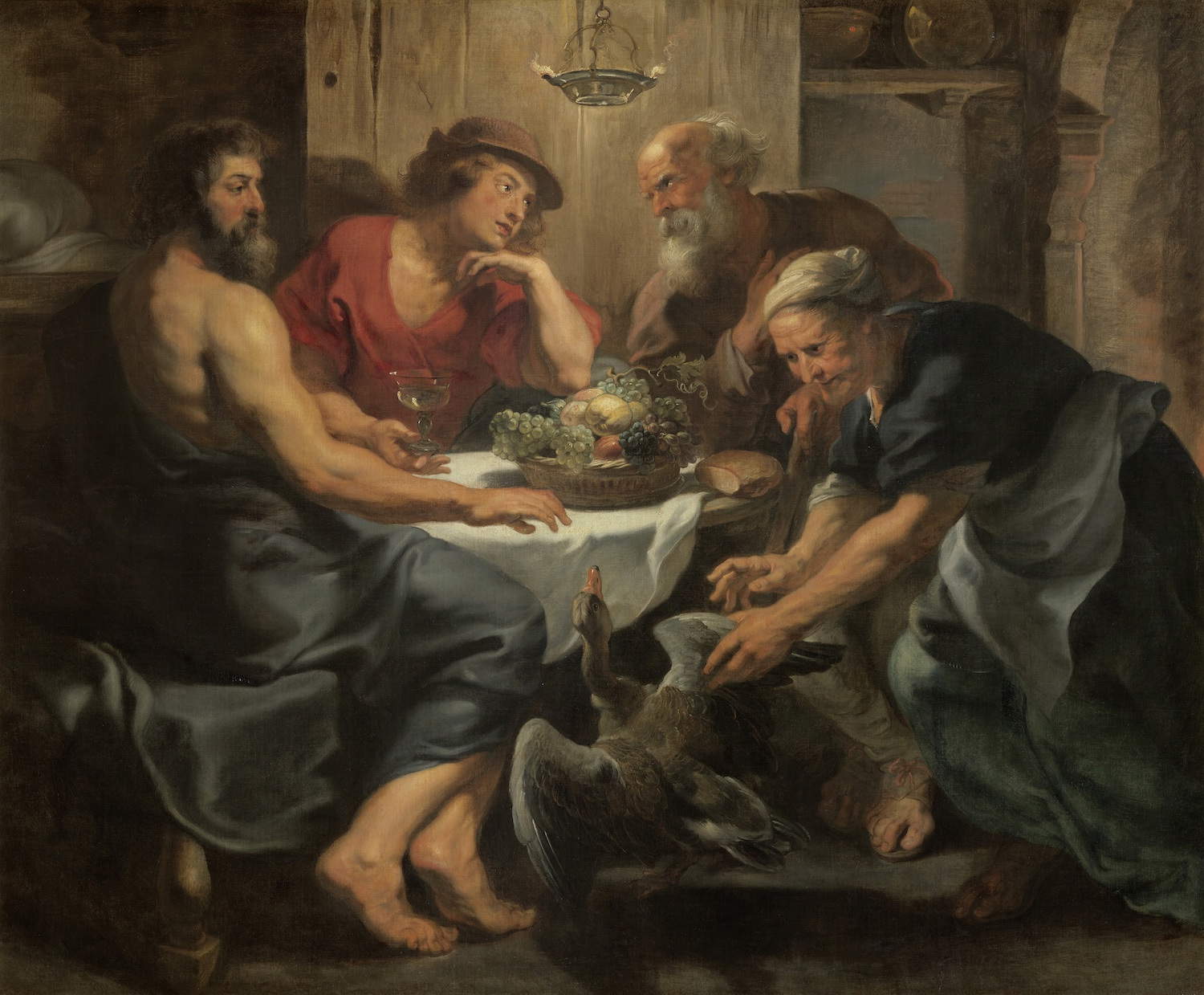
The core of the exhibition is devoted to European painting between the 16th and 17th centuries, illustrated in its main genres and different artistic expressions. The great season of Flemish painting in the seventeenth century is represented by the works of Peter Paul Rubens, Antoon van Dyck and Jan Brueghel the Elder, the protagonists of a figurative language in which the legacy of the Renaissance, Italian influence and the observation of nature come together in dynamic compositions of strong chromatic intensity. In this context, Antwerp emerges as one of the main centers of an international artistic network, sustained by workshops, court commissions and cultural exchanges between different countries.
Alongside large-scale works, the exhibition also reserves ample space for cabinet paintings and objects belonging to the Kunstkammer, the famous Renaissance “chambers of wonder.” Small paintings, still lifes, landscapes and precious objects testify to an aesthetic based on precision and intimacy. In this section, works by Gerard ter Borch, Gerard Dou and Jacob van Ruisdael dialogue with artifacts from one of Europe’s most extraordinary Kunstkammer, conceived as a microcosm of knowledge, in which natural wonders and creations of human ingenuity coexist according to symbolic and cognitive criteria.
The section devoted to seventeenth-century Dutch painting reflects the establishment of a bourgeois and Protestant society, in which art is oriented toward the representation of everyday life, domestic environments and direct observation of reality. Frans Hals renewed the portrait genre with lively and spontaneous brushwork, while Jan Steen transformed the genre scene into a dynamic and theatrical representation of social behavior. Johannes Lingelbach, active in Rome and close to the group of so-called Bamboccianti, Nordic artists who introduced to the capital a painting attentive to popular scenes and everyday life, transports these subjects to the context of Baroque Rome, immersed in a delicate and narrative atmosphere.
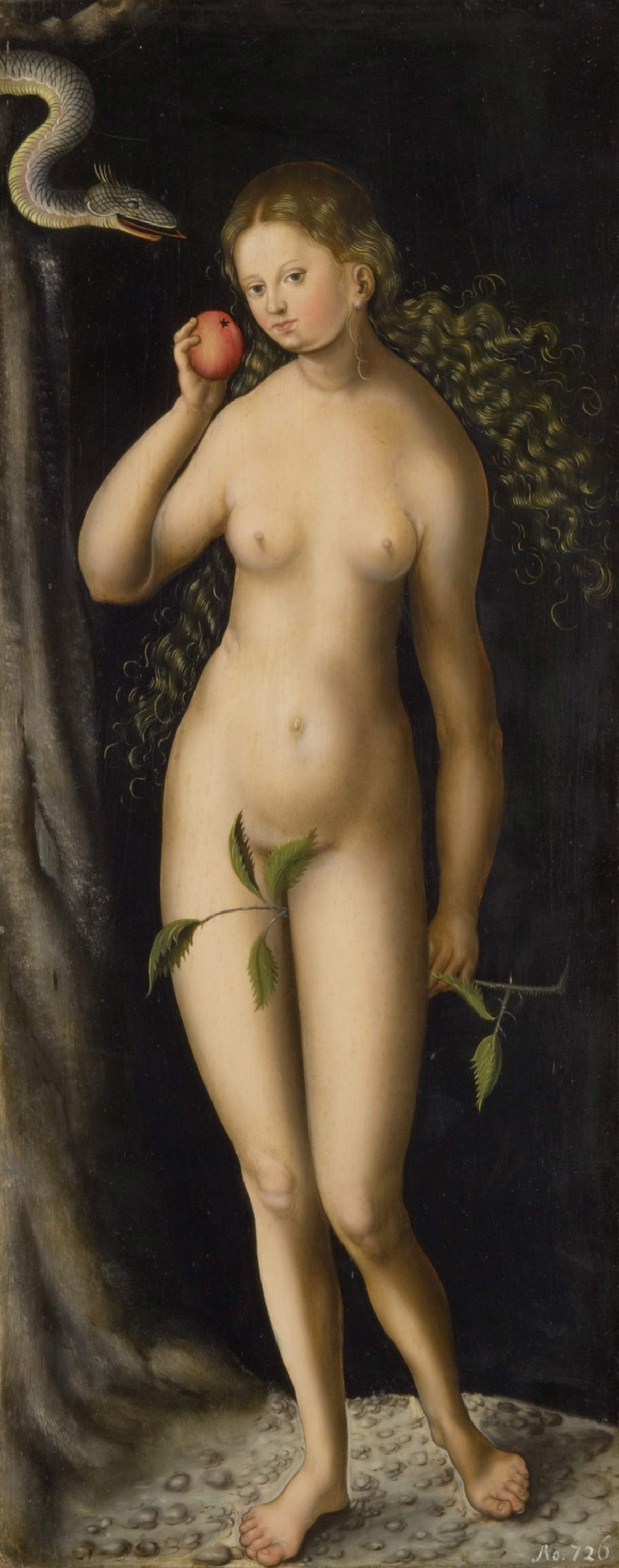
Specific space is also devoted to German painting of the modern age, whose roots lie in the great Renaissance tradition of Lucas Cranach, a key figure in the development of an autonomous artistic language, characterized by strong stylization and extraordinary skill in drawing and line. Building on this legacy are, in later periods, artists such as Joachim von Sandrart and Jan Liss, whose works demonstrate the influence of the Italian Baroque and classical tradition, within an ongoing cultural dialogue between northern and southern Europe.
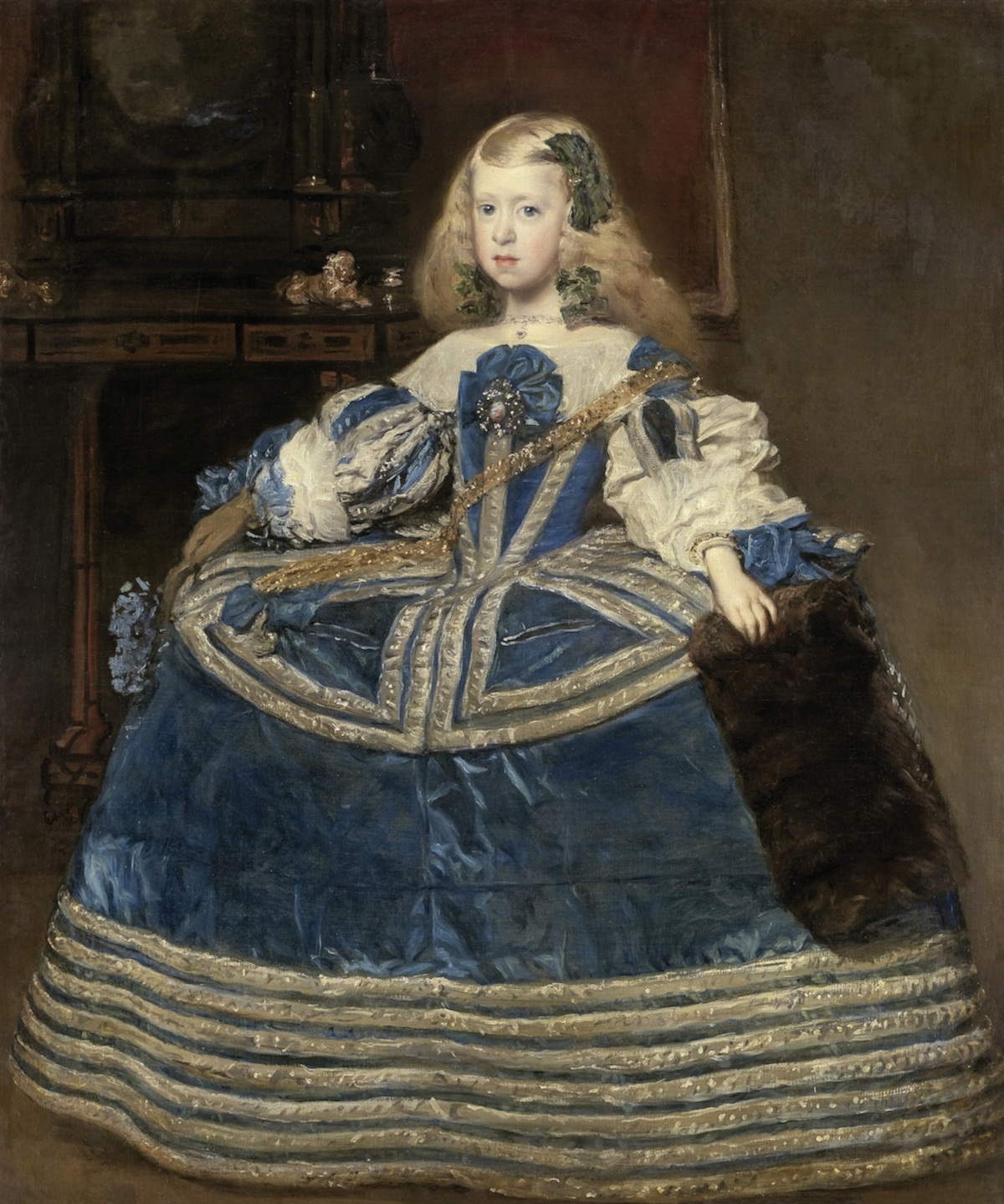
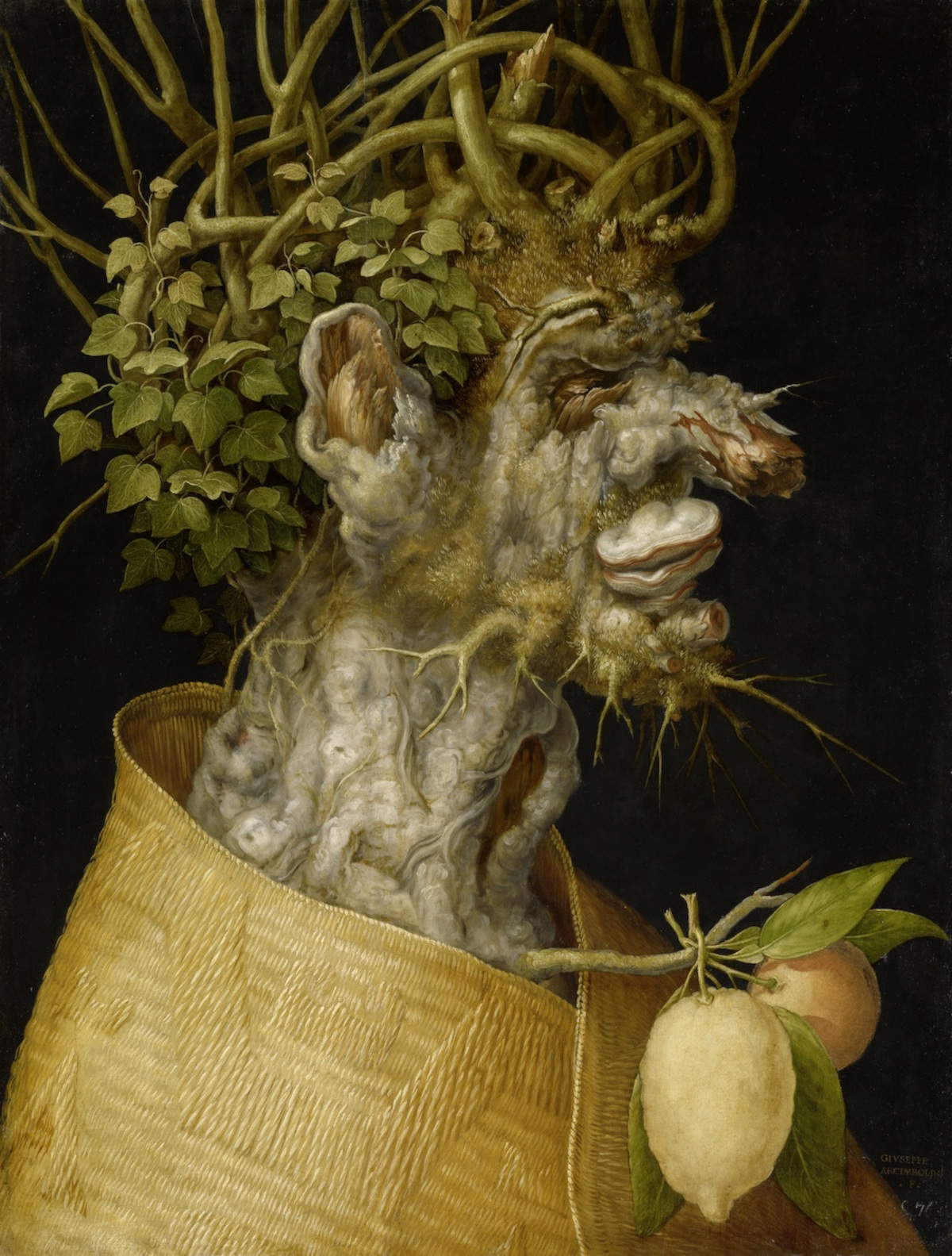
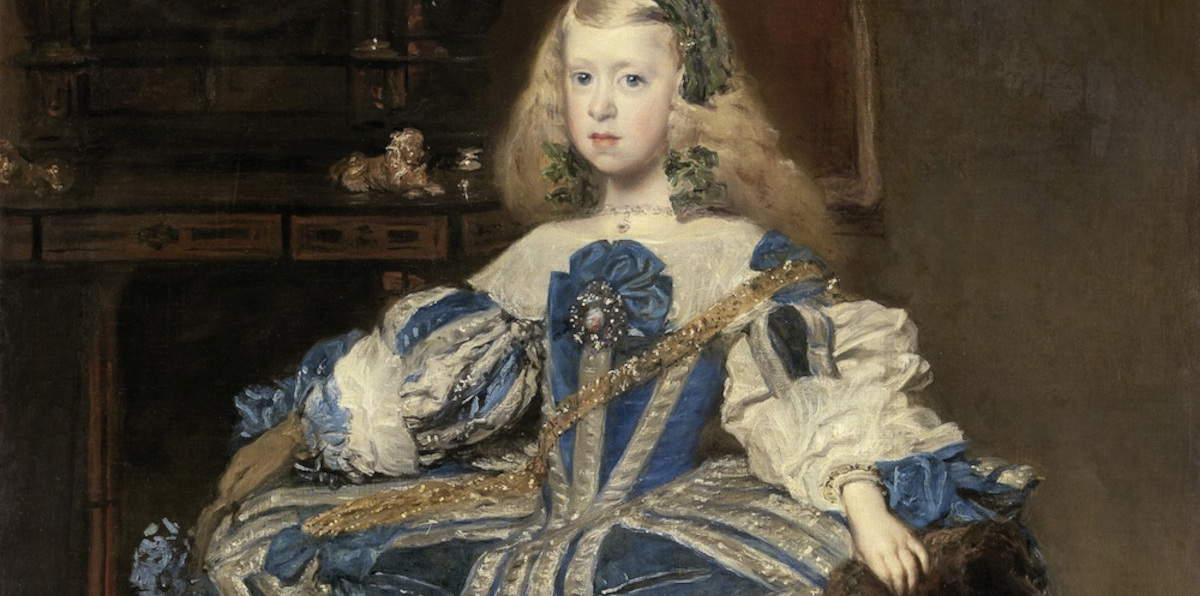
Finally, the exhibition focuses on the role of the Habsburgs as collectors, patrons and custodians of European art. Extraordinary portraits and works by Giuseppe Arcimboldo, David Teniers the Younger, Guillaume Scrots, and Diego Velázquez testify to a precise image policy, in which collecting became an instrument of dynastic self-representation and cultural mediation. Prominent among the masterpieces on display is Velázquez’s famous portrait of theInfanta Margarita in a blue dress, an emblem of court portraiture and a fine example of the Spanish artist’s psychological sensitivity.
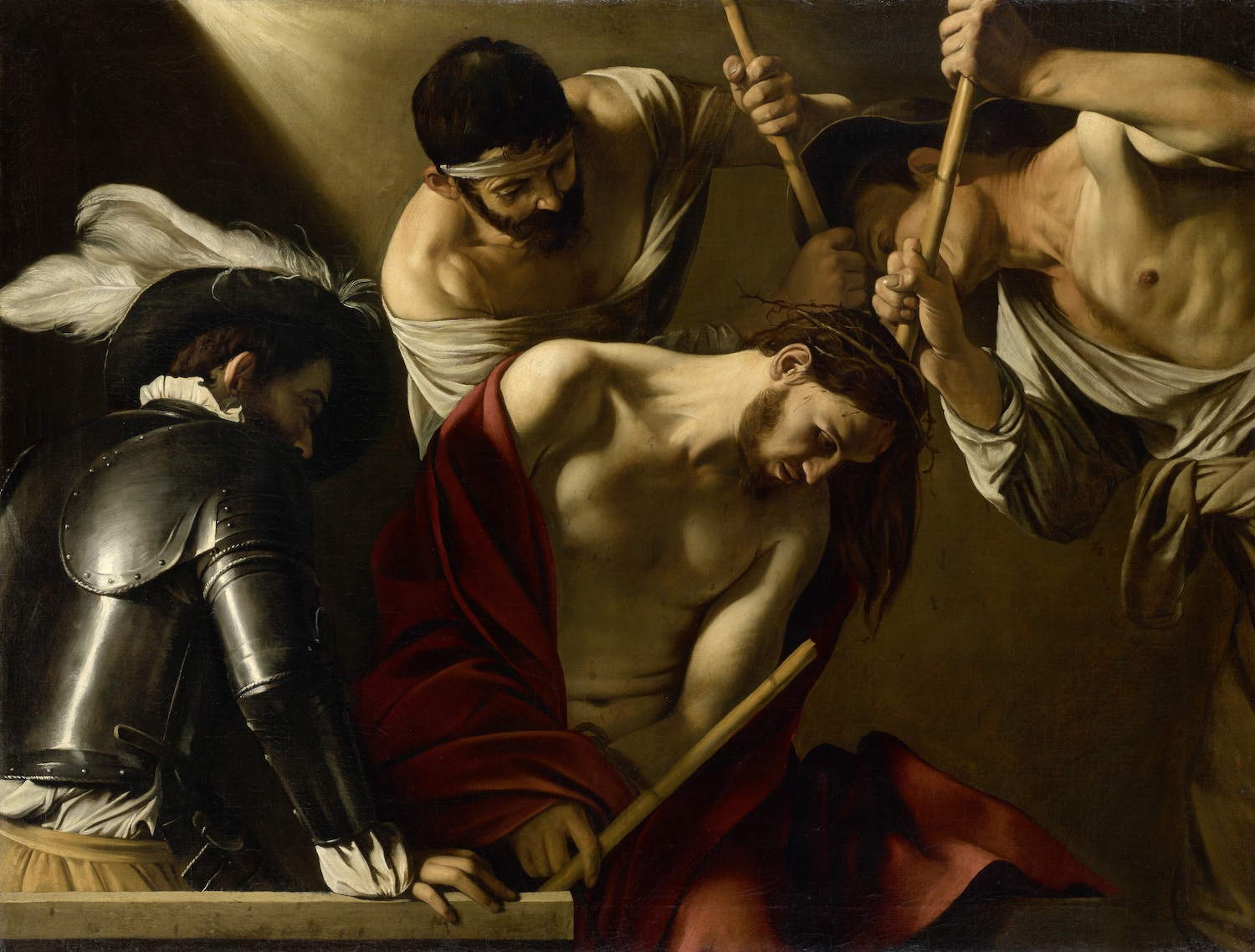
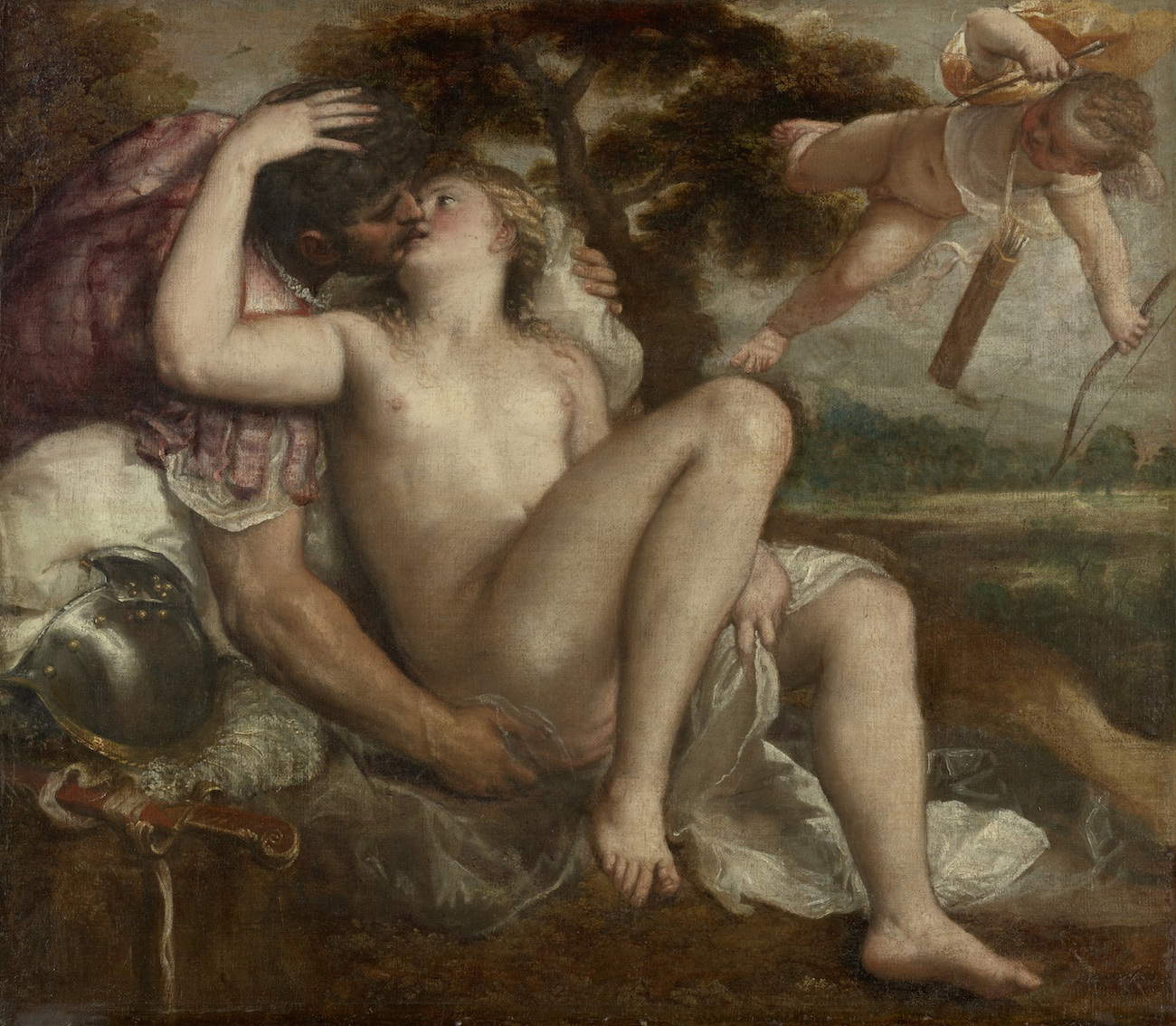
Italian painting represents the symbolic and aesthetic centerpiece of the Viennese collection, especially thanks to the acquisitions ofArchduke Leopold Wilhelm, whose taste turned toward 16th- and 17th-century art. On display are masterpieces by Titian, Tintoretto, Veronese, Orazio Gentileschi, Guido Cagnacci and Giovanni Battista Moroni, testifying to Italy’s central role in the development of European painting, amid observation of reality, luministic experimentation and the gradual overcoming of idealization. Emblematic of this turning point is Caravaggio’sCoronation of Thorns, one of the most significant masterpieces in the exhibition. Created in Rome between 1603 and 1605, the work concentrates the Passion scene in a moment of intense drama and essentiality, in which adherence to reality and strong emotional tension transform the religious subject into a profoundly universal human experience.
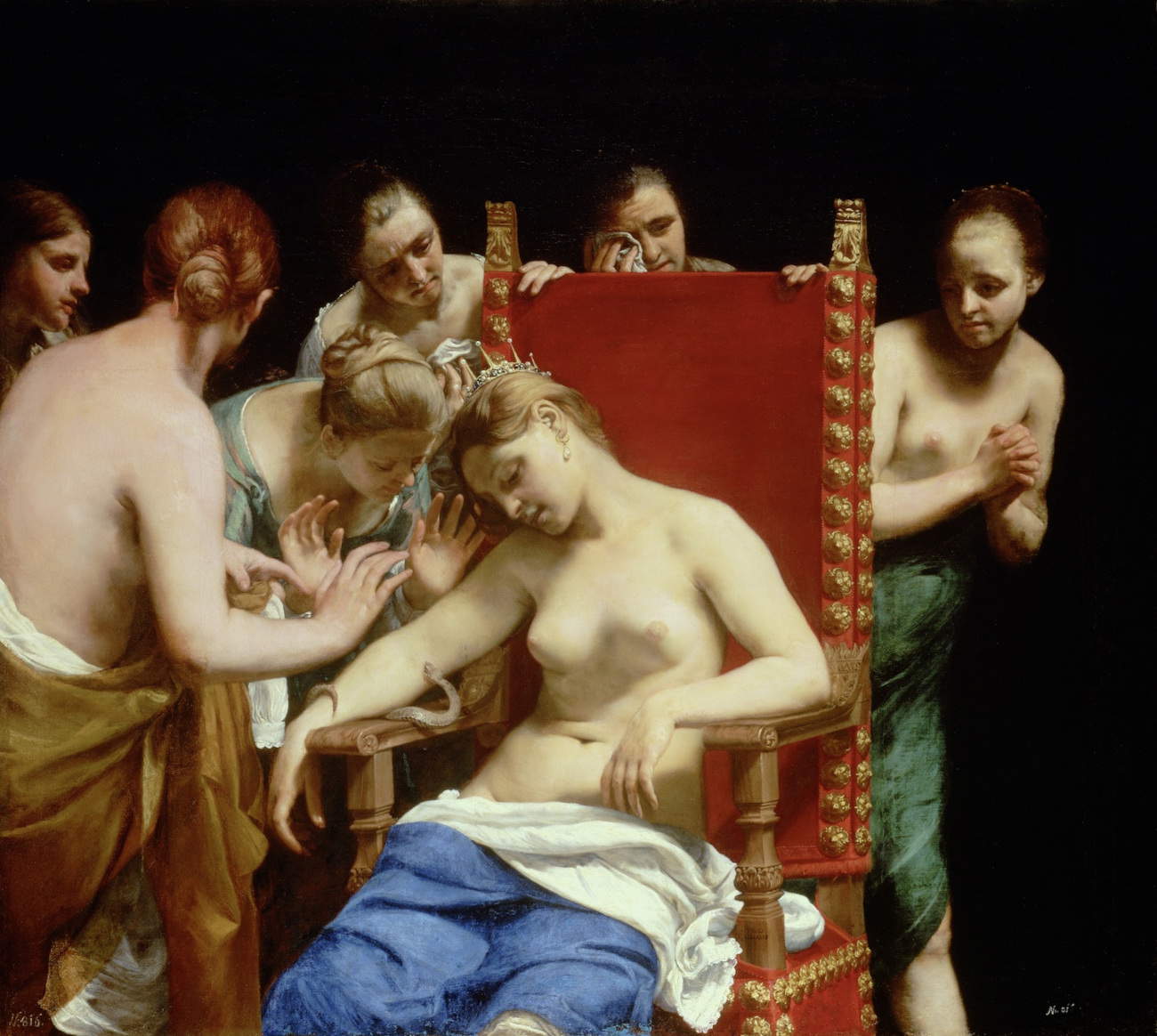
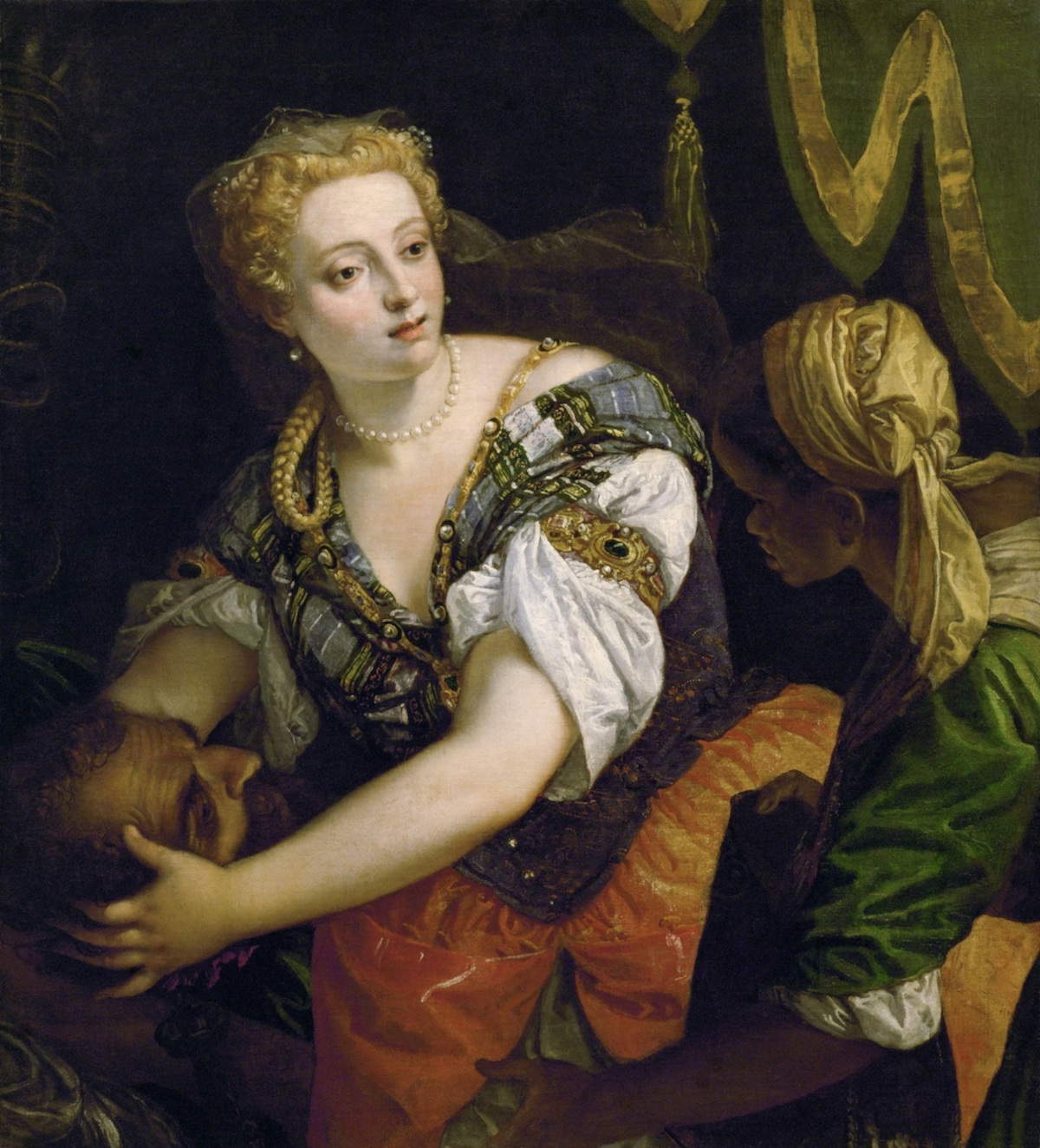
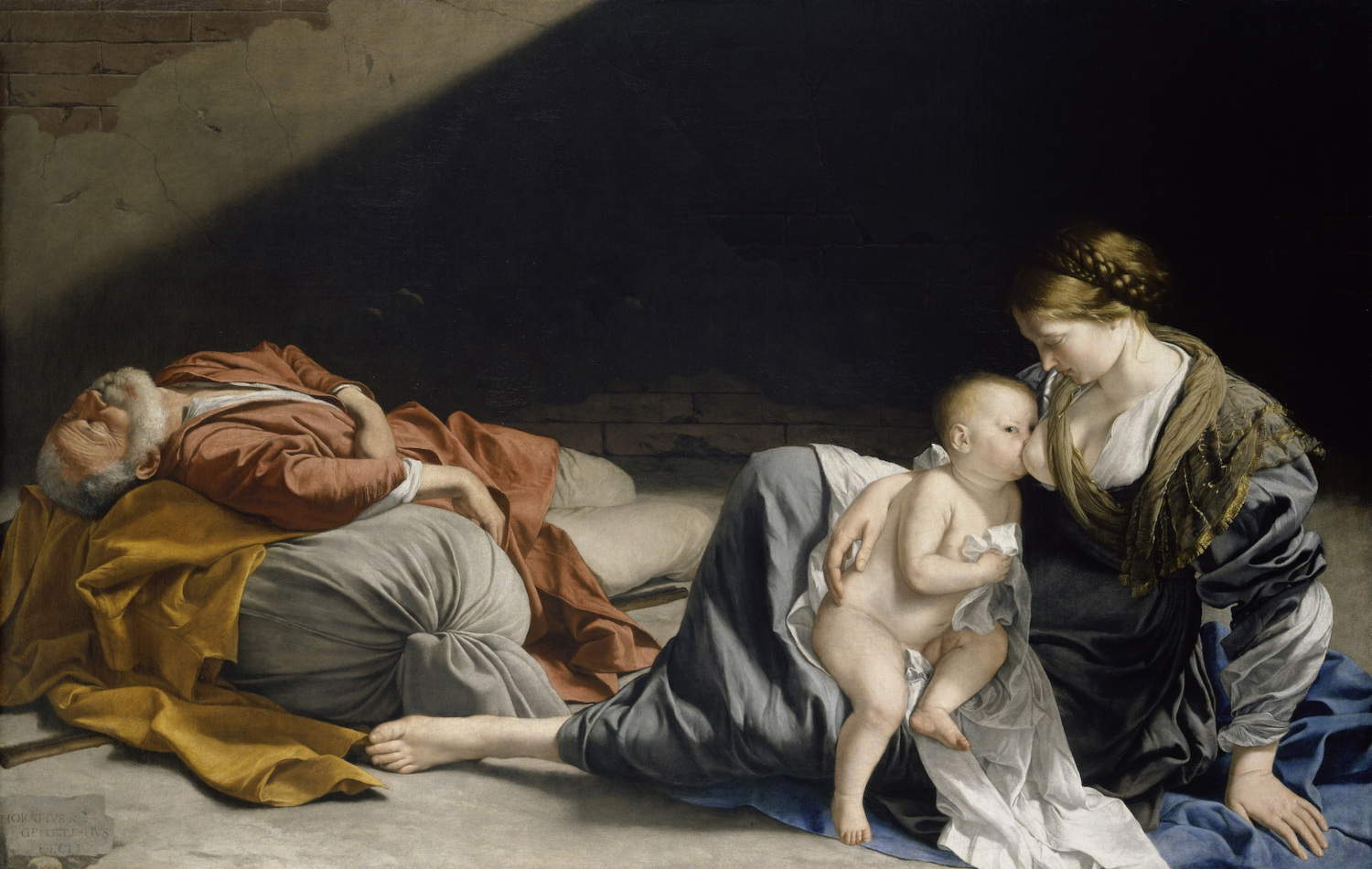
From Vienna to Rome. The Wonders of the Habsburgs from the Kunsthistorisches Museum aims not only to present a selection of masterpieces, but to tell the story of a museum as a cultural project and of a dynasty that contributed to the construction of knowledge.
“This exhibition represents much more than a loan of exceptional works of art: it represents a cultural dialogue between Vienna and Rome. The masterpieces from the Habsburg collections tell a European vision based on diversity, curiosity and intellectual openness. Bringing these works to Italy for the first time is a powerful testament to art’s enduring ability to make connections across centuries and borders,” said Jonathan Fine, Director General of the Kunsthistorisches Museum in Vienna.
“With this exhibition,” said Fondazione Roma President Franco Parasassi, “we renew our mission to promote cultural projects capable of reading art as a meeting space between European histories and traditions. Rome is a capital of cultures and civilizations; it is the city of dialogue and synthesis between the different identities that animate the values of Europe. This project takes shape in a complex and transformative historical phase of the European integration process: our ambition is to contribute to reviving, also through the language of beauty, the very idea of Europe, made up of different identities but deep common values.” “The collaboration with the Kunsthistorisches Museum in Vienna,” he continues, “is proof that a museum can also be the home of dialogue and welcome, as well as an institution of knowledge rooted in the city. And with the exhibition that opens today, the Museo del Corso - Museum Pole opens up to dialogue with the City and with the great European cultural realities.”
Hours: Mondays from 3 to 8 p.m.; Tuesdays and Wednesdays from 10 a.m. to 8 p.m.; Thursdays and Fridays from 10 a.m. to 9 p.m.; Saturdays and Sundays from 9 a.m. to 9 p.m. The ticket office closes an hour earlier.
 |
| From Vienna to Rome: over fifty masterpieces from the Kunsthistorisches Museum for the first time in Italy |
Warning: the translation into English of the original Italian article was created using automatic tools. We undertake to review all articles, but we do not guarantee the total absence of inaccuracies in the translation due to the program. You can find the original by clicking on the ITA button. If you find any mistake,please contact us.