





From March 7 to July 26, 2026 Palazzo Buontalenti in Pistoia hosts I am an Architect. Ettore Sottsass, an extensive retrospective dedicated to Ettore Sottsass, one of the most significant figures in 20th-century design and architecture. The exhibition, curated by Enrico Morteo, presents more than 1,400 works including drawings, plans, photographs, documentary materials and design objects covering some 30 years of his activity, from immediately after World War II to the mid-1970s. The exhibition is promoted and organized by Fondazione Pistoia Musei and Fondazione Caript with Electa and Fondamenta - Fondazione per le arti e la cultura della casa editrice, with the main partnership of Intesa Sanpaolo.
The initiative is being held in collaboration with the Communication Studies and Archives Center of the University of Parma and with the participation of Studio Ettore Sottsass Srl, Fondazione Vittoriano Bitossi, Centro Studi Poltronova per il Design and Museo Casa Mollino. The exhibition also enjoys the patronage of the Region of Tuscany, the Municipality of Pistoia and the Order of Architects, Planners, Landscape Architects and Conservators of the Province of Pistoia.
The exhibition takes its title from a statement by Sottsass himself and reflects the centrality the author attributed to the design dimension as a means of building a relationship between the fragile condition of the individual and a larger order, which he traced back to the cosmic dimension. Painter, graphic artist, publisher, photographer, architect and designer, Sottsass traversed the twentieth century with a critical and conscious gaze, capable of measuring himself against the transformations of industrial society and the often unfulfilled promises of progress. The exhibition is part of the research program of the Fondazione Pistoia Musei, directed by Monica Preti, dedicated to figures and movements in twentieth-century and contemporary art that have intertwined their work with the territory and cultural context of Pistoia. In recent years, the institution has dedicated exhibitions and in-depth studies to artists such as Michelangelo Pistoletto and Daniel Buren, as well as projects reinterpreting Italian Pop art.
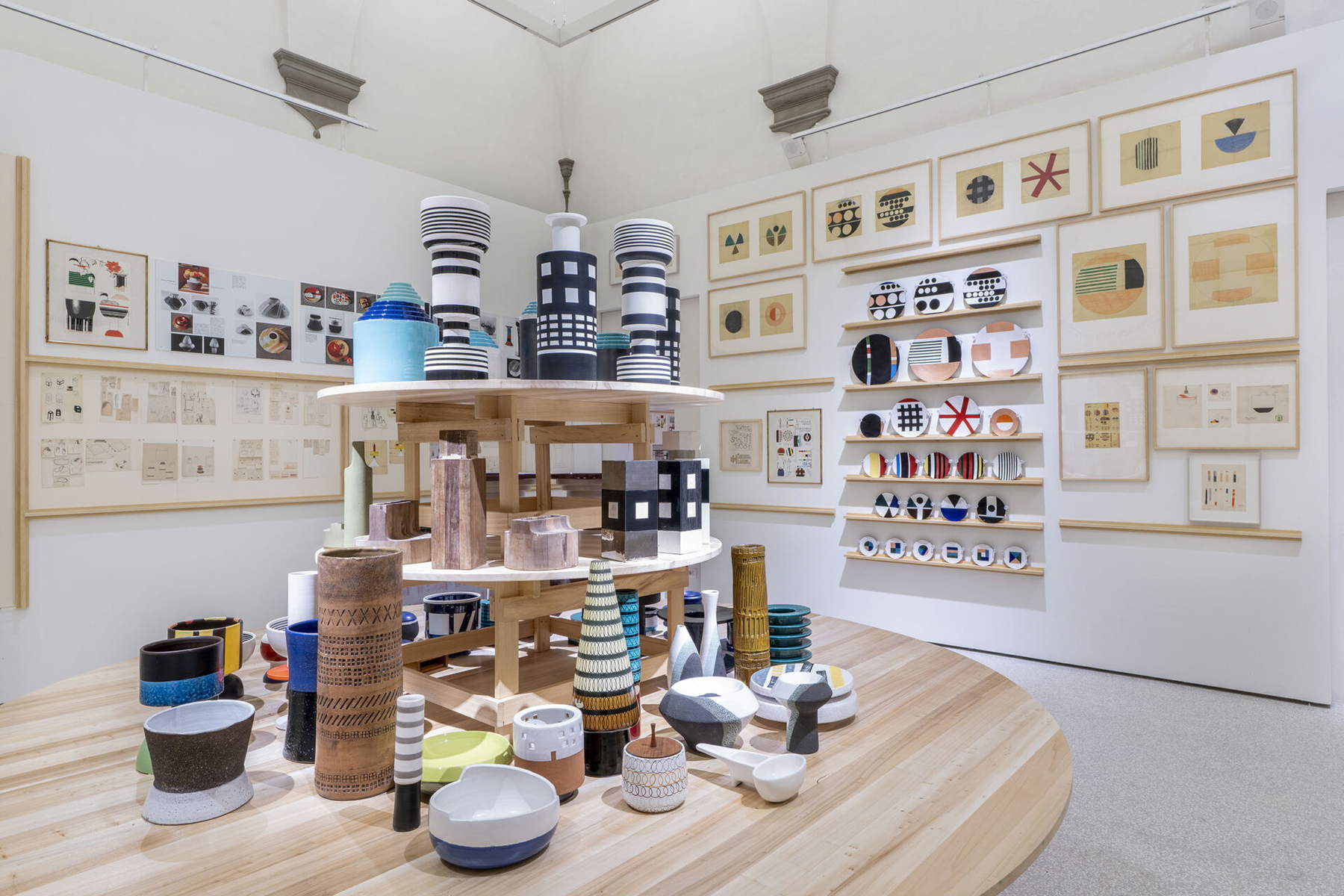
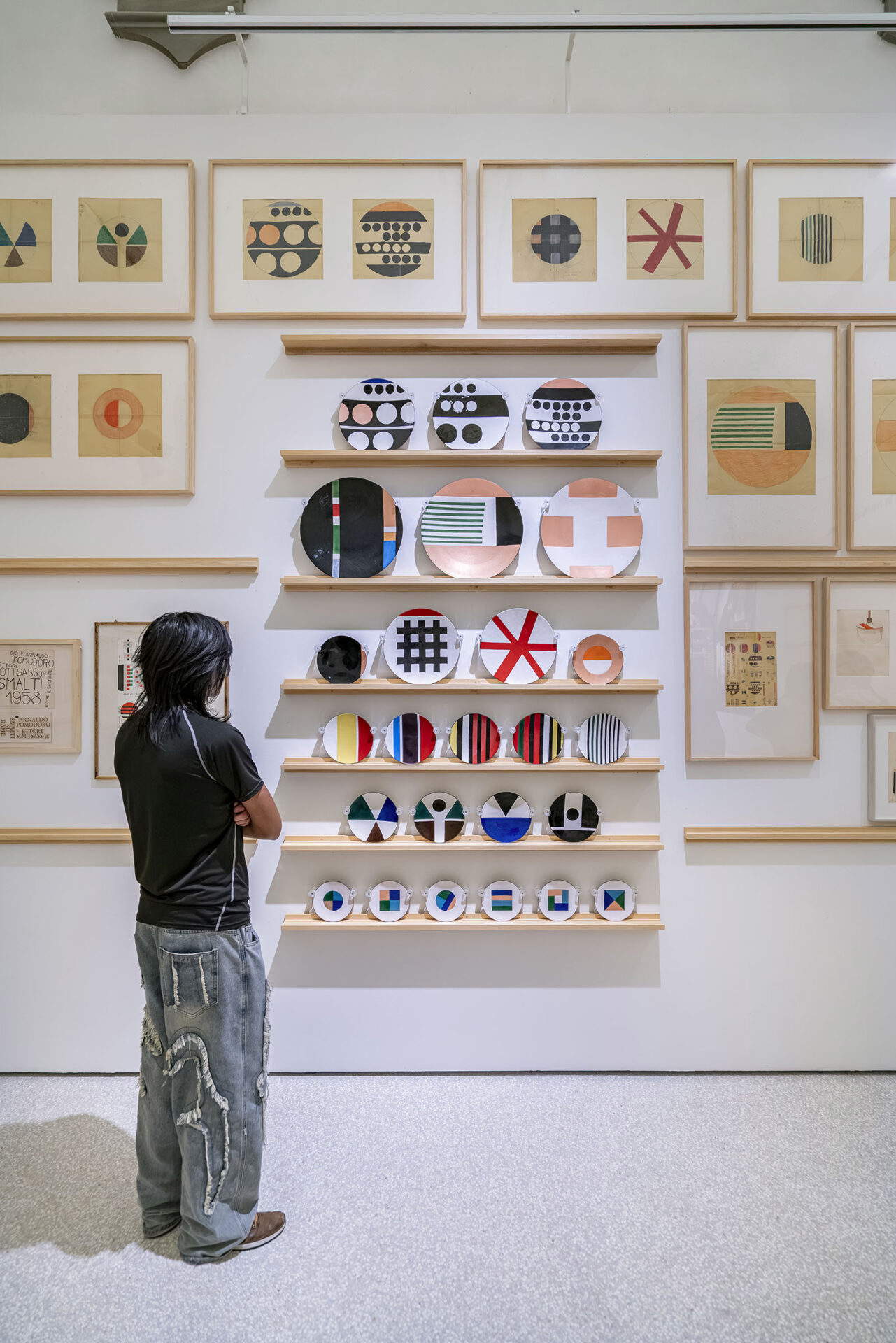
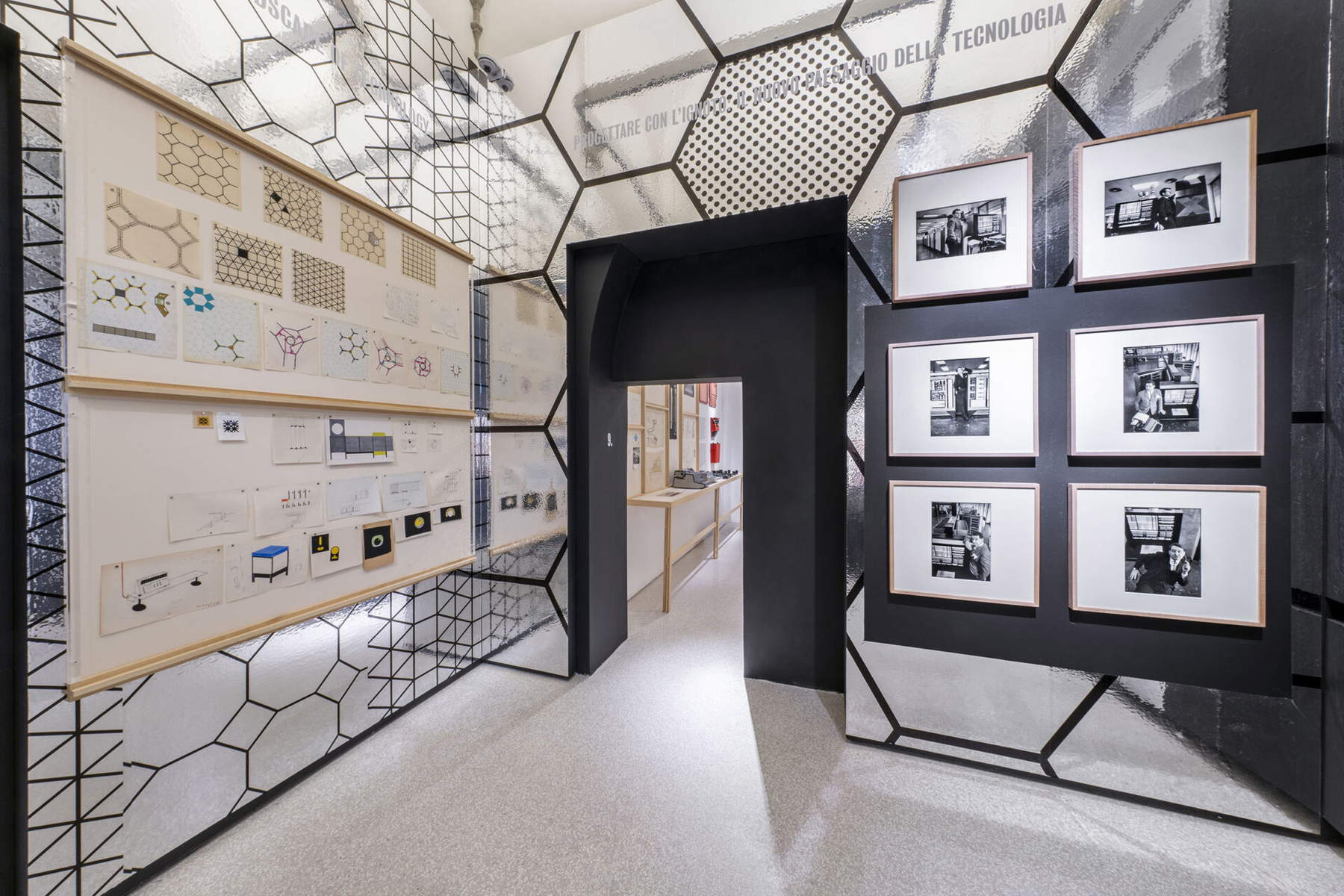
The core of the exhibition is based on the documents preserved in the archival fund that Sottsass entrusted to the Communication Studies and Archives Center of the University of Parma. Many of the materials on display are unpublished and are supplemented by loans from institutions, archives and private collections, including the Fulvio Ferrari Collection in Turin, the Olivetti Historical Archive Association in Ivrea, the Ugo Mulas Archive, the La Triennale Foundation in Milan, the Project Archive of the Iuav University in Venice, the Civic Photographic Archive of the City of Milan, the Pecci Center in Prato, Antonia Jannone Drawings of Architecture and the Domus Archive. Much of the material on display consists of working papers, drawings and study sheets that document the process of developing ideas and projects rather than their final form. Rarely exhibited objects also appear alongside these documents, such as jewelry and aluminum objects influenced by the American lifestyle spread through Hollywood cinema. The collection of works testifies to the evolution of a design language that would later profoundly influence the field of contemporary ceramics as well, especially after the encounter with the Tuscan terracotta tradition.
The exhibition examines the period between 1945 and 1975, years in which Sottsass’s relationship with Tuscany is particularly intense. The cultural context in which his research was formed coincides with the end of World War II, a moment in which the architect became aware of the crisis of a model of society that had placed absolute faith in technique and progress. From that rupture begins a reflection that will lead him to question the certainties of modernism and industrial culture. To the optimistic language of advertising and the efficiency celebrated by industry Sottsass opposes research centered on elementary emotions and essential objects. Design thus becomes a tool for investigating the relationship between the individual, space and the world. Color, light, gesture and feeling take a central role in the creative process, contributing to the definition of a conception of architecture understood as the construction of places capable of accommodating human experiences.
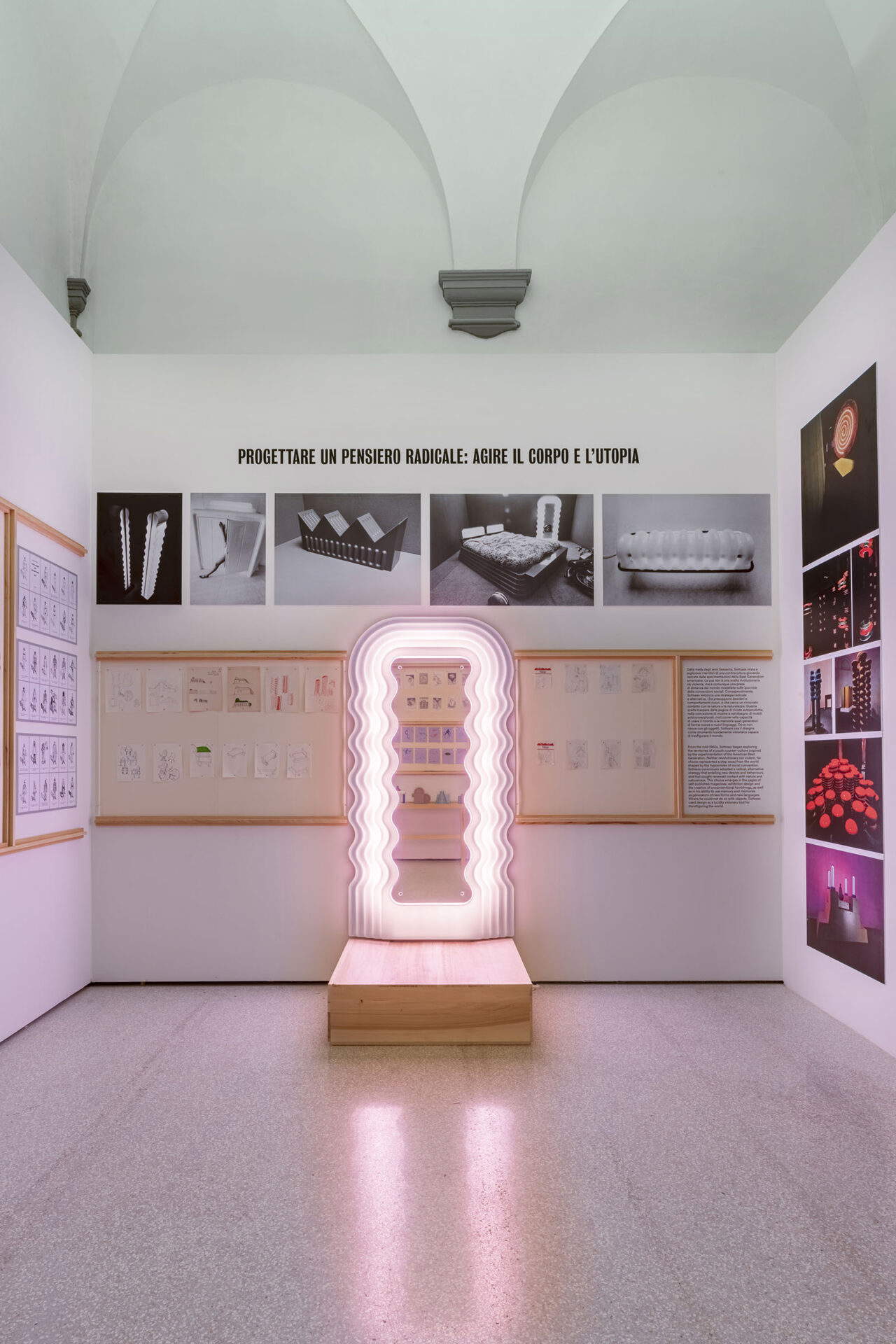
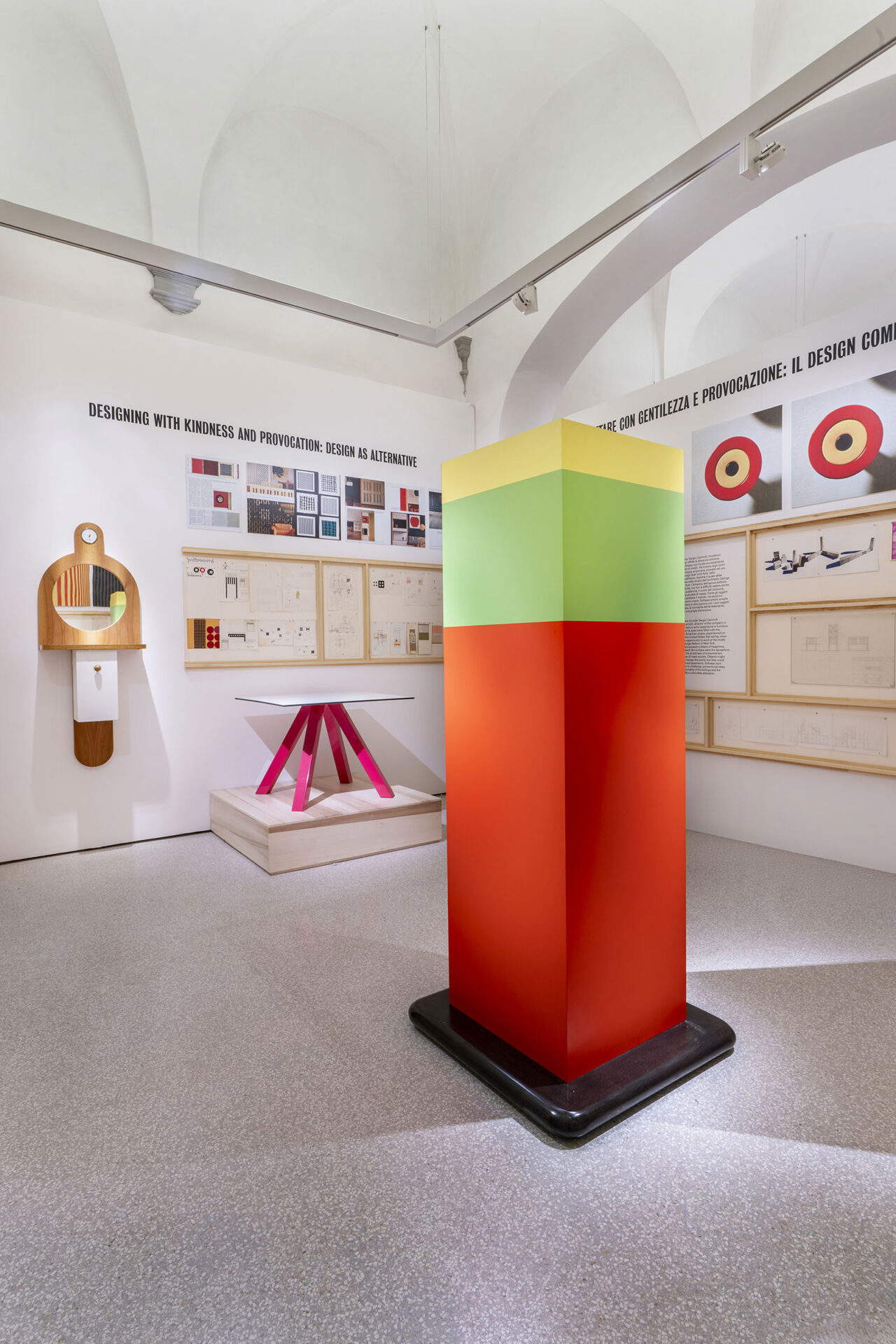
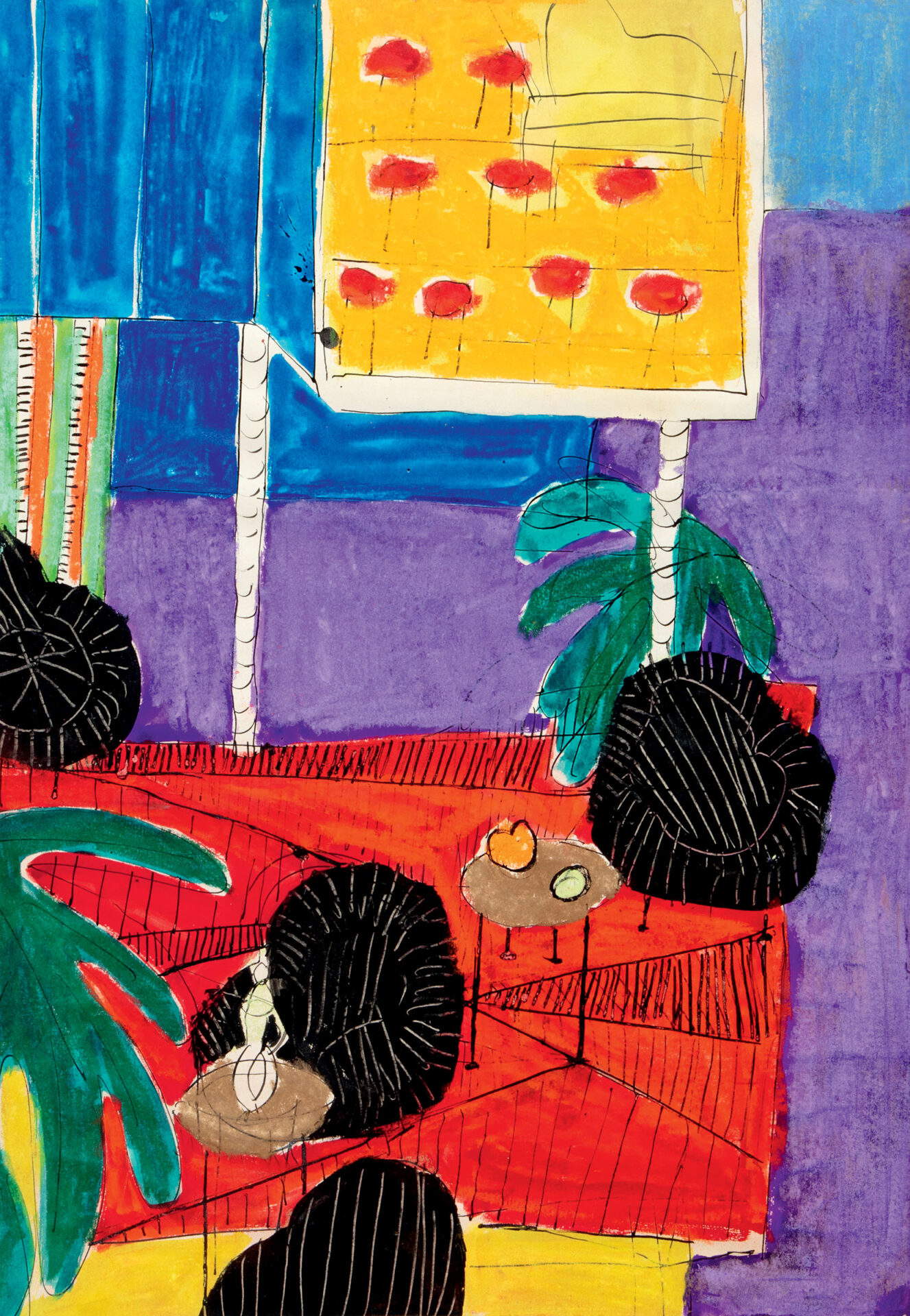
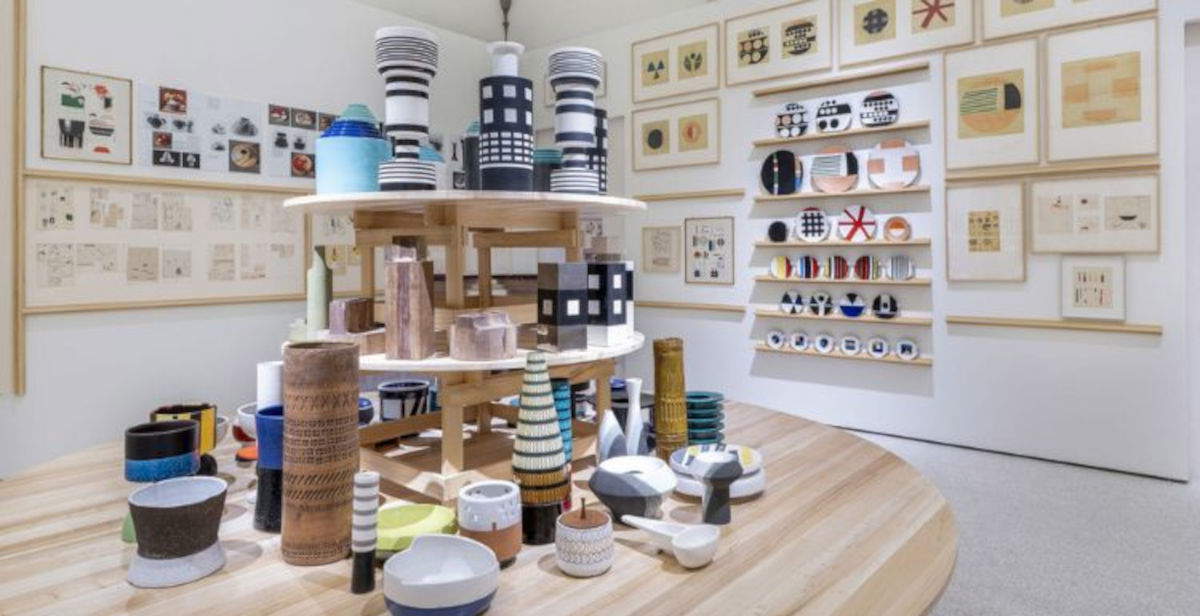
The exhibition follows a mainly chronological course and opens with Sottsass’s artistic research in the fields of painting and drawing. His interest in art represents a means for him to overcome the limitations of rationalist architecture and to experiment with a language based on the freedom of gesture, the power of color, and the energy of light. Pictorial experiments also extended to textile design and carpet design, in which the graphic sign became a constructive element of chromatic scenarios. A section of the exhibition documents the direct relationship with matter and the dimension of manual labor. In fact, before confronting industrial processes and mass production, Sottsass experimented with the relationship between form, matter and space through handcrafted activities. Among the central moments of the journey appears the collaboration with the Bitossi factory in Montelupo Fiorentino. Under the guidance of Aldo Londi, Sottsass reconsiders the language of modern ceramics and gradually abandons the logic of decoration to work directly on the structure of the object. Color takes on a volumetric function and form becomes a means of evoking the ritual value of objects.
Another section reconstructs Sottsass’s activity as an interior decorator between the end of the war and the early 1960s. In such projects, walls are conceived as pictorial surfaces that delimit spaces designed to accommodate light, sound and everyday life. At the same time, his activity as an architect is documented, characterized by a progressive overcoming of the rigidity of rationalism through the introduction of freer formal solutions, such as curves and reinforced concrete structures. An important chapter of the exhibition concerns the relationship with the Poltronova company in Agliana, founded by Sergio Cammilli. When Sottsass took on the role of art director in 1956, he did not yet possess experience in furniture production, but he brought with him the suggestions gained during a visit to George Nelson’s studio in New York. The American experience fuels a critical reflection on the imagery of wealth and the role of advertising in consumer society. The furniture designed in those years, including the Tempus console table, the Bastonio chest of drawers, and the Superboxes, introduce elements of irony and experimentation into the language of furniture.
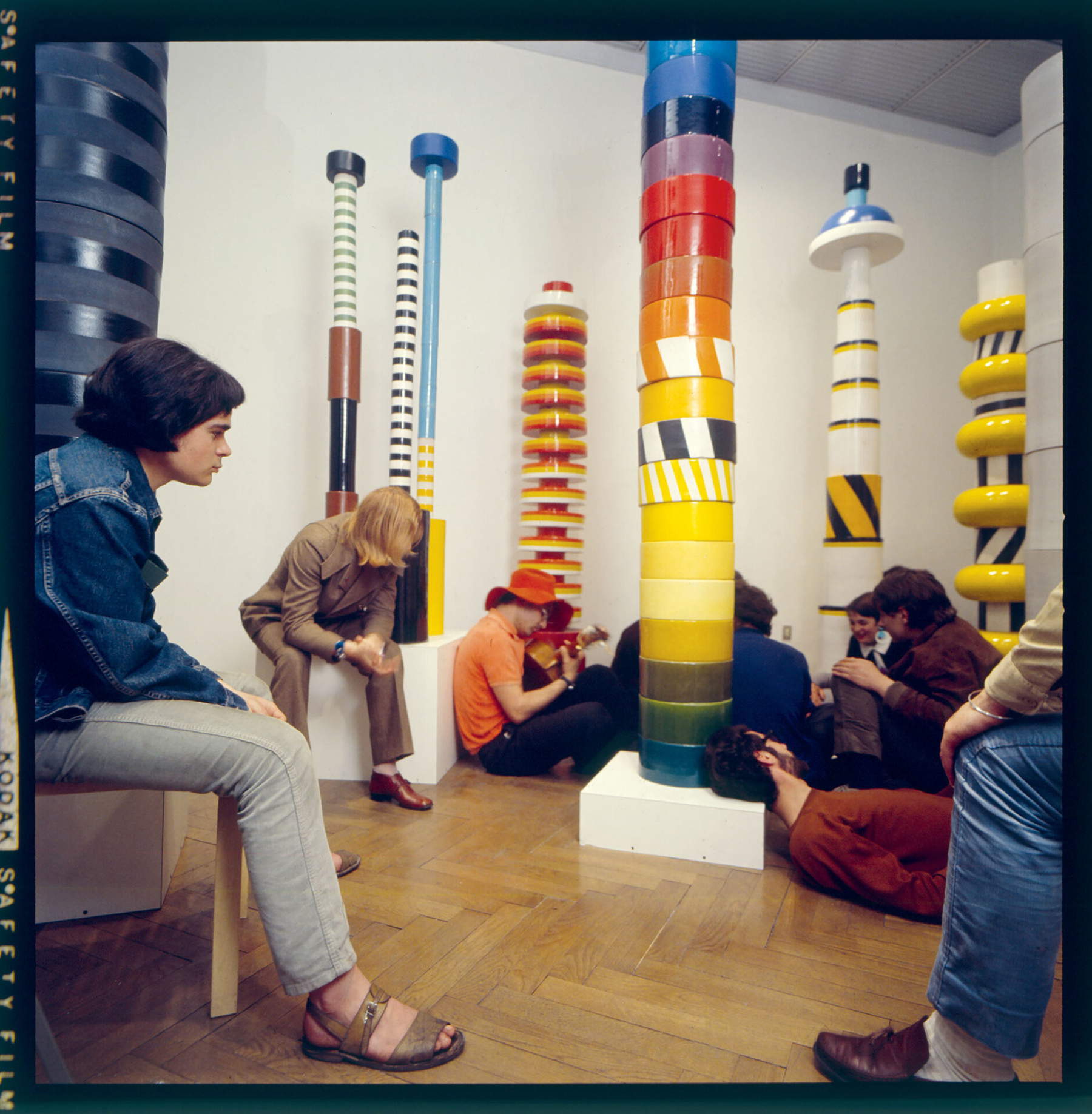
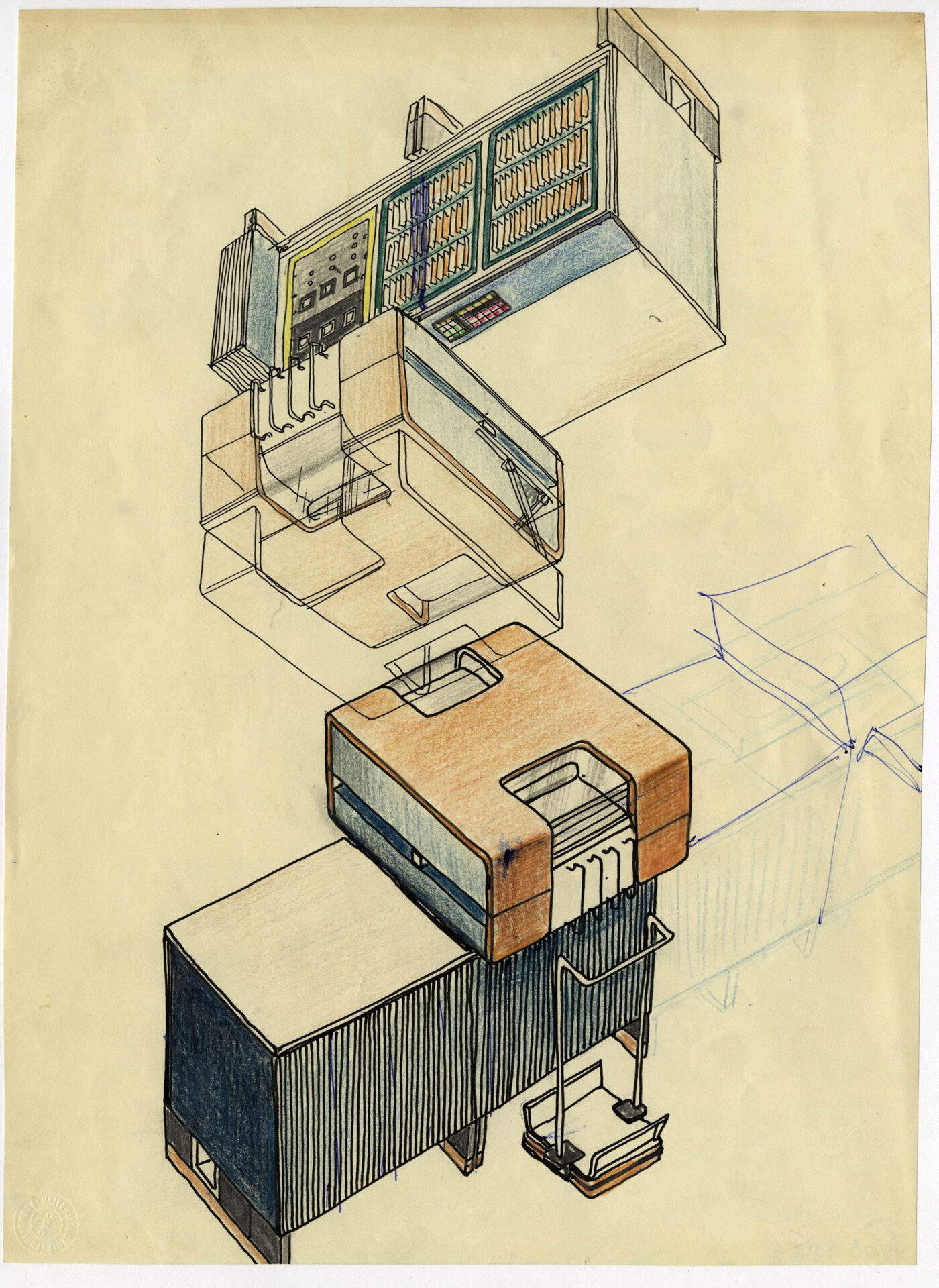
In 1962 a trip to India and a severe form of nephritis marked a major change in Sottsass’s vision. From that moment objects are conceived as tools capable of suggesting a more conscious relationship between man and the cosmos. The exhibition presents several series of ceramics made during that period, including The Ceramics of Darkness, the plates from the series Offered to Shiva, The Ceramics of Smoke, and Yantra Ceramics. Among the most notable collaborations is that with Olivetti. In 1957 Adriano and Roberto Olivetti entrusted Sottsass with the design of the company’s new electronics division. The project allowed him to deal with technologies that were still uncommon and to develop a formal language capable of rendering the enigmatic character of electronic machines. Metal surfaces, elementary geometries and stereometric volumes define the identity of devices that mark the entry of electronics into everyday life. In Massa, Olivetti Synthesis produces several office objects designed by Sottsass, while in Pisa the first Italian electronic calculator takes shape.
The final part of the exhibition documents developments in the author’s research in the years after 1968, a period in which a critical reflection on contemporary society and consumption patterns emerges. Provocative objects and deliberately disturbing forms, such as the Florero Shiva vase, take on the task of soliciting an emotional response in the viewer. The path concludes with the photographic series of Metaphors, a cycle of black-and-white images that marks the transition to a new phase of his activity. The use of an essential visual language and the reduction of formal means indicate a conceptual turn in Sottsass’s research. The same period coincides with the donation of his archive to the CSAC in Parma and anticipates the Memphis season.
The exhibition layout is designed by Daniele Ledda of XyComm studio and proposes an exhibition environment constructed as a layered space in which documents, images and objects dialogue with each other. In parallel to the retrospective, Palazzo de’ Rossi | Collections of the Twentieth Century of Fondazione Pistoia Musei hosts the Insider project, dedicated to the presentation of materials not normally visible to the public. A focus is reserved for Sergio Cammilli, founder of Poltronova, with two paintings from the late 1940s from the Fondazione Caript collection. The exhibition program is accompanied by meetings, guided tours and educational activities aimed at different audiences, including schools, families and people with Alzheimer’s and caregivers, as well as sign language tours. A public program created with Fondamenta - Electa Foundation for Arts and Culture delves into the themes of the exhibition through appointments dedicated to music, design, cinema and culture. The retrospective is accompanied by a volume published by Electa and edited by Enrico Morteo. The book offers a reading of the exhibition itinerary through a series of key words that reconstruct Sottsass’s conceptual and formal universe.
The project sees the main partnership of Intesa Sanpaolo, the educational partnership of IED, the media partnership of Domus and the mobility partnership of At - Autolinee Toscane. Also contributing are the companies that are part of the Corporate Membership of Pistoia Musei: ANCE Toscana Nord, CMSA Società Cooperativa Muratori Sterratori e Affini, Confcommercio Pistoia e Prato, Conad Nord Ovest, Consorzio Leonardo Servizi e Lavori, Del Pinto Studio Legale e Associati, Diddi Dino & Figli, D.R.E.Am. Italy, El.En, Fabo Tape Solutions, Florence One, Formitalia, Tosco Data and Vannucci Piante.
Hours: Wednesday-Sunday, 10 a.m.-7 p.m.; closed Monday and Tuesday; special openings: Easter, Easter Monday, April 22, April 25, May 1, June 2 and 3
Tickets:
Sottsass+ (exhibition + permanent collections Pistoia Musei): full € 12; reduced € 9
Exhibition only: full price € 10; reduced € 7
Under18 and students € 5
 |
| Pistoia dedicates major retrospective to Ettore Sottsass, at Palazzo Buontalenti |

Warning: the translation into English of the original Italian article was created using automatic tools. We undertake to review all articles, but we do not guarantee the total absence of inaccuracies in the translation due to the program. You can find the original by clicking on the ITA button. If you find any mistake,please contact us.























 IT
IT FR
FR DE
DE ES
ES CN
CN


