




by Redazione 27/03/2026



Categories: Exhibitions / Disclaimer
From March 27 to September 27, 2026, Forte Pietro Leopoldo I in Forte dei Marmi will host the exhibition "Painting in Naples after Caravaggio. The Seventeenth Century in the Collection of the De Vito Foundation."
The works of the De Vito Foundation on display in Forte dei Marmi for an exhibition dedicated to the Neapolitan seventeenth century: from March 27 to September 27, 2026, the rooms of Forte Pietro Leopoldo I will in fact host Pittura a Napoli dopo Caravaggio. The Seventeenth Century in the Collection of the De Vito Foundation, curated by Nadia Bastogi, an art historian specializing in seventeenth-century painting and scientific director of the De Vito Foundation, and promoted by the City of Forte dei Marmi and the Villa Bertelli Foundation, in collaboration with the Giuseppe and Margaret De Vito Foundation for the History of Modern Art in Naples.
The exhibition will bring together an important nucleus of paintings belonging to the collection, which will be presented for the first time in Tuscany on such a large scale. Previously, in fact, only a small group had been shown in the exhibition Dopo Caravaggio, held in Prato in 2019 and interrupted early due to the pandemic. The aim of the exhibition is not to offer a complete reconstruction of the Neapolitan seventeenth century, but to recount the development of Neapolitan painting after Caravaggio’s decisive experience in Naples, through the works collected by Giuseppe De Vito, a collector and scholar of the period. With 39 paintings by the main protagonists of the “golden century,” the itinerary will follow a chronological order that starts with the initial interpreters of Caravaggio’s naturalism and arrives at the artists who later reworked its language, orienting it toward classicist and baroque outcomes.


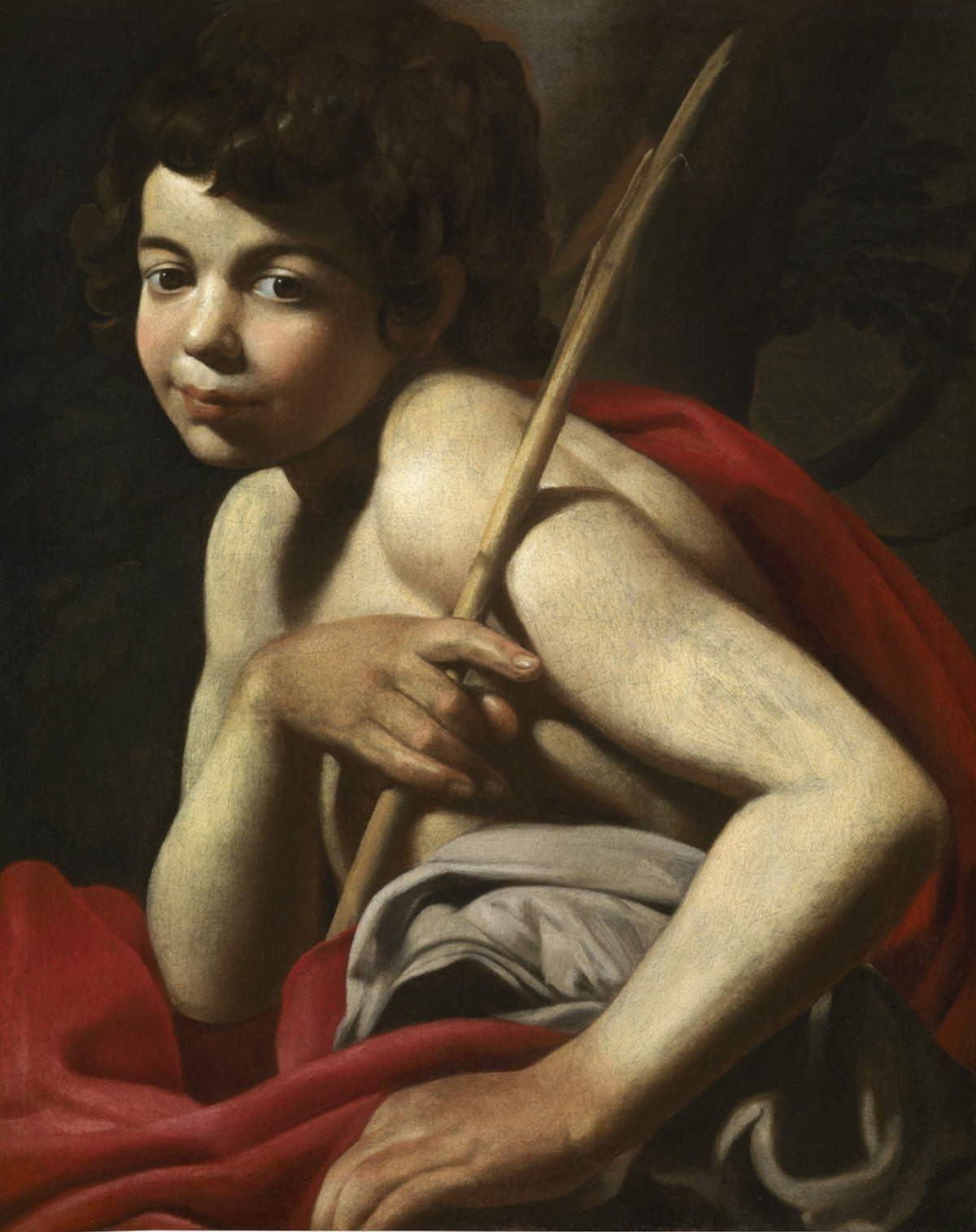
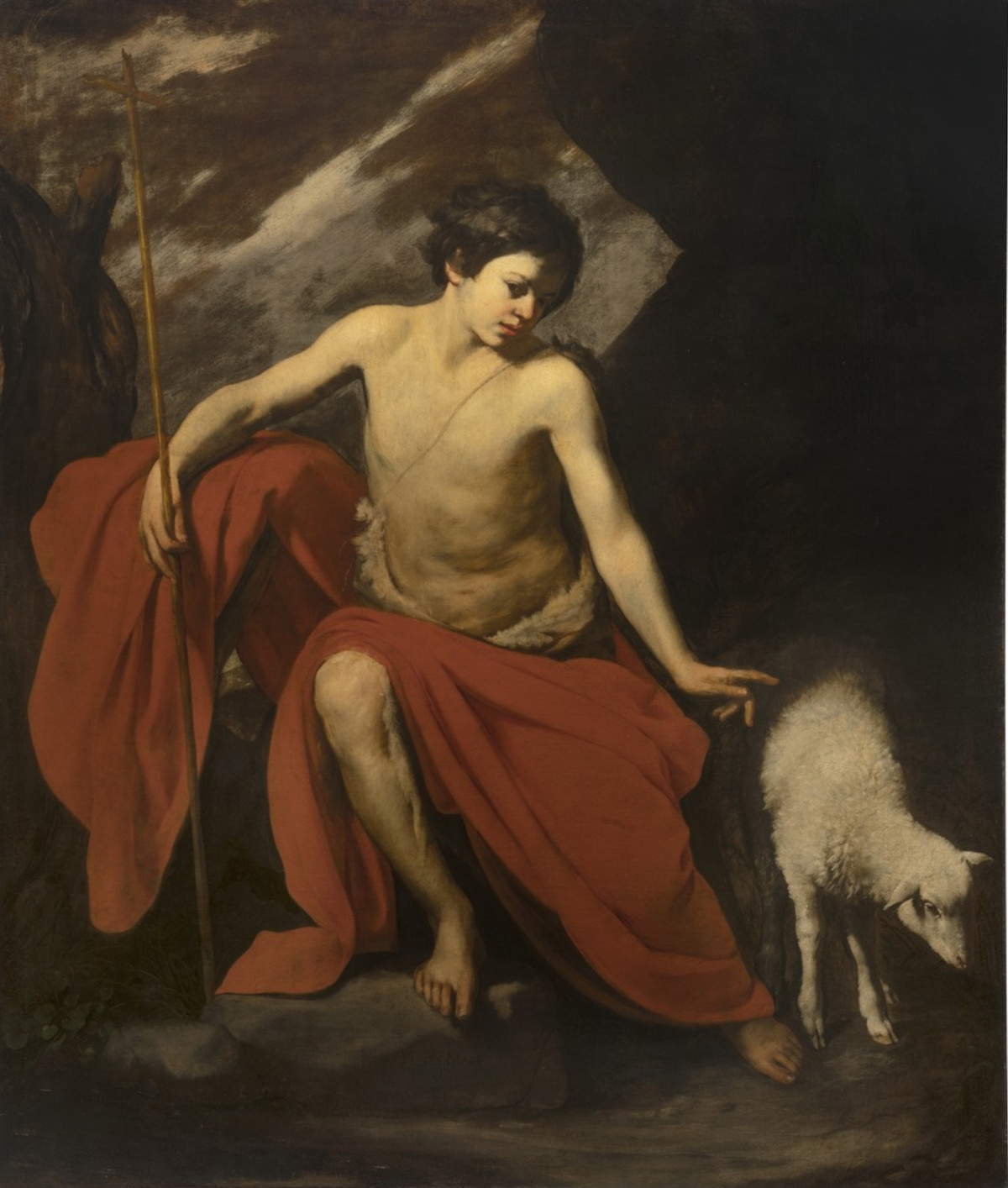
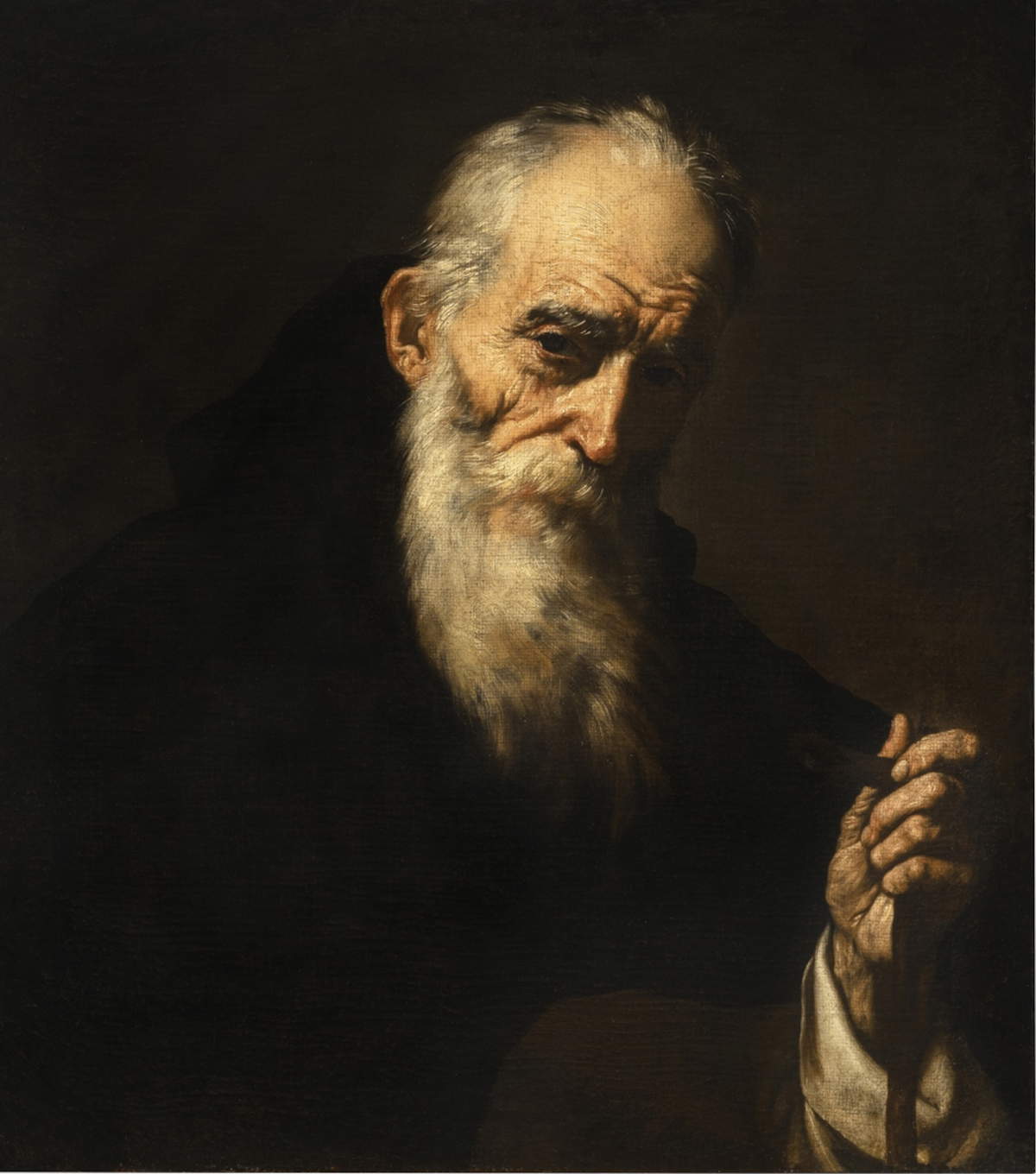
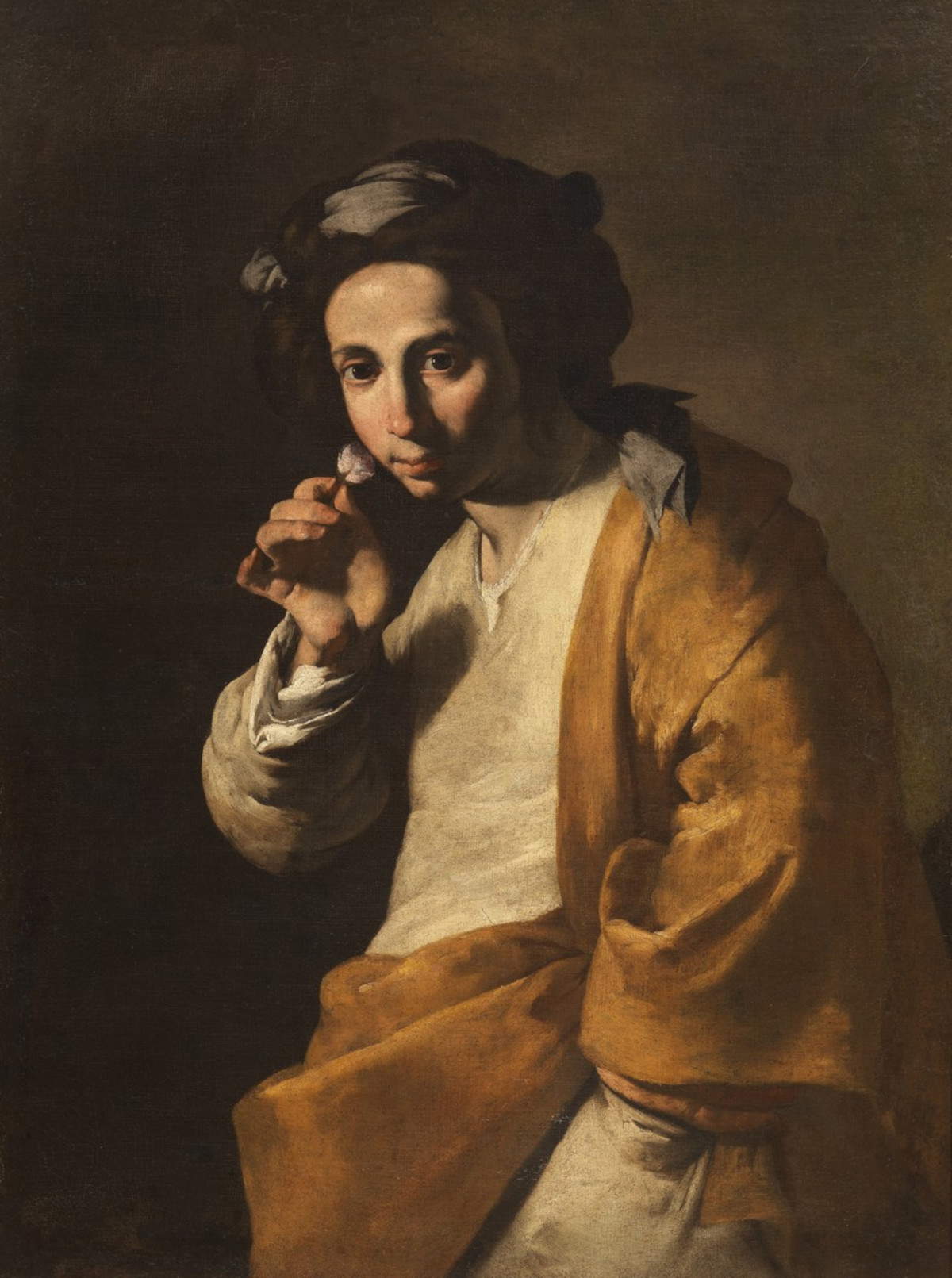
This will be a narrative of the Neapolitan seventeenth century filtered through the collector’s gaze: a figure that visitors will be able to learn more about thanks to the presence of unpublished documents and archival materials. Born in Portici in 1924 and passed away in Florence in 2015, Giuseppe De Vito combined his work as an engineer and entrepreneur with an intense commitment to art-historical studies, becoming one of the most influential collectors of seventeenth-century Neapolitan painting. Beginning in the 1970s he shaped a collection of high quality, with masterpieces by major Neapolitan masters, marked by a predilection for the naturalist current and consistency with his research interests. Today the collection is housed at Villa Olmo, near Vaglia (Florence), home of the Foundation established in 2011 by De Vito himself and named after him and his wife Margaret, with the aim of promoting the study of modern art in Naples.
Artists in the collection include Battistello Caracciolo, among the earliest interpreters of Caravaggio’s naturalism in the city, Jusepe de Ribera, Francesco Fracanzano, Paolo Finoglio, Massimo Stanzione, Aniello Falcone, Bernardo Cavallino, and Andrea Vaccaro, up to the protagonists of the Baroque turn such as Mattia Preti and Luca Giordano. A significant nucleus is also devoted to Neapolitan still life, with works by Luca Forte, Paolo Porpora, Giuseppe Recco and Giuseppe Ruoppolo, witnesses to the fortunes of the genre.
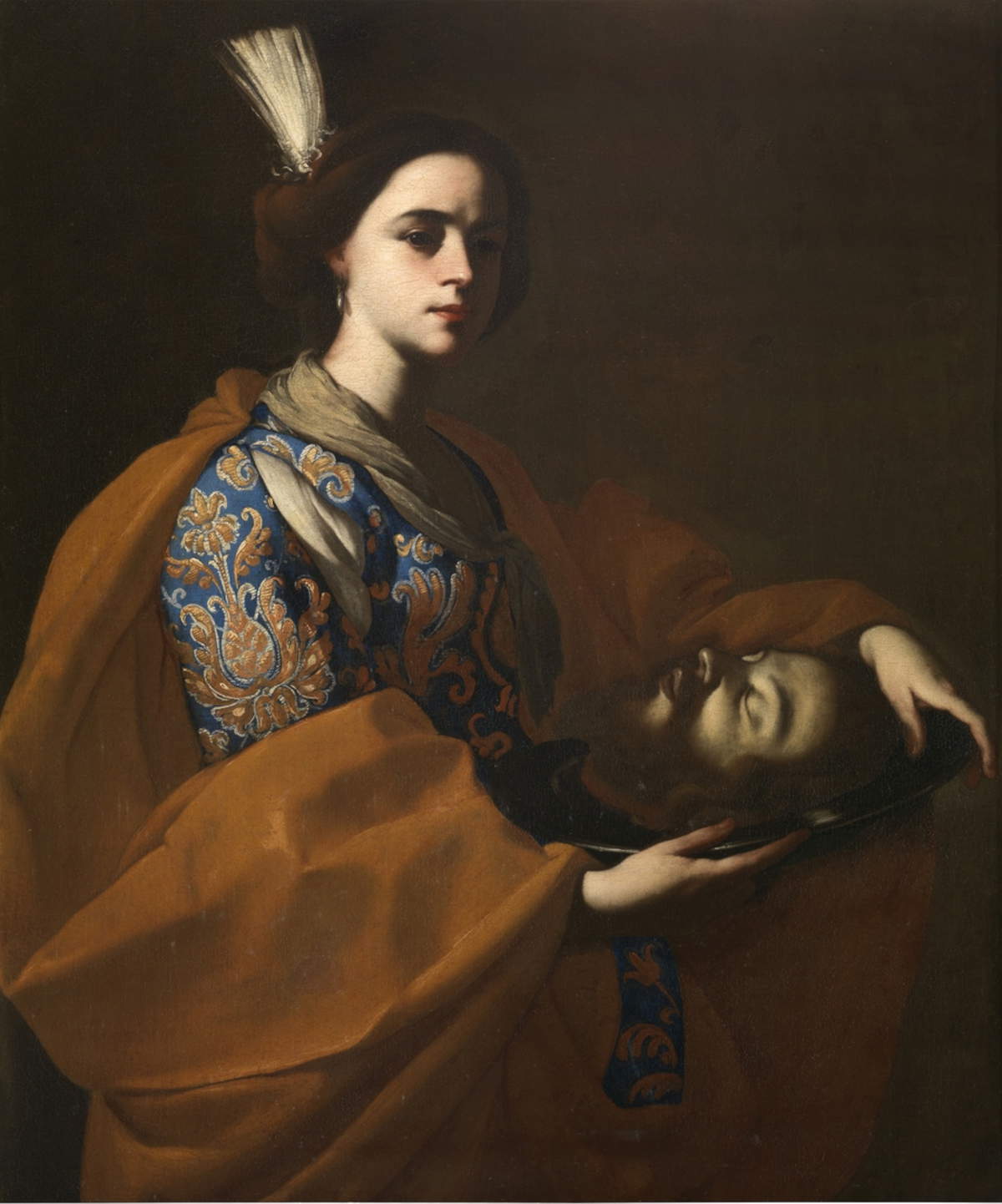
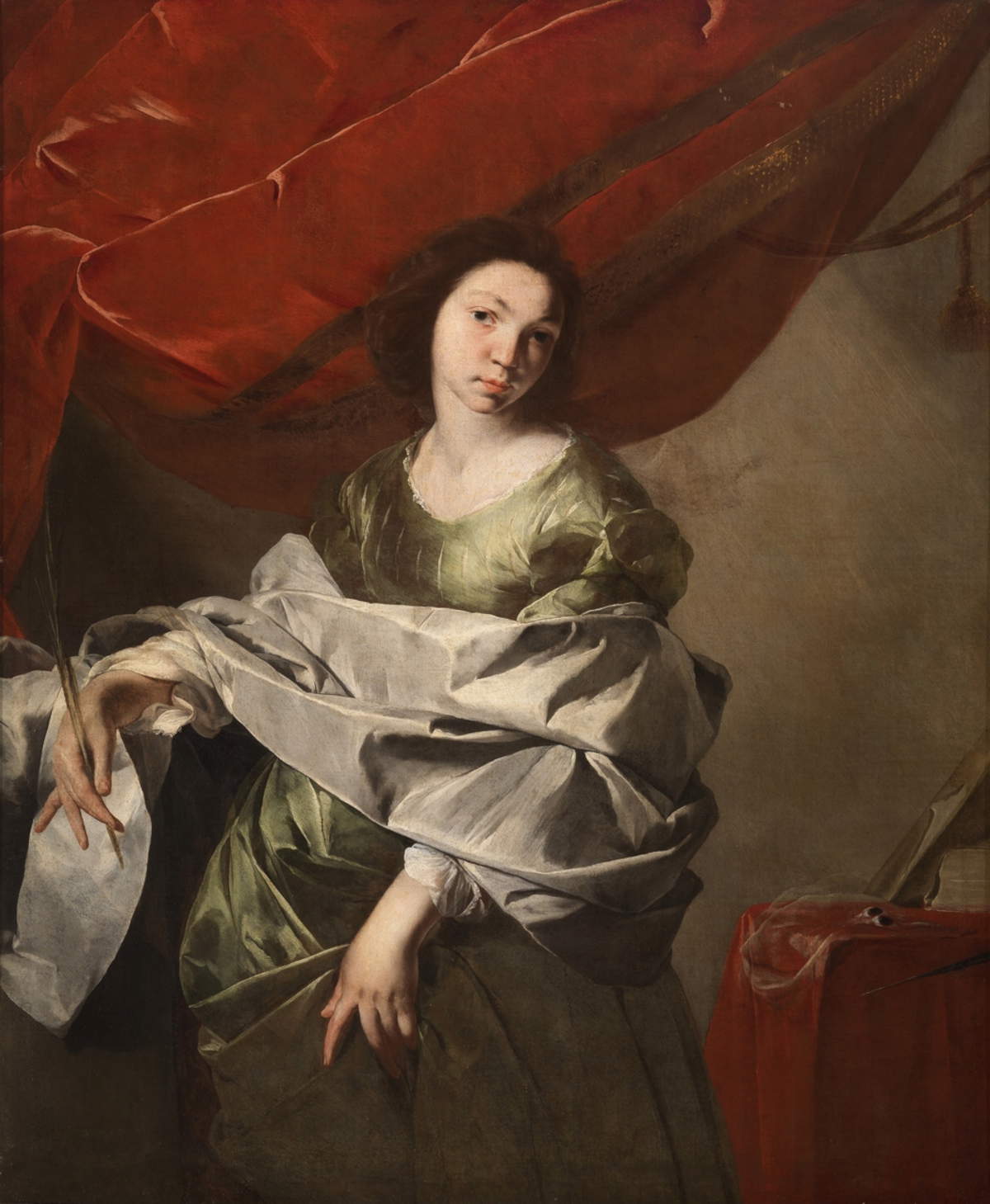
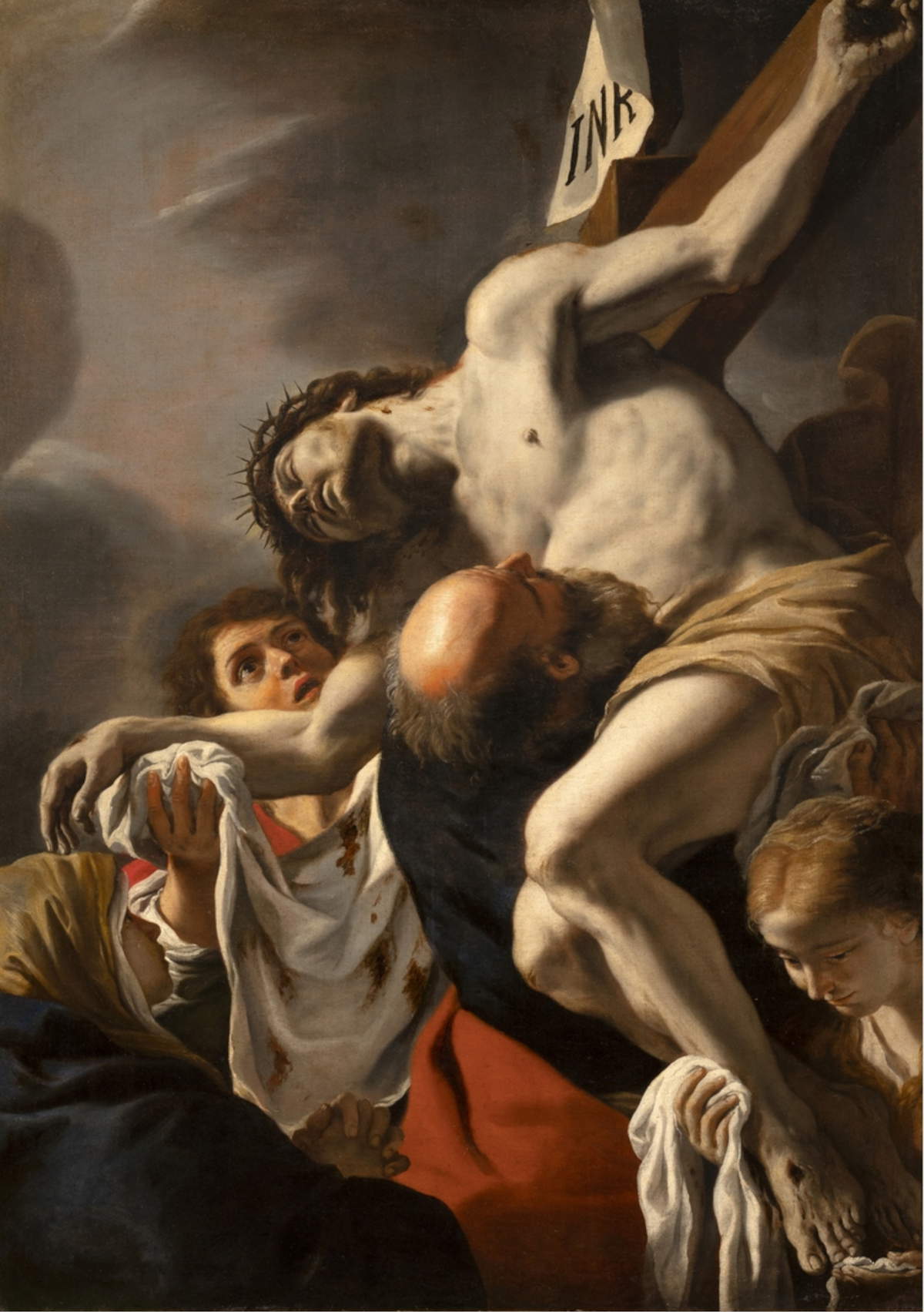
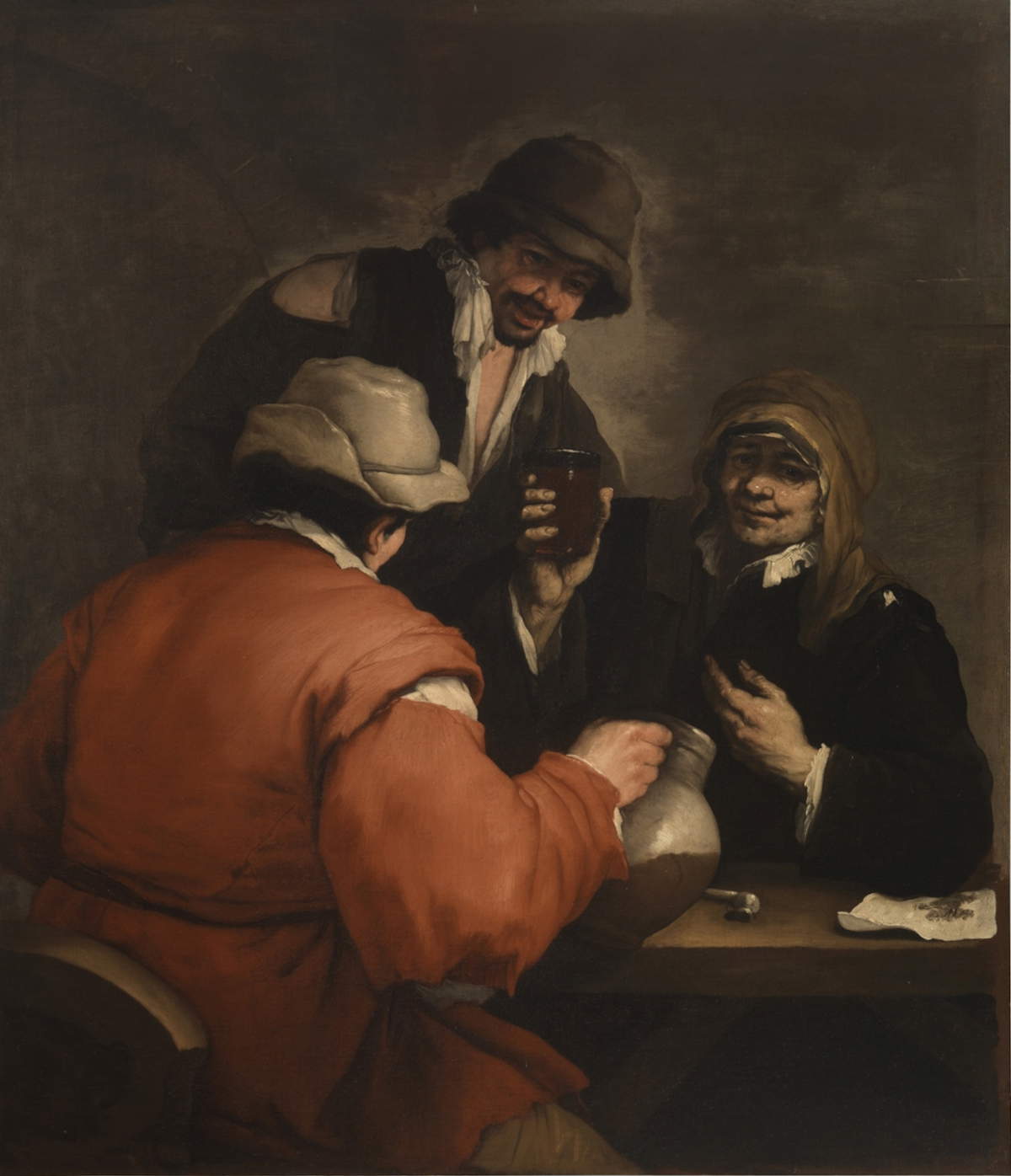
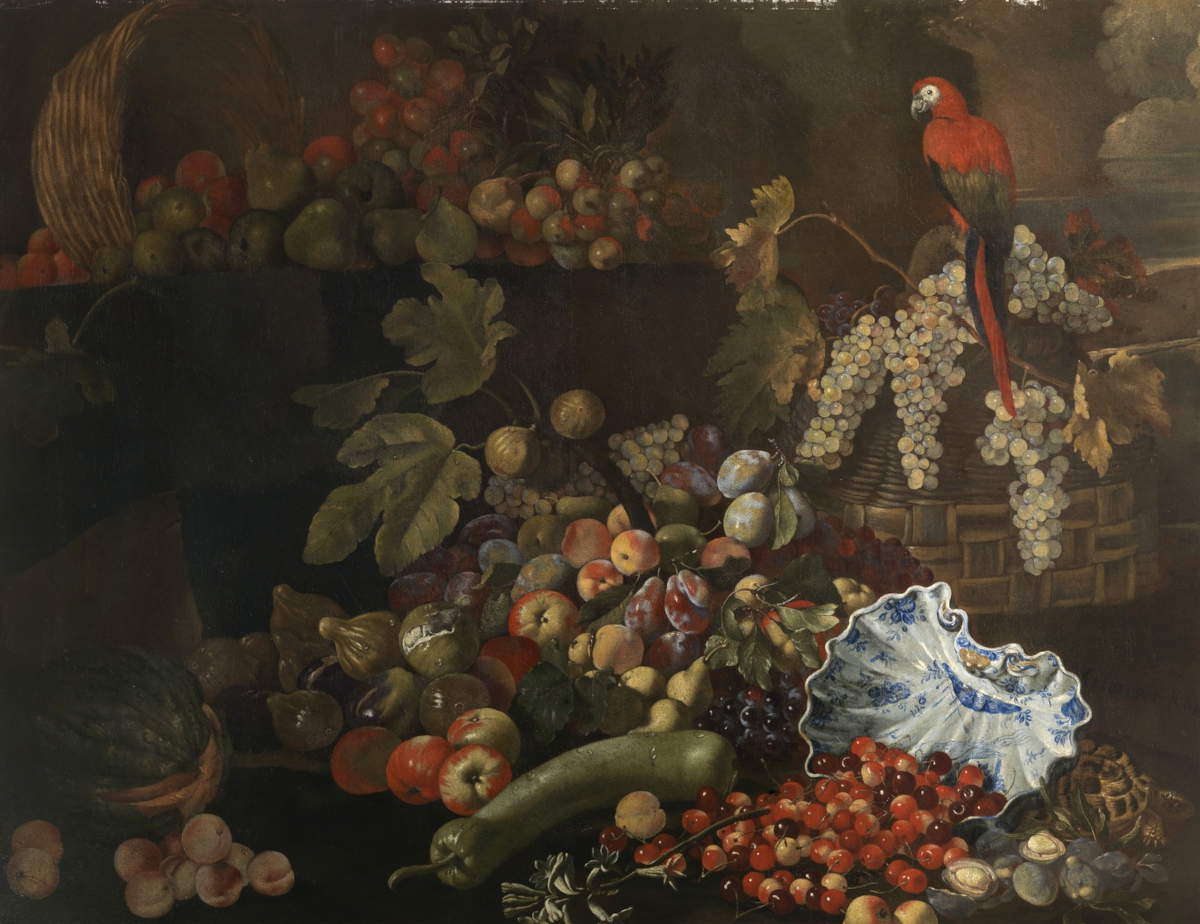
The exhibition itinerary, designed by architect Marco Francesconi, is organized according to a chronological scansion that also aims to highlight thematic affinities and cross-references between artists and works, highlighting the emergence of new genres and the importance of subjects particularly felt in Neapolitan culture and religiosity. The first section delves into the impact of Caravaggio’s lesson and the birth of naturalism, thanks in part to Ribera’s decisive presence from 1616. The second part, with paintings made between the 1630s and 1650s, documents the vitality of the Neapolitan art scene, marked by multiple influences and the rise of small-format paintings destined for private collecting, with martyrdoms, chronicle episodes and profane scenes, as well as female subjects linked to local devotion. The third section is devoted to still life, while the last illustrates the evolution toward full Baroque, initiated with the arrival of Preti in 1653 and consolidated by the rise of Giordano.
Space will be reserved for the figure of De Vito as collector and scholar: his participation in exhibitions in the 1980s, his relationships with museums and scholars, and the founding of the journal Ricerche sul ’600 napoletano are documented through largely unpublished materials.
Sponsored by the Ministry of Culture, the Region of Tuscany and the Province of Lucca, with the collaboration of the Soprintendenza Archeologia, Belle Arti e Paesaggio for the provinces of Lucca and Massa Carrara, the exhibition is supported by Mutua BVLG, Fondazione Banca del Monte di Lucca and Live Emotion Group srl. A catalog (Pacini Fazzi, 2026) with institutional contributions and a critical essay by Nadia Bastogi, which elaborates on the scientific content of the exhibition, will be published on the occasion of the event.
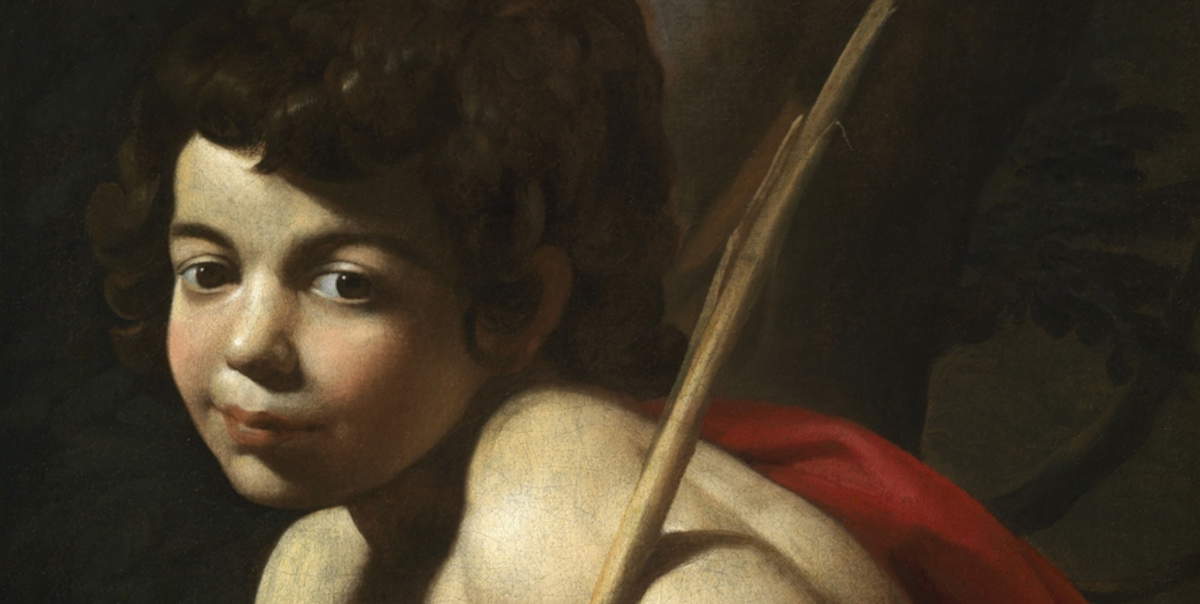 |
| Seventeenth-century Neapolitan painting on display in Forte dei Marmi from the De Vito Foundation |
Warning: the translation into English of the original Italian article was created using automatic tools. We undertake to review all articles, but we do not guarantee the total absence of inaccuracies in the translation due to the program. You can find the original by clicking on the ITA button. If you find any mistake,please contact us.