




by Redazione 16/12/2025



Categories: Exhibitions / Disclaimer
Twenty artifacts recovered by the Carabinieri TPC, including a monumental head of Athena, are on display at the National Archaeological Museum in Taranto. The exhibition illustrates the path of analysis and cataloging of the property without provenance, which was returned thanks to repatriation from the MET in New York.


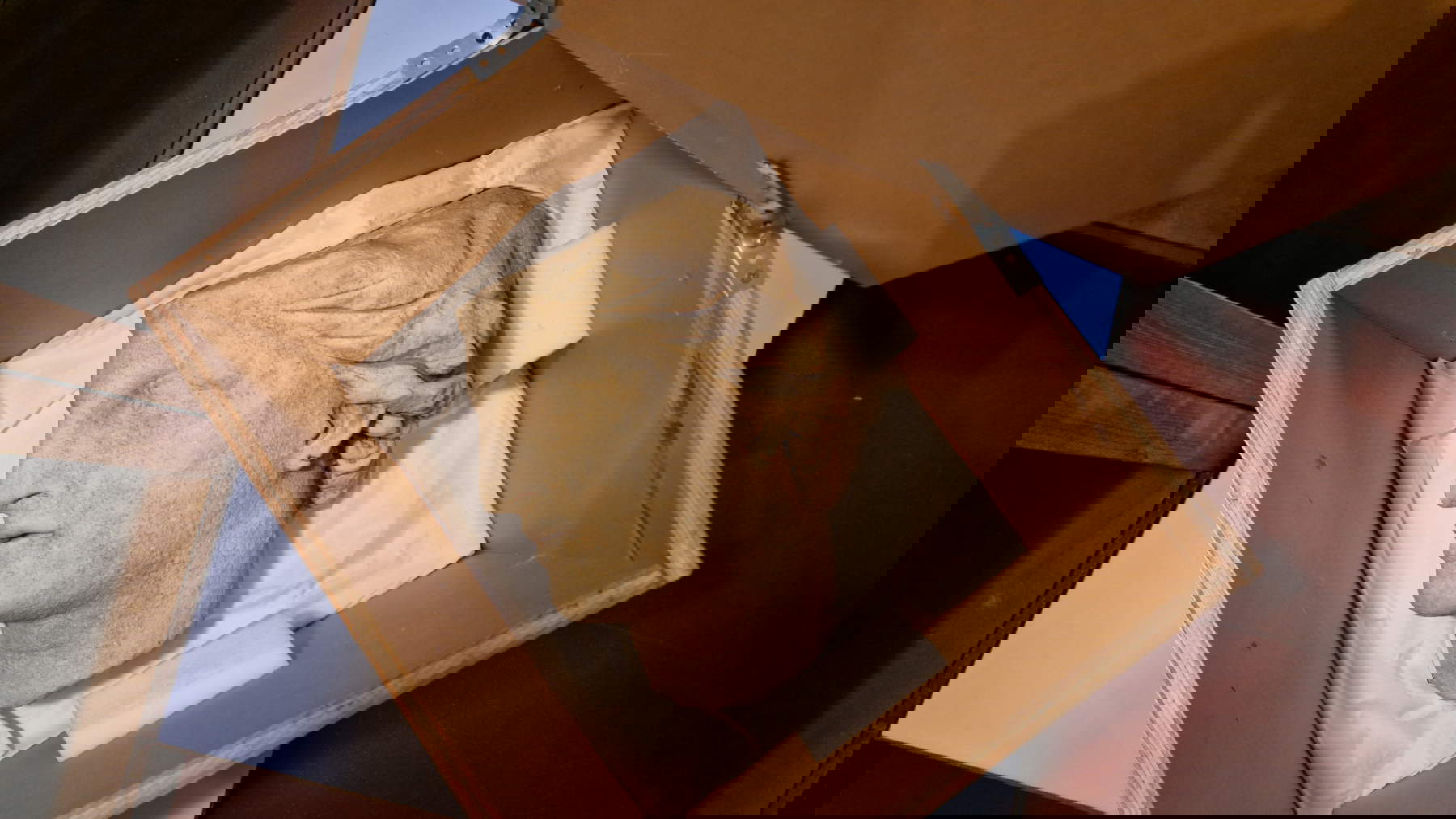
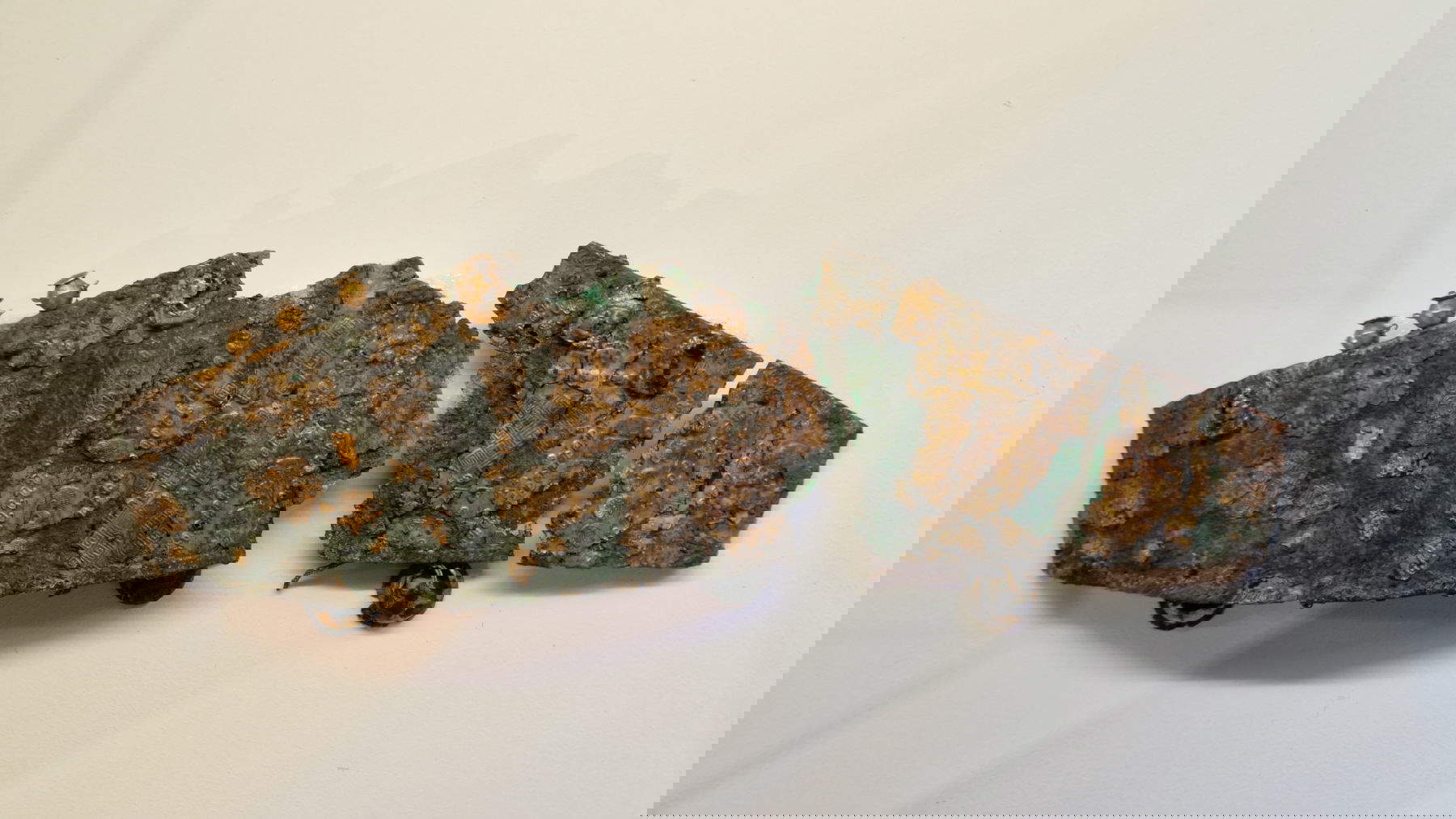
The National Archaeological Museum in Taranto is hosting from today, December 16, the exhibition Stolen Memories. Finds Recovered by the Carabinieri TPC Command, which displays a selection of ancient objects returned from abroad to Italy. Among the most significant objects returned to Italy from the MET Metropolitan Museum in New York, following an intelligence operation by the Carabinieri for the Protection of Cultural Heritage, is a marble head of the goddess Athena, datable between the late 3rd and 2nd centuries B.C., which retains the recess originally intended for a marble or bronze helmet. The find, probably placed outdoors as a monumental votive image of the warrior goddess, belongs to a batch of restitutions assigned by the Ministry of Culture to MArTA, which can be viewed by the public as part of the exhibition. In total, the exhibition includes about twenty objects awaiting further analytical studies. In addition to the head of Athena, there is a wall painting with scenes probably referable to a symposium, fibulae dated between 325 and 300 B.C. and from the fourth to second centuries B.C., rings from the sixth century B.C., bronze ornaments with gold grafts, and terracotta and soft stone reliefs. Also among the finds is an established fake, a reproduction of Apula epichysis (a jug characterized by an oblique spout) in the Gnatia style.
Present during the press conference for the presentation were MArTA director Stella Falzone and Taranto Armament Commander Colonel Antonio Marinucci. The exhibits come from antiquities that flowed into the British company Symes Ltd, which belonged to notorious antiquities dealer Robin Symes, one of the leading players in the illegal cultural property market of the 20th century. Many of the antiquities in his collection had been sold to major international museums, often unaware of their illicit provenance. The repatriation was made possible thanks to the collaboration between the Ministry of Culture and the Carabinieri Command for the Protection of Cultural Heritage, which, following complex investigations and judicial procedures that began in the 2000s, have so far enabled the return to Italy of some 750 artifacts.


“The loss of the archaeological context that often accompanies finds that are the result of clandestine excavations and illegal trafficking is the real challenge for a museum like ours that will have to return to giving dignity and identity to this priceless heritage,”, says Stella Falzone, director of the National Archaeological Museum of Taranto, “because we now house artifacts of various kinds, often reworked for merely aesthetic reasons and which today, instead, will have to return to tell us about the culture of the peoples from whom they were violently taken. For this we have to thank the judicial authorities involved, the Carabinieri’s Cultural Heritage Protection Unit, the Ministry that has designated us as the reference museum for the analysis and study of these artifacts, but also the Metropolitan Museum in New York, which in a constant relationship of cultural diplomacy in recent years has not only revised its system of acquisitions but has fully cooperated to ensure that these artifacts return home.”
However, the return of the objects poses major interpretive challenges. Most of the artifacts lack documentation of their context of provenance and often have tampering or improper restoration, making it difficult to reconstruct their route and attribute them with certainty to a specific geographic area. Only some artifacts show consistent affinities with materials held in the museum’s collections, while for others any hypothesis remains premature. Some artifacts, such as the marble head and painting fragments, allow initial chronological and contextual assessments, always pending further scientific verification. For this reason, the exhibition does not adopt the traditional exhibition model based on the illustration of individual finds. The exhibition was conceived as a methodological path, aimed at illustrating the analytical work required to restore identity and meaning to objects without original context. Inventory and preliminary documentation allow for the recording of morphology, state of preservation and technical characteristics, while typological and iconographic comparisons provide initial cultural coordinates. Material and archaeometric analyses investigate composition, production techniques, alterations and modern interventions, helping to identify deceptive restorations and possible forgeries. The study of authenticity, supplemented by the examination of tampering, distinguishes what originally belonged to the artifact from what was added for commercial purposes.
The exhibition also addresses some recurring issues in materials from illicit trafficking, such as the presence of forgeries and modern copies, critical conservation issues due to traumatic recovery methods, and invasive restoration techniques that can irreparably compromise the works’ legibility. The exhibition objective is to illustrate to the public the complexity of archaeological work on materials without provenance and often altered by modern interventions, highlighting the scientific and institutional responsibility in dealing with fragile and problematic evidence. Through a rigorous and multidisciplinary method, artifacts from the Symes collection can progressively recover an interpretive dimension, regain voice and value, and show how study represents the first, indispensable step in restoring dignity and identity to stolen heritage.
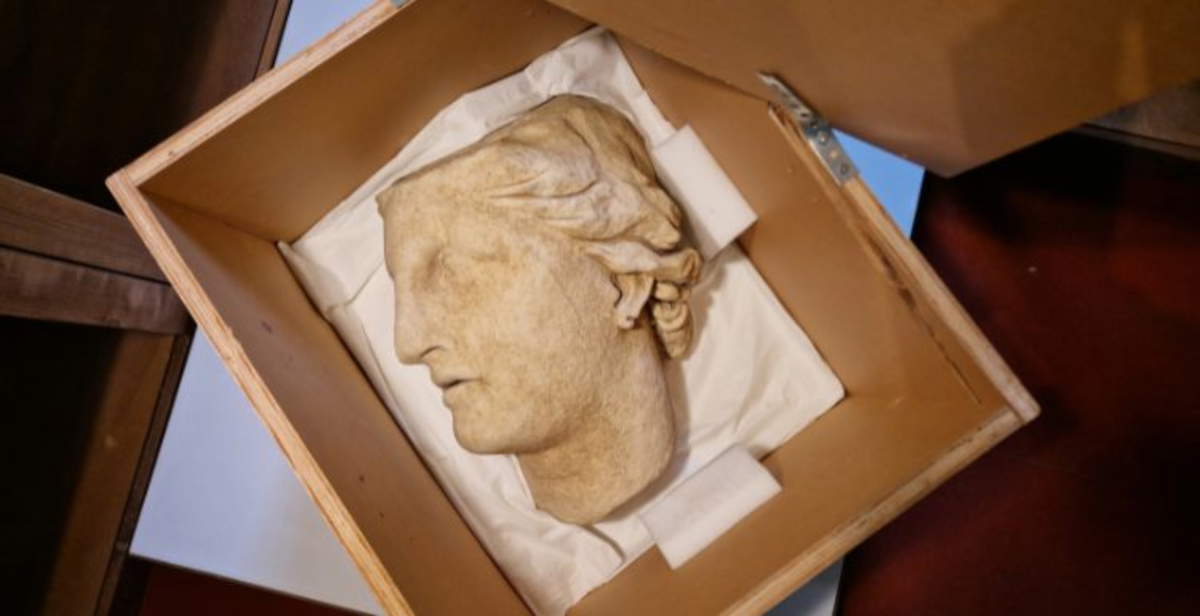 |
| Stolen memories: in Taranto, artifacts returned from New York's Metropolitan Museum |
Warning: the translation into English of the original Italian article was created using automatic tools. We undertake to review all articles, but we do not guarantee the total absence of inaccuracies in the translation due to the program. You can find the original by clicking on the ITA button. If you find any mistake,please contact us.