




From February 27 to June 28, 2026, Palazzo Roverella in Rovigo is hosting the exhibition Zandomeneghi and Degas. Impressionism between Florence andParis, an exhibition that offers an organic comparison between Italian painter Federico Zandomeneghi (Venice, 1841 - Paris, 1917) and French artist Edgar Degas (Paris, 1834 - 1917). Curated by art historian Francesca Dini, the initiative offers an in-depth reading of the relationship between the two artists, based on a long Parisian friendship characterized by mutual esteem and creative exchanges, sometimes edgy but always productive.
The exhibition, promoted by the Fondazione Cassa di Risparmio di Padova e Rovigo in collaboration with the Municipality of Rovigo and theAccademia dei Concordi, with the support of Intesa Sanpaolo and produced by Silvana Editoriale, stands out for the quality of its loans, which come from important museums and international collections. The exhibition examines in detail the mutual influences and stylistic convergences between two artists who made important contributions to the definition of the modern gaze in painting. Zandomeneghi and Degas, although characteristically complex and not always easy to approach, maintained a bond marked by a mutual recognition of their respective artistic qualities. Degas was a mentor to Zandomeneghi, so much so that the Venetian painter described him as “the noblest and most independent artist of our time”, while Degas affectionately nicknamed him “le vénetien,” referring to the Italian artist’s strong connection to his national identity within the Parisian Impressionist milieu. The exhibition delves into the dynamics of this confrontation, highlighting the relationships between their respective poetics and the mutual impact on each other’s works.
The exhibition begins in Florence, the city where both artists completed part of their training. Degas arrived in the city in 1858 and frequented the Caffè Michelangelo, a meeting place for young Tuscan painters. Here he deepened his study of the Renaissance masters and consolidated a pictorial language that incorporated the teachings of the Macchiaioli, including Vincenzo Cabianca. The Florentine experience oriented Degas toward a focus on contemporary life, as evidenced by The Bellelli Family, whose preparatory painting, from the Ordrupgaard Museum in Copenhagen, is being exhibited in Italy for the first time, thanks to the delicacy of the pastel technique that had hitherto prevented its circulation. Alongside works by Degas, including portraits such as Thérèse de Gas and Hilaire de Gas from the Musée d’Orsay, comparisons are offered with Macchiaioli works, such as Odoardo Borrani’s Cucitrici di camicie rosse, Giovanni Fattori ’s Ritratto di Augusta Cecchi Siccoli and Giovanni Boldini’s Dalla soffitta, which highlight points of contact between the Italian and French artistic languages.
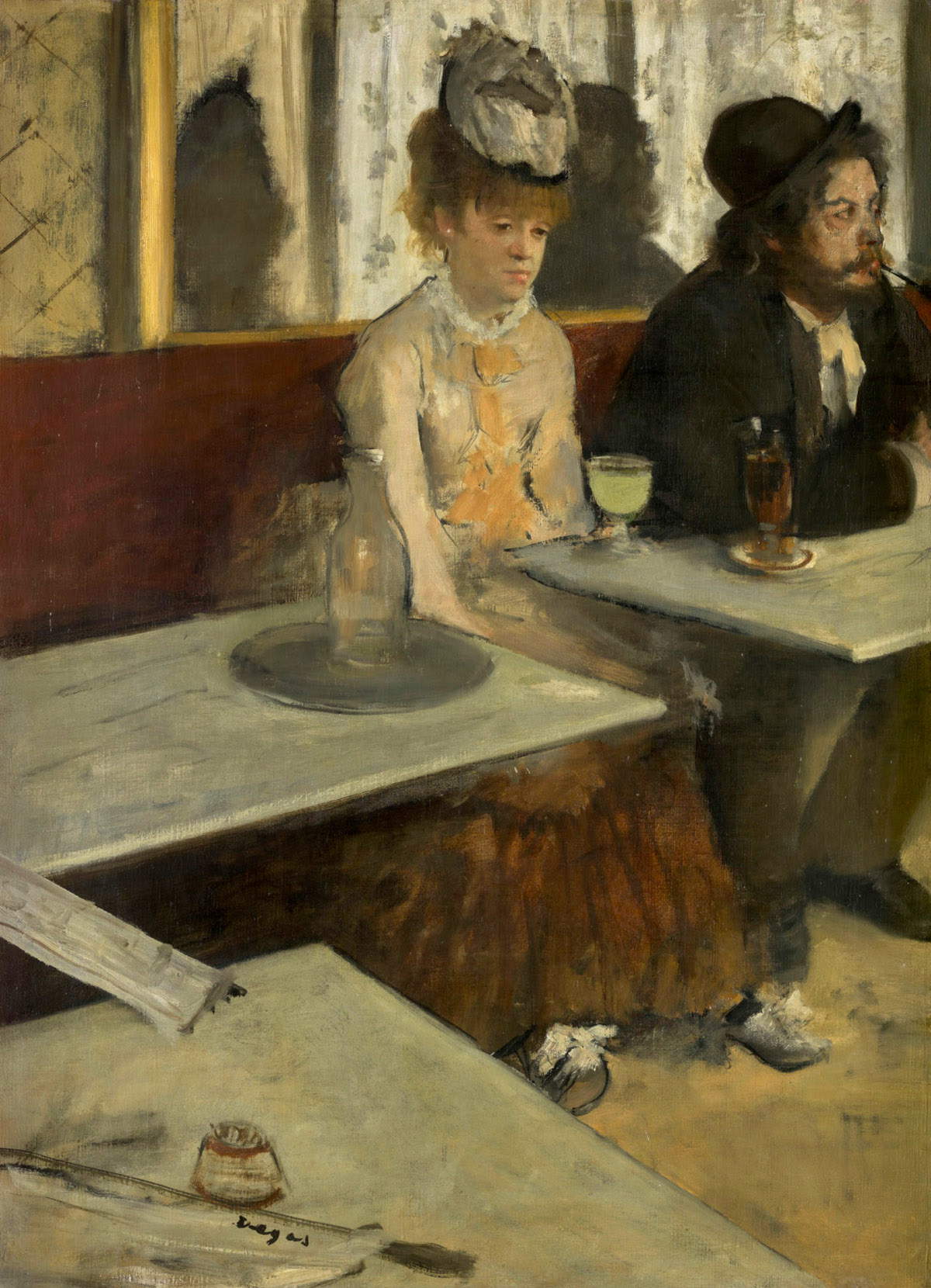
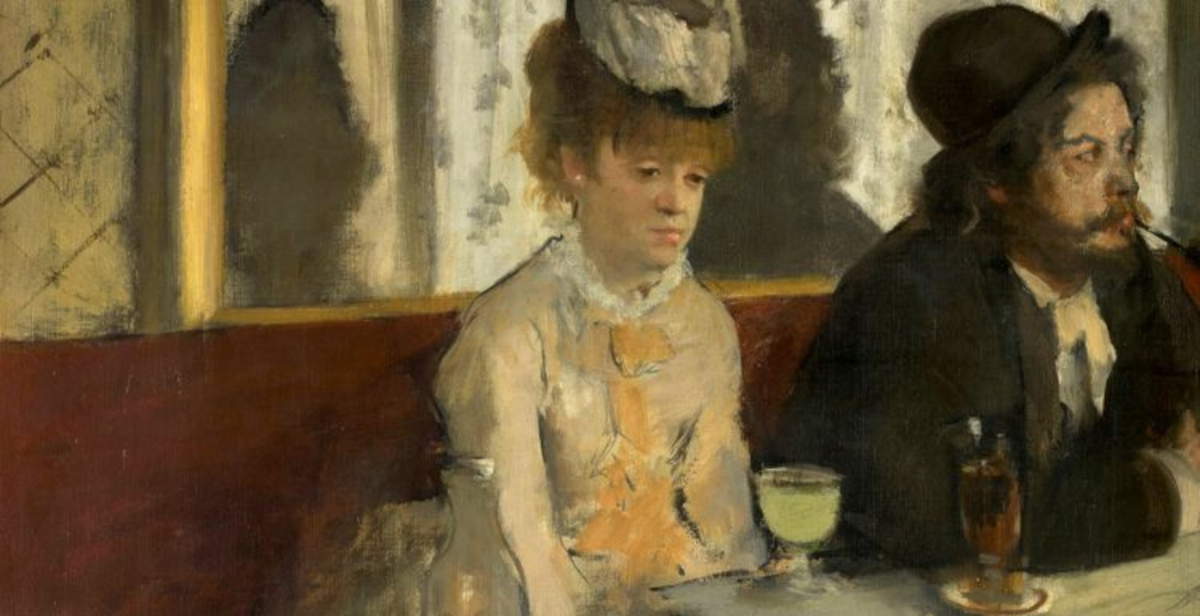
The second section documents the Italian years of Zandomeneghi, who was deeply connected to figures such as Giuseppe Abbati and Vincenzo Cabianca. Key works such as Abbati’s restored Monaco al coro (Museo e Real Bosco di Capodimonte) and Zandomeneghi’s preparatory studies for the painting I poveri che mangiano la zuppa, which testify to the creative energy that anticipated the artist’s Parisian turn and his admiration of Manet at Brera, are on display. Next, the exhibition explores Zandomeneghi’s conversion to Impressionism in Paris. Works such as A letto (Gallerie degli Uffizi - Palazzo Pitti) and Le Moulin de la Galette (courtesy of Fondazione Enrico Piceni) document an artist who assimilates Degas’ visual innovations, spontaneity of the moment, sharp composition and suspended gestures, adapting them to a personal sensibility nourished by the Venetian chromatic tradition. The direct comparison with Degas’ Dans un café (Musée d’Orsay) underscores the dialogue between the two masters. During his stay in Paris, Zandomeneghi participated in the lively environment of the Café Nouvelle Athènes, hanging out with artists and intellectuals such as Mary Cassatt, Forain and Rouart, while critic Diego Martelli fostered meetings with Degas, Duranty and Pissarro, leading up to the fourth Impressionist exhibition in the Avenue de l’Opéra.
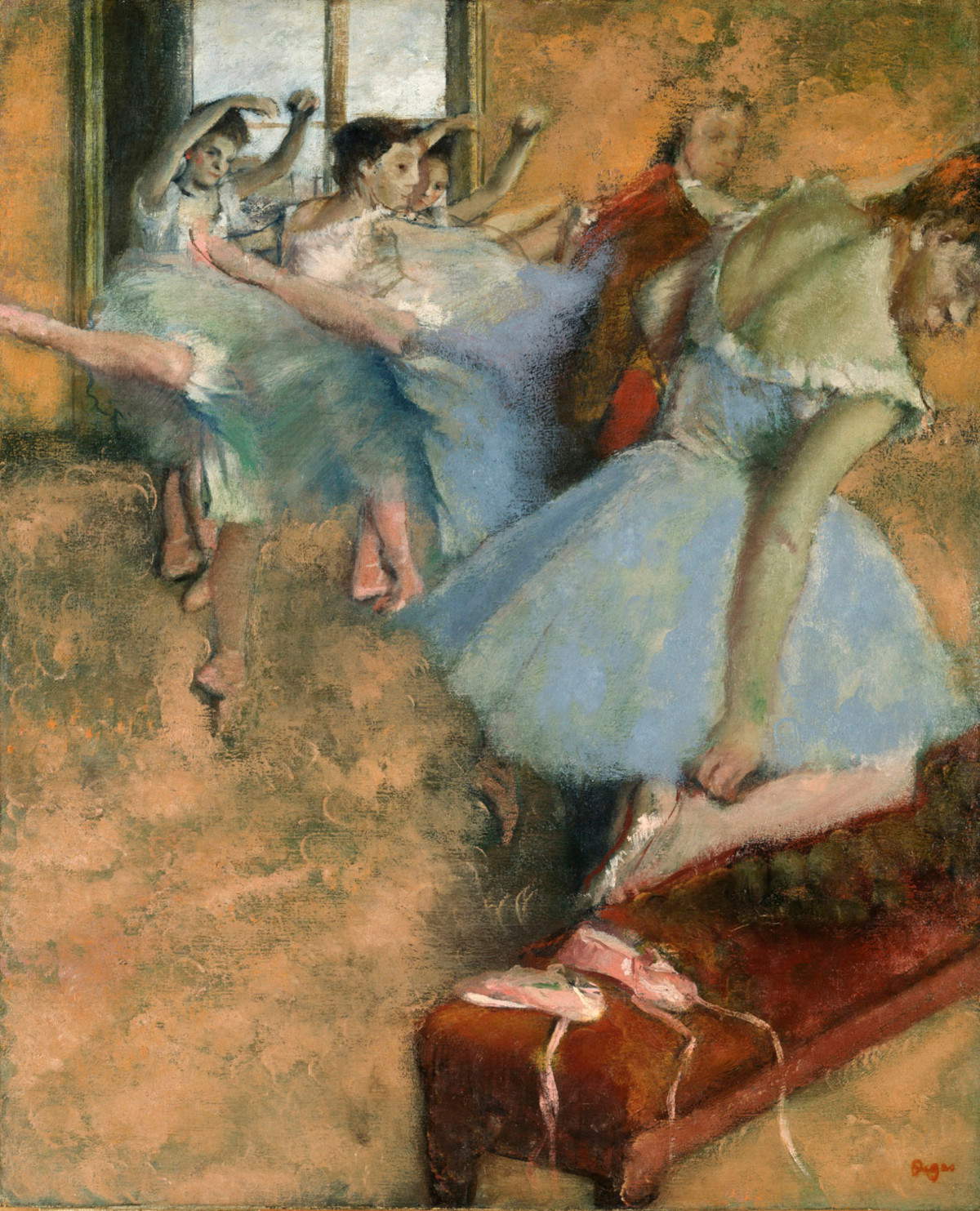
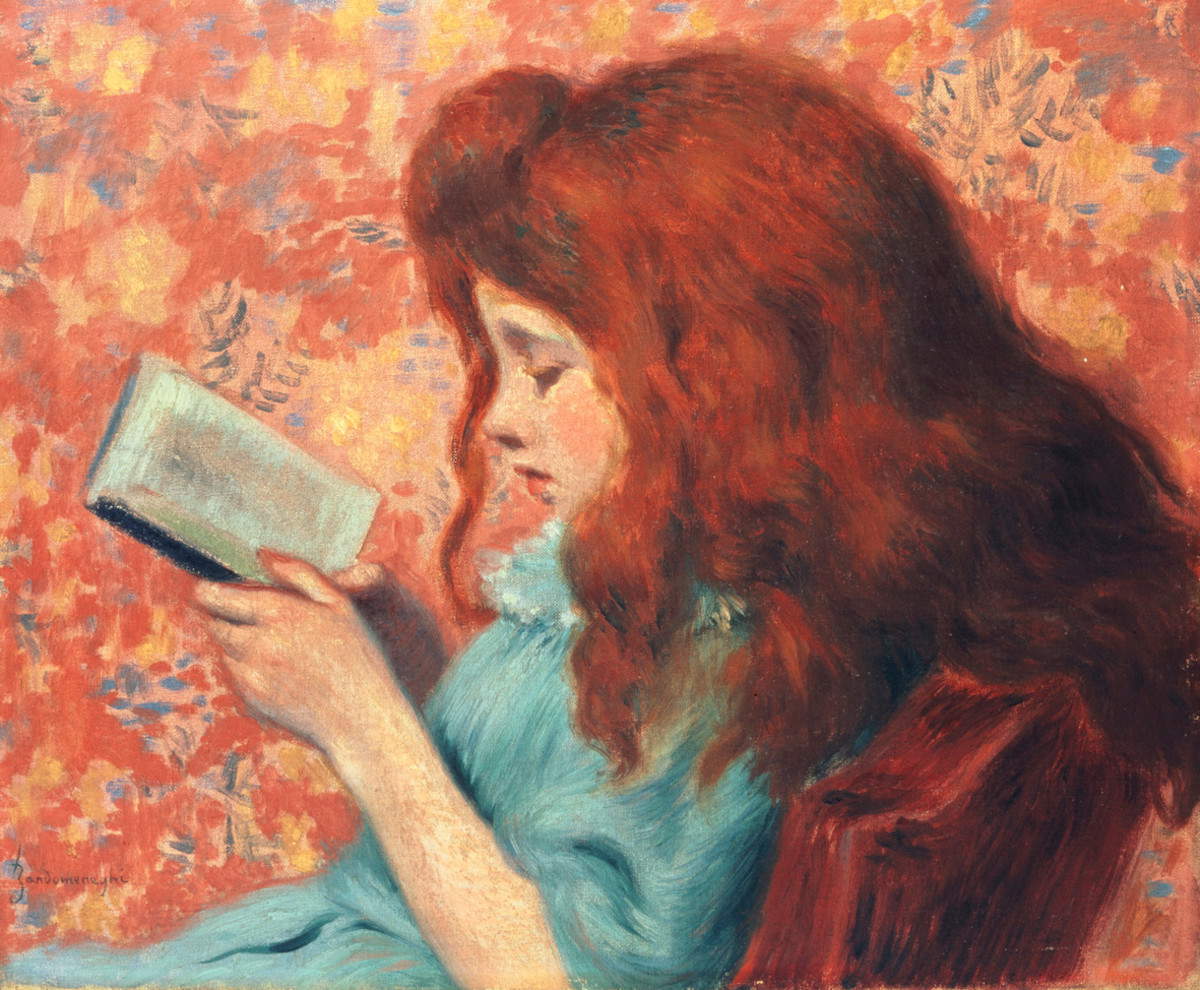
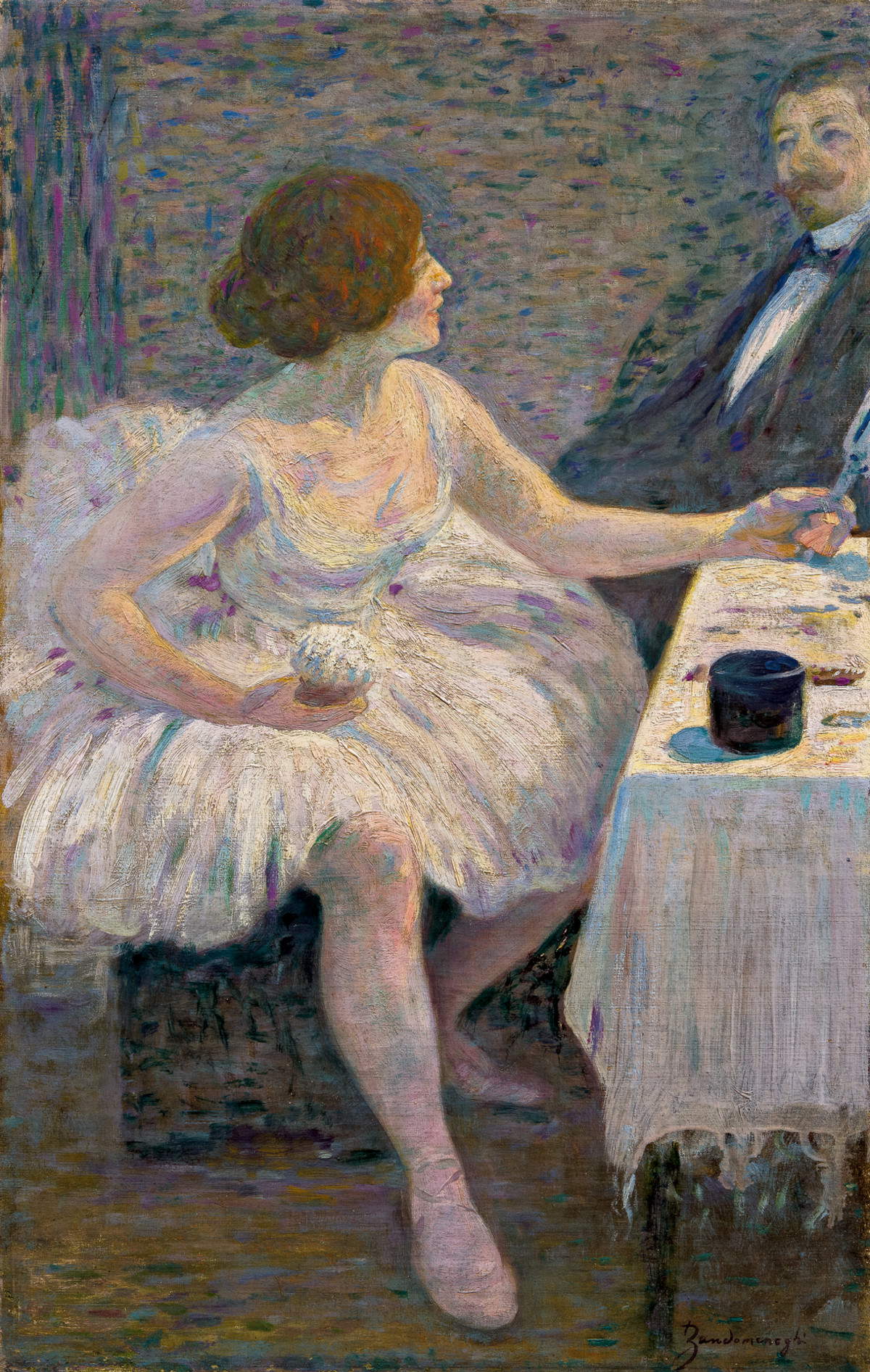
The 1980s represent Zandomeneghi’s full maturity. Works such as Mère et fille, Il dottore, Le madri, Visita in camerino and Al café Nouvelle Athènes show a convinced involvement in the Impressionist movement while retaining a personal quest. These works are joined by works by Degas, including Dancing Lesson and the sculpture Little Dancer of Fourteen from the Albertinum in Dresden, which will be accompanied by a catalog essay on the recent restoration. The tour concludes with the year 1886, marking Zandomeneghi’s evolution toward an autonomous language while remaining close to the Impressionists. Paintings such as On the Sofa, The Red Vest, La Conversation, La tasse de thé, Red-haired Child, Maiden in Back to Back Blue, and Hommage à Toulouse-Lautrec document a personal synthesis with formal softness, narrative balance, and classical composure. The exhibition restores the complexity of the period in which Florence and Paris, tradition and avant-garde, stain and impression, interacted in close dialogue. The comparison between Zandomeneghi and Degas thus offers a clear and articulate reading of the Italian contribution to modern European art, enhancing the relationships between two individual paths that profoundly marked nineteenth-century painting.
 |
| Zandomeneghi and Degas in Rovigo: dialogues between Italian and French Impressionism |

Warning: the translation into English of the original Italian article was created using automatic tools. We undertake to review all articles, but we do not guarantee the total absence of inaccuracies in the translation due to the program. You can find the original by clicking on the ITA button. If you find any mistake,please contact us.



















 IT
IT FR
FR DE
DE ES
ES CN
CN


