





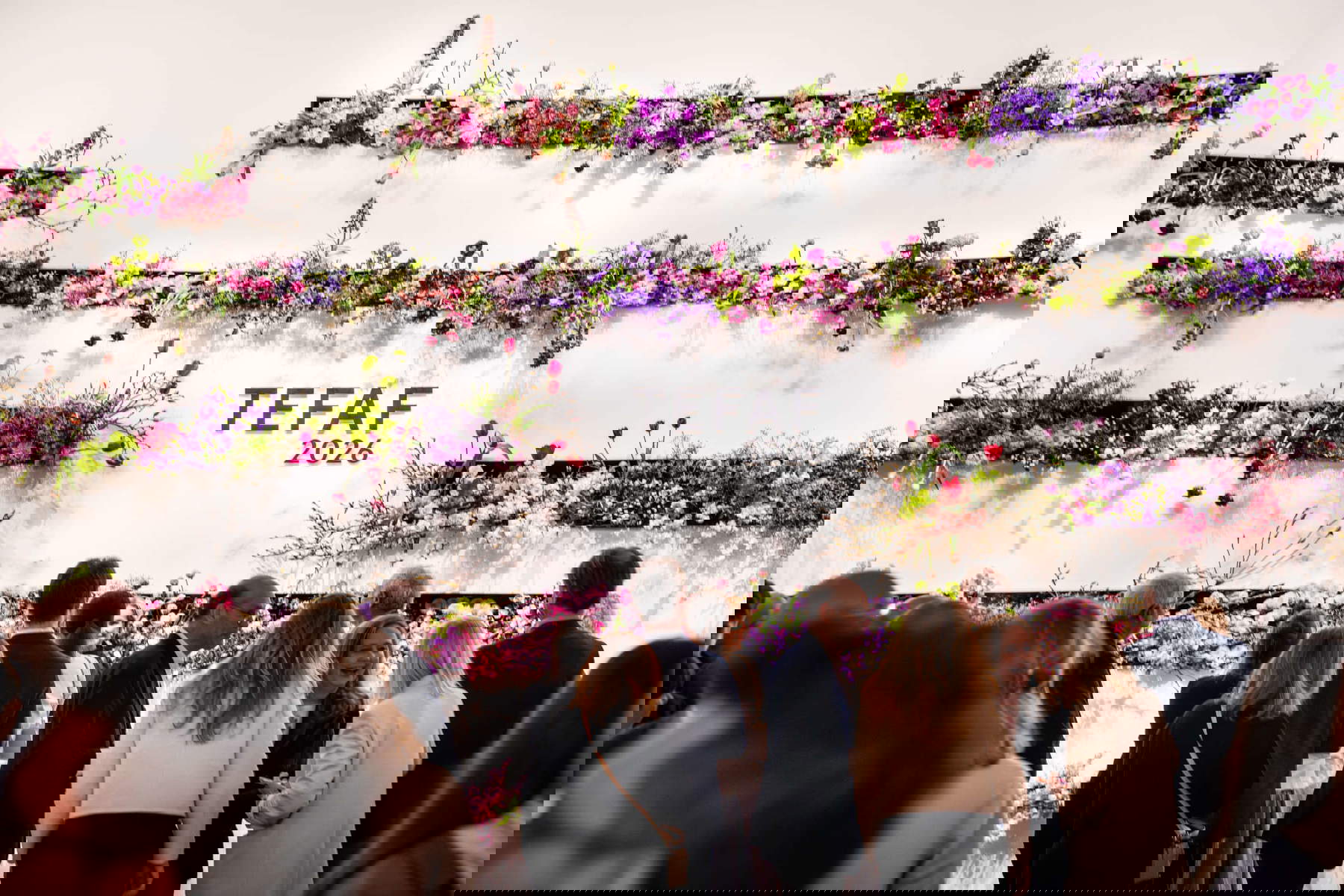
The 39th edition of TEFAF, Maastricht’s major fine antiques fair, ended with results that exceeded organizers’ expectations, and the outcomes confirm the event’s role as one of the leading international platforms for the art, antiques and design market. During its eight days, March 12-19, 2026, the fair recorded more than 50,000 visitors, marking exceptional attendance and sustained business activity in all categories.
The event was once again distinguished by the high quality of works presented and strong institutional participation. More than 450 international museums were represented, along with 67 patron groups, reflecting an ecosystem that continues to bring together curators, scholars and collectors from around the world. Institutions present included such leading names as the Metropolitan Museum of Art, the Rijksmuseum, the Louvre and its Abu Dhabi branch, the Musée d’Orsay, the Victoria and Albert Museum, the National Gallery, the Van Gogh Museum, the Städel Museum, and the Museum of Fine Arts Boston.
In an international context marked by geopolitical uncertainties, the fair proved to be a reliable indicator of the health of the global market. After a particularly dynamic start in the preview days, confidence solidified throughout the week, with steady and widespread sales. Several exhibitors called this edition among the most successful in the show’s history.
Also underscoring the fair’s stability is the loyalty of exhibitors: about 25 percent of participants have been taking part in TEFAF for more than 20 years. A figure that highlights the solidity of a platform capable of adapting to market changes while maintaining high standards. Despite being synonymous with museum-quality masterpieces, TEFAF continues to challenge the idea of an exclusively elitist market. In fact, the works presented covered a very wide price range, from around 2,000 euros to million-dollar sales, making the fair accessible to both established and first-time collectors. In this direction is the Emerging Collectors Program, curated by Paul Arnhold, which saw the participation of 96 galleries committed to offering works under 20,000 euros, providing a concrete entry point for a new generation of buyers.
In parallel, TEFAF reinforced its commitment to education and research by welcoming ten international curators for a five-day intensive course organized in collaboration with Maastricht University. The initiative aims to support the development of future museum leadership, consolidating the fair’s role as an educational platform as well.
Somesignificant trends in contemporary collecting emerged during the event. There is a renewed demand for small-scale works, prized for their versatility and intimacy, along with a growing interest in cross-disciplinary collections that cross eras and disciplines. Attention to the provenance, rarity and scholarly value of works remains central, while the recognition of historically neglected artists, particularly women, consolidates. At the same time, interest in materiality and quality craftsmanship grows.
Alongside the commercial dimension, the fair hosted the TEFAF Summit, supported by AXA XL, which brought together 250 international delegates from the worlds of art, academia, finance and public policy. This year’s edition, titled Beyond Economic Impact: Rethinking Culture in Public Policy, explored the role of culture as a transformative factor in the economy and society, promoting greater integration of the arts into public policy. Among the highlights, the presentation of TEFAF’s first Economic Impact Report, produced in collaboration with Deloitte, showed a total economic impact of €86.4 million in the Netherlands, of which €37.9 million was generated directly in the city of Maastricht.
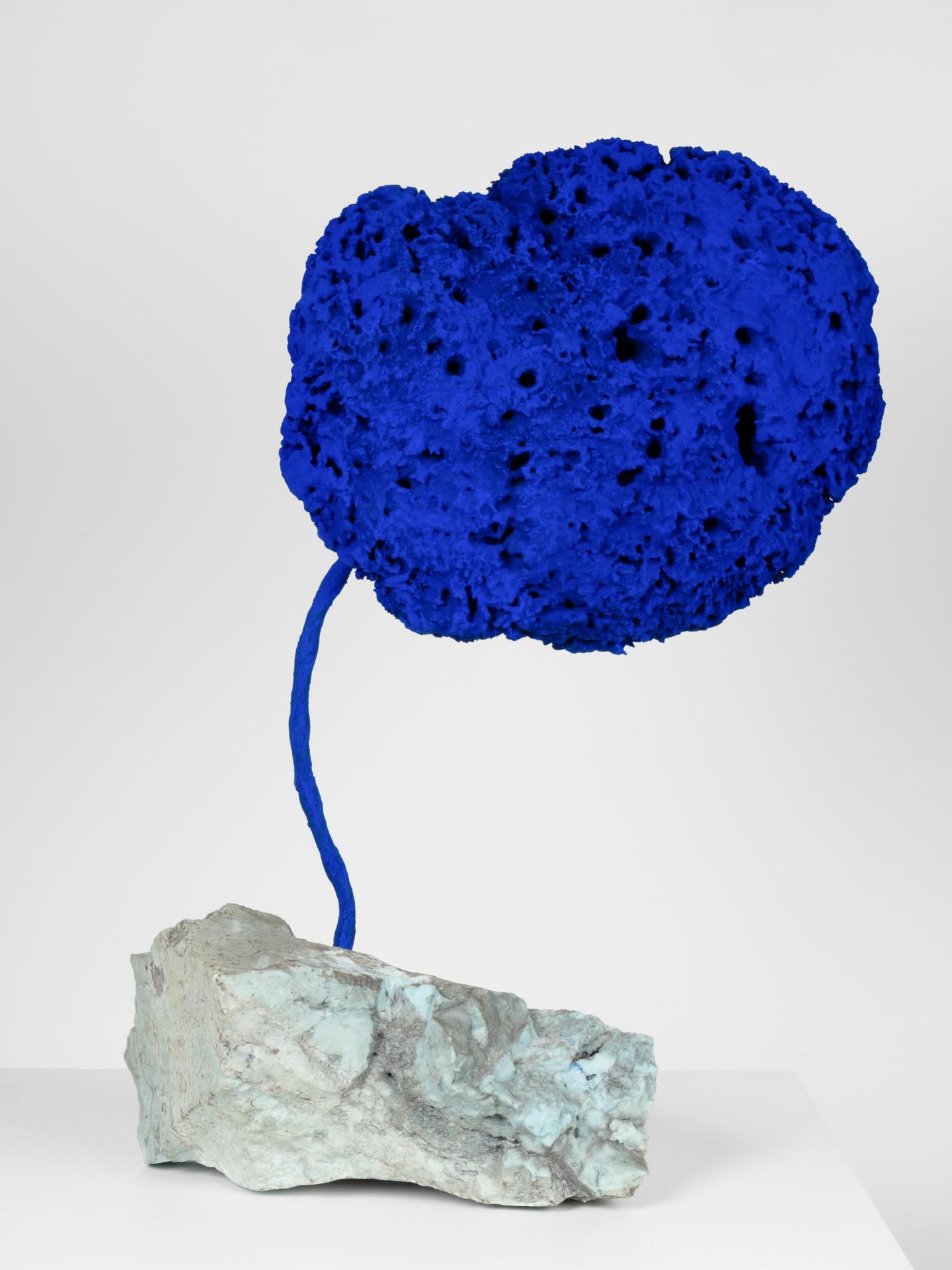
On the market front, sales confirmed solid demand in all categories. Among the most significant transactions was that of Swiss gallery Dr Jörn Günther Rare Books, which as recounted in recent days achieved eight-figure sales, including the Liechtenstein manuscript Tacuinum Sanitatis for 5 million Swiss francs. Important sales by British galleries: Alon Zaikim presented a pair of Claude Monet paintings, reunited after more than 130 years, with an asking price of 20 million euros, reserved for a private collector; Paul Coulon placed Yves Klein ’s Untitled Blue Sponge Sculpture in a private collection, with an asking price of 2.5 million euros; and Tomasso sold a 14th-century marble kneeling figure to the Metropolitan Museum of Art for about 1.5 million euros. Germany’s Utermann sold a still life by Max Beckmann for about 1 million euros, with immediate museum loan interest. U.S.-based MS Rau reported several sales over $1 million, including works by Mary Cassatt and Pablo Picasso, and their compatriots at Gallerie Lefebvre sold Hibou de Pierre by François-Xavier Lalanne for about $1 million.
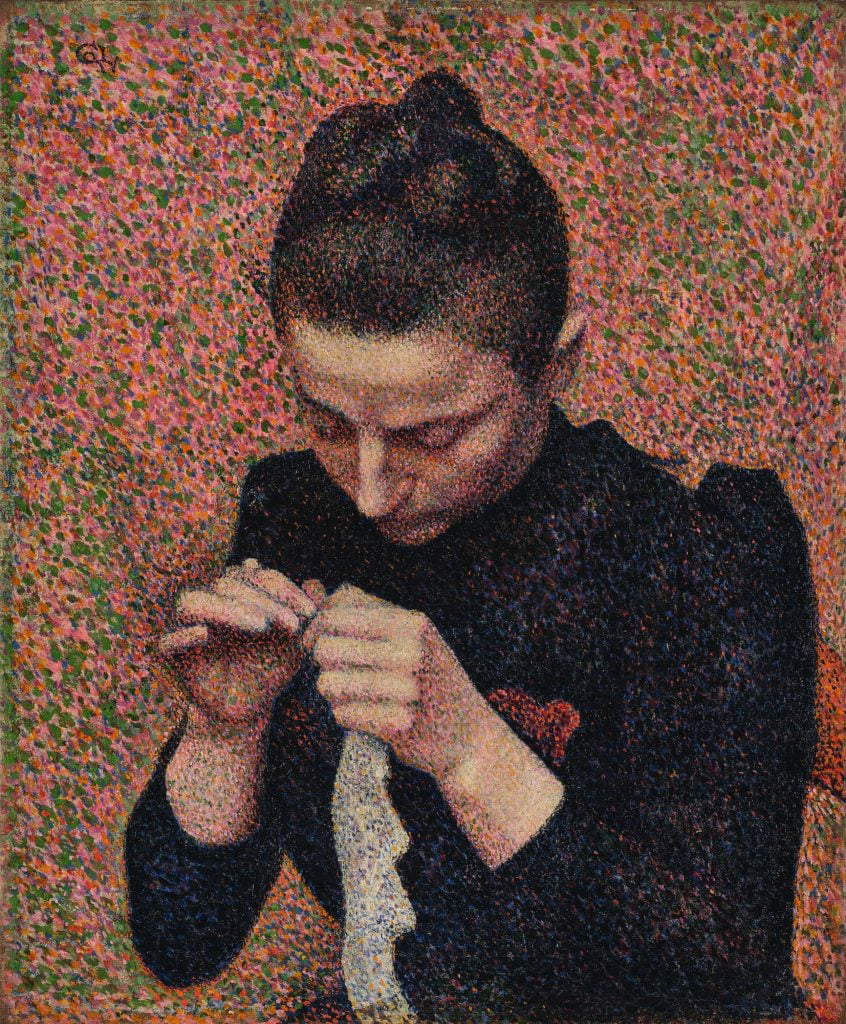
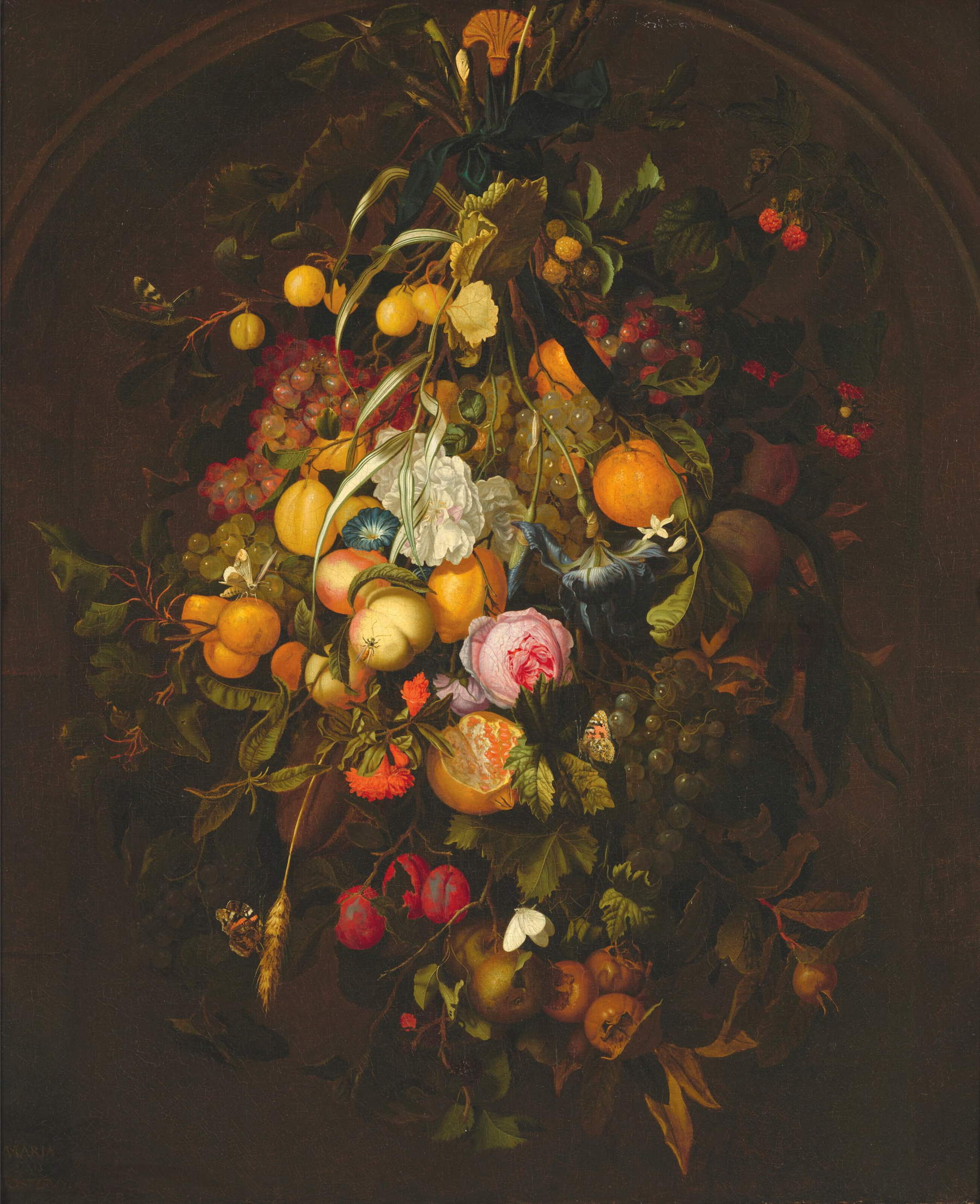
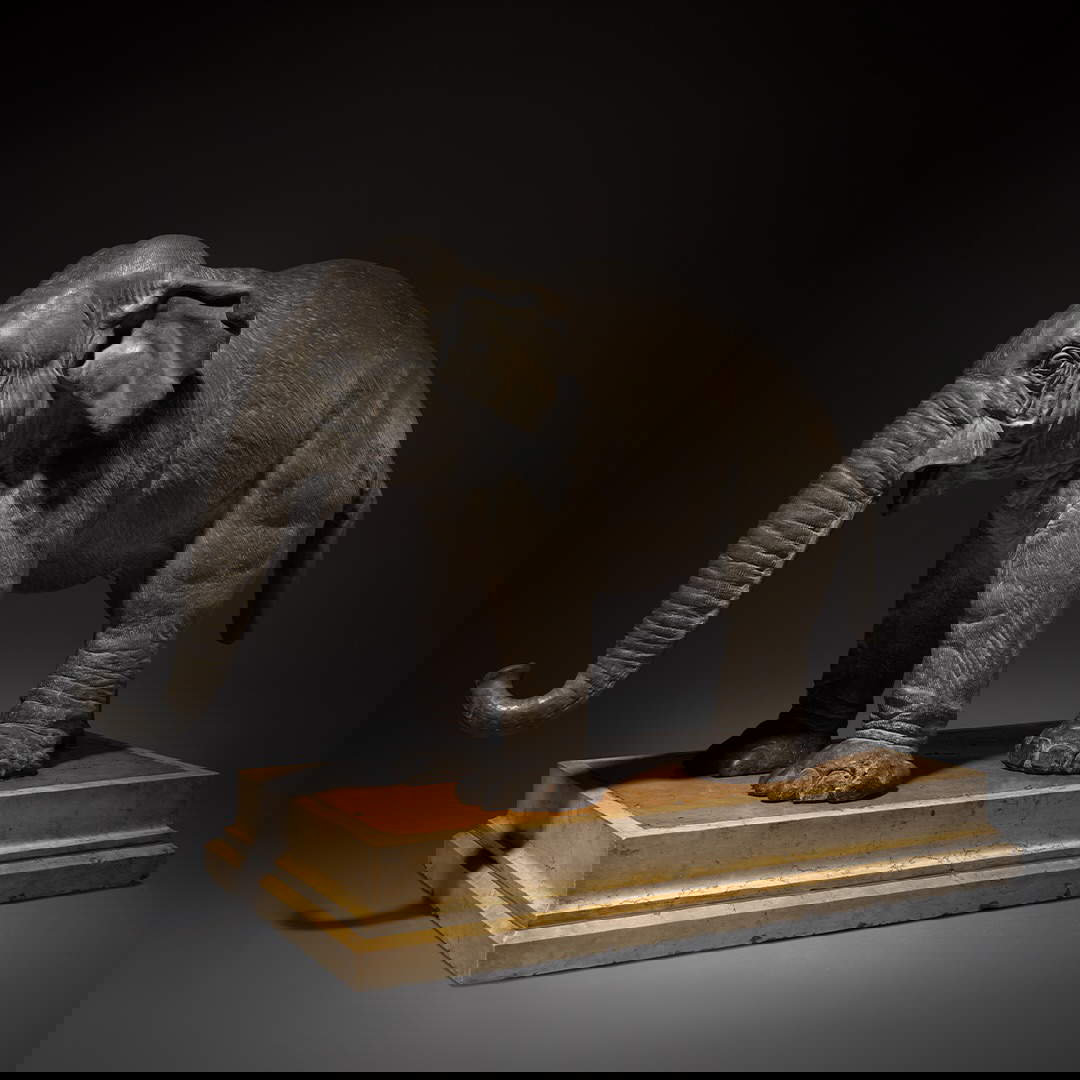
Still, American Gallery 19C sold instead a portrait of Julie Lemmen by George Lemmen, depicting the artist’s sister while crocheting, with an asking price of $1.2 million, acquired from an American museum. Haboldt & Co (Netherlands) sold a Still Life with Fruit, Berries and Flowers Hanging in a Niche by painter Maria van Oosterwijck to a private collector for about €1 million. Llull | Pampoulides (UK) has reserved for a major museum a marble elephant by Gaetano Monti, modeled from life: the animal was brought to Europe in the 18th century and delighted the continent’s courts, inspiring this extraordinary work, with a seven-figure asking price. Germany’s Elfriede Langeloh sold two ceramics depicting Ocean and Thetis, by Franz Conrad Linck, to a U.S. museum for about 200,000 euros. British gallery Peter Finer, a specialist in arms and armor, reported sales between 50,000 euros and 250,000 euros, including a camel’s headdress, a 16th-century doublet, a Saxon morion, and a pair of leather gloves from the English Civil War. Their Prahlad Bubbar compatriots sold five works to the Museum of Fine Arts Houston and two to the Metropolitan Museum of Art, with additional sales to private collectors. Acquisitions included photography, jewelry, drawings, and textiles, with prices ranging from 50,000 to 400,000 pounds.
Also in the antiques sector, São Roque sold a large Indo-Portuguese Gujarati tortoise casket to the Aga Khan Museum in Ontario for about 200,000 euros, registering interest from other museums in additional works. Dutch Vanderven Oriental Art sold some Linglong brush holders from the Kangxi period, inspired by the Chinese allegorical tale “The Dream of the Yellow Mile,” acquired by the Albuquerque Foundation in Sintra for about 75,000 euros. Also from the Netherlands, Zebregs & Roëll Fine Art & Antiques sold two paintings by Augustino Brunias for a seven-figure sum to an institution, as well as a model of a prisoner-of-war ship (195,000 euros) and a gilded bronze sculpture by Guanyin from the 14th-15th centuries (about 300,000 euros), both to private collectors. Also sold was a work by Jan Daniel Beynon to a French collector for a six-figure sum, while an American museum acquired William Paterson’s Company School Animal Drawings for a seven-figure sum.
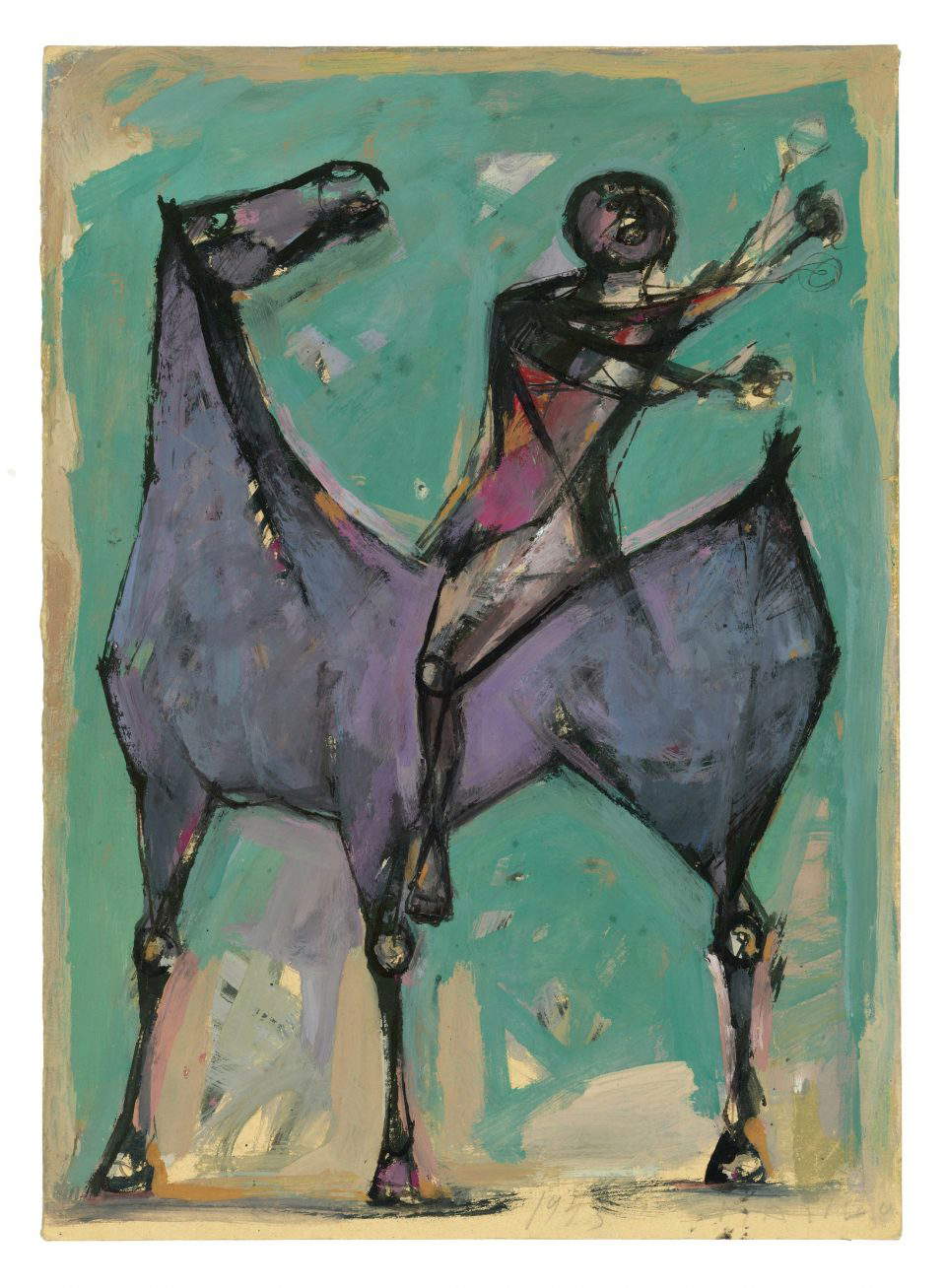
In the archaeology sector, Galerie Cybele (France) sold an Attic black-figure amphora with a neck depicting Hercules’ journey to Olympus to a private collector for about €70,000. In modern art, Alison Jacques (UK) sold sculptures by Alison Wilding for about $20,000, works by Sheila Hicks between $38,000 and $500,000, as well as works by Eileen Agar, Hannah Wilke, and Sophie Barber. Germany’s Buchmann Galerie sold, among other works, sculptures by Tony Cragg, including Stages from 2025, priced between €280,000 and €300,000, destined for a private European collection. The other German Ludorff sold Marino Marini’s Cavallo e cavaliere di lato, 1953, for €69,000, and an untitled work, 1967, by Otto Piene, for €39,000, both to private collections in Germany and Belgium. A small painting by Poliakoff sold for 53,000 euros. Osborne Samuel (UK) sold Horizontal Form by Barbara Hepworth along with two sculptures by Lynn Chadwick to collectors in the UK, Belgium, and Dubai, with prices between €200,000 and €400,000. Another British gallery, Piano Nobile confirmed several seven-figure sales to private collectors, with other works destined for museums. The gallery sold works by Grayson Perry, Frank Auerbach (€750,000) and Glyn Philpot (€40,000), as well as works from the Bloomsbury Group and the London School. Three additional works remain on hold for museums in the U.S. and Europe.


In the design section, Didier (UK) sold two pendants by Max Ernst and Jean Arp, a bracelet designed by Pol Pury that belonged to his wife, and a fish-shaped brooch by Georges Braque. All pieces, 1960s-1970s, sold for five figures. Ketabi Bourdet (France) sold Guy de Rougemont’s Lumière Résignée for about 35,000 euros, while a chair by Tom Dixon, priced in the five-figure range, is pending for the collection of the Musée des Arts Décoratifs in Paris.
Finally, in the works on paper sector, Belgium-based Agnews sold more than 20 works, including a watercolor by Paul Klee, as well as works by Henri de Toulouse-Lautrec, Paul Signac, Maurice Denis, Fernand Khnopff, Edgar Degas, and Peder Balke. Colnaghi Elliott recorded a successful fair with 10 works sold, including a Virginie Demont-Breton Fisherman to a U.S. institution. Lyndsey Ingram (United Kingdom) sold a complete series of twelve lithographs from Reflections by Helen Frankenthaler with an asking price of $120,000, and Belgium’s Lancz Gallery sold a work by Arthur Craco to the Musée d’Orsay, with prices between 6,000 and 10,000 euros. Ron Mandos (Netherlands) sold 18 works, mainly photographs by Erwin Olaf and Hans van Manen, including an important recent photograph by Isaac Julien (asking price 35,000 euros) to the AkzoNobel Art Foundation in Amsterdam; works by Hans op de Beeck sold to Flemish collectors between 45,000 and 84,000 euros. Nicolaas Teeuwisse (Germany) reported significant sales, including a series of etchings by Joseph Marie Vien, a work by Geoffroy Dumonstier at the Rijksmuseum in Amsterdam, and Raphel Lamar West’sHercules Killing the Hydra at the Art Institute of Chicago. Utermann sold an Abstract Head by Alexej von Jawlensky to a European private collector for about 750,000 euros, a work by Gabriele Münter to an American private collector for about 200,000 euros, and works by Pablo Picasso and Ernst Ludwig Kirchner, both sold to European private collectors for about 40,000 euros each.
Overall, the final numbers paint a picture of a healthy fair: 277 exhibitors from more than 20 countries, 28 new participants, 96 galleries involved in the Emerging Collectors program, and more than 220 private viewings organized.
|
| TEFAF Maastricht 2026 closes with over 50 thousand visitors and million-dollar sales |

Warning: the translation into English of the original Italian article was created using automatic tools. We undertake to review all articles, but we do not guarantee the total absence of inaccuracies in the translation due to the program. You can find the original by clicking on the ITA button. If you find any mistake,please contact us.





























 IT
IT FR
FR DE
DE ES
ES CN
CN


