




by Redazione 13/12/2025



Categories: Museums / Disclaimer
Opens today the new itinerary dedicated to East Asian ceramics: 230 artifacts, new exhibits, multimedia and accessibility solutions. The rearrangement continues the work of updating the museum's permanent itinerary, enriching it with content and technology.

The MIC - International Museum of Ceramics in Faenza presents a new and articulated chapter of its exhibition itinerary with the rearrangement of the section dedicated to East Asia, which opens today, December 13, 2025. The museum introduces a layout that displays two hundred and thirty artifacts, some of them previously unpublished and from recent acquisitions, accompanied by multimedia educational apparatus designed with great attention to full accessibility. The renovation of the section is part of the broader work of updating the MIC’s permanent itinerary, which in recent years has undertaken a progressive revision of the spaces and contents dedicated to the history of world ceramics.
Asia, with its variety of cultures and techniques, represents one of the most influential centers in the development of ceramics. Its aesthetics have fascinated Europe for centuries, penetrating the arts and leaving a particularly lasting imprint on the Western ceramic tradition. MIC’s new exhibition renders the complexity of this relationship through a selection of works spanning a broad chronological span, from the 2nd century to contemporary times, with specimens from the Han, Tang, Song, Ming, and Qing dynasties. The exhibition is curated by Eline van den Berg, a researcher of Asian art and culture, with the collaboration of Fiorella Rispoli and Roberto Ciarla.


Van den Berg recalls how the last reorganization of the section was in 2011. While enhancing the breadth of the collections, that arrangement displayed such a large number of artifacts that it made reading and understanding the pieces complex. The new layout was created in response to those critical issues: the selection was revised, the information made more concise and focused on individual objects, and the itinerary was designed to make it easier to view the pieces, providing a more immediate and clear context.
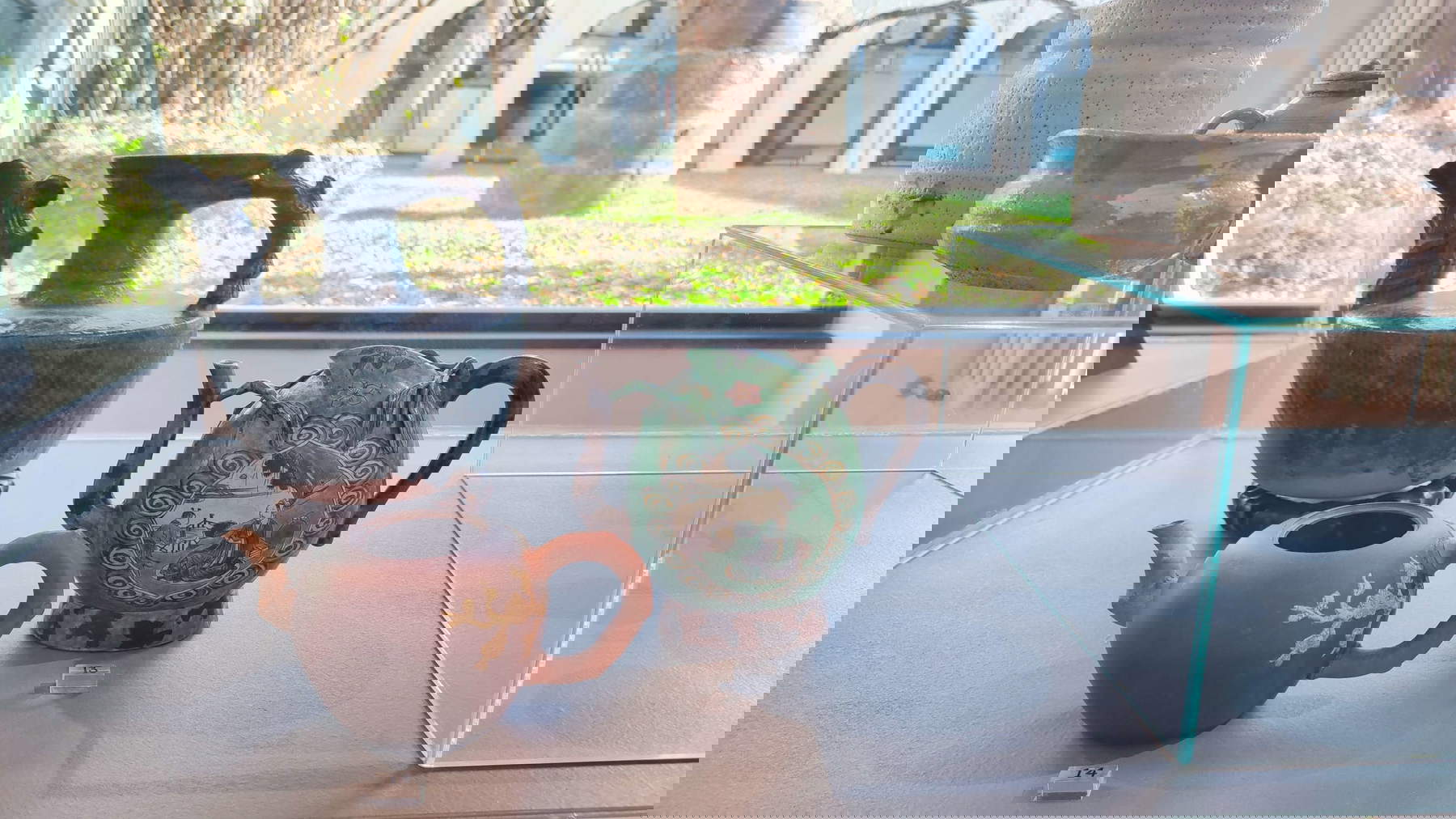
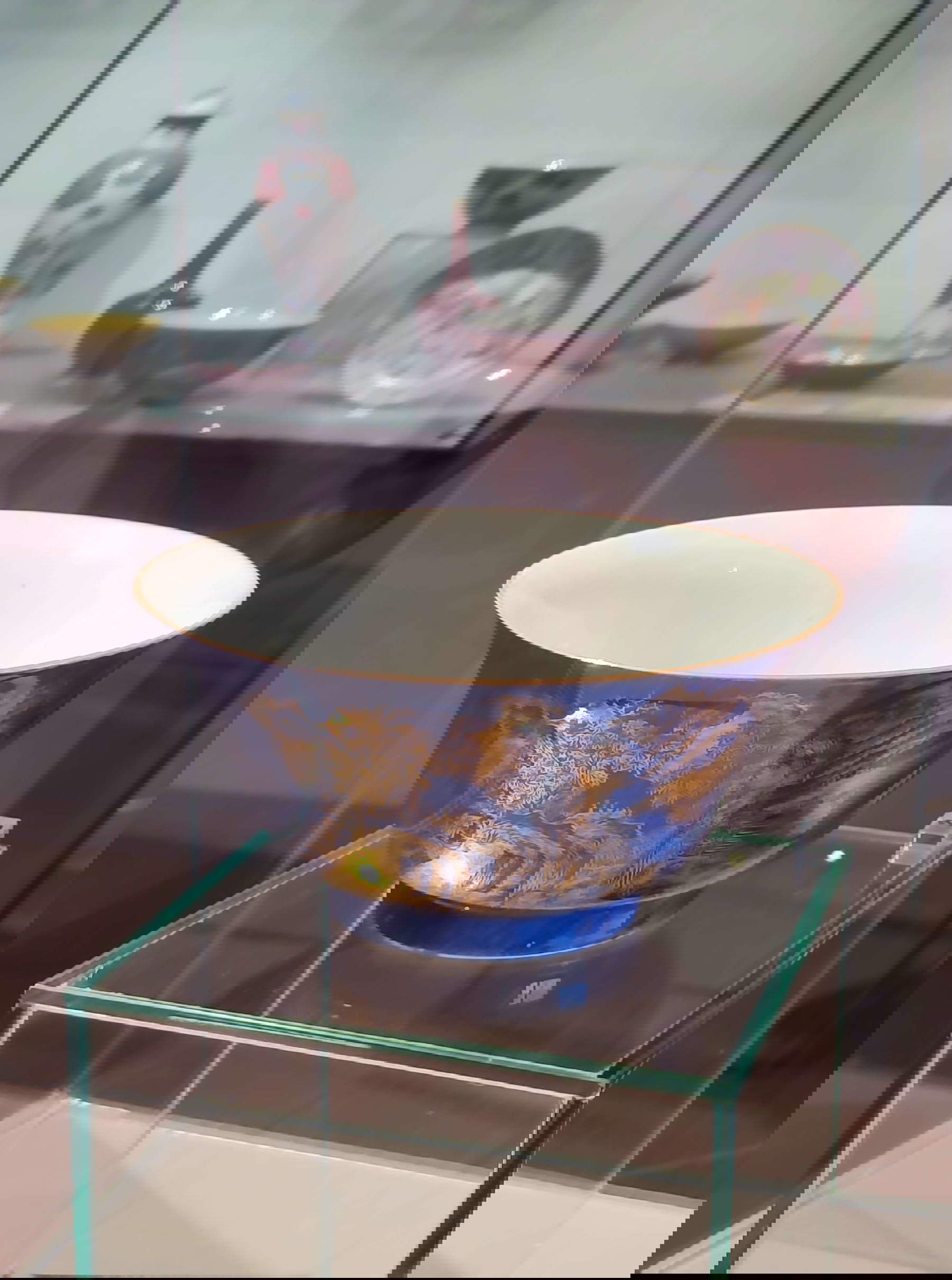
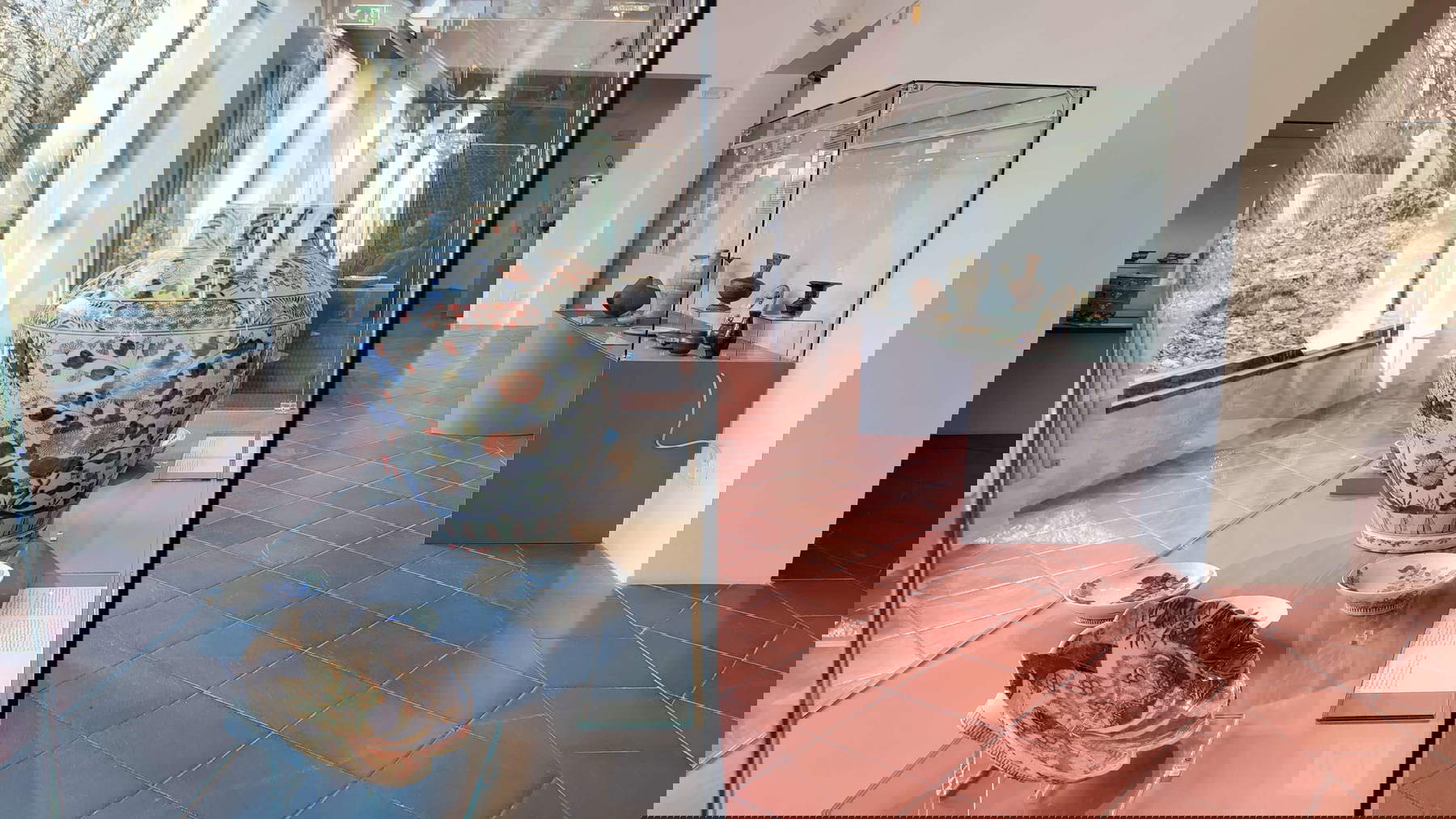
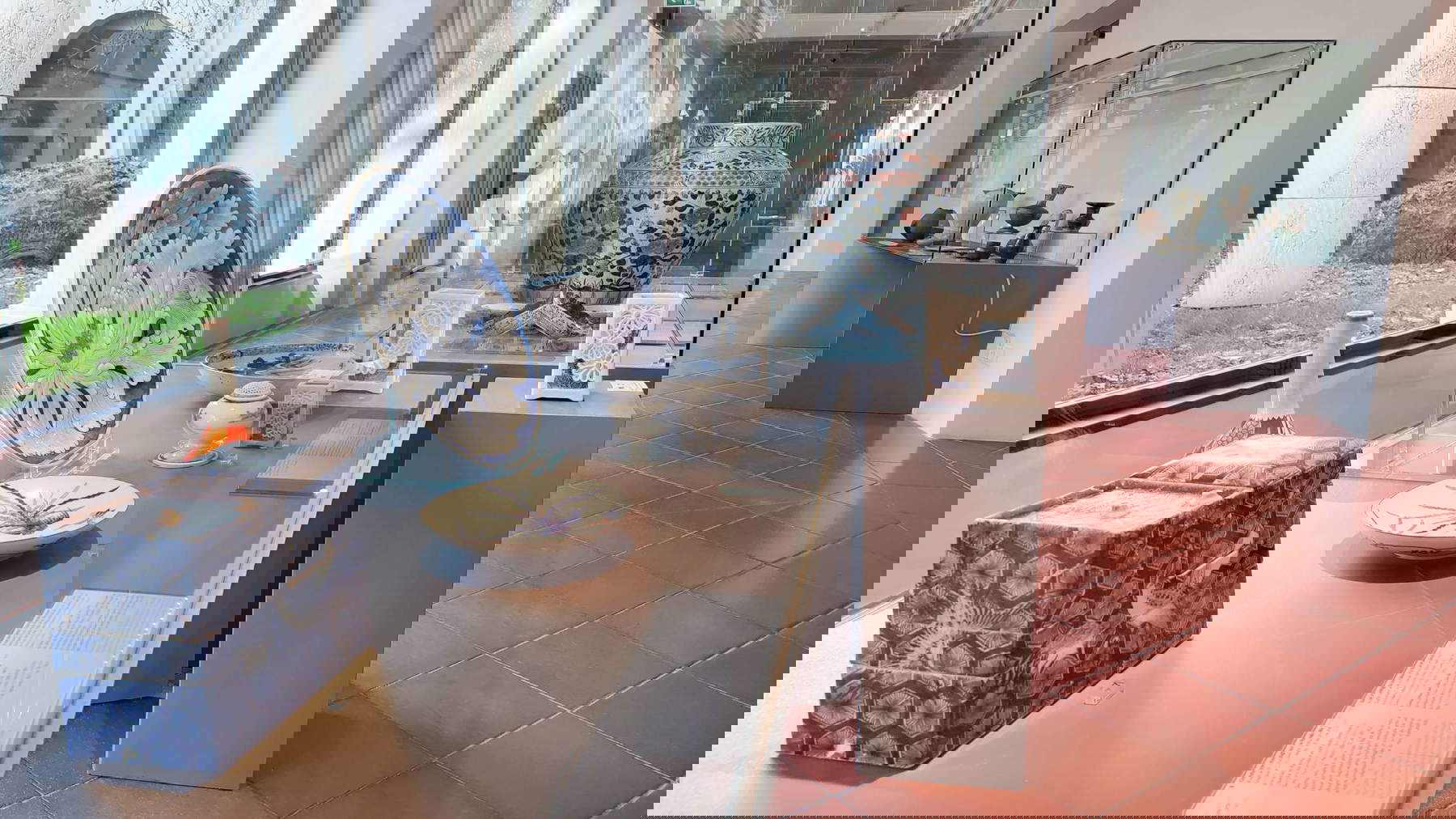
The narrative abandons the rigidly chronological approach to make way for a thematic narrative capable of highlighting historical, social and cultural contexts through works selected for their significance and their ability to represent the pivotal themes of Asian ceramic production. The tour opens by highlighting how East Asia was the cradle of porcelain, one of the great turning points in ceramic history. The development of porcelain in China made this material a global product, profoundly marking trades, aesthetics, and production techniques in many parts of the world.
An overview of Chinese and Japanese ceramics follows, flanked by thematic exhibits devoted to key contexts. Tea culture, academic life, rituals, burials, symbolism, and celadon make up a set of sections that illustrate the use and significance of ceramics in different eras and areas. The works also come from regions such as Korea and Thailand, testifying to the geographical and cultural extent of Eastern ceramic production.
Part of the tour is devoted to the role of Thai and Vietnamese ceramics in intra-Asian trade between the 15th and 16th centuries. During this period, the market for Chinese ceramics came to a temporary halt due to export bans imposed by the emperors. Kilns in Thailand and Vietnam responded to demand by producing wares in blue and white and celadon, demonstrating the ability of Asian cultures to reorganize production and sustain trade.
The exhibition then presents an extensive section devoted to the export of porcelain to Europe through the East India Companies beginning in the 17th century. This trade generated a growing fascination that in the 18th century resulted in a genuine collecting craze and an intense dissemination of Asian porcelain in European courts. In this part of the tour, MIC highlights the dynamics of trade, aesthetic preferences and the transformations that European taste underwent upon coming into contact with oriental productions.
Continuing, the rearrangement devotes attention to the donors who over time contributed to the reconstruction of the museum’s Asian holdings. Indeed, the collection suffered severe damage during the 1944 bombing in the context of World War II. The generosity of donors enabled MIC to reconstruct a significant portion of the lost works. The new exhibition recovers this history by restoring visibility to the role these contributions played in the rebirth of the collection.
A final section is devoted to contemporary works. For the first time, modern works enter the itinerary that show how East Asian ceramic production continues to thrive while maintaining a direct link to traditional practices. This choice allows the narrative to close with a dialogue between past and present, highlighting the continuity of techniques and the vitality of Asian ceramics in the contemporary art scene.
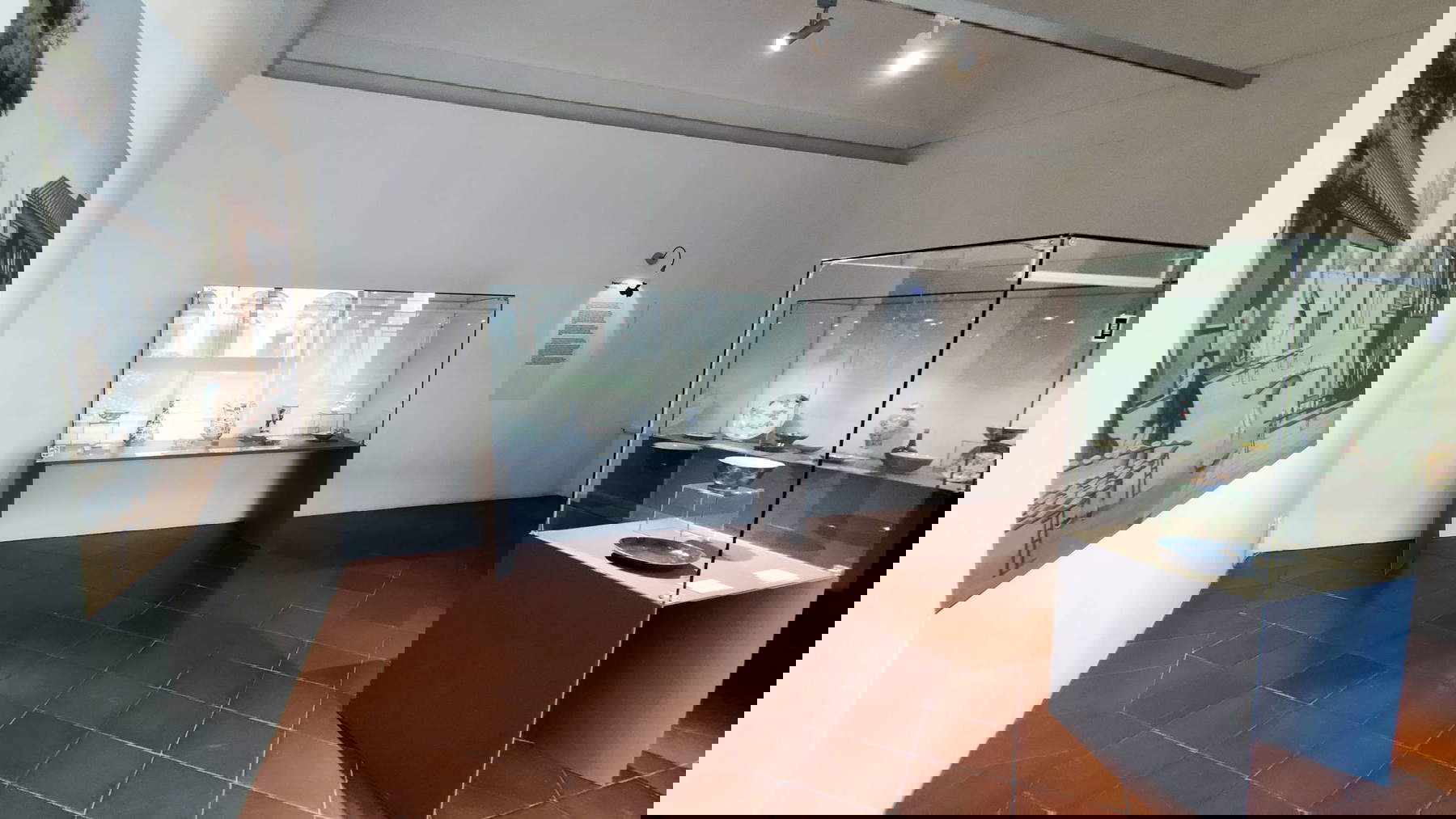
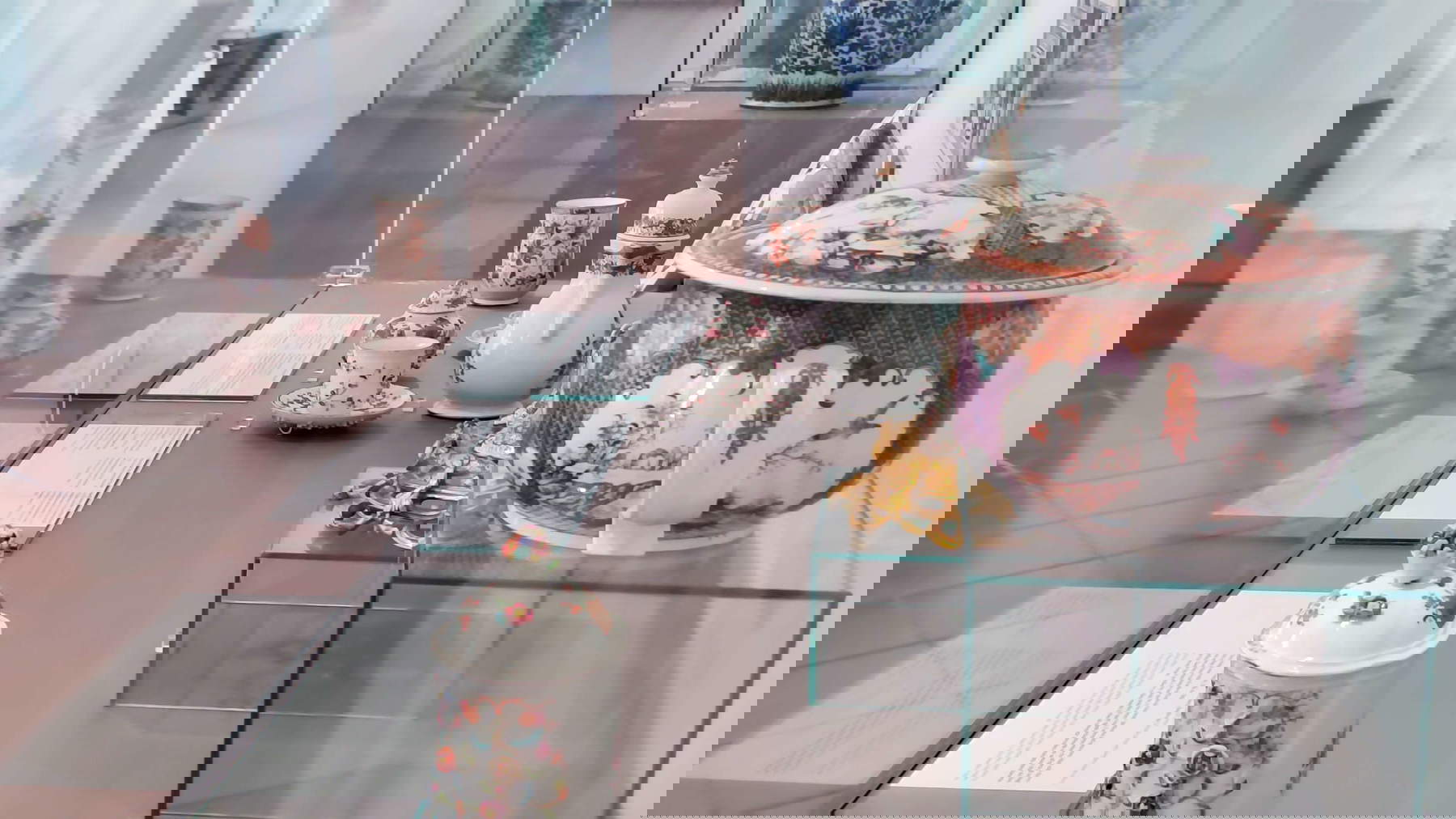
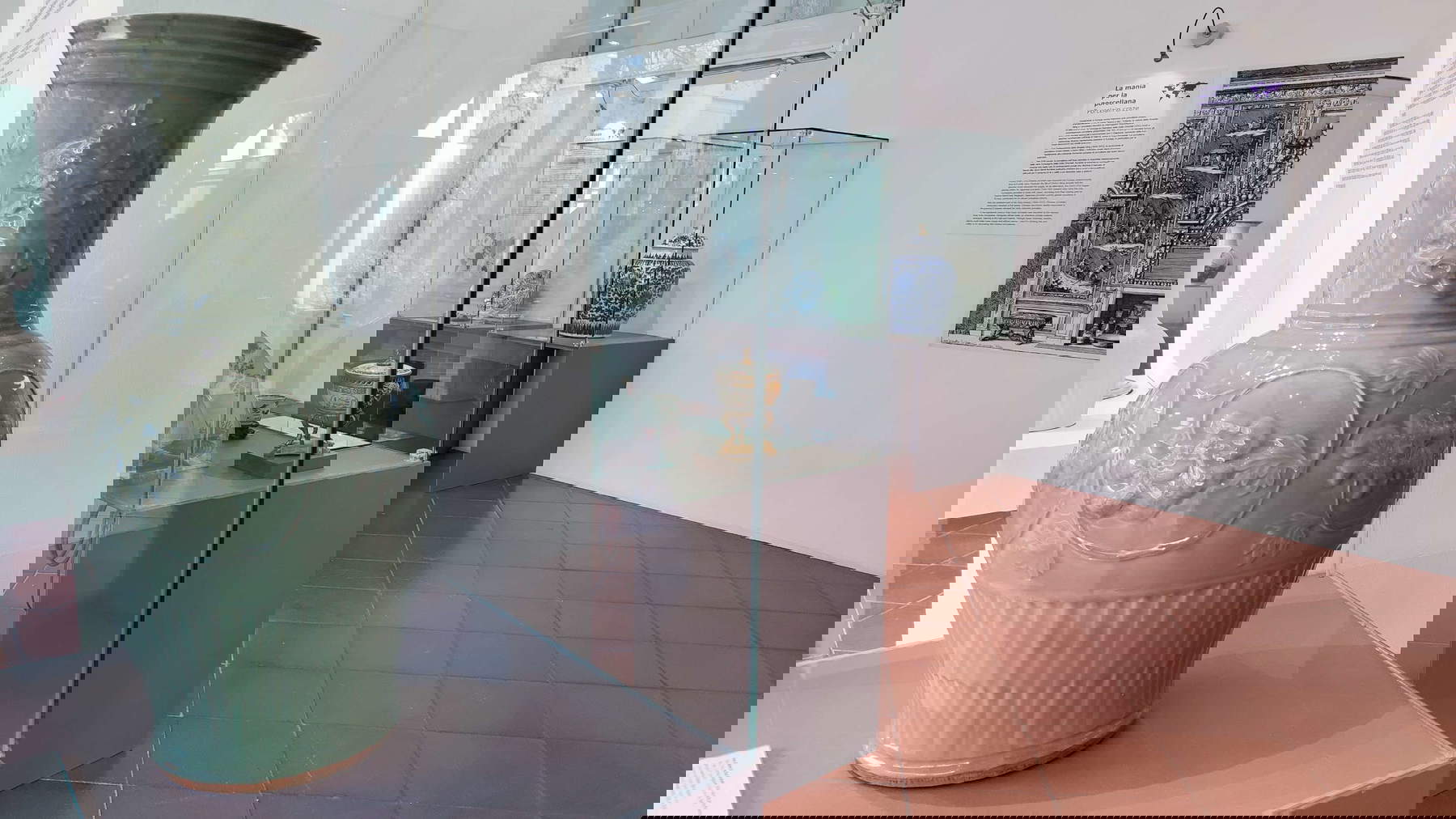
The new exhibit was created thanks to the Ministry of Culture’s PNRR M1C3 Call for Proposals aimed at creating accessible routes and funded by the European Union through the Next Generation EU program. The project included building interventions to overcome physical barriers, accessible educational tools, introductory texts in Braille, tactile routes and audioguides for people with visual impairments. Video content in LIS was also developed for deaf people and information panels according to the Augmentative and Alternative Communication method, designed to improve comprehension of content. A great deal of attention has been paid to multimedia technologies that help overcome cognitive and sensory obstacles. There are virtual tools along the route designed to provide an immersive learning experience, which will be completed in the spring with the installation of a touch screen dedicated to deepening the content.
“This refurbishment,” comments director Claudia Casali, “is part of a project to enhance the Museum’s heritage that we have launched with a view to modernizing its use, content and multimedia. Thanks to the PNRR grant, we are able to create a section that has accessibility elements now necessary for expanded fruition. Our museum has always been attentive to issues of inclusion and accessibility: with this section we are taking a step forward. This rearrangement will also be an opportunity to review the structural layout of the space, which will return to its original architectural dimension.”
To accompany the new itinerary, a guidebook from the MIC series, published by Silvana Editoriale, will be published, offering visitors in-depth information and content useful for understanding the works on display and the themes addressed in the section.
|
| MIC Faenza renews East Asia section with new layout |
Warning: the translation into English of the original Italian article was created using automatic tools. We undertake to review all articles, but we do not guarantee the total absence of inaccuracies in the translation due to the program. You can find the original by clicking on the ITA button. If you find any mistake,please contact us.