





TheOpera della Primaziale Pisana chooses the International Day of the Rights of Persons with Disabilities to take stock of twelve months of interventions dedicated to accessibility and to present updates on the Tutti all’Opera project, with which the institution continues the path of expanding access to the monuments of Piazza dei Miracoli. The anniversary becomes an opportunity to return to the city a summary of the work done and to propose free activities that transform the monumental area into a place for participation, reflection and experimentation.
“When we launched the project more than two years ago, we made it clear that it was an open construction site,” says President Andrea Maestrelli, “investments in accessibility are substantial and will continue: in fact, it is not a goal to be reached once and for all, but a commitment that is constantly renewed. The dialogue with these associations is to gather insights, observations, to confront each other to understand what to do and how to do it. They know the real needs and help us translate them into concrete actions. It is not just about confrontation but about making existing good practices a real shared school. Those who welcome have to know how to do it, and to do it well, you have to really know who you are dealing with and their specific needs. We want the tourist appeal of the Square to also become an opportunity to spread a culture of inclusion. Today’s day concretizes a year of work: we aim for an accessibility that is not just regulatory adaptation, but a true culture of welcome. The ’construction site,’ therefore, remains open and will continue to be so.”
The first figure to emerge from the annual report concerns the expansion of the network of collaboration with associations of people with disabilities, which has increased from eleven to fourteen entities. Memoranda of understanding have been signed with all of them, which are considered essential for gathering observations, suggestions and operational directions. Alongside relations with the local area, the Opera has activated structured exchanges with national institutions such as the Guggenheim in Venice, the Teatro alla Scala Museum in Milan and the RAI Research Center, in order to build a shared ground of best practices and consolidated methods. In parallel, internal staff training on accessibility and hospitality issues continues. The institution confirms that in the coming year, the training plan will also include a day realized with Dynamo Academy at Dynamo Camp, dedicated to the acquisition of specific skills to interact with audiences with different needs.
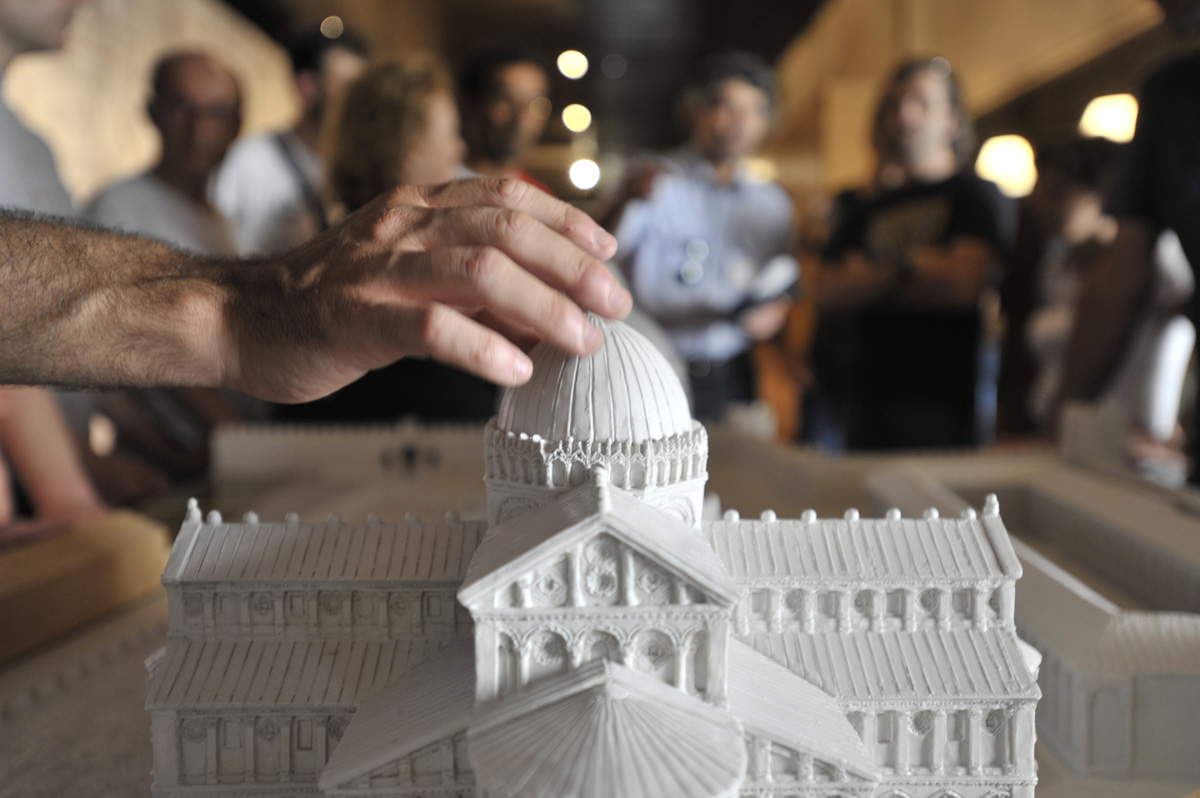
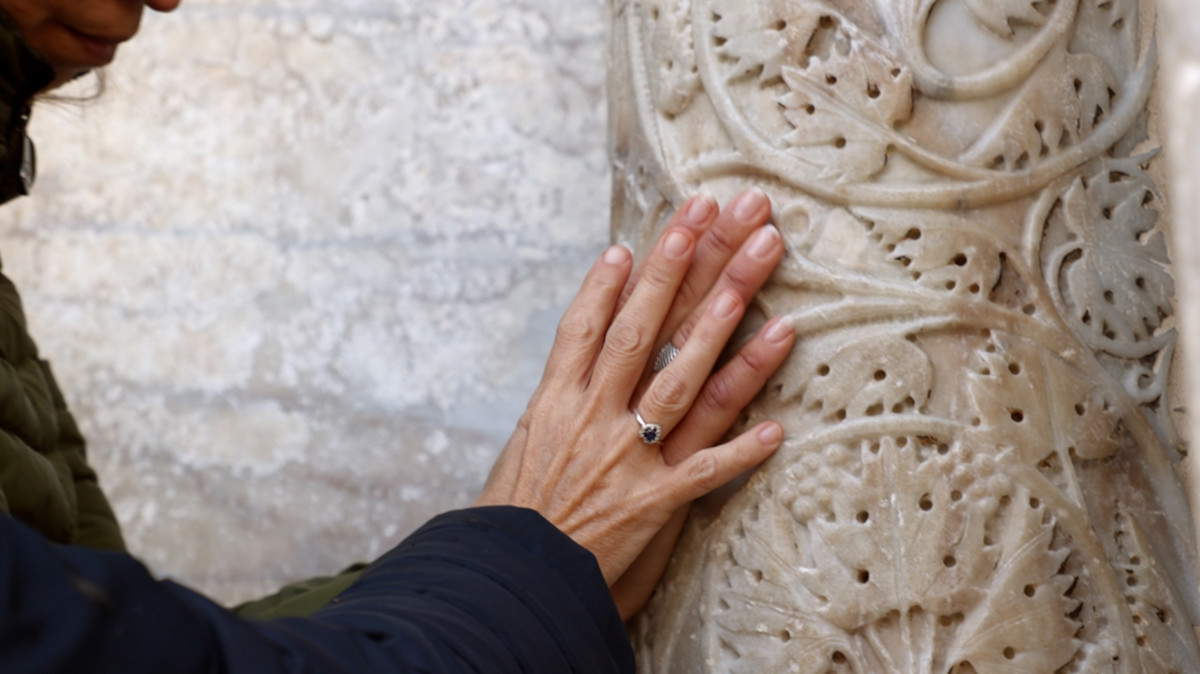
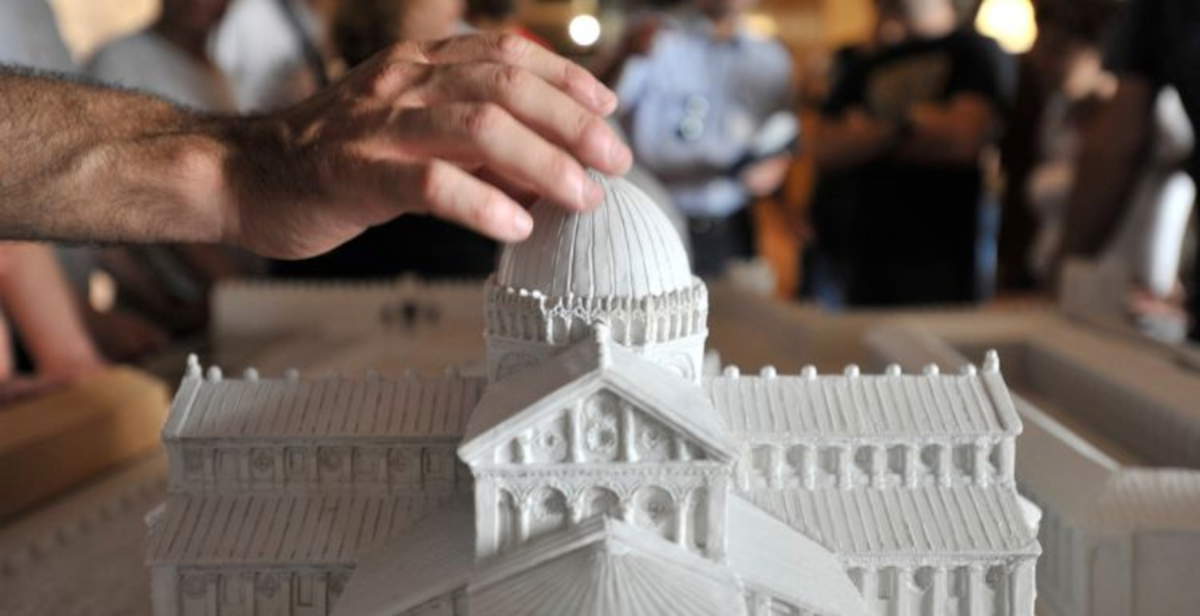
Meanwhile, the implementation of PEBA, the Plan for the Elimination of Architectural Barriers, continues, geared toward the philosophy of design for all, which aims for universally usable solutions without separate pathways. The year’s interventions include the bas-relief from Lasinio ’s engraving The Creation and the three-dimensional model of Giovanni Pisano’s Pergamum. The latter will be presented in the exhibition opening Dec. 13 at the Palazzo dell’Opera del Duomo. Both tools are designed to encourage tactile interpretation of the works, specifically targeting visitors who are blind or visually impaired, but with the stated aim of broadening understanding of the heritage for anyone. The physical dimension of the interventions is complemented by digital solutions. The Opera has completed the production of the MiracoLIS series, six videos in Italian Sign Language, equipped with subtitles, that offer a virtual and sensory itinerary among the monuments and museums of the Piazza. The goal is to offer content that is also accessible at a distance and to introduce more inclusive communication tools. The main novelty, however, concerns the activation of the video-interpreting service in LIS and ISL, implemented with Veasyt. The system, operating daily from 8 a.m. to 8 p.m., including holidays, works through QR codes placed at ticket counters and enables a video call with an interpreter to be activated within a minute. The Opera considers this an important step in reducing communication barriers between deaf visitors and staff, making access to information immediate.
On June 17, the focus on accessibility also involved the religious sphere: for the first time, in agreement with the Most Reverend Chapter, the Holy Mass of the patron saint San Ranieri was translated into Italian Sign Language. The initiative aimed to make liturgical participation accessible to the deaf faithful as well, marking an expansion of the inclusive dimension in the spiritual context of the city. The year also saw the launch of two projects aimed at younger people. The first, entitled DISeducare. Educating for Disability, involved elementary schools in paths dedicated to the tactile discovery of monuments and knowledge of the frescoes of San Ranieri in Camposanto, with a final theatrical performance. The initiative aims to complement the Square’s strong tourist attraction with educational activities that support a culture of inclusion. Interested schools can apply by sending an email to accessibility@opapisa.it.
The second project involved collaboration with the Liceo Artistico Russoli high school in Pisa, which was involved in creating the visual communication for the December 3 Day. The eight winning students, awarded during today’s ceremony, are: Jewel Anmari Reyes (first place); Nicolas Del Corso, Ulu Perna, Elena Fiorentini and Melissa Pistolesi (second place ex aequo); Duccio Bachini, Veronica Sandra Urbaniec and Alex Andreucci (third place ex aequo). The Opera will contribute to furniture or educational equipment for the institute. The program for the Dec. 3 day includes tactile and sensory tours at 10 a.m. and 2 p.m., a theatrical performance in period costumes at 2:30 p.m. dedicated to the San Ranieri fresco cycle, a Lectio magistralis by Professor Tomaso Montanari at 4 p.m. who will reflect on The Words of Hope in relation to the Jubilee, and a piano and whistle concert with Tommaso Novi at 6 p.m. at the Museo delle Sinopie. The event is aimed at the associations that signed the protocols, but is also streamed in the G. Toniolo Auditorium and is open to the public. All activities are supported by LIS interpreters and performers. During the conference, the Opera della Primaziale Pisana was also presented with the “Let’s Build Kindness in Life” Award, a recognition launched in 2021 as part of the international project Let’s Build Kindness by theCor et Amor Association.
“For implementing a project based on listening and discussion with 14 national and local associations, which helped define needs and co-design solutions,” reads the motivation for the award given to the Opera della Primaziale Pisana. “For a truly inclusive welcome, where every phase of the experience, from travel planning to arrival in the square, is designed for people with motor, sensory or cognitive disabilities or for those traveling with the elderly.”
The award, given to initiatives considered important for the common good and particularly concerned with the involvement of children and young people, was presented by Kindness Ambassador and vicar Germana Delle Canne, school principal Rossana Condello of IC V. Galilei of Pisa, the delegate for Kindness of the Province of Pisa Maria Antonietta Scognamiglio and Tiziana Arnone, president of the Friends of Pediatrics of Pisa and ambassador of the project.
 |
| Accessibility in Pisa: a year of interventions and new services for the monuments of Piazza dei Miracoli |

Warning: the translation into English of the original Italian article was created using automatic tools. We undertake to review all articles, but we do not guarantee the total absence of inaccuracies in the translation due to the program. You can find the original by clicking on the ITA button. If you find any mistake,please contact us.















 IT
IT FR
FR DE
DE ES
ES CN
CN


